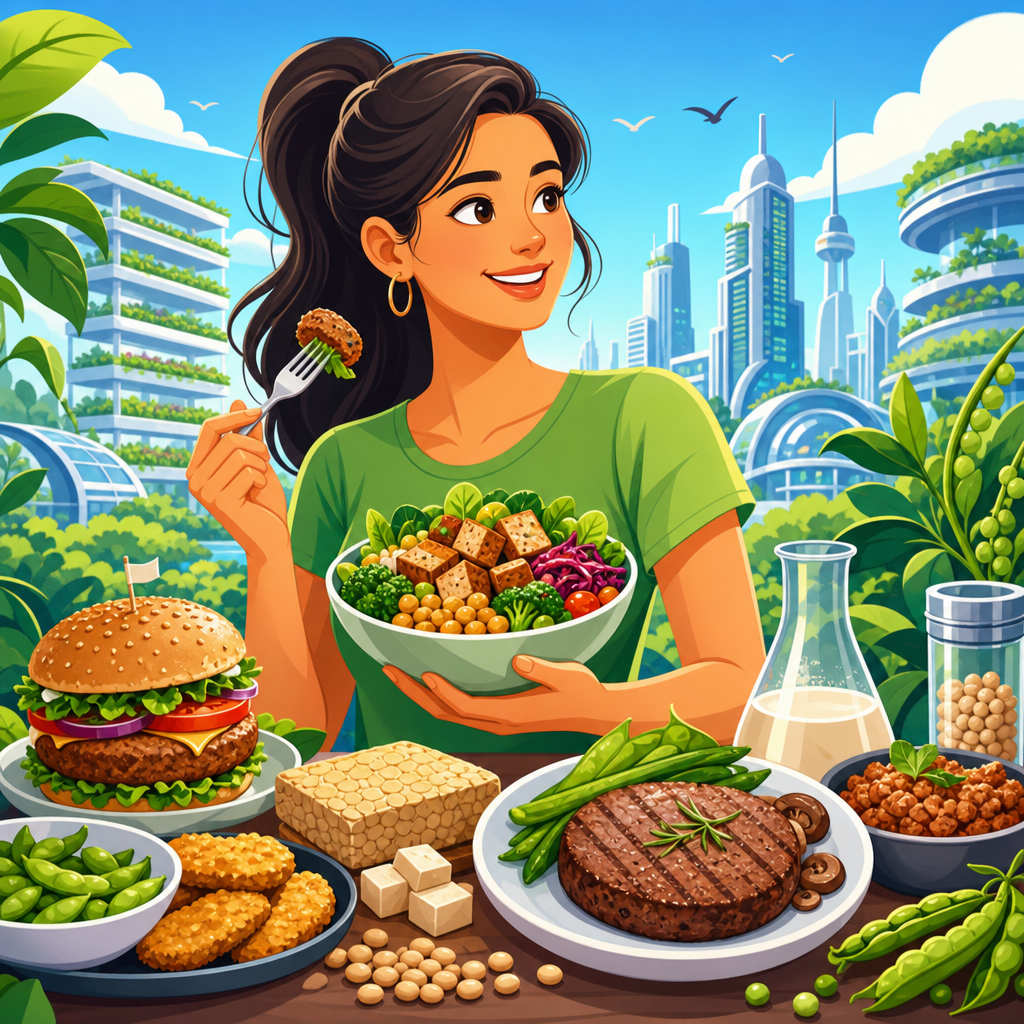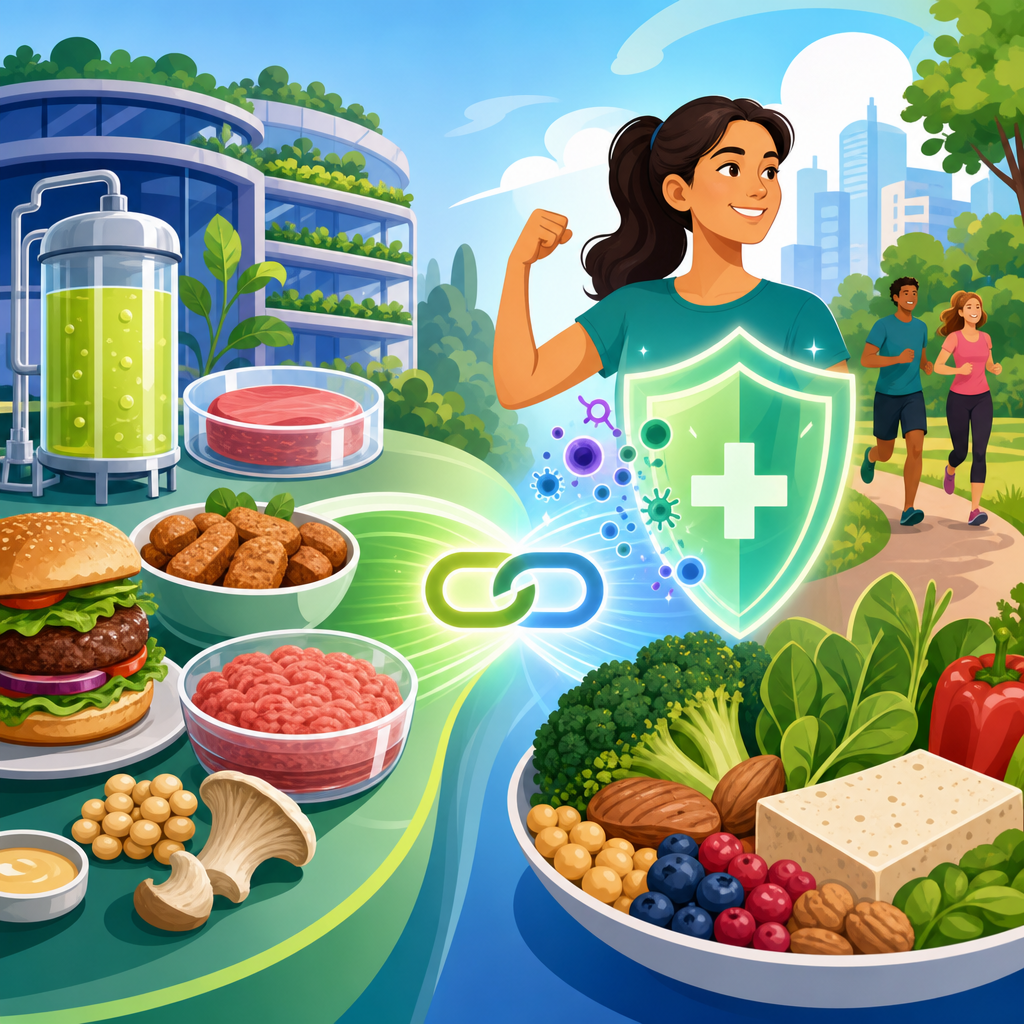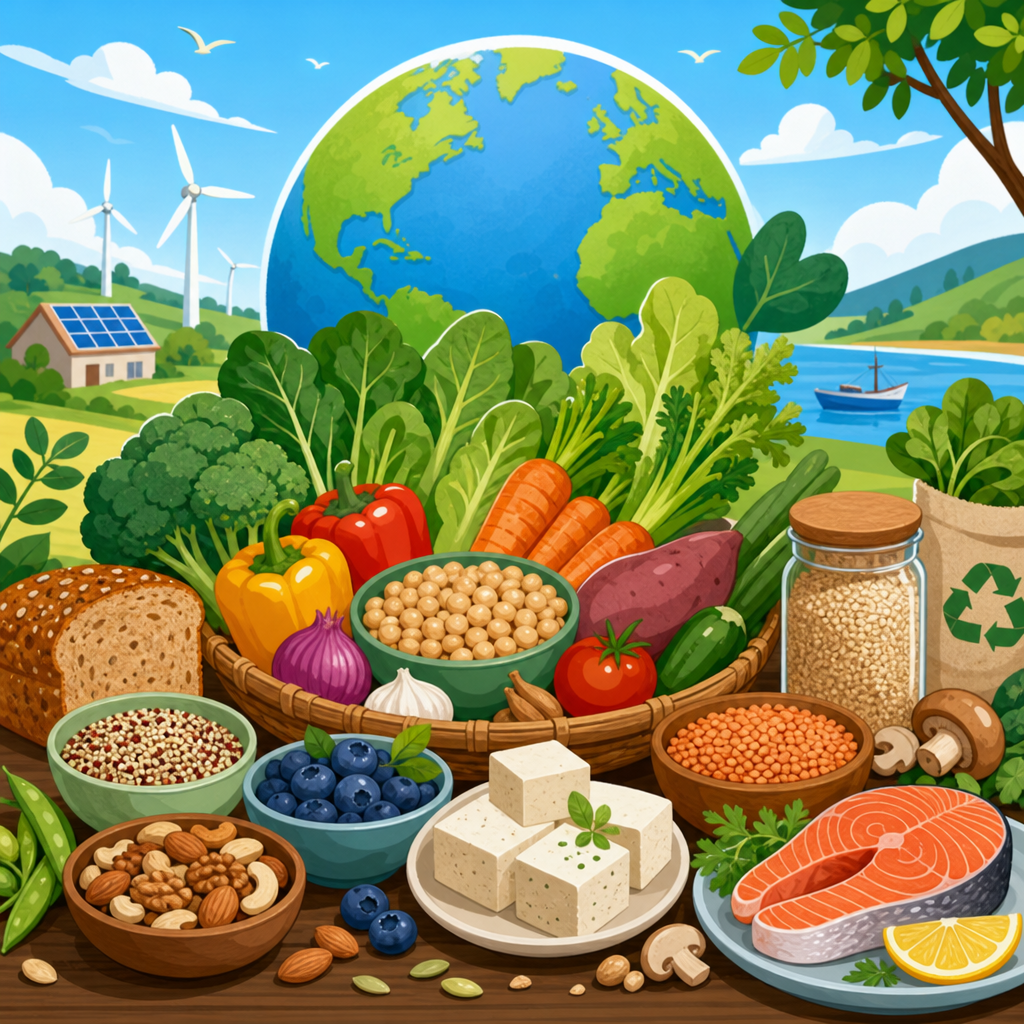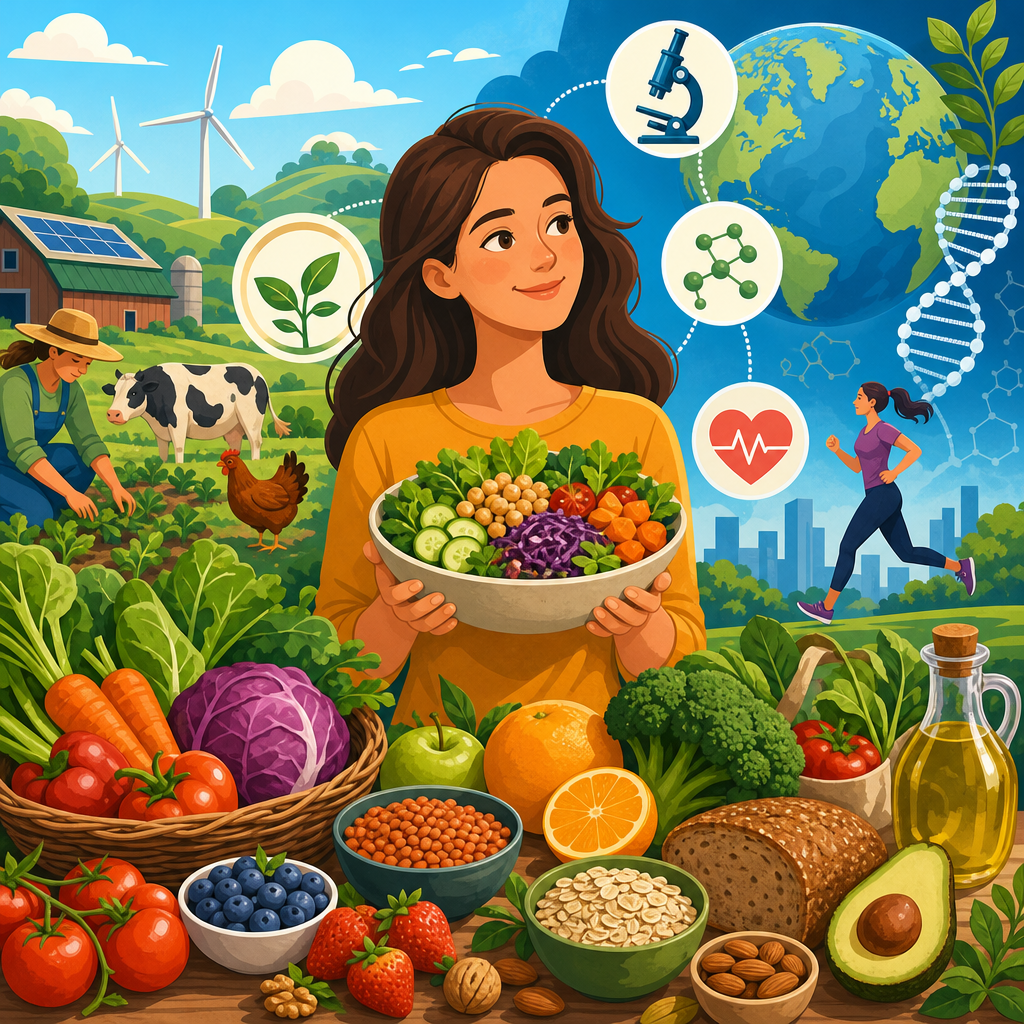
Sustainable eating and eco-friendly diets are no longer niche ideas for environmental advocates; they are practical nutrition strategies that help people meet health goals while reducing pressure on land, water, climate, and biodiversity. In food science, sustainable eating means choosing dietary patterns that support human health today without undermining the natural systems needed to feed future generations. An eco-friendly diet emphasizes foods produced, processed, transported, and consumed with lower environmental impact, while still delivering adequate energy, protein, fiber, vitamins, minerals, and culinary satisfaction. A balanced diet, by contrast, is defined by nutritional adequacy, appropriate calorie intake, variety, and moderation. The crucial point is that these concepts are not competing priorities. In well-designed eating patterns, sustainability strengthens dietary balance because it pushes consumers toward more vegetables, legumes, whole grains, nuts, seeds, and responsibly sourced animal foods.
This matters because the modern food system influences both chronic disease risk and planetary stability. Agriculture uses about half of the world’s habitable land, accounts for roughly 70 percent of global freshwater withdrawals, and contributes a significant share of greenhouse gas emissions, especially from livestock, fertilizer use, land-use change, and food waste. At the same time, many populations consume too few fiber-rich plant foods and too many ultra-processed products high in sodium, added sugars, and saturated fat. In my work reviewing dietary guidance and sustainability reports, the pattern is consistent: the same food choices that improve long-term cardiometabolic health often also reduce environmental burden. Building a balanced diet around sustainable eating is therefore not about restriction or ideology. It is about aligning nutrition quality, resource efficiency, affordability, and resilience in a food system under strain.
What Sustainable Eating Means in Practical Nutrition
Sustainable eating starts with a simple principle: eat in a way that nourishes your body while using fewer natural resources and generating less waste. In practice, that usually means shifting the center of the plate toward plant-forward foods and treating high-impact foods more strategically. A sustainable meal is not automatically vegetarian, organic, local, or expensive. It is a pattern built from evidence-based choices, including more beans and lentils, more seasonal produce, more intact whole grains, less food waste, and more careful selection of seafood, dairy, eggs, and meat. This distinction is important because consumers are often told that one label alone defines sustainability. It does not. A greenhouse-grown tomato in winter, a heavily packaged snack labeled natural, and an imported almond product can each carry tradeoffs that are invisible at the shelf.
From a nutritional standpoint, sustainable eating supports a balanced diet by increasing foods associated with lower disease risk. Legumes provide protein, fiber, folate, magnesium, potassium, and iron at a fraction of the emissions intensity of beef. Whole grains improve satiety and glycemic control while requiring fewer processing inputs than many refined convenience foods. Nuts and seeds contribute unsaturated fats that support cardiovascular health. Even modest substitutions can matter. Replacing one beef meal per week with lentil chili or tofu stir-fry can reduce dietary emissions over time without compromising protein intake. The goal is not perfection. The goal is a repeatable eating pattern that is nutritionally complete, culturally realistic, and environmentally lighter.
Why Eco-Friendly Diets Support a Truly Balanced Diet
A balanced diet is often described only in nutrient terms, but balance also includes long-term viability. If a dietary pattern depends on excessive resource use, chronic overconsumption, or supply chains vulnerable to climate shocks, it is not balanced in any meaningful systems sense. Eco-friendly diets improve that balance by emphasizing diversity, moderation, and resource-conscious food choices. Dietary diversity is especially important because monoculture-heavy habits narrow both nutrient intake and agricultural resilience. Rotating among oats, barley, brown rice, quinoa, lentils, chickpeas, peas, soy foods, root vegetables, brassicas, citrus, berries, and fermented foods broadens micronutrient coverage and reduces dependence on a small number of high-input crops.
Eco-friendly diets also improve portion balance. In many high-income countries, meat portions exceed physiological need. The body does not require a twelve-ounce steak to meet protein targets. Spreading protein across the day with yogurt, eggs, beans, fish, tofu, and nuts often improves dietary quality while lowering environmental impact. Public health guidance consistently supports patterns rich in plants and moderate in animal products, and the scientific reason is straightforward: these diets deliver fiber and phytonutrients that are absent or limited in many meat-heavy menus. They also lower average intake of saturated fat when red and processed meats are reduced. When people ask whether sustainable eating is enough for a balanced diet, the answer is yes, provided the diet is planned with attention to protein quality, iron, calcium, vitamin B12, omega-3 fats, and overall energy needs.
The Foods That Lower Impact Without Sacrificing Nutrition
The strongest evidence points to a hierarchy of food choices. Legumes are among the most efficient protein sources available. Lentils cook quickly, store well, and work in soups, curries, salads, and pasta sauces. Chickpeas provide protein and fiber and can replace part of the meat in tacos or meatballs. Soy foods such as tofu, tempeh, and edamame offer complete protein and are highly versatile. Whole grains including oats, farro, and brown rice form durable staples with strong nutrient density. Seasonal vegetables and fruits generally offer better flavor, lower spoilage risk, and often lower production burdens than out-of-season equivalents grown with intensive heating or long cold-chain transport.
Animal foods can still fit within an eco-friendly diet, but choice and quantity matter. Poultry and eggs generally have lower greenhouse gas emissions than beef and lamb. Dairy can contribute calcium, iodine, and protein, yet portion control remains important because production impacts vary widely by system. Seafood presents a more complex case. Small pelagic fish such as sardines and anchovies are often nutritionally valuable and can be environmentally preferable to some large predatory species. Consumers should look for guidance from credible certification systems and regional fishery advisories. The key is not to classify foods as morally good or bad. It is to understand relative impact and build meals around foods that deliver the most nutrition per unit of environmental cost.
| Food choice | Nutrition benefit | Typical sustainability advantage | Simple use |
|---|---|---|---|
| Lentils | Protein, fiber, folate, iron | Low emissions, low cost, stores well | Soup, curry, taco filling |
| Tofu | Complete protein, calcium when fortified | Lower impact than most red meat | Stir-fry, grain bowl, scramble |
| Oats | Whole-grain fiber, beta-glucan | Minimal processing, shelf stable | Porridge, overnight oats, baking |
| Sardines | Protein, omega-3s, calcium | Often efficient lower-trophic seafood | Toast, salad, pasta |
| Seasonal produce | Vitamins, minerals, phytochemicals | Less waste, often lower input intensity | Roasting, salads, soups |
Food Waste, Packaging, and Sourcing: The Overlooked Half of Sustainable Eating
What people buy is only part of the sustainability equation; what they waste is equally important. Roughly one-third of food produced globally is lost or wasted, according to the United Nations. In household terms, waste usually comes from overbuying, poor storage, confusing date labels, and unrealistic meal planning. Reducing waste improves diet quality because it encourages intentional shopping and cooking. I routinely recommend building meals around ingredients with overlapping use: spinach can go into omelets, grain bowls, soups, and pasta; cooked beans can become salads, stews, and wraps. Freezing bread, chopped vegetables, and leftover cooked grains prevents spoilage and makes healthier meals easier to assemble on busy days.
Packaging and sourcing also deserve a nuanced view. Consumers often focus on packaging first because it is visible, yet for many foods the production phase contributes more environmental impact than the wrapper. That said, excess packaging still matters, especially for single-serve products that cost more and create more material waste. Choosing larger formats, refill options, and minimally processed staples can lower both cost and packaging burden. Sourcing raises similar tradeoffs. Local food can support regional economies and freshness, but local is not automatically lower impact than imported food produced efficiently in season. Transport usually represents a smaller share of emissions than production method, particularly for ruminant meat. A practical rule is to prioritize plant-forward foods, buy seasonal when possible, and avoid letting perfect sourcing become an excuse for inaction.
Common Nutritional Concerns and How to Solve Them
The most common question about eco-friendly diets is whether they provide enough protein. For most adults, the answer is yes. Beans, lentils, soy foods, dairy, eggs, fish, poultry, nuts, seeds, and whole grains all contribute protein, and varied intake across the day easily meets needs for many people. Plant proteins do not need to be combined in the same meal to be effective; overall daily variety is what matters. Another concern is iron. Plant foods provide non-heme iron, which is absorbed less efficiently than heme iron from meat, but pairing beans, tofu, pumpkin seeds, or fortified cereals with vitamin C-rich foods such as peppers, citrus, tomatoes, or berries improves absorption. Calcium can come from dairy, calcium-set tofu, fortified plant beverages, sesame, and leafy greens, though oxalate content affects some greens.
Vitamin B12 is the nutrient that requires the most direct attention in diets with little or no animal food, because reliable plant sources are limited. Fortified foods or supplements are often appropriate. Omega-3 fats can come from fatty fish, algae-based supplements, walnuts, chia, flax, and hemp, though EPA and DHA are more directly available from fish or algae than from plant ALA. Children, pregnant people, older adults, and athletes may need more tailored planning, particularly for energy density, iron, calcium, and protein timing. Sustainable eating is therefore not nutritionally risky when done thoughtfully. It becomes risky only when people remove food groups without replacing their nutritional function. A balanced eco-friendly diet is built by substitution, not by omission.
How to Build a Sustainable Eating Pattern That Lasts
The most effective sustainable diet is the one a person can maintain across work schedules, budgets, family preferences, and cultural traditions. Start with meal architecture rather than strict rules. Aim for vegetables or fruit at most meals, a reliable protein source, a whole-grain or starchy staple, and healthy fats. Then make lower-impact swaps where they fit naturally. Use beans in half the chili. Replace one or two beef meals each week with lentil bolognese, tofu curry, or egg-based dishes. Keep frozen vegetables and canned beans for convenience. Choose yogurt tubs over single portions. Plan one leftover night. These changes sound small, but they work because they reduce friction, and low-friction habits are what endure.
Cost is another major factor. Sustainable eating is often assumed to be expensive, yet many of the core foods are among the cheapest in the store: oats, beans, lentils, potatoes, cabbage, carrots, onions, rice, and seasonal produce. Costs rise when consumers rely on specialty products marketed as ethical alternatives. Those can be useful, but they are not required. A realistic strategy is to build around whole foods and use convenience products selectively. This subtopic connects directly with meal planning, protein quality, food labeling, plant-based diets, sustainable seafood, and food waste reduction, because none of these issues stands alone. When the hub is understood as a system, the benefit is clear: sustainable eating creates a balanced diet that is healthier, more resilient, and more practical than the high-impact habits it replaces.
Sustainable eating and eco-friendly diets are essential for a balanced diet because they connect personal nutrition with the long-term capacity of the food system to nourish everyone. The evidence is consistent: diets built around legumes, whole grains, fruits, vegetables, nuts, seeds, and carefully chosen animal foods can support excellent health while reducing emissions, land pressure, water use, and waste. They also encourage habits that make balanced eating easier, including portion awareness, dietary variety, meal planning, and smarter shopping. Rather than framing sustainability as a sacrifice, it is more accurate to see it as a quality filter that helps people choose foods with stronger nutritional return and lower environmental cost.
The most useful takeaway is that sustainable eating does not require a complete lifestyle overhaul. It requires better defaults. Cook more from staples, waste less, eat more plants, moderate high-impact foods, and pay attention to nutrients that need deliberate planning. Those steps improve diet quality now and support food security later. As the central hub for this topic, this article sets the foundation for deeper exploration of plant-forward meal design, sustainable sourcing, nutrient adequacy, and household food waste. Use it as your starting point, then apply one practical change this week: swap a high-impact meal for a bean, soy, or whole-grain alternative and build from there.
Frequently Asked Questions
What does sustainable eating actually mean, and how is it connected to a balanced diet?
Sustainable eating means choosing foods and dietary patterns that nourish the body while also reducing unnecessary strain on the environment. In practical terms, it involves eating in a way that supports long-term human health without depleting the natural resources needed to grow food for future generations. This includes paying attention to how food is produced, how much land and water it requires, how it affects climate and biodiversity, and how much waste is created along the way. Rather than being a restrictive or trendy concept, sustainable eating is a practical framework for making healthier and more responsible nutrition choices.
It connects closely to a balanced diet because many of the same habits that support good health also tend to be more environmentally responsible. Diets centered on vegetables, fruits, whole grains, legumes, nuts, seeds, and moderate amounts of responsibly sourced animal foods often provide fiber, vitamins, minerals, healthy fats, and quality protein while also using fewer resources than heavily processed, high-meat dietary patterns. A balanced diet is not just about calories or macronutrients; it is about variety, nutrient density, portion balance, and consistency over time. Sustainable eating strengthens that balance by encouraging food choices that are both nourishing and realistic for the long term.
In food science and public health, this matters because nutrition and environmental systems are deeply linked. If a dietary pattern improves personal health but depends on unsustainable farming, excessive waste, or resource depletion, it cannot truly support well-being in the broadest sense. Sustainable eating expands the definition of a balanced diet by recognizing that human health depends on healthy food systems, resilient agriculture, and ecosystems that can continue producing nutritious food safely and efficiently.
Why are eco-friendly diets considered essential rather than optional for modern nutrition?
Eco-friendly diets are increasingly considered essential because modern nutrition cannot be separated from the environmental systems that make food production possible. Soil quality, freshwater availability, pollinator populations, climate stability, and biodiversity all influence how food is grown, distributed, and priced. When dietary patterns rely too heavily on resource-intensive foods, high levels of processing, and excessive food waste, they contribute to pressures that make nutritious food harder to produce and less accessible over time. That is why eco-friendly eating is not simply about personal preference; it is part of protecting the long-term stability of the food supply.
From a health perspective, eco-friendly diets often align with recommendations for disease prevention and overall wellness. Eating more plant-forward meals, choosing minimally processed foods, moderating portions of high-impact animal products, and reducing excess sugar, sodium, and refined ingredients can support healthy body weight, digestive health, heart health, blood sugar management, and inflammation control. These same shifts can also reduce emissions, conserve water, and lower land-use pressure. In other words, eco-friendly diets often create a dual benefit: better nutritional quality for individuals and reduced environmental burden at the system level.
They are also essential because the scale of food-related environmental impact is significant. Food choices influence greenhouse gas emissions, deforestation, water use, packaging waste, and habitat disruption. When millions of people make small but consistent changes, such as eating more legumes, buying seasonal produce, avoiding unnecessary waste, and selecting responsibly sourced foods, the cumulative effect can be meaningful. Modern nutrition is no longer just about meeting daily nutrient targets; it is about building dietary patterns that can be maintained globally without compromising health, affordability, or ecological resilience.
Can a sustainable diet still provide enough protein, iron, calcium, and other key nutrients?
Yes, a sustainable diet can absolutely provide adequate protein and other essential nutrients when it is planned with variety and balance in mind. One of the most common misconceptions about eco-friendly eating is that it automatically means nutritional compromise. In reality, many sustainable dietary patterns are rich in nutrient-dense foods and can fully support health across different life stages. Protein can come from beans, lentils, peas, tofu, tempeh, edamame, dairy foods, eggs, nuts, seeds, whole grains, and, when chosen, moderate amounts of sustainably produced fish or meat. The key is not relying on a single food, but building meals around diverse sources.
Iron, calcium, zinc, omega-3 fats, vitamin B12, and vitamin D deserve special attention, but they are manageable within a sustainable framework. Iron can be obtained from legumes, fortified cereals, seeds, leafy greens, and responsibly chosen animal foods, and its absorption improves when paired with vitamin C-rich foods like citrus, peppers, or tomatoes. Calcium is available from dairy products, fortified plant beverages, tofu made with calcium sulfate, sesame products, and some leafy greens. Omega-3 fats can come from flaxseeds, chia seeds, walnuts, and algae-based sources, while vitamin B12 may require fortified foods or supplements for those following fully plant-based diets. Vitamin D may also need support depending on sun exposure and dietary intake.
The broader point is that sustainability does not mean eliminating major food groups without a plan. It means being intentional. A well-constructed sustainable diet can meet energy needs, support muscle maintenance, promote satiety, and provide a strong micronutrient profile. For children, athletes, older adults, pregnant individuals, or anyone with medical nutrition concerns, personalized guidance from a registered dietitian can be especially helpful. But for most people, shifting toward a more sustainable way of eating does not reduce nutritional adequacy; it often improves dietary quality by increasing whole foods, diversity, and meal planning awareness.
What are the easiest ways to start eating more sustainably without making my diet complicated?
The easiest way to start is to focus on simple, repeatable habits rather than trying to overhaul everything at once. One of the most effective changes is to make more meals plant-forward. That does not necessarily mean going vegetarian or vegan overnight. It can be as straightforward as replacing a few meat-centered meals each week with dishes based on beans, lentils, chickpeas, tofu, or whole grains. Soups, grain bowls, vegetable stir-fries, bean chili, pasta with vegetables, and lentil curries are practical options that are nutritious, affordable, and lower in environmental impact than many heavily meat-based meals.
Another smart strategy is to reduce food waste. Sustainable eating is not only about what you buy, but also about what you actually use. Planning meals before shopping, storing produce properly, freezing leftovers, and repurposing ingredients can save money and reduce unnecessary waste. For example, extra roasted vegetables can be added to wraps or salads, stale bread can become croutons, and overripe fruit can go into smoothies or oatmeal. Waste reduction is one of the most immediate ways to make a diet more eco-friendly because it prevents the loss of all the resources used to produce that food in the first place.
You can also choose seasonal and locally available foods when practical, buy minimally processed foods more often, and pay attention to packaging. Seasonal produce is often fresher, more affordable, and less likely to require high-energy storage or long-distance transport. At the same time, it is important to stay realistic. A sustainable diet does not need to be perfect to be effective. If you start by eating more whole plant foods, moderating high-impact foods, minimizing waste, and choosing foods you genuinely enjoy, your habits are far more likely to stick. Long-term consistency matters more than rigid rules.
Does eating sustainably cost more, or can it be affordable for everyday families?
Sustainable eating can be affordable, and in many cases it can lower grocery costs when approached thoughtfully. A common assumption is that eco-friendly diets require specialty products, premium organic labels, or expensive health foods, but that is not the reality for most people. Some of the most sustainable foods are also among the most budget-friendly, including beans, lentils, oats, rice, seasonal vegetables, potatoes, frozen produce, peanut butter, eggs, and whole grains. These foods provide strong nutritional value per dollar and can form the foundation of balanced, satisfying meals.
Cost often rises when sustainability is interpreted as buying only niche products or heavily marketed alternatives. Instead, the most practical version of sustainable eating focuses on basics: cooking more at home, reducing food waste, planning meals, using leftovers, and shifting some spending away from highly processed convenience foods and large portions of expensive animal proteins. For example, stretching ground meat with lentils, using beans in soups and tacos, or building meals around grains and vegetables can significantly reduce costs without sacrificing quality or taste. Frozen fruits and vegetables are also excellent options because they are nutritious, convenient, and often cheaper than fresh produce out of season.
For everyday families, affordability improves when sustainable eating is seen as flexible rather than idealized. You do not need to buy everything organic or locally sourced to make meaningful progress. What matters most is choosing more nutrient-dense staples, wasting less food, and finding a realistic balance that fits your household budget, preferences, and cultural food traditions. Sustainable eating works best when it supports both financial and nutritional stability. In that sense, it is not just environmentally responsible; it is a practical and accessible way to build a balanced diet over time.