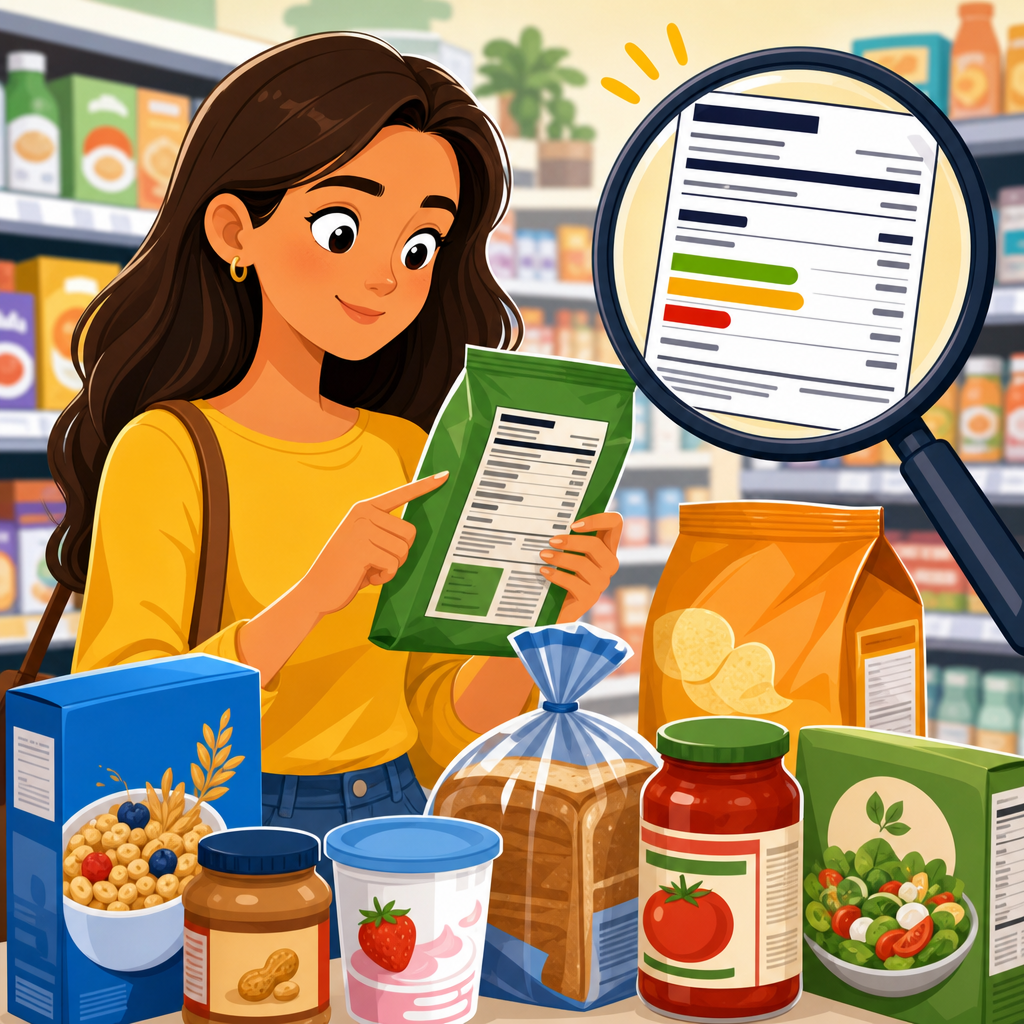
Food labels influence almost every grocery decision, yet many shoppers still find them confusing, inconsistent, or easy to misread. Understanding food packaging means learning how to interpret the words, numbers, symbols, and design cues printed on a package so you can judge nutrition, safety, quality, and sustainability with confidence. In practical terms, label reading is the skill of separating regulated facts from marketing language. It matters because packaging shapes what people buy, how much they eat, how they store food, and what they throw away. I have worked with packaged food specifications, retailer compliance checklists, and ingredient reviews, and the same pattern appears repeatedly: people focus on the front of pack, while the most useful information is usually elsewhere.
A complete guide to food packaging starts with the basic structure of a label. Most packaged foods include a product name, net quantity, ingredient list, allergen statement, nutrition panel, date mark, storage instructions, manufacturer or distributor details, and often a barcode or traceability code. Depending on the product and market, labels may also carry origin claims, recycling marks, preparation instructions, certification logos, and front-of-pack nutrition systems. Each element serves a different purpose. The ingredient list tells you what is in the food and in what order by weight at the time of manufacture. The nutrition panel quantifies energy, fat, carbohydrates, protein, sodium, fiber, vitamins, or minerals. Date labels guide safety and quality. Packaging symbols communicate handling, material composition, and disposal.
This topic sits at the center of food science and sustainability because labels connect formulation, processing, regulation, consumer behavior, and waste reduction. A shopper comparing two tomato sauces is not just comparing taste. They are comparing sugar level, sodium content, serving size assumptions, additive use, packaging material, recyclability, shelf life, and price per unit. A parent checking allergen statements for a child with peanut allergy is making a safety decision, not just a purchase decision. A household trying to reduce food waste needs to understand the difference between “best by” and “use by.” When you know how labels work, you buy more accurately, store food more safely, and interpret sustainability claims more critically. That is why label reading deserves a hub article: it is the gateway skill for every deeper discussion about ingredients, nutrition, packaging technology, and responsible consumption.
The Anatomy of a Food Label
To read packaging well, start by identifying which parts are legally standardized and which parts are primarily promotional. The front panel usually contains the brand name, product identity, net contents, and marketing claims such as “natural,” “high protein,” or “made with whole grains.” The side or back panel typically carries the more regulated details. In my experience reviewing labels, the fastest way to avoid being misled is to move straight from the product name to the ingredient list and nutrition facts. A cereal box may feature berries, oats, and bold claims about heart health on the front, yet the back may show refined grains first, multiple sweeteners, and a serving size smaller than what most people actually pour.
The statement of identity is more important than many shoppers realize. Terms such as “cheese spread,” “frozen dairy dessert,” or “fruit drink” are not interchangeable with cheese, ice cream, or juice. They often signal a different formulation standard, including lower percentages of the expected core ingredient. Net quantity is also useful because package size can create false value signals. A taller bottle or wider box can appear larger while containing less product. Unit pricing on shelf labels helps, but the package itself provides the legal net weight or volume that lets you compare across brands.
Traceability details deserve attention too. Lot codes, establishment numbers, and manufacturer addresses are crucial during recalls. They are not decorative marks. They allow regulators and companies to identify affected batches quickly. If a package gives specific storage language such as “keep refrigerated after opening” or “consume within three days,” that instruction reflects product safety and quality testing. Ignoring it can negate the protection built into processing and packaging design.
How to Read the Nutrition Facts Panel Correctly
The nutrition panel is designed to standardize comparison, but it is often misunderstood because shoppers overlook serving size, reference amounts, and context. Start with serving size first. If a bottle contains 2.5 servings, every calorie, gram of sugar, and milligram of sodium must be multiplied if you drink the whole thing. This is one of the most common sources of error I see in client education work. People believe they consumed 120 calories because that is the largest number they saw, when the package actually delivered 300.
Calories measure energy, not healthfulness by themselves. A food can be calorie dense and nutritious, like nuts, or low calorie and nutritionally weak, like a flavored ice pop. The more informative approach is to interpret calories alongside protein, fiber, saturated fat, added sugar, and sodium. For example, a yogurt with 15 grams of protein and little added sugar serves a very different nutritional role from a dessert-style yogurt with the same calories but more sugar and less protein. Percent daily value can help, especially for sodium, saturated fat, calcium, iron, and fiber, but it is based on general reference diets and should not replace personal needs assessment.
Two advanced label-reading habits improve decision making. First, compare foods using a common basis such as per 100 grams or per container when possible. This avoids distorted comparisons caused by tiny serving sizes. Second, distinguish total sugar from added sugar. Fruit can contain natural sugars with fiber and micronutrients, while a sweetened beverage may contain almost entirely added sugars. On savory products, sodium is often the hidden issue. Bread, sauces, soups, deli meats, and frozen meals can contribute far more sodium than consumers expect, and frequent intake above recommended limits is associated with elevated blood pressure risk.
Ingredient Lists, Additives, and Allergen Statements
Ingredients are listed in descending order by weight at the time of manufacture, so the first three ingredients often tell you most of what a food is. This is one of the most reliable shortcuts in label reading. If sugar appears among the first ingredients in breakfast cereal, flavored yogurt, pasta sauce, or plant milk, sweetness is a major formulation feature rather than a minor note. Ingredient lists also reveal whether a product relies on whole-food inputs or highly refined components. Compare peanut butter made from peanuts and salt with a spread containing added sugars, fully hydrogenated oils, and emulsifiers. Both are legal products, but they are not equivalent.
Food additives are frequently misunderstood. Preservatives, stabilizers, emulsifiers, colorings, and acidity regulators each serve technical functions such as preventing spoilage, improving texture, or maintaining uniformity. Citric acid controls acidity, lecithin helps emulsify fat and water, pectin gels fruit fillings, and ascorbic acid can reduce oxidation. The presence of additives does not automatically make a food unsafe; approved additives are evaluated for specific uses and limits. Still, additive-heavy formulations can indicate a product engineered for long shelf life and sensory consistency rather than simplicity. Reading labels lets you decide where that tradeoff fits your priorities.
Allergen labeling is a critical safety feature. Major allergens commonly require explicit declaration, either within the ingredient list or in a separate “contains” statement. For people managing allergies to milk, eggs, fish, shellfish, tree nuts, peanuts, wheat, soy, sesame, or other locally regulated allergens, these statements must be checked every time. Manufacturers change recipes, substitute suppliers, or alter lines. Advisory phrases such as “may contain” or “processed in a facility that also handles” are voluntary in many markets and indicate cross-contact risk, not confirmed presence. They should be interpreted cautiously, especially for severe allergies.
Date Labels, Storage Instructions, and Food Safety
Date marking is one of the biggest sources of household food waste because many consumers treat all dates as safety deadlines. In reality, date labels can mean different things. “Use by” generally relates to safety on highly perishable foods when stored as directed. “Best by” or “best before” usually indicates expected peak quality, not automatic spoilage. Dry pasta, cereal, and canned foods often remain usable beyond a best-by date if the package is intact, though texture or flavor may decline. Refrigerated ready-to-eat foods, fresh dairy products, and deli items require more caution.
Storage instructions matter just as much as the date itself. A refrigerated dip left in a warm car can become unsafe before its printed date, while a frozen item kept consistently below freezing may remain wholesome far longer than many people assume. Packaging technologies influence this. Modified atmosphere packaging, vacuum sealing, aseptic cartons, and retort pouches all extend shelf life by controlling oxygen, microbes, or heat exposure. But those systems work only under the conditions validated by the manufacturer. Once opened, the original shelf-life model changes.
| Label element | What it usually means | Best consumer action |
|---|---|---|
| Use by | Last recommended date for safety or peak reliability on perishable food | Follow strictly and store exactly as directed |
| Best before / Best by | Quality benchmark for flavor, texture, or color | Inspect food and package condition before discarding |
| Keep refrigerated | Product depends on cold storage to control microbial growth | Refrigerate promptly, ideally at or below 4°C |
| Consume within X days of opening | Opening reduces protection from contamination and oxidation | Date the package when opened and plan usage |
For home safety, combine labels with sensory and physical checks, but do not rely on smell alone. Pathogens such as Listeria monocytogenes may not produce obvious spoilage cues. Swollen cans, broken seals, bulging pouches, or leaking packages are clear warning signs. When labels, storage history, and package integrity do not align, caution should win.
Sustainability Claims, Recycling Symbols, and Packaging Materials
Food packaging does more than contain a product; it manages oxygen, moisture, light, contamination, transport stress, and information. Sustainable label reading therefore requires nuance. A package that looks eco-friendly is not always environmentally preferable if it shortens shelf life and increases food waste. From a life-cycle perspective, wasted beef, cheese, coffee, or chocolate often carries a larger environmental burden than the package protecting it. I have seen many cases where a slightly heavier package reduced breakage, spoilage, and returns enough to lower the overall footprint.
Common materials include PET for beverage bottles, HDPE for milk jugs, glass for sauces, aluminum for cans, paperboard for dry goods, and multilayer laminates for snacks and retort products. Each has tradeoffs. Glass is inert and widely recyclable but heavy in transport. Aluminum cans recycle efficiently in many systems and protect against light and oxygen. Flexible plastic pouches use less material by weight but are often harder to recycle because they combine layers for barrier performance. Compostable packaging can help in specific waste systems, yet it often requires industrial composting conditions and should never be assumed to break down quickly in home compost or landfill.
Claims such as “recyclable,” “biodegradable,” “compostable,” “carbon neutral,” or “plastic free” need scrutiny. Check whether the label specifies conditions, certification, or local availability. The Mobius loop alone does not guarantee curbside acceptance. Resin codes identify material type, not local recyclability. Credible environmental claims are precise, limited, and verifiable. Labels that reference FSC-certified paper, How2Recycle guidance, or third-party compostability standards are generally more informative than vague green imagery. The best reading strategy is to ask two questions: does this package protect the food effectively, and can my local system actually recover or process it?
Front-of-Pack Claims and Smarter Shopping Decisions
Front-of-pack language is designed to influence fast decisions, so it deserves the most skepticism. “Natural” has no single universal meaning across all food categories. “Multigrain” does not guarantee whole grain. “Made with real fruit” may describe a product with small amounts of fruit concentrate and substantial added sugar. “No added sugar” does not always mean low sugar, because juice concentrates and intrinsic sugars can still be high. Even positive claims like “high protein” should be checked against serving size, sodium, and ingredient quality.
Certifications can be useful when they reflect audited standards. Organic certification, fair trade programs, marine stewardship standards, and non-GMO verification each address different concerns. None is a universal marker of nutrition, sustainability, or ethics on its own. Organic cookies remain cookies. Fair trade sugar is still sugar. The value of these marks lies in what standard they actually certify, not the halo they create around the entire product.
For smarter shopping, use a repeatable process. Read the product name carefully, check the serving size, scan calories in context, review the first ingredients, confirm allergens, inspect sodium and added sugars, and look at storage and date information if the food is perishable. Then consider packaging fit: is the portion size realistic for your household, and is the package easy to store, reseal, and recycle locally? This article is the hub for deeper food science and sustainability topics because every informed choice begins here. Build the habit of reading beyond the front panel, compare products on standardized information, and use labels as tools rather than advertisements. The payoff is simple: safer purchases, better nutrition decisions, less waste, and more confidence every time you shop.
Frequently Asked Questions
1. What should I look at first when reading a food label?
The best place to start is with the parts of the package that are regulated and standardized rather than the promotional language on the front. Begin with the serving size, because every number in the Nutrition Facts panel is based on that amount. A package may look like a single portion, but the label may list two or three servings, which can make calories, sugar, sodium, or fat seem lower than they really are if you eat the whole item. Next, check calories in context, then review key nutrients such as added sugars, sodium, saturated fat, fiber, and protein. After that, move to the ingredient list, where ingredients are listed in descending order by weight. This helps you quickly see whether whole foods are the main components or whether refined starches, sugars, oils, and additives dominate the product. It is also smart to check allergen statements, storage instructions, and expiration or best-by dates. In short, read the package in layers: serving size first, Nutrition Facts second, ingredients third, and marketing claims last. That sequence helps you separate objective information from branding designed to influence your decision.
2. How can I tell the difference between nutrition facts and marketing claims on food packaging?
Nutrition facts are the regulated, measurable details required on packaging, while marketing claims are the persuasive statements meant to make a product sound healthier, fresher, more natural, or more appealing. The Nutrition Facts panel, ingredient list, allergen information, net weight, and date coding follow formal labeling rules. These parts provide the most reliable basis for comparison. By contrast, phrases such as “natural,” “made with whole grains,” “immune-supporting,” “lightly sweetened,” or “wholesome” can create a strong health impression without telling you the full story. A cereal can say “made with whole grains” and still be high in added sugar. A snack labeled “plant-based” can still be high in sodium or saturated fat. Even claims that are legally defined, such as “low fat” or “reduced sugar,” only describe one aspect of the product and do not automatically make it nutritious overall. The key is to use claims as prompts, not proof. If a package makes a bold statement, verify it by checking the numbers and ingredients. A trustworthy reading habit is to ask: What exactly is this claim referring to, and does the Nutrition Facts panel support it? That simple step helps prevent halo effects, where one attractive phrase makes an entire product seem better than it is.
3. Why is the ingredient list so important, and how should I interpret it?
The ingredient list often tells you more about the true nature of a food than the front label ever will. Ingredients are generally listed from highest to lowest by weight, so the first few ingredients give you a snapshot of what the product is mostly made of. If the first ingredients are whole foods, such as oats, beans, tomatoes, or milk, that usually signals a more straightforward product. If the list begins with refined flour, sugar, syrups, oils, or multiple processed fillers, that suggests a more heavily formulated item. The ingredient list is also useful for spotting multiple forms of the same basic substance. Sugar may appear as cane sugar, corn syrup, fruit juice concentrate, dextrose, honey, or malt syrup, spreading sweetness across several names. Likewise, sodium-containing additives may appear in forms that are not obvious unless you look carefully. For people with allergies, sensitivities, dietary restrictions, or specific health goals, the ingredient list is essential for identifying allergens, animal-derived ingredients, artificial colors, preservatives, and sweeteners. Length alone does not determine quality, since some nutritious foods can have longer ingredient lists, but the overall pattern matters. Ask whether the ingredients are recognizable, whether the main ingredients match what the product claims to be, and whether the formula aligns with your needs. Reading ingredients this way helps you move beyond label design and evaluate the food itself.
4. How do serving sizes affect the way people misread food packaging?
Serving size is one of the most common sources of confusion because it shapes every figure that follows on the label. Many shoppers glance at calories, sugar, or sodium without realizing those numbers apply only to a specific measured amount, not necessarily to the entire package. A bottle, bag, frozen meal, or snack tray may look like a single serving but contain two or more servings according to the label. That can lead people to unintentionally double or triple their intake of calories or nutrients of concern. Serving sizes are meant to reflect typical consumption patterns, but they are not personalized recommendations and should not be mistaken for the amount you ought to eat. They are simply the reference point for the nutrition data. To read accurately, compare the serving size with how much you actually plan to consume. If you expect to eat the whole package, multiply the label values accordingly. This is especially important for foods high in added sugars, sodium, saturated fat, or caffeine. It also matters when comparing products, because two similar-looking items may list very different serving sizes, making one appear lower in calories or sugar when the comparison is not equal. A smart habit is to standardize your comparison: look at serving size first, then evaluate nutrition on the same basis before deciding which product better fits your goals.
5. What else can food packaging tell me besides nutrition?
Food packaging communicates far more than calories and nutrients. It can also provide important clues about safety, quality, storage, sourcing, and sustainability. Date labels such as “best by,” “use by,” or “sell by” can help you judge freshness, though they do not all mean the same thing and are often misunderstood. Storage instructions, such as “keep refrigerated,” “store in a cool, dry place,” or “use within seven days of opening,” are critical for preserving safety and quality. Packaging may also include handling guidance for raw foods, preparation instructions, or warnings for vulnerable groups such as young children or people with allergies. Country of origin, certification seals, and recycling symbols can offer insight into sourcing and environmental impact, although these cues still require informed interpretation. For example, a sustainability symbol may indicate recyclability in theory, but local recycling access varies. Tamper-evident seals and packaging condition can also signal whether a product is safe to buy. In addition, design choices such as color, images, and health-oriented wording can influence how consumers perceive freshness, indulgence, or nutritional value even before they read any facts. That is why understanding food packaging is broader than reading a nutrition panel. It involves learning which details are regulatory, which are practical, and which are emotional or promotional. When you know how to read all of these elements together, you can make better decisions about what a product is, how to use it, and whether it matches your priorities.