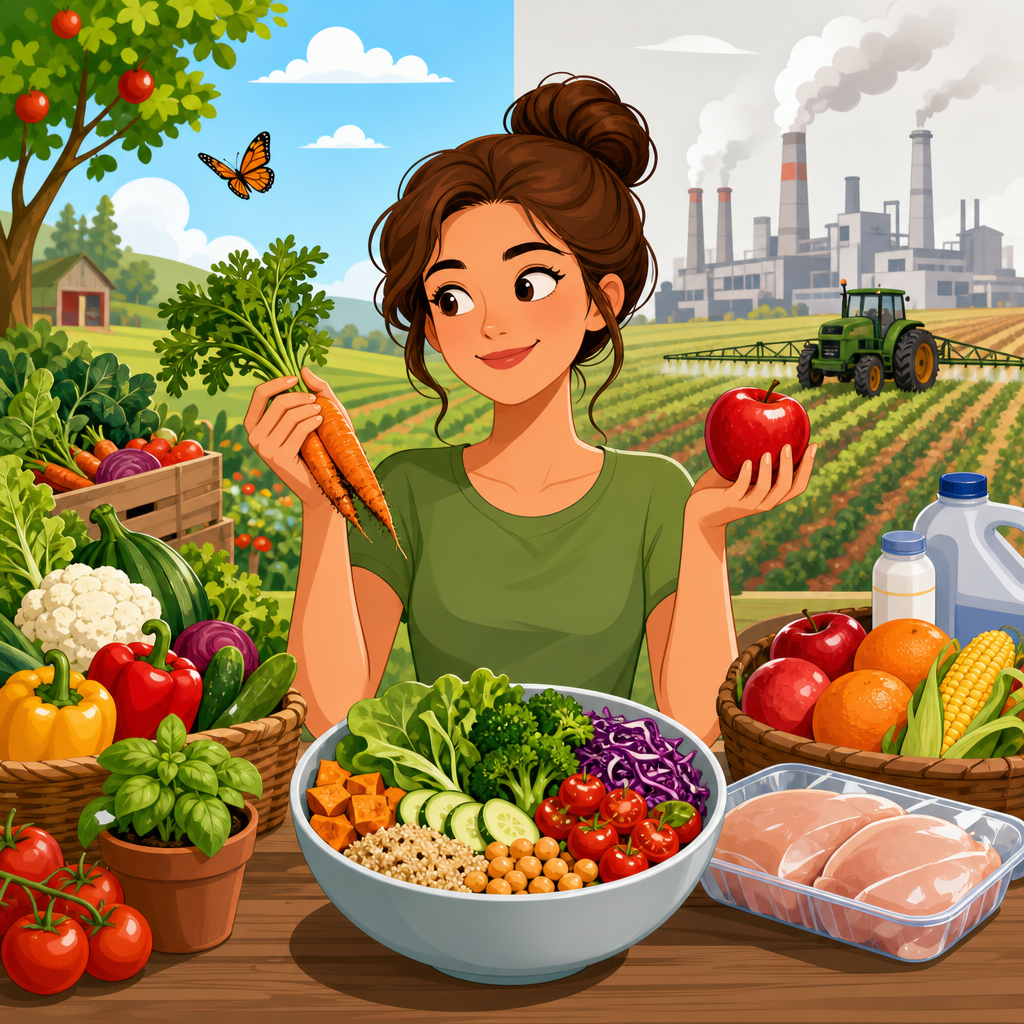
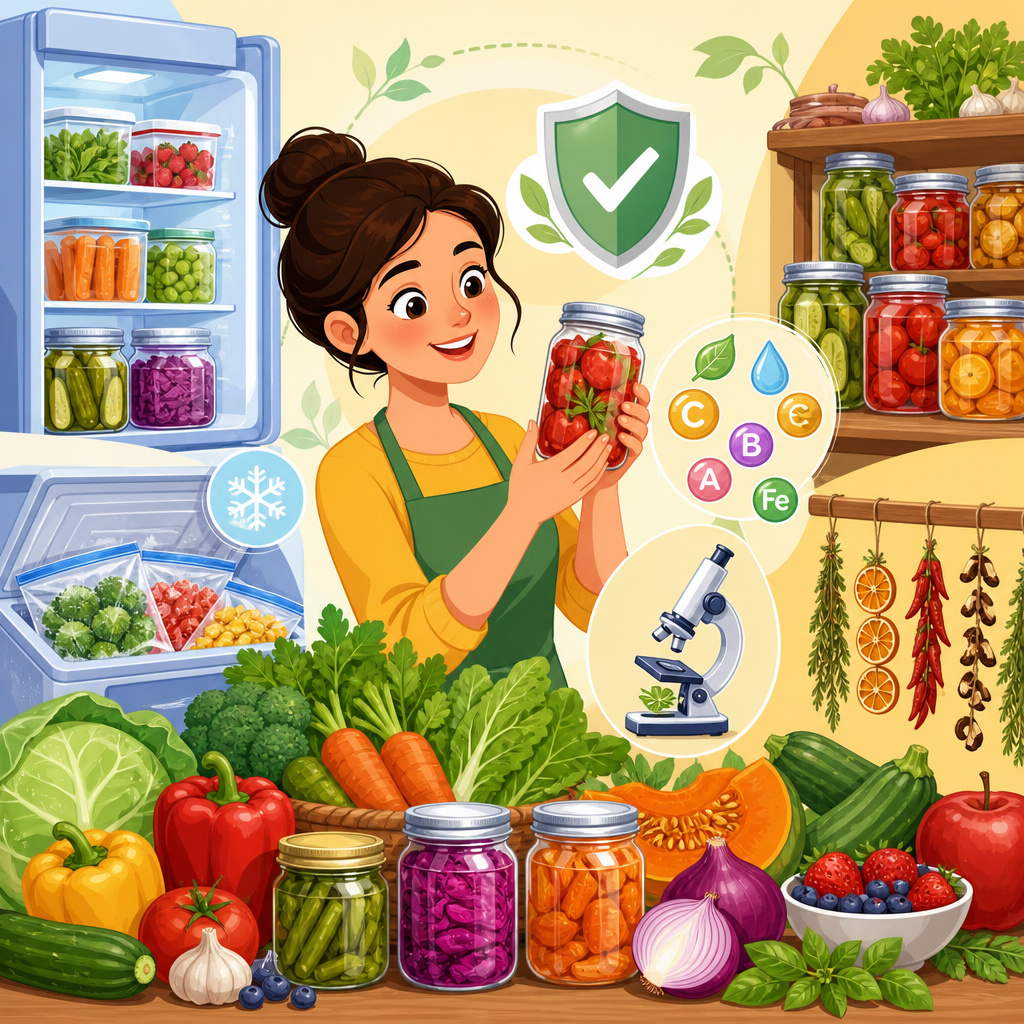
Choosing the best sources of food preservation and nutrient retention for optimal health starts with understanding a simple fact: food quality is shaped long before a meal reaches the plate. Preservation refers to the methods used to slow spoilage caused by microbes, enzymes, oxygen, light, and moisture loss. Nutrient retention describes how well vitamins, minerals, protein quality, fiber, and beneficial plant compounds remain available after processing, storage, transport, and cooking. In practice, these two goals are linked. A preservation method that prevents microbial growth but destroys heat-sensitive vitamins may improve safety while reducing nutritional value, while a gentler method may protect nutrients yet shorten shelf life.
That balance matters because modern diets depend on preserved foods more than many people realize. Frozen vegetables, canned beans, pasteurized milk, fermented yogurt, dried grains, vacuum-packed fish, and ultra-high-temperature shelf-stable soups all exist because preservation extends usability and reduces waste. From a health perspective, the best preserved foods are not always the freshest-looking ones. In my work reviewing product labels, storage protocols, and processing methods, I have repeatedly seen frozen peas outperform “fresh” peas that spent a week in transport and refrigeration. The real question is not whether preserved food is good or bad. It is which preservation methods best protect safety, flavor, texture, and nutrients under real-world conditions.
This hub article explains food preservation and nutrient retention in practical terms, covering the major methods, the nutrients most at risk, the factors that influence losses, and how to choose products that support both health and sustainability. It also serves as a foundation for related articles on freezing, canning, drying, fermentation, packaging, cold-chain logistics, and home food storage. If you want to build a healthier kitchen, reduce waste, and make smarter decisions at the grocery store, this is the place to begin.
What food preservation does, and why nutrient retention varies
Food preservation works by controlling the conditions that cause food to deteriorate. Microorganisms such as bacteria, molds, and yeasts need time, moisture, oxygen in some cases, and favorable temperatures. Enzymes naturally present in foods continue breaking down tissues after harvest. Oxidation degrades fats, pigments, and vitamins. Light damages sensitive compounds like riboflavin. Every preservation method interrupts one or more of these pathways.
Nutrient retention varies because nutrients differ in chemical stability. Vitamin C and folate are especially vulnerable to heat, oxygen, and water. Thiamin can be reduced by heat processing. Fat-soluble vitamins A, D, E, and K are generally more stable, although oxidation can damage some forms. Minerals such as iron, calcium, magnesium, and potassium are relatively heat stable, but they can leach into cooking water or processing liquids. Protein usually survives preservation well, though texture and digestibility can shift. Fiber remains largely intact in most methods. Phytochemicals such as polyphenols and carotenoids may decrease, remain stable, or even become more bioavailable depending on processing. Lycopene in tomatoes is a classic example: heating can reduce some vitamin C while increasing lycopene availability.
The source of the food also matters. Produce harvested at peak maturity and processed quickly often retains more nutrients than produce picked early for long-distance shipping. This is why preserved foods should not be judged only against an idealized notion of “fresh.” Fresh spinach eaten within a day of harvest is excellent. Fresh spinach that sits for a week in distribution and then three more days in a home refrigerator may lose significant vitamin C and folate before it is eaten.
Freezing: one of the strongest options for preserving nutrients
Freezing is one of the best sources of food preservation and nutrient retention for optimal health because it slows microbial growth, enzyme activity, and chemical reactions without the severe heat used in some other methods. Commercial freezing is usually done rapidly, which creates smaller ice crystals and protects texture better than slow freezing at home. Many vegetables are blanched briefly before freezing to inactivate enzymes; that step causes some loss of water-soluble vitamins, but the overall nutrient profile is often preserved remarkably well.
In practical comparisons, frozen fruits and vegetables frequently match or exceed the nutrient content of “fresh” products stored for several days. Peas, corn, berries, spinach, and broccoli are strong examples because they are commonly frozen close to harvest. A 2017 study in the Journal of Food Composition and Analysis found that vitamin content in frozen produce was often comparable to, and sometimes greater than, fresh-stored samples. The reason is straightforward: time is a nutrient thief. Freezing stops much of that loss.
There are tradeoffs. Texture can soften after thawing, especially in high-water produce like strawberries or zucchini. Freezer burn can reduce quality when packaging is poor. Home freezers that cycle in temperature or remain overfilled do not protect foods as well as commercial systems. Still, for families trying to eat more produce consistently, frozen foods offer reliable nutrition, lower waste, and predictable shelf life.
Canning, aseptic processing, and shelf-stable foods
Canning uses heat to destroy pathogens and spoilage organisms, then seals food in an oxygen-limited container. It is a critical public health technology, especially for beans, tomatoes, seafood, soups, and fruit. Proper canning makes food safe for months or years and reduces seasonal dependence. Shelf-stable aseptic processing, including cartons and pouches, works on similar principles using sterile filling systems.
The nutritional effect of canning depends on the food and processing intensity. Heat-sensitive vitamins can decline, especially vitamin C and some B vitamins. However, minerals, protein, calories, and fiber remain largely stable. Canned beans are a strong example of preserved food that supports health: they provide protein, fiber, folate, iron, and potassium with very little preparation time. Rinsing can reduce sodium by roughly 30 to 40 percent depending on the product. Canned tomatoes are another excellent choice because processing can increase the bioavailability of lycopene, a carotenoid associated with cardiovascular and prostate health research.
The main limitations are sodium, added sugar in syrup-packed fruit, and packaging concerns. Consumers should look for low-sodium, no-salt-added, and fruit-packed-in-juice options where possible. For acidic foods, modern can linings have largely shifted away from older bisphenol-A-containing materials, but packaging standards vary by brand and market. Canned foods remain nutritionally valuable, especially when access, affordability, and shelf life are priorities.
Drying, dehydration, and freeze-drying
Drying preserves food by removing water, which microbes need to grow. Traditional sun-drying, hot-air dehydration, spray drying, drum drying, and freeze-drying each affect nutrients differently. Conventional drying concentrates calories and many minerals because water is removed, making dried beans, grains, herbs, mushrooms, and fruit compact and efficient to store. It also extends shelf life dramatically and lowers transport weight, which can reduce some environmental burdens.
The challenge is that drying exposes foods to heat and oxygen. Vitamin C losses can be substantial in dried fruit and vegetables. Some dried products also contain added sugar, sulfites, or salt. Freeze-drying is generally superior for nutrient retention because water is removed by sublimation at low temperatures under vacuum. It preserves structure, color, flavor, and many sensitive compounds better than hot-air drying, though it is more expensive and energy intensive.
For everyday use, dried lentils, oats, beans, spices, and unsweetened dried fruit can be excellent pantry staples. They are not interchangeable with fresh or frozen produce, but they are highly useful foods with concentrated nutrition and long storage life. The best choice depends on whether you need convenience, portability, cost control, or maximum vitamin retention.
Fermentation, pickling, and cultured foods
Fermentation preserves food by encouraging beneficial microorganisms to produce acids, alcohol, or other compounds that inhibit spoilage. Yogurt, kefir, kimchi, sauerkraut, miso, tempeh, and some cheeses are classic examples. When done correctly, fermentation can improve digestibility, create desirable flavors, and in some cases increase levels of certain bioactive compounds. Fermented dairy may be easier for some people with lactose intolerance because bacteria break down part of the lactose. Fermented soy foods such as tempeh can improve texture and culinary versatility while supplying protein and minerals.
Fermentation is not a universal nutritional upgrade. Salt content can be high in pickled vegetables. Live cultures may not survive pasteurization or long storage. Some products are simply acidified with vinegar rather than traditionally fermented, which affects probiotic potential. Even so, fermented foods remain valuable for dietary diversity, preservation, and culinary appeal. From a practical standpoint, they can help people eat more vegetables and legumes consistently, which is often more important than chasing a single “superfood” effect.
Packaging, storage, and transport are as important as processing
Preservation does not end at the factory. Packaging, cold-chain management, humidity control, and home storage determine whether nutrients stay intact. Modified atmosphere packaging can slow respiration and browning in produce by adjusting oxygen and carbon dioxide levels. Vacuum sealing reduces oxygen exposure and helps protect fats from rancidity. Opaque packaging shields light-sensitive nutrients. Refrigeration between 0 and 4 degrees Celsius slows spoilage but does not stop it. Breaks in the cold chain during transport or retail display shorten shelf life and can increase waste dramatically.
At home, common mistakes include washing berries before storage, keeping potatoes in bright warm spaces, leaving nuts near heat, and storing herbs without moisture control. I routinely advise clients to treat storage as part of nutrition planning, not just housekeeping. Milk in a refrigerator door warms repeatedly and spoils faster. Cut fruit in loosely sealed containers dehydrates and oxidizes. Whole grains and nuts kept in warm cupboards lose quality as fats oxidize. Good preservation is a system, not a single technique.
| Method | Main preservation mechanism | Nutrient retention pattern | Best examples | Key limitation |
|---|---|---|---|---|
| Freezing | Low temperature slows microbes and enzymes | Excellent overall; some blanching losses | Peas, berries, spinach, fish | Texture changes after thawing |
| Canning | Heat processing plus sealed container | Good minerals, protein, fiber; lower vitamin C | Beans, tomatoes, tuna | Sodium or syrup in some products |
| Drying | Water removal inhibits microbial growth | Concentrates minerals; variable vitamin losses | Beans, oats, herbs, fruit | Heat and oxygen can reduce sensitive vitamins |
| Freeze-drying | Low-temperature dehydration under vacuum | Very strong retention of structure and nutrients | Berries, emergency foods, specialty ingredients | Higher cost |
| Fermentation | Beneficial microbes produce acids and metabolites | Variable; can aid digestibility and add bioactives | Yogurt, tempeh, kimchi | Salt and inconsistent live culture survival |
How to choose the best preserved foods for health and sustainability
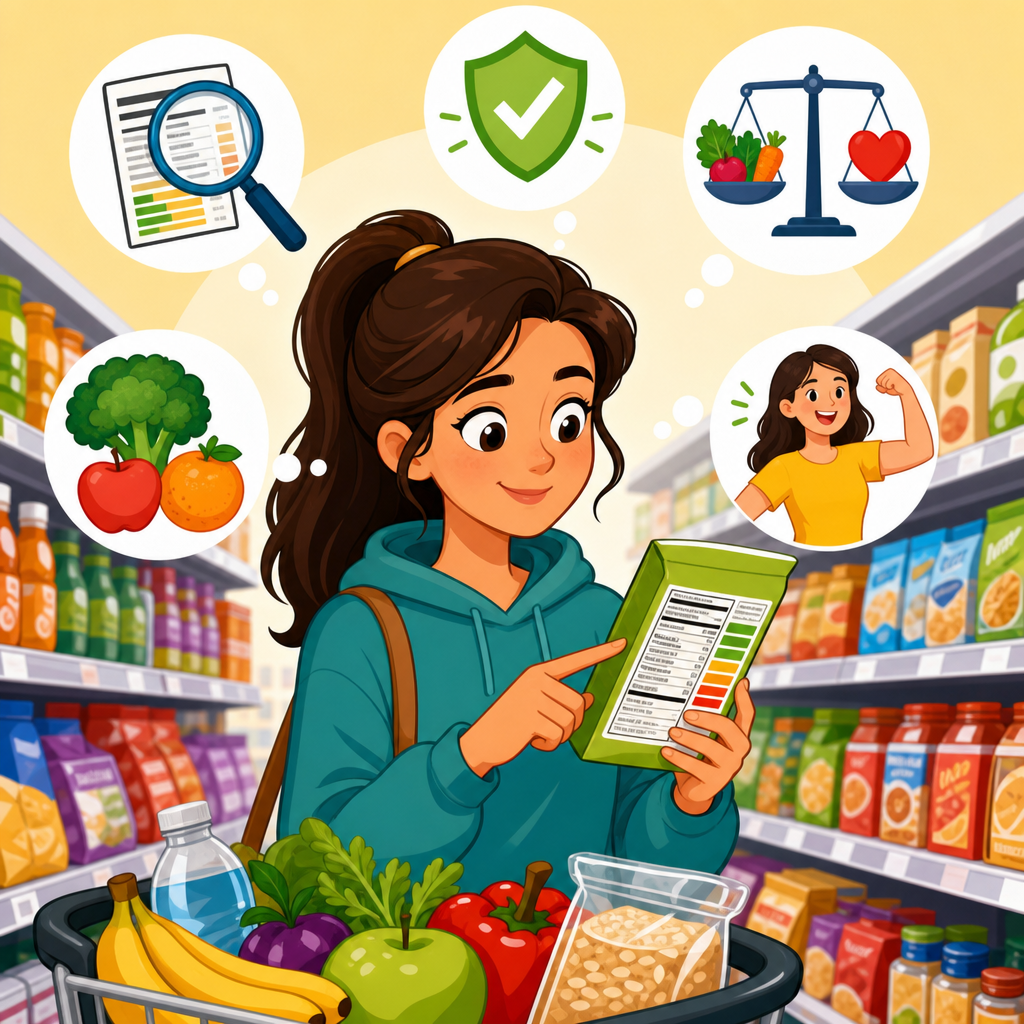
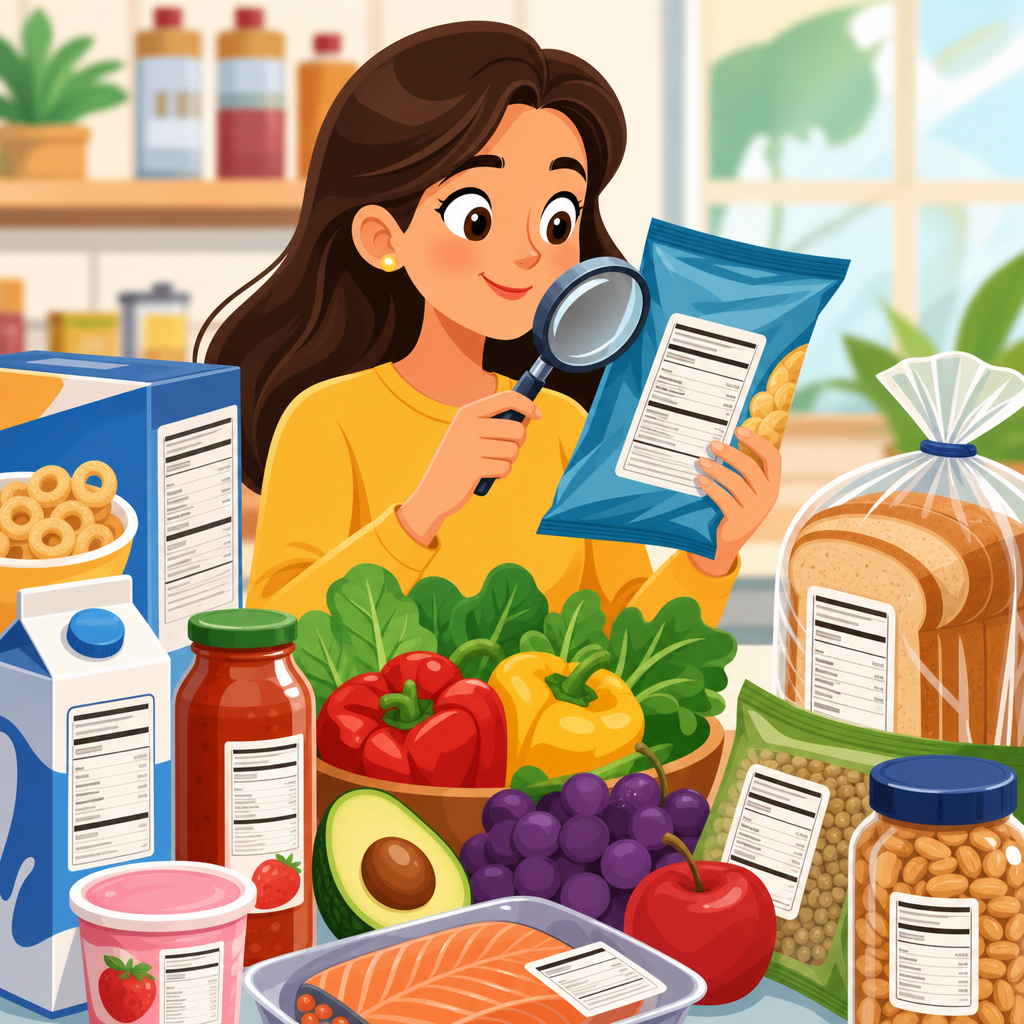
The healthiest preserved food is the one that delivers reliable nutrition in a form you will actually eat before it spoils. Start with ingredient quality and processing intensity. Choose frozen vegetables without sauces, canned fish packed in water or olive oil depending your dietary needs, low-sodium beans, plain yogurt with live cultures, and dried staples with no unnecessary additives. Check labels for sodium, added sugar, saturated fat, and serving size, but do not let label reading distract from the larger nutritional picture. A can of low-sodium beans is usually a far better health choice than takeout food, even if it is not perfect.
Sustainability should also guide selection. Food waste is a major source of avoidable greenhouse gas emissions, and preservation reduces waste by extending usability. Frozen produce can lower household waste because portions are flexible. Dried legumes have low packaging weight and a long shelf life. Canned seafood can provide affordable protein with less spoilage risk than fresh fish, though sourcing certifications such as Marine Stewardship Council labels matter for some species. Local seasonal produce remains excellent when available, but preserved foods often make nutritious eating possible outside growing seasons and in regions with limited access.
For most households, the strongest strategy is variety. Use fresh foods for items best eaten quickly, frozen produce for dependable nutrient retention, canned staples for convenience and resilience, fermented foods for flavor and diversity, and dried pantry goods for economy. Build meals around preservation methods that support both health and routine. Review your kitchen this week, replace one highly perishable habit with a smarter preserved option, and let better storage work for your nutrition instead of against it.
Frequently Asked Questions
1. What does food preservation have to do with nutrient retention and overall health?
Food preservation and nutrient retention are closely connected because the way food is handled after harvest or production directly affects both safety and nutritional value. Preservation methods are designed to slow the natural processes that cause food to spoil, including microbial growth, enzyme activity, oxidation, exposure to light, and moisture loss. Nutrient retention refers to how much of the food’s original nutritional value remains intact through storage, transport, processing, and cooking. For optimal health, both matter: a food that is safe but heavily degraded nutritionally is not ideal, and a food that is nutrient-dense but improperly preserved may become unsafe to eat.
Many people assume “fresh” always means most nutritious, but that is not always true. Some fruits and vegetables begin losing certain vitamins soon after harvest, especially if they spend days in transit or on store shelves. In some cases, frozen produce can retain nutrients very well because it is typically processed shortly after harvest and kept at stable temperatures. Likewise, canned foods can still offer valuable nutrition, especially when they are preserved with minimal added sugar, sodium, or chemical additives. The key is to evaluate how well the preservation method protects the food from contamination and nutrient breakdown while still making it practical to store and consume regularly.
From a health perspective, the best preservation approach is one that balances safety, convenience, shelf life, and nutritional integrity. Foods preserved with methods that limit oxygen, excessive heat, and long storage times often retain more sensitive nutrients such as vitamin C, some B vitamins, and certain antioxidants. At the same time, some processing can improve nutrition in specific cases. For example, cooking and preserving tomatoes can increase the availability of lycopene, and fermenting foods can introduce beneficial compounds and support gut health. In other words, choosing preserved foods wisely is not about avoiding all processing; it is about understanding which methods protect both food quality and nutritional value.
2. Which food preservation methods are generally best for maintaining nutrients?
Several preservation methods can do a very good job of maintaining nutrients, but each works differently and is better suited to certain types of food. Freezing is often one of the strongest options for nutrient retention, especially for fruits, vegetables, fish, and some prepared foods. Because freezing slows enzyme activity and microbial growth, it helps preserve texture, color, and many nutrients for extended periods. Produce that is frozen shortly after harvest may retain more vitamins than “fresh” produce that has traveled long distances or been stored for many days before purchase.
Fermentation is another excellent preservation method, particularly for foods like yogurt, kefir, sauerkraut, kimchi, and certain pickled vegetables. Fermentation can extend shelf life while also introducing beneficial bacteria and creating compounds that may support digestion and gut health. In some cases, fermentation can improve the bioavailability of nutrients, meaning the body may be able to absorb and use them more effectively. However, consumers should still read labels carefully, since some commercial fermented products can be high in sodium or contain unnecessary additives.
Canning can also be a practical and nutritious choice when done well. Although some heat-sensitive nutrients may decline during the canning process, canned foods still retain many minerals, fiber, protein, and fat-soluble nutrients. Beans, tomatoes, tuna, salmon, pumpkin, and certain fruits can remain excellent pantry staples. The most important consideration is product quality. Look for canned foods packed in water or their own juices rather than heavy syrup or excessive salt. Lower-sodium and no-added-sugar versions are often the best fit for long-term health.
Drying and freeze-drying can preserve foods effectively too, though the nutritional outcome depends on the food and the process used. Traditional drying can reduce some delicate vitamins, but it still concentrates minerals, fiber, and energy. Freeze-drying generally preserves more of the original structure and nutrients than standard dehydration, though products can be expensive. Vacuum sealing and modified atmosphere packaging also help extend shelf life by reducing exposure to oxygen, which is especially important for fats, nuts, seeds, and other foods prone to rancidity.
Overall, the best preservation method depends on the food itself, how long it will be stored, and how it will be prepared later. In practical terms, a healthy kitchen often includes a mix of fresh, frozen, canned, dried, and fermented foods. That variety improves convenience while helping ensure access to nutrient-rich options year-round.
3. Is fresh food always more nutritious than frozen, canned, or dried food?
No, fresh food is not always more nutritious, even though it is often perceived that way. Fresh food can be highly nutritious when it is truly fresh, handled carefully, stored properly, and consumed soon after harvest or purchase. However, nutrient levels can decline over time, especially in foods rich in delicate vitamins such as vitamin C and folate. Temperature fluctuations, prolonged storage, light exposure, and oxygen exposure all contribute to nutrient loss. This means a piece of produce that has spent a week or more in transport and refrigeration may not necessarily be nutritionally superior to a frozen version processed near peak ripeness.
Frozen foods can be especially competitive with fresh options because they are often harvested and preserved quickly. This helps lock in nutrients before major losses occur. Vegetables such as peas, spinach, broccoli, and mixed vegetables often perform very well nutritionally in frozen form. Canned foods can also be nutritious, particularly legumes, fish, tomatoes, and some fruits and vegetables. While canning may reduce certain heat-sensitive nutrients, it can still preserve many important nutrients and make healthy eating more accessible and affordable. In some cases, the convenience and shelf stability of canned foods actually support better long-term dietary habits because they reduce waste and make it easier to prepare balanced meals consistently.
Dried foods occupy a middle ground. They are shelf-stable and convenient, and they can provide concentrated sources of fiber, minerals, and energy. Dried fruits, for example, still contain beneficial nutrients, but they are also more calorie-dense and can be high in natural sugars because the water has been removed. Sweetened dried products may add even more sugar. This makes portion awareness important, especially for people monitoring blood sugar or total calorie intake.
The best approach is not to rank all foods simply as fresh versus preserved, but to assess quality within each category. A locally grown fresh vegetable eaten soon after harvest may be excellent. A frozen vegetable with no sauce or additives may be equally excellent. A canned bean with no added salt can be a highly nutritious convenience food. What matters most is the total picture: how the food was preserved, what was added during processing, how long it has been stored, and how it fits into a balanced eating pattern.
4. How can I choose preserved foods that support health instead of undermining it?
Choosing healthier preserved foods starts with reading labels and understanding what to prioritize. The first step is to look beyond the preservation method itself and focus on the full ingredient list. A food can be frozen, canned, dried, or fermented and still be a strong choice, but added sodium, sugar, refined oils, preservatives, or flavor enhancers can change its overall health value. In general, the best options are those with short ingredient lists and minimal unnecessary additions. For example, frozen vegetables without creamy sauces, canned beans with no added salt, fruit canned in juice rather than syrup, and plain yogurt with live cultures are usually more supportive of a health-focused diet.
It is also helpful to compare products within the same category. Two canned soups may seem similar, but one may contain far more sodium, added sugar, and saturated fat than the other. The same is true for dried fruit, granola bars, frozen meals, and fermented beverages. Looking at serving sizes, sodium content, added sugars, and types of fats can make a big difference. For people with specific health goals such as blood pressure management, blood sugar control, heart health, or digestive health, these details matter even more.
Packaging and storage conditions are another important consideration. Foods exposed to heat, light, and oxygen for long periods can lose quality more quickly, especially fats and antioxidant-rich foods. Choosing products in intact packaging, checking expiration or best-by dates, and storing foods correctly at home all help preserve nutritional value. Once opened, even well-preserved foods can degrade quickly if they are not refrigerated or sealed properly.
Another smart strategy is to match preserved foods to realistic eating habits. A pantry full of highly perishable foods is not automatically healthier if much of it spoils before you use it. Frozen vegetables, canned fish, dried legumes, and fermented staples can make healthy meals easier to prepare on busy days. In that sense, the healthiest preserved food is often the one that helps you consistently eat more nutrient-dense meals with less waste, less reliance on ultra-processed takeout, and better portion control.
5. What are the best practical ways to preserve nutrients at home during storage and cooking?
Preserving nutrients at home begins with proper storage. Refrigerate perishable foods promptly, keep frozen foods consistently frozen, and store dry goods in cool, dark, airtight conditions. Exposure to heat, light, air, and moisture can steadily reduce food quality and nutrient content, particularly in oils, nuts, seeds, whole grains, and fresh produce. Washing produce before storage is not always ideal unless it will be used soon, because extra moisture can speed spoilage. In many cases,