Food packaging labels shape daily eating decisions more than most people realize, and understanding them is essential for building a balanced diet that is nutritionally sound, practical, and sustainable. Label reading means interpreting the information printed on packaged foods, including the ingredient list, nutrition facts panel, allergen statements, serving size, storage guidance, dates, and marketing claims on the front of pack. In food science, these details are not decorative; they are the primary interface between the manufacturer and the consumer. I have worked with nutrition panels, product specifications, and packaging reviews, and the same pattern appears repeatedly: shoppers often focus on one headline claim such as “high protein” or “natural,” while missing the fuller picture contained elsewhere on the package.
A balanced diet is not created by avoiding all packaged food. It is created by consistently choosing foods that, across the day and week, deliver adequate energy, protein, fiber, healthy fats, vitamins, and minerals without excessive sodium, added sugar, or saturated fat. Packaged foods can absolutely support that goal. Frozen vegetables, canned beans, fortified yogurt, whole grain bread, and pasteurized milk are all common examples. The problem is not packaging itself. The problem is misunderstanding what labels actually communicate, how portions are framed, and which claims are regulated versus purely promotional.
This matters because modern food environments are label dense. In supermarkets, convenience stores, and online grocery platforms, consumers compare products quickly and often under time pressure. A nutrition label can reveal whether a cereal is genuinely high in fiber or simply uses whole grain imagery. An ingredient list can show whether a tomato sauce is mostly tomatoes or heavily sweetened concentrate. Date labels can help reduce waste when interpreted correctly. For families managing allergies, diabetes, hypertension, or weight goals, label literacy is not optional; it is a practical health skill that affects safety as much as nutrition.
As a hub topic within food science and sustainability, label reading also connects personal health to broader system issues. Packaging communicates processing level, sourcing hints, recyclability, shelf life, and food preservation strategy. Learning to read labels well helps consumers choose foods that align with nutrition needs, budget constraints, and environmental priorities at the same time. The sections below explain what every major part of food packaging means, how to use it in real shopping situations, and where label information can mislead if read too quickly.
The nutrition facts panel: the fastest way to judge dietary fit
The nutrition facts panel is the most efficient tool for evaluating whether a product supports a balanced diet. It standardizes nutrient information so that consumers can compare foods objectively. While exact formats vary by country, most panels include serving size, calories, macronutrients, key fats, carbohydrates, sugars, fiber, protein, and selected vitamins or minerals. In the United States, the FDA requires added sugars to be listed separately, which is especially useful because total sugar includes naturally occurring sugars from ingredients such as fruit or milk.
The first number to check is serving size, because every other value depends on it. In practice, this is where many shoppers go wrong. A bottle of iced tea may appear moderate in sugar until you realize the bottle contains two and a half servings. A small bag of chips may be labeled as two servings even though most people will eat the whole bag. When I review product labels, I mentally convert the nutrition facts into the amount I am actually going to eat. That single step improves accuracy more than any other tactic.
After serving size, focus on four anchors: fiber, protein, sodium, and added sugar. Fiber supports satiety, digestive health, and blood glucose control, yet many packaged foods contain little of it. Protein can make meals more filling, but it should not distract from high sodium or sugar. Sodium matters because many breads, sauces, soups, and frozen meals contribute more salt than people expect. Added sugar is worth watching closely in breakfast products, drinks, yogurt, and snack bars. A balanced diet does not require zero sugar, but it does benefit from recognizing where sugar accumulates across the day.
Percent daily values help place nutrients in context. They are reference points, not personalized prescriptions, but they make comparison easier. As a quick rule, lower percentages are usually preferable for sodium, saturated fat, and added sugar, while higher percentages are generally beneficial for fiber, calcium, iron, potassium, and vitamin D. This is one reason a fortified whole grain cereal with moderate sugar may still be a stronger breakfast choice than a refined cereal with fewer micronutrients and almost no fiber.
Ingredient lists reveal what the product is actually made of
If the nutrition facts panel shows nutrient amounts, the ingredient list shows formulation. Ingredients are typically listed in descending order by weight, so the first few items matter most. This offers immediate clues about quality and composition. In a simple hummus, chickpeas, tahini, water, lemon juice, and salt should appear near the top. In a highly sweetened fruit snack, sugar or syrup may appear before fruit ingredients. For bread, looking for whole wheat flour as the first ingredient is usually more reliable than trusting front-of-pack language about grains.
Ingredient reading becomes especially important when products use multiple forms of sugar or refined starch. Manufacturers may distribute sweeteners across names such as cane sugar, glucose syrup, fruit juice concentrate, honey, or maltodextrin. Each ingredient may appear lower in the list, but together they can still represent a substantial share of the product. This is common in granola bars, flavored oatmeal, breakfast cereals, and sauces. The list also identifies added oils, stabilizers, emulsifiers, preservatives, and flavorings, which can matter for consumers managing sensitivities or seeking minimally formulated foods.
Long ingredient lists are not automatically bad. A frozen vegetable mix with vegetables, herbs, and a stabilizer in the sauce can still fit comfortably in a balanced diet. What matters is function and proportion. Fortified plant milks often include calcium carbonate, vitamin D2, vitamin B12, and gums that improve texture; those additions can enhance nutritional value and usability. By contrast, a snack positioned as wholesome may rely primarily on refined starch, isolated sweeteners, and palm oil despite rustic branding. Reading the list cuts through that mismatch.
Allergen statements deserve special attention. The major allergens recognized by regulators differ across regions, but common examples include milk, eggs, fish, shellfish, peanuts, tree nuts, wheat, soy, and sesame. “Contains” statements are straightforward, while precautionary language such as “may contain” reflects cross-contact risk rather than intentional formulation. For people with severe allergies, that distinction can be critical. Label reading here is not merely about diet quality; it is a direct food safety practice.
Front-of-pack claims can help, but they often oversimplify
Consumers naturally notice the front of the package first, which is why manufacturers place selling points there. Claims such as “low fat,” “source of protein,” “multigrain,” “immune support,” “natural,” and “made with real fruit” are designed to influence quick decisions. Some are regulated nutrient content claims with specific thresholds. Others are broader marketing phrases with limited nutritional meaning. The smartest approach is to treat front-of-pack claims as prompts for verification, not proof.
For example, “multigrain” simply means more than one grain is present; it does not mean the grains are whole. “Made with real fruit” can still describe a product where fruit is minor and sugar is dominant. “Low fat” products may compensate with added sugar or starch to preserve texture. “High protein” desserts may provide useful protein, yet still deliver large amounts of saturated fat. I have seen many shoppers buy products based on one favorable claim and only later notice that the sodium, serving size, or ingredient profile makes the food less balanced than expected.
Health halo effects are real. When packaging uses earthy colors, farm imagery, or words like “clean” and “wholesome,” consumers often perceive the food as healthier regardless of the data panel. That is precisely why disciplined label reading matters. The package design tells a story; the back panel provides evidence. A balanced diet is built on evidence.
| Packaging term | What it usually means | What to check next |
|---|---|---|
| Multigrain | Contains more than one grain | Ingredient list for whole grain first, fiber on nutrition panel |
| Natural | Limited standardized nutrition meaning | Added sugar, sodium, fat quality, processing clues |
| Low fat | Meets a regulated fat threshold in some regions | Added sugar, serving size, overall satiety |
| High protein | Protein amount qualifies for the claim | Saturated fat, sodium, calorie density |
| Made with real fruit | Some fruit ingredient is present | Fruit position in ingredients, total and added sugars |
Date labels, storage instructions, and food waste prevention
One underappreciated part of label reading is understanding date marks and storage instructions. Many consumers assume every printed date is a hard safety deadline, but that is not usually true. In many markets, “best before” or “best if used by” indicates peak quality, not food safety. “Use by” is more likely to relate to safety, especially for highly perishable foods. Misreading these labels leads people to discard food unnecessarily, which raises grocery costs and increases waste.
Storage guidance matters just as much. A shelf-stable carton soup is safe unopened at room temperature but must be refrigerated after opening. Ground flaxseed may require refrigeration after opening to slow oxidation. Modified atmosphere salad packs carry use instructions that affect freshness and microbial risk. In household audits, I often find that food waste results less from buying too much than from missing the label details that explain how to store and use products correctly.
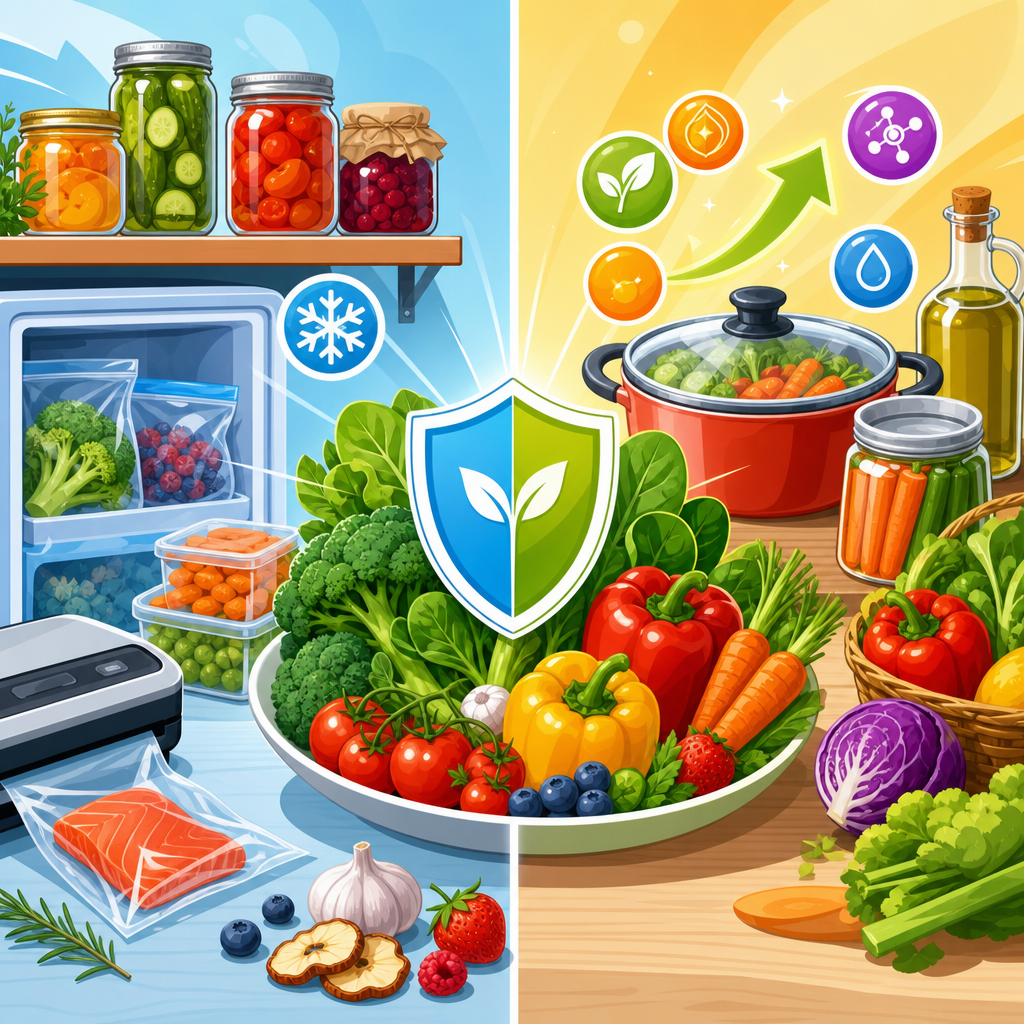
Packaging type also supports shelf life. Vacuum sealing, aseptic cartons, retort pouches, and barrier films are preservation tools. They help keep food safe and reduce spoilage, but they do not make labels less important. Once opened, the product enters a different risk category. If a jar says refrigerate after opening and consume within a set number of days, that instruction should be treated as part of the food’s safety profile.
How label reading supports sustainability as well as nutrition
Food packaging is often discussed only as waste, but from a food science perspective it also prevents spoilage, protects nutrients, enables fortification, and extends distribution. Understanding labels helps consumers make sustainability decisions based on tradeoffs rather than assumptions. For example, a frozen vegetable bag may use plastic, yet the product can reduce waste substantially because portions are easy to use over time and nutrients remain well preserved. A canned bean product may have a higher packaging footprint than dry beans, but it can increase pulse consumption by lowering preparation barriers.
Labels can also guide environmental choices through recyclability icons, disposal instructions, sourcing certifications, and product format. Concentrated detergents and beverage syrups show how package design can reduce transport emissions, and similar logic applies to some food categories. Shelf-stable milk alternatives may reduce cold-chain demands before opening. Lightweight pouches use less material than rigid containers, though they are often harder to recycle. There is no universal best package; the sustainable choice depends on product protection, local recycling systems, and the likelihood of food waste.
For shoppers, the practical takeaway is simple: choose foods you will actually use, read storage instructions carefully, compare package sizes realistically, and avoid being seduced by sustainability language that lacks substance. A balanced diet and a lower-waste kitchen usually emerge from the same habit: reading the package completely before buying.
Building a repeatable label-reading method for everyday shopping
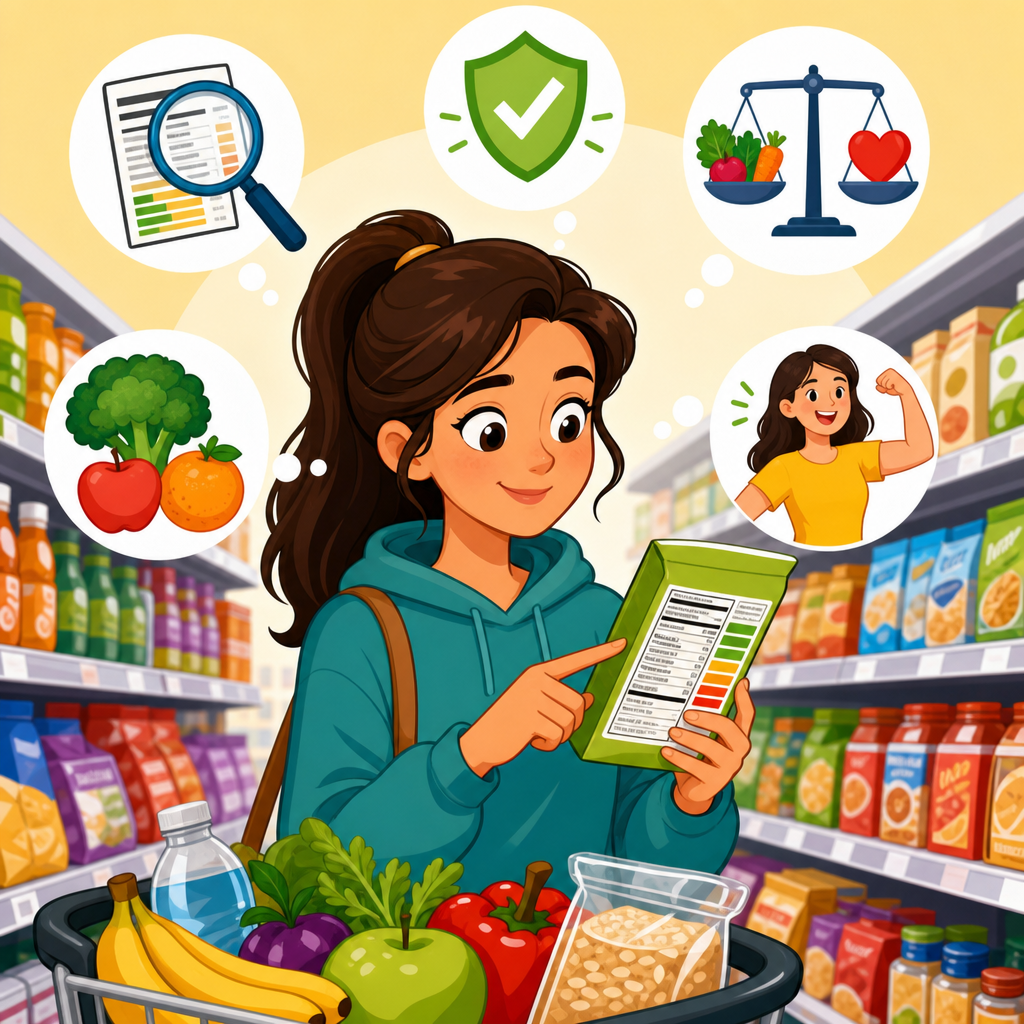
The most effective label-reading habit is systematic. Start with serving size, then scan calories in relation to how much you will eat. Next review fiber, protein, sodium, saturated fat, and added sugars. After that, read the first three to five ingredients and check the allergen statement. Finally, look at storage directions, date labeling, and any disposal or recycling guidance. This entire process takes less than thirty seconds once practiced.
Use category-specific expectations. For bread, prioritize whole grain flour first and meaningful fiber. For yogurt, compare added sugar and protein. For soups, sodium is often the deciding factor. For snack bars, look beyond protein claims to sugar alcohols, fiber, and calorie density. For plant-based meat alternatives, examine sodium, protein quality, and fortification. The goal is not perfection in every product. The goal is assembling a pattern of purchases that supports health over time.
It also helps to compare products side by side. Two pasta sauces may look similar, but one might contain half the sodium and no added sugar. Two breakfast cereals may have identical calorie counts, yet one offers three times the fiber. These are meaningful differences, and labels make them visible. Once consumers learn to read them confidently, packaging stops being a source of confusion and becomes a decision tool.
Label reading is essential for a balanced diet because it turns packaged food from a marketing message into measurable information. The nutrition facts panel shows whether a food fits your nutrient needs. The ingredient list reveals formulation and processing clues. Allergen statements protect safety. Date labels and storage directions reduce waste and prevent misuse. Front-of-pack claims may be useful starting points, but they should never replace the evidence elsewhere on the package.
The bigger benefit is consistency. People rarely improve their diets through one dramatic change; they improve them by making hundreds of better small choices. Reading labels helps with those choices in real time, whether you are selecting bread, comparing yogurt, buying frozen meals, or deciding how much of a packaged snack makes sense. It also links nutrition to sustainability by helping households waste less food and choose packaging more thoughtfully.
If you want a more balanced diet, start with the foods already in your kitchen. Pick up five packages, read each label from top to bottom, and compare what the front promises with what the full package actually says. That single exercise builds the skill that makes every future shopping trip smarter.
Frequently Asked Questions
Why is reading food labels so important for maintaining a balanced diet?
Reading food labels is important because packaged foods influence a large share of everyday eating habits, and the label is often the most accessible source of reliable information about what a product actually contains. A balanced diet is not built only by choosing foods that seem healthy at a glance; it depends on understanding nutrient content, ingredient quality, portion size, and how a product fits into your overall eating pattern. The nutrition facts panel helps you evaluate calories, protein, fiber, fats, sodium, sugars, and key vitamins or minerals, while the ingredient list shows what the food is made from in descending order by weight. Together, these details help you compare products more accurately than front-of-pack slogans ever could.
Label reading also supports practical decision-making. It can help you spot foods that are high in sodium, added sugars, or saturated fat even when the packaging uses health-focused wording. It can guide people managing allergies, intolerances, blood sugar, blood pressure, or weight goals. Just as importantly, it promotes dietary balance over time rather than perfection in a single meal. When you understand labels, you are better able to build meals and snacks that combine convenience with nutritional value, making it easier to eat in a way that is sound, realistic, and sustainable.
What parts of a food label should you pay the closest attention to?
The most useful approach is to read the label in sections rather than focusing on just one number or claim. Start with the serving size, because every value on the nutrition facts panel is based on that amount. A product may appear low in calories, sugar, or sodium until you realize the package contains two or three servings that many people would eat at once. Understanding serving size gives context to the entire label and helps prevent accidental underestimation of intake.
Next, examine the nutrition facts panel for nutrients that matter most to overall dietary quality, such as fiber, protein, added sugars, saturated fat, sodium, and total calories. Then look at the ingredient list to see where whole-food ingredients appear and whether sugars, refined starches, or highly processed fats dominate the formula. Allergen statements are essential for safety, while storage instructions and use-by or best-before dates help maintain food quality and reduce waste. Finally, review front-of-pack claims with a critical eye. Statements like “natural,” “light,” “multigrain,” or “made with whole grains” can be useful, but they should never replace a full look at the detailed information elsewhere on the package.
How can the ingredient list and nutrition facts panel work together to reveal the real quality of a packaged food?
The ingredient list and nutrition facts panel are most powerful when read together because each tells a different part of the story. The ingredient list identifies what is in the product and the order of predominance by weight, so it helps you see whether the food is built from recognizable staple ingredients or whether it relies heavily on refined additives, sweeteners, flavorings, and stabilizers. For example, if a cereal is marketed as wholesome but begins with refined flour or multiple forms of sugar, the ingredient list gives you that important context immediately.
The nutrition facts panel then quantifies what those ingredients mean nutritionally. It shows how much fiber, protein, sodium, added sugar, and fat you are actually getting per serving. This combination matters because a product can sound appealing from the ingredient list alone yet still provide limited nutritional value, or it can have a modest ingredient list but contain more sodium or saturated fat than expected. Reading both sections helps you assess not just whether a food is processed, but whether it contributes positively to your diet. In practice, this means choosing products where the ingredients align with the nutritional profile you want, such as higher fiber breads, lower-sodium soups, or yogurts with less added sugar and more protein.
Are marketing claims on the front of the package trustworthy?
Front-of-pack claims can be informative, but they should be treated as starting points rather than final verdicts. Food packaging is designed to attract attention quickly, so phrases like “high in protein,” “low fat,” “source of fiber,” “gluten-free,” or “heart healthy” often emphasize one favorable feature of a product. While some of these claims are regulated and technically accurate, they do not always reflect the overall nutritional quality of the food. A product can be low in fat but high in sugar, high in protein but heavily salted, or marketed as natural while still being energy-dense and low in fiber.
The best way to evaluate these claims is to verify them against the nutrition facts panel and ingredient list. If a granola bar claims to be wholesome, check the amount of added sugar and fiber. If a soup claims to be light, check the sodium and serving size. If a snack says it is made with whole grains, look at whether whole grains are among the first ingredients. This habit turns label reading into a form of nutrition literacy. Instead of relying on packaging impressions, you make decisions based on evidence, which is especially important when trying to maintain a balanced diet in a food environment full of persuasive messaging.
How does label reading support healthier, more sustainable long-term eating habits?
Label reading supports long-term healthy eating because it builds consistency, awareness, and flexibility rather than forcing rigid rules. Over time, regularly checking labels helps you recognize patterns in the foods you buy most often. You become better at identifying products that provide more fiber, more protein, less added sugar, or more reasonable sodium levels without sacrificing convenience or enjoyment. This leads to smarter repeat purchases, which matters because dietary patterns are shaped more by routine choices than by occasional ideal meals.
It also supports sustainability in a practical sense. Labels provide storage guidance and date information that can help households use food safely and reduce unnecessary waste. They can also help you compare shelf-stable or frozen products that may fit both nutritional needs and budget constraints, which is an important part of realistic dietary planning. For people with food allergies, medical conditions, or specific cultural or ethical preferences, labels offer critical transparency that makes everyday eating safer and more manageable. In that way, label reading is not just about avoiding unhealthy ingredients; it is about making informed choices that support nutritional adequacy, affordability, food safety, and long-term balance in real life.