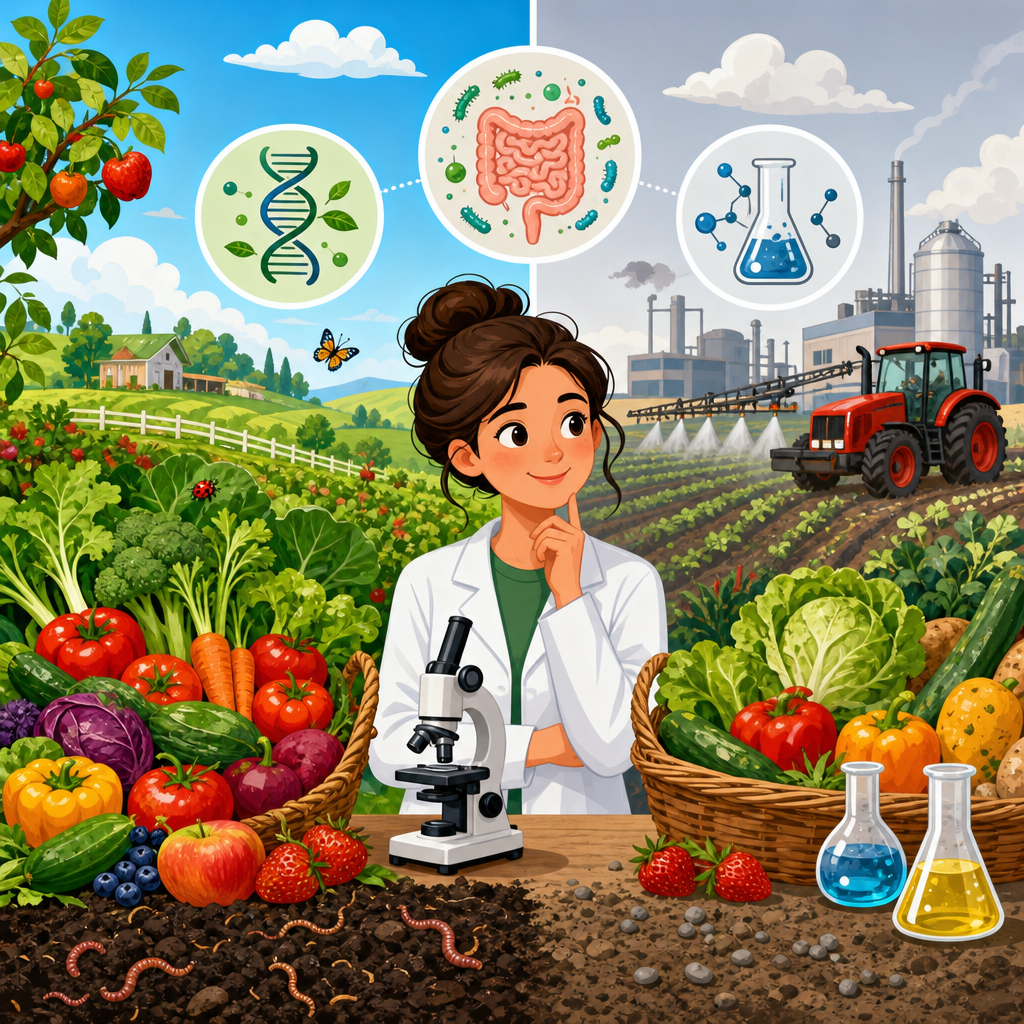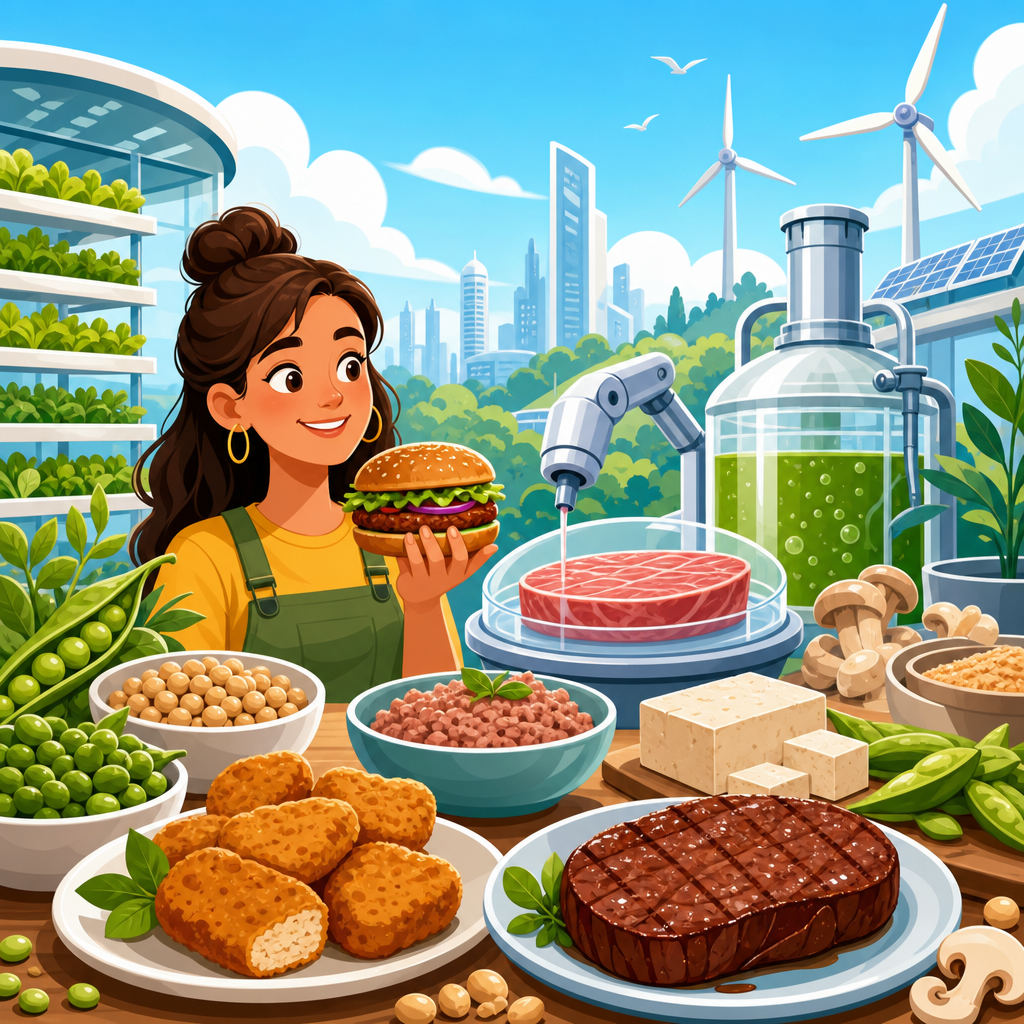
The future of alternative proteins is no longer a niche conversation in food science; it is a practical nutrition, sustainability, and supply-chain issue shaping what people will eat over the next decade. Alternative proteins are foods designed to provide protein from sources other than conventional livestock meat, including legumes, fungi, algae, insects, precision-fermented dairy proteins, cultivated meat, and plant-based analogs made from soy, pea, wheat, fava, or mycoprotein. I have worked with product teams evaluating these ingredients for taste, labeling, and nutritional quality, and the central lesson is clear: no single option will replace animal protein everywhere. Instead, the market is moving toward a portfolio approach, where different protein technologies solve different problems in health, affordability, environmental impact, and culinary use.
That matters because protein is more than a marketing claim. Protein quality, digestibility, amino acid balance, bioavailability, sodium levels, fiber content, and degree of processing all influence whether a food genuinely supports better nutrition. At the same time, food production is under pressure from climate volatility, water constraints, land use, antibiotic resistance concerns, and demand from a growing global population. Conventional livestock remains important, but it is resource intensive, especially for beef. According to widely cited analyses from the Food and Agriculture Organization and peer-reviewed lifecycle studies, livestock production contributes a significant share of agricultural greenhouse gas emissions, while also competing for feed crops, land, and freshwater. Alternative proteins have emerged as one response, but the strongest case for them is not ideology. It is optionality: more ways to deliver complete, affordable, culturally acceptable protein with fewer tradeoffs.
For consumers trying to eat well, the term can be confusing because products vary enormously. A lentil-based pasta, a pea-protein burger, tofu, tempeh, seitan, Quorn-style mycoprotein, a whey protein made through fermentation, and cultivated chicken are all alternative proteins, but they differ in processing, nutrient density, regulatory status, and evidence base. This hub article explains the categories, the nutrition facts that matter, the technologies behind them, the challenges they still face, and the most likely future direction. If you want a practical answer to what alternative proteins are, whether they are healthy, and which types are most promising, this is the page to start with.
What counts as alternative protein and why categories matter
Alternative protein is an umbrella term, and understanding its categories is the fastest way to make sense of the market. The most established group is traditional plant protein: beans, lentils, chickpeas, soy foods, nuts, seeds, and grains. These are not new, and nutritionally they remain the benchmark because they are familiar, affordable, and often rich in fiber and micronutrients. The second group is plant-based meat and dairy alternatives, which use protein concentrates, isolates, fats, binders, flavors, and extrusion technology to mimic the texture and taste of meat or milk. The third group is fermentation-enabled protein, including mycoprotein and precision-fermented ingredients such as beta-lactoglobulin or casein made by microbes instead of cows. The fourth is cultivated meat, grown from animal cells in bioreactors. A fifth group, insects and algae, remains regionally important and scientifically promising, though adoption is uneven.
These categories matter because each solves a different problem. Whole-food plant proteins improve dietary quality and affordability. Plant-based analogs help consumers reduce meat intake without changing meal habits too drastically. Fermentation can produce highly functional proteins for yogurt, cheese, or sports nutrition. Cultivated meat aims to reproduce the sensory experience of meat while reducing reliance on large-scale animal slaughter. Insects and algae can be efficient in feed and ingredient applications. When companies and policymakers treat all alternative proteins as one thing, they miss important distinctions in nutrient profile, consumer acceptance, and manufacturing cost.
Nutritional quality: the facts that actually determine value
The most important nutrition question is not whether a product is alternative or conventional. It is whether it delivers useful protein in a balanced food matrix. Protein quality is often measured using PDCAAS or DIAAS, which estimate amino acid adequacy and digestibility. Soy protein performs strongly, often near animal proteins. Pea protein is useful but may be lower in methionine. Wheat gluten is rich in protein but limited in lysine. Mycoprotein offers a favorable amino acid profile and naturally contains fiber from fungal cell walls. Blending proteins is a common solution; for example, combining pea and rice can improve amino acid balance. For everyday diets, total diet quality matters more than perfection in any single meal, but for children, older adults, athletes, and clinical nutrition, amino acid composition becomes more important.
Micronutrients also deserve attention. Red meat provides heme iron, vitamin B12, zinc, and highly bioavailable protein, so replacing it without planning can create gaps. Many plant-based products compensate through fortification, especially with B12, calcium, vitamin D, and iron. However, iron in plant foods is non-heme and less bioavailable, particularly when phytates are high. Processing can help here: fermentation, soaking, sprouting, and protein isolation may reduce antinutritional factors. Sodium is another issue. I regularly see plant-based burgers with sodium levels comparable to or higher than processed meat, which matters for people managing hypertension. On the positive side, many alternative proteins contain less saturated fat and no cholesterol, and whole-food forms add fiber that meat does not provide. The healthiest choice is usually the least nutritionally distorted option that still fits the eater’s needs and preferences.
Main technology pathways shaping the future
The future of alternative proteins will be determined by manufacturing, not just consumer interest. High-moisture extrusion is the workhorse technology behind fibrous plant-based meats, aligning proteins under heat, pressure, and shear to create structures that resemble chicken strips or ground meat. It is effective, scalable, and already commercial. Fermentation is advancing even faster. Biomass fermentation grows microorganisms as the food itself, as seen with mycoprotein. Traditional fermentation improves flavor and digestibility in foods like tempeh. Precision fermentation programs microbes to produce specific proteins, including dairy-identical whey, casein, or egg proteins. This route is especially significant because it can deliver familiar functionality in cheese melting, foaming, and emulsification that many plant proteins struggle to match.
Cultivated meat remains scientifically impressive but commercially constrained. The basic process involves taking animal cells, expanding them in growth media, and encouraging them to form tissue, sometimes on scaffolds. The challenges are cost, bioreactor scale, media formulation, energy demand, and texture for whole cuts. Ground or hybrid products are more realistic near-term than a perfect steak. Regulatory progress has begun in markets such as Singapore and the United States, but approval does not equal mass affordability. In practice, I expect fermentation-derived ingredients and improved plant-protein systems to scale faster than cultivated meat through the next several years, because the capital requirements and engineering hurdles are lower.
Environmental performance and where the claims need nuance
Alternative proteins are often presented as automatically better for the planet, but the reality depends on the product and the production system. Lifecycle assessment consistently shows that legumes, tofu, and many plant-based proteins have lower greenhouse gas emissions and land use than beef, often by a wide margin. Water use can also be lower, though irrigation method and geography matter. Fermentation-derived proteins may reduce land use dramatically because they decouple production from grazing and feed conversion. However, fermentation and cultivated systems can be energy intensive, and their climate advantage depends on electricity sources and process efficiency. If a factory runs on carbon-heavy power, environmental gains narrow.
This is why broad claims should be treated cautiously. Packaging, cold chain, ingredient sourcing, and food waste all influence total impact. Almond-based products, for example, carry different water implications than oat or soy systems. Coconut oil can improve texture in plant-based cheese or meat, but relying heavily on tropical oils raises separate land-use questions. For most consumers, the most evidence-based sustainability move is straightforward: eat more minimally processed plant proteins more often, use meat analogs strategically, and view advanced technologies as complementary tools that may improve further as manufacturing becomes cleaner and more efficient.
Consumer adoption, price, and sensory performance
Taste and price still decide what wins. Consumers may say they care about sustainability, but repeat purchase depends on flavor, texture, satiety, cooking behavior, and cost per serving. Plant-based meat made major gains by improving juiciness, browning, and aroma through technologies such as leghemoglobin use, flavor encapsulation, and structured fats. Even so, many products still struggle with beany notes, rubbery texture, or a long ingredient list that turns off shoppers seeking simplicity. From product testing work, I have seen that acceptance rises when the food performs well in familiar formats: nuggets, burgers, mince, sausages, yogurt, and ready meals. Asking consumers to adopt a completely new ingredient and a new cooking method at the same time is much harder.
| Protein type | Main advantage | Main limitation | Best near-term use |
|---|---|---|---|
| Whole-food plant proteins | Affordable, fiber-rich, established nutrition | Less meat-like texture, planning needed for some nutrients | Everyday meals, public health nutrition |
| Plant-based meat alternatives | Familiar format, easy meat reduction | Often higher sodium, variable processing quality | Burgers, mince, convenience foods |
| Mycoprotein and biomass fermentation | Strong texture, good protein quality, intrinsic fiber | Scaling and awareness still limited in some markets | Chicken-style pieces, cutlets, blended products |
| Precision-fermented proteins | Excellent functionality for dairy and egg applications | Cost, regulation, labeling debates | Cheese, yogurt, beverages, baking |
| Cultivated meat | Potentially authentic meat experience without conventional slaughter | High cost, scale and energy challenges | Premium launches, hybrid meat products |
Price parity remains the central commercial milestone. When plant-based meat costs substantially more than chicken or pork, demand softens outside committed early adopters. Ingredient innovation is helping: better crop breeding for protein yield, dry fractionation to reduce processing cost, and hybrid formulations that combine plant proteins with fermentation-derived fats or flavors. Private label will also matter. In most food categories, mainstream adoption accelerates only when large retailers normalize the product with store brands at accessible prices.
Regulation, labeling, and safety questions
Food technology succeeds only when regulators, manufacturers, and consumers trust the safety framework. Established categories such as tofu, tempeh, textured vegetable protein, and mycoprotein already operate within well-defined systems. Newer products face more scrutiny. Precision-fermented proteins typically require safety assessments addressing the production organism, purification, allergenicity, and compositional equivalence. Cultivated meat raises questions around cell line stability, growth media components, contamination control, and inspection authority. In the United States, oversight involves both the FDA and USDA for cultivated meat. In the European Union, novel food authorization is a major gateway. Singapore has been a notable early mover on approvals.
Labeling remains contentious. Terms like milk, burger, sausage, and chicken carry legal and cultural weight. Regulators balance consumer clarity with commercial fairness, and the exact rules vary by jurisdiction. The practical consumer issue is simpler: labels should tell people what the product is, how it was made, and whether allergens are present. Soy, wheat, dairy, and egg remain common concerns. Transparency also matters for nutrition expectations. A pea-protein patty is not nutritionally identical to beef; a precision-fermented whey drink may be functionally similar to dairy whey but differ in production story. Clear labeling supports informed choice better than marketing shorthand.
What the future of alternative proteins will likely look like
The future will not be winner-takes-all. It will be hybrid, segmented, and regionally different. In the near term, the biggest nutritional gains will come from scaling foods people can already buy and cook: legumes, soy foods, high-quality plant-based meals, and fermentation products with proven sensory appeal. Hospitals, schools, and foodservice will be major drivers because procurement standards can normalize healthier and lower-impact proteins at scale. In parallel, ingredient science will keep improving protein functionality, cleaner labels, and micronutrient fortification. Expect more blends rather than purist solutions: plant protein plus fungal texture, dairy proteins from fermentation in conventional yogurt formats, or meat products extended with mushrooms and legumes.
Over the longer term, cultivated meat may become meaningful if growth media costs fall, bioprocessing becomes more efficient, and factories run on low-carbon energy. But from a nutrition and sustainability perspective, consumers do not need to wait for a futuristic breakthrough to benefit. Better protein choices are already available, and the strongest strategy is diversity. Rely on whole-food plants as the foundation, use well-formulated alternatives where they improve convenience or adherence, and read labels with the same scrutiny you would apply to any processed food. The future of alternative proteins is promising because it expands choices, improves resilience, and creates new ways to meet protein needs with fewer environmental pressures. For better nutrition, start with one practical shift: replace a few weekly meat-centered meals with protein-rich alternatives that deliver solid protein, reasonable sodium, useful micronutrients, and a taste you genuinely enjoy.
Frequently Asked Questions
What are alternative proteins, and why are they becoming so important for better nutrition?
Alternative proteins are protein-rich foods made from sources other than conventional livestock meat. This category includes plant-based proteins from soy, pea, wheat, fava beans, and legumes; mycoprotein from fungi; algae-based ingredients; insect protein; precision-fermented proteins that can recreate dairy or egg components without raising animals; and cultivated meat grown from animal cells. What makes these proteins important is not just novelty, but their ability to address several nutrition and food-system challenges at once. They can expand access to protein, diversify the food supply, and create more options for people with different health goals, cultural preferences, and environmental concerns.
From a nutrition perspective, the importance of alternative proteins comes down to flexibility and quality. Many of these foods can deliver meaningful amounts of protein while also helping people manage saturated fat intake, increase fiber, and vary their micronutrient sources. For example, legume-based foods often contribute fiber, potassium, and iron, while mycoprotein can offer a favorable texture and a strong protein profile. Precision fermentation may allow producers to create highly specific proteins with consistent functionality, and cultivated meat may eventually offer the sensory and nutritional familiarity of meat with a very different production model.
They are also becoming more important because the future of nutrition is closely tied to the future of food availability. As populations grow and supply chains face pressure from climate events, feed costs, water limitations, and geopolitical disruption, relying on a single dominant protein system becomes more risky. Alternative proteins can reduce that dependence by broadening where protein comes from and how it is produced. In practical terms, this means consumers are likely to see more blended products, improved plant-based foods, fermentation-derived ingredients, and new protein formats designed to support both everyday nutrition and long-term food resilience.
Are alternative proteins actually healthy, or are they too processed to be a smart choice?
Alternative proteins can absolutely be part of a healthy diet, but the healthiest choice depends on the specific product, its ingredients, and how it fits into the overall eating pattern. It is true that some alternative protein foods are highly processed, especially plant-based meat analogs designed to mimic the taste and texture of burgers, sausage, or chicken. However, processing alone does not determine whether a food is nutritious. Yogurt, tofu, whole-grain bread, and canned beans are all processed to some degree. The more useful question is whether the final product provides quality protein and beneficial nutrients without excessive sodium, added sugars, or undesirable fats.
Some of the strongest nutritional options in this category are minimally processed foods such as lentils, chickpeas, tofu, tempeh, edamame, unsweetened soy foods, and certain mycoprotein products. These can provide protein along with fiber, vitamins, minerals, and in some cases beneficial compounds linked to heart and metabolic health. More engineered products, like plant-based burgers or precision-fermented dairy alternatives, may still be useful, especially for people transitioning away from conventional meat or dairy. But they should be compared thoughtfully by checking protein per serving, sodium levels, saturated fat, ingredient quality, and fortification with nutrients such as vitamin B12, iron, calcium, or zinc where relevant.
For better nutrition, it helps to think in layers. Whole and minimally processed alternative proteins are often the strongest everyday foundation. More processed alternatives can still have value for convenience, taste, and dietary adherence, especially if they help people eat fewer foods high in saturated fat or if they meet cultural and lifestyle needs. In other words, alternative proteins are not automatically healthy or unhealthy. They are a broad category, and the smart approach is to choose products that support protein adequacy, nutrient density, and realistic long-term eating habits.
How do alternative proteins compare with conventional meat when it comes to protein quality and essential nutrients?
Conventional meat is often used as the benchmark for protein because it contains all essential amino acids in highly digestible forms and naturally provides nutrients such as iron, zinc, vitamin B12, and in some cases omega-3 fats. Alternative proteins vary much more widely. Some, like soy, mycoprotein, eggs made through fermentation technology, and certain dairy proteins produced through precision fermentation, offer very strong protein quality. Others may be lower in one or more essential amino acids or less digestible unless they are blended or formulated carefully. That said, protein quality is a solvable issue. Manufacturers can combine different plant proteins, enrich products, or use fermentation to improve amino acid balance and functionality.
Nutrient comparison is where careful evaluation matters most. Plant-based proteins may be naturally lower in vitamin B12 and heme iron than meat, but they may contribute fiber and phytonutrients that meat does not provide. Fortification can help close nutrient gaps, though the effectiveness depends on the product and how regularly it is consumed. Mycoprotein brings a distinct nutritional profile, often with good protein density and fiber. Algae may contribute unique fats or minerals. Insect protein may offer highly concentrated protein and minerals, though consumer acceptance varies by region. Cultivated meat, if widely commercialized, may eventually be designed to match or even improve on the nutrient profile of conventional meat.
For consumers, the key fact is that alternative proteins should not be judged by category alone. One soy-based tofu dish and one plant-based fast-food burger are both alternative proteins, but their nutritional value can be very different. The future is likely to include better-formulated products with stronger amino acid profiles, more strategic fortification, and clearer labeling around protein quality and micronutrients. In practice, people can meet their protein and nutrient needs with alternative proteins, but doing so well requires choosing a variety of foods rather than assuming every meat alternative is nutritionally equivalent to unprocessed meat.
What role will technology play in the future of alternative proteins?
Technology is central to the future of alternative proteins because the next generation of products depends on better taste, texture, nutrition, affordability, and manufacturing efficiency. Early plant-based products often struggled to satisfy consumers because they were either nutritionally inconsistent or did not closely match the eating experience people expected. New technologies are improving protein extraction, ingredient blending, extrusion, fermentation, and cell cultivation so that products can become more appealing and more nutritionally precise. This is not just about making meat substitutes look more like meat. It is also about building foods with targeted amino acid profiles, improved digestibility, lower sodium, and cleaner ingredient lists.
Precision fermentation is one of the most significant developments in this space. It uses microorganisms to produce specific proteins, such as whey or casein, without relying on cows. This has major implications for dairy alternatives because it can deliver the functional properties of traditional dairy proteins in products like yogurt, cheese, and beverages. Cultivated meat is another high-profile innovation. Although it still faces scale and cost hurdles, its long-term promise lies in producing animal meat through cell culture rather than full animal farming. At the same time, advances in plant breeding and food processing are making proteins from peas, fava beans, soy, chickpeas, and other crops more versatile and less likely to have off-flavors or gritty textures.
Technology will also shape supply chains, ingredient traceability, and personalization. Companies are increasingly using data and formulation tools to tailor products for athletes, older adults, children, and people managing conditions such as high cholesterol or diabetes. Over time, the most successful alternative proteins will likely be those that combine strong nutrition science with scalable production and a familiar eating experience. In that sense, technology is not replacing nutrition fundamentals; it is becoming the tool that helps alternative proteins meet real-world expectations for health, cost, convenience, and taste.
What should consumers look for when choosing alternative proteins for everyday meals?
The best place to start is with the nutrition label and ingredient list. Consumers should look at how much protein a serving actually provides and whether that amount fits the intended use. A snack with 4 grams of protein is different from a main dish offering 18 to 25 grams. It also helps to check saturated fat, sodium, added sugars, and fiber. Many strong alternative protein choices provide meaningful protein with moderate sodium and low saturated fat, while some heavily engineered products may contain more salt or coconut oil than expected. Fortification is another useful detail, especially for nutrients that can be lower in some meat-free diets, such as vitamin B12, iron, calcium, vitamin D, or zinc.
Beyond the label, variety matters. Relying on one single protein source is rarely the best strategy, whether that source is chicken breast or pea protein. A better approach is to rotate between beans, lentils, tofu, tempeh, edamame, yogurt alternatives with strong protein content, mycoprotein foods, nuts and seeds, and selected meat or dairy alternatives that are well formulated. This improves nutrient diversity and helps avoid the common mistake of assuming that all plant-based or novel protein products are equally nutritious. It also gives consumers more flexibility with taste, cooking style, budget, and digestive tolerance.
Finally, people should choose alternative proteins that they can realistically enjoy and eat consistently. Better nutrition is not about selecting the most futuristic product on the shelf; it is about building meals that are balanced, satisfying, and sustainable over time. An excellent alternative protein is one that contributes adequate protein, supports overall nutrient intake, fits personal values, and works in everyday routines. As the category grows,