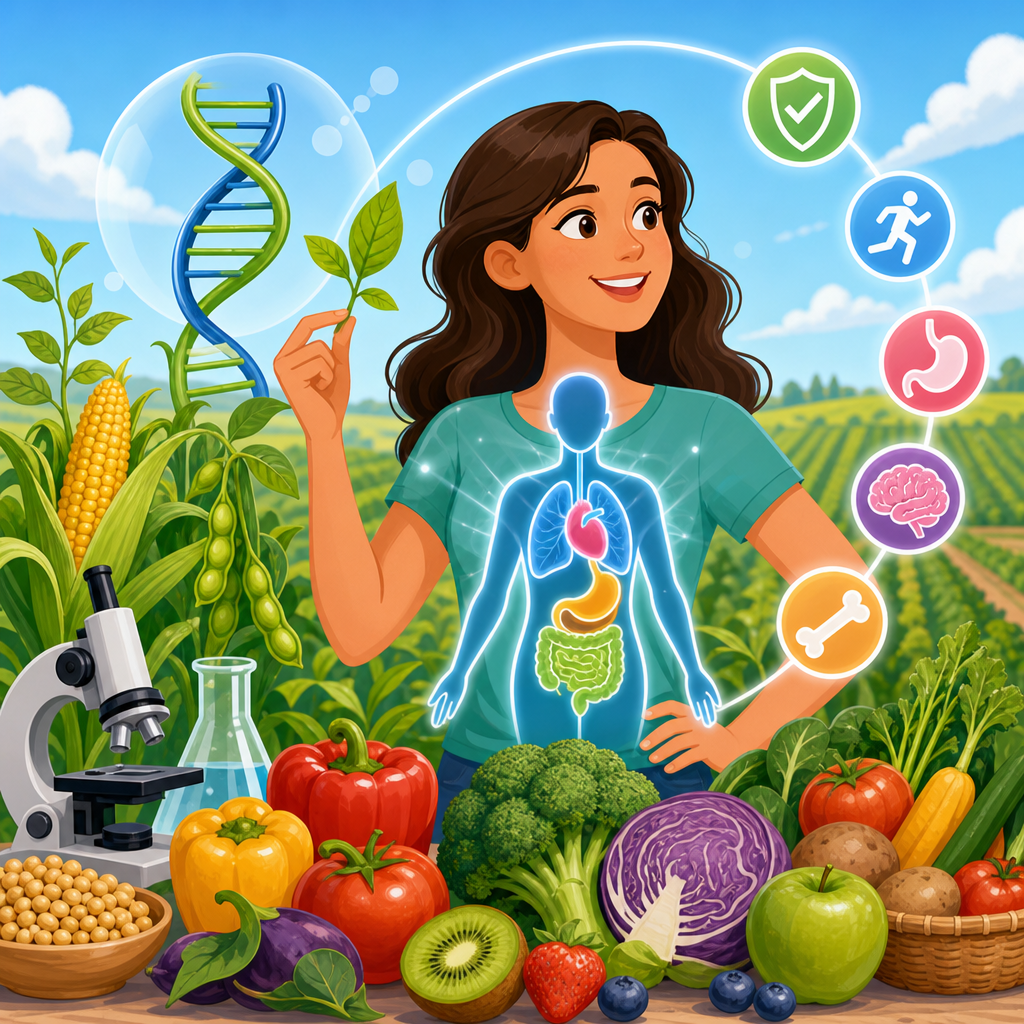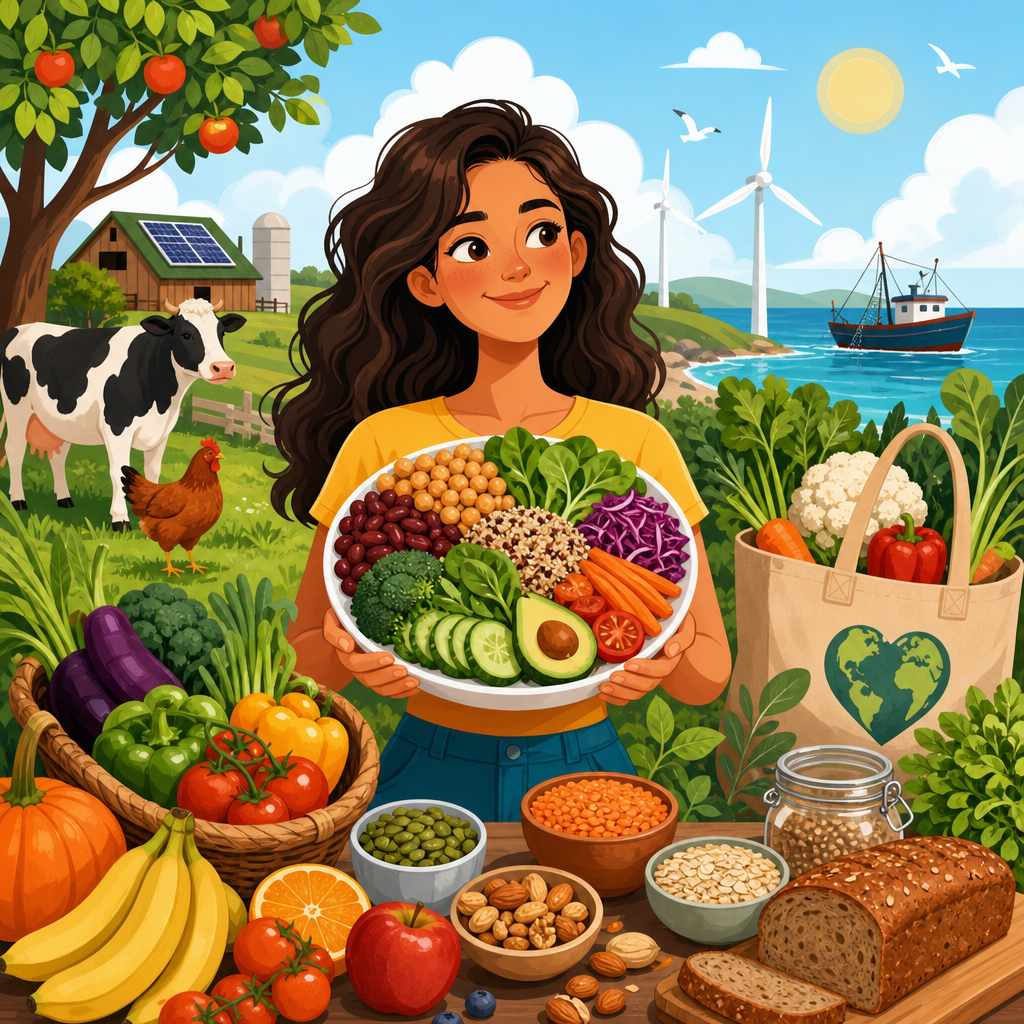
Ethical and sustainable food choices are no longer niche concerns reserved for activists or specialty shoppers; they are central to building a balanced diet that supports personal health, resilient food systems, animal welfare, and the long-term stability of the planet. In practical terms, ethical food choices consider how food is produced, who is affected along the supply chain, and whether workers, animals, and communities are treated fairly. Sustainable food choices focus on whether farming, fishing, processing, packaging, and transport can continue without depleting soil, water, biodiversity, or climate stability. A balanced diet, meanwhile, is not only about getting the right mix of protein, fiber, fats, vitamins, and minerals. It is also about choosing foods that can nourish people consistently across generations. After years of reviewing sourcing claims, nutrition labels, agricultural standards, and procurement policies, I have seen the same pattern repeatedly: the healthiest food decisions are often the ones that account for both nutrition and impact. When households understand that connection, they make smarter choices, from buying seasonal produce to reducing waste and selecting certified products when it matters most.
This matters because modern diets are shaped by systems, not just individual preference. Food production accounts for a significant share of global greenhouse gas emissions, uses roughly half of habitable land, and is a major driver of freshwater withdrawal and biodiversity loss. At the same time, poor dietary patterns contribute to chronic disease, while low-cost, highly processed foods often hide social and environmental costs that are not reflected on the shelf price. Ethical and sustainable eating helps correct that blind spot. It encourages diets with more legumes, whole grains, fruits, vegetables, and responsibly sourced proteins, all of which align closely with widely accepted public health guidance. It also pushes consumers to ask better questions: Was this fish harvested sustainably? Were farmworkers paid fairly? Is this product linked to deforestation? Can I get similar nutrition from a lower-impact option? Those questions make this topic essential within food science and sustainability, because they connect nutritional adequacy, environmental stewardship, and economic fairness into one practical framework for daily eating.
What Ethical and Sustainable Food Choices Actually Mean
Ethical and sustainable food choices involve evaluating food through several lenses at once. The first is environmental performance: greenhouse gas emissions, land use, water use, soil health, fertilizer and pesticide intensity, and effects on wildlife habitat. The second is social impact: wages, labor conditions, farmer livelihoods, community health, indigenous land rights, and transparency in trade relationships. The third is animal welfare, especially for meat, dairy, and eggs, where housing conditions, stocking density, transport, and slaughter practices vary widely. The fourth is nutritional value, because a low-impact food is not automatically beneficial if it displaces essential nutrients or encourages overreliance on ultra-processed substitutes. In practice, ethical and sustainable eating means choosing patterns rather than chasing perfection. A shopper who buys seasonal vegetables, pulses, oats, eggs from higher-welfare systems, and certified coffee is usually making a stronger overall contribution than someone focused on a single buzzword.
In food science work, the most useful way to explain this is through tradeoffs. Almonds, for example, are nutrient-dense and often replace higher-emission snacks, but they can have heavy water demands in drought-prone regions. Wild-caught fish may offer excellent omega-3 nutrition, yet sustainability depends on species, stock management, and fishing method. Grass-fed beef may improve some welfare and pasture outcomes, but beef still generally carries a far higher emissions and land footprint than beans, lentils, tofu, or poultry. Ethical and sustainable food choices therefore require context, not slogans. Standards such as USDA Organic, Fairtrade, Rainforest Alliance, Marine Stewardship Council, Aquaculture Stewardship Council, and Certified Humane can help, but no label covers every issue. The goal is to understand what each claim does and does not guarantee, then build a diet where the overall pattern is nutritionally complete, environmentally lighter, and socially more responsible.
Why These Choices Matter for a Truly Balanced Diet
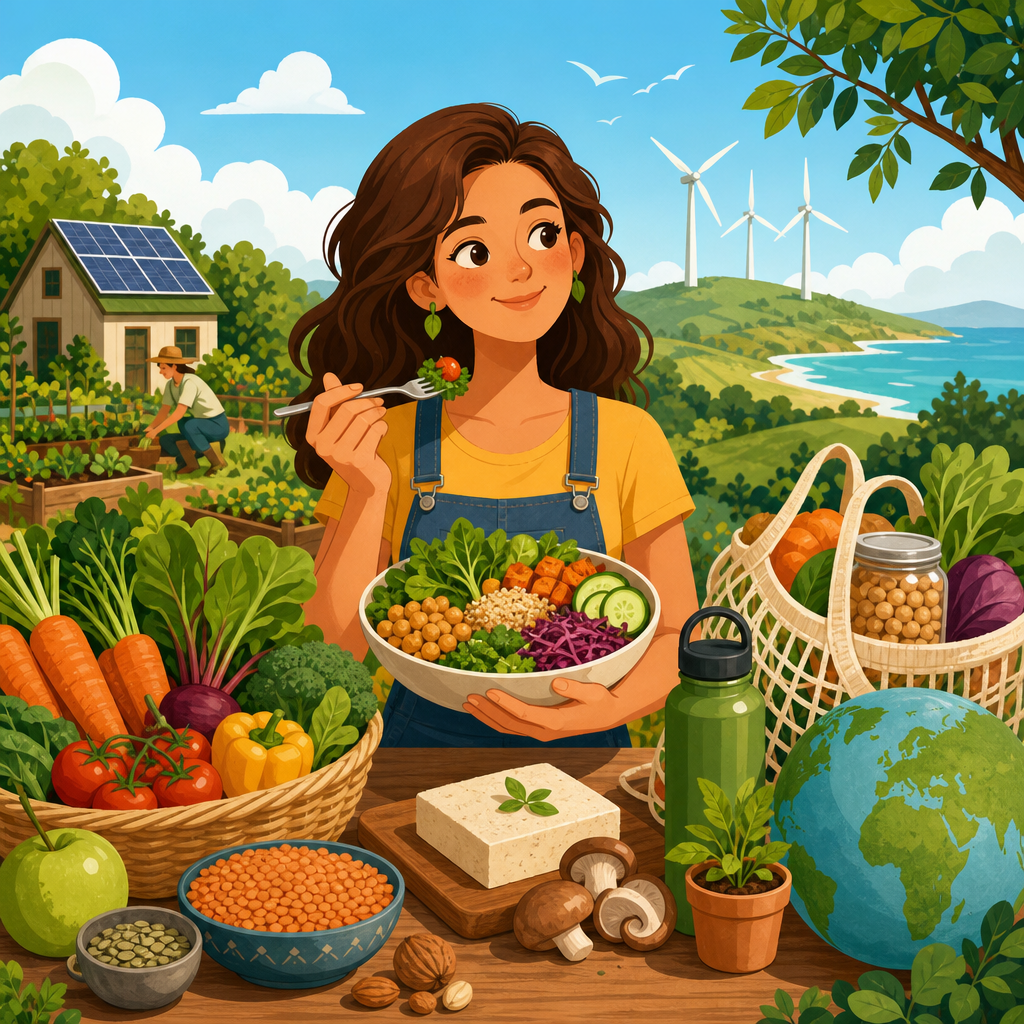
A balanced diet should be judged by more than nutrient intake on a single plate. It should also be measured by whether the dietary pattern can be maintained at household, community, and planetary scale. Diets rich in diverse plant foods and moderate in animal products consistently perform well on both nutrition and sustainability metrics. Beans, lentils, peas, nuts, seeds, whole grains, fruits, and vegetables provide fiber, phytonutrients, minerals, and lower average environmental burdens than resource-intensive animal foods. This is one reason dietary models from public health and environmental research often converge around similar advice: eat more minimally processed plant foods, reduce excess red and processed meat, choose seafood carefully, and avoid waste. In my experience auditing institutional menus, the easiest gains come from replacing a few high-impact meals each week with satisfying plant-forward options rather than pushing unrealistic dietary absolutes.
There is also a food security dimension. A diet dependent on ingredients produced through soil degradation, overfishing, or exploitative labor is not balanced in any meaningful long-term sense, because it undermines the systems that make nourishment possible. Healthy eating guidance often stresses adequacy, variety, and moderation. Ethical and sustainable food choices strengthen all three. Adequacy improves when consumers diversify protein sources and rely less on a few commodity foods. Variety grows when seasonal and regional eating become habits. Moderation becomes easier when food is valued more highly and waste is reduced. This is why sustainable diets are increasingly discussed alongside nutrition policy, hospital procurement, school meals, and national food strategy. The main benefit is not moral signaling. It is a more durable way of eating that protects health today without compromising the resources and labor needed to feed people tomorrow.
Environmental Impacts Across the Food System
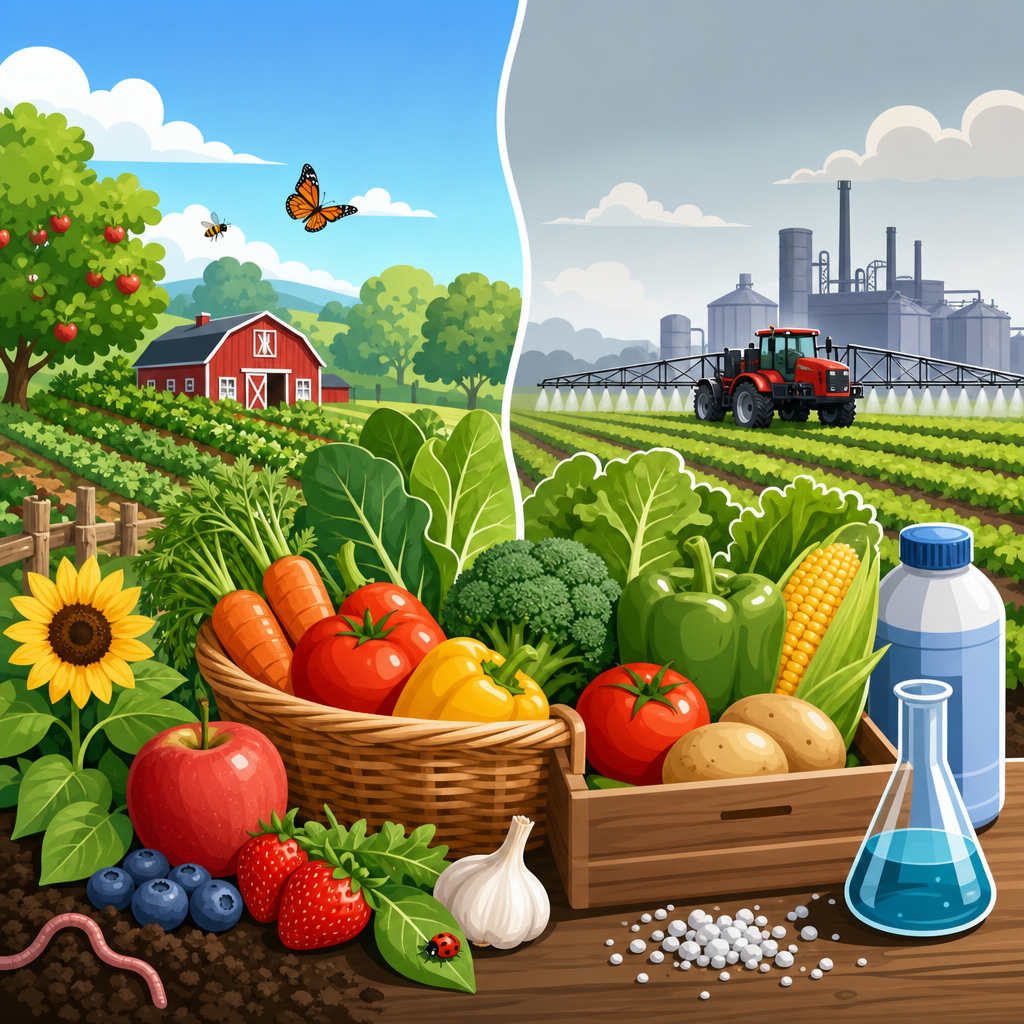
Food choices matter because impacts accumulate across the supply chain, from farm inputs to disposal. Agriculture contributes substantially to methane, nitrous oxide, and carbon dioxide emissions. Ruminant livestock produce methane through enteric fermentation, fertilizer use releases nitrous oxide, and land-use change for feed and grazing can release large amounts of stored carbon. Water use is another critical factor. Irrigation supports food production but can strain aquifers and rivers when crop choice and local conditions are mismatched. Soil degradation reduces yields and resilience, while monocultures and pesticide pressure can diminish pollinator populations and wider biodiversity. Consumers do not control every upstream variable, but they do influence demand. When purchasing shifts toward lower-impact staples, verified sustainable seafood, and regeneratively minded producers where evidence supports the claim, supply chains respond.
One of the most reliable findings in environmental assessment is that food type often matters more than food miles alone. Transport is important for some products, especially air-freighted perishables, but production methods usually dominate total impact. Beef and lamb typically have much higher emissions per kilogram than legumes or grains, regardless of distance. Hothouse tomatoes can sometimes exceed the footprint of field-grown imported tomatoes, depending on energy use. This is why simplistic rules fail. Better questions are: What is this food? How was it produced? Is it in season? How much of it do I waste? Retail and household waste can erase the benefits of otherwise responsible sourcing. In practical diet planning, the strongest environmental moves are to eat more plant proteins, choose animal products more selectively, prioritize seasonal produce, and use what you buy.
Social Ethics, Labor, and Animal Welfare in Food Purchasing
Ethical eating is inseparable from the people and animals behind the food. Many global supply chains depend on low-paid agricultural labor, unsafe working conditions, and uneven bargaining power between growers and buyers. Products such as coffee, cocoa, tea, bananas, shrimp, and some fresh produce are repeatedly scrutinized for wage theft, child labor risks, debt bondage, or poor housing for seasonal workers. Certifications cannot eliminate every problem, but they can create minimum standards and auditing structures that improve traceability and accountability. In procurement reviews, I have found that asking suppliers for third-party certification, grievance mechanisms, and origin disclosure often reveals far more than front-of-pack marketing. Ethical and sustainable food choices therefore include selecting brands and retailers willing to document sourcing, not just describe it.
Animal welfare also deserves direct attention because welfare conditions are highly variable and materially affect how food is produced. Eggs labeled cage-free, free-range, or pasture-raised differ in stocking density and outdoor access. Pork and poultry systems vary in confinement, enrichment, growth rates, antibiotic use, and transport conditions. Dairy production raises questions about grazing, calf management, lameness, and housing. Welfare improvements usually cost more, which creates real affordability tensions, but they are still important signals in the market. For many families, a practical strategy is to buy animal products less often but choose higher-welfare options when they do. That approach often supports both nutrition and sustainability goals by shifting the plate toward beans, whole grains, and vegetables while reserving meat, dairy, and eggs for foods with clearer welfare standards and higher culinary value.
How to Make Better Choices in Real Life
The most effective ethical and sustainable food choices are repeatable, affordable, and nutritionally sound. Start with the foods you buy every week, because staples shape impact more than occasional purchases. Build meals around legumes, whole grains, potatoes, seasonal vegetables, fruit, nuts, and seeds. Treat animal products as complements rather than the default centerpiece. Check seafood against recognized guidance, such as the Monterey Bay Aquarium Seafood Watch recommendations where relevant, and look for Marine Stewardship Council or Aquaculture Stewardship Council certification when species and sourcing are unclear. For coffee, cocoa, tea, and bananas, Fairtrade or similar social certifications can be useful. For eggs and meat, look beyond vague terms like natural and focus on standards with published criteria and independent auditing.
| Food choice area | Better option | Why it helps |
|---|---|---|
| Protein | Beans, lentils, tofu, peas | Lower emissions, high fiber, strong nutrient density |
| Seafood | Verified sustainable species | Supports stock management and reduces bycatch risk |
| Produce | Seasonal and minimally wasted items | Often lowers resource use and improves value |
| Coffee and cocoa | Certified fair-trade products | Improves traceability and labor protections |
| Meat and eggs | Smaller amounts, higher-welfare sources | Balances animal welfare, impact, and diet quality |
Budget matters, and sustainable eating should not be framed as a luxury identity. Some of the best-value foods are also among the most sustainable: dried beans, lentils, oats, brown rice, frozen vegetables, cabbage, carrots, onions, potatoes, and canned tomatoes. Meal planning reduces both cost and waste. So does using edible leftovers, storing produce properly, and freezing surplus portions. If labels feel overwhelming, prioritize a short decision sequence. First, ask whether the food is nutrient-dense and useful in regular meals. Second, compare plant-based and animal-based options. Third, check for credible certification where the category has known ethical risks. Fourth, choose packaging and portion sizes you will actually use. Over time, these habits create a diet that is healthier, lower impact, and more aligned with transparent supply chains without requiring perfection or excessive spending.
Common Misconceptions and the Bigger Picture
Several myths prevent people from adopting ethical and sustainable food choices. The first is that sustainable eating means going fully vegan overnight. In reality, the strongest evidence supports a spectrum of plant-forward eating patterns, and substantial benefits come from partial shifts. The second myth is that local always means better. Local can strengthen regional economies and freshness, but production method still matters. A nearby product grown with heavy inputs is not automatically preferable to a responsibly produced imported staple. The third myth is that organic, fair-trade, regenerative, humane, and sustainable are interchangeable. They are not. Each addresses different criteria, and informed consumers should match claims to the issue they care about. The fourth myth is that individual choices do not matter. Personal decisions alone will not fix the food system, but they influence demand, procurement norms, and political support for better standards.
This topic is also the hub for broader questions in food science and sustainability. Ethical and sustainable food choices connect directly to climate-friendly diets, sustainable agriculture, regenerative practices, food waste reduction, seafood sourcing, sustainable packaging, nutrition equity, and responsible labeling. Understanding this hub helps readers navigate all of those related subjects with more confidence. The central lesson is straightforward: a balanced diet is not truly balanced if it relies on depleted soils, collapsing fisheries, hidden labor abuse, or routine waste. Better food choices are not about purity. They are about better defaults, better evidence, and better outcomes. If you want to improve your diet in a way that supports health and the wider food system, start with one week of intentional shopping: add two plant-protein meals, buy one certified staple, choose seasonal produce, and waste less food. Those simple changes create measurable benefits and a stronger foundation for every future food decision.
Frequently Asked Questions
1. What do ethical and sustainable food choices actually mean in the context of a balanced diet?
Ethical and sustainable food choices refer to foods selected not only for their nutritional value, but also for how they are produced, processed, transported, and sold. In a balanced diet, this means looking beyond calories, protein, vitamins, and minerals to consider whether the food system behind those foods supports human health, fair labor practices, animal welfare, and environmental stability. Ethical choices often include buying from companies or farms that treat workers fairly, avoid exploitative labor conditions, and follow better standards for animal care. Sustainable choices focus on protecting natural resources by encouraging farming and food production methods that preserve soil health, reduce pollution, conserve water, support biodiversity, and lower greenhouse gas emissions.
When these ideas are applied to everyday eating, they strengthen the meaning of a balanced diet. A truly balanced diet is not just one that meets immediate nutritional needs; it is also one that can be maintained over time without damaging the systems that produce food in the first place. For example, choosing more seasonal produce, plant-forward meals, responsibly sourced seafood, and minimally processed foods can help align personal nutrition with wider social and ecological goals. In other words, ethical and sustainable eating expands the definition of “healthy” to include the health of people, animals, communities, and the planet.
2. Why are ethical and sustainable food choices considered essential rather than optional?
They are considered essential because food choices affect far more than the individual plate. Every purchase helps shape demand, and demand influences how food is grown, raised, packaged, and distributed. If diets rely heavily on systems that deplete soil, overuse antibiotics, exploit workers, harm animal welfare, or contribute excessively to climate change, the long-term result is a food supply that becomes less reliable, less fair, and less capable of supporting public health. Ethical and sustainable food choices address these risks directly by encouraging production methods that are more resilient and responsible.
They are also essential because personal health and planetary health are increasingly connected. Diets rich in diverse fruits, vegetables, legumes, whole grains, nuts, seeds, and responsibly produced animal foods often support better nutrition while also lowering environmental strain compared with heavily resource-intensive eating patterns. Choosing foods with sustainability in mind can help reduce waste, limit overconsumption of heavily processed products, and encourage greater dietary diversity. At the same time, ethical sourcing supports the workers and communities responsible for producing food, making the food system more stable and equitable. This is why ethical and sustainable choices are no longer viewed as lifestyle extras; they are central to the future of nutrition, food security, and public well-being.
3. How do ethical and sustainable food choices benefit personal health?
One of the biggest health benefits is that ethical and sustainable eating often encourages higher-quality dietary patterns. People who prioritize sustainable food choices tend to eat more whole foods and fewer highly processed items, which can improve intake of fiber, vitamins, minerals, and beneficial plant compounds. A diet built around seasonal produce, legumes, whole grains, nuts, seeds, and carefully sourced proteins can support heart health, digestive health, healthy weight management, and more stable energy levels. These foods also tend to promote better long-term health outcomes than diets dominated by refined sugars, ultra-processed snacks, and excessive amounts of low-quality fats.
Ethical and sustainable food choices can also support health indirectly by improving food integrity and safety. Farming systems that reduce unnecessary chemical inputs, protect water quality, and improve animal living conditions may lower some risks associated with poor production practices. In addition, choosing foods from transparent, responsible supply chains can increase consumer awareness of ingredients, sourcing, and production methods, which often leads to more intentional eating habits overall. Just as important, sustainable diets tend to value variety, moderation, and food quality over excess, which are core principles of a balanced diet. The result is an approach to eating that nourishes the body while reducing dependence on practices that undermine long-term public and environmental health.
4. What are the environmental and social impacts of making more sustainable food choices?
The environmental impacts can be significant. Food production plays a major role in greenhouse gas emissions, water use, land conversion, soil degradation, and biodiversity loss. Choosing foods produced with sustainability in mind can help reduce pressure on these systems. For example, eating more plant-based meals, buying local and seasonal foods when practical, reducing food waste, and selecting products from farms that use regenerative or lower-impact methods can help cut emissions and conserve resources. Sustainable choices can also support healthier soils, better water management, and stronger ecosystems, all of which are essential for maintaining a dependable food supply in the face of climate change and population growth.
The social impacts are equally important. Ethical food choices recognize that a balanced diet should not depend on unfair wages, unsafe working conditions, or exploitative supply chains. Supporting brands, farms, and producers that value labor rights, community well-being, and humane treatment of animals helps reinforce higher standards across the food system. These choices can also strengthen local economies by keeping more value within communities and supporting smaller producers who often rely on conscious consumer demand. Over time, this creates a more resilient food culture—one that values dignity, transparency, and accountability as much as taste and convenience. In that sense, ethical and sustainable food choices do not just improve what we eat; they help improve the system that feeds us.
5. How can someone start making ethical and sustainable food choices without overcomplicating their diet?
The best approach is to start with practical, manageable changes rather than trying to overhaul everything at once. A simple first step is to build meals around whole, minimally processed foods and increase the proportion of plant-based ingredients such as beans, lentils, vegetables, fruits, and whole grains. This does not require eliminating animal products entirely; it simply means using them more thoughtfully and choosing higher-quality, responsibly sourced options when possible. Looking for seasonal produce, reducing food waste, planning meals before shopping, and reading labels for sourcing or certification information can also make a meaningful difference without making daily eating stressful.
It is also helpful to focus on progress instead of perfection. Not everyone has equal access to organic produce, farmers’ markets, or specialty ethical brands, and sustainable eating should be realistic and inclusive. Shopping within your budget, buying frozen fruits and vegetables to reduce waste, supporting local producers when available, and choosing certified products such as Fair Trade, pasture-raised, or sustainably sourced seafood when feasible are all worthwhile steps. Even small habits—like using leftovers, buying only what you need, or replacing a few resource-intensive meals each week with plant-forward alternatives—can add up over time. The goal is not to create a flawless diet, but to build a balanced, nourishing way of eating that respects health, people, animals, and the environment.