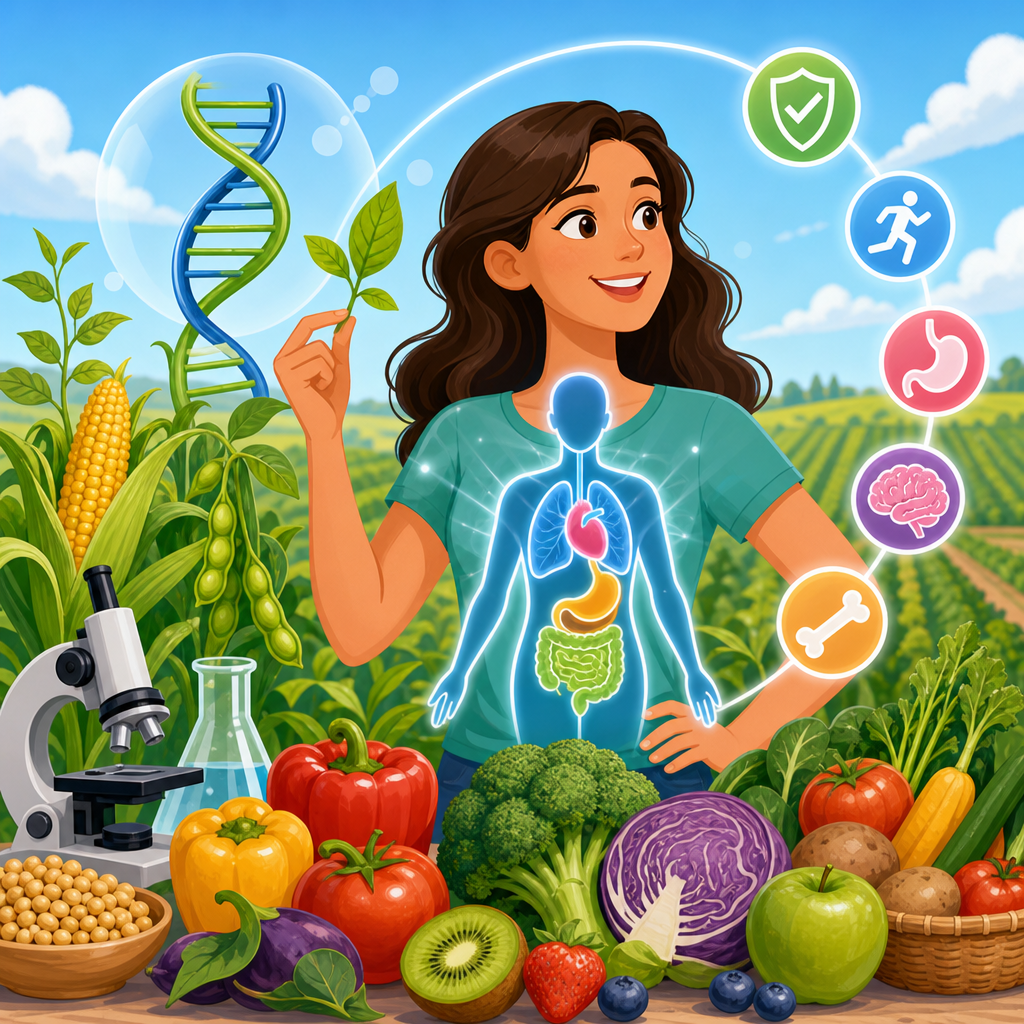
Sustainable eating means choosing foods that support human health while reducing harm to climate, water, soil, biodiversity, and farming communities. An eco-friendly diet applies that principle in daily life through what you buy, how food is produced, how much is wasted, and how meals fit local ecosystems. In practice, this topic covers agricultural methods, greenhouse gas emissions, land use, seafood sourcing, packaging, transport, seasonality, nutrition, affordability, and food justice. I have worked with food sustainability audits and menu planning projects, and the pattern is consistent: the most effective changes are usually practical, not extreme. People want clear guidance on what to eat, what to buy less often, and how to balance environmental goals with budget, culture, and health needs.
This matters because food systems are a major environmental driver. Global food production contributes roughly one quarter to one third of human-caused greenhouse gas emissions when farming, land-use change, processing, transport, and waste are counted together. Agriculture uses about 70 percent of global freshwater withdrawals, and expanding farmland remains a leading cause of habitat loss. At the same time, poor diet is linked with heart disease, type 2 diabetes, and other chronic conditions. A sustainable diet aims to solve both problems at once by emphasizing nutrient-dense foods with lower environmental burdens. That usually means more legumes, whole grains, vegetables, fruits, nuts, and seeds; moderate amounts of dairy, eggs, and seafood depending on sourcing; and less frequent intake of high-impact animal products, especially beef and lamb.
Many readers ask whether sustainable eating requires becoming vegan, buying only organic food, or paying premium prices. The answer is no. There is no single perfect eco-friendly diet because environmental impacts vary by region, farm practice, season, and household needs. The most reliable approach is a hierarchy: eat mostly plant-based whole foods, reduce food waste, choose animal foods carefully, prefer seasonal and regional produce when it makes sense, and support production systems that protect soil, water, and workers. This guide explains those principles in plain terms and serves as a hub for deeper reading across food science and sustainability. If you understand the major impact categories and the common tradeoffs, you can build a diet that is realistic, evidence-based, and measurably better for the planet.
What Sustainable Eating Actually Includes
Sustainable eating is broader than carbon footprint alone. A food can be low in emissions yet still raise concerns about water scarcity, pesticide exposure, labor conditions, overfishing, or packaging waste. The standard framework used by researchers and policy bodies looks at several dimensions together: environmental integrity, nutritional adequacy, economic accessibility, and social fairness. The Food and Agriculture Organization describes sustainable diets as those with low environmental impacts that contribute to food and nutrition security and healthy lives for present and future generations. That definition matters because it prevents overly narrow advice. Almonds, for example, are plant-based and generally lower in emissions than beef, but in drought-prone regions their irrigation demand deserves attention. Wild-caught fish can be nutritious and relatively low in emissions, yet some fisheries are overexploited or damage marine habitats through bycatch and bottom trawling.
In day-to-day decisions, I find it useful to divide foods into impact layers. First, ask what the food is: animal products, especially ruminant meat, tend to have the highest average emissions because cattle and sheep produce methane and require significant feed and land. Second, ask how it was produced: regenerative grazing, precision fertilization, cover cropping, integrated pest management, hydroponics, and greenhouse heating all affect outcomes differently. Third, ask where and when it was produced: transport usually matters less than production method, but heated greenhouses and air-freighted perishables can sharply raise emissions. Fourth, ask what happens after purchase: if half a bag of salad greens is thrown away, the effective footprint of the consumed portion doubles. Sustainable eating therefore depends as much on household habits as on farming systems.
The Foods That Usually Lower Environmental Impact
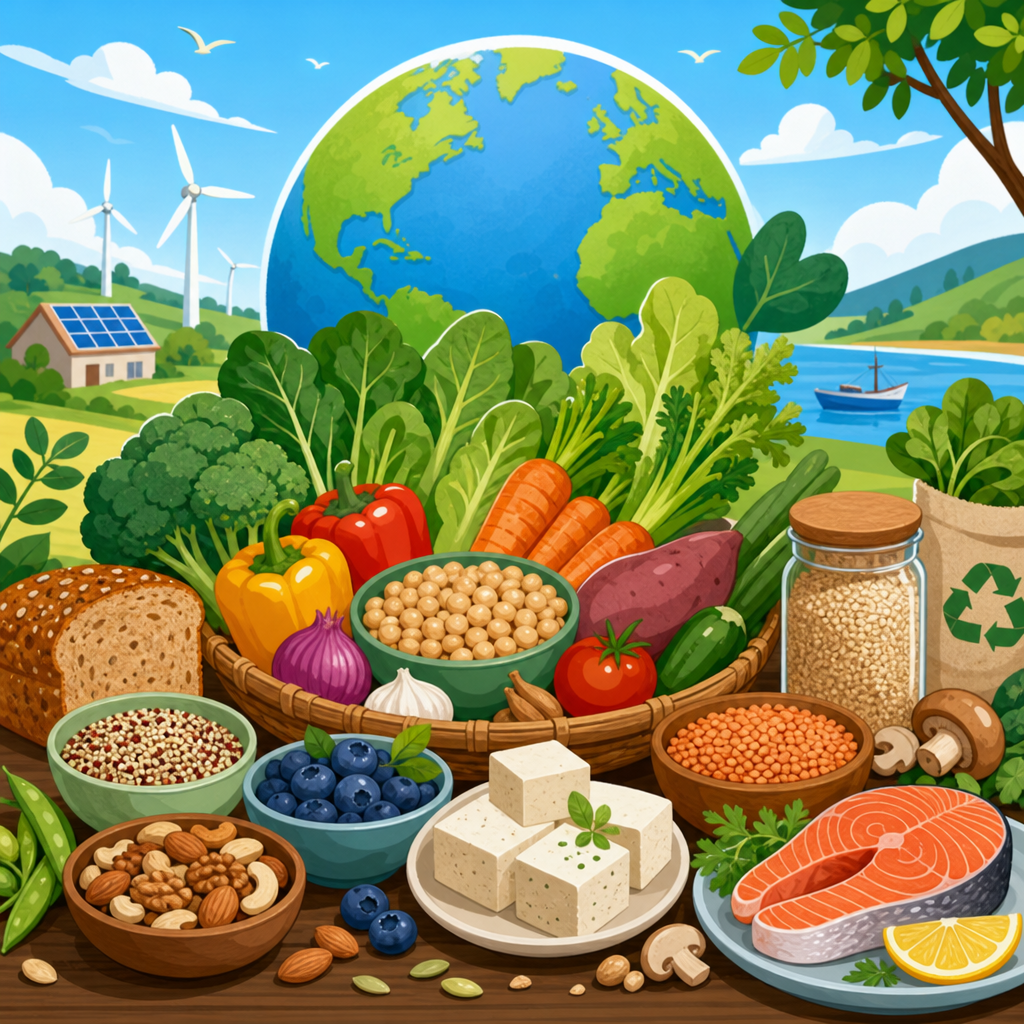
The strongest evidence supports a dietary pattern centered on beans, lentils, peas, soy foods, whole grains, potatoes, vegetables, fruits, nuts, and seeds. These foods generally require less land and produce fewer emissions per gram of protein or per calorie than beef and lamb. Lentils are a useful example. They are rich in protein, fiber, folate, iron, and potassium, and as legumes they can help fix nitrogen in the soil, reducing synthetic fertilizer needs in certain rotations. Tofu and tempeh provide complete protein and work well in stir-fries, bowls, curries, and sandwiches, making them practical replacements rather than niche products. Oats, barley, and brown rice have lower impacts than many animal-based staples and support heart health through fiber and micronutrients.
That said, not all plant foods are environmentally equal, and nutritional quality still matters. A diet built from heavily processed snack foods can be plant-based without being healthy or especially sustainable. Ultra-processed products often involve energy-intensive manufacturing, multiple packaging layers, and formulations that do little to improve dietary quality. Eco-friendly diets are usually whole-food-forward. When comparing proteins, beans or split peas are often among the most cost-effective and lowest-impact choices. For households transitioning gradually, replacing two beef meals per week with chili made from beans and mushrooms, red lentil pasta with tomato sauce, or chickpea curry can reduce emissions without sacrificing satiety. In institutional foodservice, I have seen simple recipe changes like these improve both procurement costs and sustainability metrics when analyzed across a full menu cycle.
Animal Foods, Seafood, and the Biggest Tradeoffs
Animal foods are where most impact differences appear. Beef and lamb usually rank highest in greenhouse gas emissions and land use because ruminants emit methane and convert feed into protein less efficiently than poultry, eggs, or farmed fish. Cheese can also carry a sizable footprint because large volumes of milk are needed to produce a small amount. Pork and chicken are typically lower impact than beef, though feed sourcing, manure management, and antibiotic stewardship still matter. Eggs and yogurt can fit a sustainable diet in moderate amounts, especially when they displace higher-impact meats. The goal is not perfection; it is prioritization. If someone asks which single change matters most, the answer is usually to reduce beef consumption first.
Seafood requires more nuance. Nutritionally, fish provides protein, iodine, selenium, vitamin D, and long-chain omega-3 fats. Environmentally, impacts differ by species and harvest method. Small pelagic fish such as sardines and anchovies often compare favorably because they are lower on the food chain and can be abundant when well managed. Bivalves like mussels and oysters are standout options in many regions because they require no feed inputs and can improve water quality. On the other hand, some shrimp production has been linked to mangrove destruction, and certain tuna or swordfish stocks face pressure from overfishing. Credible labels and guides help. The Marine Stewardship Council, Aquaculture Stewardship Council, Monterey Bay Aquarium Seafood Watch, and regional fishery advisories are useful starting points. Pregnant people, children, and frequent fish eaters should also consider mercury guidance from national health agencies.
| Food choice | Typical sustainability profile | What to do in practice |
|---|---|---|
| Beef and lamb | Highest average emissions and land use | Eat less often; use smaller portions; replace with beans, poultry, or tofu |
| Chicken and pork | Lower than ruminant meat, still resource intensive | Choose moderate portions and better welfare, feed, and manure practices |
| Eggs and dairy | Moderate impact, varies by system and product | Use strategically; yogurt and milk often outperform hard cheese per serving |
| Legumes and soy foods | Low emissions, efficient land use, nutrient dense | Make them default proteins several times per week |
| Bivalves and small fish | Often lower-impact seafood choices | Check fishery ratings and local advisories before buying |
Local, Seasonal, Organic, and Regenerative: What Matters Most
Consumers often overestimate transport and underestimate production. “Local food” can support regional economies, freshness, and transparency, but it is not automatically lower impact. Tomatoes grown locally in heated winter greenhouses may have a higher footprint than field-grown tomatoes shipped from a warmer climate by sea or truck. Air freight is the notable exception; highly perishable asparagus, berries, or green beans flown long distances can carry large transport emissions. Seasonality is a useful shorthand because foods grown in their natural season usually need less energy for heating, lighting, and storage. Shopping at farmers markets, joining a CSA, or using seasonal produce charts can improve alignment with local conditions.
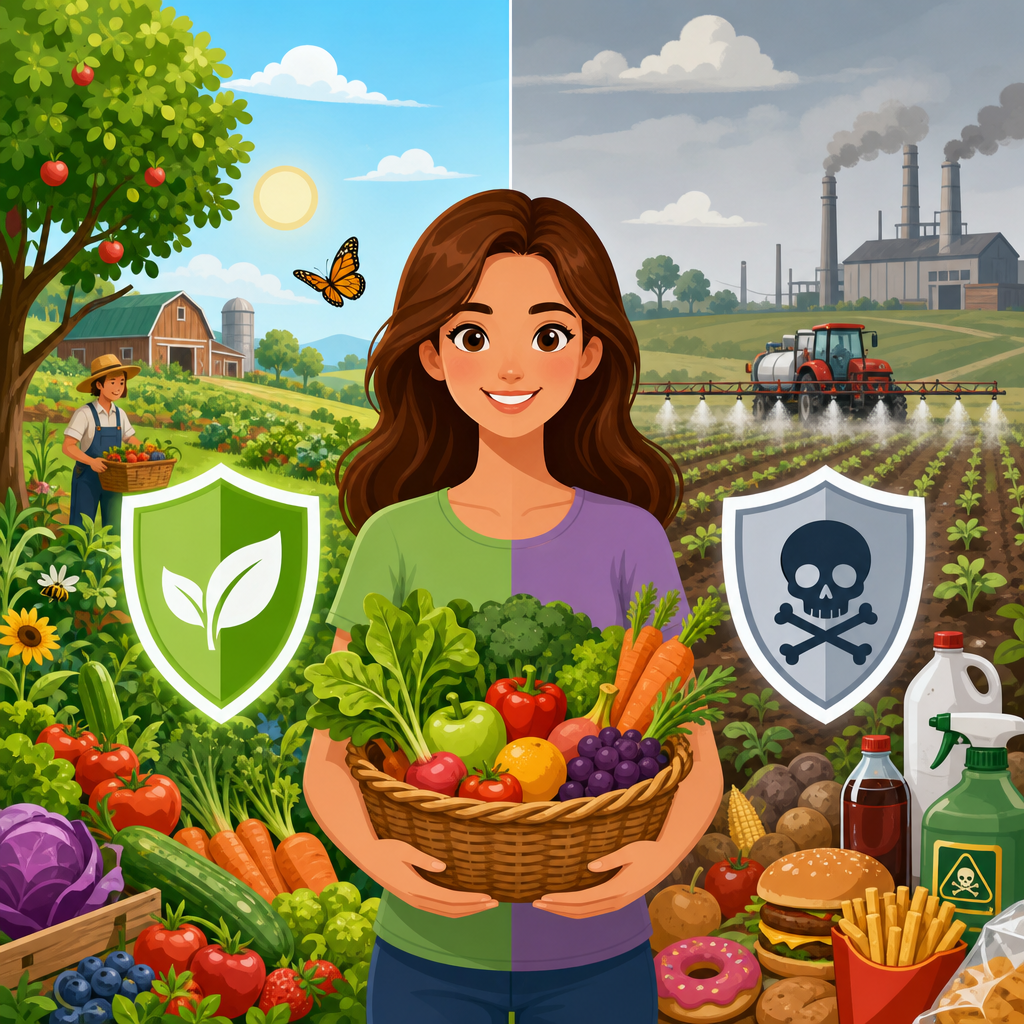
Organic food brings its own tradeoffs. Organic standards generally restrict synthetic pesticides and fertilizers and can benefit soil health and biodiversity in some systems. However, yields may be lower for certain crops, which can increase land demand if production is scaled without efficiency gains. Regenerative agriculture is another widely used term, often referring to practices such as reduced tillage, cover crops, crop rotation, compost application, managed grazing, and agroforestry. These practices can improve soil structure, water infiltration, and resilience, but outcomes depend heavily on context and verification. When advising buyers, I prioritize measured practices and transparent reporting over marketing language alone. If a farm can document biodiversity goals, fertilizer management, animal welfare standards, water stewardship, or third-party certification, that information is more useful than a vague sustainability claim on the front of a package.
Food Waste, Packaging, and Kitchen Habits
One of the fastest ways to build an eco-friendly diet is to waste less food. In many countries, households are a leading source of edible food waste. When food is discarded, all upstream resources are wasted too: land, water, fertilizer, fuel, labor, packaging, and refrigeration. I routinely see the same avoidable losses in home kitchens: overbuying produce without a meal plan, misunderstanding date labels, and cooking portions with no plan for leftovers. “Best by” usually refers to quality, not safety, while “use by” has a narrower meaning for perishables. Better habits are straightforward. Plan three or four anchor meals each week, buy produce with overlapping uses, freeze bread and extra portions, store herbs in water, rotate older items to the front of the refrigerator, and keep a leftover night on the calendar.
Packaging matters, but less than many shoppers assume when compared with the footprint of the food itself. For beef, cheese, and other high-impact foods, production dominates total emissions. For fragile produce, appropriate packaging can actually reduce waste and improve sustainability if it extends shelf life. The best rule is to avoid unnecessary packaging without compromising food preservation. Reusable shopping bags, bulk bins, refill systems, and durable containers help, but the largest gains usually come from what is inside the package. A bruised cucumber wrapped in plastic may still be a lower-impact purchase than a steak in paper. Composting can divert scraps from landfill and return nutrients to soil, yet it should be treated as a backup strategy after prevention, meal planning, and edible reuse.
How to Build a Sustainable Diet That Is Nutritious and Affordable
A sustainable diet must work in real life. Budget, access, culture, allergies, and health conditions shape what is possible, so rigid rules often fail. The most reliable method is a flexible plate pattern: make half the plate vegetables and fruits, one quarter whole grains or starchy vegetables, and one quarter protein with legumes or soy used often. Add nuts, seeds, olive oil, and fermented foods as appropriate. If you eat animal foods, use them as complements rather than centerpieces. A vegetable stir-fry with tofu and a small amount of chicken is usually more sustainable than a large chicken breast with token vegetables. A bean-based burrito bowl with brown rice, salsa, cabbage, and pumpkin seeds can be cheaper and more nutrient-dense than many convenience meals.
Affordability improves when you rely on staples. Dried beans, lentils, oats, frozen vegetables, seasonal fruit, potatoes, pasta, canned tomatoes, peanut butter, and plain yogurt are consistently high-value ingredients. Frozen produce is often comparable nutritionally to fresh because it is processed soon after harvest. Canned beans reduce prep time and improve adoption for busy households; rinsing lowers sodium. For people concerned about protein, a cup of lentils or a block of firm tofu can anchor a meal at a fraction of the cost of beef. For iron, pair legumes, tofu, pumpkin seeds, or fortified cereals with vitamin C sources like citrus, peppers, or tomatoes to improve absorption. For vitamin B12 on mostly plant-based diets, use fortified foods or supplements. Sustainable eating becomes durable when it is convenient, culturally familiar, and satisfying enough to repeat.
Using This Hub to Make Better Food Decisions
The core lesson is simple: sustainable eating is not a purity test. It is a pattern of decisions that steadily lowers environmental harm while protecting health and respecting everyday constraints. Start with the highest-impact categories first. Eat more legumes, whole grains, vegetables, fruits, nuts, and seeds. Reduce beef and lamb, choose seafood with verified sourcing, and treat dairy and poultry as supporting players rather than defaults. Buy seasonal foods when practical, but remember that production method often matters more than distance. Waste less food, store it better, and cook with a plan. Those steps consistently deliver larger benefits than chasing labels without context.
As a hub within Food Science and Sustainability, this guide gives you the structure needed to evaluate any claim about eco-friendly diets. When you read deeper articles on plant proteins, regenerative agriculture, food waste reduction, sustainable seafood, or lifecycle assessment, return to this framework: environmental impact, nutrition, affordability, and equity must all be considered together. That balanced view prevents common mistakes such as focusing only on local food, only on packaging, or only on one nutrient. If you want to improve your diet this week, begin with one measurable action: swap one beef meal for beans or tofu, plan meals before shopping, and choose one certified sustainable seafood option. Small repeated choices build a truly sustainable diet.
Frequently Asked Questions
What is sustainable eating, and how is it different from an eco-friendly diet?
Sustainable eating is the broader idea of choosing foods that support long-term human health while lowering damage to the environment and strengthening fair, resilient food systems. It looks at the full picture: greenhouse gas emissions, water use, soil health, biodiversity, land use, farming practices, labor conditions, animal welfare, and access to nutritious food. In other words, it asks whether a way of eating can nourish people today without making it harder for future generations to do the same.
An eco-friendly diet is the practical, everyday version of that idea. It focuses on the choices you make at the store, at restaurants, and in your kitchen. That includes buying more plant-forward meals, choosing seasonal produce, reducing food waste, paying attention to seafood sourcing, limiting unnecessary packaging, and supporting farming methods that protect ecosystems. The two terms are closely related, but sustainable eating is the framework, while an eco-friendly diet is how that framework shows up in real life.
It is also important to understand that sustainable eating is not a single rigid diet. It does not require everyone to eat the exact same foods. What is sustainable in one place may look different in another because climate, culture, local agriculture, affordability, and food availability all matter. A sustainable pattern in a coastal region may include responsibly sourced fish, while one in another region may rely more on legumes, grains, and seasonal vegetables. The goal is not perfection. The goal is to make food choices that are healthier for people and lighter on the planet whenever possible.
Why do food choices matter so much for the environment?
Food choices matter because the global food system affects nearly every major environmental issue. Agriculture uses large amounts of land and freshwater, contributes significantly to greenhouse gas emissions, shapes soil health, and can either protect or damage wildlife habitats. The way food is grown, processed, packaged, transported, sold, and wasted all adds up. That means everyday meals are connected to climate change, deforestation, water depletion, pollution, and biodiversity loss.
Some foods generally have a heavier environmental footprint than others. Animal-based foods, especially beef and lamb, tend to produce more emissions and require more land and feed than many plant-based foods. That does not mean every plant food is automatically sustainable or that all animal foods have the same impact. Production methods matter a great deal. For example, produce grown with regenerative or lower-input practices may have a different footprint than produce grown in a highly intensive system. Similarly, seafood can be either a responsible choice or an environmentally harmful one depending on the species, sourcing method, and fishery management.
Food waste is another major reason food choices matter. When edible food is thrown away, all of the water, energy, labor, fertilizer, transport, and packaging that went into producing it are wasted too. In landfills, food waste can also generate methane, a potent greenhouse gas. This is why sustainable eating is about more than what you buy. It also includes how much you use, how you store food, how you plan meals, and whether leftovers are eaten instead of discarded.
Even packaging and transport play a role, though often less than people assume compared with how food is produced. In many cases, production methods and the type of food have a larger environmental impact than shipping alone. Still, choosing local and seasonal foods when practical can reduce certain impacts, support nearby farmers, and help people reconnect with regional food systems. Small choices repeated consistently can make a meaningful difference over time.
What are the best first steps for starting a more sustainable and eco-friendly diet?
The best place to start is with realistic, high-impact changes you can maintain. For most people, that means eating more plant-based foods without feeling pressured to become fully vegetarian or vegan overnight. Adding more beans, lentils, peas, whole grains, nuts, seeds, fruits, and vegetables is one of the most effective ways to lower the environmental footprint of your diet while improving nutrition. You can begin with simple shifts such as replacing one or two meat-heavy meals each week with plant-forward options like lentil soup, bean chili, vegetable stir-fry, or grain bowls.
Next, focus on reducing food waste. Plan meals before shopping, check what you already have in your fridge and pantry, store foods correctly, and use leftovers creatively. Sustainable eating is not just about choosing “green” products. It is also about making sure the food you buy actually gets eaten. Freezing extra portions, repurposing produce before it spoils, and understanding date labels can save money and reduce environmental impact at the same time.
Choosing seasonal foods is another practical step. Produce that is in season locally is often fresher, more flavorful, and sometimes less resource-intensive, depending on how it is grown. Shopping from farmers markets, community-supported agriculture programs, food co-ops, or local producers can support regional economies and shorten the distance between farm and plate. That said, local is not the only measure that matters. A food grown locally in an energy-intensive way may not always be the most sustainable choice, so it helps to think in terms of the whole system rather than a single rule.
You can also pay attention to seafood and animal products. If you eat fish, look for responsibly sourced options recommended by credible seafood guides or certification systems. If you eat meat, dairy, or eggs, consider buying them less often but choosing higher-quality, more responsibly produced options when your budget allows. Finally, cut back on heavily packaged foods where possible, bring reusable bags and containers, and choose minimally processed staples. A sustainable diet is built through steady habits, not perfection or all-or-nothing thinking.
Can a sustainable diet still be healthy, affordable, and realistic for families?
Yes, a sustainable diet can absolutely be healthy, affordable, and practical, especially when it is approached flexibly. In many cases, some of the most sustainable foods are also among the most budget-friendly. Beans, lentils, oats, rice, potatoes, seasonal vegetables, frozen produce, whole grains, and canned tomatoes are often inexpensive staples that provide strong nutritional value with a relatively low environmental footprint. Building meals around these foods can lower grocery costs while supporting a more eco-friendly eating pattern.
From a health perspective, sustainable eating often aligns well with widely recommended nutrition principles. Diets centered on vegetables, fruits, legumes, whole grains, nuts, and seeds tend to provide fiber, vitamins, minerals, and beneficial plant compounds while reducing reliance on foods linked with poorer health outcomes when consumed in excess. The exact balance will depend on age, activity level, culture, medical needs, and food preferences, but the general pattern of eating more whole plant foods is both environmentally sound and nutritionally strong for many people.
For families, the key is to avoid turning sustainable eating into something overly complicated or expensive. Start with familiar meals and adapt them gradually. Add beans to tacos, stretch ground meat with lentils, serve pasta with vegetable-rich sauces, use frozen vegetables for convenience, and plan around sales or affordable staples. Batch cooking, simple meal planning, and using leftovers for lunches can make sustainable eating easier to maintain in busy households.
It is also important to acknowledge food justice and access. Not everyone has the same budget, time, kitchen setup, transportation, or access to fresh and specialty foods. A realistic conversation about sustainable diets has to include these barriers. People should not be made to feel that sustainability only counts if food is organic, local, or premium-priced. An affordable meal made from basic plant-forward staples and used efficiently is often a strong sustainable choice. Progress matters far more than perfection, and sustainable eating should be inclusive, practical, and adaptable to real life.
How can I tell whether food is truly sustainable and not just marketed that way?
This is an important question because food marketing can make products seem more environmentally responsible than they really are. Terms like “natural,” “farm fresh,” “green,” or “eco-friendly” often have little legal definition and may not tell you much about how a product was actually produced. To judge whether food is truly sustainable, it helps to look beyond the front label and consider several factors: what the food is, how it was grown or raised, where it came from, how it was packaged, whether workers were treated fairly, and whether the claim is backed by credible standards or third-party verification.
Start by checking for transparency. Trustworthy brands and producers usually provide specific information rather than vague promises. They may explain their farming practices, water use, soil management, seafood sourcing, animal welfare approach, or emissions goals. Certifications can be useful, though they vary in strength and scope. Depending on the product, certifications related to organic production, fair trade, animal welfare, or responsible seafood can offer helpful signals, but no single label covers every aspect of sustainability. It is often best to use certifications as one tool among many rather than assuming a logo alone guarantees a perfect choice.
For seafood, consult reputable seafood guides that assess species and sourcing methods. For produce and packaged foods, consider whether the item is seasonal, minimally processed, and reasonably packaged. For meat and dairy, ask whether you can reduce quantity overall and choose better-sourced options more intentionally. Also remember that the most sustainable choice is not always the product with the loudest environmental branding. Sometimes it is a simple staple food with minimal packaging, low waste, and a lower-impact ingredient profile.</