Ethical and sustainable food choices shape how we nourish ourselves, treat workers, protect animals, and manage land, water, and climate impacts across the food system. In practical terms, ethical food considers fairness, welfare, transparency, and cultural respect, while sustainable food emphasizes long-term environmental resilience, efficient resource use, and lower pollution. The two overlap often, but they are not identical. A tomato grown with low water use can still involve poor labor conditions, and a pasture-raised egg can still carry a higher footprint than a plant protein. After years reviewing sourcing standards, reading certification documents, and helping food brands explain ingredient claims clearly, I have learned that the strongest choices come from looking at the full picture rather than chasing a single label.
This matters because food production drives major global pressures. The United Nations Food and Agriculture Organization links agriculture to significant greenhouse gas emissions, biodiversity loss, freshwater withdrawals, and soil degradation. At the same time, billions of people depend on farms, fisheries, and food processing for income, so sustainability cannot mean environmental purity alone. It must also support viable livelihoods and accessible nutrition. For consumers, that creates a useful question: which foods deliver strong nutrition while generally aligning with better farming, fishing, labor, and animal welfare practices? The answer is not one perfect diet. It is a pattern built around foods that tend to use fewer resources, generate less waste, and reward more responsible supply chains.
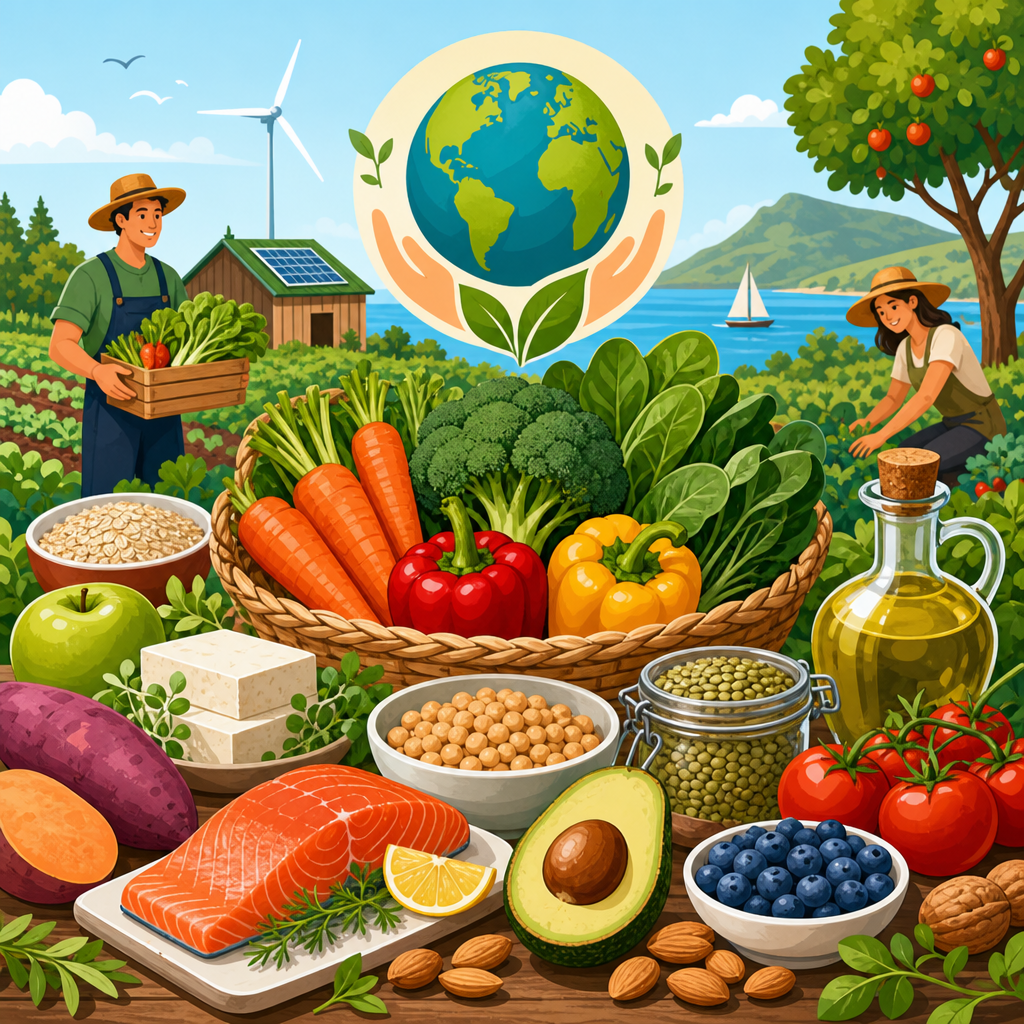
This hub article explains the top foods rich in ethical and sustainable food choices and why you need them in a realistic diet. “Rich” here does not refer to a vitamin content claim. It means foods that are highly representative of better food values because they can support soil health, reduce dependence on intensive livestock production, improve traceability, strengthen local economies, or encourage lower-impact eating habits. You will see where each food fits, what standards to look for, and where tradeoffs exist. Used well, this guide can anchor your everyday shopping list and point you toward deeper articles on sustainable proteins, regenerative agriculture, responsible seafood, food labels, and lower-waste meal planning.
Legumes: the clearest starting point for ethical and sustainable eating
Beans, lentils, peas, and chickpeas are consistently among the best foods for sustainable diets because they provide protein, fiber, iron, folate, and complex carbohydrates with a far lower environmental burden than most animal proteins. Legumes also fix nitrogen through symbiosis with rhizobia bacteria, which can reduce synthetic fertilizer needs when rotations are managed properly. In field terms, that matters because fertilizer production is energy intensive, and mismanaged nitrogen contributes to nitrous oxide emissions and water pollution. When I evaluate ingredient lists for sustainability claims, legumes are often the easiest recommendation because the evidence is broad and practical.
Ethically, legumes also improve affordability and food security. Dried lentils and beans store well, travel efficiently, and support low-cost nutritious meals in households that cannot buy premium products every week. They fit many cultural food traditions, from dal to hummus to black bean stews, which makes them more inclusive than narrow trend foods. The main caveat is sourcing transparency. Some pulse supply chains are excellent, while others provide little visibility into labor conditions or farmgate pricing. Still, if you want one foundational category that advances climate goals, dietary quality, and accessibility at once, legumes are the category to prioritize first.
Whole grains: resilient staples with lower impact and higher value
Whole grains such as oats, barley, brown rice, millet, sorghum, quinoa, and whole wheat are essential in sustainable food planning because they provide calories and nutrients efficiently. They usually require less environmental input per gram of protein than livestock foods and, when eaten in whole form, they preserve bran and germ, adding fiber, B vitamins, magnesium, and phytochemicals. From a systems perspective, grains are useful because they scale. A food system built around more direct human consumption of grains is generally more resource efficient than one routing large shares of grain through feedlots.
Not all grains are equal in impact. Rice can have elevated methane emissions in flooded systems, while crops like millet and sorghum often perform better in dryland conditions and support climate resilience. Oats and barley can also fit diverse rotations that improve soil structure and suppress weeds. Quinoa is nutritious, but long-distance freight and export pressures can complicate sustainability narratives if local staple systems are displaced. The better approach is variety: choose regionally appropriate grains, favor minimally processed forms, and support producers using soil-building practices. That makes whole grains both a nutritional staple and a realistic sustainability lever.
Nuts and seeds: nutrient-dense foods that reward smarter sourcing
Nuts and seeds deliver concentrated nutrition, including unsaturated fats, protein, vitamin E, minerals, and plant compounds associated with heart health. Almonds, walnuts, peanuts, sunflower seeds, pumpkin seeds, sesame, flax, and chia all have a place in sustainable diets because small servings add substantial value, often replacing more resource-intensive snack foods or animal-based ingredients. From a culinary standpoint, they are versatile: tahini can replace cream-based sauces, ground flax can bind baking mixtures, and peanut butter can anchor low-cost lunches with minimal waste.
The sustainability picture depends heavily on water use, land management, and labor. Almonds have become a case study because they require significant irrigation in drought-prone regions, especially California. Cashews raise worker safety concerns in parts of the supply chain due to caustic shell oils and low-paid processing work. On the positive side, peanuts often have a relatively efficient footprint, and many seed crops can diversify rotations. The practical lesson is not to avoid the entire category. Instead, rotate among nuts and seeds, buy certified fair trade where relevant, and use them strategically rather than excessively. Better sourcing turns a good food into a stronger ethical choice.
Seasonal fruits and vegetables: biodiversity, freshness, and lower hidden costs
Fruits and vegetables are central to sustainable diets not only because of health benefits, but because diverse produce supports diversified farming systems. Seasonal produce often needs fewer artificial growing inputs and less energy-intensive storage, particularly when sourced regionally. Farmers’ markets, community supported agriculture, and transparent regional distributors can shorten the distance between grower and eater, improving traceability and reducing packaging. In my experience auditing food messaging, “local” is most meaningful when paired with seasonality and farm practice details, not used as a vague virtue claim.
Ethical value also appears in crop diversity. Buying a wider range of produce supports farms that grow more than a few commodity crops, which can help pollinators, soil biology, and regional food resilience. Root vegetables, brassicas, apples, citrus, onions, and squash often store well naturally, reducing spoilage. Yet there are tradeoffs. Greenhouse-grown out-of-season produce may use more energy, and some high-value produce sectors face serious labor concerns. Washing, preserving, and using whole vegetables matter too. A beautiful bunch of carrots is not sustainable if half is discarded. Choosing produce seasonally and using it fully is where the real benefit appears.
Responsible seafood and low-impact aquatic foods
Seafood can be both an excellent and a problematic ethical choice, which is why responsible sourcing matters more here than almost any other category. Small pelagic fish such as sardines, anchovies, and herring often provide omega-3 fats, vitamin D, calcium when bones are eaten, and comparatively lower food-chain impacts than large predatory species. Mussels, oysters, and clams are especially notable because bivalves require no feed inputs and can even improve water quality under the right conditions. These are some of the strongest examples of nutrient-dense foods aligned with environmental efficiency.
The risk, of course, is overfishing, bycatch, habitat damage, and labor abuse at sea or in processing. That is why recognized standards and fishery assessments matter. Consumers should look for guidance from the Marine Stewardship Council, Aquaculture Stewardship Council, Monterey Bay Aquarium Seafood Watch, or credible national fishery management systems. Farmed salmon or shrimp may be acceptable from well-managed operations, but can be poor choices when mangroves are destroyed, antibiotics are misused, or feed sourcing is opaque. Seafood belongs in a sustainable diet when the species, gear type, origin, and certification support the claim.
Pasture-raised eggs and dairy: useful foods with important limits
Eggs and dairy sit in a middle ground. They usually have higher impacts than legumes and grains, yet they can still fit ethical and sustainable food choices when produced under stronger welfare and land stewardship standards. Pasture-raised eggs, for example, may support better hen behavior than conventional caged systems, and eggs offer highly bioavailable protein, choline, vitamin B12, and selenium. Dairy products such as yogurt and kefir can supply calcium and protein efficiently, especially when made in regions with established grazing systems and sound manure management.
Still, these foods require nuance. “Free-range” does not always guarantee meaningful outdoor access, and grazing is not automatically regenerative. Poorly managed pasture can degrade soils just as confinement systems create waste problems. Organic standards often reduce synthetic pesticide use in feed production, but they do not erase methane emissions from ruminants. For many households, the best approach is moderation and selectivity: buy fewer but better eggs and dairy products, choose producers that publish welfare and land management practices, and use animal foods as complements rather than the center of every meal.
How to evaluate foods quickly at the store
Most shoppers need a simple filter, not a graduate seminar in supply chain analysis. Use this practical sequence: start with plant-forward staples, check seasonality and origin, verify meaningful certifications, and avoid waste by buying realistic quantities. If a food is nutrient-dense, minimally processed, and sourced through a transparent system, it usually performs better than a heavily processed alternative making broad green claims.
| Food category | Why it is a strong choice | What to check | Main caution |
|---|---|---|---|
| Legumes | Low-impact protein, soil benefits, affordable | Origin, fair sourcing, low packaging waste | Limited supply-chain transparency in some brands |
| Whole grains | Efficient staple calories and fiber | Region, whole form, regenerative practices | Rice methane in flooded systems |
| Nuts and seeds | Nutrient density, versatile fat and protein source | Water use, fair trade, worker standards | High irrigation or labor concerns for some crops |
| Seasonal produce | Supports diversity, freshness, lower storage needs | Season, local fit, farm practices | Waste and labor issues can offset benefits |
| Seafood | High-quality protein and omega-3s | Species, origin, fishery rating, certification | Overfishing, bycatch, labor abuse |
| Eggs and dairy | Useful nutrients, can support mixed farming systems | Welfare claims, pasture details, manure management | Higher emissions than many plant foods |
Two labels deserve special attention. Fair Trade and Rainforest Alliance can signal stronger social and environmental practices in certain categories, especially coffee, cocoa, bananas, and some nuts, though standards differ by scheme. Organic can reduce synthetic pesticide and fertilizer use and may improve biodiversity outcomes, but it is not a complete ethical guarantee. The most reliable buying decisions come from combining labels with brand transparency, third-party audits, and a realistic understanding of tradeoffs.
Why these foods belong in your routine
You need these foods because they solve several problems at once. Nutritionally, they improve fiber intake, diversify micronutrients, reduce overreliance on ultra-processed foods, and make it easier to moderate saturated fat and excessive sodium. Environmentally, they shift diets toward categories that often require less land and water and produce fewer emissions per serving. Socially, they reward supply chains that can support farmer livelihoods, safer work, and better animal welfare when chosen carefully. Few other shopping decisions offer so many interconnected benefits at household scale.
The bigger advantage is durability. Ethical and sustainable food choices are not a short-term cleanse or a luxury identity. They are a framework for building resilient eating habits that can adapt to budget, culture, and geography. Start with beans, lentils, oats, seasonal vegetables, and responsibly sourced seafood or eggs where appropriate. Learn a handful of standards, ask better questions, and cook what you buy. When enough consumers shift from vague good intentions to informed purchasing patterns, food companies respond, retailers expand better options, and the market begins to reward systems that feed people without undermining the future. Make this hub your starting point, then use it to explore the deeper guides in Food Science & Sustainability and upgrade one grocery trip at a time.
Frequently Asked Questions
What does it mean for a food to be ethical and sustainable?
Ethical and sustainable food choices go beyond nutrition and price. An ethical food is produced in a way that considers people, animals, and communities. That can include fair wages and safe working conditions for farm and food system workers, humane animal treatment, transparent sourcing, respect for Indigenous and local food traditions, and business practices that do not exploit vulnerable populations. Sustainable food, meanwhile, focuses on whether the way that food is grown, harvested, processed, transported, and sold can continue long term without degrading soil, water, biodiversity, or climate stability. It asks whether production methods conserve resources, reduce pollution, protect ecosystems, and support resilience over time.
These two ideas often overlap, but they are not exactly the same. A food can have a lower environmental footprint while still raising ethical concerns about labor or animal welfare. On the other hand, a product may come from a small local producer with strong community values but still rely on water-intensive or inefficient production methods. That is why the strongest food choices often balance both ethics and sustainability. In practical terms, foods rich in ethical and sustainable value are usually those linked to fair trade systems, regenerative or organic farming practices, responsible seafood standards, pasture-based or higher-welfare animal systems, and minimally processed plant-forward ingredients grown with attention to land and resource stewardship.
Which foods are commonly considered top ethical and sustainable choices?
Several food categories consistently stand out when people want to build a more ethical and sustainable diet. Legumes such as lentils, beans, peas, and chickpeas are among the strongest examples because they are nutrient-dense, affordable, versatile, and generally associated with a lower environmental footprint than many animal-based proteins. Whole grains such as oats, barley, millet, and brown rice can also be strong choices, especially when sourced from farms using soil-building and water-conscious practices. Seasonal fruits and vegetables, particularly those grown locally or regionally when possible, can support lower transport emissions, stronger local economies, and fresher eating patterns, although production methods still matter more than distance alone in many cases.
Other foods often included are certified fair trade coffee, tea, cocoa, and bananas, because these certifications can help address labor conditions and pricing fairness in global supply chains. Responsibly sourced seafood certified by credible third-party organizations may also qualify, especially when harvested or farmed with attention to stock health, bycatch reduction, habitat protection, and worker standards. For animal products, eggs, dairy, and meat from higher-welfare, pasture-based, or regenerative systems may be considered more ethical and sustainable than conventional alternatives, though they still tend to carry greater environmental impacts than most plant proteins. Nuts, seeds, and sustainably produced oils can also play an important role, but it is smart to look into issues such as water use, land conversion, and labor practices. The best approach is not to rely on one “perfect” food, but to choose a pattern centered on plants, transparency, and verified responsible production.
Why do ethical and sustainable food choices matter for health and the planet?
These choices matter because food systems affect far more than what ends up on your plate. On the environmental side, agriculture influences greenhouse gas emissions, freshwater use, deforestation, soil degradation, biodiversity loss, fertilizer runoff, and waste generation. Choosing foods produced with long-term stewardship in mind can help reduce pressure on ecosystems and encourage farming methods that rebuild soil, preserve pollinators, use water more efficiently, and lower pollution. When consumers support producers who prioritize responsible practices, they help strengthen demand for systems that are more resilient in the face of climate change, supply disruptions, and resource scarcity.
On the ethical side, food choices matter because every product has a human story behind it. Farmworkers, food processors, fishers, transport workers, and small producers all contribute to the modern food supply. Ethical purchasing can help support safer labor conditions, fairer compensation, and more transparent supply chains. It can also influence how animals are raised and treated. From a health standpoint, many diets that align with ethical and sustainable principles emphasize whole, minimally processed foods, more legumes and vegetables, more fiber, and less dependence on heavily processed products. That does not mean every sustainable food is automatically healthy or every ethical food is low in calories, but the overall pattern often supports better nutrition, especially when it encourages variety, plant-forward meals, and closer attention to food quality and origin.
How can I tell if a food product is truly ethical and sustainable, not just marketed that way?
The best way to evaluate a product is to look for evidence rather than broad claims. Terms like “natural,” “farm fresh,” “responsibly made,” or even “eco-friendly” can sound reassuring without guaranteeing much. Instead, check for credible third-party certifications, traceability information, and specific details about farming, labor, animal welfare, and environmental standards. Depending on the food, useful indicators may include fair trade certification, organic certification, regenerative agriculture commitments, humane animal welfare certifications, or seafood sustainability labels. No certification is perfect, but reputable ones are usually more reliable than vague marketing language.
You can also learn a lot by reading a brand’s sourcing information. Strong companies tend to explain where ingredients come from, who produces them, what standards are used, and how progress is measured. Transparency around wages, worker safety, water use, chemical inputs, biodiversity, packaging, and emissions is a good sign. If a company makes sweeping claims but offers no specifics, no verification, and no data, caution is warranted. For fresh foods, farmers markets, community-supported agriculture programs, food co-ops, and local producers can offer opportunities to ask direct questions about growing methods and labor practices. In short, trust detailed disclosure over polished messaging. The more measurable and verifiable the claim, the more confidence you can have that a food choice aligns with ethical and sustainable values.
Do I need to spend more money to eat ethically and sustainably?
Not necessarily. While some ethically certified or specialty products cost more, a sustainable and ethical eating pattern does not have to be expensive. In fact, some of the most effective staples are also among the most budget-friendly. Beans, lentils, split peas, oats, potatoes, seasonal produce, frozen vegetables, whole grains, and bulk pantry items can all support a lower-impact, more responsible diet at a reasonable cost. Reducing reliance on resource-intensive foods, minimizing food waste, cooking at home more often, and planning meals around affordable plant proteins can lower grocery bills while still moving your diet in a more ethical and sustainable direction.
If your budget is limited, focus on the highest-impact changes first rather than trying to replace everything at once. You might buy fewer animal products but choose better-sourced ones when you do. You might prioritize fair trade for foods with well-known labor concerns, such as coffee, chocolate, or bananas. You could choose seasonal produce, support local growers when practical, and use frozen or canned options when they prevent waste and improve affordability. Ethical and sustainable eating is not about perfection or luxury. It is about making informed, realistic decisions that better reflect your values, your health goals, and the long-term well-being of people and the planet.