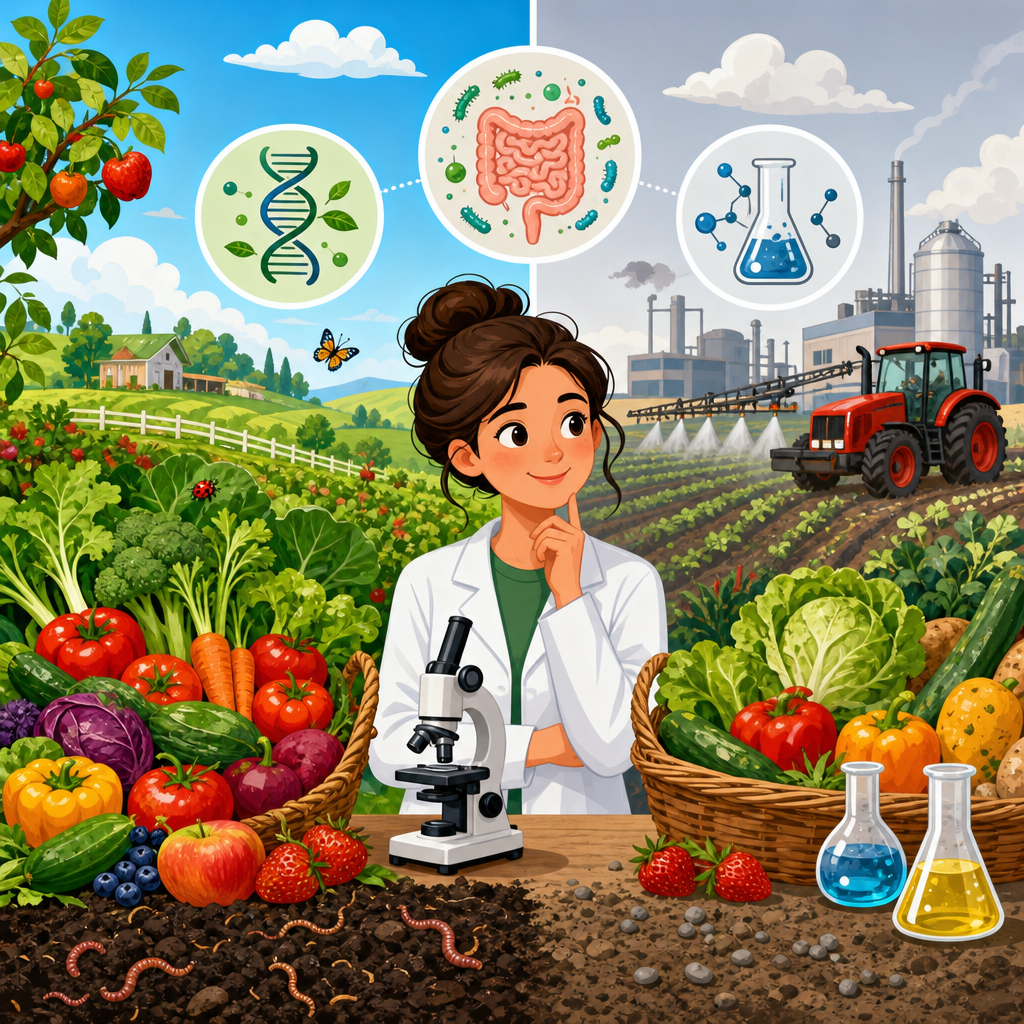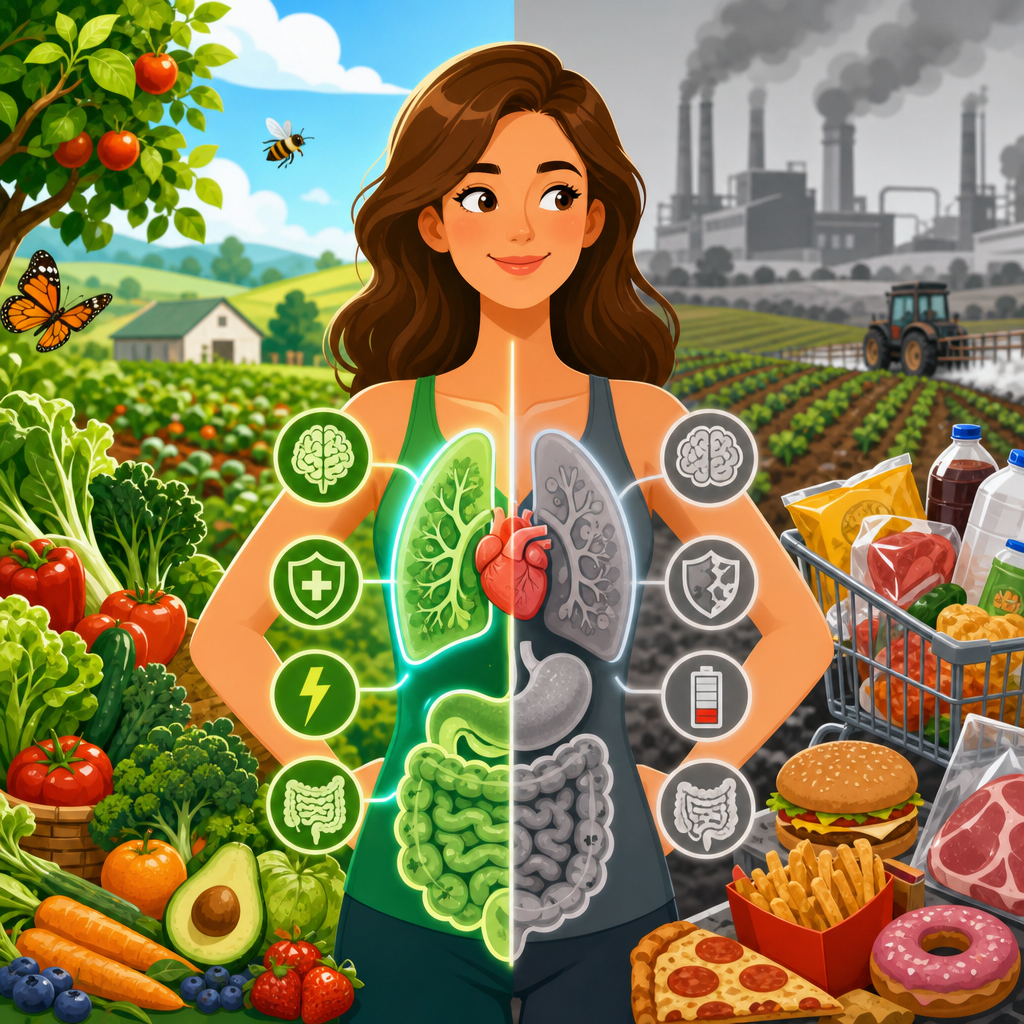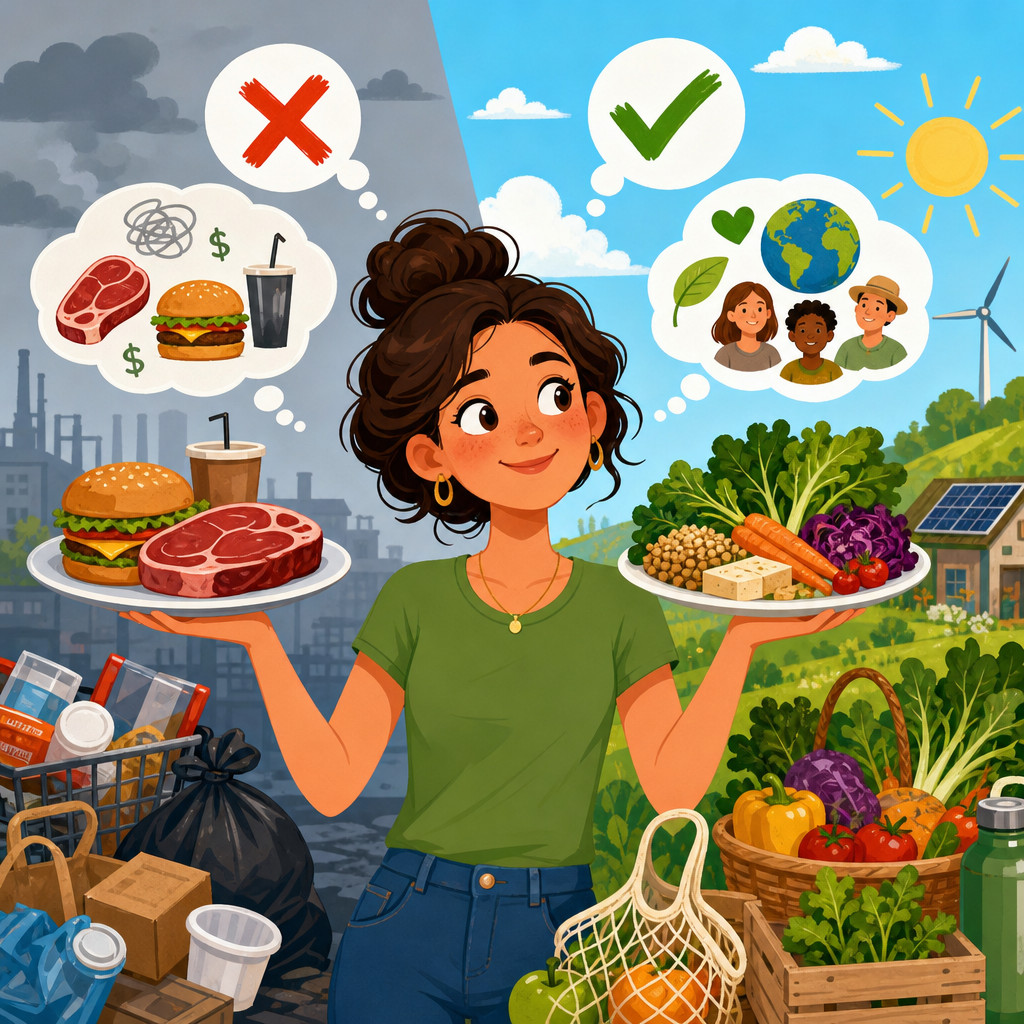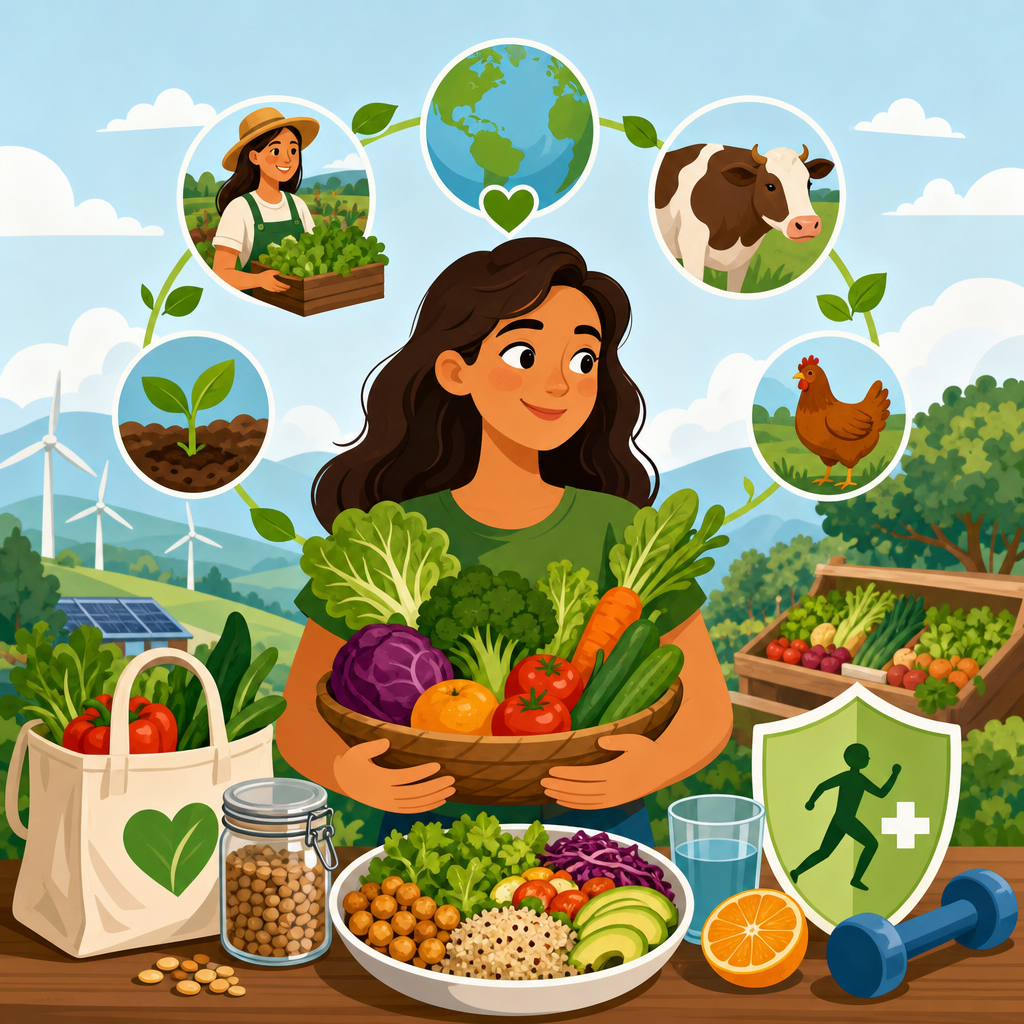
The link between ethical and sustainable food choices and disease prevention is stronger than many shoppers realize, connecting what happens on farms, in supply chains, and on dinner plates with long term human health. Ethical and sustainable food choices refer to eating patterns shaped by environmental stewardship, animal welfare, fair labor, biodiversity protection, and responsible resource use, while disease prevention means reducing the risk of chronic and infectious illness before it starts. In practical terms, this often includes choosing more legumes, whole grains, fruits, vegetables, nuts, and responsibly produced animal foods, while limiting ultra-processed products and foods tied to pollution, overuse of antibiotics, and exploitative production systems. I have worked with food labeling standards, procurement teams, and public health messaging, and the pattern is consistent: food systems that protect soil, water, workers, and animals usually encourage dietary habits associated with lower rates of heart disease, type 2 diabetes, obesity, and some cancers. This matters because diet is one of the leading modifiable drivers of early death worldwide, and the way food is produced can either strengthen or undermine community health. A useful hub page on ethical and sustainable food choices should therefore explain not only what to buy, but why those decisions influence nutrition quality, chemical exposure, antimicrobial resistance, and the resilience of the food supply itself.
Why Ethical and Sustainable Food Choices Affect Health
Ethical and sustainable food choices influence disease prevention through several biological and social pathways. First, healthier sustainable diets tend to be rich in fiber, potassium, folate, unsaturated fats, and phytonutrients, all of which support cardiometabolic health. Large cohort studies, including work published in The Lancet and by Harvard researchers, repeatedly find that dietary patterns centered on minimally processed plant foods are associated with lower risk of coronary heart disease, hypertension, and premature mortality. Second, production methods matter. Farming systems that reduce pesticide reliance, protect water quality, and improve soil health can lower environmental contamination that eventually reaches food, air, and drinking water. Third, ethical sourcing shapes working conditions and food safety culture; poorly regulated supply chains are more likely to involve sanitation failures, contamination events, and misleading labels. Fourth, excessive use of medically important antibiotics in livestock contributes to antimicrobial resistance, a direct disease prevention issue recognized by the World Health Organization. When consumers support producers using better stewardship practices, they help create market pressure for lower-risk systems. Sustainable eating is not a miracle cure, but it is a credible preventive strategy because it aligns nutritional quality with safer production. That is why food science and sustainability belong in the same conversation.
Diet Quality, Chronic Disease, and the Sustainable Plate
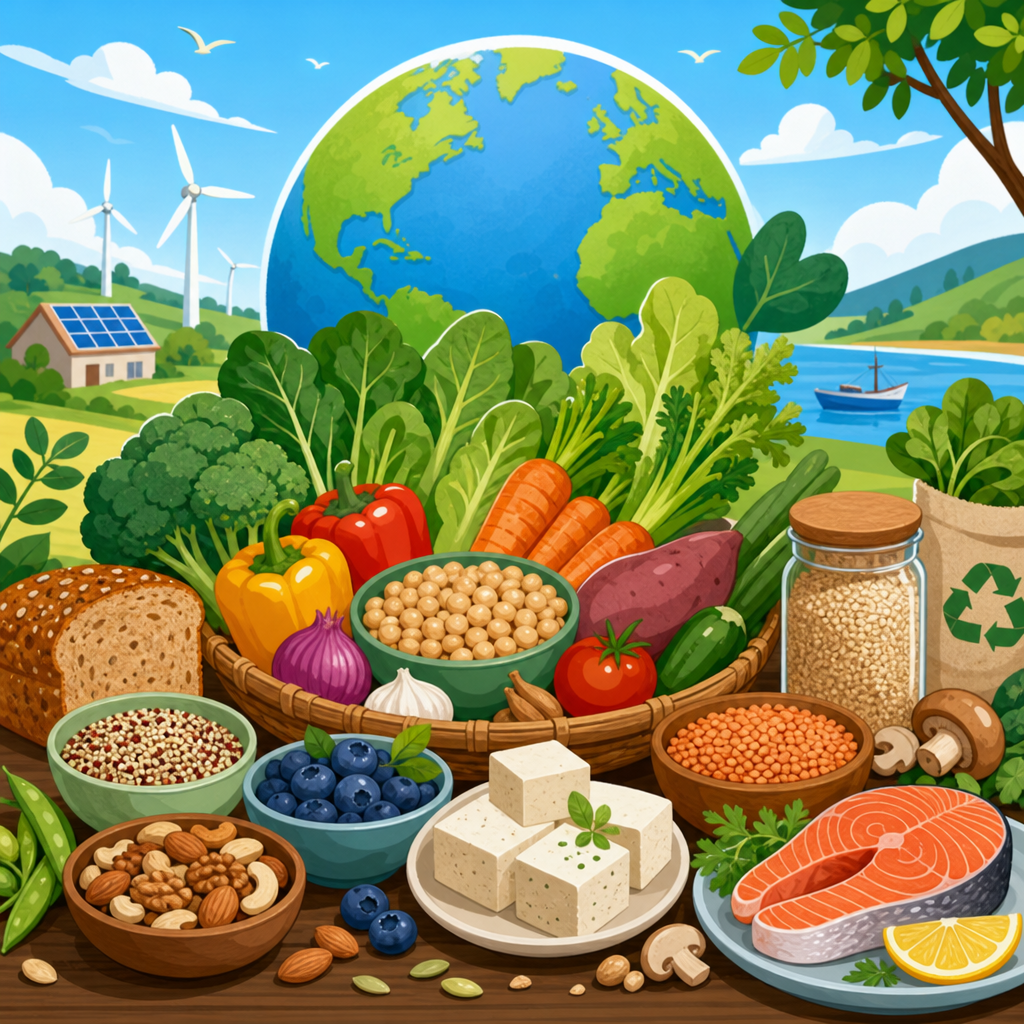
The strongest evidence linking sustainable food choices and disease prevention comes from overall dietary patterns rather than single superfoods. A sustainable plate usually emphasizes vegetables, beans, lentils, peas, intact grains, nuts, seeds, and moderate portions of seafood or animal products produced with stronger welfare and environmental standards. These foods provide soluble and insoluble fiber that improve cholesterol metabolism, glycemic control, and gut microbiome diversity. By contrast, many resource-intensive, highly processed foods deliver excess sodium, refined starch, added sugar, and industrial additives while offering limited protective nutrition. In practice, replacing a processed meat sandwich with a lentil grain bowl, olive oil vinaigrette, leafy greens, and seasonal vegetables cuts saturated fat and sodium while increasing fiber, magnesium, and polyphenols. Replacing sugary yogurt desserts with plain cultured yogurt, fruit, and nuts improves protein quality and lowers added sugar. These shifts are small, but they compound over years. The Mediterranean diet and similar patterns are repeatedly associated with lower incidence of cardiovascular disease and better metabolic markers, and many of their core features overlap with sustainable eating principles. The key point is simple: choosing food produced with ecological care often nudges people toward the very foods clinicians recommend for prevention.
Environmental Exposures, Food Production, and Preventive Health
Disease prevention is not only about nutrients; it is also about reducing harmful exposures created by the food system. Intensive agriculture can contribute to nitrate runoff, particulate air pollution, and pesticide drift, each with public health consequences. Contaminated water can affect rural communities, while poor air quality from concentrated animal feeding operations has been linked to respiratory symptoms among nearby residents. Sustainable production aims to reduce these risks through crop rotation, integrated pest management, precision fertilizer use, manure handling, buffer zones, and water conservation. Organic standards, regenerative methods, and certified sustainability programs vary in rigor, but many encourage practices that reduce synthetic inputs or improve ecosystem function. Consumers should understand nuance here: no single label guarantees maximum nutritional superiority, and conventional farms can also use excellent science-based stewardship. Still, production choices can shape exposure profiles. Seafood is a clear example. Choosing species lower on the food chain and sourced from well-managed fisheries can reduce pressure on marine ecosystems and sometimes lower contaminant concerns. Produce is another. Washing fruits and vegetables matters regardless of farming method, yet diversified farms with stronger soil management often support better resilience against pests and erosion. Disease prevention improves when the food environment itself becomes less toxic, less polluted, and more transparent.
Animal Welfare, Antibiotic Use, and Infectious Disease Risk
Animal welfare is often treated as a moral issue alone, but it also intersects with infectious disease prevention. In high-stress, overcrowded production systems, pathogens can spread more easily, and routine antibiotic use may become embedded in management. That matters because antibiotic-resistant bacteria do not stay on farms. Resistance genes can move through meat processing, wastewater, soil, and human contact networks. Public health agencies worldwide have warned that antimicrobial resistance threatens routine medical care, from surgery to chemotherapy. Better livestock systems use improved housing, vaccination, ventilation, stocking density, hygiene, and veterinary oversight so antibiotics are reserved for necessary treatment instead of routine compensation for poor conditions. Labels such as Certified Humane, Animal Welfare Approved, and some third-party audited programs can help, though standards differ and should be read carefully. For shoppers, reducing intake of conventionally processed meats and choosing smaller amounts of higher-standard animal products is a practical strategy. Eggs from systems with stronger welfare rules, dairy from farms with transparent herd health protocols, and meat from producers who publish antibiotic policies are not just ethical preferences. They can be part of a broader disease prevention approach that supports safer husbandry, lower resistance pressure, and improved confidence in the food chain.
Food Equity, Labor Conditions, and Community Health
Ethical food choices also include fair pay, safe workplaces, and equitable access, because disease prevention fails when the food system harms the people who grow, process, transport, and sell food. Farmworkers and meatpacking employees face heat stress, chemical exposure, repetitive injury, and infectious disease risk when protections are weak. The pandemic made this visible, but the problem predates it. A sustainable food system needs labor standards, traceability, and procurement policies that reward compliance rather than lowest-cost extraction. Communities with poor food access often rely on calorie-dense packaged products because fresh, minimally processed foods are scarce or unaffordable. That drives preventable disparities in obesity, hypertension, and diabetes. Ethical sourcing therefore has two sides: protecting workers and improving access for consumers. Institutions are starting to connect these dots. Schools, hospitals, and universities increasingly use values-based procurement that considers local sourcing, nutrition standards, environmental impact, and labor practices together. When a hospital buys more seasonal produce, pulse-based meals, and responsibly raised proteins, it reduces emissions while serving food aligned with preventive care. Community-supported agriculture, farmers markets that accept nutrition assistance, and retail incentives for healthy staples can extend the same benefits. Preventive health improves when sustainable food stops being a boutique option and becomes a realistic default for more households.
How to Choose Ethical and Sustainable Foods in Practice
Consumers do not need perfection to make meaningful changes. The most effective approach is a hierarchy: improve diet quality first, then refine sourcing based on budget, access, and available information. Start with foods consistently tied to better health outcomes and lower environmental impact, including beans, lentils, oats, whole grains, frozen vegetables, fresh produce, nuts, seeds, and minimally processed soy foods. Next, look for credible signals on animal products and packaged goods. USDA Organic restricts many synthetic pesticides and routine antibiotic use in meat and dairy production, but it does not automatically mean local or low carbon. Fair Trade addresses certain labor and pricing issues, especially in coffee, cocoa, bananas, and tea. Marine Stewardship Council and Aquaculture Stewardship Council provide seafood benchmarks, though regional fishery science still matters. For produce, local can improve freshness and support regional farms, but transport is usually a smaller climate factor than how food is produced and whether it is wasted. Seasonality helps with flavor, price, and storage life. The table below offers a practical decision framework I use when advising households and institutional buyers.
| Food choice area | Best practical option | Why it supports disease prevention | What to check |
|---|---|---|---|
| Protein | Beans, lentils, tofu, peas several times weekly | Higher fiber, lower saturated fat, better cardiometabolic profile | Sodium in canned products, ingredient simplicity |
| Meat | Smaller portions, less processed, stronger welfare standards | Reduced processed meat exposure and lower antibiotic pressure | Third-party certifications, producer antibiotic policy |
| Seafood | Well-managed fisheries, lower-mercury species | Supports heart health without avoidable contaminant burden | Species name, sourcing region, sustainability certification |
| Produce | More total fruits and vegetables, fresh or frozen | Lower chronic disease risk through fiber and micronutrients | Wash thoroughly, favor seasonal and diverse choices |
| Packaged foods | Minimally processed staples with short ingredient lists | Less added sugar, sodium, and refined starch | Nutrition Facts, whole grain content, additives |
Common Myths, Tradeoffs, and the Bigger Food System
Several myths make ethical and sustainable food choices seem harder than they are. One myth is that sustainable eating requires eliminating all animal foods. In reality, disease prevention improves with lower intake of processed meat and excess red meat, but many people can still eat modest amounts of dairy, eggs, poultry, or seafood within a health-supportive pattern. Another myth is that local always beats every other option. Often it helps regional economies and freshness, yet production practices usually matter more than shipping distance alone. A third myth is that healthy sustainable food is always expensive. Some premium products are costly, but dried beans, oats, cabbage, potatoes, carrots, peanut butter, canned fish, and frozen vegetables remain among the best nutritional values in the store. There are real tradeoffs. Organic berries may be too expensive for some families, while conventional berries still provide significant health benefits. Wild salmon may be ideal, but responsibly farmed mussels or sardines can be more affordable and highly nutritious. The bigger goal is not moral purity; it is consistent movement toward a food pattern that is nutrient-dense, lower in harmful exposures, and supportive of a more resilient agricultural system. This hub should guide readers deeper into labels, plant-forward diets, seafood choices, food waste reduction, and sustainable sourcing, because disease prevention works best when everyday decisions add up.
Ethical and sustainable food choices prevent disease by connecting better nutrition with cleaner production, stronger animal health practices, safer labor conditions, and more resilient communities. The clearest takeaway is that prevention starts with dietary patterns built around minimally processed plant foods, then improves further when shoppers choose responsibly produced animal foods, credible certifications, and lower-waste habits. No single label or product solves the problem, and affordability, culture, and access must be respected. Still, the direction is unmistakable: eating in ways that protect ecosystems and people also supports lower chronic disease risk and a safer food system overall. Use this hub as your starting point for smarter decisions on sustainable diets, ethical sourcing, food labels, and disease prevention, then apply one change this week at the grocery store or on your menu.
Frequently Asked Questions
How do ethical and sustainable food choices actually help prevent disease?
Ethical and sustainable food choices can support disease prevention by improving diet quality while also reducing exposures that affect long term health. In practice, these choices often emphasize whole, minimally processed foods such as vegetables, fruits, legumes, whole grains, nuts, seeds, and responsibly produced animal products. That pattern is consistently linked with a lower risk of chronic diseases including heart disease, type 2 diabetes, obesity, and some cancers. Many sustainable eating patterns are naturally rich in fiber, antioxidants, healthy fats, vitamins, minerals, and plant compounds that help regulate inflammation, blood sugar, cholesterol, and immune function.
There is also a broader public health dimension. Food produced with better soil care, water stewardship, lower routine antibiotic use, and reduced chemical burden may help lower some of the health risks associated with environmental contamination, antimicrobial resistance, and poor nutrient quality. Ethical sourcing can also strengthen food systems by supporting safer labor conditions, local resilience, and biodiversity, all of which matter when communities face disruptions, food insecurity, or infectious disease threats. In short, disease prevention is not only about individual nutrients on a plate. It is also about the health effects of how food is grown, handled, distributed, and consumed over time.
Are plant-forward and sustainable diets always healthier than conventional diets?
Plant-forward and sustainable diets are often associated with better health outcomes, but they are not automatically healthy in every form. A diet can be labeled plant-based and still rely heavily on refined grains, added sugars, sodium, and ultra-processed foods. Likewise, some conventionally produced foods can still fit into a balanced and health-supportive diet. What matters most is the overall pattern: the degree of processing, the diversity of foods consumed, nutrient adequacy, and portion balance.
That said, many sustainable diets align closely with well-established disease prevention principles. They tend to include more fiber-rich plant foods, a wider variety of micronutrients, and fewer heavily processed meats and foods linked with inflammation and metabolic dysfunction. They may also encourage more seasonal eating, greater dietary diversity, and more mindful sourcing, which can improve food quality and eating habits. The healthiest approach is usually not ideological purity but a practical pattern built around whole foods, adequate protein, healthy fats, and consistent access to nutritious meals. Sustainable choices become especially powerful when they are realistic, affordable, and maintained over the long term.
What is the connection between sustainable farming practices and human health?
Sustainable farming practices influence human health in several important ways. Methods that protect soil health, preserve water quality, rotate crops, reduce pollution, and support biodiversity can affect the nutrient profile, safety, and reliability of the food supply. Healthy soil systems, for example, are essential for growing nutrient-dense crops and maintaining resilience against drought, pests, and extreme weather. When farms are less dependent on practices that degrade ecosystems, communities may experience lower risks related to polluted waterways, damaged air quality, and disrupted local food production.
There is also an infectious disease and antibiotic resistance angle. Production systems that reduce overcrowding, improve animal welfare, and use antibiotics more responsibly may help address concerns about antimicrobial resistance, which is a major global health challenge. Sustainable agriculture can also support a more stable and diverse food system, reducing dependence on fragile supply chains and improving access to varied foods that contribute to immune health and chronic disease prevention. While no farming system is perfect, practices that prioritize ecological balance and responsible resource use can create conditions that are better for both planetary health and population health.
Can choosing ethically sourced animal products make a difference for disease prevention?
Yes, ethically sourced animal products can play a meaningful role, especially when they replace lower-quality options and are consumed in balanced amounts. Ethical sourcing often reflects standards related to animal welfare, feed quality, antibiotic stewardship, environmental impact, and transparency in production. From a disease prevention perspective, this matters because food quality is shaped not just by the species or category of food, but by how it is produced. For example, choosing responsibly raised fish, dairy, eggs, or meat may align with lower routine antibiotic use, better husbandry conditions, and more careful oversight throughout the supply chain.
However, the health benefit still depends on quantity and context. Eating ethically sourced red meat every day in large portions is not the same as incorporating modest amounts of high-quality animal protein into an otherwise plant-rich diet. Disease prevention evidence generally supports limiting processed meats, moderating red meat intake, and prioritizing foods associated with cardiovascular and metabolic health, including legumes, fish, nuts, seeds, and vegetables. Ethical sourcing can improve the standard of what is eaten, but it works best alongside evidence-based dietary habits such as variety, moderation, and a strong foundation of whole plant foods.
What are the most practical ethical and sustainable food changes someone can make for better long term health?
The most practical changes are usually the ones that improve nutritional quality and are easy to repeat. A strong starting point is to build more meals around vegetables, beans, lentils, whole grains, fruit, nuts, and seeds, while reducing reliance on ultra-processed snacks and heavily processed meats. Choosing seasonal produce, buying from local or transparent producers when possible, and looking for products with credible sustainability or animal welfare standards can also help. These shifts often support better intake of fiber, potassium, healthy fats, and protective plant compounds that are closely tied to disease prevention.
Other smart steps include wasting less food, planning meals to use perishables efficiently, and selecting seafood and animal products more carefully rather than simply eating them by default. People can also diversify what they eat by trying different grains, legumes, and produce varieties, which supports both personal nutrition and agricultural biodiversity. Importantly, ethical and sustainable eating does not have to be expensive or all-or-nothing. Frozen vegetables, dried beans, oats, canned fish, and locally available produce can be affordable, nutrient-dense options. Over time, small consistent choices can improve cardiometabolic health, support immune resilience, and contribute to a food system that is healthier from farm to table.