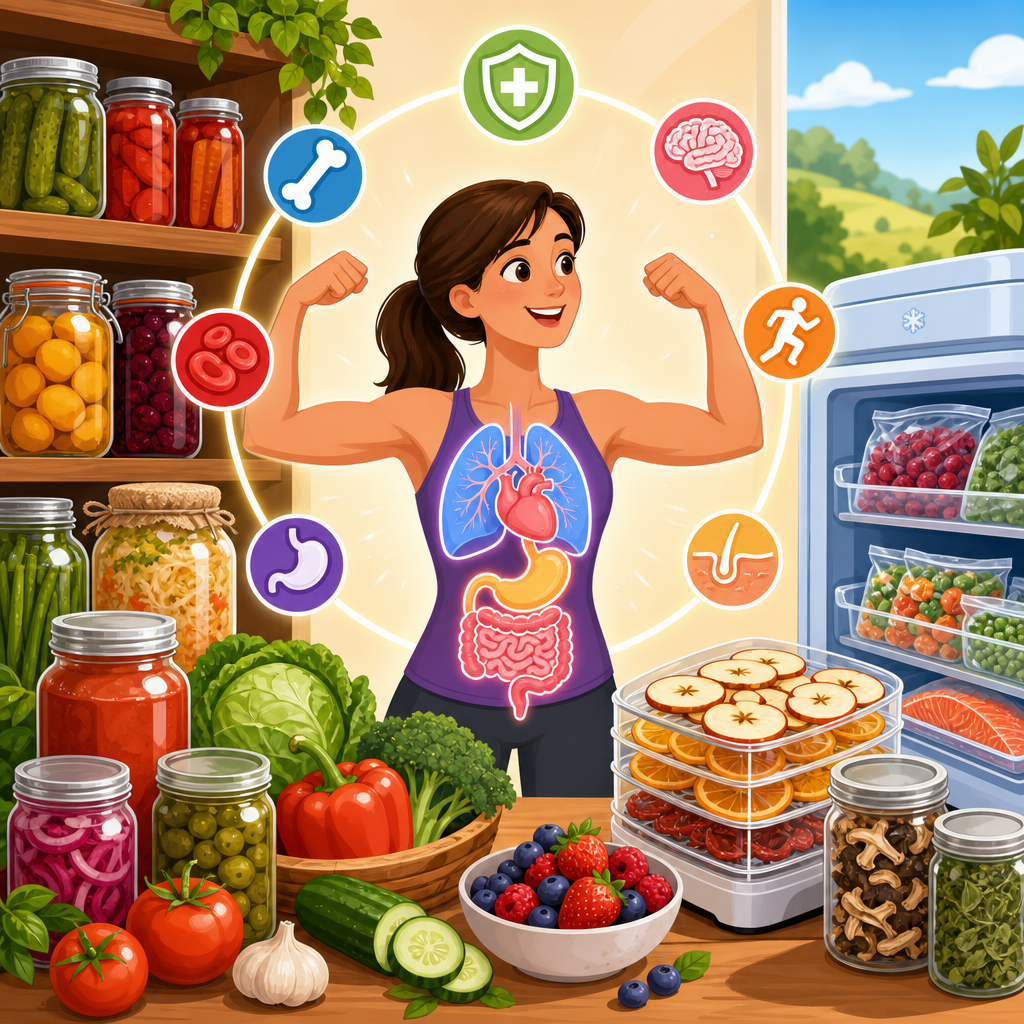
Food preservation and nutrient retention shape the quality, safety, and usefulness of nearly every meal people eat, from frozen vegetables and canned beans to dried herbs, fermented yogurt, and fresh produce stored in the refrigerator. Food preservation means slowing spoilage caused by microbes, enzymes, oxygen, moisture loss, and time, while nutrient retention refers to how well vitamins, minerals, protein, fats, carbohydrates, and protective plant compounds remain available after processing, storage, and cooking. I have worked with shelf life planning, package labeling, and kitchen test panels, and one lesson is constant: preserving food is not automatically bad for nutrition, and fresh food is not automatically superior. The real question is which method best protects safety and nutrient value for a specific food. This matters because households waste large amounts of edible food, and waste carries nutritional, financial, and environmental costs. Understanding how freezing, canning, drying, refrigeration, fermentation, vacuum sealing, and heat treatment affect nutrients helps people buy smarter, cook better, and keep more wholesome food in circulation.
What food preservation does and why it changes nutrients
Food preservation works by controlling the main drivers of spoilage. Bacteria, yeasts, and molds need suitable temperature, water availability, acidity, and oxygen. Enzymes inside foods continue acting after harvest or slaughter, causing browning, softening, flavor loss, and nutrient breakdown. Preservation interrupts those processes by lowering temperature, removing water, raising acidity, reducing oxygen, or applying heat. Each strategy changes the food matrix differently, which is why nutrient outcomes vary by method and by nutrient.
Some nutrients are fragile. Vitamin C, thiamin, folate, and certain polyphenols are sensitive to oxygen, heat, and water. Fat-soluble vitamins such as A, D, E, and K are generally more stable during heating, though oxidation can still reduce them, especially in high-fat foods. Minerals like calcium, iron, potassium, magnesium, and zinc are usually stable because they are elements, not delicate molecules, but they can leach into cooking liquids. Protein quality usually remains high during preservation, though severe heat can affect texture and digestibility. Carbohydrates are mostly stable, but starch retrogradation, sugar concentration, and fiber structure can change texture and glycemic response.
In practice, nutrient retention depends on the entire chain. A bag of frozen peas processed within hours of harvest may retain more vitamin C than peas marketed as fresh but transported and stored for a week. Canned tomatoes often deliver more bioavailable lycopene than raw tomatoes because heat breaks down cell walls. Dried fruit keeps fiber, minerals, and many phytochemicals, but portion sizes become smaller and sugars more concentrated. These examples show why preservation should be evaluated by measured outcomes, not assumptions.
How major preservation methods affect nutrient retention
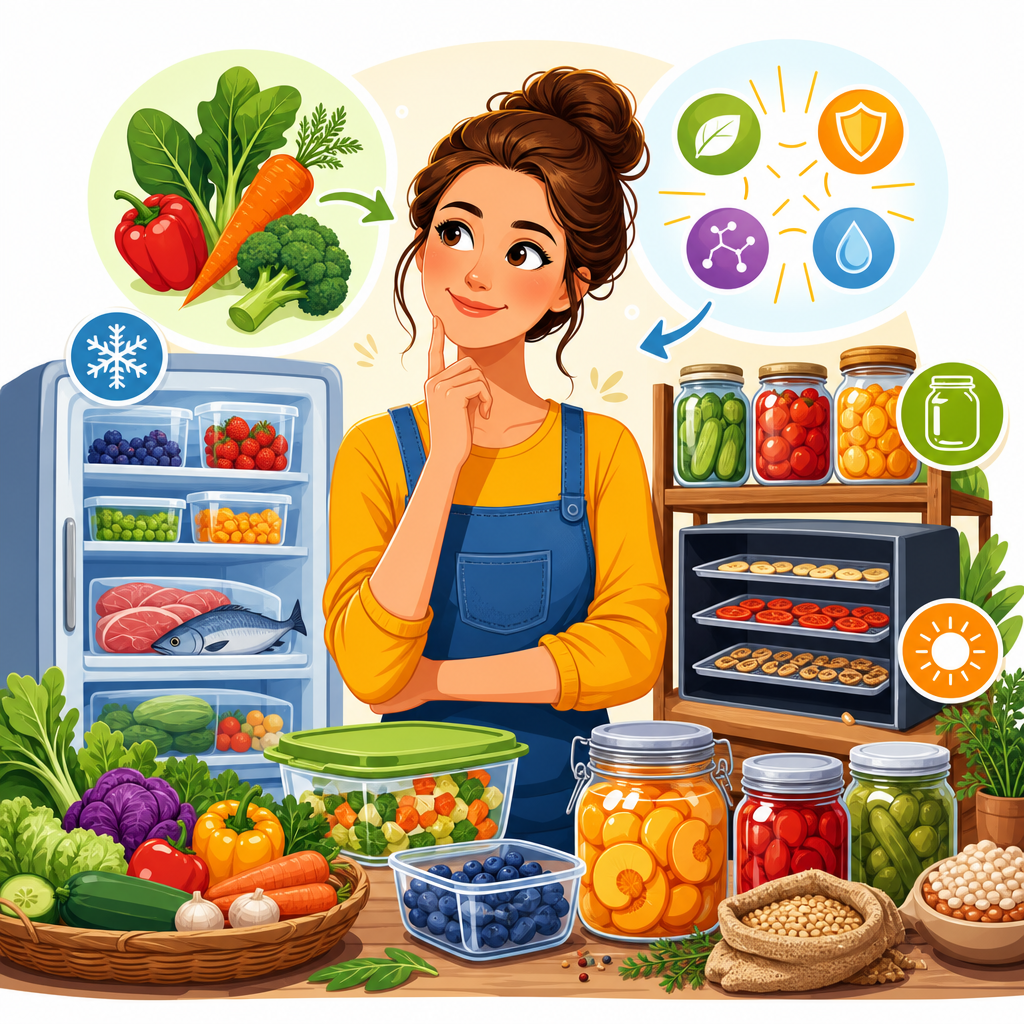
Refrigeration slows microbial growth and enzyme activity, making it one of the least disruptive preservation methods. It preserves texture and many nutrients well, but it is not a stop button. Leafy greens continue respiring, berries still soften, and cut fruits steadily lose vitamin C. Freezing is often the strongest option for retaining nutrients over time because it sharply slows chemical reactions. Many vegetables are blanched before freezing to inactivate enzymes; that blanching can cause some water-soluble vitamin loss, yet long-term retention is usually excellent. In repeated lab comparisons, frozen vegetables frequently match or exceed the nutrient levels of “fresh” products that have spent days in distribution.
Canning uses heat to destroy pathogens and spoilage organisms, then seals the food in an oxygen-limited container. This makes food shelf stable and highly safe when commercially processed under validated thermal schedules. Heat can reduce vitamin C and some B vitamins, but canning also preserves food at peak ripeness and gives year-round access to beans, fish, tomatoes, pumpkin, and fruit. Retort processing softens tissues and can improve the availability of carotenoids in tomatoes and carrots. The liquid in canned foods often contains leached nutrients, so using it in soups or sauces can recover value, unless sodium reduction is the priority.
Drying and dehydration remove water, lowering water activity so microbes cannot grow easily. Sun drying, hot-air drying, spray drying, freeze-drying, and drum drying each produce different results. Traditional hot-air drying can reduce heat-sensitive vitamins and alter flavor. Freeze-drying usually retains shape, aroma, and nutrients better because water is removed at low temperatures under vacuum. Fermentation preserves food by encouraging beneficial microbes to produce acid, alcohol, or other inhibitory compounds. Yogurt, kefir, kimchi, sauerkraut, tempeh, and miso gain shelf life, distinct flavor, and sometimes improved digestibility. Fermentation does not create every nutrient people claim, but it can increase certain B vitamins, improve mineral accessibility by lowering phytates, and support gut-friendly microbial intake when products contain live cultures.
| Method | Main preservation mechanism | Typical nutrient effect | Best examples |
|---|---|---|---|
| Refrigeration | Slows microbes and enzymes | Good short-term retention; gradual vitamin loss continues | Milk, berries, leafy greens, leftovers |
| Freezing | Greatly slows chemical and microbial activity | Excellent long-term retention; some blanching losses | Peas, spinach, fish, mixed vegetables |
| Canning | Heat treatment plus hermetic seal | Loss of some heat-sensitive vitamins; stable minerals and protein | Beans, tomatoes, tuna, pumpkin |
| Drying | Reduces water activity | Concentrates minerals and fiber; may lower fragile vitamins | Apricots, herbs, mushrooms, milk powder |
| Fermentation | Acid, alcohol, and microbial competition | Variable vitamin effects; may improve digestibility and bioavailability | Yogurt, kimchi, tempeh, sauerkraut |
Fresh versus preserved food: the comparison most people get wrong
The most common nutrition mistake is comparing preserved food with an idealized version of fresh food instead of a realistic one. Fresh spinach harvested and eaten the same day can be nutritionally outstanding. Fresh spinach shipped across regions, displayed under mist, taken home, and forgotten in a refrigerator drawer for six days is a different product. During that period, vitamin C, folate, texture, and sensory quality can decline substantially. The same logic applies to green beans, peas, broccoli, corn, and berries.
When I review product timelines, harvest-to-consumption lag often determines nutrient status more than the preservation label. Frozen produce is typically processed soon after harvest, often within hours, which protects nutrients despite blanching. Canned peaches or pears may contain less vitamin C than just-picked fruit, but they still offer fiber, potassium, and reliable availability when fresh fruit is expensive or out of season. Canned salmon includes calcium when soft edible bones are consumed, making it a practical nutrient-dense option. Dried beans and canned beans both deliver protein, fiber, folate, magnesium, and iron; the main difference for many families is preparation time and sodium management.
The best nutrition strategy is not choosing only fresh or only preserved food. It is building a resilient mix. Fresh foods bring texture and variety, frozen foods reduce waste and save prep time, canned staples improve pantry security, and fermented foods add flavor and microbial diversity. A kitchen stocked across these categories supports better nutrition than one dependent on fragile fresh items alone.
Nutrients at highest risk during storage and cooking
Water-soluble vitamins are generally the most vulnerable. Vitamin C degrades with oxygen exposure, high heat, metal catalysts, and long storage. Folate and thiamin also decline with prolonged heating and contact with water. Riboflavin is sensitive to light, which is why milk quality is better protected in opaque packaging than in clear containers. Fat-soluble nutrients are sturdier in many applications, but fats rich in unsaturated fatty acids can oxidize, producing off flavors and reducing nutritional quality. This is especially relevant in nuts, seeds, whole-grain flours, and fatty fish.
Cooking method matters as much as preservation method. Boiling vegetables in large volumes of water can wash out vitamin C, folate, and potassium. Steaming, microwaving with minimal water, pressure cooking for short times, and stir-frying often preserve more nutrients while still improving safety and digestibility. Cutting produce into very small pieces increases surface area and oxygen exposure. Holding cooked food hot for long periods, such as on buffets or steam tables, can further lower sensitive vitamins.
Bioavailability complicates the picture in useful ways. Heat can reduce some vitamin levels while increasing access to other beneficial compounds. Lycopene in tomatoes and beta-carotene in carrots and sweet potatoes become easier for the body to absorb after cooking, particularly when consumed with a small amount of fat. Legumes contain antinutrients such as phytates and lectins that are reduced by soaking, cooking, sprouting, and fermentation, improving mineral use and safety. Better nutrition is not simply about preserving the highest number on a lab sheet; it is about what the body can actually absorb from the food eaten.
Packaging, storage conditions, and shelf life management
Packaging is a major but underappreciated factor in nutrient retention. Oxygen drives oxidation, color fading, rancidity, and vitamin loss, so oxygen-barrier materials, vacuum packaging, and modified atmosphere packaging can dramatically improve stability. Moisture control prevents sogginess in dry foods and freezer burn in frozen foods. Light protection helps preserve riboflavin, chlorophyll, and sensitive flavors. Resealable packs, desiccants, and oxygen absorbers each serve specific technical functions and are not interchangeable.
Cold chain control is equally important. A frozen food that partially thaws during transport and refreezes may remain safe if time and temperature exposure were limited, but texture, drip loss, and nutrient quality often suffer. Refrigerators should stay at or below 4 degrees Celsius, and freezers at or below minus 18 degrees Celsius. In home kitchens, overloading shelves, storing hot leftovers without cooling, and keeping produce in the wrong humidity drawer all shorten quality life. First in, first out rotation is basic inventory discipline that meaningfully reduces waste.
Date labels also need interpretation. “Best by” usually signals peak quality, not safety. Shelf-stable canned foods often remain safe beyond the printed date if the container is intact, though texture and some vitamins may decline. By contrast, swollen cans, broken seals, severe dents on seams, and foods with unexpected odor or gas production should be discarded. Home canning requires tested processes from recognized extension services because low-acid foods carry botulism risk if processed improperly. Safety always outranks nutrient retention.
How to choose preserved foods for better nutrition and sustainability
The best preserved food choices balance nutrient density, ingredient quality, convenience, cost, and waste reduction. Start with minimally altered staples: frozen vegetables without heavy sauces, canned beans with no or low added salt, canned fish packed in water or olive oil, plain yogurt with live cultures, frozen fruit without syrup, and dried fruit with no added sugar when possible. For sodium-sensitive households, rinsing canned beans and vegetables can reduce surface sodium significantly, though exact reductions vary by product. For fruit, choose options packed in juice rather than heavy syrup when sweetness is already adequate.
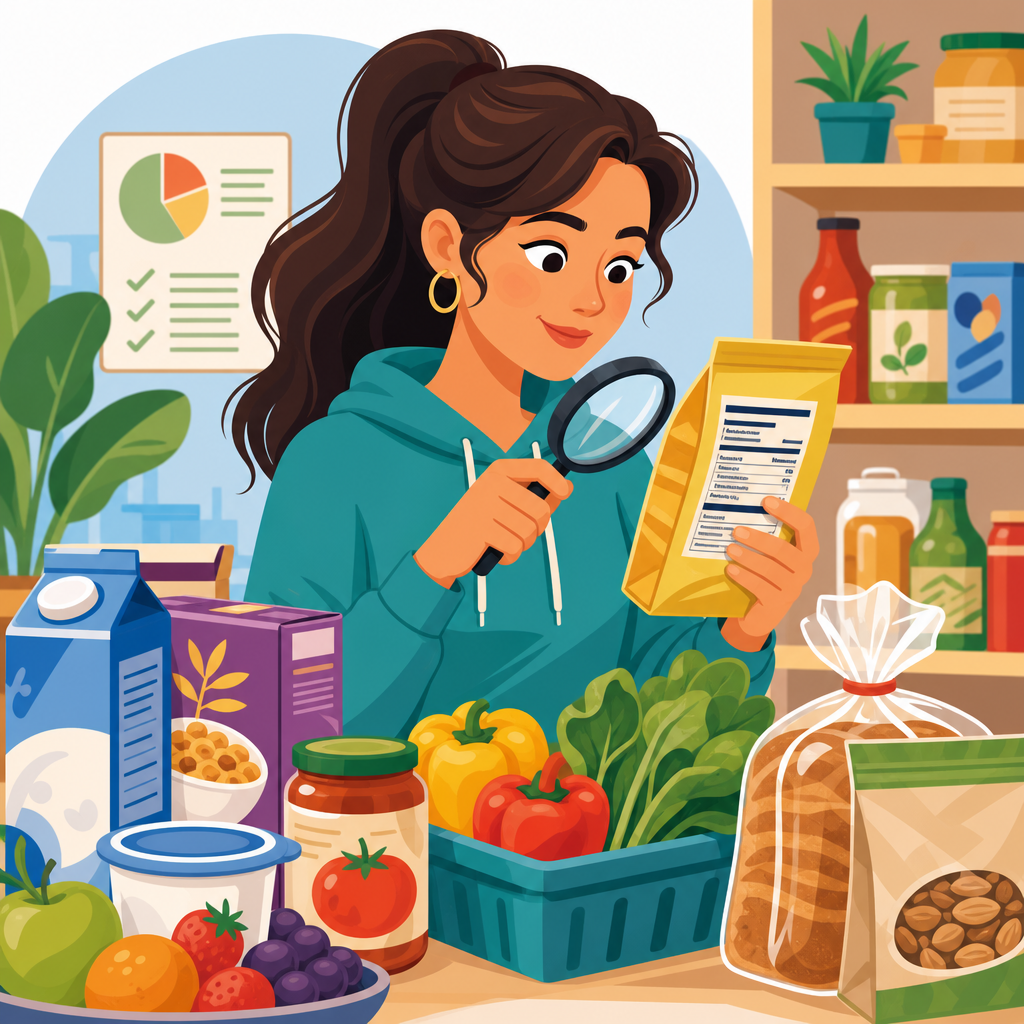
Processing level deserves nuance. A canned lentil soup can be a smart backup meal with protein and fiber, but it may also bring high sodium. A freeze-dried berry powder can preserve antioxidants, yet whole berries usually provide better texture and satiety. Fermented vegetables can support meal quality, but some commercial products are pasteurized after fermentation, which stops live cultures even though flavor remains. Reading labels for sodium, added sugar, saturated fat, and ingredient order gives a clearer picture than broad assumptions about packaging format.
Preserved foods also strengthen sustainability. Freezing surplus produce, drying herbs before they wilt, or buying canned tomatoes instead of wasting out-of-season fresh ones lowers avoidable food loss. Stable pantry items reduce emergency takeout reliance and make plant-rich meals easier on busy days. If you want better nutrition over time, build a preservation-smart kitchen: keep fresh produce for near-term meals, frozen produce for flexibility, canned legumes and fish for fast protein, and fermented foods for flavor and variety. Then explore related Food Science & Sustainability guides on freezing, canning, fermentation, shelf life, and food waste reduction to turn these principles into everyday practice.
Food preservation and nutrient retention are best understood as a series of tradeoffs managed with science, not as a contest between “natural” and “processed.” Refrigeration slows decline but does not stop it. Freezing preserves nutrients exceptionally well, especially for produce handled quickly after harvest. Canning sacrifices some heat-sensitive vitamins yet delivers safe, shelf-stable foods that often remain rich in protein, minerals, fiber, and useful phytochemicals. Drying concentrates energy and many minerals while lowering some fragile compounds. Fermentation changes foods in ways that can improve digestibility, flavor, and in some cases nutrient availability.
The practical lesson is simple. Match the preservation method to the food, the nutrient priority, and the way you actually shop, cook, and store meals. Use fast turnover for delicate fresh items, rely on frozen foods for dependable produce, keep canned staples for resilience, and pay attention to packaging, date labels, and temperature control. Nutrient retention is shaped by the full journey from harvest to plate, including transport, storage, preparation, and portion use. People who understand that journey waste less food and eat more consistently well.
If you want better nutrition without making your kitchen more complicated, start with one change this week: replace a frequently wasted fresh item with a high-quality preserved alternative and compare the results. Then keep building a food system at home that is safer, more efficient, and more nourishing.
Frequently Asked Questions
What is the difference between food preservation and nutrient retention?
Food preservation and nutrient retention are closely related, but they are not the same thing. Food preservation focuses on keeping food safe, stable, and usable for a longer period by slowing or stopping spoilage caused by bacteria, molds, yeasts, enzymes, oxygen, moisture changes, and natural aging. Common preservation methods include refrigeration, freezing, drying, canning, fermenting, vacuum sealing, and pickling. Nutrient retention, on the other hand, refers to how much of a food’s original nutritional value remains after it is processed, stored, transported, and prepared. That includes vitamins, minerals, protein, healthy fats, carbohydrates, fiber, and beneficial plant compounds such as polyphenols and carotenoids.
A food can be well preserved but still lose some nutrients over time, especially sensitive ones like vitamin C, folate, and certain B vitamins. At the same time, preservation can also protect nutrition by making food last longer and reducing waste. For example, frozen vegetables are often processed soon after harvest, which helps lock in many nutrients that might otherwise decline during long storage or transport. In practical terms, preservation is about extending shelf life and safety, while nutrient retention is about maintaining nutritional quality. The healthiest approach is not to assume that “fresh” always means better, but to understand which storage and processing methods best preserve both safety and nutritional value.
Do preserved foods like frozen, canned, dried, and fermented foods still provide good nutrition?
Yes, many preserved foods remain highly nutritious, and in some cases they are just as useful nutritionally as fresh foods. Frozen fruits and vegetables are a strong example. Because they are usually frozen shortly after harvest, they may retain much of their vitamin, mineral, and fiber content. While some water-soluble vitamins can decline slightly during blanching and storage, frozen produce often compares very well with fresh produce that has spent days in transit and more days in the refrigerator. Canned foods can also be nutritious, especially beans, tomatoes, fish, and vegetables. Canning uses heat to destroy harmful microbes and enzymes, which improves safety and shelf stability, though it may reduce some heat-sensitive nutrients. Even so, canned foods usually remain good sources of protein, fiber, minerals, and many other nutrients.
Dried foods such as beans, lentils, herbs, fruits, and spices can also contribute important nutrition. Drying removes water, which slows spoilage and can concentrate minerals, fiber, and calories, although some vitamins may be reduced depending on heat and storage conditions. Fermented foods such as yogurt, kefir, sauerkraut, kimchi, and miso offer another benefit: preservation through acid production by beneficial microbes. Fermentation can improve flavor, digestibility, and in some cases the availability of certain nutrients. The key is choosing preserved foods thoughtfully. Look for options lower in added sugar, sodium, and unnecessary additives when possible, and pay attention to overall eating patterns. Preserved foods are not automatically less healthy; they are often practical, safe, affordable, and nutritionally valuable parts of a balanced diet.
Which nutrients are most likely to be lost during food preservation and storage?
The nutrients most vulnerable to loss are usually water-soluble and sensitive to heat, oxygen, light, and time. Vitamin C is one of the most fragile nutrients and can decline during cutting, heating, long storage, and exposure to air. Folate and some B vitamins, including thiamin, can also be reduced by heat and processing. These losses are especially important in foods that are stored for long periods or exposed to repeated temperature changes. Some plant compounds with antioxidant activity may also decrease over time, especially if foods are stored improperly or repeatedly exposed to oxygen and light.
By contrast, many minerals such as calcium, iron, magnesium, potassium, and zinc are relatively stable during preservation and storage. Protein is also generally well retained, although texture and digestibility may change depending on processing. Fats can remain stable if stored properly, but unsaturated fats are vulnerable to oxidation, which is why nuts, seeds, whole grains, and oils should be protected from heat, light, and air. Fiber is usually preserved well in canned, frozen, and dried foods. It is also important to remember that nutrient changes are not always negative. Cooking and processing can make some nutrients easier for the body to absorb. For example, the lycopene in tomatoes and the beta-carotene in some orange vegetables may become more available after heating. So while certain vitamins may decline, overall nutritional usefulness can still remain strong.
How can I preserve food at home while keeping as many nutrients as possible?
The best home strategies combine safe food handling with methods that minimize unnecessary exposure to heat, air, light, and water. Refrigeration slows spoilage and helps protect many nutrients, especially when foods are stored promptly after purchase or preparation. Freezing is one of the most effective ways to preserve food quality for longer periods. If you freeze produce, do it when it is fresh, use airtight packaging, and avoid temperature fluctuations that can damage texture and quality. For refrigerated produce, store fruits and vegetables in the proper compartments, keep herbs and leafy greens from drying out, and avoid washing delicate produce until you are ready to use it if excess moisture may speed spoilage.
When preparing food, cut produce just before cooking or serving when possible, since chopping increases exposure to oxygen. Use shorter cooking times and less water for vegetables to reduce losses of vitamin C and B vitamins. Steaming, microwaving, stir-frying, and pressure cooking often preserve nutrients better than prolonged boiling. If you do boil vegetables, using the cooking liquid in soups or sauces can help recover some nutrients that leach into the water. For pantry foods, store dried grains, legumes, nuts, seeds, and oils in cool, dry, dark conditions to reduce oxidation and nutrient decline. If you use canning, fermenting, dehydrating, or pickling at home, follow tested food safety guidelines carefully, because preserving nutrition never matters more than preventing foodborne illness. Done properly, home preservation can reduce waste, save money, and help maintain a nutritious food supply year-round.
Is fresh food always more nutritious than preserved food?
No, fresh food is not always more nutritious in practice. Fresh foods can be excellent choices, but their nutritional quality depends on many factors, including when they were harvested, how long they were transported, how they were stored, and how long they sat before being eaten. Some produce begins losing certain vitamins soon after harvest, especially if it spends several days or weeks moving through supply chains and then more time in home storage. In those cases, frozen or canned versions processed close to harvest may actually deliver similar or sometimes better nutrient retention for specific vitamins and plant compounds. This is particularly true for produce that is out of season or shipped long distances.
What matters most is not a simple “fresh versus preserved” comparison, but the full timeline from harvest to consumption. A fresh spinach bunch eaten the same day it is picked may have excellent nutrient value, but frozen spinach stored properly may outperform fresh spinach that has wilted in the refrigerator for a week. Canned tomatoes are another useful example, because although some heat-sensitive nutrients may decrease during processing, the lycopene becomes more available. Preserved foods also improve dietary consistency by making healthy options available year-round, reducing spoilage, and supporting meal planning. A practical, nutrient-smart diet usually includes a mix of fresh, frozen, canned, dried, and fermented foods chosen with attention to quality, storage, and preparation methods.