Paleo and ancestral eating focus on foods humans could obtain before modern industrial processing, emphasizing meat, fish, eggs, vegetables, fruit, nuts, seeds, and natural fats while minimizing refined sugar, ultra-processed products, and heavily engineered ingredients. In practice, these approaches are less about reenacting a Stone Age menu and more about using evolutionary logic to build a nutrient-dense diet that fits modern life. I have worked with clients who arrived confused by online claims that paleo means unlimited bacon or that ancestral eating bans every grain forever; both ideas miss the core principle. The central question is simpler: which foods best support energy, satiety, metabolic health, digestion, and long-term adherence when compared with the highly processed default diet?
Defining the terms helps. Paleo usually refers to a framework inspired by presumed pre-agricultural eating patterns. Ancestral eating is broader and often more flexible, incorporating traditional food practices such as fermentation, bone broth, organ meats, seasonal produce, shellfish, full-fat dairy for tolerant individuals, and culturally rooted preparation methods that improve digestibility. Some people also blend paleo ideas with autoimmune protocols, lower-carbohydrate plans, or Mediterranean influences. What unites them is not one exact food list but a hierarchy: prioritize whole foods, reduce industrial seed-oil-heavy packaged products, and choose ingredients with a clear nutritional purpose rather than empty convenience calories.
This matters because the modern food environment is dominated by products engineered for shelf life, hyper-palatability, and low cost, not necessarily nutritional quality. According to CDC data, a large share of adults in the United States live with obesity, prediabetes, hypertension, or other cardiometabolic risks. At the same time, many people eat too little fiber, potassium, magnesium, omega-3 fats, and protein relative to needs. When I audit food logs, the biggest problems rarely involve a lack of exotic supplements. More often, breakfast is sweetened cereal, lunch is a sandwich with chips, dinner is takeout, and snacks come from foil packages. Paleo and ancestral eating offer a corrective by rebuilding meals around whole-food staples that naturally improve nutrient density and appetite regulation.
Still, the topic deserves nuance. Humans adapted to many environments, so no serious practitioner should argue there was one universal prehistoric diet. Arctic populations ate differently from tropical foragers, and agricultural foods later became important in many healthy traditional cultures. The useful lesson is not historical purity. It is that minimally processed foods, adequate protein, varied plant intake, and better food quality usually outperform a diet centered on refined flour, added sugar, and industrial snacks. Understanding that distinction makes paleo and ancestral eating practical rather than dogmatic, and it helps readers use this hub as a starting point for choosing articles on meal planning, food quality, digestive tolerance, and long-term sustainability.
What Paleo and Ancestral Eating Actually Include
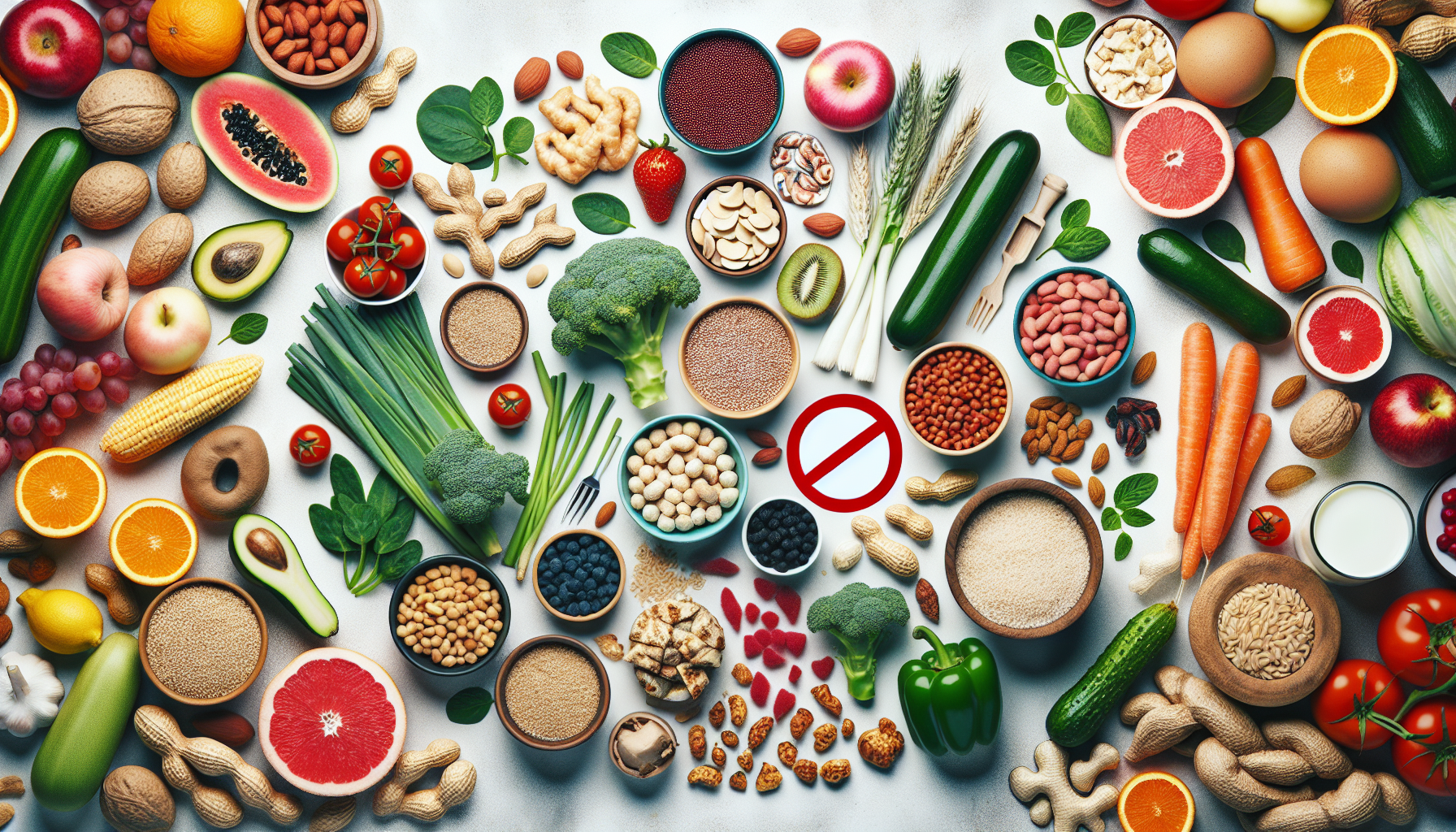
The simplest answer is that these approaches emphasize foods close to their natural form. Typical staples include beef, lamb, poultry, wild or farmed fish, shellfish, eggs, leafy greens, cruciferous vegetables, root vegetables, berries, citrus, avocados, olives, herbs, nuts, seeds, and fats such as olive oil, avocado oil, tallow, ghee, or coconut. Many ancestral frameworks also welcome fermented vegetables, liver, sardines, collagen-rich cuts, homemade stocks, and properly prepared starches such as sweet potatoes or plantains. In client meal plans, a common template is a palm-sized protein portion, two fists of vegetables, a serving of fruit or starch based on activity level, and enough fat to make the meal satisfying.
Foods commonly limited or excluded include sugar-sweetened drinks, candy, pastries, breakfast cereals, refined grains, most fast food, protein bars with long ingredient lists, and many packaged snacks made with white flour, corn syrup, or combinations of refined starch, sugar, and oil. Standard paleo plans also remove legumes, most dairy, and grains, though ancestral eating may reintroduce some of these depending on personal tolerance and food quality. This distinction matters. Someone with lactose intolerance may do better avoiding milk but tolerating yogurt or aged cheese. Another person may digest soaked lentils well but feel worse after bread. The best version of the diet matches physiology, not ideology.
Potential Benefits for Energy, Weight, and Metabolic Health
Paleo-style eating often improves diet quality quickly because it changes what fills the plate. Replacing a breakfast of flavored yogurt, granola, and juice with eggs, vegetables, and fruit raises protein while cutting added sugar. Swapping a burger, fries, and soda for a steak salad with olive oil dressing and baked potatoes reduces ultra-processed intake and usually improves satiety. In practice, many people spontaneously eat fewer calories because meals become more filling. Protein has a higher thermic effect than refined carbohydrate and strongly influences fullness, while fiber-rich produce slows eating and helps appetite control.
Research on paleo-pattern diets has shown favorable effects in some studies on body weight, waist circumference, triglycerides, blood pressure, and glycemic control, particularly when compared with Western-style diets high in refined foods. The mechanism is not magic. Better food selection reduces energy density, improves micronutrient intake, and often stabilizes blood sugar swings that drive cravings. I regularly see afternoon energy improve when clients trade muffins and sweet coffee for real meals with protein and produce. However, results vary. Eating “paleo desserts” all day, overusing dried fruit and nut butter, or undereating carbohydrates despite hard training can blunt benefits. Food quality helps, but total intake, sleep, stress, and activity still matter.
| Diet pattern | Typical food emphasis | Likely strengths | Common pitfalls |
|---|---|---|---|
| Paleo | Meat, fish, eggs, vegetables, fruit, nuts, seeds; excludes grains, legumes, most dairy | High satiety, lower ultra-processed intake, simple rules | Can become restrictive; fiber or calcium may fall if poorly planned |
| Ancestral | Whole foods plus traditional preparation methods; may include fermented dairy or legumes | More flexibility, cultural fit, better long-term adherence | Rules can be vague; food quality standards vary |
| Standard Western diet | Refined grains, added sugar, packaged snacks, fast food | Convenience and low upfront cost | Lower nutrient density, overeating risk, poorer metabolic markers |
Nutrient Density, Food Quality, and Why Source Matters
A major strength of ancestral eating is its focus on nutrient density. Liver supplies preformed vitamin A, B12, folate, copper, and iron. Sardines provide protein, selenium, calcium from edible bones, and omega-3 fats. Eggs contain choline, a nutrient many people underconsume and that supports liver and brain function. Colorful vegetables contribute vitamin C, carotenoids, potassium, and polyphenols. Root vegetables offer carbohydrate along with fiber and micronutrients, often making them a better staple than refined bread or crackers. When meals are built from these foods, nutritional adequacy improves without constant reliance on fortified products.
Source quality also matters, though it should be discussed realistically. Grass-fed beef may contain a somewhat different fatty acid profile than conventional beef, and pasture-raised eggs often have richer yolks and consumer appeal. Wild salmon is prized for omega-3 content, yet responsibly farmed salmon still provides meaningful benefits. Organic produce can reduce pesticide exposure for some items, but the larger nutritional win is usually eating more produce overall. I advise people not to let perfect sourcing become a barrier to eating well. If the choice is conventional frozen vegetables and supermarket chicken versus drive-through dinner, the whole-food meal wins decisively.
Preparation methods are another overlooked advantage. Slow-cooking tough cuts increases palatability and makes budget proteins practical. Fermenting cabbage into sauerkraut adds acidity and beneficial microbes. Soaking or pressure-cooking certain legumes can improve digestibility for people who include them. Roasting root vegetables makes starches satisfying without industrial additives. These methods connect ancestral eating to kitchens, not hashtags. They also support internal linking across a broader special-diets hub because readers often need related guidance on meal prep, protein choices, anti-inflammatory foods, and elimination strategies.
Common Criticisms, Limitations, and Misunderstandings
The most common criticism is that paleo is unnecessarily restrictive. This can be true when rules are treated as moral law instead of a decision-making tool. Excluding whole food groups without a reason may lower adherence and social flexibility. For example, removing all dairy can reduce calcium intake unless a person regularly eats canned fish with bones, mineral-rich water, greens, or fortified alternatives. Excluding legumes and whole grains may reduce soluble fiber for some people. These are planning issues, not proof that the approach is flawed. A smart ancestral template adjusts based on symptoms, lab work, training demands, and personal preference.
Another criticism is historical oversimplification. Scientists do not agree on one exact prehistoric menu, and human evolution continued after agriculture. Lactase persistence, amylase gene variation, and regional dietary adaptations show that some populations handle dairy or starch very well. That is precisely why ancestral eating should not be framed as a rigid archaeological reconstruction. The strongest evidence-based interpretation is to use evolutionary mismatch as a guide: our biology generally handles minimally processed foods better than modern products high in refined sugar, refined flour, and engineered additives. Within that broad principle, individual tolerance can differ substantially.
Cost and convenience are real barriers as well. High-quality meat, seafood, and specialty products can strain a budget. The workaround is to prioritize basics: eggs, canned salmon, ground beef, chicken thighs, frozen vegetables, potatoes, carrots, seasonal fruit, and bulk nuts or seeds. A well-run ancestral kitchen often costs less than daily restaurant meals. Time is another challenge, but sheet-pan dinners, slow cookers, pressure cookers, and batch cooking solve much of it. The diet only becomes impractical when people believe every meal must be artisanal or restaurant-worthy.
How to Start Paleo or Ancestral Eating Sustainably
The best starting point is not a dramatic pantry purge. Begin by upgrading the meals you already eat. Build breakfast around eggs, leftover meat, fruit, or unsweetened yogurt if tolerated. Replace sandwich lunches with bowls containing protein, greens, roasted vegetables, olive oil, and potatoes or rice if your version is more flexible. For dinner, choose a protein, two vegetables, and a starch matched to activity. Remove the foods causing the biggest problems first, usually soda, pastries, chips, fast food, and late-night sweets. That single shift creates momentum without turning every social event into a stress test.
Pay attention to protein and carbohydrate balance. Many adults do better targeting roughly 25 to 40 grams of protein per meal from foods such as eggs, fish, Greek yogurt if included, chicken, or beef. Active people often need more carbohydrate than social media suggests. Athletes, runners, and lifters may feel flat on very low carbohydrate intake and often perform better with fruit, potatoes, winter squash, or even white rice in a looser ancestral framework. Digestive response, training output, and recovery quality provide better feedback than internet dogma. If energy crashes, sleep worsens, or cravings intensify, the plan may be too restrictive.
Use objective markers when possible. Waist measurement, blood pressure, fasting glucose, HbA1c, triglycerides, LDL particle context, energy, bowel regularity, and gym performance provide a better picture than scale weight alone. If you have kidney disease, diabetes on medication, a history of disordered eating, or gastrointestinal disease such as inflammatory bowel disease, involve a clinician or registered dietitian. Personalized adjustments matter. This hub article should help readers understand the landscape, but the long-term win comes from building a version of paleo or ancestral eating that is nutritionally complete, culturally realistic, and durable during busy weeks, travel, and family meals.
Paleo and ancestral eating are best understood as frameworks for better food selection, not rigid identities. Their core strength is straightforward: they move meals away from ultra-processed products and toward whole foods that deliver more protein, fiber, micronutrients, and satiety. For many people, that shift supports steadier energy, easier appetite control, improved blood sugar management, and a healthier relationship with everyday eating. The approach works not because the past was perfect, but because food quality, preparation, and ingredient simplicity still matter in a modern environment built around convenience and excess.
The most useful takeaway is flexibility with standards. Keep the emphasis on meat, fish, eggs, vegetables, fruit, roots, healthy fats, and traditional preparation methods. Be cautious with refined flour, added sugar, and snack foods engineered to override fullness. Then customize. Include fermented dairy if you tolerate it well. Test legumes or properly prepared grains if they fit your digestion, culture, and goals. Spend more on sourcing where you can, but do not let perfection stop you from making better choices now. Practical consistency beats dietary purity every time.
If you want to explore this subtopic further, use this hub as your base and move next into articles on paleo meal planning, ancestral food swaps, grocery budgeting, digestive tolerance, and performance nutrition. Start with one week of whole-food meals, track how you feel, and build from there.
Frequently Asked Questions
What is paleo or ancestral eating, and how is it different from simply “eating like people did in the past”?
Paleo and ancestral eating are nutrition frameworks built around a simple idea: prioritize foods that humans have long been able to hunt, fish, gather, raise, or harvest without heavy industrial processing. In practical terms, that usually means emphasizing meat, fish, eggs, vegetables, fruit, nuts, seeds, herbs, spices, and natural fats, while cutting back on refined sugar, ultra-processed snacks, and highly engineered food products. The goal is not to recreate a perfect Stone Age menu or pretend modern life does not exist. Instead, it uses evolutionary logic as a filter to help people choose more nutrient-dense, satisfying foods.
That distinction matters because many people misunderstand paleo as a rigid historical reenactment. It is really better viewed as a principles-based approach. A person following ancestral eating today may buy frozen vegetables, use modern cookware, or choose high-quality dairy if they tolerate it well, depending on the version they follow. What links these choices is not nostalgia but a focus on food quality, ingredient simplicity, and metabolic health. Rather than asking, “Did a caveperson eat this exact item?” a more useful question is, “Is this food minimally processed, nutrient-rich, and supportive of my health?”
For many people, this way of eating helps clear up confusion created by online claims and fad diet rules. It shifts attention away from counting every calorie or fearing every carb and toward building meals from recognizable whole foods. That often leads to better satiety, steadier energy, and improved awareness of how different foods affect digestion, appetite, and mood. In that sense, paleo and ancestral eating are less about the past itself and more about using human biology to make smarter modern nutrition decisions.
What foods are typically included in a paleo or ancestral eating pattern, and which foods are usually limited?
Most paleo and ancestral eating plans center on whole, minimally processed foods with strong nutrient value. Common staples include beef, poultry, pork, game meats, fish, shellfish, eggs, leafy greens, root vegetables, cruciferous vegetables, berries, citrus, apples, avocados, olives, nuts, seeds, and natural fats such as olive oil, avocado oil, coconut, tallow, or butter or ghee in more flexible ancestral approaches. Many people also include bone broth, fermented foods, fresh herbs, and organ meats because these foods can add minerals, beneficial compounds, and variety to the diet.
Foods typically minimized or excluded are refined grains, large amounts of added sugar, sugary drinks, industrial seed-oil-heavy ultra-processed foods, packaged desserts, fast food, and products with long ingredient lists full of stabilizers, artificial flavors, and preservatives. Strict paleo plans often avoid legumes, dairy, and most grains altogether. However, ancestral eating is often broader and more individualized. Some people do very well with plain yogurt, kefir, aged cheese, white rice, or properly prepared legumes, especially if these foods improve adherence and do not cause digestive or inflammatory issues.
The most important point is that food quality and tolerance matter more than internet purity tests. A grilled salmon fillet with roasted vegetables and fruit is clearly aligned with ancestral principles. A protein bar marketed as “paleo” but packed with syrups and additives may not be as helpful, even if the label sounds appealing. The framework works best when people focus on the overall pattern: whole foods first, fewer industrial products, and meals built around protein, produce, and healthy fats.
Is paleo eating actually healthy, and what nutrition benefits do people often notice?
For many people, a well-planned paleo or ancestral diet can be a very healthy way to eat because it naturally increases nutrient density and reduces many of the foods most strongly associated with poor diet quality. When meals are built around quality protein, colorful produce, fiber-rich plant foods, and minimally processed fats, people often consume more vitamins, minerals, antioxidants, and satiating nutrients than they did on a standard processed-food-heavy diet. This alone can improve diet quality substantially, even before considering weight or lab markers.
Common benefits people report include better fullness after meals, fewer blood sugar swings, reduced cravings for sweets, more stable energy, and improved awareness of hunger and appetite. Some also notice digestive improvements when they reduce ultra-processed foods and excess sugar. Others find it easier to manage body composition because high-protein, whole-food meals tend to be more satisfying than calorie-dense processed snacks. From a nutrition perspective, the emphasis on protein, vegetables, seafood, eggs, and fruit can support muscle maintenance, micronutrient intake, and better meal structure.
That said, paleo is not automatically healthy just because it has the label. A version loaded with bacon, coconut treats, and very few vegetables may technically fit some definitions but still be unbalanced. The healthiest version includes a wide range of plant foods, enough protein, quality fats, and attention to overall variety. It is also important to tailor the approach to the person. Athletes, highly active individuals, and people with specific medical needs may need more carbohydrates or different food inclusions than a generic online plan suggests. When done thoughtfully, paleo and ancestral eating can be an effective framework for better nutrition, but quality, balance, and personalization are what make it truly beneficial.
Do you have to avoid grains, legumes, and dairy forever on an ancestral diet?
No. This is one of the biggest areas of confusion. Some stricter paleo plans remove grains, legumes, and dairy because these foods became common later in human history and may cause issues for some people, especially when consumed in highly processed forms. However, ancestral eating is often more flexible and asks a more practical question: does this food support your health, digestion, performance, and consistency? For one person, dairy may cause bloating or skin issues. For another, plain Greek yogurt or kefir may be an excellent protein-rich addition. The same goes for white rice, lentils, or oats in certain contexts.
Many people do well using a “remove, assess, and reintroduce” strategy rather than assuming every controversial food is harmful. If someone has digestive complaints, unstable energy, or inflammatory symptoms, it can be reasonable to simplify the diet for a few weeks, emphasize core whole foods, and then test foods methodically. This approach is much more useful than following rigid internet rules indefinitely. It turns the diet into a personal experiment based on response, not dogma.
Long term, the most sustainable ancestral diet is one that preserves the core principles while allowing room for individual tolerance, culture, budget, and lifestyle. If high-quality dairy, properly cooked legumes, or certain grains fit well and do not crowd out more nutrient-dense foods, many people can include them successfully. The main target is not every traditional food category; it is the modern pattern of refined, ultra-processed eating that makes nutrition harder to manage in the first place.
How can someone start paleo or ancestral eating in a realistic way without making it overly restrictive?
The best way to begin is to simplify your meals rather than overhaul your life overnight. Start by building most meals around a quality protein source, at least one or two vegetables, some fruit, and a natural fat. Examples include eggs with sautéed spinach and berries, chicken with roasted sweet potatoes and broccoli, or salmon with salad and avocado. This creates a strong nutritional foundation without requiring specialty products or extreme meal rules. It also helps people move away from the habit of building meals around bread, sugary snacks, or convenience foods.
Next, focus on subtraction where it matters most: cut back on soda, packaged sweets, fried fast foods, highly processed snacks, and foods with long ingredient lists. These changes often produce a bigger impact than arguing over whether a specific food is “allowed.” Shopping the perimeter of the grocery store, cooking simple meals at home, batch-prepping protein, and keeping easy staples on hand can make the transition much easier. Frozen vegetables, canned fish, pre-washed greens, hard-boiled eggs, and fruit are all practical tools that fit the spirit of ancestral eating.
It also helps to avoid perfectionism. You do not need to eat like a textbook definition of paleo to benefit from the approach. If your current diet is heavily processed, even shifting 70 to 80 percent of your meals toward whole foods can make a meaningful difference. Pay attention to how you feel, how well you recover between meals, whether cravings decline, and whether your digestion and energy improve. A realistic ancestral diet is not about passing a purity test. It is about creating a sustainable, nutrient-dense way of eating that works in real life and supports better health over time.