Maximizing your health with gluten-free and food allergies starts with understanding that these terms describe different medical realities, even though they often overlap at the dinner table. A gluten-free diet removes gluten, the protein found in wheat, barley, and rye. Food allergies involve an immune response to specific proteins, such as peanuts, milk, eggs, soy, shellfish, tree nuts, fish, wheat, or sesame. In practice, many people searching for gluten-free solutions also need to manage food allergies, food intolerances, celiac disease, or non-celiac gluten sensitivity at the same time. That makes daily eating more complex, but also more important.
I have worked with gluten-free meal planning, label reviews, and kitchen cross-contact controls long enough to see the same pattern repeatedly: people feel overwhelmed because they are trying to solve several problems with one shopping list. A parent may need safe school lunches for a child with a wheat allergy, while another family member has celiac disease and another avoids dairy. An adult may cut out gluten for digestive symptoms, then realize reactions are actually linked to soy, eggs, or sesame. Clear definitions matter because the safest diet depends on the underlying condition, not on trends or assumptions.
This topic matters because the health consequences are real. For someone with celiac disease, even small amounts of gluten can trigger intestinal damage. For someone with IgE-mediated food allergies, accidental exposure can cause hives, vomiting, wheezing, or anaphylaxis. For people with multiple restrictions, nutrition can also suffer if staple foods are removed without thoughtful replacements. The goal is not simply avoidance. The goal is better health, fewer reactions, adequate nutrition, and a lifestyle that is sustainable at home, at school, while traveling, and when eating out.
As a hub for gluten-free and food allergies, this guide covers the essentials: what the conditions are, how diagnosis works, how to read labels, how to prevent cross-contact, how to build balanced meals, which tools make shopping easier, and when professional support is necessary. If you want one reliable starting point for living safely and eating well, this is it.
Understanding Gluten-Free Diets, Celiac Disease, and Food Allergies
A gluten-free diet is medically necessary for celiac disease and often used for non-celiac gluten sensitivity. In celiac disease, gluten exposure triggers an autoimmune reaction that damages the small intestine. Diagnosis typically involves serologic testing such as tissue transglutaminase IgA, total IgA, and sometimes endomysial antibodies, followed by intestinal biopsy in many cases. The standard clinical advice is to continue eating gluten until testing is complete, because removing it too early can produce false-negative results.
Food allergies are different. They usually involve the immune system reacting to a food protein. Wheat allergy, for example, is not the same as celiac disease. A person with wheat allergy may react to wheat proteins but tolerate barley or rye, while a person with celiac disease must avoid all sources of gluten. Symptoms also differ. Food allergy symptoms may appear quickly and can include swelling, hives, coughing, throat tightness, or anaphylaxis. Celiac symptoms may include diarrhea, iron deficiency, bloating, fatigue, weight loss, dermatitis herpetiformis, or no obvious symptoms at all.
Non-celiac gluten sensitivity remains more complex. People may report bloating, abdominal pain, fatigue, or brain fog after eating gluten-containing foods, yet they do not test positive for celiac disease or wheat allergy. Some may actually react to fructans, a fermentable carbohydrate in wheat, rather than gluten itself. That nuance matters because treatment and food choices may differ. A structured evaluation with a gastroenterologist or registered dietitian is far more reliable than self-diagnosis based on social media advice.
Why Accurate Diagnosis Changes Everything
Accurate diagnosis determines both safety and long-term health. I have seen many households use “gluten-free” as a catchall phrase, only to discover later that the real issue was sesame, cashew, milk protein, or eosinophilic esophagitis. When the diagnosis is wrong, people continue having symptoms, spend more money on specialty foods, and may miss treatment for serious conditions. For celiac disease, delayed diagnosis is associated with ongoing intestinal inflammation, nutrient deficiencies, reduced bone density, and lower quality of life. For food allergies, missed diagnosis can lead to repeated reactions and emergency care.
Testing should be tailored to the condition. Allergists may use skin-prick testing, serum specific IgE testing, supervised oral food challenges, and detailed history-taking. Gastroenterologists assess celiac disease with validated blood tests and, when indicated, biopsy. Dietitians help distinguish allergy, intolerance, gastrointestinal disorders, and accidental exposures from each other. This team approach is especially useful when symptoms are inconsistent or when multiple foods seem involved.
It is also important to understand the limits of testing. Food sensitivity panels that measure IgG are not considered diagnostic for food allergy and often create unnecessary restrictions. Elimination diets can be useful, but only when they are targeted, time-limited, and followed by reintroduction or formal challenge. Broad, unsupervised elimination frequently reduces dietary variety without solving the problem.
Label Reading and Ingredient Risks You Cannot Ignore
For gluten-free and food allergies, label reading is the skill that protects you every single day. In the United States, the Food Allergen Labeling and Consumer Protection Act requires plain-language labeling for major allergens, and sesame was added under the Food Allergy Safety, Treatment, Education, and Research Act. Gluten labeling is different. “Gluten-free” is regulated by the FDA to mean the food contains less than 20 parts per million of gluten, but not every safe product is labeled that way, and not every wheat-free product is gluten-free.
Ingredient lists require careful attention to derivatives and context. Malt usually means barley. Brewer’s yeast may be unsafe unless specifically sourced and labeled gluten-free. Soy sauce often contains wheat unless it is tamari specifically labeled gluten-free. Modified food starch in the United States is usually corn unless otherwise stated, but imported products may require closer review. Oats are another common problem. Oats are naturally gluten-free, yet frequently contaminated during growing or processing, so people with celiac disease should choose certified gluten-free oats and introduce them based on clinical guidance.
Advisory statements such as “may contain” or “processed in a facility with” are voluntary in many markets and are not standardized risk measurements. For severe food allergies, these statements deserve serious caution because they reflect possible cross-contact. For celiac disease, shared equipment can also matter greatly, especially with flour-heavy manufacturing environments. When in doubt, call the manufacturer and ask specific questions about shared lines, cleaning validation, allergen controls, and testing protocols.
Cross-Contact at Home, School, and Restaurants
Cross-contact is one of the most underestimated risks in gluten-free and food allergy management. It happens when a safe food touches an unsafe food or surface and picks up enough protein to cause a reaction or, in celiac disease, enough gluten to trigger immune damage. I have seen this happen through toasters, cutting boards, condiment jars, pizza cutters, waffle irons, fryers, wooden utensils, shared butter, bakery flour dust, and school craft supplies.
At home, the safest setup is usually a system rather than a perfect kitchen. Separate toaster slots or a dedicated toaster, labeled spreads, color-coded utensils, sealed bins for gluten-free staples, and clear shelf zones reduce errors significantly. In homes with multiple allergies, cleaning procedures should be visible and repeatable. Soap and water work well on hands and hard surfaces. For proteins like peanut residue, simple wiping is not always enough. In restaurants, ask direct questions: Is there a dedicated fryer? Is gluten-free pasta cooked in separate water? Are allergens handled with clean gloves and pans? Can the kitchen avoid shared grills or garnish stations?
Schools, camps, and workplaces need practical plans, not vague assurances. Written action plans, staff training, ingredient transparency, and emergency medication access are essential. For food allergy, epinephrine should be available as prescribed, and caregivers should know when and how to use it. For celiac disease, reducing routine contamination in cafeterias and classroom snacks can prevent chronic symptoms and missed school days.
Building a Nutrient-Dense Diet Without Common Triggers
Removing gluten and allergenic foods can improve symptoms, but nutrition has to be rebuilt intentionally. Many commercial gluten-free products are lower in fiber, iron, folate, and protein than their conventional counterparts. They also often contain more refined starches from rice, tapioca, potato, or corn. If someone also avoids milk, eggs, soy, or nuts, it becomes even easier to drift into a diet that is technically safe but nutritionally weak.
The solution is to start with naturally safe whole foods. Gluten-free grains and starches include rice, quinoa, certified gluten-free oats, buckwheat, millet, sorghum, amaranth, teff, potatoes, and corn. Protein sources depend on the allergy profile but may include beans, lentils, chickpeas, poultry, beef, pork, tofu when soy is tolerated, fish, shellfish when tolerated, seeds, and seed butters. Calcium and vitamin D become priorities when dairy is excluded. Iron and B vitamins deserve attention in gluten-free diets, especially after a new celiac diagnosis. Fiber often improves when meals include legumes, fruit, vegetables, nuts, and seeds instead of relying on packaged substitutes.
| Need | Common restriction challenge | Practical food solution |
|---|---|---|
| Fiber | Low-fiber gluten-free breads and crackers | Beans, lentils, chia, berries, quinoa, vegetables |
| Protein | Egg, dairy, soy, or nut avoidance | Poultry, fish, legumes, seeds, pea-protein products |
| Calcium | Dairy-free eating | Fortified plant milks, canned salmon, calcium-set tofu, greens |
| Iron | Celiac-related deficiency or limited grain choices | Red meat, lentils, beans, pumpkin seeds, fortified cereals |
| B vitamins | Loss of enriched wheat products | Fortified gluten-free grains, legumes, meat, eggs if tolerated |
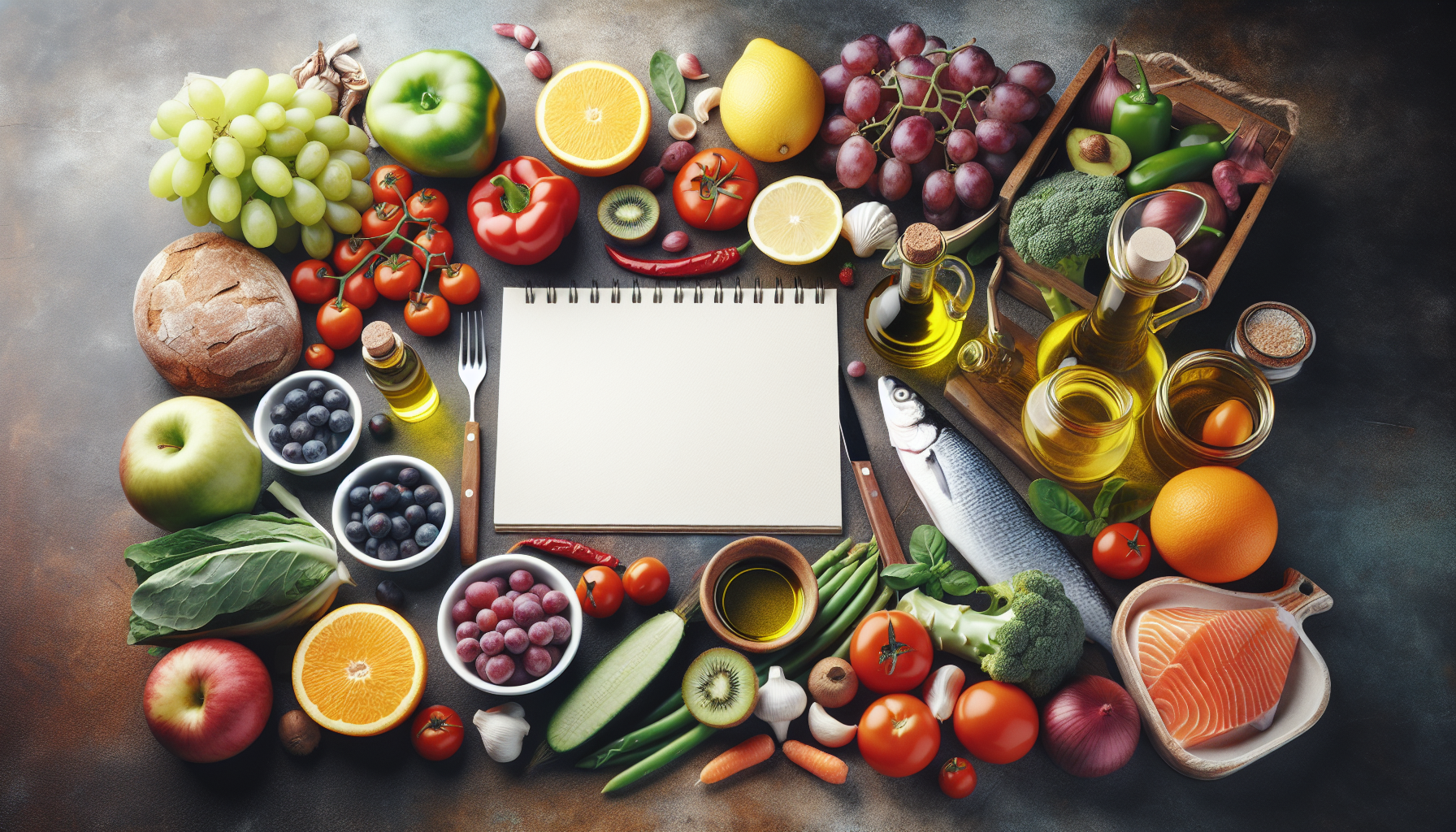
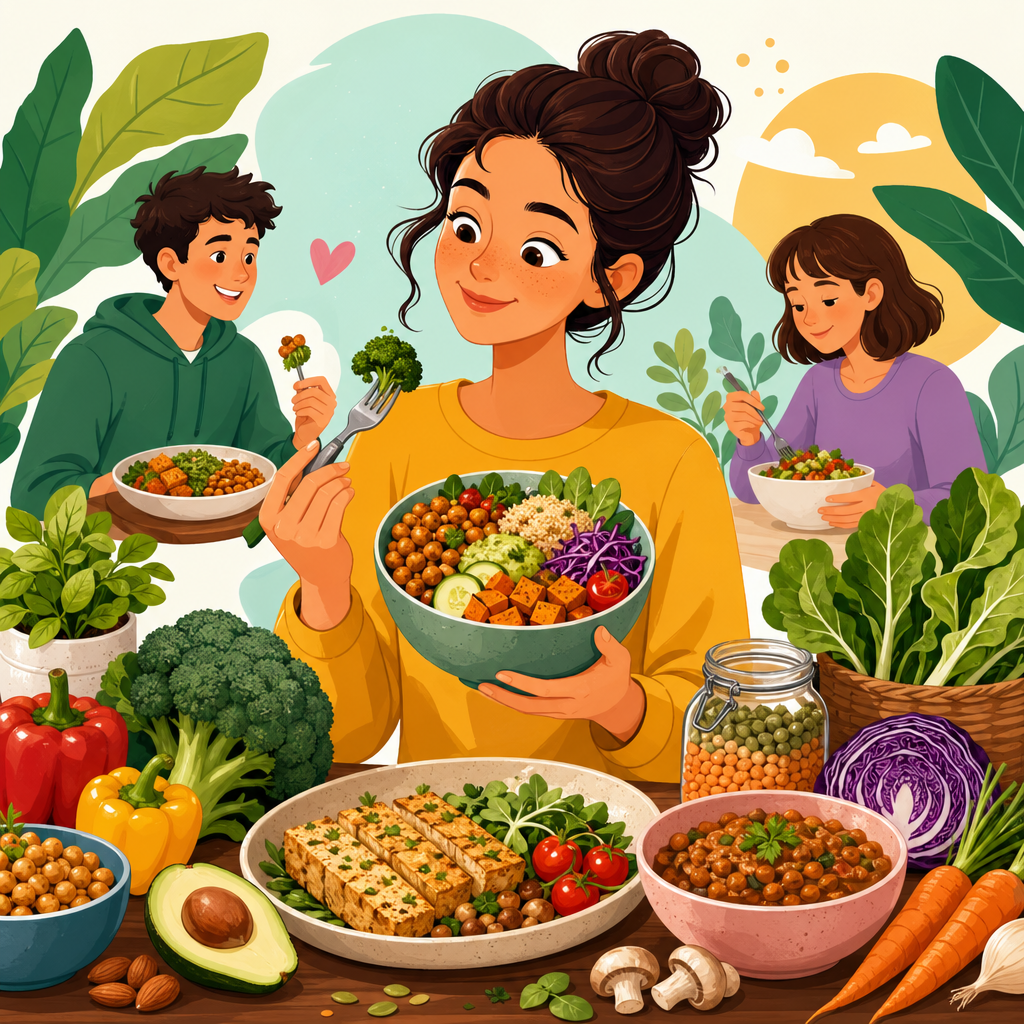
Meal planning works best when you build from a formula: one safe protein, one gluten-free starch, two fruits or vegetables, and one added fat for satiety. For example, grilled chicken with quinoa, roasted broccoli, berries, and olive oil dressing is simple and balanced. So is a rice bowl with black beans, avocado, salsa, and shredded cabbage. For children with multiple food allergies, repeating a set of known-safe breakfasts and snacks often reduces stress while preserving nutritional adequacy.
Shopping Smarter and Choosing Better Products
The gluten-free and allergy-friendly marketplace has improved, but not every specialty product is a good choice. Some brands focus on safety certifications, transparent sourcing, and dedicated facilities. Others simply remove one ingredient and replace it with starches, gums, sugars, and oils. A better shopping strategy is to divide purchases into staples and convenience foods. Staples include plain rice, potatoes, beans, frozen vegetables, fruit, plain meats, yogurt if tolerated, and certified basics like gluten-free oats or pasta. Convenience foods should be screened for nutrition, cost, and cross-contact risk.
Third-party certifications can help. Programs from recognized organizations for gluten-free products may offer additional reassurance, and allergy-conscious brands often publish manufacturing statements or allergen controls. Still, certification is not the only marker of quality. Read labels each time, because formulas change. Compare sodium, added sugar, fiber, and protein. A gluten-free loaf with 1 gram of fiber per slice and mostly starches may be less useful than a seed-based bread with stronger nutrient density, assuming seeds are safe for the individual.
Budget matters too. One of the most effective cost-saving habits I recommend is using specialty products for convenience, not as the foundation of every meal. A family that bases meals on naturally gluten-free ingredients usually spends less and eats better than one that fills the cart with frozen allergy-friendly snacks, cookies, and replacement breads.
Managing Social Situations, Travel, and Everyday Life
Daily life improves when safety routines become portable. Before events, ask for the menu, identify allergens clearly, and offer to bring a comparable safe dish. For travel, pack shelf-stable options such as seed butter packets, gluten-free crackers, tuna pouches, dried fruit, instant oatmeal made from certified gluten-free oats, or allergy-safe bars. Hotels with kitchenettes simplify breakfast and reduce emergency food runs. On flights, policies vary, so never rely on airline accommodations alone if reactions are severe.
Communication should be specific and calm. Instead of saying “I am sensitive,” say “I have celiac disease and need food prepared without gluten cross-contact,” or “I have a sesame allergy and cannot eat foods containing sesame or tahini.” In restaurants, speaking to a manager or chef often works better than relying only on a menu icon. At family gatherings, avoid open buffets if serving utensils move between dishes. Kids benefit from scripts they can repeat confidently: “I need my safe snack” or “Please check the label with my parent.”
Emotional fatigue is real, especially after repeated reactions or years of vigilance. Support groups, counseling, and follow-up with clinicians can make a measurable difference. The healthiest long-term approach is not fear-based avoidance. It is informed, repeatable risk management that still leaves room for enjoyable meals and normal routines.
When to Get Professional Help and What to Explore Next
Professional support is essential when symptoms continue despite strict avoidance, when growth or weight is affected, when nutrient deficiencies appear, or when anxiety about food begins to restrict life. A board-certified allergist can confirm triggers and prescribe an emergency plan. A gastroenterologist can evaluate persistent gastrointestinal symptoms, refractory celiac concerns, microscopic colitis, inflammatory bowel disease, or other overlapping conditions. A registered dietitian, especially one experienced in celiac disease and food allergies, can audit labels, assess nutrient gaps, and create realistic meal systems.
As a hub topic, gluten-free and food allergies connects to several related areas worth exploring in depth: celiac testing and diagnosis, wheat allergy versus gluten intolerance, safe gluten-free grains, allergy-friendly school lunches, restaurant dining strategies, cross-contact prevention, nutrient deficiencies on elimination diets, and label reading for hidden allergens. These subtopics matter because success comes from details, not broad rules.
Maximizing your health with gluten-free and food allergies means matching the diet to the diagnosis, mastering labels, preventing cross-contact, and building meals around nutrient-dense foods rather than processed substitutes. With the right systems, you can reduce reactions, protect long-term health, and make daily eating much easier. Start by reviewing one label category, one kitchen routine, and one weekly meal plan today, then build from there with professional guidance when needed.
Frequently Asked Questions
What is the difference between a gluten-free diet and managing food allergies?
A gluten-free diet and food allergy management are related but not interchangeable. A gluten-free diet is designed to eliminate gluten, which is a protein found in wheat, barley, and rye. People may follow this diet because of celiac disease, non-celiac gluten sensitivity, or other medically advised reasons. Food allergies, on the other hand, involve the immune system reacting to specific food proteins. Common allergens include peanuts, milk, eggs, soy, shellfish, tree nuts, fish, wheat, and sesame. In an allergy, even a small exposure can trigger symptoms ranging from hives and digestive distress to breathing problems or anaphylaxis.
This distinction matters because a product labeled “gluten-free” is not automatically free from other allergens. For example, gluten-free bread may still contain eggs, milk, soy, or tree nuts. Likewise, a product marketed as “allergy-friendly” may still contain gluten unless it specifically states otherwise. For anyone trying to maximize health while navigating both issues, the most important habit is reading ingredient lists carefully, understanding label language, and knowing exactly which foods must be avoided for your specific condition.
Can someone have both gluten-related issues and food allergies at the same time?
Yes, it is absolutely possible to have both a gluten-related disorder and one or more food allergies at the same time. This is one reason meal planning can feel so complicated. A person with celiac disease, for instance, may need to strictly avoid gluten while also managing allergies to dairy, eggs, peanuts, or other foods. In these cases, safe eating requires a more complete strategy than simply buying gluten-free products.
When multiple dietary restrictions overlap, nutrition and safety both become priorities. Many packaged gluten-free foods rely on other ingredients to improve texture and flavor, including milk powders, egg proteins, soy ingredients, or nut-based flours. That means a food that works for one condition may be dangerous for another. The best approach is to work with a qualified healthcare provider or registered dietitian, especially if you are newly diagnosed. A professional can help you identify hidden sources of exposure, reduce the risk of nutrient deficiencies, and build a balanced eating plan that supports long-term health rather than just short-term avoidance.
How can I safely read food labels when I need to avoid gluten and allergens?
Reading food labels carefully is one of the most effective ways to protect your health. Start with the full ingredient list, not just front-of-package claims. For gluten avoidance, look for wheat, barley, rye, malt, brewer’s yeast, and ingredients derived from these grains. For allergies, scan for the specific proteins you need to avoid, such as milk, eggs, soy, peanuts, tree nuts, fish, shellfish, sesame, or wheat. In many countries, major allergens are highlighted in plain language, but you should still review the complete ingredient list every time because product formulas can change.
It is also important to understand that “wheat-free” does not always mean gluten-free, and “gluten-free” does not always mean free from other allergens. Advisory statements such as “may contain” or “processed in a facility with” can be especially important for people with severe allergies, since accidental cross-contact can happen during manufacturing. If a label is unclear, contacting the manufacturer directly is a smart step. The safest routine is to develop a habit of checking labels every purchase, even for products you have bought before, because ingredients, sourcing, and production methods can change without much notice.
What are the biggest nutritional concerns when following a gluten-free diet with food allergies?
One of the biggest concerns is that the more foods you remove, the easier it becomes to miss important nutrients. Gluten-free diets alone can sometimes be low in fiber, iron, B vitamins, and certain minerals if they rely heavily on processed specialty foods instead of naturally nutrient-dense options. Add food allergies to the mix, especially allergies to milk, eggs, soy, nuts, or wheat, and the risk of nutritional gaps can increase further. For example, avoiding dairy may reduce calcium and vitamin D intake, while avoiding nuts or eggs may affect protein quality, healthy fats, and other micronutrients.
The most effective solution is to build meals around whole, naturally safe foods whenever possible. Fruits, vegetables, beans, lentils, gluten-free whole grains such as quinoa and rice, seeds, and safe protein sources can provide a strong nutritional foundation. It also helps to rotate foods rather than depending on the same limited ingredients every day. If your diet feels narrow, symptoms persist, or you are feeding a child with multiple restrictions, professional guidance is especially valuable. A registered dietitian can help tailor meals to your needs, suggest fortified foods or supplements when appropriate, and make sure your eating plan supports energy, digestion, immunity, and overall wellness.
How can I reduce the risk of cross-contact at home and when eating out?
Reducing cross-contact is essential when managing gluten-related conditions and food allergies, because even trace amounts can cause health problems for some people. At home, it helps to separate safe foods from unsafe foods and use dedicated equipment when necessary, such as cutting boards, toasters, butter containers, condiment jars, and cooking utensils. Clean surfaces thoroughly, wash hands before preparing meals, and avoid using shared tools that may carry crumbs or food residue. If more than one person in the household has different dietary needs, labeling shelves or containers can make the kitchen safer and less confusing.
When dining out, communication is your best protection. Tell the restaurant clearly what you must avoid and whether your concern is celiac disease, a food allergy, or both. Ask how the food is prepared, whether dedicated fryers or prep areas are used, and whether staff understand cross-contact prevention. Foods that seem simple can still be risky if they share grills, oils, knives, or serving utensils with unsafe ingredients. Choosing restaurants that are familiar with special diets can make a big difference. The goal is not to make eating stressful, but to make it informed and intentional so you can enjoy food with greater confidence and safety.