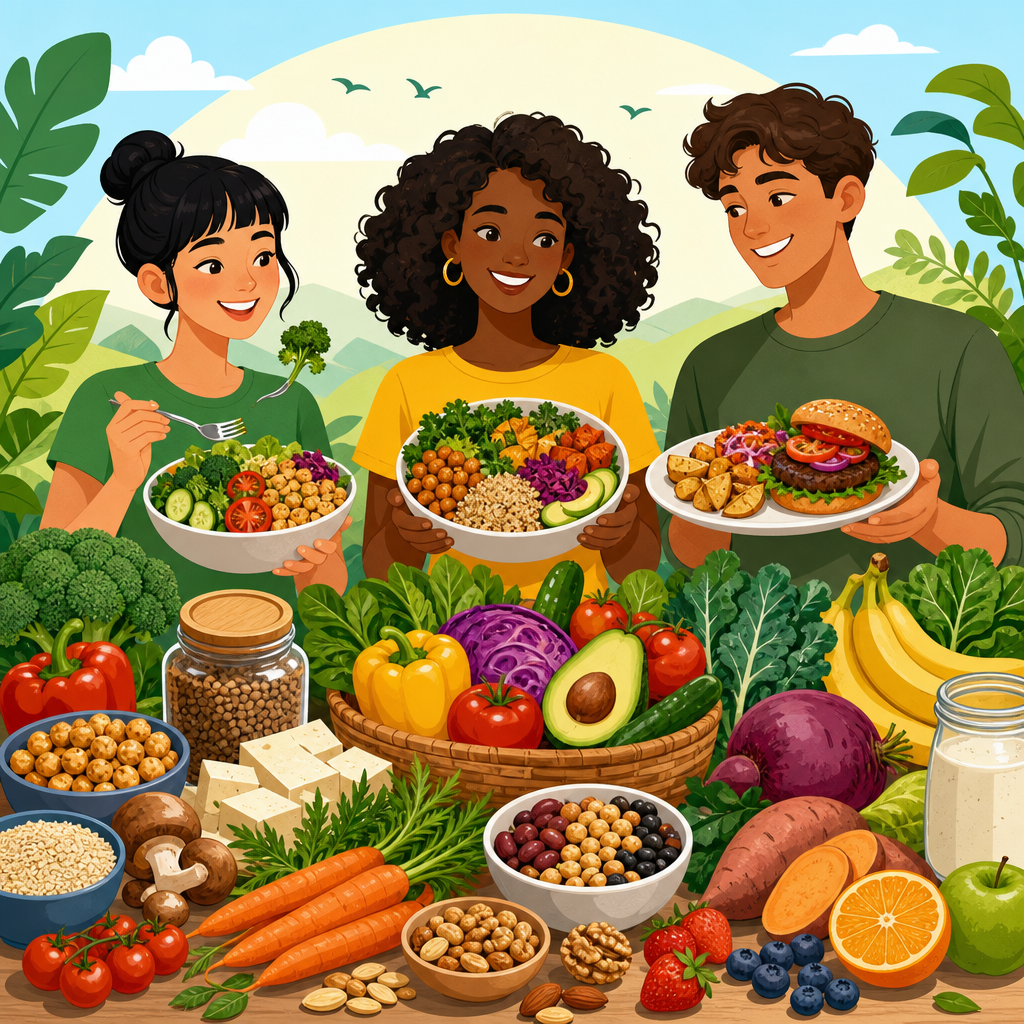
Plant-based diets describe eating patterns centered on foods from plants, including vegetables, fruits, legumes, whole grains, nuts, seeds, herbs, and plant oils. The term includes several distinct approaches, most commonly vegan, vegetarian, and flexitarian, and understanding those differences is the first step to making informed food choices. A vegan diet excludes all animal-derived foods, including meat, fish, dairy, eggs, and often honey. A vegetarian diet excludes meat and fish but may include dairy, eggs, or both, depending on the type. A flexitarian diet is primarily plant-forward while allowing meat, seafood, dairy, or eggs occasionally and intentionally.
In practice, these diets are not fringe eating styles anymore. I have seen them move from niche health-food communities into hospitals, workplace cafeterias, university dining halls, and mainstream grocery chains. Large cohort studies and guidance from organizations such as the Academy of Nutrition and Dietetics and the British Dietetic Association have helped normalize the idea that well-planned plant-based diets can support health across the lifespan. At the same time, popularity has created confusion. Many people assume vegan always means healthy, vegetarian always means balanced, and flexitarian means simply eating less meat. None of those assumptions is reliable without looking at food quality, nutrient coverage, and long-term sustainability.
This topic matters because food choices affect health markers, daily energy, cooking habits, grocery budgets, social routines, and environmental impact. People usually arrive with practical questions: Which plant-based diet is easiest to follow? Can you get enough protein? What nutrients require attention? Is a plant-based diet good for weight loss, heart health, or diabetes management? Those are the right questions. The best answer is that plant-based eating can be highly beneficial when it is structured around minimally processed staple foods and matched to personal needs, medical history, culture, and lifestyle. This guide explains the major plant-based diet patterns, the benefits and tradeoffs of each, core nutrition principles, common mistakes, and how to choose an approach you can maintain.
Vegan, Vegetarian, and Flexitarian: What Each Diet Really Means
The most useful way to compare plant-based diets is by inclusion and exclusion. Vegan eating excludes all animal products. That means no beef, poultry, pork, fish, shellfish, milk, cheese, yogurt, eggs, gelatin, and typically no honey. Some people adopt vegan eating primarily for ethics, others for health, religion, environmental reasons, or food intolerance. Because vegan diets remove every direct animal source of vitamin B12 and reduce readily absorbed iron, zinc, calcium, iodine, and omega-3 fats unless deliberately replaced, they require the most planning of the three approaches.
Vegetarian eating covers several patterns. Lacto-vegetarian diets include dairy but not eggs. Ovo-vegetarian diets include eggs but not dairy. Lacto-ovo vegetarian diets include both. Most people who say they are vegetarian mean lacto-ovo vegetarian unless otherwise specified. This pattern is often easier nutritionally because dairy can contribute calcium, protein, riboflavin, and vitamin B12, while eggs add protein, choline, selenium, and vitamin B12. Even so, vegetarian diets can still be unbalanced if they rely heavily on refined grains, sugary snacks, and cheese while lacking legumes, vegetables, and whole foods.
Flexitarian eating is best understood as intentional reduction rather than full exclusion. A flexitarian diet prioritizes beans, lentils, tofu, whole grains, vegetables, and fruit most of the time while using animal foods strategically in smaller portions or less frequently. In counseling and meal planning, I often describe flexitarian eating as the broadest entry point because it lowers the barrier to change. Someone might eat vegetarian breakfasts and lunches during the week, cook two bean-based dinners, and keep fish or chicken for one or two meals. That still meaningfully shifts nutrient intake and environmental footprint.
| Diet pattern | Foods excluded | Foods commonly included | Main nutrition watchpoints |
|---|---|---|---|
| Vegan | All animal products | Legumes, tofu, tempeh, seitan, grains, nuts, seeds, vegetables, fruits, fortified plant milks | Vitamin B12, iron, calcium, iodine, zinc, EPA/DHA, vitamin D |
| Vegetarian | Meat and fish | Plant foods plus dairy and/or eggs | Iron, zinc, omega-3 fats, protein quality if intake is limited |
| Flexitarian | No strict exclusions | Mostly plant foods with occasional animal foods | Food quality, consistency, portion balance |
These categories overlap, and real eating patterns are often messier than labels suggest. A vegan diet based on beans, greens, oats, soy milk, nuts, and fortified foods is very different from one dominated by fries, white pasta, and vegan desserts. A vegetarian who eats yogurt, eggs, lentils, and vegetables daily may have a more nutrient-dense diet than a flexitarian who only cuts meat occasionally but relies on ultra-processed convenience foods. The label helps, but the food pattern matters more.
Health Benefits, Limits, and What the Evidence Actually Shows
Research consistently links well-planned plant-based diets with lower risk of cardiovascular disease, hypertension, type 2 diabetes, and higher body mass index over time. The strongest benefits usually come from dietary patterns rich in whole plant foods rather than simply low in animal foods. Fiber intake is a major reason. Legumes, intact whole grains, vegetables, fruits, nuts, and seeds improve satiety, support bowel regularity, and help manage LDL cholesterol and blood glucose. In clinic settings, I have repeatedly seen patients improve blood pressure and lipid numbers after replacing processed meats and excess saturated fat with beans, soy foods, oats, and produce.
Heart health is one of the clearest advantages. Soluble fiber from oats, barley, beans, and some fruits can help lower LDL cholesterol. Nuts and seeds provide unsaturated fats, while soy foods may modestly improve lipid profiles when used in place of higher saturated-fat foods. Large observational studies, including Adventist cohorts and EPIC-Oxford analyses, have associated vegetarian and vegan patterns with lower rates of ischemic heart disease, though results depend on overall diet quality, smoking, activity, and other lifestyle factors.
Weight management is another common reason people explore plant-based eating. Whole plant foods tend to have lower energy density because they contain more water and fiber and less saturated fat than many animal-based and highly processed foods. That does not make every plant-based diet low calorie. Vegan pastries, fried foods, sweetened coffees, and oversized grain bowls can easily exceed energy needs. Success comes from emphasizing minimally processed staples, adequate protein, and consistent meal structure rather than assuming plant-based automatically leads to weight loss.
There are also limitations and misconceptions. Plant-based eating is not a guaranteed cure for chronic disease, and it is not ideal in exactly the same form for everyone. People with irritable bowel syndrome may struggle with large amounts of beans or certain fermentable carbohydrates. Athletes, pregnant people, older adults, and children can absolutely follow plant-based diets, but their protein, iron, calcium, vitamin D, and total energy needs deserve closer attention. Individuals with a history of eating disorders may find highly restrictive dietary rules counterproductive. The evidence supports plant-based eating as a useful framework, not as a universal shortcut.
Core Nutrition Principles: Protein, B12, Iron, Calcium, Omega-3, and More
The first nutrient question is almost always protein. In reality, most people can meet protein needs on vegetarian or flexitarian diets without difficulty, and vegan diets can also provide enough when meals are built around concentrated sources. Beans, lentils, chickpeas, tofu, tempeh, edamame, soy milk, seitan, peanuts, hemp seeds, pumpkin seeds, and higher-protein grains such as quinoa are practical staples. The older rule about combining complementary proteins in the same meal is outdated. Across the day, varied plant foods provide the essential amino acids needed by most healthy adults.
Vitamin B12 is nonnegotiable for vegans and important for some vegetarians, especially if dairy and egg intake is low. B12 supports nerve function and red blood cell formation, and deficiency can cause fatigue, numbness, anemia, and neurologic damage. Reliable vegan sources are fortified foods and supplements, not unwashed produce, seaweed, or fermented foods. In my work, B12 is the most frequently overlooked nutrient among long-term vegans who otherwise eat very well. A routine supplement is usually the simplest and safest solution.
Iron deserves careful planning because plant foods contain non-heme iron, which is less readily absorbed than heme iron from animal foods. Good sources include lentils, beans, tofu, tempeh, pumpkin seeds, fortified cereals, quinoa, and dark leafy greens. Absorption improves when iron-rich meals include vitamin C from citrus, berries, bell peppers, tomatoes, or broccoli. Tea and coffee can reduce absorption when consumed with meals. Menstruating women, adolescents, endurance athletes, and pregnant people should be especially attentive.
Calcium can come from dairy in vegetarian diets, but vegan eaters need dependable alternatives such as calcium-set tofu, fortified soy milk, fortified yogurt alternatives, tahini, almonds, bok choy, kale, and calcium-fortified orange juice. Vitamin D status depends on sun exposure, location, skin tone, and supplementation. Omega-3 fats are another important detail. Flaxseed, chia, walnuts, and hemp provide ALA, but conversion to EPA and DHA is limited, so some vegans and vegetarians choose algae-based DHA or EPA supplements. Iodine can be low when dairy and seafood are excluded; iodized salt or a properly formulated supplement can help.
How to Build Balanced Plant-Based Meals and Avoid Common Mistakes
A balanced plant-based meal usually has four parts: a protein-rich anchor, a high-fiber carbohydrate, colorful produce, and a source of healthy fat. For example, a grain bowl with brown rice, baked tofu, roasted broccoli, shredded carrots, edamame, and sesame-tahini dressing checks every box. A flexitarian dinner could use the same structure with lentils as the base and a small portion of salmon on top. This meal-building approach works better than focusing on what to remove because it makes nutrient coverage practical and repeatable.
Breakfast is often where protein falls short. Oatmeal can be improved with soy milk, chia seeds, peanut butter, and berries. A vegetarian option might be Greek yogurt with walnuts and fruit. A vegan breakfast could be tofu scramble with whole-grain toast and avocado. Lunch should not depend on a plain salad. Better choices include lentil soup with whole-grain bread, hummus and roasted vegetable wraps, chickpea pasta with tomato sauce and spinach, or quinoa salad with black beans and pumpkin seeds.
The most common mistake is replacing meat with refined starch instead of replacing it with a meaningful protein source. I see this when someone drops chicken from dinner and adds extra pasta but no beans, tofu, tempeh, or lentils. They feel hungry later and conclude the diet is not satisfying. Another mistake is overreliance on highly processed meat substitutes. Products made from soy or pea protein can be useful, especially for convenience and transition, but they should complement a diet built on beans, soy foods, vegetables, fruit, and whole grains rather than define it.
Budget is often less of a barrier than people expect. Dried beans, lentils, oats, rice, potatoes, frozen vegetables, peanut butter, cabbage, bananas, and store-brand soy milk are economical staples. Planning matters more than ideology. Cook one pot of lentils, roast a tray of vegetables, prepare a grain, and keep a sauce on hand, and most of the week becomes easier. That is how plant-based eating becomes sustainable in real households.
Choosing the Right Plant-Based Approach for Your Lifestyle
The best plant-based diet is the one that matches your goals, health needs, cooking ability, and social reality. Vegan eating may fit someone motivated by ethics or severe dairy allergy, but it requires consistent nutrient planning and label reading. Vegetarian eating often suits people who want a middle path with fewer restrictions and simpler restaurant options. Flexitarian eating works well for families with mixed preferences, frequent travelers, or people who want measurable health improvement without all-or-nothing rules.
If you are deciding where to start, look at your current pattern honestly. If you eat red meat daily and very few legumes, moving to a flexitarian model may be the highest-value change. If you already enjoy tofu, beans, and plant milks, vegetarian or vegan eating may feel natural. If you have kidney disease, anemia, gastrointestinal issues, pregnancy, or complex medication needs, work with a registered dietitian before making major changes. The right plan is personal, but the principles are stable: prioritize whole plant foods, cover key nutrients, and build habits you can maintain.
Plant-based diets are powerful because they are flexible, evidence-based, and practical when done well. Vegan, vegetarian, and flexitarian patterns all center the same idea: more food from plants and fewer calories from heavily processed, animal-heavy routines. The real benefit is not a label. It is better diet quality, more fiber, improved cardiometabolic health, and a way of eating that can be adapted to different budgets, cultures, and life stages. Use this guide as your foundation, then explore specific meal plans, nutrient deep dives, and cooking strategies to build a plant-based approach that truly lasts.
Frequently Asked Questions
What is the difference between a vegan, vegetarian, and flexitarian diet?
The main difference is how much, if any, animal-derived food is included. A vegan diet is the most restrictive of the three and excludes all animal products, including meat, poultry, fish, dairy, eggs, and often honey. Vegan eating is built entirely around plant foods such as vegetables, fruits, beans, lentils, peas, whole grains, nuts, seeds, and plant-based fats and oils. Many people choose vegan eating for health, environmental, or ethical reasons, but it requires more planning to ensure key nutrients are consistently included.
A vegetarian diet also centers on plant foods but is less restrictive than a vegan diet. Vegetarians do not eat meat or fish, but some include dairy, eggs, or both depending on the type of vegetarian pattern they follow. For example, lacto-ovo vegetarians eat both dairy and eggs, while some vegetarians avoid one but not the other. Because dairy and eggs can contribute protein, calcium, vitamin B12, and other nutrients, vegetarian diets may be somewhat easier for beginners to balance while still offering many of the benefits associated with plant-forward eating.
A flexitarian diet is the most flexible approach. It emphasizes plant foods as the foundation of meals while allowing occasional meat, fish, dairy, or eggs. Rather than following strict rules, flexitarian eating encourages reducing animal products and choosing them more intentionally. This can be a practical option for people who want to improve diet quality, eat more plants, or transition gradually toward vegetarian or vegan habits without eliminating entire food groups all at once.
Are plant-based diets healthy, and can they provide enough protein?
Yes, well-planned plant-based diets can be very healthy and can absolutely provide enough protein. Plant-based eating patterns are often rich in fiber, vitamins, minerals, antioxidants, and beneficial plant compounds, while also being lower in saturated fat when centered on whole foods. Research commonly links balanced plant-forward diets with benefits such as improved heart health, better cholesterol levels, easier weight management, and lower risk of certain chronic diseases. That said, health outcomes depend on what the diet is made of. A vegan or vegetarian diet based mostly on refined carbohydrates, sugary foods, and highly processed meat substitutes will not offer the same benefits as one built on whole, nutrient-dense ingredients.
Protein is a common concern, but it is usually manageable when meals are structured thoughtfully. Excellent plant protein sources include lentils, chickpeas, black beans, soy foods such as tofu, tempeh, and edamame, peas, quinoa, nuts, seeds, and whole grains. Vegetarian eaters may also get protein from eggs, yogurt, milk, and cheese. Flexitarians can combine plant proteins with occasional animal proteins as desired. The key is eating enough total food and including protein-rich ingredients regularly across the day rather than relying on a single source at one meal.
It is also helpful to remember that variety matters. Different plant foods contribute different amino acids, so eating a mix of legumes, grains, nuts, and seeds over the course of the day supports overall protein quality. Most people do not need to combine specific foods at the same meal, but they do benefit from a diverse diet. For active individuals, older adults, or anyone with higher protein needs, building each meal around a meaningful protein source can make plant-based eating more satisfying and nutritionally complete.
What nutrients should people pay closest attention to on a plant-based diet?
Several nutrients deserve extra attention, especially on vegan diets. Vitamin B12 is one of the most important because it is naturally found primarily in animal-derived foods. Vegans generally need fortified foods or a supplement to meet their needs consistently. Vegetarians may get some B12 from dairy and eggs, but intake can still fall short depending on how often those foods are eaten. Iron is another key nutrient. Plant foods such as lentils, beans, tofu, pumpkin seeds, spinach, and fortified cereals contain iron, but the type found in plants is absorbed less efficiently than the iron in meat. Pairing iron-rich foods with vitamin C sources like citrus, strawberries, bell peppers, or tomatoes can improve absorption.
Calcium and vitamin D are also worth monitoring, especially for vegans or anyone who avoids dairy. Good plant-based calcium sources include fortified plant milks, calcium-set tofu, tahini, almonds, kale, bok choy, and fortified yogurts. Vitamin D may be harder to obtain from food alone, depending on sun exposure, geography, and season, so some people benefit from fortified foods or supplements. Omega-3 fats are another consideration. While fatty fish is a well-known source, plant-based eaters can get omega-3s from flaxseeds, chia seeds, hemp seeds, walnuts, and algae-based supplements.
Zinc, iodine, and in some cases protein and overall calorie intake may also require attention, particularly for people eating very restrictive or low-variety diets. The most practical strategy is not to become overly anxious about every nutrient but to eat a broad mix of minimally processed plant foods, include fortified products when helpful, and consider professional guidance if following a strict vegan pattern long term. A little planning goes a long way toward making a plant-based diet both nourishing and sustainable.
How can someone start a plant-based diet without feeling overwhelmed?
The easiest way to start is to focus on addition before elimination. Instead of immediately cutting out all animal products, begin by building more meals around familiar plant foods. For example, try oatmeal with nuts and fruit for breakfast, a grain bowl with beans and vegetables for lunch, or a pasta dish with lentils and roasted vegetables for dinner. This approach feels more manageable because it shifts attention toward what you can eat rather than what you are giving up. For many people, flexitarian eating is a realistic entry point because it allows gradual change without the pressure of perfection.
It also helps to make one change at a time. You might start with one meatless day per week, swap cow’s milk for a fortified plant milk, or learn two or three dependable plant-based dinners before expanding further. Keeping meals simple is especially important in the beginning. A balanced plant-based plate does not need to be complicated. A protein source such as beans, tofu, or eggs, a whole grain or starchy vegetable, healthy fat, and plenty of vegetables can create an easy, satisfying meal. Repeating simple meals while you build confidence is often more effective than trying to overhaul your entire diet overnight.
Reading labels and planning ahead can reduce frustration. Some packaged foods that appear plant-based may contain dairy, eggs, or other animal-derived ingredients, which matters more for vegans than flexitarians. It is also smart to identify convenient staples to keep on hand, such as canned beans, frozen vegetables, whole grains, hummus, nut butter, tofu, and fortified plant milk. With a stocked kitchen and a few go-to recipes, plant-based eating becomes much more practical for busy schedules and far easier to maintain over time.
Is a plant-based diet expensive, and can it work for families and busy lifestyles?
A plant-based diet does not have to be expensive. In fact, many of the most affordable foods in the grocery store are plant-based staples, including dried beans, lentils, rice, oats, potatoes, seasonal produce, peanut butter, and frozen vegetables. Costs tend to rise when people rely heavily on specialty vegan products, packaged snacks, or premium meat and dairy alternatives. Those foods can be useful for convenience or transition, but they are not required for a successful plant-based diet. Building meals around basic whole foods is often the most budget-friendly and nutritionally solid approach.
Plant-based eating can also work very well for families. Flexible meals such as tacos, stir-fries, soups, grain bowls, pasta dishes, and baked potato bars can be adapted to different preferences at the table. For example, a family meal might include a bean chili as the base, with optional cheese or yogurt for those who eat dairy, or roasted vegetables and grains with tofu for some and grilled chicken for others. This makes plant-based cooking inclusive without forcing everyone into the same level of restriction. Flexitarian strategies are especially useful in households where not everyone wants to eat the same way.
For busy lifestyles, meal prep and convenience matter. Cooking a batch of grains, beans, soup, or roasted vegetables ahead of time can make weekday meals much easier. Frozen fruit for smoothies, prewashed greens, canned legumes, microwavable grains, and simple sauces can help you assemble balanced meals quickly. The key is to think in terms of practical systems rather than perfect recipes. When your pantry and refrigerator are set up with versatile plant-based staples, healthy meals become faster, cheaper, and much more realistic to sustain.