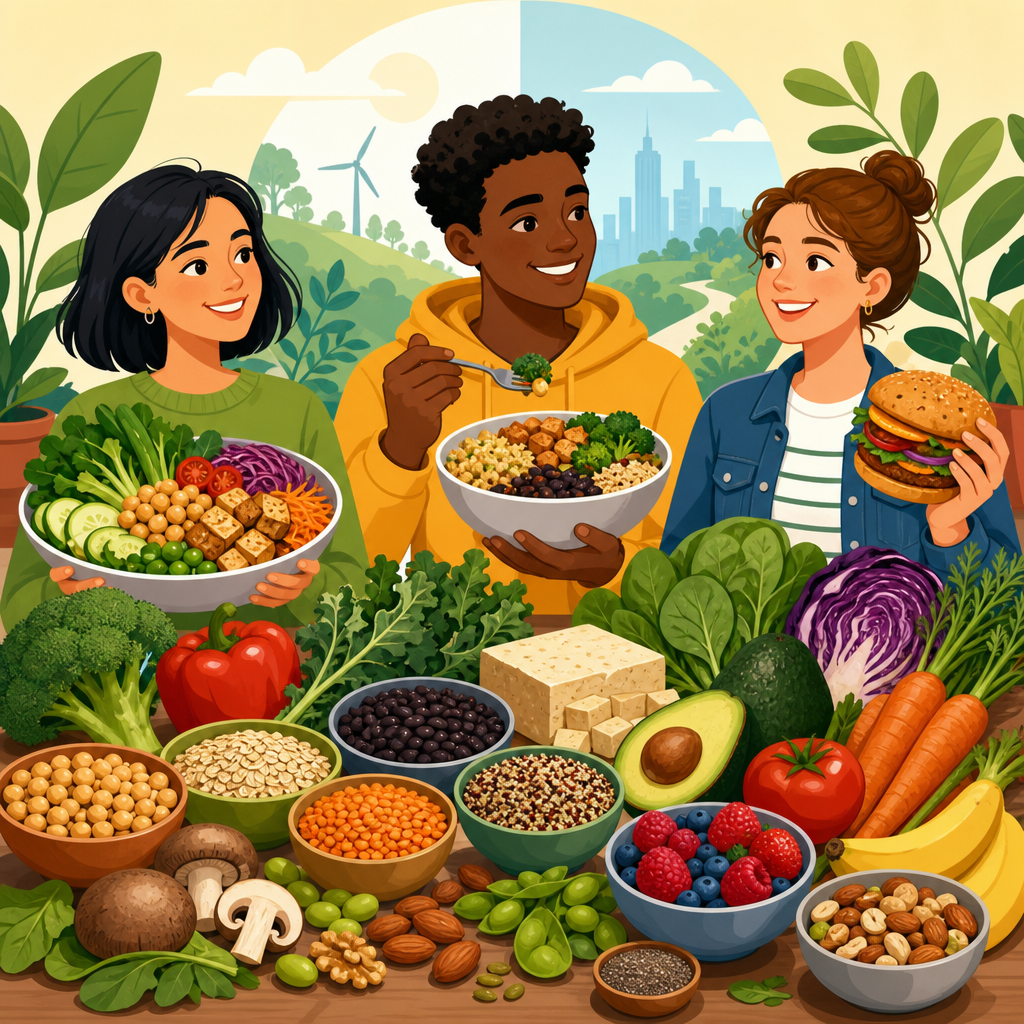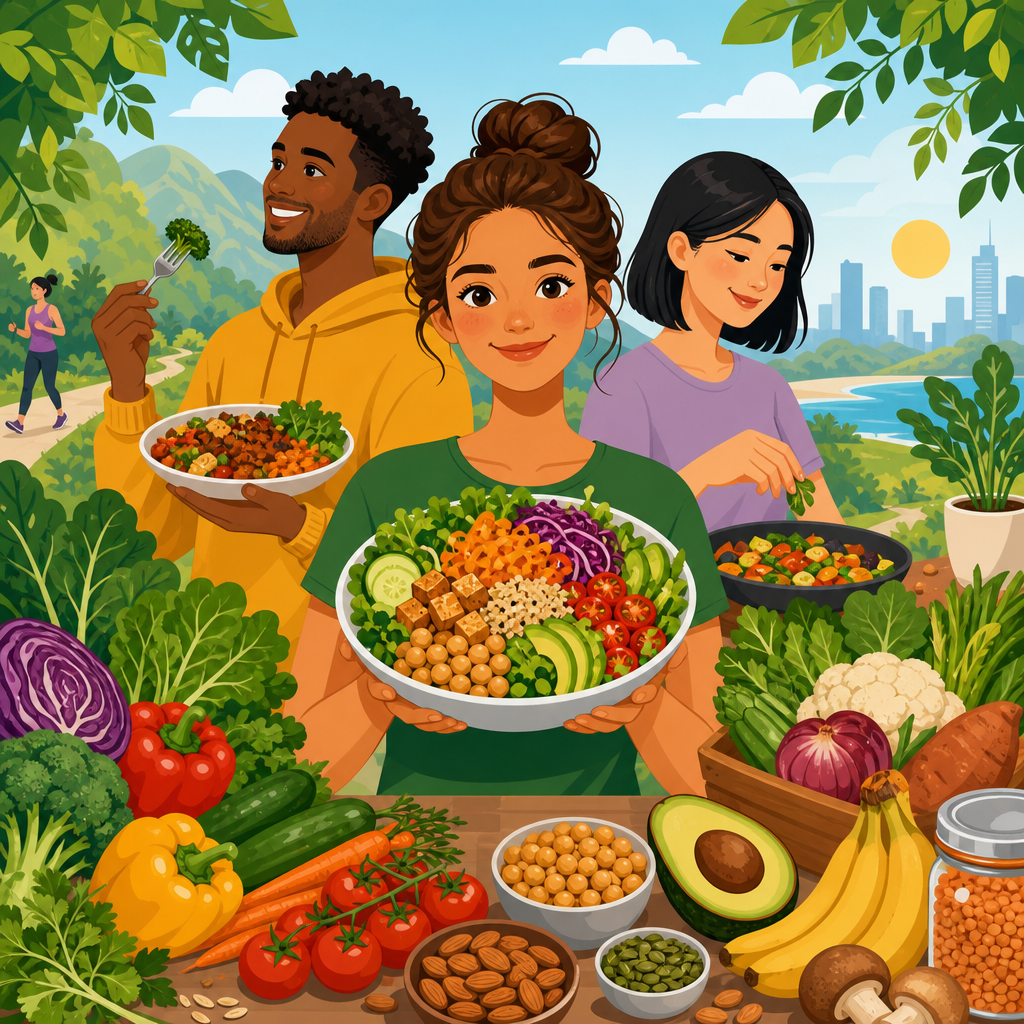
Plant-based diets have moved from niche interest to mainstream strategy because they can improve long-term health, reduce environmental strain, and make everyday eating more intentional. In practical terms, plant-based diets center meals on vegetables, fruits, legumes, whole grains, nuts, seeds, and plant oils, while limiting or excluding animal foods to varying degrees. Vegan diets avoid all animal-derived foods, including meat, fish, dairy, eggs, and ingredients such as gelatin. Vegetarian diets usually exclude meat and fish but may include dairy, eggs, or both, depending on the pattern. Flexitarian diets are the most flexible approach, prioritizing plant foods while allowing occasional meat, seafood, dairy, or eggs.
This topic matters because dietary pattern influences nearly every major health outcome people care about: weight management, cholesterol, blood pressure, blood sugar control, digestive health, athletic recovery, and healthy aging. In clinical practice and nutrition counseling, I have seen a recurring pattern: when people shift from animal-heavy meals to balanced plant-forward meals, they often increase fiber, potassium, magnesium, folate, and unsaturated fats without trying to count every gram. That simple shift can improve satiety and meal quality quickly. At the same time, the details matter. A diet built on fries, refined grains, and sugary vegan snacks is technically plant-based, but it will not deliver the same health benefits as one built on beans, oats, greens, berries, tofu, lentils, and nuts.
A useful definition of a healthy plant-based diet is not merely “food from plants.” It is a dietary pattern that emphasizes minimally processed plant foods, uses fortified foods or supplements where needed, and intentionally covers key nutrients that are commonly low when animal foods are reduced. Those nutrients include protein quality, vitamin B12, iron, calcium, vitamin D, iodine, zinc, and omega-3 fats. Getting plant-based eating right is less about restriction and more about thoughtful replacement. If someone removes meat, they need reliable protein and iron alternatives. If they remove dairy, they need calcium and vitamin D from fortified soy milk, pea milk, tofu set with calcium sulfate, or leafy greens that fit their digestion and preferences.
For a sub-pillar hub on dietary lifestyles and special diets, plant-based eating deserves broad coverage because people adopt it for different reasons and need different guidance. Some want lower LDL cholesterol. Some want better blood sugar control. Some are motivated by ethics, budget, cooking simplicity, or digestive comfort. Others want to eat more plants without giving up family traditions. The best plant-based pattern is the one a person can sustain, afford, and enjoy while meeting nutrient needs consistently. That is why vegan, vegetarian, and flexitarian approaches should be understood as a spectrum rather than competing camps.
Understanding Vegan, Vegetarian, and Flexitarian Diets
The clearest way to compare these eating styles is by what they include, what they exclude, and where people commonly succeed or struggle. Vegan diets can be highly effective for lowering saturated fat intake and increasing fiber, but they demand the most planning for vitamin B12, calcium, iodine, and long-chain omega-3 intake. Vegetarian diets often make nutrient planning easier because dairy or eggs can contribute protein, calcium, choline, and vitamin B12. Flexitarian diets are often the easiest entry point because they improve overall diet quality without requiring total elimination of animal foods.
In everyday life, these patterns can look very different. A vegan breakfast might be overnight oats with soy milk, chia seeds, berries, and peanut butter. A vegetarian lunch might be a Greek yogurt bowl with fruit and walnuts or a lentil soup with whole grain bread and cheese. A flexitarian dinner could be mostly plant-based chili with beans, vegetables, and a small amount of lean turkey used more as flavor than centerpiece. The health impact depends less on the label and more on food quality, meal balance, and consistency over time.
| Diet pattern | Includes | Usually excludes | Main health advantage | Main planning priority |
|---|---|---|---|---|
| Vegan | All plant foods, fortified plant milks, tofu, legumes, grains, nuts, seeds | Meat, fish, dairy, eggs, animal-derived ingredients | Highest fiber intake and lowest saturated fat when well planned | B12, calcium, vitamin D, iodine, iron, omega-3 balance |
| Vegetarian | Plant foods plus dairy, eggs, or both | Meat and fish | More nutrient flexibility with strong cardiometabolic benefits | Protein distribution, iron, food quality, added sugar control |
| Flexitarian | Mostly plant foods with occasional animal foods | No strict exclusions | High adherence and easier social, family, and travel fit | Avoiding drift back to meat-centered meals |
For most people, flexitarian eating is the practical bridge to a healthier routine because it reduces the all-or-nothing pressure that causes many diet changes to fail. I often recommend starting with a ratio instead of a rule: make at least two thirds of the plate vegetables, beans, whole grains, fruit, nuts, or seeds, and use animal foods as optional additions rather than defaults. That single shift can substantially reduce excess saturated fat and increase fiber without creating social friction at restaurants or family events.
How Plant-Based Diets Improve Health
The strongest evidence for plant-based diets is in cardiovascular and metabolic health. Diets rich in beans, soy foods, oats, barley, nuts, seeds, fruits, and vegetables are associated with lower LDL cholesterol, better blood pressure control, and improved insulin sensitivity. Soluble fiber from oats, beans, lentils, apples, and psyllium helps bind bile acids and support lower cholesterol levels. Potassium-rich foods such as potatoes, bananas, beans, leafy greens, and squash support blood pressure regulation. Replacing butter, processed meat, and high-fat dairy with olive oil, nuts, avocado, and soy foods shifts the fat profile toward monounsaturated and polyunsaturated fats, which is a meaningful improvement for heart health.
Weight management also tends to improve when plant-based eating is built on whole foods. Fiber and water content increase food volume, helping people feel full on fewer calories. A bowl of lentil soup, roasted vegetables, and brown rice generally creates more satiety per calorie than a cheeseburger and fries. That does not mean calories stop mattering; it means plant-forward meals often make calorie control easier without aggressive restriction. In practice, people who increase legumes and vegetables usually report that hunger becomes more predictable and snacking becomes less chaotic.
Digestive health is another major benefit. Most adults do not consume enough fiber, yet plant-based diets can raise intake dramatically. Fiber supports regular bowel movements, feeds beneficial gut microbes, and contributes to the production of short-chain fatty acids such as butyrate, which support colon health. The caveat is that increasing fiber too quickly can cause gas or bloating, especially when beans, cruciferous vegetables, and high-fiber grains are added all at once. A gradual increase, adequate fluid intake, and using techniques like soaking beans or choosing split lentils can make the transition much easier.
There are also benefits for prevention and aging. Diets emphasizing whole plant foods are associated with lower risk of several chronic diseases, partly because they deliver antioxidants, phytochemicals, and anti-inflammatory compounds alongside healthier fat and fiber patterns. Foods such as berries, leafy greens, cocoa, tomatoes, soy, flax, and legumes provide compounds studied for vascular function, bone support, and cellular protection. No single food performs magic, but the combined effect of a consistent dietary pattern is powerful.
Key Nutrients to Watch on Plant-Based Diets
The most common question people ask is whether plant-based diets provide enough protein. The answer is yes, if meals are structured deliberately. Beans, lentils, tofu, tempeh, edamame, soy milk, seitan, peas, peanuts, hemp seeds, and whole grains all contribute protein. Soy foods are particularly useful because they provide a high-quality protein profile. Most adults do well by spreading protein across meals rather than trying to catch up at dinner. For example, breakfast with soy yogurt and seeds, lunch with a bean bowl, and dinner with tofu stir-fry creates a steadier intake than a low-protein morning followed by a large evening meal.
Vitamin B12 deserves special emphasis because reliable plant sources do not naturally provide enough. Vegans need a fortified food strategy, a supplement, or both. Vegetarians may still fall short if dairy and egg intake is low. This is not optional fine print; B12 deficiency can affect nerve function, energy, and blood health. Calcium and vitamin D also need attention when dairy is reduced. Fortified soy milk often compares well nutritionally with cow’s milk, while calcium-set tofu, tahini, bok choy, kale, and fortified yogurt alternatives can help cover the gap.
Iron is another frequent concern. Plant foods contain non-heme iron, which is absorbed less efficiently than heme iron from meat, but absorption improves when paired with vitamin C. A practical example is lentils with tomatoes and bell peppers, oatmeal with strawberries, or black beans with salsa and citrus. Tea and coffee can inhibit iron absorption when taken with meals, so people with low iron status may benefit from separating them from iron-rich meals. Zinc, iodine, and omega-3 fats also deserve planning. Legumes, nuts, seeds, dairy, eggs, and whole grains help with zinc. Iodized salt or seaweed used carefully can help with iodine. Flaxseed, chia seeds, walnuts, and algae-based supplements support omega-3 intake, especially when fish is absent.
Building Balanced Plant-Based Meals That Work Daily
The simplest meal-building framework is to include four parts: a protein source, a high-fiber carbohydrate, produce, and a healthy fat. This prevents the most common mistake in plant-based eating, which is building meals around vegetables alone and then feeling hungry an hour later. A balanced bowl might include tofu, quinoa, roasted broccoli, carrots, and tahini dressing. A more budget-friendly plate could be black beans, brown rice, cabbage slaw, avocado, and salsa. The same structure works for breakfast and snacks: oats with soy milk, walnuts, and berries; hummus with carrots and whole grain pita; or edamame with fruit.
Meal prep matters because convenience strongly predicts adherence. Keeping canned beans, frozen vegetables, quick-cooking grains, nut butter, tofu, and fortified plant milk on hand removes friction during busy weeks. I have found that people maintain plant-based habits best when they choose repeatable meals rather than chasing novelty every day. Three reliable breakfasts, three lunches, and four dinners are enough for most weeks. Seasonings also matter. Smoked paprika, miso, tamari, nutritional yeast, curry pastes, herbs, garlic, lemon, and toasted sesame oil add depth that helps plant-based meals feel satisfying rather than austere.
Processed plant-based meat alternatives can be useful, but they should be viewed as tools, not foundations. They help people transition away from meat-centered habits and can simplify social meals, yet many are high in sodium and vary widely in protein quality and ingredient profile. Compare labels for protein, saturated fat, sodium, and fortification rather than assuming every plant-based package is automatically healthy. A black bean chili or tofu stir-fry usually delivers more fiber and less sodium than a daily pattern built around burgers, nuggets, and vegan desserts.
Common Mistakes, Special Considerations, and Long-Term Success
One common mistake is replacing animal foods with refined carbohydrates instead of nutrient-dense plant foods. When someone stops eating meat but relies on white pasta, chips, pastries, and sweetened cereal, they may feel tired, hungry, and convinced plant-based eating does not work. Another mistake is underestimating calories when goals include weight maintenance, pregnancy, or athletic performance. Large salads and vegetable soups are healthy, but they may not provide enough energy on their own. Adding beans, grains, nuts, seeds, olive oil, avocado, and soy foods makes plant-based eating more nutritionally complete.
Life stage matters. Children, teens, pregnant adults, older adults, and athletes can all follow plant-based diets successfully, but their margin for error is smaller. Athletes often need more total protein and leucine-rich meals to support recovery, making soy foods, legumes, seitan, and strategic snacks important. Older adults may need concentrated protein sources because appetite can decline. Pregnant adults need close attention to folate, iron, choline, iodine, DHA, and B12. In these cases, individualized planning with a registered dietitian is worth the effort.
Long-term success usually comes from progression, not perfection. Start by identifying one high-impact change: swap breakfast sausage for oats and soy milk, replace two meat dinners each week with lentil curry or tofu tacos, or make beans the default protein at lunch. Track how energy, digestion, lab values, and satisfaction respond over eight to twelve weeks. If progress is good, continue. If something feels off, adjust the pattern rather than abandoning it. That flexibility is the core strength of plant-based diets.
Maximizing your health with plant-based diets means choosing the version that fits your goals and then building it well. Vegan, vegetarian, and flexitarian patterns can all support heart health, better blood sugar control, improved fiber intake, and more sustainable eating habits when they are based on whole foods and planned for key nutrients. The healthiest plant-based diet is not the most restrictive one; it is the one that consistently delivers protein, vitamins, minerals, healthy fats, and meals you will actually keep eating.
Use this hub as your starting point for the broader plant-based journey. Learn the distinctions between vegan, vegetarian, and flexitarian eating, pay attention to B12, calcium, iron, iodine, and omega-3s, and build meals around protein, fiber, produce, and healthy fat. If you want the greatest benefit, begin with one practical shift this week and expand from there. A well-designed plant-based diet can be one of the most effective tools you have for protecting health over the long term.
Frequently Asked Questions
1. What is the difference between vegan, vegetarian, and flexitarian plant-based diets?
These three approaches all emphasize plant foods, but they differ in how strictly they limit animal products. A vegan diet is the most restrictive of the three and excludes all animal-derived foods, including meat, poultry, fish, dairy, eggs, and ingredients such as gelatin. A vegetarian diet is broader and usually excludes meat, poultry, and fish, but may still include dairy, eggs, or both depending on the type of vegetarian pattern being followed. A flexitarian diet is the most flexible, centering meals around plant foods while allowing occasional or moderate amounts of animal products.
In practice, the main distinction is not just what is removed, but how meals are built. Vegan and vegetarian eaters typically rely heavily on legumes, tofu, tempeh, whole grains, nuts, seeds, vegetables, and fruits as daily staples. Flexitarians may eat similarly most of the time but include fish, yogurt, eggs, or meat in smaller portions or less frequently. For many people, flexitarian eating is a sustainable way to increase plant intake without feeling overly restricted, while vegan or vegetarian patterns may align more closely with ethical, environmental, cultural, or health priorities.
From a health perspective, all three can be nutritious when well planned. The strongest benefits usually come from eating more whole, minimally processed plant foods rather than simply avoiding meat. That means a diet rich in fiber, antioxidants, unsaturated fats, and a wide variety of vitamins and minerals. Whether someone chooses vegan, vegetarian, or flexitarian eating, the goal is the same: make plants the foundation of the diet and be intentional about nutrient balance.
2. What are the main health benefits of following a plant-based diet?
A well-planned plant-based diet can support health in several important ways. One of the biggest advantages is improved dietary quality. Plant-based eating naturally increases intake of fiber, potassium, folate, magnesium, antioxidants, and phytochemicals while often lowering intake of saturated fat, especially when red and processed meats are reduced. This combination can support heart health, healthy blood pressure, improved cholesterol levels, and better long-term metabolic health.
Many people also find that plant-based diets help with weight management because meals centered on vegetables, beans, whole grains, and fruit tend to be more filling for fewer calories. The fiber and water content in these foods can increase satiety, helping people feel full without relying on oversized portions. In addition, plant-based dietary patterns have been associated with a lower risk of certain chronic conditions, including cardiovascular disease, type 2 diabetes, and some forms of obesity-related illness, especially when the diet is based on whole foods rather than highly processed meat substitutes, sugary snacks, and refined grains.
Another often overlooked benefit is that plant-based eating can make food choices more intentional. Instead of treating vegetables as side dishes, people begin building meals around nutrient-dense staples like lentils, chickpeas, oats, quinoa, leafy greens, berries, nuts, and seeds. That shift can improve overall eating habits and create a more balanced relationship with food. The key is quality: a plant-based diet is most beneficial when it is varied, balanced, and rich in whole foods rather than dominated by ultra-processed products labeled as vegan or vegetarian.
3. Can you get enough protein on a plant-based diet?
Yes, most people can absolutely meet their protein needs on a plant-based diet, provided they eat a variety of protein-rich foods and consume enough total calories. Common plant protein sources include beans, lentils, chickpeas, tofu, tempeh, edamame, soy milk, peas, seitan, nuts, seeds, and whole grains such as quinoa and oats. Dairy products and eggs can also contribute protein in vegetarian diets, while flexitarian eaters may include occasional animal-based protein alongside plant foods.
One reason protein on plant-based diets is sometimes misunderstood is that plant proteins vary in amino acid composition. However, it is not necessary for most people to combine “perfect” protein pairings at every meal. Over the course of the day, eating a range of legumes, grains, nuts, seeds, and vegetables is generally enough to provide all essential amino acids. Soy foods, in particular, are high-quality plant proteins, and combinations like rice and beans, hummus and whole-grain pita, or peanut butter on whole-grain bread are practical examples of balanced plant-based eating.
Protein needs can be higher for athletes, older adults, and people trying to preserve muscle while losing weight, so those groups may need to plan more carefully. In those cases, it helps to include a meaningful protein source at each meal rather than relying only on salads or side dishes. For example, a balanced plant-based plate might include lentil soup with whole-grain bread, tofu stir-fry with brown rice, or Greek yogurt with nuts and fruit for vegetarians. The bottom line is that protein is very achievable on vegan, vegetarian, and flexitarian diets when meals are built intentionally rather than treated as an afterthought.
4. Are there any nutrients people should pay special attention to on vegan, vegetarian, or flexitarian diets?
Yes, nutrient awareness is one of the most important parts of making a plant-based diet healthy and sustainable. Vitamin B12 is the top priority for people following a fully vegan diet because it is not reliably available in unfortified plant foods. Vegans generally need B12-fortified foods or a supplement. Vegetarians may get some B12 from dairy and eggs, but intake can still be inconsistent, so monitoring is important. Iron is another nutrient to watch, since plant foods contain non-heme iron, which is not absorbed as efficiently as the iron found in meat. Good plant sources include lentils, beans, tofu, pumpkin seeds, spinach, and fortified cereals, and absorption can be improved by pairing them with vitamin C-rich foods such as citrus, bell peppers, tomatoes, or strawberries.
Other nutrients worth monitoring include calcium, vitamin D, omega-3 fats, zinc, iodine, and in some cases protein if meals are poorly structured. Calcium can come from fortified plant milks, calcium-set tofu, leafy greens, yogurt, and cheese for vegetarians. Omega-3 fats can be supported with flaxseeds, chia seeds, walnuts, and algae-based supplements if needed. Zinc is found in legumes, nuts, seeds, and whole grains, while iodine may require attention if someone does not use iodized salt or eat sea vegetables in a measured way. Vitamin D can be harder to get from food alone for many people regardless of diet, so sunlight exposure, fortified foods, or supplementation may be necessary depending on location and lifestyle.
Flexitarian eaters generally face fewer nutrient challenges because they include some animal foods, but nutrient gaps can still happen if the diet is overly reliant on convenience foods. The best approach is to think beyond labels and focus on structure: include protein-rich foods regularly, eat a wide variety of colorful produce, choose whole grains often, and use fortified products wisely. People with higher needs, such as children, pregnant individuals, older adults, or those with medical conditions, may benefit from guidance from a registered dietitian or healthcare professional.
5. What is the best way to start a plant-based diet without feeling overwhelmed?
The easiest and most sustainable way to start is usually with a gradual shift rather than a complete overnight overhaul. Instead of focusing first on what to eliminate, focus on what to add: more vegetables, beans, fruit, whole grains, nuts, and seeds. A practical starting point is to build one or two plant-based meals into your routine each day, such as oatmeal with berries and chia seeds for breakfast or a grain bowl with roasted vegetables and chickpeas for lunch. Once that feels normal, it becomes much easier to reduce dependence on meat-centered meals.
It also helps to use familiar meal formats rather than trying to reinvent how you eat. Tacos can be made with black beans or lentils, pasta can be topped with vegetables and white beans, curries can feature chickpeas or tofu, and sandwiches can use hummus, avocado, and roasted vegetables. If you are aiming for a vegan or vegetarian pattern, stocking staple ingredients is essential. Keep pantry basics like canned beans, lentils, brown rice, oats, nuts, seeds, tomato sauce, and whole-grain pasta on hand, and use the freezer for vegetables, fruit, and plant-based proteins to make meals easier on busy days.
Most importantly, avoid the trap of perfection. You do not need to follow a rigid set of rules to benefit from plant-based eating. A flexitarian approach may be the right starting point for some people, while others may transition directly into vegetarian or vegan eating for ethical or environmental reasons. What matters most is consistency, variety, and nutritional balance. If your meals become more centered on whole plant foods over time, you are moving in the right direction and setting yourself up for long-term success.