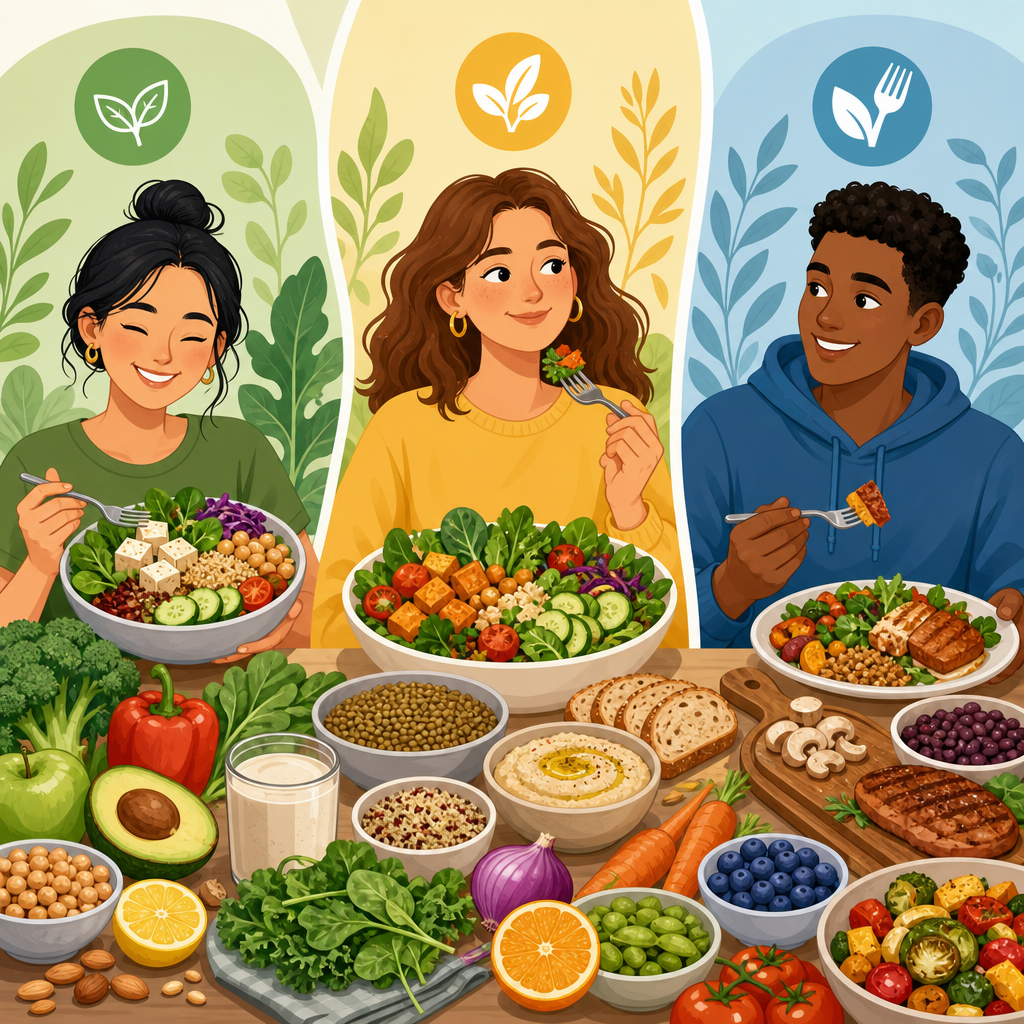
Plant-based diets have moved from niche lifestyle choices to mainstream eating patterns because they address three concerns at once: health, environmental impact, and food ethics. In practice, “plant-based” is an umbrella term, not a single diet. It includes vegan eating, which excludes all animal products; vegetarian eating, which usually excludes meat but may include eggs or dairy; and flexitarian eating, which centers plants while allowing some meat, fish, eggs, or dairy. I have worked with clients and editorial teams covering all three approaches, and the first thing I clarify is that success depends less on labels than on food quality, nutrient planning, and consistency.
Understanding these dietary lifestyles matters because people often adopt them for very different reasons and then judge results by the wrong standard. Someone choosing vegan meals for animal welfare may still need to think carefully about vitamin B12, iron absorption, and protein distribution. A person trying a flexitarian pattern for heart health needs to know that replacing red meat with refined carbohydrates will not deliver the hoped-for benefit. A vegetarian family may assume cheese pizza and pasta are enough, yet still struggle with fiber variety, omega-3 intake, or adequate zinc. The value of a plant-based diet comes from what it includes, not just what it removes.
At their best, plant-based eating patterns emphasize vegetables, fruits, legumes, whole grains, nuts, seeds, and minimally processed plant proteins such as tofu, tempeh, edamame, and lentils. Large evidence reviews consistently associate these foods with lower risk of cardiovascular disease, improved blood pressure, better blood lipid profiles, and healthier body weight patterns. At the same time, not every plant-based product is automatically healthy. I have seen many people rely heavily on sweetened oat drinks, meat substitutes high in sodium, and snack foods labeled “vegan,” then wonder why energy and lab markers do not improve. A well-built plan requires both intention and nutrition literacy.
This guide breaks down the differences between vegan, vegetarian, and flexitarian diets, explains benefits and limitations, and shows how to choose the version that fits your goals. As the central hub for plant-based diets within dietary lifestyles and special diets, it gives you the foundation needed to evaluate meal patterns, shopping choices, and long-term sustainability without confusion.
What vegan, vegetarian, and flexitarian actually mean
The clearest way to compare plant-based diets is by what foods they allow. A vegan diet excludes meat, poultry, fish, dairy, eggs, gelatin, and usually other animal-derived ingredients such as whey, casein, and honey, depending on personal preference. A vegetarian diet excludes meat, poultry, and fish, but there are subtypes. Lacto-vegetarians include dairy, ovo-vegetarians include eggs, and lacto-ovo vegetarians include both. A flexitarian diet has no rigid exclusion list. It prioritizes plant foods and reduces animal products, but still permits them in selected meals or portions.
These definitions sound simple, yet in real life they affect cooking, eating out, and nutrient planning in different ways. Vegan diets demand the most attention to food labels and meal structure, especially for B12, calcium, iodine, long-chain omega-3 fats, and sometimes protein quality if intake is too narrow. Vegetarian diets are often easier socially and nutritionally because eggs and dairy can supply complete protein, calcium, and B12, though they can also raise saturated fat intake if cheese becomes the default protein. Flexitarian diets are the most adaptable, which makes them practical for families and beginners, but that same flexibility can become vagueness if there is no clear standard for portion control or food quality.
In clinical and public health discussions, these eating patterns are not ranked by purity. They are evaluated by outcomes. If a flexitarian pattern helps someone eat beans four times a week, double vegetable intake, and cut processed meat substantially, it may be more effective than an unsustainable vegan attempt that leads to constant takeout and poor adherence. The best plant-based diet is the one that improves dietary quality and can be maintained over time.
Health benefits linked to plant-based eating
When built around whole or minimally processed foods, plant-based diets can support several measurable health outcomes. The strongest evidence is for cardiovascular health. Diets rich in legumes, whole grains, nuts, fruits, and vegetables tend to provide more soluble fiber, potassium, polyphenols, and unsaturated fats while lowering intake of saturated fat and processed meat. In practice, this often translates into lower LDL cholesterol, improved blood pressure, and reduced long-term risk of coronary heart disease. The Portfolio Diet and Mediterranean-style eating patterns both demonstrate how plant-forward eating can improve lipid profiles, even without complete elimination of animal foods.
Plant-based diets may also help with weight management because many staple foods in this category have lower energy density and higher fiber content. A bowl of lentil soup, roasted vegetables, and brown rice is generally more filling per calorie than a meal centered on fried foods or processed meats. Better blood sugar control can follow when refined carbohydrates are replaced with beans, intact grains, and high-fiber produce. That said, a vegan cookie is still a cookie. Benefits come from dietary pattern quality, not marketing claims.
Digestive health is another common advantage. Diverse plant intake feeds the gut microbiome through fermentable fibers and resistant starches. I often encourage people to count “plant points” per week, meaning different beans, grains, nuts, seeds, herbs, fruits, and vegetables, because variety matters. Someone eating broccoli daily is doing well, but someone eating broccoli, cabbage, oats, chickpeas, berries, flaxseed, and pistachios is feeding gut microbes more broadly. This diversity can support regularity, satiety, and overall dietary resilience.
Nutrients that need attention on vegan, vegetarian, and flexitarian diets
Nutrient adequacy is the question searchers ask most often, and it deserves a direct answer: yes, plant-based diets can meet nutritional needs, but some nutrients require active planning. Vitamin B12 is the most important for vegans because reliable sources are fortified foods or supplements, not unwashed produce or fermented foods. Deficiency can take years to show but has serious neurological and hematological consequences. Iron matters too, especially for menstruating adults. Plant foods provide non-heme iron from lentils, tofu, beans, pumpkin seeds, and fortified cereals, but absorption improves when paired with vitamin C sources such as citrus, peppers, or strawberries.
Protein is rarely a problem when calorie intake is adequate and meals include legumes, soy foods, dairy, eggs, nuts, seeds, and whole grains in meaningful amounts. The old rule about combining proteins within a single meal is unnecessary; meeting needs across the day is enough. Calcium can be obtained from dairy in vegetarian diets and from fortified soy milk, calcium-set tofu, tahini, almonds, and some leafy greens in vegan diets. Iodine can become a blind spot when people switch from dairy and seafood without using iodized salt or a supplement. Omega-3 fats are another nuance: flax, chia, hemp, and walnuts provide ALA, but conversion to EPA and DHA is limited, so some vegans use algae-based DHA supplements.
| Diet pattern | Main advantages | Nutrients to watch | Helpful foods or tools |
|---|---|---|---|
| Vegan | No animal products; high fiber potential; clear ethical framework | B12, iodine, calcium, iron, omega-3, zinc | Fortified plant milks, nutritional yeast, tofu, legumes, algae DHA, iodized salt |
| Vegetarian | Flexible; easier social eating; eggs and dairy can support protein and calcium | Iron, fiber variety, omega-3, excess saturated fat from cheese | Greek yogurt, eggs, beans, lentils, walnuts, chia, whole grains |
| Flexitarian | Practical entry point; easier family adoption; broad food choice | Drifting into low-plant, high-processed eating | Planned meat-free meals, bean-based dishes, portion targets, meal prep |
Common mistakes people make when switching to plant-based diets
The biggest mistake is replacing animal foods with highly processed convenience foods rather than with nutrient-dense staples. I have reviewed many food logs where breakfast became a pastry and coffee, lunch became white pasta with vegan cream sauce, and dinner became packaged meat alternatives with little produce. Technically plant-based, yes. Nutritionally strong, no. The fix is straightforward: build meals around a protein source, a fiber-rich carbohydrate, colorful produce, and a healthy fat. Think tofu stir-fry with brown rice, black bean tacos with cabbage slaw, or Greek yogurt with berries, oats, and seeds for vegetarian eaters.
Another common issue is under-eating total energy, particularly in the first weeks of a vegan transition. Whole plant foods are filling, and people accustomed to calorie-dense diets may accidentally eat too little. Low energy intake can show up as fatigue, constant hunger, poor training recovery, irritability, or later binge eating. Adding calorie-dense but nutritious foods such as nut butter, trail mix, avocado, tahini, soy yogurt, and olive oil often helps. For athletes, protein timing and total carbohydrate intake matter just as much as diet label. A runner living on salads and smoothies will struggle, regardless of ethics or intentions.
Many people also underestimate the social and practical side. Eating differently affects restaurants, holidays, travel, school lunches, and family cooking habits. Flexitarian and vegetarian approaches can reduce friction for households with mixed preferences, while vegan eaters often do best when they identify dependable staples, keep fortified foods on hand, and learn a few restaurant-safe cuisines such as Mediterranean mezze, Indian dal-based meals, or East Asian tofu dishes. Good systems beat motivation every time.
How to choose the right plant-based approach for your goals
Choosing between vegan, vegetarian, and flexitarian eating should start with your reason for changing. If your primary goal is animal welfare, a vegan pattern may align best, provided you are willing to plan for supplementation and label reading. If your goals are cardiometabolic health and easier everyday compliance, a vegetarian or flexitarian pattern may deliver most of the practical benefits with less friction. If you are cooking for a family, managing budget constraints, or transitioning from a meat-heavy diet, flexitarian eating often works as the most sustainable first step.
Budget is another real consideration. Plant-based diets can be very affordable when centered on beans, lentils, oats, rice, frozen vegetables, potatoes, peanut butter, and seasonal produce. Costs rise when the cart fills with specialty cheeses, branded meat alternatives, and prepared snacks. Time matters too. Dried beans are economical but require planning; canned beans, microwavable grains, bagged slaw, and frozen edamame can make a plant-based routine realistic on busy weekdays. I usually advise people to test one pattern for four to six weeks, monitor satiety, energy, digestion, and convenience, and then adjust rather than commit to a rigid identity immediately.
Health status may also influence choice. Someone with chronic kidney disease, inflammatory bowel symptoms, food allergies, or a history of disordered eating should not make sweeping changes without individualized guidance. More plants can still help, but texture, fiber tolerance, protein targets, sodium, and micronutrient needs may require careful tailoring. The smartest version of plant-based eating is personalized, not performative.
Building balanced meals and a sustainable long-term routine
A reliable plant-based meal formula makes daily decisions easier. Start with a protein anchor: beans, lentils, tofu, tempeh, edamame, eggs, Greek yogurt, cottage cheese, or a modest portion of fish or poultry in a flexitarian pattern. Add a high-fiber carbohydrate such as oats, quinoa, brown rice, whole-grain bread, sweet potato, or barley. Include at least one or two vegetables, add fruit somewhere in the day, and finish with a healthy fat from nuts, seeds, avocado, or olive oil. This structure supports satiety, blood sugar stability, and nutrient coverage without obsessive tracking.
Examples make the approach tangible. A vegan day might include overnight oats with soy milk, chia, and berries; a quinoa bowl with roasted chickpeas, kale, cucumber, and tahini; and tofu curry with mixed vegetables and brown rice. A vegetarian day could feature eggs with spinach and whole-grain toast, lentil soup with yogurt and salad, and bean enchiladas with avocado. A flexitarian day may look similar but include salmon with farro and broccoli at dinner or chicken added to a vegetable stir-fry once or twice a week. Notice that the foundation remains plants in every case.
To stay consistent, keep the routine simple. Stock two or three core breakfasts, several repeat lunches, and a short list of dependable dinners. Use Cronometer or another nutrient-tracking tool periodically if you want to check protein, iron, calcium, or B12 intake. Schedule blood work when appropriate, especially if you follow a long-term vegan diet. Most importantly, judge success by health markers, satisfaction, and repeatability. A plant-based diet works when it helps you eat well not just for a week, but for years.
Plant-based diets are not one rigid prescription. Vegan, vegetarian, and flexitarian patterns all sit on the same spectrum: eating more foods from plants and relying less on animal products. The differences matter because they shape nutrient planning, convenience, cost, and long-term adherence. Vegan diets require the most deliberate supplementation and label awareness, especially for vitamin B12 and related nutrients. Vegetarian diets offer a middle ground that can simplify protein and calcium intake while still emphasizing beans, grains, produce, nuts, and seeds. Flexitarian diets are often the most practical option for beginners because they improve diet quality without demanding full exclusion.
The main takeaway is simple: the health value of plant-based eating depends on food quality, meal balance, and consistency. A strong plant-based routine includes legumes, whole grains, vegetables, fruit, nuts, seeds, and fortified foods where needed. It limits the trap of replacing meat with refined starches, sugary snacks, or sodium-heavy substitutes. It also accounts for your real life, including cooking skill, family preferences, budget, and medical needs. That is why the best plan is not the most restrictive one. It is the one you can sustain while meeting your nutritional requirements.
Use this hub as your starting point for evaluating plant-based diets within the broader world of dietary lifestyles and special diets. Review your goals, choose the approach that fits them, and build from a few balanced meals you can repeat confidently. If you are ready to move forward, start with one plant-centered week of meals, assess how you feel, and refine from there.
Frequently Asked Questions
What is the difference between a vegan, vegetarian, and flexitarian diet?
The main difference comes down to how much, if any, animal-based food is included. A vegan diet excludes all animal products, including meat, poultry, fish, dairy, eggs, and often ingredients such as gelatin or certain animal-derived additives. A vegetarian diet also centers plant foods, but it usually excludes meat, poultry, and fish while still allowing some animal products depending on the type. For example, lacto-vegetarians eat dairy, ovo-vegetarians eat eggs, and lacto-ovo vegetarians include both. A flexitarian diet is the most flexible of the three. It emphasizes vegetables, fruits, beans, lentils, whole grains, nuts, and seeds, but still allows occasional or moderate amounts of meat, fish, eggs, or dairy.
From a practical standpoint, all three approaches can support better eating habits when they are built around minimally processed plant foods. The key is understanding that “plant-based” is not one rigid rulebook. It is a spectrum. Some people choose vegan eating for ethical reasons, some prefer vegetarian eating because it feels easier to maintain socially and nutritionally, and others adopt a flexitarian approach because it gives them room to improve their health and reduce environmental impact without making a complete break from animal foods. The best choice is usually the one that matches your health goals, lifestyle, values, budget, and ability to stay consistent long term.
Are plant-based diets actually healthy, and can they provide all the nutrients your body needs?
Yes, plant-based diets can absolutely be healthy and nutritionally complete, but they need to be planned with intention. One of the biggest advantages of well-balanced plant-based eating is that it often increases intake of fiber, antioxidants, vitamins, minerals, and beneficial plant compounds while reducing reliance on heavily processed meats and high amounts of saturated fat. Research consistently links thoughtfully designed plant-forward eating patterns with benefits such as improved heart health, better blood sugar control, lower blood pressure, healthier cholesterol levels, and support for weight management.
That said, not every plant-based diet is automatically healthy. A diet full of refined grains, sugary snacks, fried foods, and ultra-processed meat substitutes can still fall short nutritionally. The foundation should be whole or minimally processed foods such as beans, lentils, tofu, tempeh, vegetables, fruits, oats, brown rice, quinoa, nuts, seeds, and healthy fats. Nutrients that deserve special attention include protein, iron, vitamin B12, calcium, vitamin D, omega-3 fats, zinc, and iodine. For vegans in particular, vitamin B12 supplementation is generally essential because it is not reliably available from plant foods alone. With smart meal planning and, when needed, targeted supplementation, plant-based diets can meet nutritional needs at every stage of life.
How do you get enough protein on a plant-based diet?
Protein is one of the most common concerns, but for most people it is very manageable on a plant-based diet. Good plant protein sources include beans, lentils, chickpeas, tofu, tempeh, edamame, soy milk, seitan, peas, nuts, seeds, and whole grains. Dairy and eggs can also contribute protein if someone follows a vegetarian or flexitarian pattern. The idea that you must eat animal products to get enough protein is outdated. What matters more is your total protein intake across the day and the variety of foods you include regularly.
It is also helpful to think beyond just the total grams. Plant proteins come packaged with fiber and other beneficial nutrients, but some are lower in certain essential amino acids than animal proteins. In real life, this is rarely a problem if you eat a range of protein-containing foods over the course of the day. You do not need to “combine proteins” perfectly at every meal. A bowl with lentils and rice, oatmeal with soy milk and chia seeds, tofu stir-fry with vegetables, or Greek yogurt with nuts and fruit can all contribute meaningfully. People with higher protein needs, such as athletes, older adults, or those trying to preserve muscle while losing weight, may need to be more deliberate, but it is still very achievable with good planning.
What are the biggest mistakes people make when switching to a plant-based diet?
One of the most common mistakes is making the change too narrowly, simply by removing animal foods without replacing them with nutrient-dense alternatives. For example, someone may cut out meat and end up eating mostly pasta, bread, chips, or convenience foods, which can leave them feeling hungry, tired, and unsatisfied. Another frequent issue is not eating enough overall, especially in the beginning. Plant foods can be high in volume and fiber but lower in calories, so people sometimes unintentionally undereat when they first transition. This can lead to fatigue, cravings, and the false impression that plant-based eating “doesn’t work” for them.
Other mistakes include ignoring key nutrients, relying too heavily on highly processed meat substitutes, and expecting perfection right away. A more sustainable transition usually involves building meals around a clear structure: a protein source, a high-fiber carbohydrate, healthy fat, and plenty of produce. It also helps to prepare for everyday situations such as dining out, travel, family meals, and busy workweeks. For many people, especially beginners, a flexitarian or gradual approach works better than an all-or-nothing shift. The most successful plant-based eaters tend to focus on consistency, variety, and practicality rather than rigid food rules.
Which plant-based approach is best for health, sustainability, and long-term success?
There is no single best approach for everyone, because the right diet has to work not only on paper but also in real life. From a health perspective, vegan, vegetarian, and flexitarian diets can all be beneficial when they prioritize whole foods and meet nutritional needs. From an environmental standpoint, diets that reduce animal food intake generally have a lower impact, with vegan diets typically producing the smallest footprint, followed by vegetarian and then flexitarian patterns. Ethically, some people prefer veganism because it avoids animal products altogether, while others feel comfortable reducing rather than eliminating them.
For long-term success, the most effective approach is usually the one you can maintain consistently without creating unnecessary stress, nutritional gaps, or social burnout. A vegan diet may be the best fit for someone strongly motivated by ethics and willing to plan carefully. A vegetarian diet may offer a balance of simplicity and nutritional ease for others. A flexitarian diet can be an excellent entry point for people who want meaningful health and environmental benefits without strict restriction. In practice, progress matters more than labels. Eating more plants more often, choosing higher-quality foods, and building habits you can sustain over time will usually deliver more benefit than chasing the “perfect” dietary identity.