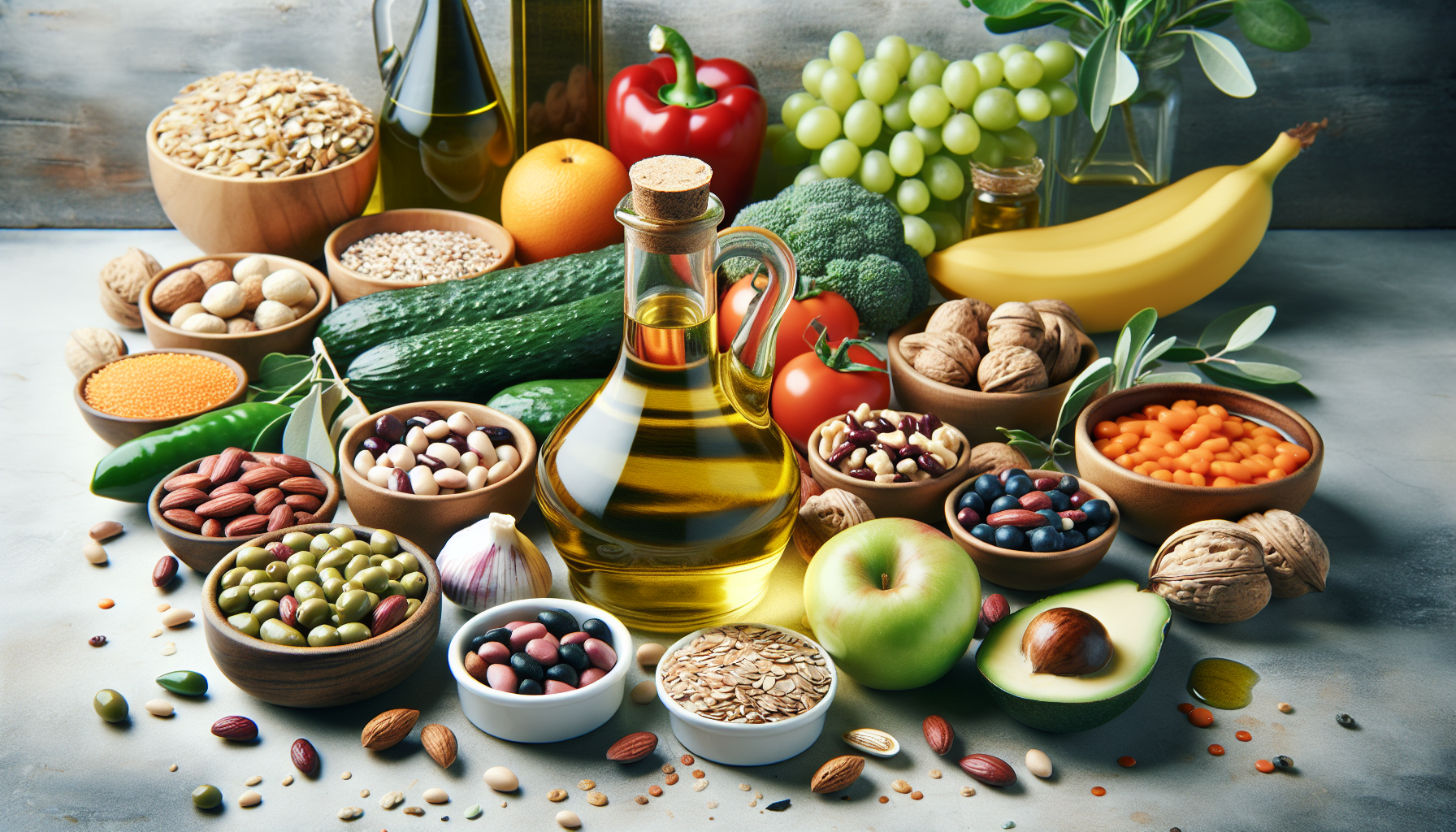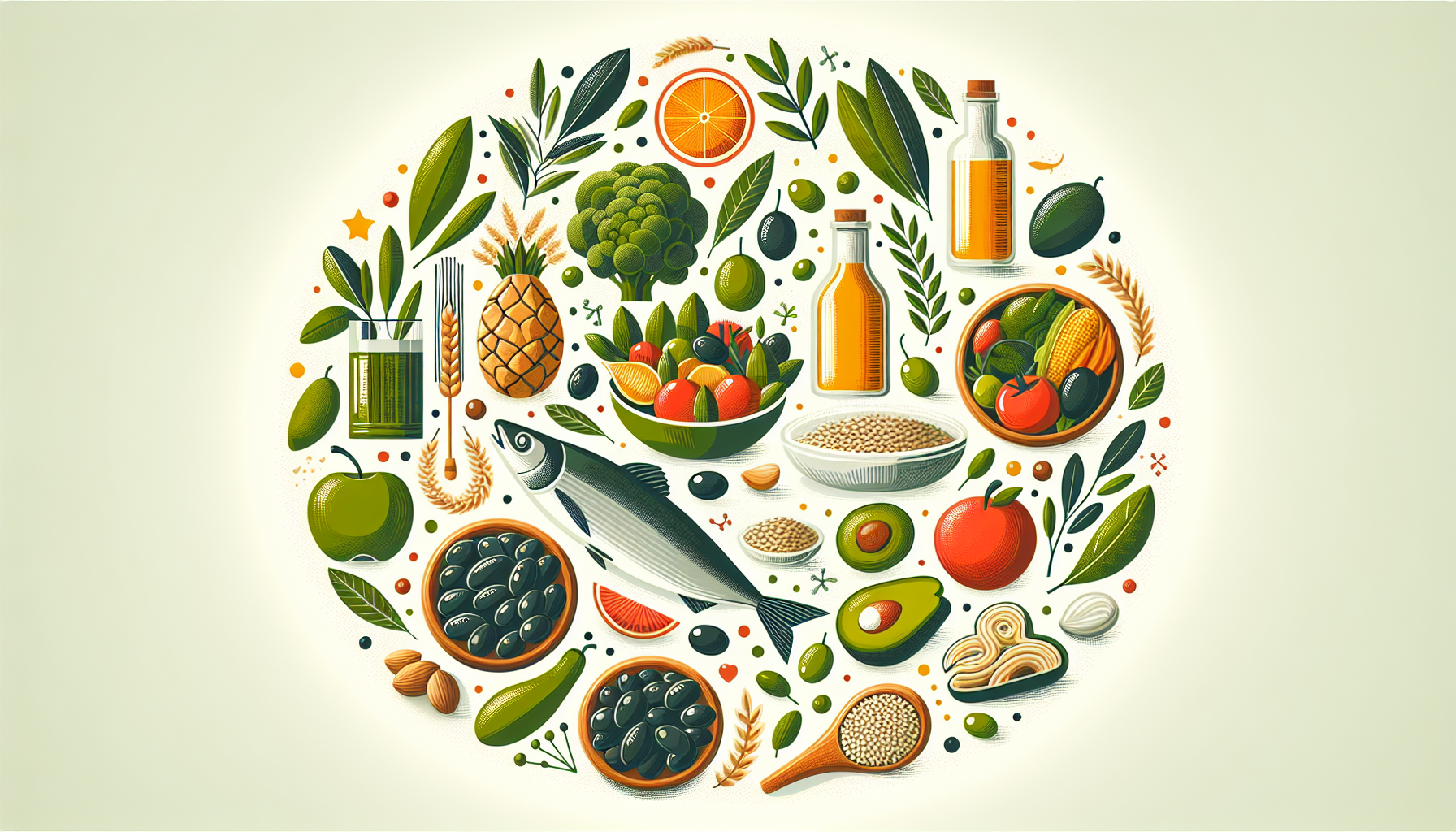
The Mediterranean diet is one of the most studied eating patterns in the world because it combines strong evidence, practical flexibility, and measurable health benefits. In clinical practice and content work around nutrition, I have seen few dietary approaches that are as consistently recommended by physicians, dietitians, and public health organizations. At its core, the Mediterranean diet is not a rigid meal plan. It is a pattern of eating based on the traditional food cultures of countries bordering the Mediterranean Sea, especially Greece, southern Italy, and parts of Spain. It emphasizes vegetables, fruits, legumes, whole grains, nuts, seeds, olive oil, herbs, seafood, and moderate amounts of fermented dairy, while limiting ultra-processed foods, added sugars, and excessive red meat.
Understanding Mediterranean diet benefits starts with defining what makes the pattern distinct. Most calories come from minimally processed foods rather than packaged products. Fat intake is centered on extra virgin olive oil, a rich source of monounsaturated fats and polyphenols. Protein is diversified across beans, lentils, fish, yogurt, eggs, and smaller portions of poultry, instead of relying heavily on processed meats. Meals are often built around fiber-rich plant foods, which improve satiety and support metabolic health. Lifestyle factors matter too: shared meals, regular movement, and a sustainable approach to eating are part of the broader pattern.
Why does this matter? Because many people want an eating style that improves heart health, helps with weight management, supports long-term brain and gut function, and still feels realistic enough to follow for years. The Mediterranean diet answers that need. It has been associated with lower cardiovascular risk, better blood sugar control, reduced inflammation, and improved diet quality overall. Unlike short-term diets that depend on strict elimination rules, this approach works by improving food quality and eating habits at the same time. That combination explains why the Mediterranean diet remains a cornerstone of preventive nutrition and a reliable foundation for healthier daily eating.
What the Mediterranean Diet Includes and Why It Works
The Mediterranean diet works because it improves several biological systems at once instead of chasing a single nutrient target. In practice, a typical plate includes a large serving of vegetables, a whole grain such as farro or brown rice, a protein source like salmon or chickpeas, and olive oil used in cooking or dressing. Fruit often replaces dessert, and water is the default beverage. This pattern increases intake of fiber, potassium, magnesium, omega-3 fats, antioxidants, and polyphenols while reducing refined carbohydrates, sodium from packaged foods, and pro-inflammatory additives common in ultra-processed products.
Researchers often point to synergy as the reason the diet performs so well. Olive oil alone is useful, but olive oil combined with leafy greens, tomatoes, beans, nuts, and fish creates a broader anti-inflammatory and cardioprotective effect. The landmark PREDIMED trial, conducted in Spain, found that a Mediterranean-style eating pattern supplemented with extra virgin olive oil or nuts reduced major cardiovascular events in high-risk adults compared with a lower-fat control approach. The lesson is important: the benefits come from the total dietary pattern, not from a single “superfood.”
Another reason it works is adherence. I have reviewed many restrictive diet plans that look effective on paper but fail in real life because people cannot sustain them. The Mediterranean model is different. It allows cultural adaptation, family meals, restaurant flexibility, and a wide range of cuisines. Someone can follow it with Greek lentil soup, Spanish sardines and tomato salad, Italian minestrone, or a simple bowl of roasted vegetables, quinoa, and tahini. The structure is clear, but the choices remain broad enough to fit ordinary life.
Cardiovascular Benefits and Blood Pressure Support
The strongest evidence for Mediterranean diet benefits is in cardiovascular health. This pattern helps lower risk through multiple mechanisms: it improves lipid profiles, reduces oxidative stress, supports endothelial function, and lowers chronic inflammation. Extra virgin olive oil and nuts provide unsaturated fats that can help reduce LDL cholesterol when they replace saturated fats from fatty cuts of meat, butter, and many processed snacks. Fatty fish such as salmon, sardines, and mackerel contribute EPA and DHA, which support triglyceride control and vascular health.
Blood pressure can improve because the diet naturally raises intake of potassium-rich foods like beans, greens, tomatoes, oranges, and yogurt while lowering dependence on heavily salted packaged meals. The emphasis on herbs, garlic, onion, lemon, and vinegar also makes lower-sodium cooking more satisfying. For many adults, especially those with hypertension or metabolic syndrome, this change is clinically meaningful. Even modest reductions in systolic blood pressure can lower long-term risk of stroke and heart attack.
In real-world terms, the diet replaces common risk-driving meals with protective ones. A fast-food lunch of fries, a burger, and soda may be swapped for grilled fish, olive oil-dressed salad, whole grain bread, and fruit. Breakfast can move from pastries and sweetened coffee to plain yogurt with walnuts and berries. Over months, these substitutions reduce excess calories, improve nutrient density, and create better cardiometabolic markers. That is why major organizations such as the American Heart Association consistently align with Mediterranean-style principles when advising patients on heart-healthy eating.
Weight Management, Metabolic Health, and Diabetes Prevention
Many people ask whether the Mediterranean diet helps with weight loss. The direct answer is yes, but not because it is aggressively low in calories. It supports weight management by improving fullness, stabilizing blood sugar, and making meals more satisfying. High-fiber foods such as beans, vegetables, oats, and whole grains slow digestion. Healthy fats from olive oil, nuts, and seeds increase satiety. Protein from fish, yogurt, eggs, and legumes helps preserve lean mass during calorie reduction. This combination often leads to lower spontaneous calorie intake without the fatigue that accompanies highly restrictive plans.
For people with insulin resistance or type 2 diabetes risk, the Mediterranean diet is especially valuable. Replacing refined grains and sugary foods with fiber-rich carbohydrates and balanced meals reduces post-meal glucose spikes. In practice, that means choosing lentil stew over white pasta with creamy sauce, or pairing fruit with nuts instead of eating sweets alone. Clinical studies have shown improvements in hemoglobin A1c, fasting glucose, and waist circumference when Mediterranean dietary patterns are followed consistently.
| Common Habit | Mediterranean Swap | Likely Benefit |
|---|---|---|
| Sugary cereal breakfast | Greek yogurt, oats, berries, walnuts | Better satiety and steadier blood sugar |
| Deli meat sandwich and chips | Hummus, vegetables, whole grain pita, fruit | More fiber, less sodium, improved nutrient density |
| Creamy pasta dinner | Whole grain pasta with olive oil, tomatoes, white beans | Lower saturated fat and stronger fullness |
| Cookies as a snack | Apple slices with almonds | Reduced added sugar and better appetite control |
Weight outcomes still depend on portion size, sleep, stress, and total energy intake, so the Mediterranean diet is not magical. Olive oil and nuts are nutrient-dense but calorie-dense. I often tell readers to think in terms of replacement, not addition. Use olive oil instead of butter, nuts instead of candy, beans instead of processed meat. When that principle is followed, the diet supports sustainable fat loss and better metabolic health without the rebound pattern seen with many short-lived dieting cycles.
Brain Health, Inflammation, and Healthy Aging
Another major reason for the diet’s reputation is its connection to healthy aging. Mediterranean diet benefits extend beyond weight and cholesterol because the pattern supports the brain, immune system, and cellular health over time. Polyphenol-rich foods such as olive oil, berries, leafy greens, cocoa, herbs, and legumes help reduce oxidative stress. Omega-3 fats from fish support neuronal membranes. B vitamins from beans and whole grains contribute to normal energy metabolism and nervous system function. Together, these factors create a nutritional environment linked with better cognitive resilience.
Observational research has repeatedly associated higher adherence to Mediterranean-style eating with lower rates of cognitive decline and better performance on memory-related measures. While no diet can guarantee dementia prevention, the combination of vascular protection and anti-inflammatory food choices makes biological sense. What protects blood vessels often protects the brain as well. This is especially relevant because hypertension, diabetes, obesity, and chronic inflammation are all established risk factors for later cognitive problems.
Healthy aging also includes maintaining muscle, digestive comfort, and quality of life. Older adults often benefit from the diet’s emphasis on protein variety, softer cooked vegetables, soups, legumes, yogurt, and olive oil-based meals that are easy to digest and nutrient-rich. In households I have seen adopt this pattern successfully, the biggest advantage is that one style of eating can serve adults across different life stages. Children, working adults, and older family members can share the same core meals with minor adjustments in portion size and protein needs.
Gut Health, Food Quality, and Everyday Sustainability
The Mediterranean diet supports gut health because it delivers a wide range of fibers and plant compounds that feed beneficial intestinal microbes. Legumes, onions, garlic, asparagus, oats, apples, and leafy greens all provide substrates that help produce short-chain fatty acids such as butyrate, which supports the intestinal lining. Fermented dairy like yogurt can add live cultures, and the lower reliance on ultra-processed foods may reduce some of the additives and emulsifiers that are being studied for their impact on the gut environment.
Food quality is another overlooked benefit. When people adopt this pattern seriously, they usually start cooking more, reading ingredient lists, and planning meals around core staples. A pantry built on olive oil, canned beans, lentils, tuna, tomatoes, whole grains, nuts, herbs, and spices makes healthy choices easier. Frozen vegetables and berries also fit well, which keeps the diet accessible and budget-friendly. Freshness matters, but convenience matters too. The best version of the Mediterranean diet is the one a household can repeat every week.
From a sustainability standpoint, the diet tends to emphasize more plant proteins and less red meat, which can reduce environmental impact compared with meat-heavy eating patterns. That said, affordability varies by region. Fish, nuts, and olive oil can be expensive. Practical substitutes help: canned sardines instead of fresh salmon, peanuts or sunflower seeds when walnuts cost too much, dried beans in place of pricier animal proteins. The principle is nutrient-dense, minimally processed eating, not buying luxury ingredients.
How to Start the Mediterranean Diet and Avoid Common Mistakes
Starting the Mediterranean diet does not require throwing out everything in your kitchen. The most effective transition is gradual and specific. Begin with three changes: cook with extra virgin olive oil instead of butter for most meals, add a serving of vegetables to lunch and dinner, and include beans or lentils at least three times each week. Then upgrade breakfast, snacks, and protein choices. A simple breakfast might be eggs with spinach and whole grain toast, or plain yogurt with fruit and seeds. For dinner, build a plate around vegetables and legumes first, then add fish, chicken, or whole grains as needed.
The most common mistake is turning the diet into a label rather than a pattern. Pizza with extra cheese, white-flour pastries, and processed deli meats are not health-promoting just because they are associated with Mediterranean countries. Another mistake is overdoing calorie-dense foods. Olive oil, nuts, cheese, and wine can fit, but portions still matter. Wine is optional, not required, and many people should avoid alcohol entirely because of medication interactions, liver disease, pregnancy, or personal risk factors. Water, sparkling water, and unsweetened coffee or tea work perfectly well.
Consistency beats perfection. If you want the full Mediterranean diet benefits, focus on weekly habits: more plants, better fats, less processed food, smarter protein choices, and meals you can repeat. Start with a shopping list and two or three reliable dishes, such as chickpea salad, baked salmon with vegetables, or lentil soup with whole grain bread. Once those become routine, the diet stops feeling like a plan and starts functioning as a sustainable way to eat. That is the real advantage, and it is why this approach remains a strong hub for anyone exploring healthier dietary lifestyles and special diets.
Frequently Asked Questions
What is the Mediterranean diet, and how is it different from a typical “diet”?
The Mediterranean diet is best understood as a long-term eating pattern rather than a short-term weight-loss program. It is based on the traditional food habits of countries bordering the Mediterranean Sea, where meals have historically centered on vegetables, fruits, beans, lentils, whole grains, nuts, seeds, olive oil, herbs, and moderate amounts of fish and dairy. Instead of relying on strict rules, calorie counting, or elimination of entire food groups, it emphasizes food quality, balance, and consistency over time.
What makes it different from many popular diets is its flexibility and sustainability. There is no single “Mediterranean diet menu” that everyone must follow. Rather, the pattern encourages people to eat more minimally processed plant foods, use extra virgin olive oil as a primary fat, include seafood regularly, and limit highly processed foods, refined sugars, and excessive red or processed meat. This makes it easier to adapt to different cultures, budgets, and preferences while still preserving the core health benefits.
Another important difference is that the Mediterranean diet is supported by a large body of research. It is consistently associated with improved heart health, better metabolic health, and lower risk of several chronic diseases. For many people, that evidence-based foundation is a major reason it is so widely recommended by physicians, dietitians, and public health experts. In practice, it is less about “going on a diet” and more about building a healthier relationship with everyday eating.
What are the main health benefits of following a Mediterranean diet?
The Mediterranean diet is one of the most researched eating patterns in nutrition, and its benefits are broad and well established. The strongest evidence is for cardiovascular health. People who follow this pattern tend to have lower rates of heart disease, improved cholesterol profiles, healthier blood pressure levels, and reduced inflammation. This is likely due to the combination of fiber-rich plant foods, healthy fats from olive oil and nuts, omega-3 fats from fish, and lower intake of ultra-processed foods.
Beyond heart health, the Mediterranean diet is associated with better blood sugar control and a lower risk of type 2 diabetes. Meals built around vegetables, legumes, whole grains, and healthy fats are generally more filling and tend to support steadier energy levels compared with diets high in refined carbohydrates and sugary foods. Over time, this pattern can help support insulin sensitivity and make it easier to maintain a healthy weight without extreme restriction.
There is also growing evidence linking the Mediterranean diet with brain health and healthy aging. Research suggests it may help protect cognitive function and may be associated with lower risk of memory decline as people get older. In addition, some studies suggest benefits for gut health, liver health, and even mood. While no eating pattern can guarantee disease prevention, the Mediterranean diet stands out because it offers measurable health advantages in multiple areas while remaining practical enough for real life.
Can the Mediterranean diet help with weight loss?
Yes, the Mediterranean diet can support weight loss, but it is most accurate to say that it supports healthy, sustainable weight management. Unlike highly restrictive diets that may produce rapid short-term results, the Mediterranean approach works by improving the overall quality of what you eat. Meals based on vegetables, legumes, whole grains, lean proteins, nuts, seeds, and olive oil are often more satisfying, which can naturally help reduce overeating and make it easier to maintain a calorie deficit when weight loss is the goal.
One reason this pattern works well for many people is that it does not create the sense of deprivation that often leads to rebound eating. You are still eating enjoyable, flavorful foods, and the diet includes a wide variety of textures and ingredients. Fiber from plant foods and protein from fish, yogurt, beans, and other staples can promote fullness, while healthy fats help meals feel more complete. That combination often makes it easier to stay consistent compared with rigid diet plans.
That said, the Mediterranean diet is not automatically low in calories. Olive oil, nuts, cheese, and even whole grains are nutritious, but portions still matter if weight loss is the objective. The most effective approach is to use Mediterranean principles while paying attention to meal balance, portion size, and overall lifestyle habits such as sleep, movement, and stress management. For many people, the real advantage is that this is a way of eating they can continue for years, which is exactly what long-term weight success usually requires.
What foods should you eat more often, and what foods should you limit on a Mediterranean diet?
The Mediterranean diet encourages eating a wide range of whole or minimally processed foods on a regular basis. Foods to emphasize include vegetables, fruits, beans, lentils, chickpeas, whole grains such as oats, brown rice, barley, and whole wheat, along with nuts and seeds. Extra virgin olive oil is typically the main added fat. Fish and seafood are encouraged regularly, especially varieties rich in omega-3 fats, while yogurt and cheese are usually included in moderate amounts. Herbs, spices, garlic, onions, and citrus are often used to build flavor instead of relying heavily on salt or processed sauces.
Foods to limit include highly processed snacks, sugary drinks, desserts, refined grains, fast food, and packaged meals that are high in sodium, additives, and unhealthy fats. Red meat is generally eaten less often than in many Western eating patterns, and processed meats such as bacon, sausage, and deli meats are minimized. The goal is not perfection or total elimination, but a clear shift in the overall balance of the diet toward nutrient-dense foods that support long-term health.
A helpful way to think about it is this: the Mediterranean diet is built around what you should add more of, not just what you should avoid. A plate that includes roasted vegetables, beans or fish, a whole grain, olive oil, and fresh herbs fits the pattern well. By contrast, a routine based on fried foods, sugary cereals, processed meats, and packaged snacks moves away from it. This positive, food-first framework is one reason the Mediterranean diet feels realistic and enjoyable for so many people.
Is the Mediterranean diet practical for busy lifestyles, families, and different budgets?
Yes, one of the biggest strengths of the Mediterranean diet is that it is highly practical when approached the right way. Because it is a pattern rather than a strict formula, it can be adapted to family meals, meal prep routines, and varying schedules. A Mediterranean-style week does not need to involve complicated recipes. Simple meals such as vegetable omelets, Greek yogurt with fruit and nuts, lentil soup, whole grain wraps with hummus, salmon with roasted vegetables, or pasta tossed with olive oil, beans, and greens can all fit the approach.
It can also work on a budget. While foods like fresh fish and specialty items can be expensive, many Mediterranean staples are among the most affordable foods available. Beans, lentils, chickpeas, oats, brown rice, canned sardines, frozen vegetables, plain yogurt, eggs, and seasonal produce are often cost-effective choices. Buying olive oil in larger sizes, using canned beans for convenience, and relying on frozen fruit and vegetables can make the diet much more accessible without compromising its overall quality.
For families, the Mediterranean diet can simplify mealtime because it focuses on familiar building blocks instead of separate “diet foods.” A dinner of grilled chicken or fish, roasted potatoes, salad, fruit, and yogurt can work for nearly everyone at the table. For busy adults, planning around a few reliable staples each week often makes the biggest difference. Keeping olive oil, canned beans, whole grains, nuts, eggs, frozen vegetables, and easy proteins on hand allows you to put together Mediterranean-style meals quickly. In real-world settings, that flexibility is exactly why this eating pattern remains one of the most practical and consistently recommended approaches to better health.