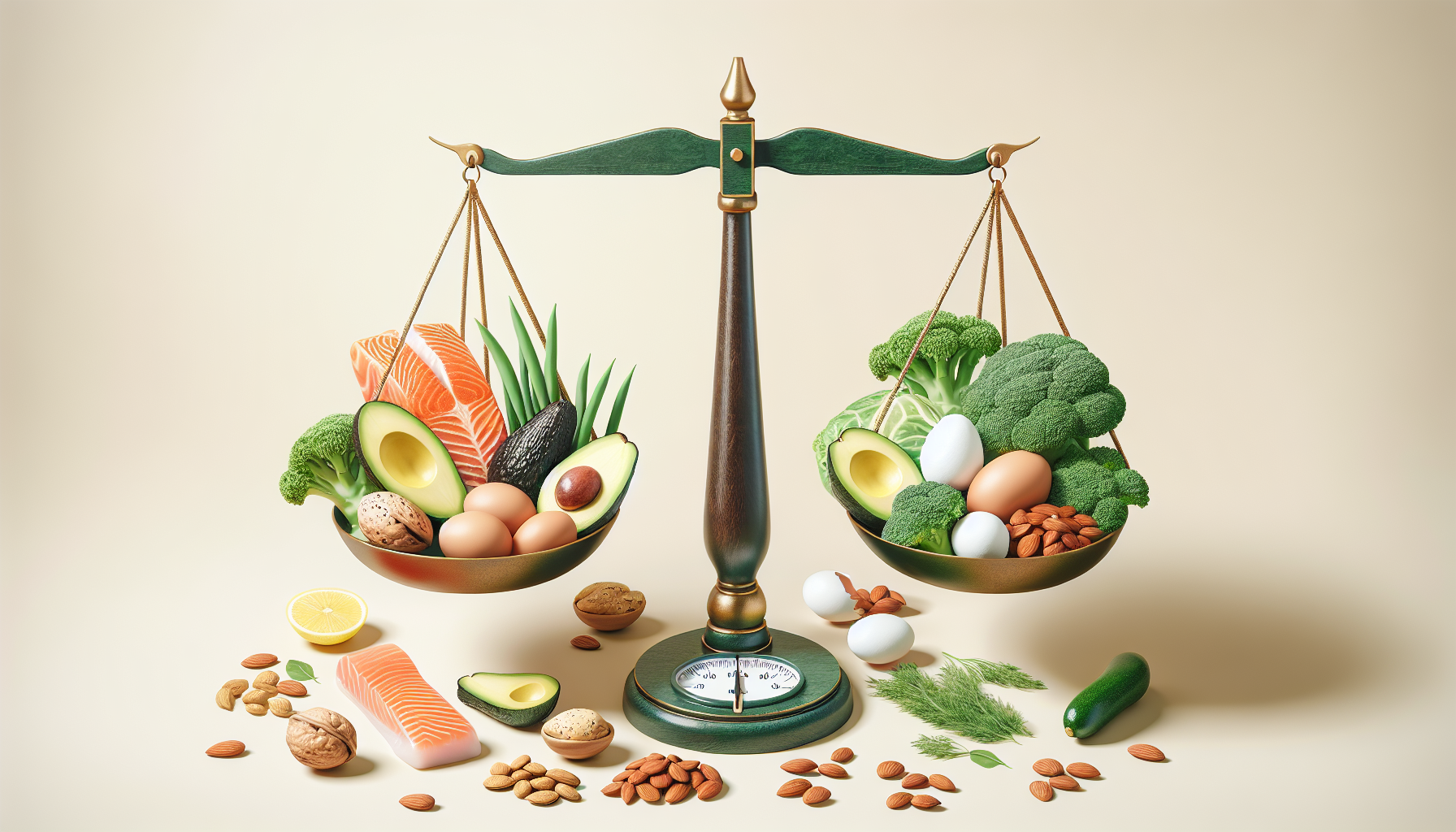
The Mediterranean diet benefits are among the most thoroughly studied in nutrition science, which is why this eating pattern appears again and again in clinical guidelines, preventive care discussions, and public health advice. In practice, the Mediterranean diet is not a rigid meal plan. It is a dietary pattern built around vegetables, fruits, legumes, whole grains, nuts, seeds, olive oil, herbs, moderate amounts of fish and dairy, and limited intake of red meat, refined grains, and highly processed foods. Wine is sometimes included in traditional descriptions, but it is not required, and no one should start drinking for health reasons.
When people ask what the Mediterranean diet benefits really are, they usually mean three questions: does it help people live longer, can it reduce disease risk, and is it realistic in daily life. Based on decades of observational research, randomized trials, and long-term population data, the answer is yes on all three counts, with an important caveat: benefits depend on the quality of the foods chosen and the consistency of the pattern over time. Simply adding olive oil to a poor diet is not the same as following a true Mediterranean-style approach.
I have worked with clients who came to this pattern after trying restrictive diets that produced short-term weight loss and long-term frustration. What changed outcomes was not perfection. It was the shift toward staple foods that improved satiety, meal structure, blood sugar control, and enjoyment. That combination matters because adherence predicts results. The Mediterranean pattern succeeds partly because it is nutritionally robust and partly because people can sustain it without counting every calorie or cutting out entire food groups.
Scientists often describe the Mediterranean diet as a high-quality dietary pattern rather than a branded program. That distinction matters. It emphasizes food synergy: fiber, unsaturated fats, polyphenols, minerals, and plant compounds working together. Instead of focusing on one nutrient, researchers look at the combined effect of repeated food choices. This is why the Mediterranean diet is associated with improvements across many systems at once, including cardiovascular, metabolic, cognitive, and digestive health. It is also why this topic sits at the center of any broader discussion of dietary lifestyles and special diets.
Cardiovascular protection is the best-established Mediterranean diet benefit
The strongest scientific case for the Mediterranean diet is in heart health. Major studies, including the landmark PREDIMED trial conducted in Spain, found that a Mediterranean-style eating pattern supplemented with extra-virgin olive oil or nuts reduced major cardiovascular events in people at high risk. That outcome matters more than isolated lab markers because it reflects real clinical endpoints: heart attack, stroke, and cardiovascular death. The mechanism is not mysterious. This pattern improves lipid quality, reduces inflammation, supports endothelial function, and lowers blood pressure when implemented well.
Extra-virgin olive oil plays a central role because it provides monounsaturated fat and polyphenols, which are associated with lower oxidation of LDL particles and better vascular function. Nuts add unsaturated fats, magnesium, plant sterols, and fiber. Legumes and whole grains help replace refined carbohydrates that can worsen triglycerides and glycemic variability. Fish contributes omega-3 fats, especially when fatty fish such as sardines, salmon, trout, or mackerel appear regularly. Together, these foods change the dietary fat profile and improve nutrient density without relying on extreme restriction.
In practical terms, I see cardiovascular improvement when people make concrete swaps: olive oil for butter, beans for processed deli meat, oats or barley for sugary breakfast foods, and fruit plus yogurt for packaged desserts. These changes often lower saturated fat from low-quality sources while increasing fiber and potassium. For adults with elevated LDL cholesterol or hypertension, the Mediterranean pattern is not a cure-all, but it is one of the most evidence-based dietary foundations available and often works well alongside exercise, sleep improvement, and prescribed medications.
Metabolic health, weight management, and diabetes prevention
Another major reason people search for Mediterranean diet benefits is weight management. The evidence here is solid but often misunderstood. The Mediterranean diet is not automatically low calorie, and it includes energy-dense foods such as olive oil, nuts, cheese, and bread. Yet studies consistently show that it can support weight loss or weight maintenance because it improves satiety, reduces reliance on ultra-processed foods, and makes meals more satisfying. People tend to eat more slowly, consume more fiber, and maintain the pattern longer than highly restrictive diets.
For blood sugar control, the Mediterranean pattern performs well because it emphasizes carbohydrate quality. Beans, lentils, intact whole grains, vegetables, and fruit generally create a steadier post-meal glucose response than refined starches and sugary snacks. In people with prediabetes or type 2 diabetes, this can translate into better hemoglobin A1c, improved insulin sensitivity, and fewer dramatic energy swings across the day. The effect is strongest when the diet is combined with adequate protein, regular activity, and portion awareness for refined grains, sweets, and alcohol.
The pattern also lowers the likelihood that weight loss efforts turn into nutrient-poor eating. Someone trying to reduce calories can still build meals around Greek yogurt, chickpeas, tomatoes, cucumbers, olive oil, fish, berries, and roasted vegetables. That protects protein intake, fiber intake, and micronutrients while preserving flavor. In real life, that matters because diets fail when they become socially isolating or monotonous. The Mediterranean style is flexible enough for family meals, restaurant dining, and different cultural food traditions, which improves long-term consistency.
| Core food choice | Primary nutrient advantage | Likely practical benefit |
|---|---|---|
| Extra-virgin olive oil | Monounsaturated fat and polyphenols | Better fat quality and flavorful cooking |
| Legumes | Fiber, plant protein, magnesium | Greater fullness and steadier blood sugar |
| Fatty fish | Omega-3 fatty acids | Cardiovascular and anti-inflammatory support |
| Whole grains | Fiber, B vitamins, slower digestion | Improved satiety and energy stability |
| Nuts and seeds | Unsaturated fats, minerals, plant compounds | Snack quality improvement and heart support |
| Vegetables and fruit | Fiber, potassium, antioxidants | Higher nutrient density and digestive health |
Brain health, inflammation, and healthy aging
Interest in Mediterranean diet benefits has expanded beyond the heart because researchers now connect this pattern with cognitive resilience and healthier aging. Observational studies have linked stronger adherence to lower rates of cognitive decline and, in some cohorts, lower risk of Alzheimer’s disease or dementia-related outcomes. Nutrition cannot eliminate neurodegenerative risk, but it can influence vascular health, oxidative stress, insulin signaling, and chronic inflammation, all of which affect the brain. A diet that protects blood vessels often protects the brain as well.
Several features explain that connection. Olive oil, berries, leafy greens, herbs, nuts, beans, and fish provide compounds associated with anti-inflammatory and antioxidant effects. These foods also help limit displacement by ultra-processed products high in sodium, refined starch, and industrial additives. In counseling settings, I often frame this simply: the Mediterranean pattern supports the body systems that age the fastest when diet quality is poor. That includes the brain, joints, blood vessels, liver, and digestive tract. The goal is not a miracle food but a low-inflammatory baseline.
Healthy aging also includes preservation of muscle, bone, and function. Mediterranean-style eating can support those outcomes when protein sources are chosen well and meals include dairy, legumes, seafood, eggs, or poultry according to individual needs. Older adults should pay particular attention to protein distribution, vitamin D, calcium, and total energy intake, because eating too little can undermine strength even if food quality is high. The best version of this pattern is not sparse or ascetic. It is abundant in nutrient-dense foods and adequate in protein.
Digestive health, gut microbiome support, and cancer-related research
The Mediterranean diet benefits digestive health largely because the pattern raises intake of diverse fibers and plant compounds. A plate that includes beans, vegetables, fruit, herbs, nuts, seeds, and whole grains feeds different microbial species in the gut. That diversity matters because the gut microbiome helps produce short-chain fatty acids, influences immune signaling, and may affect everything from bowel regularity to metabolic health. Diets dominated by ultra-processed foods tend to narrow that diversity. Mediterranean-style eating usually moves in the opposite direction.
People often notice practical digestive improvements before they notice lab changes. More regular bowel movements, less dependence on convenience foods, better meal timing, and easier appetite control are common. That said, a rapid increase in fiber can cause bloating if someone jumps from a low-fiber diet to large portions of beans, whole grains, and cruciferous vegetables overnight. The fix is gradual progression, more fluids, and cooking methods that improve tolerance, such as soaking legumes, using canned beans rinsed well, or choosing fermented dairy when it suits the individual.
Cancer research is more complex than heart research, but the overall pattern is encouraging. Higher adherence to Mediterranean-style eating has been associated in many studies with lower risk of certain cancers and lower all-cause mortality. The most plausible explanation is not one “superfood” but the combined effect of higher plant intake, healthier fat sources, lower processed meat intake, better weight control, and reduced chronic inflammation. This does not make the Mediterranean diet a treatment for cancer, but it is a credible long-term strategy that aligns with general risk-reduction principles.
What counts as a true Mediterranean diet and how to apply it daily
A common mistake is labeling any meal with feta, hummus, or olive oil as Mediterranean. A true Mediterranean dietary pattern is defined by frequency, proportion, and overall structure. Most meals center on plants. Olive oil is the main culinary fat. Legumes appear regularly, not occasionally. Whole grains are chosen more often than refined grains. Fish is common, red meat is limited, and sweets are more occasional than routine. Herbs, garlic, onions, tomatoes, citrus, yogurt, and nuts build flavor so the pattern remains satisfying without heavy dependence on processed sauces.
For most households, implementation works best through routines rather than recipes alone. Stock extra-virgin olive oil, canned beans, lentils, plain yogurt, frozen vegetables, oats, nuts, fruit, whole-grain bread, and a few reliable fish options. Build meals with a repeatable formula: vegetables plus protein plus high-quality carbohydrate plus healthy fat. A simple dinner might be baked salmon, farro, roasted peppers, and salad with olive oil. A low-cost lunch might be lentil soup, whole-grain toast, cucumber, and fruit. These meals are not trendy; they are effective.
There are limitations. People with kidney disease, celiac disease, food allergies, IBS, or specific medical conditions may need modifications. Budget can also be a concern, though staples such as beans, sardines, seasonal produce, potatoes, oats, and brown rice make the pattern accessible. The key lesson from the science is straightforward: Mediterranean diet benefits come from a durable food pattern, not a short detox, supplement stack, or imported ingredient list. If you want the benefits, start with one week of realistic swaps and build from there. Consistency, not perfection, is what turns this evidence-based approach into lasting health results.
Frequently Asked Questions
What are the main health benefits of the Mediterranean diet according to scientific research?
The Mediterranean diet is widely supported by nutrition science because it is consistently linked with better long-term health outcomes. Research has shown that this eating pattern may help reduce the risk of cardiovascular disease, improve cholesterol levels, support healthy blood pressure, and lower markers of chronic inflammation. It has also been associated with improved blood sugar control and a reduced risk of developing type 2 diabetes. In addition, many studies suggest that following a Mediterranean-style eating pattern may support brain health, healthy aging, and overall longevity.
One reason the evidence is so strong is that the Mediterranean diet focuses on foods that work together in a beneficial way rather than relying on a single “superfood.” Vegetables, fruits, legumes, whole grains, nuts, seeds, and olive oil provide fiber, antioxidants, healthy fats, vitamins, minerals, and plant compounds that support many systems in the body. Moderate intake of fish adds omega-3 fats, while limiting highly processed foods, excess added sugar, and large amounts of red meat helps reduce dietary patterns associated with chronic disease risk. Science does not present it as a quick fix, but as one of the most reliable and sustainable eating patterns for overall health.
Why is the Mediterranean diet considered heart healthy?
The Mediterranean diet is often described as heart healthy because its food pattern aligns closely with what researchers know about cardiovascular protection. It emphasizes unsaturated fats, especially from olive oil, nuts, seeds, and fish, instead of large amounts of saturated fat from heavily processed foods and fatty meats. These healthier fats can help improve lipid profiles by supporting higher HDL cholesterol and helping lower LDL cholesterol when they replace less healthy fat sources. At the same time, the diet is naturally rich in fiber from beans, vegetables, fruits, and whole grains, which also plays a role in cholesterol management and metabolic health.
There is also a broader benefit beyond cholesterol alone. Mediterranean-style eating tends to include fewer ultra-processed foods and more nutrient-dense, minimally processed ingredients, which can help with blood pressure, inflammation, body weight, and blood vessel function. Fish, herbs, legumes, and produce contribute potassium, antioxidants, and anti-inflammatory compounds that support vascular health. Clinical studies and large observational research have repeatedly found that people who closely follow this pattern tend to have lower rates of heart attack, stroke, and other cardiovascular events. That combination of strong evidence and practical sustainability is a major reason it appears so often in heart health recommendations.
Can the Mediterranean diet help with weight management?
Yes, the Mediterranean diet can support weight management, although it is not designed as a restrictive weight-loss diet. Its strength is that it encourages foods that are naturally satisfying and nutritionally dense. Meals built around vegetables, legumes, whole grains, olive oil, nuts, and lean proteins tend to provide a good balance of fiber, healthy fat, and protein, which can help people feel full for longer and reduce the urge to snack on highly processed foods. Because the pattern is flexible and enjoyable, many people find it easier to follow consistently than short-term diets that rely on strict rules or severe calorie restriction.
Research suggests that the Mediterranean diet can be useful for both preventing weight gain and supporting gradual, sustainable weight loss when overall calorie intake is appropriate. It may also help improve waist circumference and metabolic markers even when weight loss is modest. That matters because better health is not measured by the scale alone. Improvements in blood sugar regulation, cholesterol, blood pressure, and inflammation can occur alongside more stable eating habits and better diet quality. In real-world settings, this makes the Mediterranean diet especially valuable because it promotes a healthy relationship with food while still supporting long-term body composition and metabolic health goals.
Is the Mediterranean diet good for blood sugar control and diabetes prevention?
Strong evidence suggests that the Mediterranean diet can be beneficial for blood sugar control and may reduce the risk of type 2 diabetes. The pattern includes many foods that digest more slowly and support steadier glucose levels, such as beans, lentils, vegetables, whole grains, nuts, and seeds. These foods are typically high in fiber, which helps slow carbohydrate absorption and can reduce sharp spikes in blood sugar after meals. Replacing refined grains and heavily processed foods with these higher-fiber options is one of the reasons this diet is frequently recommended in diabetes prevention and management discussions.
Another advantage is the overall quality of the diet. Olive oil, fish, nuts, and plant foods provide nutrients and compounds that may support insulin sensitivity and reduce inflammation, both of which are important in metabolic health. The Mediterranean diet also encourages balanced meals rather than extremes, making it practical for everyday use. For people with prediabetes or diabetes, it can be an effective framework when paired with portion awareness and individualized medical guidance. Science supports the idea that this eating pattern does more than simply lower sugar intake; it helps create a more stable and protective metabolic environment over time.
Do you have to follow a traditional Mediterranean menu exactly to get the benefits?
No. One of the biggest advantages of the Mediterranean diet is that it is a pattern, not a rigid menu. You do not need to eat specific regional dishes every day to benefit from it. What matters most is the overall structure of your diet: plenty of vegetables and fruits, regular intake of legumes and whole grains, healthy fats such as olive oil, nuts, and seeds, moderate amounts of fish and dairy, and less reliance on red meat, refined grains, sugary foods, and highly processed products. Those core principles can be adapted to many cuisines, budgets, and cultural food traditions.
For example, someone can apply Mediterranean diet principles using familiar foods from their own kitchen by adding beans to soups, choosing oatmeal or brown rice instead of refined grains, cooking with olive oil, eating more vegetables at lunch and dinner, and choosing fish or plant proteins more often. The science suggests that consistency matters more than perfection. A flexible, realistic approach is usually more effective than trying to copy a strict template. In other words, the benefits come from the overall dietary pattern and lifestyle habits that support it, not from following a single exact meal plan.