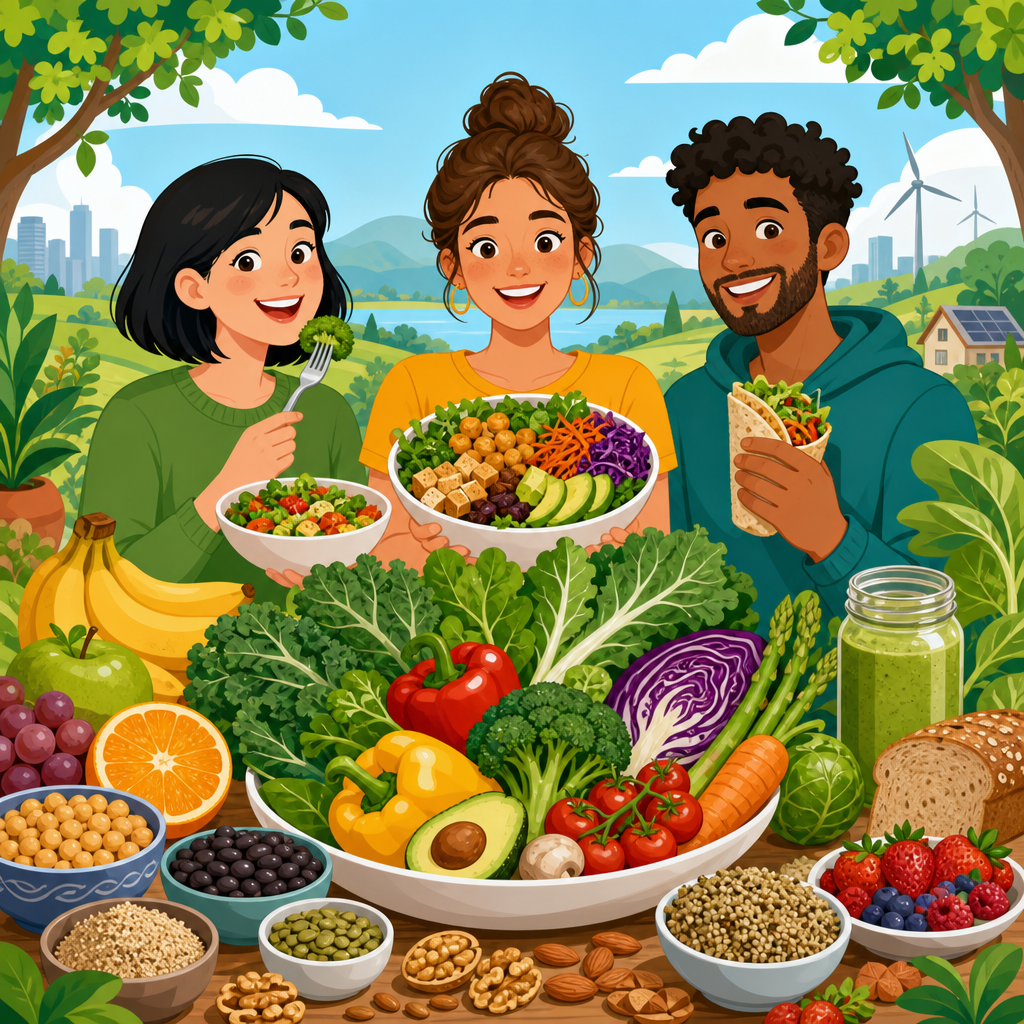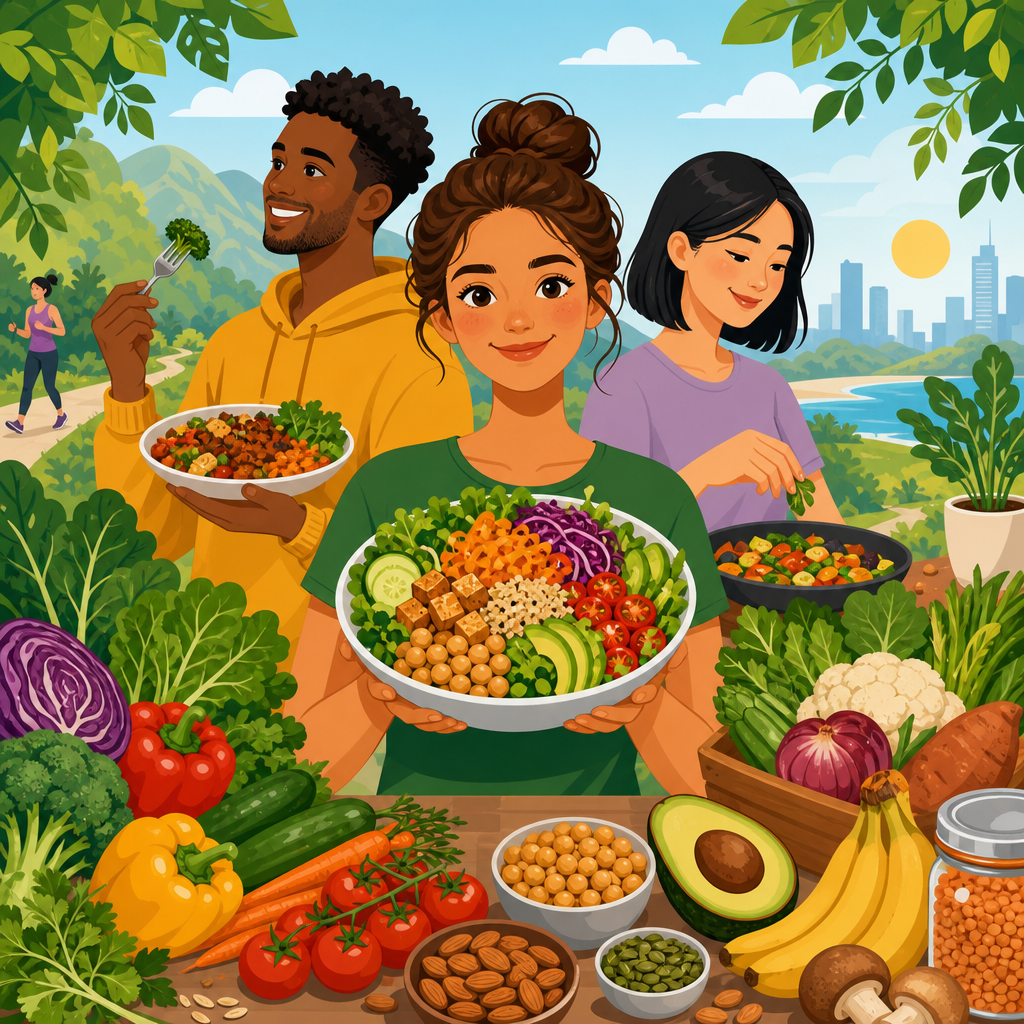
Plant-based diets include eating patterns centered on foods from plants, especially vegetables, fruits, legumes, whole grains, nuts, seeds, herbs, and plant oils, while varying in how much or how little animal food they include. In nutrition practice, I have found that many people use the phrase loosely, but the distinctions matter because vegan, vegetarian, and flexitarian diets are not interchangeable. A vegan diet excludes meat, poultry, fish, dairy, eggs, and usually other animal-derived ingredients. Vegetarian diets exclude meat and fish but may include dairy, eggs, or both, depending on the type. A flexitarian diet is mostly plant-forward, yet allows occasional animal foods in small or moderate amounts.
This topic matters because more people are choosing plant-based eating for health, sustainability, cost control, food ethics, and chronic disease prevention. Research consistently links higher intake of minimally processed plant foods with lower risk of cardiovascular disease, hypertension, type 2 diabetes, and some cancers. At the same time, quality matters more than labels. A vegan diet built from refined grains, sugary drinks, and meat substitutes is still a plant-based diet, but it is not automatically a nutritious one. Likewise, a flexitarian pattern rich in beans, oats, vegetables, yogurt, and occasional fish can be nutritionally excellent.
Understanding the basics helps people choose the right version for their goals and avoid common nutrition gaps. The core idea is simple: emphasize nutrient-dense plant foods, match total calories to energy needs, and plan for nutrients that are less abundant or less bioavailable in plant-only patterns. Those nutrients often include protein quality, vitamin B12, iron, calcium, iodine, omega-3 fats, zinc, vitamin D, and in some cases selenium. The practical question is not whether a plant-based diet can work. It can. The real question is how to build one that is realistic, balanced, affordable, and sustainable over time.
What Vegan, Vegetarian, and Flexitarian Diets Actually Mean
These three approaches sit on a spectrum. Vegan is the most restrictive in terms of animal food exclusion. Lacto-vegetarian includes dairy but not eggs, meat, or fish. Ovo-vegetarian includes eggs but not dairy, meat, or fish. Lacto-ovo vegetarian includes both eggs and dairy while excluding meat and fish. Pescatarian is often grouped nearby because it is plant-forward but includes fish; however, it is not vegetarian. Flexitarian is the broadest category and usually describes people who eat mostly plants while occasionally including meat, seafood, eggs, or dairy.
In clinical conversations, the most useful definition of plant-based is not ideological but practical: the majority of calories and most meals come from whole or minimally processed plant foods. That is why a person can follow a healthy flexitarian pattern and still gain many of the benefits associated with plant-centered eating. It is also why labels alone do not predict outcomes. Two vegetarians can eat very differently, with one relying on lentils, Greek yogurt, berries, and brown rice, while another eats fries, pastries, cheese pizza, and sweetened coffee drinks.
The best choice depends on medical history, cooking skills, food budget, culture, and willingness to supplement. For someone with high LDL cholesterol, increasing soluble fiber from oats, beans, barley, and fruit can be more important than adopting a strict label overnight. For someone motivated by animal welfare, a fully vegan approach may align best. For families or beginners, flexitarian eating often provides the easiest on-ramp because it lowers barriers while still shifting the diet decisively toward plants.
Nutritional Benefits and What the Evidence Shows
Well-planned plant-based diets can support every stage of life, and major dietetic organizations have affirmed that appropriately designed vegetarian and vegan diets can be nutritionally adequate. The strongest evidence supports cardiometabolic benefits. Diets rich in legumes, whole grains, vegetables, nuts, and seeds tend to be high in fiber, potassium, magnesium, unsaturated fats, and phytochemicals while being lower in saturated fat. That combination can improve blood lipids, blood pressure, insulin sensitivity, and weight management.
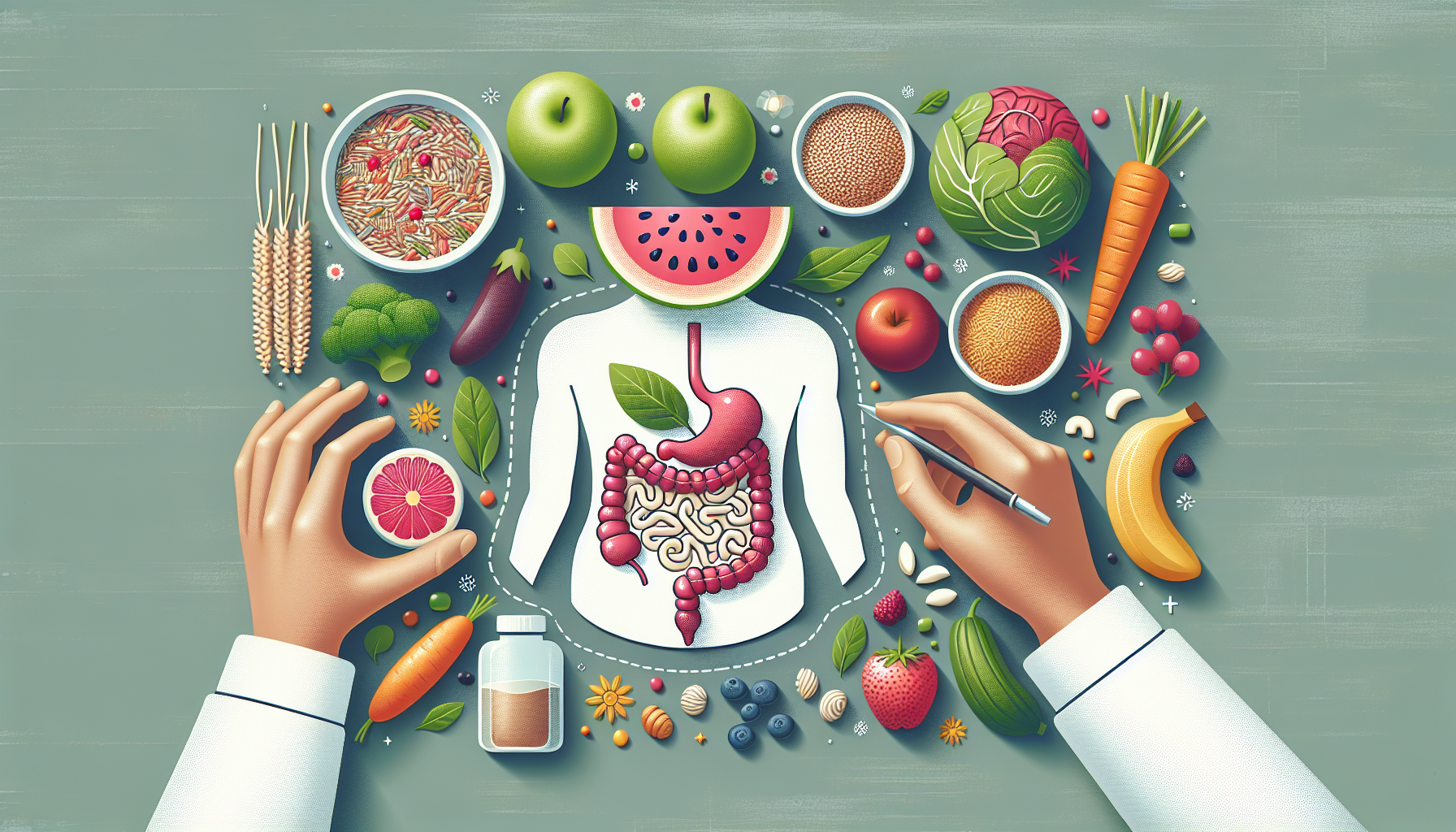
Fiber is one of the biggest advantages. Most adults do not reach recommended fiber intake, yet plant-based patterns naturally push intake higher. In practice, when clients replace a breakfast sandwich with oats, berries, flaxseed, and soy milk, then swap a meat-heavy lunch for a bean and grain bowl, satiety improves and constipation often resolves within days. Higher fiber intake also supports the gut microbiome by feeding beneficial bacteria that produce short-chain fatty acids such as butyrate, which help maintain colon health.
Plant-based eating may also reduce diet cost when built around staples instead of specialty products. Dry beans, lentils, oats, potatoes, rice, frozen vegetables, tofu, and peanut butter are usually economical sources of calories and nutrients. There are environmental advantages as well, since legumes and grains generally require fewer resources and produce fewer greenhouse gas emissions than beef and lamb. Still, health outcomes depend on food quality. A diet high in refined starches and heavily processed snack foods will not deliver the same benefits as one based on beans, intact grains, vegetables, nuts, fruit, and fortified foods where needed.
Key Nutrients to Watch on Plant-Based Diets
The nutrient most often overlooked on vegan diets is vitamin B12. B12 is not reliably available from unfortified plant foods, and deficiency can cause anemia, numbness, memory problems, and irreversible neurological damage if ignored long enough. Every vegan should use fortified foods or a supplement. Many vegetarians should as well, especially if dairy and egg intake is low. Iron is another common concern. Plant foods provide non-heme iron, which is absorbed less efficiently than heme iron from meat, but absorption improves when vitamin C is consumed in the same meal. Pairing lentils with tomatoes, tofu with broccoli, or oatmeal with strawberries is a practical solution.
Calcium and vitamin D deserve attention, particularly when dairy is excluded. Fortified soy milk often comes closest to cow’s milk in protein and calcium content, making it a useful staple. Calcium-set tofu, fortified plant yogurts, tahini, almonds, kale, bok choy, and white beans also contribute. Iodine can be low in vegan diets if iodized salt or sea vegetables are not used consistently. Omega-3 intake can also fall short. Flaxseed, chia, hemp seeds, and walnuts provide ALA, but conversion to EPA and DHA is limited, so some vegans choose an algae-based EPA/DHA supplement.
Protein is less problematic than many assume, but it should still be planned. Most adults can meet needs through a variety of legumes, soy foods, whole grains, nuts, seeds, and dairy or eggs if included. Soy foods are especially useful because soy protein is high quality and leucine-rich, helping with muscle protein synthesis. Older adults, athletes, and people in calorie deficits need to be more deliberate. Distributing protein across meals, aiming for meaningful portions such as tofu at lunch and lentils at dinner, works better than relying on tiny amounts scattered through the day.
| Diet pattern | Includes | Excludes | Nutrients needing extra attention |
|---|---|---|---|
| Vegan | Legumes, grains, vegetables, fruit, nuts, seeds, soy foods | All meat, fish, dairy, eggs | B12, iron, calcium, iodine, vitamin D, omega-3, zinc, protein quality |
| Lacto-ovo vegetarian | Plant foods, dairy, eggs | Meat, poultry, fish | Iron, omega-3, vitamin D, fiber quality, total saturated fat from cheese |
| Flexitarian | Mostly plant foods with occasional animal foods | No fixed exclusions | Consistency, fiber intake, food quality, portion balance |
How to Build a Balanced Plant-Based Plate
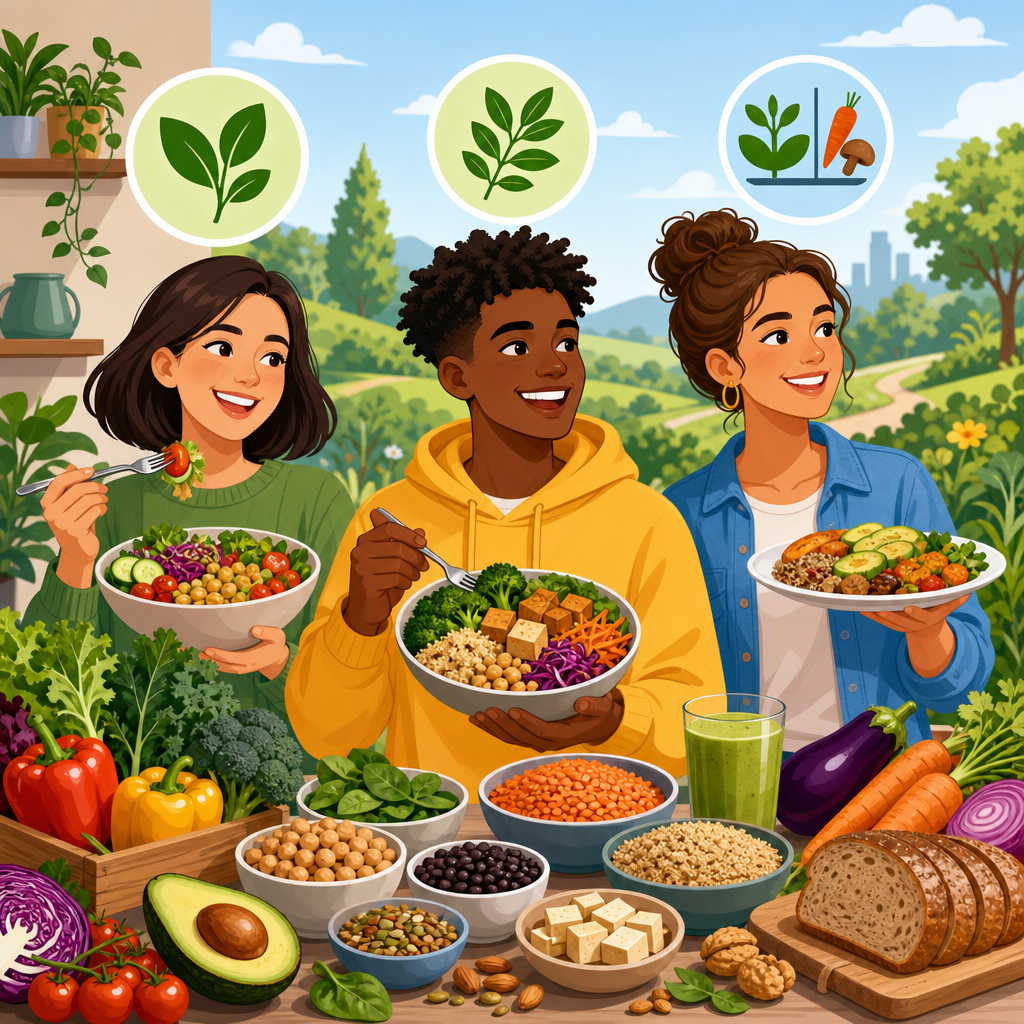
A balanced plant-based meal uses the same structure dietitians recommend for most healthy eating patterns: one quarter protein-rich foods, one quarter high-fiber carbohydrates, and half the plate from nonstarchy vegetables or fruit, with healthy fats added in sensible amounts. In a vegan meal, that might mean baked tofu, quinoa, roasted Brussels sprouts, carrots, and a tahini sauce. In a vegetarian meal, it could be a lentil soup with whole grain bread, Greek yogurt, and a side salad. In a flexitarian meal, chili made mostly from beans and vegetables with a modest amount of lean turkey can still be strongly plant-centered.
Whole foods should carry most of the workload. Legumes are foundational because they provide protein, fiber, iron, potassium, and slow-digesting carbohydrates. Soy foods such as tofu, tempeh, and edamame offer versatile protein options with strong evidence for nutritional adequacy. Whole grains add B vitamins, magnesium, and energy. Nuts and seeds supply healthy fats, minerals, and texture. Fruits and vegetables deliver vitamin C, carotenoids, folate, and polyphenols. If a plant-based eater uses packaged products, the best rule is to treat them as tools rather than staples: useful for convenience, but not a replacement for basic ingredients.
Meal planning becomes easier when people repeat reliable templates. Breakfast can rotate among oatmeal with soy milk and berries, tofu scramble with toast, or yogurt with fruit and nuts. Lunch can be grain bowls, soups, wraps, or salads built around beans, tofu, eggs, or cottage cheese. Dinner can follow a simple formula of protein, grain or potato, vegetables, and sauce. These patterns reduce decision fatigue and improve adherence, which is often the deciding factor in whether a nutrition plan succeeds.
Common Mistakes, Myths, and Real-World Challenges
The biggest mistake is assuming plant-based automatically means healthy. Many new vegans undereat protein, overeat refined carbohydrates, and neglect B12 entirely. Many vegetarians lean too heavily on cheese, which can push saturated fat and sodium intake high while displacing beans and vegetables. Many flexitarians never make a meaningful shift because animal foods still dominate portions. The solution is measurable structure: include a protein source at each meal, prioritize whole grains and legumes, and use fortified foods or supplements where evidence supports them.
Another myth is that protein combining must happen within the same meal. The older idea of precise complementary pairing has been overstated. Eating a variety of plant proteins across the day is sufficient for most people. There are also misconceptions about soy. Current evidence does not support the claim that moderate soy intake is harmful for most people; in fact, soy foods are associated with favorable health outcomes and provide a practical protein anchor for vegan diets. Tempeh, tofu, soy milk, and edamame are standard, evidence-based options.
Real-world barriers matter. Eating out can be difficult when menus offer only pasta or salad without substantial protein. Social events may center on meat-heavy foods. Some people experience digestive discomfort when they suddenly increase legumes and fiber. I usually advise a gradual increase, more fluids, and varied preparation methods such as soaking beans, choosing lentils, or using canned beans rinsed well. Budget can also shape choices, but the least expensive plant-based diets are often built from staples, not premium meat alternatives. Planning, shopping with a list, and batch cooking are more important than buying niche products.
Who Benefits Most and How to Transition Successfully
Plant-based diets can be excellent for people managing elevated cholesterol, high blood pressure, insulin resistance, constipation, or a family history of cardiovascular disease. They can also fit athletes, children, and older adults, provided the diet is intentional. Athletes generally need more total calories and protein density, so soy foods, seitan, smoothies, and frequent meals become useful. Older adults need extra attention to protein distribution, B12, and overall energy intake because appetite often declines. During pregnancy, careful planning around iron, folate, choline, iodine, DHA, and B12 is essential.
The most successful transitions are gradual and specific. Start by replacing two or three meals each week, not by overhauling everything at once. Choose one breakfast, two lunches, and three dinners you can repeat. Stock the kitchen with beans, lentils, tofu, eggs or yogurt if used, frozen vegetables, whole grains, nuts, seeds, fruit, and fortified milk alternatives. Then review gaps. If the diet is fully vegan, B12 is mandatory. If dairy is absent, check calcium and vitamin D. If fish is absent, consider omega-3 strategy. If fatigue develops, assess iron intake and overall calorie adequacy before blaming the pattern itself.
For a sub-pillar hub on dietary lifestyles, the main lesson is clear: vegan, vegetarian, and flexitarian diets are different tools within the larger plant-based category, and each can support better nutrition when built on whole foods and sound planning. The benefits are strongest when meals emphasize legumes, soy foods, vegetables, fruit, whole grains, nuts, and seeds instead of ultra-processed substitutes. The most important safeguards are equally clear: take B12 seriously, watch iron, calcium, iodine, vitamin D, and omega-3 intake, and match protein and calories to your life stage and activity level.
If you are deciding where to begin, flexitarian eating is often the simplest starting point, vegetarian can be a comfortable middle ground, and vegan can work very well with informed supplementation and meal structure. The best plant-based diet is the one you can follow consistently while meeting your nutrient needs and enjoying your food. Use this hub as your starting point, then build your next step around a realistic meal pattern, a smart shopping list, and one or two evidence-based changes you can put into practice this week.
Frequently Asked Questions
What is the difference between a vegan, vegetarian, and flexitarian diet?
The main difference is how much, if any, animal-derived food is included. A vegan diet excludes all animal foods, including meat, poultry, fish, dairy, eggs, and usually other animal-derived ingredients such as gelatin or certain broths. A vegetarian diet is plant-focused but may still include some animal foods, most commonly dairy, eggs, or both, depending on the specific type of vegetarian pattern. A flexitarian diet is the most flexible of the three, emphasizing plant foods while allowing occasional or moderate amounts of meat, fish, dairy, or eggs.
These distinctions matter because they affect nutrition planning. For example, someone following a vegan pattern needs to be much more intentional about nutrients that are commonly found in animal foods, such as vitamin B12. A vegetarian pattern may make it easier to meet needs for some nutrients if dairy or eggs are included. A flexitarian pattern often offers the broadest food choice while still shifting overall intake toward more vegetables, legumes, whole grains, nuts, seeds, and fruit. In practice, many people say they eat “plant-based” when they really mean they are simply trying to eat more plants. That is perfectly reasonable, but from a nutrition standpoint, vegan, vegetarian, and flexitarian diets are not interchangeable.
Can a plant-based diet provide complete and balanced nutrition?
Yes, a plant-based diet can absolutely support good nutrition when it is planned well. The key is to build meals around a variety of nutrient-dense foods rather than relying heavily on processed products labeled as plant-based. A strong foundation usually includes legumes such as beans, lentils, peas, and soy foods; whole grains such as oats, brown rice, barley, and quinoa; a wide range of vegetables and fruits; nuts and seeds; and healthy plant oils. This combination can provide fiber, complex carbohydrates, beneficial fats, phytonutrients, and many essential vitamins and minerals.
However, “plant-based” does not automatically mean balanced. A diet can be technically plant-based and still be low in protein, iron, calcium, omega-3 fats, vitamin B12, or overall calories if meals are poorly structured. That is why diet quality matters more than the label itself. For example, regularly including protein-rich foods such as tofu, tempeh, edamame, lentils, chickpeas, black beans, Greek-style plant yogurts fortified with nutrients, nuts, seeds, and soy milk can make a major difference. Fortified foods and, in some cases, supplements may also be necessary depending on the pattern. When meals are diverse and thoughtfully planned, plant-based diets can meet nutritional needs across many stages of life.
What nutrients should people pay closest attention to on vegan, vegetarian, and flexitarian diets?
Several nutrients deserve special attention, but the level of concern depends on the type of eating pattern. Vitamin B12 is the clearest priority for people following a vegan diet because it is not reliably available from unfortified plant foods. Vegans typically need fortified foods or a supplement to meet their needs. Iron is another important nutrient, especially for menstruating individuals, because plant sources contain non-heme iron, which is absorbed less efficiently than the iron found in meat. Good plant sources include lentils, beans, tofu, pumpkin seeds, and fortified cereals, and absorption can be improved by pairing them with vitamin C-rich foods such as citrus, bell peppers, strawberries, or tomatoes.
Calcium, vitamin D, iodine, zinc, omega-3 fatty acids, and protein also merit attention. Calcium can come from fortified plant milks, calcium-set tofu, tahini, almonds, and some leafy greens. Omega-3 fats can be supported with flaxseed, chia seeds, hemp seeds, walnuts, and algae-based supplements if needed. Protein is usually very manageable when meals include legumes, soy foods, dairy or eggs for vegetarians, and occasional animal foods for flexitarians. Flexitarian diets are often easier to balance because they allow more flexibility, but they still benefit from the same principles: variety, enough protein, and attention to overall food quality. In all cases, the more restrictive the diet, the more intentional nutrient planning should be.
Is a flexitarian diet healthier than a vegan or vegetarian diet?
Not necessarily. No single label is automatically healthier than another. What matters most is the overall quality, consistency, and nutritional adequacy of the diet. A well-planned vegan diet rich in legumes, vegetables, fruits, whole grains, nuts, seeds, and fortified foods can be very nutritious. A balanced vegetarian pattern can also support excellent health. A flexitarian diet may be easier for some people to sustain because it allows occasional animal foods, which can simplify meal planning and help with nutrients such as B12, iron, or omega-3 fats. But a flexitarian pattern is only beneficial if the plant foods at the center of the diet are actually nutrient-dense.
For example, someone could follow a flexitarian approach but still eat mostly refined grains, fried foods, sweets, and highly processed convenience meals. That would not be healthier than a carefully planned vegan or vegetarian pattern. On the other hand, a person who gradually shifts toward more beans, lentils, vegetables, fruit, nuts, seeds, and whole grains while reducing heavily processed foods may see meaningful benefits, regardless of the exact label used. For many people, the best eating pattern is one they can maintain long term, enjoy socially and culturally, and meet their nutrient needs with confidence. Sustainability and nutritional adequacy often matter more than strict identity.
How can someone transition to a plant-based diet without missing key nutrients or feeling overwhelmed?
The most practical approach is to start gradually and build meals around familiar foods. Many people do well by choosing one meal a day to make plant-centered, or by designating a few meatless days each week. Instead of focusing first on what to remove, it often helps to focus on what to add: beans to soups, lentils to pasta sauces, tofu to stir-fries, nuts and seeds to oatmeal, and extra vegetables to grain bowls, wraps, and casseroles. This reduces the feeling of restriction and makes the transition more sustainable.
It also helps to think in simple meal-building terms. Aim for a source of protein, a high-fiber carbohydrate, healthy fat, and produce at most meals. For example, a balanced plant-based meal might include quinoa, roasted vegetables, chickpeas, and tahini sauce, or oatmeal topped with soy milk, chia seeds, berries, and walnuts. If moving toward a vegan pattern, plan ahead for nutrients that need extra attention, especially vitamin B12, and consider fortified foods such as plant milks, breakfast cereals, or nutritional yeast where appropriate. Reading labels, learning a few reliable recipes, and keeping staples on hand can make a big difference. With a little structure and realistic expectations, transitioning to a plant-based diet can feel manageable, nourishing, and enjoyable rather than complicated.