Plant-based diets include eating patterns centered on foods from plants, with animal foods limited or excluded depending on the approach. Vegan diets exclude all animal-derived foods, vegetarian diets usually include dairy, eggs, or both, and flexitarian diets emphasize plants while allowing occasional meat, fish, or poultry. I have helped clients transition through each model, and the same question always comes up first: what are the best sources of nutrition when plants become the foundation of the plate? The answer matters because food quality, not just dietary label, determines outcomes for heart health, metabolic health, digestion, energy, and long-term disease risk. A vegan diet built on refined grains and sugary snacks is still vegan, but it is not optimal. A flexitarian pattern rich in legumes, vegetables, nuts, seeds, and whole grains can outperform a poorly planned omnivorous diet on many markers that clinicians track.
Choosing the best sources within plant-based diets means prioritizing nutrient-dense foods that reliably provide protein, fiber, essential fats, vitamins, minerals, and beneficial phytochemicals. It also means understanding where plant-forward eaters need extra strategy, especially for vitamin B12, iron, calcium, iodine, omega-3 fats, vitamin D, zinc, and in some cases protein distribution across the day. Large cohort studies and dietary patterns such as the Mediterranean diet, DASH, and healthy vegetarian models consistently show that diets rich in legumes, intact grains, vegetables, fruits, nuts, and olive oil are associated with lower cardiovascular risk and better weight management. Yet the most successful plant-based eaters are not simply avoiding meat. They are deliberately choosing high-quality sources, combining foods wisely, using fortified foods where appropriate, and matching the diet to their health goals, budget, culture, and lifestyle.
This hub article explains the strongest food sources for vegan, vegetarian, and flexitarian diets in practical terms. It covers what to buy, how to build meals, which nutrients deserve attention, and how to avoid common mistakes that can make a plant-based plan feel harder than it needs to be. If you want a simple definition, the best sources of plant-based diets are minimally processed foods that deliver the highest nutritional return per calorie: beans, lentils, soy foods, peas, whole grains, vegetables, fruits, nuts, seeds, herbs, spices, and carefully selected fortified staples. Used well, these foods support optimal health across all three styles of plant-based eating.
Core food sources that make plant-based diets healthy
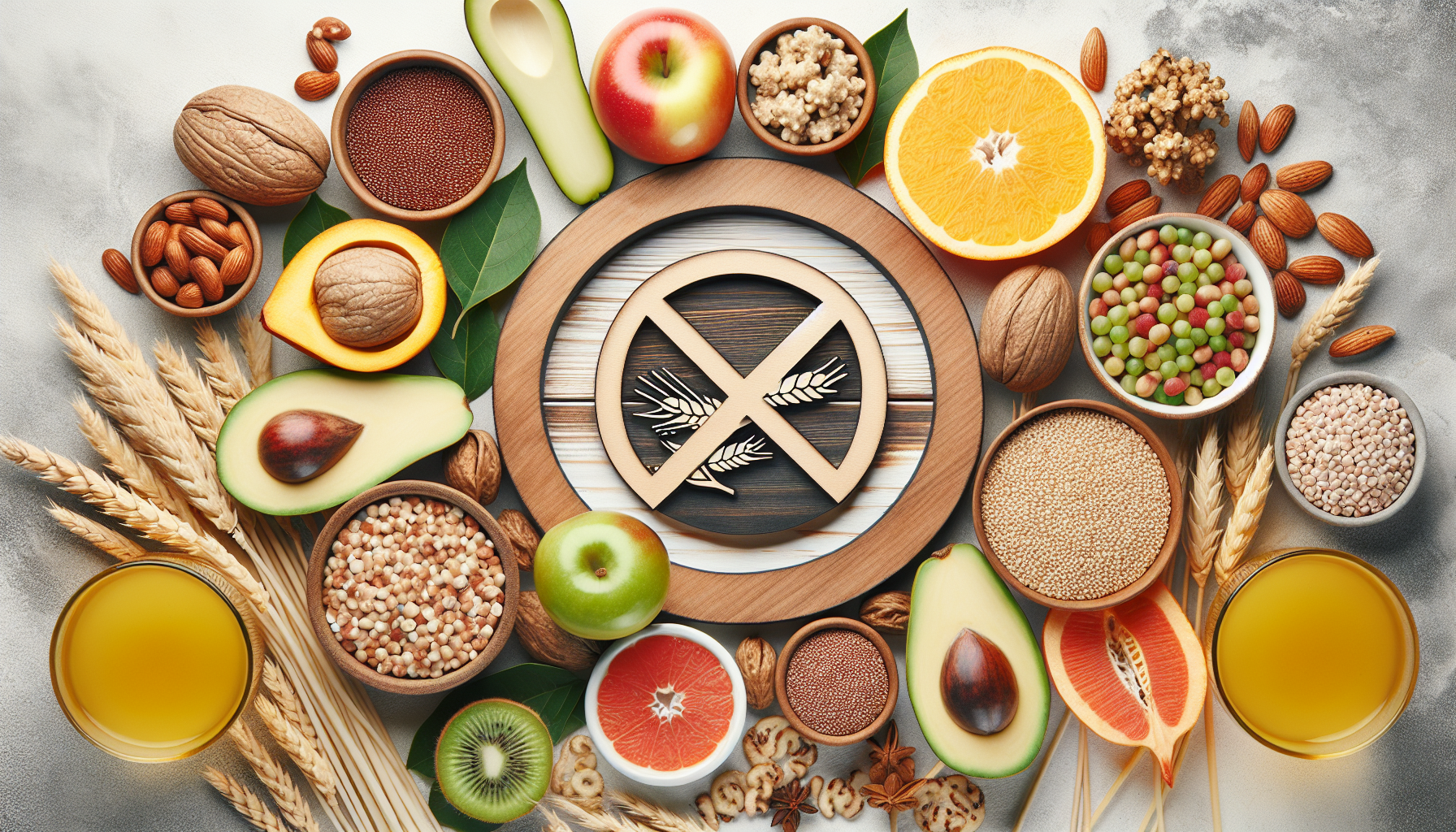
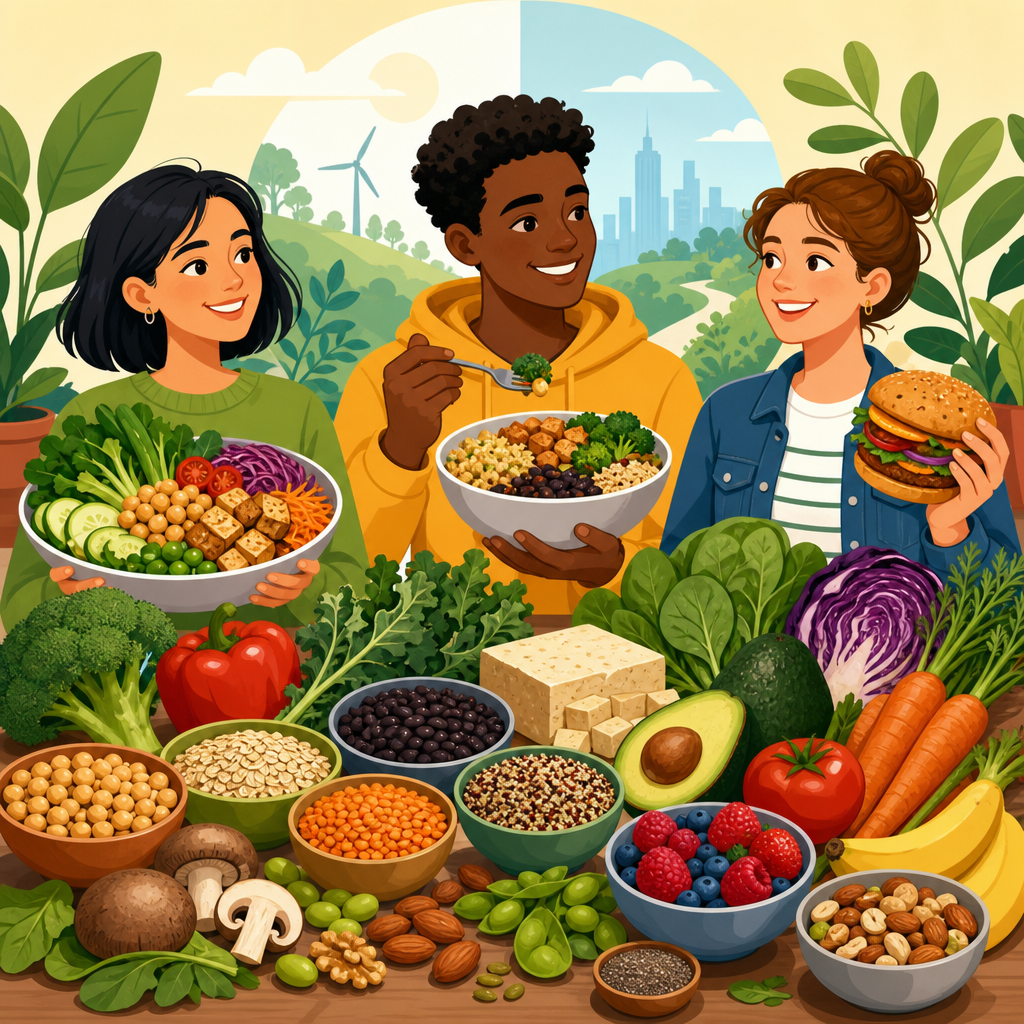
The healthiest plant-based diets are built on a repeatable set of staple foods. In practice, the most valuable protein sources are legumes and soy foods. Beans, lentils, chickpeas, split peas, tofu, tempeh, and edamame supply protein, fiber, potassium, magnesium, and iron, while generally containing little saturated fat. Soy deserves special mention because it provides a high-quality protein profile and has been studied extensively for cardiovascular benefits. In clinical nutrition work, I often recommend rotating lentil soup, chickpea salads, tofu stir-fries, bean chili, and edamame grain bowls because they solve several nutritional needs at once. Whole grains such as oats, quinoa, brown rice, barley, farro, and whole wheat add fiber, B vitamins, and slow-digesting carbohydrates that help with satiety and steady energy.
Vegetables and fruit provide volume, vitamins, minerals, and phytochemicals that lower the inflammatory burden of the overall diet. Dark leafy greens, cruciferous vegetables, tomatoes, peppers, berries, citrus, and allium vegetables such as onions and garlic are especially useful because they contribute vitamin C, folate, carotenoids, polyphenols, and sulfur compounds associated with cardiometabolic benefits. Nuts and seeds contribute healthy fats, protein, minerals, and texture. Walnuts, chia seeds, flaxseeds, hemp seeds, almonds, pumpkin seeds, and tahini are nutritional workhorses for plant-based eating. Extra-virgin olive oil is often the most evidence-backed added fat for flexitarian and vegetarian patterns because of its monounsaturated fat and polyphenol content. For vegan diets, fortified plant milks and fortified nutritional yeast can meaningfully support calcium and B12 intake when chosen carefully.
| Food group | Best examples | Why it matters | Best fit |
|---|---|---|---|
| Legumes | Lentils, black beans, chickpeas, split peas | Protein, fiber, iron, folate, low cost | Vegan, vegetarian, flexitarian |
| Soy foods | Tofu, tempeh, edamame, unsweetened soy milk | Complete protein, iron, calcium in fortified products | Vegan, vegetarian, flexitarian |
| Whole grains | Oats, quinoa, barley, brown rice, whole wheat | Fiber, B vitamins, sustained energy | All patterns |
| Nuts and seeds | Walnuts, chia, flax, hemp, almonds, pumpkin seeds | Healthy fats, minerals, added protein | All patterns |
| Vegetables and fruit | Leafy greens, broccoli, berries, citrus, tomatoes | Micronutrients, polyphenols, gut support | All patterns |
| Fortified staples | Plant milks, yogurt alternatives, nutritional yeast | B12, calcium, vitamin D support | Especially vegan |
The key is not perfection at every meal but coverage across the week. A bowl of oatmeal with soy milk, berries, walnuts, and ground flaxseed is a stronger breakfast than toast alone because it delivers fiber, protein, omega-3 precursors, and minerals. A grain bowl with quinoa, roasted vegetables, tofu, pumpkin seeds, and tahini is better than a bowl of plain pasta because it improves protein quality, satiety, and micronutrient density. These choices are the backbone of a healthy plant-based diet regardless of whether the eater is fully vegan or simply trying to eat less meat.
How vegan, vegetarian, and flexitarian diets differ in practice
Vegan diets remove all animal foods, so the best sources must come entirely from plants and fortified products. This makes food selection more deliberate. Soy foods, legumes, nuts, seeds, whole grains, and fortified plant milks become nonnegotiable staples, not optional extras. In well-planned vegan diets, protein adequacy is usually achievable, but vitamin B12 supplementation is essential because reliable plant sources do not naturally provide enough active B12. Calcium and iodine also need attention depending on whether fortified foods and iodized salt are used. The payoff is that vegan diets can be very high in fiber and low in saturated fat when built from whole foods.
Vegetarian diets vary more than many people realize. Lacto-ovo vegetarians can use eggs, Greek yogurt, kefir, cottage cheese, and cheese as sources of protein, calcium, vitamin B12, and iodine, although cheese can also bring substantial sodium and saturated fat. The best vegetarian plans do not replace meat with large amounts of refined carbohydrates or cheese-heavy meals. Instead, they still lean on beans, lentils, soy, whole grains, vegetables, fruit, nuts, and seeds, using eggs or dairy as complementary sources rather than the entire structure of the diet. In practice, the healthiest vegetarian plates often look very similar to vegan plates with strategic additions.
Flexitarian diets are often the easiest entry point because they use plant foods as the default while allowing modest amounts of animal products where they serve a purpose. That purpose might be convenience, culture, taste, or a targeted nutrient. A flexitarian eater can choose legumes most days and still include salmon once or twice weekly for long-chain omega-3 fats, yogurt for calcium and protein, or small portions of poultry in mixed dishes. This flexibility can improve adherence, which matters more than ideological purity in long-term nutrition. For many adults, the best plant-based diet is the one they can sustain consistently while meeting nutrient needs and enjoying food.
Protein quality, essential nutrients, and the most important gaps to prevent
Protein is the nutrient people ask about most, but the more important issue is total dietary pattern. Most adults can meet protein needs on plant-based diets by eating enough total calories and including legumes, soy, whole grains, nuts, and seeds regularly. The practical target I use is to include a meaningful protein source at each meal rather than trying to hit an abstract daily number at night. Tofu scramble at breakfast, lentil soup at lunch, and tempeh or bean tacos at dinner generally work better than relying on salads with minimal protein. Soy, quinoa, buckwheat, hemp, and combinations across the day provide all essential amino acids in sufficient total amounts without needing to be paired in the same bite.
The true nonnegotiable for vegans is vitamin B12. No amount of spirulina, mushrooms, or unfortified nutritional yeast reliably solves this. A B12 supplement or dependable fortified foods are required. Iron also deserves planning because plant iron is non-heme iron and absorbed less efficiently than heme iron from meat. The practical solution is pairing iron-rich foods such as lentils, beans, tofu, pumpkin seeds, and fortified cereals with vitamin C sources like citrus, bell peppers, tomatoes, kiwi, or strawberries. Calcium can come from calcium-set tofu, fortified soy milk, fortified yogurt alternatives, tahini, almonds, and greens such as bok choy and kale, though spinach is not an efficient calcium source because of oxalates. Omega-3 intake improves when flaxseed, chia, walnuts, and hemp are regular habits, and some vegans benefit from algae-based EPA and DHA supplements. Iodine matters too; iodized salt or measured seaweed intake can help, but seaweed varies widely, so consistency matters more than occasional large servings.
Vitamin D, zinc, and selenium can also become limiting depending on geography, food choices, and season. Fortified foods, sensible supplementation, and targeted foods such as pumpkin seeds, legumes, whole grains, and Brazil nuts can help. If fatigue, brittle nails, poor recovery, or hair shedding appears, clinicians should assess status rather than guessing. Thoughtful plant-based diets are highly effective, but they reward planning.
Best food choices for specific health goals
For heart health, the strongest plant-based sources are legumes, oats, barley, nuts, seeds, vegetables, berries, and extra-virgin olive oil. Soluble fiber from oats, barley, beans, and lentils helps lower LDL cholesterol. Replacing processed meats and fatty cuts of red meat with beans, tofu, or tempeh reliably reduces saturated fat intake. In clients with elevated cholesterol, I have seen simple substitutions matter more than exotic superfoods: oatmeal instead of pastries, bean chili instead of beef chili, and soy yogurt instead of high-sugar desserts. If blood pressure is the concern, potassium-rich foods such as beans, potatoes, leafy greens, bananas, and citrus work best when sodium from ultra-processed foods is reduced at the same time.
For blood sugar control and weight management, intact grains, legumes, vegetables, berries, and high-protein plant foods are usually the most effective choices. Fiber slows digestion, increases fullness, and supports better glycemic response. A flexitarian meal of salmon with lentils and roasted vegetables, or a vegan meal of tofu with brown rice and broccoli, generally performs better than a plate built around white bread, fries, and sugary sauces. For gut health, diversity is the metric that matters. Different fibers feed different microbes, so rotating beans, grains, fruits, vegetables, nuts, seeds, and fermented foods such as tempeh, miso, kefir, or yogurt can improve resilience.
Athletes and highly active adults benefit from the same foundations with greater attention to energy density and recovery. Smoothies with soy milk, oats, frozen fruit, peanut butter, and chia seeds help when appetite is low. Tofu, seitan, lentil pasta, edamame, and Greek yogurt can raise protein intake efficiently. Older adults may need special focus on protein distribution, calcium, B12, and vitamin D because appetite often declines while nutrient needs remain important.
Common mistakes, food quality traps, and how to build a sustainable plan
The biggest mistake in plant-based eating is assuming that removing meat automatically creates a healthy diet. Many packaged foods are technically vegan or vegetarian but still high in sodium, refined starch, added sugar, and low-quality fats. Meat substitutes can be helpful transition tools, especially for convenience, but they vary widely. I advise reading labels for protein content, sodium, saturated fat, and ingredient quality rather than judging by marketing claims. Another common error is eating too little overall, which can cause fatigue and cravings. This happens often when people switch to salads and vegetables without adding beans, grains, nuts, seeds, or healthy fats.
Sustainability improves when meals follow a simple structure: one protein-rich plant food, one whole grain or starchy vegetable, at least two produce components, and a flavor source such as olive oil, tahini, pesto, salsa, curry paste, or herbs. Batch cooking helps more than complicated recipes. A pot of lentils, roasted vegetables, cooked grain, washed greens, and a dressing can create several lunches in minutes. Budget-friendly staples include dried beans, oats, brown rice, frozen vegetables, peanut butter, cabbage, potatoes, and seasonal fruit. If you are choosing the best sources of plant-based diets for optimal health, start with these basics, use fortified foods intelligently, monitor the few nutrients that require extra attention, and build meals you can repeat with pleasure. That is what turns vegan, vegetarian, and flexitarian eating from a theory into a lasting, healthy lifestyle.
Frequently Asked Questions
What are the healthiest protein sources in vegan, vegetarian, and flexitarian diets?
The healthiest protein sources in plant-based diets are the ones that deliver protein along with fiber, vitamins, minerals, and beneficial plant compounds. For vegans, some of the best options include lentils, beans, chickpeas, soy foods such as tofu, tempeh, and edamame, peas, seitan, quinoa, hemp seeds, chia seeds, pumpkin seeds, and high-quality fortified plant-based yogurts or milks that contain added protein. Among these, soy foods stand out because they provide a complete protein profile and are also versatile, affordable, and well supported by nutrition research.
For vegetarians, the list expands to include Greek yogurt, cottage cheese, eggs, kefir, and cheese in moderation, although dairy and eggs are most beneficial when they complement, rather than replace, legumes, soy, nuts, seeds, and whole grains. Flexitarians have even more flexibility and can use small amounts of fish, poultry, or lean meat strategically, but the healthiest pattern still keeps beans, lentils, tofu, tempeh, and other minimally processed plant proteins at the center of the plate.
One of the most important points is that protein quality over the course of the day matters more than trying to make every meal “perfect.” Eating a variety of legumes, soy foods, whole grains, nuts, and seeds usually covers essential amino acid needs very well. If someone is active, older, trying to preserve muscle, or transitioning away from a meat-heavy diet, it helps to intentionally include a reliable protein source at each meal. A practical target for many people is to build meals around foods like lentil soup, tofu stir-fries, bean-based chili, Greek yogurt with seeds, or grain bowls topped with edamame and tahini. Those choices support both nutrient adequacy and long-term health.
Which plant foods are the best sources of essential nutrients that people commonly worry about?
This is one of the most important questions because a well-planned plant-based diet can be excellent for health, but it does require attention to a few key nutrients. Protein usually gets the most attention, but iron, vitamin B12, calcium, vitamin D, omega-3 fats, zinc, iodine, and sometimes selenium are the nutrients I discuss most often with clients. The best approach is to know where these nutrients come from and build them into your routine consistently.
For iron, the strongest plant sources include lentils, beans, soy foods, pumpkin seeds, quinoa, fortified cereals, and dark leafy greens. Because plant iron is absorbed less efficiently than iron from meat, pairing iron-rich foods with vitamin C-rich foods is especially helpful. For example, beans with salsa, lentils with tomatoes, spinach with citrus, or fortified cereal with berries can improve absorption. Calcium can come from fortified plant milks, calcium-set tofu, yogurt, kefir, dairy milk if included, bok choy, kale, and tahini. Vitamin D is harder to obtain from food alone, so fortified foods and, in many cases, supplementation may be necessary depending on sun exposure and lab values.
Vitamin B12 deserves special attention, especially for vegans. Reliable sources include fortified plant milks, fortified nutritional yeast, fortified breakfast cereals, dairy and eggs for those who consume them, and supplements. Vegans should not rely on unfortified plant foods for B12 because they are not dependable sources. For omega-3 fats, flaxseeds, chia seeds, hemp seeds, walnuts, and algae-based supplements are excellent choices, while flexitarians may also include fatty fish occasionally. Zinc can be found in legumes, nuts, seeds, whole grains, and dairy. Iodine may come from iodized salt, dairy, eggs, or sea vegetables in careful amounts, and selenium is found in foods like Brazil nuts, whole grains, and legumes. The bottom line is that plant-based nutrition works best when it is intentional, varied, and built around nutrient-dense staple foods rather than just avoiding animal products.
How can someone make sure a plant-based diet is balanced and not overly dependent on processed foods?
A balanced plant-based diet is not just a diet without meat; it is a pattern built around whole and minimally processed foods that consistently provide enough protein, fiber, healthy fats, and micronutrients. The simplest way to do that is to structure meals with a few dependable categories: legumes or another quality protein source, vegetables, fruit, whole grains or starchy vegetables, and healthy fats. When those categories show up regularly, nutrition becomes much easier to manage. This applies whether someone is vegan, vegetarian, or flexitarian.
One practical strategy is to use a “plant-based plate” approach. Fill about half the plate with vegetables and fruit, a quarter with protein-rich foods such as beans, lentils, tofu, tempeh, eggs, yogurt, or fish if included, and the remaining quarter with whole grains or other high-quality carbohydrates such as brown rice, quinoa, oats, barley, sweet potatoes, or whole grain pasta. Add healthy fats from nuts, seeds, avocado, olives, or extra virgin olive oil. This pattern supports blood sugar control, satiety, digestive health, and overall nutrient intake.
It is also important not to confuse “plant-based” with “healthy” automatically. Many meatless products, snack foods, desserts, and refined grains are technically plant-based but not ideal as daily staples. There is nothing wrong with convenience foods in moderation, and they can be very helpful during a transition, but most meals should still come from foods like beans, lentils, tofu, vegetables, fruit, oats, nuts, seeds, and whole grains. Reading labels can help identify products that are high in sodium, added sugars, or refined oils but low in protein and fiber. In practice, the healthiest plant-based eaters are not usually the ones chasing the latest specialty product; they are the ones who consistently eat simple, nourishing meals made from familiar staples.
Are vegan, vegetarian, or flexitarian diets better for heart health, weight management, and long-term wellness?
All three approaches can support heart health, healthy weight, and long-term wellness when they are built well. The strongest common factor is not necessarily whether someone is fully vegan, vegetarian, or flexitarian, but how much the diet emphasizes whole plant foods. Diets rich in beans, lentils, vegetables, fruits, whole grains, nuts, seeds, and minimally processed soy foods are consistently associated with better cholesterol levels, lower blood pressure, improved blood sugar control, healthier body weight, and reduced risk of chronic disease. That is why many people see benefits across all versions of plant-centered eating.
Vegan diets can be extremely health-promoting, but they require the most planning because all animal-derived foods are excluded. Vegetarian diets can also be very nutritious and may be easier for some people to sustain long term, especially when dairy and eggs are used thoughtfully rather than heavily relying on cheese and refined carbohydrates. Flexitarian diets often work well for people who want the benefits of plant-based eating without giving up animal foods entirely. In many cases, a flexitarian approach can be especially practical because it lowers barriers to social eating, travel, and family meal routines while still significantly increasing plant intake.
For heart health and long-term wellness, food quality matters more than labels. A vegan diet full of fries, sugary drinks, and refined snack foods is not healthier than a flexitarian diet centered on lentils, vegetables, oats, berries, olive oil, and occasional fish. Likewise, a vegetarian diet built around pizza and pastries will not outperform a thoughtfully planned vegan or flexitarian pattern. The best diet is the one that is nutritionally complete, enjoyable, realistic, and sustainable enough to practice consistently. In real life, consistency beats dietary perfection almost every time.
What are the best first steps for transitioning to a healthier plant-based eating pattern without missing key nutrients?
The best first step is to focus on addition before restriction. Instead of starting by removing every animal product at once, begin by adding high-quality plant staples to your daily routine. That might mean eating oatmeal with chia and berries at breakfast, adding beans or lentils to lunch, including a vegetable-rich dinner built around tofu or chickpeas, and keeping nuts, fruit, or unsweetened yogurt on hand for snacks. This approach reduces decision fatigue and helps people build habits that actually last.
Next, identify your “anchor foods,” meaning the nutrient-dense foods you can rely on every week. These usually include beans, lentils, tofu, tempeh, edamame, whole grains, leafy greens, colorful vegetables, fruit, nuts, seeds, fortified milk alternatives, yogurt if included, and eggs or fish if your pattern allows them. Having these foods stocked makes it much easier to create balanced meals without overthinking every nutrient. It is also smart to learn a few dependable combinations, such as rice and beans, tofu stir-fry with vegetables, lentil pasta with greens, Greek yogurt with walnuts and fruit, or a grain bowl with edamame, roasted vegetables, and tahini.
Finally, pay attention to the nutrients that need planning from the start. If you are going fully vegan, have a reliable vitamin B12 source in place immediately, and consider discussing vitamin D, iron status, omega-3 intake, and possibly iodine with a qualified healthcare professional. If you are vegetarian or flexitarian,