Plant-based diets have moved from niche lifestyle choice to mainstream nutrition strategy because they address two urgent concerns at once: how to improve health and how to build eating patterns people can sustain. In practice, “plant-based” is an umbrella term, not a single diet. Vegan diets exclude all animal-derived foods. Vegetarian diets usually exclude meat and fish but may include dairy, eggs, or both. Flexitarian diets center plants while allowing occasional animal foods. I have worked with clients and editorial teams on all three models, and the biggest misconception I still see is that they are defined by what they remove. The science shows they are better understood by what they emphasize: legumes, whole grains, vegetables, fruit, nuts, seeds, and minimally processed plant proteins.
The health interest is justified. Large cohort studies and clinical trials consistently link well-planned plant-forward eating patterns with lower LDL cholesterol, better blood pressure control, improved insulin sensitivity, higher fiber intake, and healthier body weight trajectories. Organizations such as the Academy of Nutrition and Dietetics, the American Heart Association, and the World Health Organization all support dietary patterns rich in plant foods. That does not mean every vegan, vegetarian, or flexitarian diet is automatically healthy. French fries and refined pastries can be meat-free and still nutritionally poor. The real question is not whether a diet contains animal foods, but whether it is built on nutrient-dense staples in evidence-based proportions.
This hub article explains the science behind plant-based diets, how the three main versions differ, which health benefits are strongest, what nutrients require planning, and how to choose an approach that fits your life. If you want one clear definition, a plant-based diet is any dietary pattern in which most calories and nutrients come from whole or minimally processed plant foods. That definition matters because it separates evidence-based eating patterns from marketing language. It also helps readers compare vegan, vegetarian, and flexitarian approaches on practical terms: nutrient adequacy, cardiometabolic effects, digestive health, affordability, and long-term adherence.
How plant-based diets work biologically
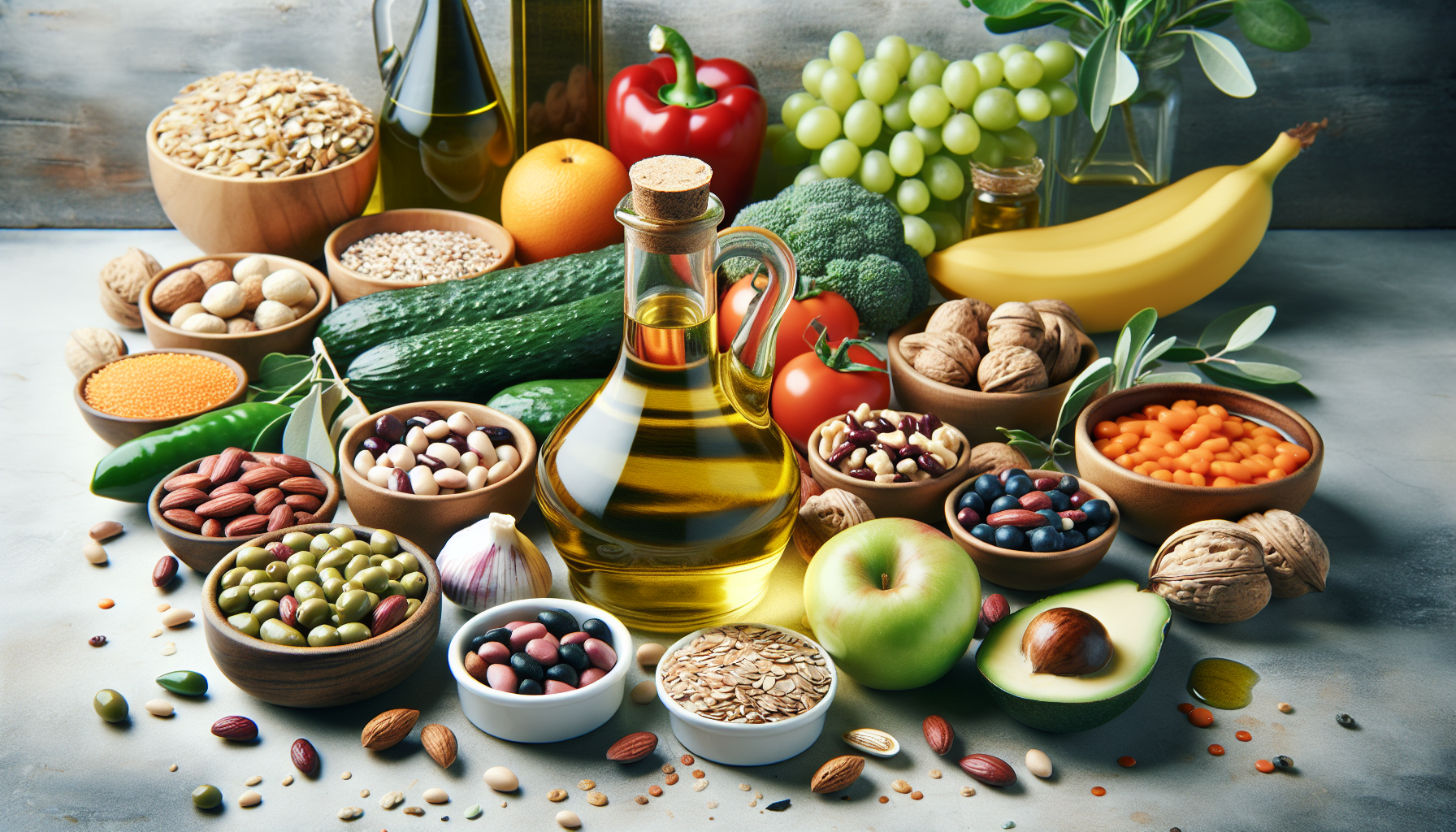
The core science is straightforward: plant foods deliver dietary fiber, unsaturated fats, potassium, folate, magnesium, polyphenols, and thousands of bioactive compounds while typically containing less saturated fat and no dietary cholesterol in their unprocessed form. Those traits affect multiple systems at once. Soluble fiber from oats, beans, barley, and fruit helps reduce LDL cholesterol by binding bile acids and increasing their excretion. Potassium-rich foods such as beans, leafy greens, potatoes, and bananas support blood pressure regulation. Polyphenol-rich foods including berries, cocoa, tea, extra-virgin olive oil, and many herbs may reduce oxidative stress and improve endothelial function. Higher fiber intake also slows gastric emptying and improves satiety, which can support weight management without strict calorie counting.
Another major mechanism involves the gut microbiome. When people increase legumes, whole grains, vegetables, and fruit, they usually increase fermentable fibers that intestinal microbes convert into short-chain fatty acids such as butyrate, acetate, and propionate. These compounds help maintain the gut barrier, influence immune signaling, and may improve metabolic health. In real-world transitions I have observed, clients often notice better bowel regularity within days of moving from a low-fiber diet to a plant-forward one, though they also need a gradual ramp-up and more fluids to avoid bloating. The microbiome does not change because a label changes; it changes because food substrates change consistently over time.
Plant-based diets can also improve energy density. Foods like beans, lentils, vegetables, broth-based soups, and intact grains provide substantial volume for fewer calories than many highly processed foods. That is one reason flexitarian and vegetarian patterns often support weight loss or weight stability in intervention studies. Importantly, this effect is strongest when the diet prioritizes whole foods. A vegan pattern built around sugary cereal, white bread, and coconut-oil desserts will not produce the same metabolic results. Science repeatedly points to dietary quality, not identity, as the main driver of benefit.
Vegan, vegetarian, and flexitarian: key differences
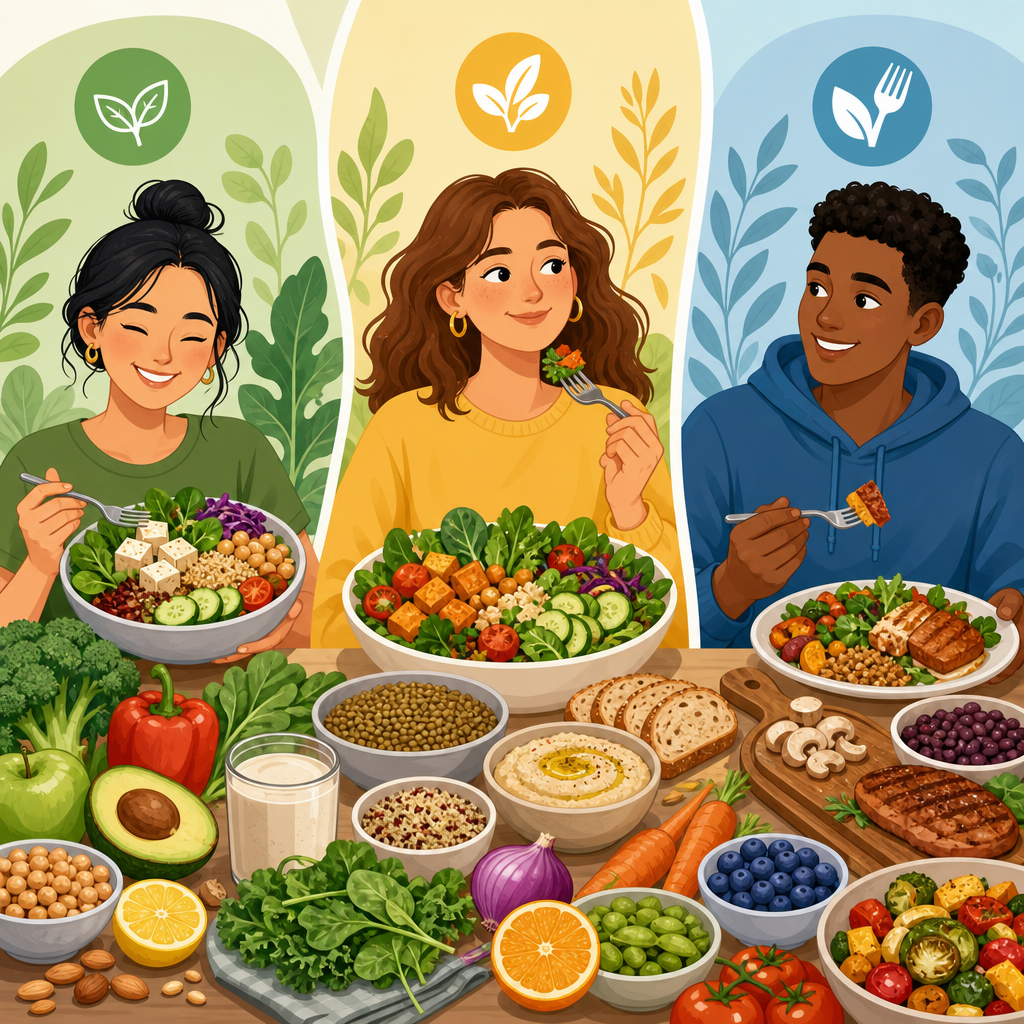
These patterns overlap, but they are not interchangeable. Vegan diets exclude meat, poultry, fish, dairy, eggs, gelatin, and other animal-derived ingredients. Vegetarian diets vary: lacto-vegetarian includes dairy, ovo-vegetarian includes eggs, and lacto-ovo vegetarian includes both. Flexitarian diets are more behaviorally flexible, using plants as the default but allowing modest amounts of animal foods. In practice, flexitarian eating is often the easiest entry point because it preserves social flexibility while still shifting nutrient intake in a favorable direction.
| Pattern | Main foods emphasized | Common advantages | Nutrients needing attention |
|---|---|---|---|
| Vegan | Legumes, soy foods, grains, vegetables, fruit, nuts, seeds | Highest fiber intake, lowest saturated fat when well planned | Vitamin B12, iodine, vitamin D, calcium, omega-3, iron, zinc |
| Vegetarian | Plant foods plus dairy, eggs, or both | Easier calcium and B12 intake if dairy or eggs are included | Iron, omega-3, fiber quality, excess cheese or refined carbs |
| Flexitarian | Mostly plant foods with occasional fish, dairy, eggs, or meat | High adherence, easier social eating, broad nutrient coverage | Portion creep of processed meat, overall food quality |
From a health perspective, there is no single winner for every person. Vegan diets can produce excellent cardiometabolic markers when they include fortified foods or supplements where needed. Vegetarian diets are often easier for families and may reduce nutritional risk because dairy and eggs contribute protein, iodine, calcium, vitamin B12, and riboflavin. Flexitarian diets can deliver many of the same benefits with less friction, especially for people who travel, eat out frequently, or are managing household preferences. I often recommend choosing the least restrictive pattern that still meaningfully increases plant-food intake, because consistency usually beats idealism.
What the research says about health benefits
The strongest evidence for plant-based diets relates to cardiovascular health. Prospective cohort studies have associated higher intake of whole grains, legumes, nuts, vegetables, and fruit with lower risk of coronary heart disease and stroke. Clinical trials show that replacing foods high in saturated fat with sources of unsaturated fat, fiber, and plant protein can reduce LDL cholesterol and blood pressure. Diet patterns such as the Portfolio Diet, which combines soy protein, viscous fiber, nuts, and plant sterols, have shown LDL-lowering effects comparable to a low-dose statin in some controlled settings. That is a meaningful biological result, not a lifestyle slogan.
Metabolic health also improves in many people. Plant-forward diets are associated with lower risk of type 2 diabetes, partly because they improve insulin sensitivity and support healthy body weight. Legumes are especially useful here: they provide slowly digested carbohydrate, resistant starch, protein, iron, and magnesium. In meal planning, replacing part of a refined grain or processed meat intake with lentils, chickpeas, tofu, or edamame often produces a better glycemic response and more satiety. For people with prediabetes, that swap is practical and clinically relevant.
Digestive health is another major benefit. Most adults fall well short of recommended fiber intake, and plant-based patterns close that gap. Fiber supports bowel regularity, helps feed beneficial gut microbes, and may reduce risk of colorectal disease. Diets rich in plants are also linked with lower systemic inflammation markers in some studies, although outcomes vary based on baseline diet quality and body composition. Cancer research is complex, but strong evidence supports limiting processed meat and emphasizing fiber-rich plant foods. No serious interpretation of the science claims that plants alone prevent cancer; the evidence supports risk reduction within an overall healthy lifestyle.
There are broader quality-of-life effects too. Many people report improved energy, better meal variety, and more intentional eating once they learn how to structure plant-based meals. Those outcomes are not guaranteed, but they are common when the diet includes enough protein, total calories, and micronutrient coverage. The science supports health benefits most strongly when the pattern is whole-food centered, high in legumes and vegetables, and moderate in ultra-processed products.
Protein, amino acids, and nutrient adequacy
Protein is the first question most people ask, and usually the easiest to answer. Adults can meet protein needs on vegan, vegetarian, or flexitarian diets by eating adequate total calories and including concentrated sources such as beans, lentils, tofu, tempeh, soy milk, edamame, seitan, Greek yogurt, eggs, nuts, seeds, and higher-protein grains. The older idea that complementary proteins must be combined in the same meal is outdated. The body maintains an amino acid pool across the day. What matters is total intake and regular inclusion of lysine-rich foods, especially legumes and soy.
The nutrients that genuinely deserve attention are vitamin B12, iron, zinc, calcium, iodine, vitamin D, and long-chain omega-3 fats. B12 is non-negotiable for vegans because reliable plant sources do not exist without fortification. Fortified plant milks, nutritional yeast, breakfast cereals, or a B12 supplement are standard solutions. Iron from plants is non-heme iron, which is absorbed less efficiently than heme iron from meat, but absorption improves when meals include vitamin C sources such as citrus, bell peppers, strawberries, or tomatoes. Tea and coffee can reduce iron absorption if consumed with iron-rich meals. Zinc can be lower in poorly planned vegan diets, though legumes, whole grains, nuts, seeds, and fortified foods help.
Calcium depends on food selection, not dairy status alone. Fortified soy milk often matches dairy milk for calcium and may provide similar protein if unsweetened and well formulated. Calcium-set tofu, kale, bok choy, and fortified yogurts can contribute significantly. Iodine is often overlooked; dairy and seafood are common sources in omnivorous diets, so vegans may need iodized salt or a supplement. For omega-3s, flaxseed, chia, walnuts, and canola oil provide ALA, but conversion to EPA and DHA is limited, making algae-based supplements useful for some people, especially during pregnancy.
Common mistakes and how to build a sustainable plate
The most common mistake is replacing animal foods with refined carbohydrates instead of whole plant proteins. A breakfast of juice and toast, a lunch of plain pasta, and a dinner of fries may be technically vegetarian or vegan, but it is not nutritionally robust. Another mistake is under-eating. Because many plant foods are high in fiber and lower in calorie density, new adopters sometimes feel full before they meet energy needs, leading to fatigue, cravings, or loss of lean mass. This is especially common in athletes, teens, and busy adults eating large salads without enough beans, grains, tofu, nuts, or oils.
A durable plant-based plate usually includes four anchors: a protein source, a high-fiber carbohydrate, produce, and a healthy fat. For example, a grain bowl with brown rice, baked tofu, roasted broccoli, shredded carrots, and tahini checks all four boxes. A flexitarian version might use lentils as the main protein and add a small serving of grilled salmon. For breakfast, oatmeal with soy milk, chia seeds, berries, and peanut butter is more complete than fruit alone. For snacks, hummus with carrots, edamame, yogurt with walnuts, or whole-grain toast with almond butter work better than relying on packaged “health” bars.
Adherence improves when people match the pattern to their routine. If you cook rarely, stock shelf-stable basics: canned beans, microwavable whole grains, frozen vegetables, tofu, nuts, and fortified plant milk. If you eat out often, learn a short list of dependable orders such as burrito bowls with beans, Mediterranean plates with hummus and falafel, tofu stir-fries, lentil soups, and vegetable-forward curries. Sustainable eating is logistical, not just philosophical. The best plant-based diet is the one you can repeat on ordinary weekdays.
Who benefits most and when extra planning matters
Most adults can thrive on plant-based diets, but some groups need more deliberate planning. Pregnant people, children, older adults, and athletes have higher or more specialized nutrient demands. Older adults may need more protein per meal to support muscle protein synthesis, making tofu, soy milk, Greek yogurt, eggs, tempeh, or protein-fortified foods particularly useful. Athletes need enough leucine-rich protein and total calories to recover well. Children can do well on vegetarian or vegan diets, but meals must be energy-dense and carefully structured, because small stomachs fill quickly on bulky high-fiber foods.
People with irritable bowel syndrome, inflammatory bowel disease flares, chronic kidney disease, or food allergies may need individualized adjustments. A high-fiber transition can worsen symptoms temporarily in IBS if it happens too fast or leans heavily on high-FODMAP foods like certain beans, onions, and wheat. In those cases, a modified plant-forward approach works better than a rigid template. This is where flexitarian eating often shines: it allows gradual change while preserving nutritional adequacy and symptom control.
The central takeaway is simple: vegan, vegetarian, and flexitarian diets can all be health-promoting when they are structured around whole or minimally processed plant foods and planned with key nutrients in mind. The science is strongest for cardiovascular, metabolic, and digestive benefits, with added advantages in dietary quality and long-term sustainability when the approach fits real life. If you want to start, begin with one practical shift: build half your meals around legumes, whole grains, vegetables, fruit, nuts, and seeds this week, then expand from there.
Frequently Asked Questions
What exactly counts as a plant-based diet, and how do vegan, vegetarian, and flexitarian approaches differ?
A plant-based diet is best understood as an eating pattern built primarily around foods that come from plants, including vegetables, fruits, legumes, whole grains, nuts, seeds, herbs, and plant oils. That broad definition matters because many people assume plant-based automatically means vegan, but nutritionally and practically, there are several versions. A vegan diet excludes all animal-derived foods, including meat, poultry, fish, dairy, eggs, and often ingredients such as gelatin or certain animal-based additives. A vegetarian diet also centers plant foods but usually excludes meat and fish while allowing some animal foods, such as dairy, eggs, or both, depending on the type of vegetarian pattern. A flexitarian diet is the most flexible of the three, emphasizing plant foods most of the time while including occasional animal products in smaller or less frequent amounts.
From a health perspective, these patterns share a common foundation: they tend to increase intake of fiber, antioxidants, phytochemicals, and unsaturated fats while reducing dependence on heavily processed meats and foods high in saturated fat. The differences come down to degree, food selection, and sustainability for the individual. Some people thrive on a fully vegan pattern, while others find a vegetarian or flexitarian style easier to maintain over the long term. In practice, the healthiest version of any plant-based diet is not defined only by what it excludes, but by what it includes consistently: minimally processed plant foods, enough protein, adequate micronutrients, and a realistic structure that fits daily life.
What does the science say about the health benefits of plant-based diets?
The research is strong and growing. Well-planned plant-based diets are associated with a lower risk of several chronic conditions, especially heart disease, high blood pressure, type 2 diabetes, and obesity. One major reason is that plant-forward eating patterns often improve the overall nutritional profile of the diet. They tend to be higher in dietary fiber, potassium, magnesium, folate, and a wide range of bioactive compounds found naturally in plant foods. At the same time, they are often lower in saturated fat and lower in calorie density, especially when centered on whole foods rather than ultra-processed options.
Cardiometabolic health is where the evidence is especially compelling. Diets rich in beans, whole grains, vegetables, nuts, and seeds can support healthier cholesterol levels, better blood sugar regulation, and improved blood pressure. Fiber helps reduce LDL cholesterol and slows digestion in ways that can stabilize glucose response after meals. Plant foods also provide antioxidants and anti-inflammatory compounds that may help reduce long-term cellular stress and vascular damage. In addition, people who eat more plant-centered diets often consume more volume for fewer calories, which can help with weight management without requiring extreme restriction. The key point is that the benefits come from the quality and pattern of the diet over time, not from simply removing animal products without replacing them thoughtfully.
Can you get enough protein on a plant-based diet?
Yes, most people can absolutely meet their protein needs on a plant-based diet, but it helps to be intentional. Protein is found in a wide variety of plant foods, especially legumes such as lentils, chickpeas, black beans, and soybeans, as well as tofu, tempeh, edamame, seitan, nuts, seeds, whole grains, and even vegetables in smaller amounts. Dairy and eggs can also contribute substantially in vegetarian diets, while flexitarian eaters may include occasional fish, poultry, or other animal proteins. The main issue is not whether plant-based diets can provide enough protein, but whether meals are structured to include meaningful protein sources consistently throughout the day.
Another common question is protein quality. Animal proteins are often called “complete” because they contain all essential amino acids in proportions the body uses efficiently. Many plant proteins are lower in one or more essential amino acids, but this is rarely a problem when someone eats a varied diet with enough total calories and includes multiple protein sources across the day. Pairing foods such as beans and grains is useful, though it does not need to happen in the same meal. Soy foods, quinoa, buckwheat, and a few other plant foods are especially notable for their amino acid profile. For active adults, older adults, and anyone trying to preserve muscle mass, it can be smart to prioritize higher-protein plant foods at each meal rather than relying on vegetables alone. In real-world terms, a solid plant-based plate often includes a dedicated protein anchor, not just a side serving of beans.
Are there any nutrients people should pay special attention to when following vegan, vegetarian, or flexitarian diets?
Yes. Plant-based diets can be highly nutritious, but some nutrients deserve more attention depending on how restrictive the diet is. Vitamin B12 is the most important one for vegans because it is not reliably available in unfortified plant foods. That means people following a vegan diet generally need fortified foods or a supplement. Iron is another nutrient to watch. Plant foods such as beans, lentils, tofu, pumpkin seeds, and leafy greens contain iron, but it is the non-heme form, which is absorbed less efficiently than the iron in animal foods. Pairing iron-rich foods with vitamin C sources like citrus, berries, bell peppers, or tomatoes can improve absorption. Zinc, iodine, calcium, vitamin D, and omega-3 fats may also require planning, especially for vegans.
Vegetarians may have an easier time meeting needs for calcium, B12, and protein if they include dairy or eggs, while flexitarians often have even more flexibility. Still, no diet is automatically balanced. Someone can be vegan and nutrient-aware, or vegan and undernourished; the same is true for omnivorous patterns. Iodine may be low if a person avoids dairy, seafood, and iodized salt. Omega-3 intake may also need support through foods like flaxseed, chia seeds, walnuts, hemp seeds, or algae-based supplements. The practical takeaway is that plant-based eating works best when it is approached as a structured dietary pattern, not just a list of foods to avoid. A little planning goes a long way toward preventing nutritional gaps while preserving all the major health benefits.
Is a flexitarian diet healthier or easier to sustain than a strict vegan or vegetarian diet?
For many people, yes. A flexitarian diet can be a highly effective middle ground because it captures many of the health advantages of plant-based eating while allowing room for personal preference, culture, social situations, and convenience. Sustainability matters in nutrition. The healthiest diet is not the one that looks best on paper for two weeks; it is the one a person can follow consistently for years. A flexitarian approach often lowers the psychological pressure that comes with all-or-nothing thinking and can make it easier to increase vegetable, legume, and whole-grain intake without feeling overly restricted.
That said, “healthier” depends on food quality, not just the label. A well-planned vegan diet can be extremely nutritious, and a poorly designed flexitarian diet can still be low in fiber and high in ultra-processed foods. The real advantage of a flexitarian pattern is adaptability. It allows people to shift the center of the plate toward plants while still using occasional animal foods strategically, whether for convenience, taste, travel, family meals, or specific nutrient support. For many individuals and families, this flexibility improves long-term adherence, which is one of the most underrated predictors of better health outcomes. In other words, consistency usually beats dietary perfection, and a plant-forward pattern that people can realistically maintain often delivers more benefit than a stricter approach they abandon.