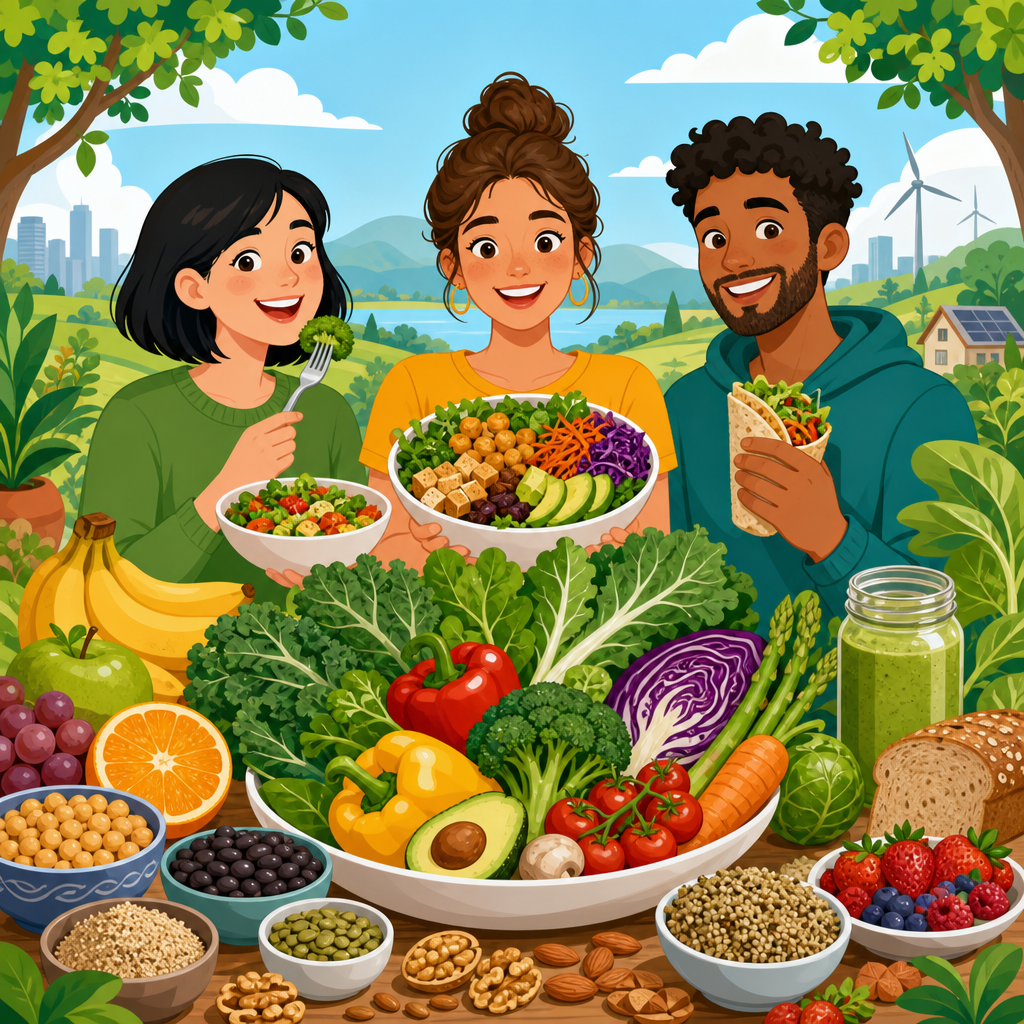
Plant-based diets have moved from niche eating patterns to mainstream nutrition strategies because they can improve diet quality, support long-term health, and give people flexible ways to eat more whole foods without following a single rigid rule. In practice, the term plant-based diets includes vegan, vegetarian, and flexitarian approaches, each centered on foods from plants such as vegetables, fruit, legumes, whole grains, nuts, seeds, herbs, and plant oils. A vegan diet excludes all animal-derived foods. A vegetarian diet usually excludes meat and fish but may include dairy, eggs, or both, depending on the type. A flexitarian diet is mostly plant-forward while still allowing some animal foods in smaller or less frequent amounts.
I have worked with clients and editorial teams building nutrition resources around these eating patterns, and the same question appears again and again: are plant-based diets actually balanced, or are they just restrictive trends? The evidence and real-world results are clear. A well-planned plant-based diet can provide protein, fiber, essential fats, vitamins, minerals, and phytonutrients while helping reduce overreliance on ultra-processed foods and excess saturated fat. Major organizations including the Academy of Nutrition and Dietetics recognize that appropriately planned vegetarian and vegan diets can be healthful and nutritionally adequate across life stages. That point matters because balance is not about eating every food category indiscriminately. It is about meeting nutrient needs consistently, supporting energy, digestion, metabolic health, and making a pattern sustainable enough to follow.
This hub article explains why plant-based diets matter, how vegan, vegetarian, and flexitarian styles differ, what nutrients deserve close attention, and how to build meals that work in ordinary life. If you are comparing dietary lifestyles, this is the practical starting point.
What Plant-Based Diets Really Mean in Daily Eating
Plant-based eating is often misunderstood as all-or-nothing, but in daily use it describes a spectrum. Vegan diets rely entirely on plant foods and exclude meat, poultry, fish, dairy, eggs, gelatin, and other animal-derived ingredients. Vegetarian diets sit in the middle. Lacto-vegetarian patterns include dairy, ovo-vegetarian patterns include eggs, and lacto-ovo vegetarian patterns include both. Pescatarian eating is related but not strictly vegetarian because it includes fish. Flexitarian eating is the broadest model. It emphasizes beans, lentils, tofu, vegetables, fruit, whole grains, nuts, and seeds while leaving room for occasional chicken, yogurt, eggs, or fish.
What makes these diets essential for a balanced diet is not simply the absence of meat. It is the increase in nutrient-dense plant foods that many people otherwise underconsume. In food diary reviews, I repeatedly see the same improvements when people shift toward plant-forward meals: fiber rises, intake of legumes and whole grains improves, and meals become more varied. For example, replacing a processed lunch of deli meat and chips with a grain bowl of brown rice, chickpeas, roasted vegetables, tahini, and pumpkin seeds adds fiber, magnesium, folate, potassium, and unsaturated fat in one move. That is balance in practical terms.
A balanced diet also depends on consistency. Vegan, vegetarian, and flexitarian diets offer different levels of structure, which helps different people succeed. Someone who enjoys clear boundaries may thrive on vegan eating. Someone who wants simplicity may do better as a vegetarian. Someone eating with a mixed-diet family may find flexitarian habits easiest to sustain. The best pattern is the one that improves food quality while fitting culture, budget, schedule, and taste.
How Plant-Based Diets Support Health and Diet Quality
Plant-based diets are strongly associated with higher intakes of dietary fiber, antioxidants, and beneficial plant compounds, while often being lower in saturated fat and processed meat. Those shifts matter because fiber supports bowel regularity, cholesterol management, blood sugar control, and satiety. Most adults do not get enough fiber. Legumes, oats, berries, vegetables, chia seeds, and whole grains help close that gap. In practical meal planning, a black bean chili with tomatoes, onions, peppers, and barley delivers a package of nutrients that is hard to match with more refined convenience foods.
Cardiometabolic health is one of the clearest reasons plant-based diets matter. Research consistently shows that eating patterns rich in vegetables, pulses, nuts, and whole grains are linked with lower risk of cardiovascular disease and better LDL cholesterol levels. This does not mean every vegan or vegetarian product is healthy. A diet built around fries, refined bread, and sugary snacks is still poor quality. The benefit comes from whole or minimally processed plant foods used regularly. In clinical settings, I have seen modest but meaningful changes when people replace several weekly red meat meals with lentil soup, tofu stir-fry, or bean tacos. Cholesterol, fullness, and meal satisfaction often improve together.
Weight management is another common reason people explore a plant-based diet, and here nuance matters. Plant-based eating is not automatically low calorie, but many staple plant foods are less energy-dense and more filling because they contain fiber and water. A plate built around roasted sweet potato, edamame, kale, quinoa, and avocado tends to satisfy with more volume and more micronutrients than a fast-food meal with comparable calories. This can make appetite regulation easier without turning every meal into a restrictive calculation.
There are broader benefits too. Flexitarian and vegetarian patterns can make family meals easier to diversify, encourage cooking skills, and expand the range of foods eaten over time. From a public health perspective, shifting even part of the population toward more legumes and whole grains would improve nutrient intake at scale.
Key Nutrients to Watch and How to Build a Balanced Plate
The strongest plant-based diet is the one planned well. Protein is the first concern most people raise, but it is usually manageable with intentional choices. Beans, lentils, tofu, tempeh, edamame, soy milk, seitan, Greek yogurt, cottage cheese, eggs, nuts, seeds, and whole grains all contribute. Soy foods are especially useful because they provide high-quality protein with a strong amino acid profile. Across the day, variety matters more than obsessing over combining proteins in a single meal.
Some nutrients deserve extra attention. Vitamin B12 is essential for vegans because reliable plant sources do not naturally provide enough. Fortified plant milks, fortified nutritional yeast, and supplements are the standard solution. Iron is available in beans, lentils, tofu, pumpkin seeds, spinach, and fortified cereals, but the non-heme form is absorbed less efficiently than iron from meat. Pairing these foods with vitamin C sources such as peppers, citrus, strawberries, or tomatoes improves absorption. Calcium can come from fortified soy milk, calcium-set tofu, yogurt, cheese, kale, bok choy, and almonds. Omega-3 fats matter too. Flaxseed, chia, walnuts, hemp seeds, and algae-based supplements can help, especially for vegans.
Vitamin D, iodine, zinc, and selenium may also require attention depending on food variety, geography, and supplement use. This is one reason I recommend periodic dietary review rather than assuming any label guarantees adequacy.
| Diet style | Includes | Nutrients to monitor | Helpful staple foods |
|---|---|---|---|
| Vegan | Only plant foods | B12, iron, calcium, omega-3, iodine, vitamin D | Tofu, tempeh, lentils, fortified soy milk, chia, nutritional yeast |
| Vegetarian | Plant foods plus dairy and/or eggs | Iron, fiber quality, omega-3, vitamin D | Eggs, yogurt, beans, oats, nuts, leafy greens |
| Flexitarian | Mostly plant foods with some animal foods | Overall food quality and fiber intake | Beans, whole grains, vegetables, fish, yogurt, seeds |
A balanced plant-based plate is straightforward: half vegetables and fruit, one quarter protein-rich foods, and one quarter whole grains or starchy vegetables, with healthy fats added where appropriate. That formula works whether dinner is tofu with soba noodles and broccoli, a vegetable omelet with beans and whole-grain toast, or a flexitarian curry with chickpeas and a small portion of chicken.
Vegan, Vegetarian, and Flexitarian: Which Approach Fits Best?
Choosing between vegan, vegetarian, and flexitarian eating depends on goals, medical needs, household routines, and personal values. Vegan diets are often selected for ethical, environmental, or health reasons. They can be highly nutritious, but they require the most planning because nutrients such as B12 are nonnegotiable. Vegetarian diets can be easier socially and nutritionally because dairy and eggs add convenience, protein, calcium, and B12. Flexitarian diets work well for people who want health benefits without total exclusion. In my experience, this is the most accessible entry point for busy adults and families because it lowers friction while still improving diet quality significantly.
Consider three realistic examples. A college student with limited cooking equipment may do well on a vegetarian pattern using Greek yogurt, eggs, microwaveable grains, canned beans, frozen vegetables, and fruit. A committed vegan athlete may rely on tofu, tempeh, soy milk, oats, peanut butter, pasta, lentils, and a B12 supplement, with planned higher-calorie meals around training. A parent feeding children and grandparents at the same table may prefer a flexitarian approach, serving lentil Bolognese, bean chili, or vegetable stir-fry most nights while keeping occasional fish or chicken as optional additions. All three can be balanced. The difference is the level of structure and the amount of planning required.
Cost is another factor. Dry beans, lentils, oats, rice, pasta, frozen vegetables, and seasonal produce are often among the most economical foods in a grocery store. Specialty vegan products can raise costs, but they are not required. For many households, the most budget-friendly version of plant-based eating is a whole-food flexitarian or vegetarian pattern built around staples rather than packaged meat substitutes.
Common Mistakes, Practical Strategies, and Long-Term Success
The most common plant-based diet mistake is replacing animal foods with refined carbohydrates instead of nutrient-dense alternatives. I see this when people cut meat but then rely on white bread, crackers, pastries, and low-protein snack foods. Energy may drop, hunger rises, and the diet gets blamed when the real issue is poor substitution. The fix is to anchor meals with legumes, soy foods, eggs or dairy where used, whole grains, and produce. Another mistake is ignoring meal composition. A salad of lettuce and cucumber is not a complete lunch. Add chickpeas, quinoa, seeds, olive oil, and a piece of fruit, and it becomes a balanced meal.
Transition strategy matters. People sustain change better when they start with repeatable swaps. Examples include oatmeal with soy milk and berries instead of sugary cereal, lentil tacos instead of ground beef tacos once or twice weekly, hummus and roasted vegetables in wraps, or stir-fries that use tofu in place of some or all meat. Batch cooking also helps. A pot of lentils, tray of roasted vegetables, cooked farro, and simple tahini dressing can support several lunches and dinners.
Reading labels is important, especially for packaged plant-based foods. Look at protein, sodium, saturated fat, and fortification. Some meat alternatives are useful convenience foods, but they vary widely. A black bean burger with meaningful fiber and moderate sodium is different from a highly processed product that contributes little beyond flavor.
Long-term success comes from flexibility, not perfection. Balanced plant-based eating should improve health markers, digestion, energy, and meal enjoyment. If it is causing chronic fatigue, social stress, or nutrient gaps, the pattern needs adjustment. That may mean adding fortified foods, using supplements, or choosing a less restrictive version.
Plant-based diets are essential for a balanced diet because they put the foods most people need more of at the center of everyday eating: vegetables, fruit, legumes, whole grains, nuts, and seeds. Vegan, vegetarian, and flexitarian approaches each offer a workable path to better nutrition, but they are not interchangeable. Vegan eating provides the strongest exclusion framework and can be very nutritious when B12 and other key nutrients are planned. Vegetarian eating offers convenience and variety with fewer nutritional hurdles. Flexitarian eating gives many of the same diet-quality benefits with the greatest social and practical flexibility.
The main lesson is simple. Balance does not come from a label; it comes from food quality, nutrient coverage, and consistency over time. Build meals around protein-rich plant foods, high-fiber carbohydrates, colorful produce, and healthy fats. Use fortified foods and supplements when needed. Choose the version of plant-based eating that fits your life well enough to maintain.
If you are exploring dietary lifestyles and special diets, use this page as your starting hub, then go deeper into meal planning, nutrient-specific guidance, shopping lists, and lifestyle comparisons to create a plant-based pattern that is balanced, realistic, and built to last.
Frequently Asked Questions
1. What counts as a plant-based diet, and how are vegan, vegetarian, and flexitarian diets different?
A plant-based diet is any eating pattern that puts plant foods at the center of daily meals. That includes vegetables, fruits, legumes, whole grains, nuts, seeds, herbs, spices, and plant oils. The main difference between vegan, vegetarian, and flexitarian diets is how much or how little animal-based food they include. A vegan diet excludes all animal products, including meat, poultry, fish, dairy, eggs, and often ingredients derived from animals. A vegetarian diet focuses on plant foods but may still include dairy, eggs, or both, depending on the type of vegetarian approach. A flexitarian diet is the most flexible of the three, emphasizing mostly plant foods while allowing occasional meat, fish, dairy, or eggs.
What makes all three approaches valuable is not simply what they remove, but what they prioritize. When built well, they naturally increase intake of fiber, vitamins, minerals, antioxidants, and beneficial plant compounds that many people do not get enough of in a typical diet. This can improve overall diet quality and help create a more balanced plate. Rather than thinking of plant-based eating as a strict rulebook, it is more useful to see it as a spectrum. Some people do best with a fully vegan lifestyle, while others find that a vegetarian or flexitarian pattern is more realistic and sustainable. Each can support balanced nutrition when meals are planned around variety, adequacy, and whole foods.
2. Why are plant-based diets considered essential for a balanced diet?
Plant-based diets are often considered essential for a balanced diet because they help people eat more of the foods most strongly linked with good health. A balanced diet is not just about calories or protein; it is about getting the right mix of nutrients, fiber, and protective compounds from a wide range of foods. Plant foods are especially rich in dietary fiber, potassium, folate, vitamin C, magnesium, and phytonutrients, all of which support important functions such as digestion, heart health, immune function, blood sugar control, and healthy cells. Many people fall short on these nutrients when their diets are built heavily around ultra-processed foods or large portions of animal-based foods with fewer protective plant compounds.
Another reason plant-based eating supports balance is that it encourages dietary diversity. Legumes, whole grains, leafy greens, berries, seeds, and nuts all bring different nutrient strengths to the table. A person who regularly eats beans, lentils, oats, quinoa, spinach, broccoli, almonds, and fruit is more likely to build meals that are naturally nutrient-dense than someone relying mostly on refined grains, processed snacks, and heavy meats. Plant-based diets can also help reduce excess saturated fat intake, especially when they replace processed meats and highly refined foods with minimally processed plant options.
Importantly, “essential” does not mean everyone must become vegan overnight. It means that emphasizing plant foods is a practical foundation for healthier eating. Even a flexitarian pattern can improve balance by shifting the ratio of the diet toward whole plant foods and away from less nutritious choices. In that sense, plant-based eating is essential not because it is trendy, but because it aligns closely with the core principles of balanced nutrition: variety, moderation, nutrient density, and long-term sustainability.
3. Can you get enough protein and key nutrients on a plant-based diet?
Yes, you can get enough protein and key nutrients on a plant-based diet, but the diet needs to be intentional. Protein is one of the most common concerns, yet many plant foods provide meaningful amounts of it, including beans, lentils, chickpeas, tofu, tempeh, edamame, soy milk, peas, quinoa, nuts, seeds, and whole grains. Vegetarian diets that include dairy and eggs can make protein intake even easier. Flexitarian eaters typically have the most flexibility because they can combine plant proteins with occasional animal proteins. For most people, the goal is not to find a single perfect protein source but to eat a variety of protein-rich foods across the day.
There are, however, several nutrients that deserve extra attention. Vitamin B12 is the most important for strict vegans because it is not reliably available from unfortified plant foods, so fortified foods or supplements are usually necessary. Iron is available in foods such as lentils, beans, tofu, pumpkin seeds, and dark leafy greens, though pairing these foods with vitamin C sources like citrus, strawberries, tomatoes, or bell peppers can improve absorption. Calcium can come from fortified plant milks, calcium-set tofu, sesame products, leafy greens, and dairy for vegetarians. Omega-3 fats can be obtained from flaxseeds, chia seeds, walnuts, and algae-based supplements. Zinc, iodine, vitamin D, and in some cases protein quantity and energy intake also deserve review depending on the person’s age, activity level, and dietary pattern.
The key takeaway is that plant-based diets can absolutely be nutritionally complete, but they work best when built around whole foods and informed choices. A balanced plant-based plate should include a source of protein, a whole grain or other quality carbohydrate, healthy fats, and plenty of vegetables or fruit. People with higher needs, such as children, older adults, athletes, or pregnant individuals, may benefit from more personalized planning. Done thoughtfully, plant-based eating is not nutritionally limiting; it can be highly nourishing and well-rounded.
4. Is a flexitarian diet as healthy as a vegan or vegetarian diet?
A flexitarian diet can be just as healthy as a vegan or vegetarian diet, and in many cases it is the most practical option for long-term success. Health outcomes depend less on the label and more on the quality of the foods someone eats consistently. A person following a flexitarian pattern built around vegetables, legumes, whole grains, nuts, seeds, fruit, and modest amounts of minimally processed animal foods may have an excellent diet. On the other hand, someone following a vegan diet that relies heavily on refined grains, sugary snacks, and ultra-processed meat substitutes may not have the same nutritional advantage. The overall pattern matters more than strict dietary identity.
One of the biggest strengths of a flexitarian diet is adherence. Many people find it easier to reduce animal foods than eliminate them completely, which can make healthy eating feel more realistic in everyday life. This approach can still increase fiber and plant nutrient intake, lower reliance on processed meats, and support better weight management, cholesterol levels, and metabolic health. It may also reduce the pressure people feel when trying to eat perfectly, which can help them maintain healthy habits over time.
That said, vegan and vegetarian diets may offer additional benefits for some people, especially if they lead to a larger increase in whole plant food intake and a larger reduction in foods high in saturated fat or heavily processed meats. The best choice depends on personal preferences, health needs, cultural habits, and what someone can sustain comfortably. If the goal is a balanced diet, a flexitarian approach absolutely qualifies as plant-based and can deliver major benefits, especially when meals are centered on plants first and animal foods play a smaller supporting role.
5. What are the best ways to start eating more plant-based foods without making meals feel restrictive?
The most effective way to start eating more plant-based foods is to add before you subtract. Instead of focusing first on what to eliminate, begin by increasing foods such as beans, lentils, vegetables, fruit, whole grains, nuts, and seeds in meals you already enjoy. Add black beans to tacos, lentils to soup, chickpeas to salads, tofu to stir-fries, or oats and berries to breakfast. This approach feels less restrictive because it builds familiar meals around more nutrient-dense ingredients rather than forcing a complete overhaul all at once.
Another helpful strategy is to structure meals around a simple template. For example, start with a whole grain like brown rice or quinoa, add a protein such as beans or tofu, include several colorful vegetables, and finish with healthy fats from avocado, tahini, olive oil, or seeds. This creates meals that are satisfying, balanced, and flavorful. Keeping convenient staples on hand also makes plant-based eating easier. Canned beans, frozen vegetables, whole grain pasta, nut butter, fortified plant milk, hummus, and seeds can turn into quick meals without much planning.
It is also important to remember that plant-based eating does not have to be all or nothing. You might begin with one plant-based breakfast each day, a few meatless dinners each week, or a “plants first” rule where half the plate is vegetables and legumes before anything else is added. Trying new herbs, spices, sauces, and cooking methods can make these meals more appealing and help prevent boredom. Over time, these small shifts can significantly improve diet quality without making eating feel rigid or socially difficult. The most sustainable plant-based diet is the one that fits naturally into your lifestyle while still giving your body the diversity and nutrients it needs.