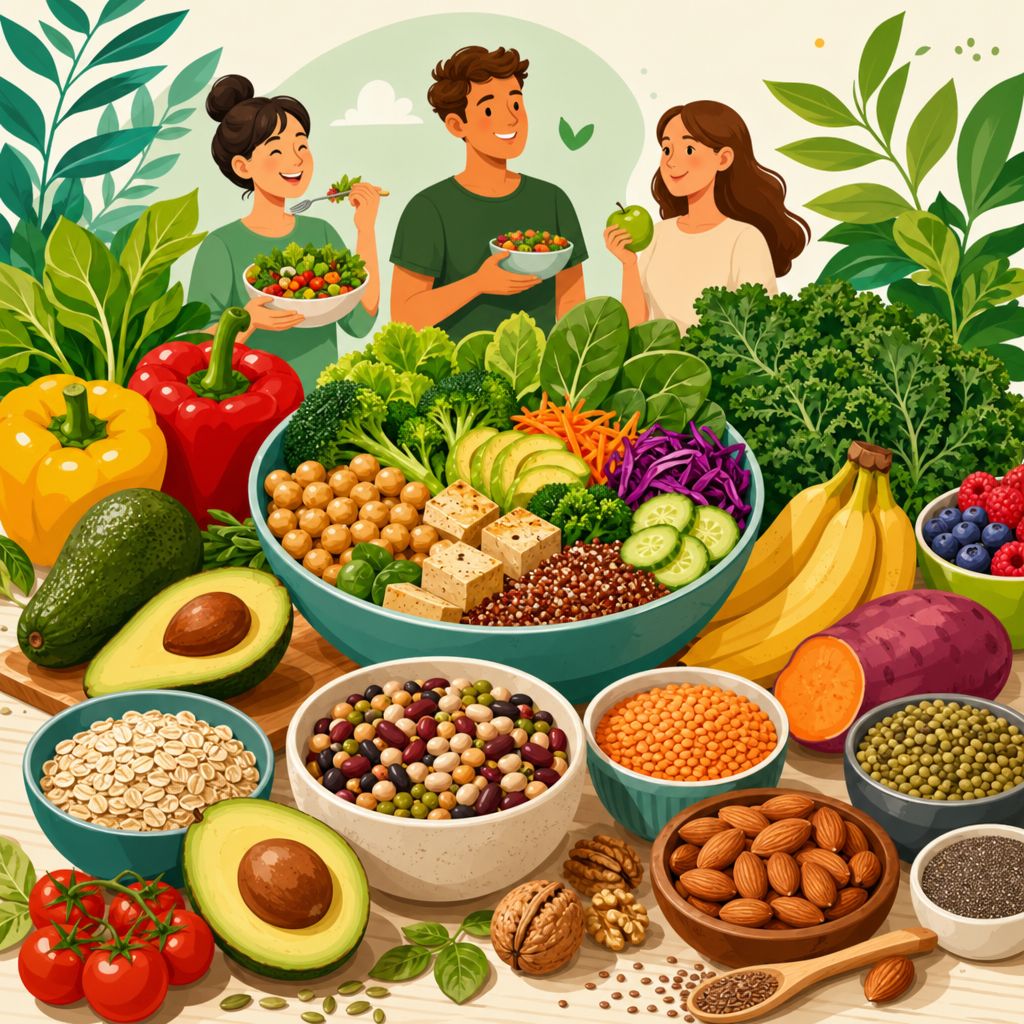
Plant-based diets are eating patterns built mostly or entirely around foods from plants, including vegetables, fruits, legumes, whole grains, nuts, seeds, herbs, and plant oils, with animal foods limited or excluded depending on the approach. In practice, the category covers three major patterns: vegan diets exclude all animal-derived foods; vegetarian diets usually exclude meat and fish but may include eggs or dairy; flexitarian diets center plant foods while allowing small amounts of animal products. I have planned meal programs for all three, and the common question is always the same: which foods matter most, and why do they deserve a regular place on the plate?
The answer matters because food quality drives whether a plant-based diet feels energizing and sustainable or restrictive and nutritionally thin. Well-structured plant-forward eating patterns are associated with lower risk of cardiovascular disease, type 2 diabetes, hypertension, and excess weight, especially when they emphasize minimally processed staples rather than refined starches and sugary convenience foods. Major organizations including the Academy of Nutrition and Dietetics and the American Heart Association support appropriately planned vegetarian and vegan diets across life stages. That said, success depends on choosing foods that consistently deliver protein, fiber, iron, calcium, omega-3 fats, zinc, iodine, and key vitamins such as B12 and D.
This hub article explains the top foods rich in plant-based diets and why you need them, not as a generic list but as a practical framework for daily eating. These foods show up repeatedly in the strongest vegan diet, vegetarian diet, and flexitarian diet plans because they solve real nutritional jobs. Beans provide protein and soluble fiber. Soy foods offer complete protein with exceptional versatility. Whole grains support satiety and metabolic health. Nuts and seeds add minerals and healthy fats. Leafy greens and cruciferous vegetables supply folate, calcium, potassium, and phytochemicals. Fortified foods help close predictable nutrient gaps. If you want a reliable plant-based shopping list, meal-prep system, or starting point for deeper articles within Dietary Lifestyles & Special Diets, these are the essentials.
Legumes: the protein-and-fiber foundation
Legumes are the workhorse foods of plant-based diets. This group includes lentils, chickpeas, black beans, kidney beans, white beans, peas, and soybeans. Their value is straightforward: they combine substantial protein with fiber, complex carbohydrates, iron, potassium, and a low environmental footprint. In the clinic and test kitchen, legumes are usually the first food I increase when someone says a vegan diet leaves them hungry. A cup of cooked lentils provides roughly 18 grams of protein and about 15 grams of fiber, enough to improve fullness and support cholesterol management. Chickpeas and black beans deliver similar benefits, making them reliable anchors for bowls, soups, tacos, curries, and salads.
Legumes also help answer one of the most searched questions about plant-based diets: where does the protein come from? For most adults, the issue is not finding one perfect protein source; it is eating enough total protein from varied foods across the day. Beans, lentils, peas, and soy products make that achievable. Pairing legumes with whole grains can improve amino acid balance, but they do not need to be combined in the same bite. In flexitarian eating, legumes also reduce dependence on meat without sacrificing satisfaction. Replacing half the ground beef in chili with lentils is a practical transition strategy that preserves flavor, lowers saturated fat, and increases fiber immediately.
There are caveats. Some people experience bloating when they increase beans too quickly. The fix is usually procedural, not avoidance: start with smaller servings, rinse canned beans well, cook dried legumes thoroughly, and use split lentils or tofu during adaptation. Pressure cooking and soaking can improve digestibility. For budget-conscious households, legumes are still one of the lowest-cost nutrient-dense foods available, which is one reason every serious plant-based diet plan keeps them in weekly rotation.
Soy foods: complete protein with exceptional range
Soy foods deserve a dedicated section because they solve several nutritional challenges at once. Tofu, tempeh, edamame, and unsweetened soy milk provide high-quality protein, and soy is one of the few plant foods considered a complete protein source. In practical terms, that means it contains all nine essential amino acids in useful amounts. A typical serving of firm tofu supplies around 12 to 15 grams of protein, while tempeh often provides closer to 18 to 20 grams per serving, along with iron and, when fermented, a firmer texture many people prefer in savory meals. Fortified soy milk can also contribute calcium, vitamin D, and vitamin B12, depending on the brand.
People often ask whether soy is safe. The evidence consistently shows that minimally processed soy foods are safe for most people and can be beneficial for heart health when they replace higher-saturated-fat animal proteins. Soy contains isoflavones, which have been studied extensively; whole-food soy intake is not the same thing as taking concentrated supplements. In meal planning, soy is unmatched for versatility. Tofu can be scrambled, baked, grilled, blended into sauces, or crumbled into tacos. Tempeh works in sandwiches and grain bowls. Edamame adds fast protein to salads and stir-fries. For vegetarian and flexitarian eaters, soy makes it easier to hit protein targets without defaulting to cheese, which can raise saturated fat and sodium quickly.
Not every processed soy product is equal. Sweetened soy yogurts and heavily salted meat alternatives can fit occasionally, but the nutritional center of a strong plant-based diet is still basic soy staples. Choose calcium-set tofu when possible, and shake fortified soy milk before pouring because the added minerals settle at the bottom. Those details matter over months and years.
Whole grains, nuts, seeds, and vegetables: the everyday nutrient network
Once legumes and soy establish protein coverage, the rest of the plant-based plate should expand through whole grains, nuts, seeds, and vegetables. Whole grains such as oats, quinoa, brown rice, barley, farro, and whole wheat provide complex carbohydrates, B vitamins, magnesium, and fiber that refined grains lose during processing. Oats are especially useful because their beta-glucan fiber is linked with LDL cholesterol reduction. Quinoa is popular for its texture and protein contribution, but barley and oats often outperform it on soluble fiber. For athletes and active adults, whole grains support glycogen replenishment without the blood sugar swings common with low-fiber refined snacks.
Nuts and seeds supply concentrated nutrition in small servings. Almonds bring vitamin E and magnesium. Walnuts contribute alpha-linolenic acid, a plant omega-3 fat. Chia, flax, hemp, pumpkin, and sesame seeds each offer distinct strengths, from fiber to zinc to calcium. Ground flaxseed is one of the simplest upgrades I recommend because one or two tablespoons can be stirred into oatmeal, smoothies, or yogurt alternatives with almost no effort. Tahini, made from sesame seeds, is an underrated source of flavor, calcium, and healthy fats. Portion awareness still matters because calories add up quickly, but regular inclusion supports satiety and nutrient density.
Vegetables, especially leafy greens and cruciferous types, complete the network. Kale, bok choy, collards, broccoli, Brussels sprouts, spinach, arugula, and cabbage contribute folate, potassium, vitamin K, vitamin C, and a wide range of phytochemicals. Dark leafy greens can support calcium intake, although absorption differs by vegetable; bok choy and kale are generally better calcium sources than spinach, which contains more oxalates. Sweet potatoes, carrots, and red peppers boost carotenoids, while tomatoes provide lycopene. Variety matters because color usually signals different protective compounds. The strongest vegetarian and vegan meal patterns do not rely on one “superfood”; they rely on repeated exposure to many plant foods through the week.
| Food group | Top examples | Main nutrients | Why you need them |
|---|---|---|---|
| Legumes | Lentils, chickpeas, black beans | Protein, fiber, iron, potassium | Support fullness, heart health, and affordable protein intake |
| Soy foods | Tofu, tempeh, edamame, soy milk | Complete protein, iron, calcium if fortified | Make vegan and vegetarian diets easier to balance |
| Whole grains | Oats, barley, brown rice, quinoa | Fiber, magnesium, B vitamins | Provide lasting energy and improve dietary quality |
| Nuts and seeds | Walnuts, chia, flax, pumpkin seeds | Healthy fats, zinc, omega-3s, vitamin E | Increase satiety and cover key micronutrients |
| Vegetables | Kale, broccoli, bok choy, sweet potatoes | Folate, potassium, calcium, carotenoids | Deliver protective compounds and daily volume |
| Fortified foods | Plant milks, cereals, nutritional yeast | B12, vitamin D, calcium, iodine in some products | Help prevent predictable nutrient shortfalls |
Fortified foods and smart supplementation: where precision matters
No hub on plant-based diets is complete without addressing fortified foods. They are not optional extras in strict vegan eating; they are often the most practical way to obtain nutrients that plants do not reliably provide in adequate amounts. Vitamin B12 is the clearest example. Because B12 is essential for nerve function and red blood cell formation, vegans should use B12-fortified foods or a supplement consistently. Vegetarian eaters may get some B12 from dairy or eggs, but intake can still be inconsistent. Fortified plant milks, breakfast cereals, and nutritional yeast can help, though supplements are usually the most dependable strategy.
Vitamin D, calcium, and iodine also require planning. Fortified soy or pea milk can match dairy milk for calcium when labels show similar amounts per cup, usually around 300 milligrams. Iodine is less predictable because sea vegetables vary widely and can overshoot safe levels; iodized salt or a measured supplement is usually more reliable. Omega-3 fats are another common concern. ALA from walnuts, chia, and flax is useful, but people who avoid fish entirely may consider algae-based EPA and DHA, especially during pregnancy or when cardiovascular risk is elevated. Iron and zinc are available in legumes, seeds, whole grains, and tofu, but absorption can be improved by pairing iron-rich foods with vitamin C sources such as citrus, strawberries, tomatoes, or bell peppers.
Label reading becomes a skill, not a chore. Compare unsweetened plant milks for protein, calcium, vitamin D, and B12. Check sodium in meat alternatives. Review serving sizes on fortified foods because the added nutrient amount depends on the portion consumed. These are the practical habits that separate a merely meat-free diet from a nutritionally complete plant-based diet.
How vegans, vegetarians, and flexitarians should build meals
The best plant-based diet is the one a person can follow consistently while meeting health needs, preferences, budget, and culture. Vegans should build meals around legumes or soy first, then add whole grains, vegetables, nuts or seeds, and a reliable fortified food or supplement plan. Vegetarians have more flexibility because yogurt, kefir, eggs, and some cheeses can contribute protein and B12, but these foods should complement, not displace, beans, grains, produce, and nuts. Flexitarians can use the same plant-centered template and add modest amounts of fish, poultry, dairy, or eggs where it improves convenience or personal preference. The common denominator is that plants remain the default, not the side dish.
In real-world meal planning, simple formulas work best. Breakfast might be oatmeal with soy milk, berries, chia seeds, and walnuts. Lunch could be a lentil grain bowl with roasted vegetables and tahini dressing. Dinner might be tofu stir-fry with brown rice and broccoli, or a flexitarian plate of mostly bean chili with a smaller portion of lean turkey. Snacks can include edamame, fruit with peanut butter, hummus with carrots, or fortified yogurt alternatives. This hub article links naturally to deeper topics such as plant-based protein, vegan grocery lists, vegetarian meal prep, and nutrient planning for B12, iron, and omega-3s, because the same core foods recur in every successful pattern.
Plant-based diets work best when they are abundant rather than restrictive. Stock lentils, beans, tofu, oats, brown rice, nuts, seeds, leafy greens, colorful vegetables, and fortified staples, then build meals from that base all week. If you are new to vegan, vegetarian, or flexitarian eating, start with one dependable plant-based meal each day and expand from there. The benefit is not only better nutrition on paper; it is a practical way to eat with more fiber, more variety, and a healthier long-term balance. Use this hub as your starting point, and begin with the foods that consistently deliver the most value.
Frequently Asked Questions
1. What foods are considered essential in a plant-based diet?
The foundation of a healthy plant-based diet is variety. The most important foods to include regularly are legumes, whole grains, vegetables, fruits, nuts, seeds, and healthy plant oils. Legumes such as lentils, chickpeas, black beans, peas, and soy foods provide protein, fiber, iron, and important minerals. Whole grains like oats, brown rice, quinoa, barley, and whole wheat supply complex carbohydrates, B vitamins, and lasting energy. Vegetables and fruits contribute vitamins, minerals, antioxidants, and phytochemicals that support immune function, digestion, and long-term health.
Nuts and seeds are especially valuable because they deliver healthy fats, plant protein, vitamin E, magnesium, and other nutrients that help support the heart and brain. Foods such as chia seeds, flaxseeds, walnuts, almonds, pumpkin seeds, and hemp seeds can make meals more filling and nutritionally balanced. Plant oils, especially extra virgin olive oil and avocado oil, can also play a useful role when used in moderation. For many people, soy foods like tofu, tempeh, and edamame are especially important because they are nutrient-dense, versatile, and among the best plant-based protein sources available.
Whether someone follows a vegan, vegetarian, or flexitarian eating pattern, the goal is not simply to remove animal products. It is to build meals around nutrient-rich plant foods that work together to provide protein, fiber, healthy fats, and a broad spectrum of micronutrients. A plate built from beans or tofu, whole grains, colorful vegetables, and a source of healthy fat is a practical example of what an effective plant-based meal often looks like.
2. Why are legumes, whole grains, nuts, and seeds so important in vegan, vegetarian, and flexitarian diets?
These foods matter because they help supply the nutrients that make plant-based diets satisfying, balanced, and sustainable. Legumes are one of the biggest nutritional anchors in plant-forward eating. They are rich in protein and fiber, which helps with fullness, blood sugar control, digestive health, and cholesterol management. They also provide iron, folate, potassium, and slow-digesting carbohydrates, making them a powerful everyday food for people who eat little or no meat.
Whole grains are equally important because they provide steady energy and much more nutrition than refined grains. Oats, quinoa, farro, millet, bulgur, and brown rice can help support digestive health, heart health, and satiety because they retain their fiber-rich bran and nutrient-dense germ. Many also contribute meaningful amounts of magnesium, selenium, manganese, and B vitamins. When paired with legumes, whole grains also help create meals with a strong amino acid profile, which is useful for meeting protein needs across the day.
Nuts and seeds bring another layer of nutritional value. They contain unsaturated fats that support cardiovascular health, along with minerals like zinc, magnesium, and selenium. Seeds such as chia, flax, and hemp are particularly useful because they add omega-3 fats, fiber, and protein. In practical terms, these foods also make plant-based eating easier to maintain. They improve flavor, texture, and fullness, which helps people enjoy meals and stay consistent with the diet over time.
3. Can you get enough protein from a plant-based diet?
Yes, most people can get enough protein from a well-planned plant-based diet. The key is to eat a variety of protein-rich plant foods consistently rather than relying on one single source. Legumes, soy foods, lentils, beans, peas, tofu, tempeh, edamame, nuts, seeds, whole grains, and even certain vegetables all contribute to total daily protein intake. Vegetarian diets that include eggs or dairy may have an even easier time reaching protein goals, while vegan diets can still meet protein needs very effectively with thoughtful food choices.
One reason plant protein sometimes gets questioned is because some plant foods contain lower amounts of certain essential amino acids compared with animal foods. In real-world eating, this is usually not a major problem if someone consumes a mix of foods over the course of the day. For example, beans, grains, soy foods, nuts, and seeds complement one another well. You do not need to combine them perfectly at every meal. What matters more is overall dietary variety and adequate calorie intake.
Protein needs can be higher for athletes, older adults, and people trying to preserve muscle during weight loss, so in those cases it can help to plan meals more intentionally. A simple strategy is to include a clear protein source at each meal, such as tofu at lunch, lentils at dinner, Greek yogurt for vegetarians, or a smoothie with soy milk and hemp seeds. For most healthy adults, a plant-based diet can absolutely provide enough protein while also delivering fiber and protective plant compounds that many animal-heavy diets lack.
4. What nutrients should people pay special attention to on vegan, vegetarian, and flexitarian diets?
Plant-based diets can be highly nutritious, but there are several nutrients that deserve closer attention depending on the specific eating pattern. Vitamin B12 is the most important one for vegans because it is not reliably supplied by unfortified plant foods. Vegans generally need fortified foods or a supplement to meet their needs. Some vegetarians may also need to monitor B12 intake if they consume only small amounts of dairy or eggs. Iron is another nutrient to watch, since plant-based iron is absorbed less efficiently than the iron found in meat. Eating iron-rich foods like lentils, beans, tofu, pumpkin seeds, and fortified cereals together with vitamin C-rich foods such as citrus, peppers, strawberries, or tomatoes can improve absorption.
Calcium and vitamin D are also worth monitoring, especially for vegans who do not consume dairy. Fortified plant milks, calcium-set tofu, tahini, almonds, and leafy greens can help with calcium intake, while vitamin D may require fortified foods, sunlight exposure, or supplementation depending on location and lifestyle. Omega-3 fats are another important consideration. Flaxseeds, chia seeds, hemp seeds, and walnuts provide plant omega-3s, and some people choose algae-based supplements for a more direct source of DHA and EPA.
Zinc, iodine, and sometimes protein can also require attention in more restrictive diets. The good news is that most of these concerns can be managed through smart food selection and, when appropriate, targeted supplementation. Flexitarian eaters often have fewer nutrient gaps because they may include occasional fish, dairy, eggs, or meat, but they still benefit from focusing on nutrient density rather than assuming any diet is balanced by default. A well-structured plant-based diet is not just about what you avoid. It is about deliberately including the foods that supply what your body needs.
5. Why do you need plant-based foods even if you are not fully vegan or vegetarian?
Plant-based foods are beneficial for almost everyone, not just people who avoid animal products. Vegetables, fruits, beans, whole grains, nuts, and seeds provide fiber, antioxidants, phytonutrients, and healthy fats that support heart health, digestive health, metabolic health, and overall disease prevention. Many people who eat traditional omnivorous diets still fall short on fiber and plant diversity. Adding more plant foods helps fill those gaps and can improve the quality of the diet without requiring a complete lifestyle overhaul.
This is one reason the flexitarian approach has become so popular. It encourages people to make plant foods the center of the plate while still allowing small amounts of animal products if desired. That can make healthy eating feel more realistic, flexible, and sustainable. Replacing some meat-heavy meals with lentil soups, grain bowls, bean chili, vegetable stir-fries, or tofu-based dishes can lower saturated fat intake and increase fiber, vitamins, and minerals. Over time, these shifts may support better cholesterol levels, improved blood sugar control, and a healthier body weight.
Just as importantly, plant-based foods add color, texture, and variety to everyday meals. They are not only protective in a medical sense, but also practical, affordable, and enjoyable. You do not need to be fully vegan to benefit from chia seeds in breakfast, beans in lunch, vegetables at dinner, or fruit as a snack. The more consistently plant foods appear in your routine, the more your diet tends to become balanced, nutrient-rich, and supportive of long-term health.