Ketogenic and low-carb diets have moved from niche clinical tools to mainstream eating strategies, but most explanations still blur important differences. A low-carb diet broadly means reducing carbohydrate intake below typical dietary patterns, usually to under 130 grams per day, while a ketogenic diet is a stricter version designed to shift the body into nutritional ketosis, a metabolic state in which fat becomes the primary fuel and the liver produces ketone bodies. In practice, that distinction matters because the goals, food choices, expected results, and side effects differ significantly. I have worked with clients who assumed they were “doing keto” while eating enough carbohydrate to prevent ketosis, and others who cut carbs sharply without understanding electrolyte needs, fiber intake, or medication interactions.
This topic matters because carbohydrate reduction can improve blood glucose control, reduce appetite for some people, and support weight loss, yet it can also be difficult to sustain and is not automatically healthier than other structured eating patterns. Research has shown benefits for type 2 diabetes management, triglyceride reduction, and short-term weight loss, but outcomes depend on food quality, adherence, and individual health status. A ketogenic plan built around eggs, fish, olive oil, nuts, seeds, nonstarchy vegetables, and fermented dairy looks very different from one dominated by processed meats and butter coffee. As a hub article, this guide explains the full landscape: what ketogenic and low-carb diets are, how they work, who may benefit, what to eat, common risks, and how to evaluate whether this approach fits your goals.
What ketogenic and low-carb diets actually mean
Low-carb is an umbrella term, not a single diet. Most clinicians define a moderate low-carb diet as roughly 100 to 130 grams of carbohydrate per day, a lower-carb approach as 50 to 100 grams, and very low-carb eating as under 50 grams. Ketogenic diets usually restrict digestible carbohydrate to about 20 to 50 grams daily, provide moderate protein, and derive most remaining calories from fat. The classic therapeutic ketogenic diet used for epilepsy is often expressed as a fat-to-protein-plus-carbohydrate ratio, such as 4:1 or 3:1, but popular weight-loss keto is usually more flexible. Net carbs, a common planning tool, equal total carbohydrate minus fiber and sometimes sugar alcohols, though labels and digestive responses vary.
The body normally relies heavily on glucose from carbohydrate for immediate energy. When carbohydrate intake drops low enough and liver glycogen stores fall, insulin levels decline, fat mobilization increases, and the liver produces beta-hydroxybutyrate, acetoacetate, and acetone. Those ketone bodies can fuel the brain and other tissues. Nutritional ketosis is commonly measured at blood ketone levels of 0.5 to 3.0 mmol/L. That is very different from diabetic ketoacidosis, a dangerous condition involving severe insulin deficiency, very high ketones, and metabolic acidosis. People often confuse the two, so the distinction is essential. Keto is not simply “eating fewer carbs”; it is a deliberate metabolic strategy with measurable biochemical markers and practical implications for meal composition and monitoring.
How these diets work in the real world
The mechanisms behind ketogenic and low-carb diets are straightforward once stripped of marketing claims. Lower carbohydrate intake generally reduces post-meal glucose excursions and lowers insulin demand. For people with insulin resistance or type 2 diabetes, this can translate into improved glycemic control, sometimes quickly enough that glucose-lowering medications need adjustment within days. Lower insulin also promotes natriuresis, meaning the kidneys excrete more sodium and water, which partly explains the rapid drop in scale weight during the first one to two weeks. That initial loss is mostly glycogen-associated water, not pure body fat. Understanding this prevents unrealistic expectations and helps people prepare for electrolyte shifts.
Many people also find that low-carb eating reduces hunger. Protein is satiating, fat slows gastric emptying, and more stable blood sugar can limit the rebound cravings that often follow high-refined-carbohydrate meals. In clinic settings, I have seen patients who struggled with constant snacking feel unexpectedly comfortable on three meals a day once breakfast shifted from cereal and juice to eggs, Greek yogurt, or tofu with vegetables. Still, appetite responses are not universal. Some people feel energized and focused in ketosis, while others feel flat, constipated, or overly restricted. Adherence predicts results more than ideology does. A diet can look perfect on paper and fail completely if it does not fit the person’s routine, budget, training demands, culture, or preferences.
Potential benefits supported by evidence
The strongest evidence for ketogenic diets historically comes from refractory epilepsy, particularly in children, where supervised ketogenic therapy can reduce seizure frequency. In the broader public, low-carb and ketogenic diets are best supported for short-term weight loss, triglyceride reduction, and glycemic improvement in type 2 diabetes or prediabetes. Trials often show greater early weight loss compared with low-fat diets, although the gap commonly narrows over time as adherence declines. Hemoglobin A1c can improve, fasting glucose may fall, and some patients reduce use of insulin or sulfonylureas under medical supervision. Triglycerides typically decrease, HDL cholesterol often rises, and markers of metabolic syndrome can improve when energy intake and food quality are well managed.
Benefits, however, are not automatic and should be interpreted carefully. LDL cholesterol may rise substantially in some people, especially lean hyper-responders, those consuming high amounts of saturated fat, or those losing weight rapidly. Athletic performance can improve for long, lower-intensity efforts in adapted individuals, but high-intensity output often suffers when glycogen availability is low. Some people appreciate the simplicity of carbohydrate restriction because clear rules reduce decision fatigue. Others experience social friction, reduced diet variety, and nutrient gaps if vegetables, legumes, and fruit are unnecessarily excluded. The practical takeaway is that ketogenic and low-carb diets can be effective tools, not universal solutions. Their value depends on the target outcome, implementation quality, and the health profile of the person using them.
What to eat, what to limit, and how to build meals
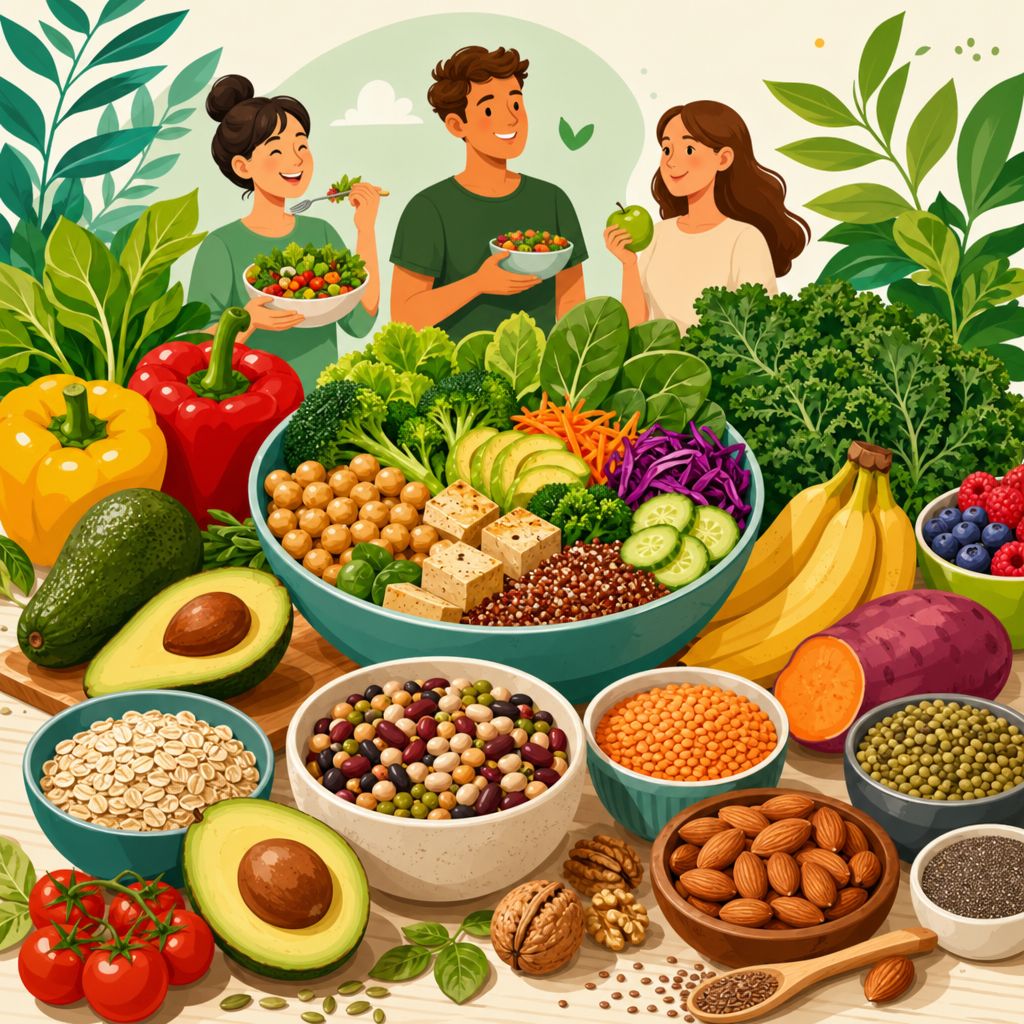
Food selection determines whether carbohydrate restriction supports health or merely changes macronutrient math. Core foods usually include nonstarchy vegetables, eggs, fish, poultry, meat, tofu, tempeh, Greek yogurt or cottage cheese if tolerated, avocados, olives, nuts, seeds, and fats such as extra-virgin olive oil. Lower-carb fruits like berries can fit in many plans, especially outside strict ketogenic phases. Carbohydrate sources commonly limited include bread, rice, pasta, potatoes, most crackers, sweetened drinks, desserts, and large portions of tropical fruit or juice. Beans and lentils occupy a middle ground: they are higher in carbohydrate than leafy greens but rich in fiber, minerals, and protein, so they often fit moderate low-carb plans better than ketogenic ones.
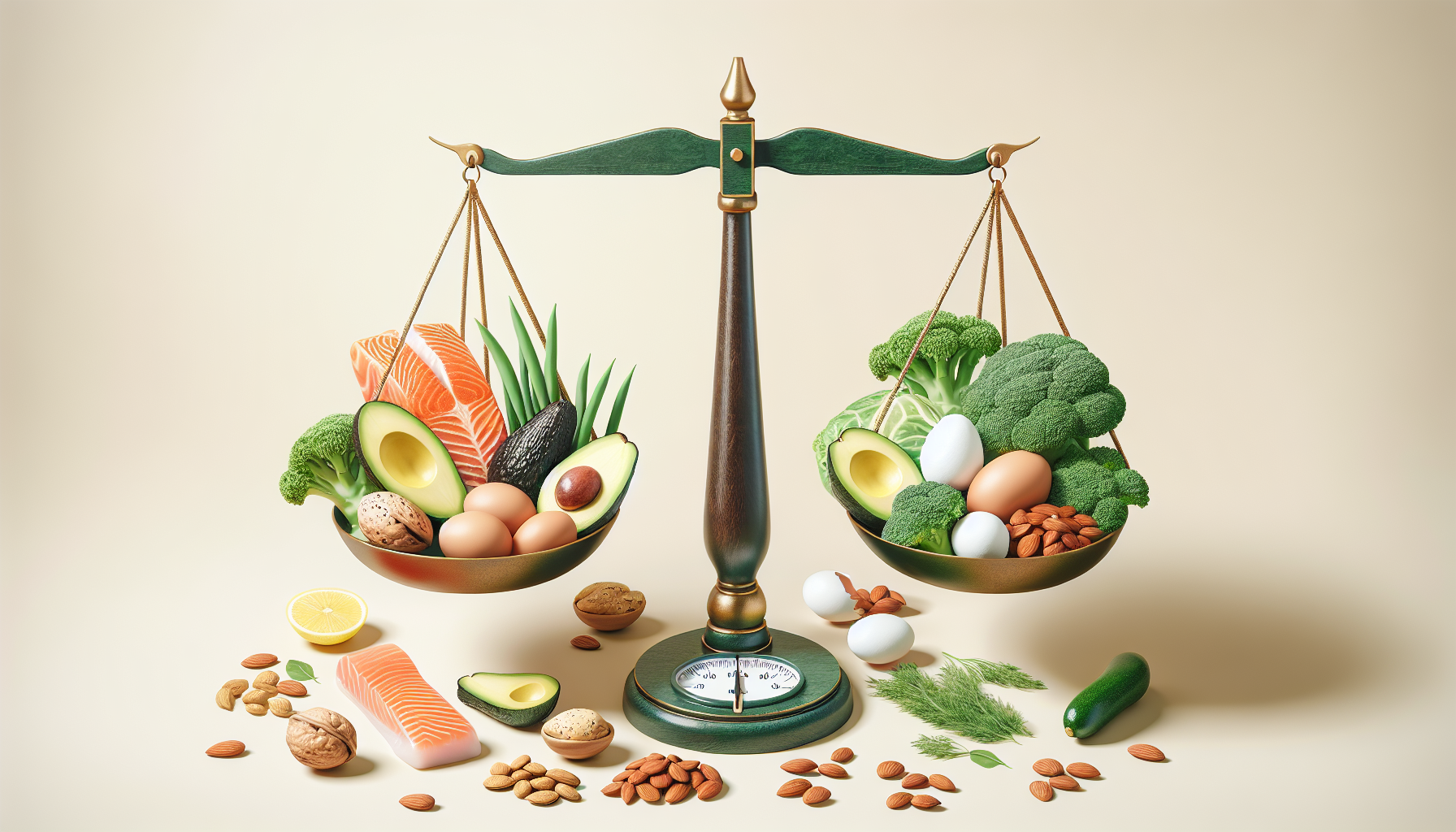
The goal is to structure meals around protein first, vegetables second, and carbohydrate tolerance third. A practical dinner might be salmon, roasted broccoli, and a tahini dressing, while a moderate low-carb lunch could be grilled chicken over salad with quinoa in a measured portion. On stricter keto, that quinoa would usually be replaced by more vegetables, avocado, or cheese. Quality matters within fats as well. Replacing refined carbohydrates with unsaturated fats from olive oil, nuts, and fish is generally cardiometabolically preferable to relying heavily on processed meats, cream, and butter. Fiber remains important for gut health, stool regularity, and satiety, so nonstarchy vegetables, chia seeds, flax, nuts, and occasional low-carb berries should not be afterthoughts.
| Approach | Typical daily carbs | Foods emphasized | Best suited for |
|---|---|---|---|
| Moderate low-carb | 100–130 g | Protein foods, vegetables, legumes, dairy, measured whole grains or fruit | General weight management, improved blood sugar, easier long-term adherence |
| Lower-carb | 50–100 g | Protein foods, nonstarchy vegetables, nuts, seeds, dairy, limited fruit and legumes | Prediabetes, appetite control, people wanting more structure without full ketosis |
| Ketogenic | 20–50 g | Protein foods, high-fat foods, nonstarchy vegetables, minimal starches and sugars | Therapeutic use, strict glycemic control, experienced dieters who tolerate restriction well |
Risks, side effects, and who needs medical guidance
The most common early side effects are headache, fatigue, dizziness, constipation, muscle cramps, and irritability, often grouped informally as the “keto flu.” In my experience, these symptoms are usually less about ketones themselves and more about abrupt fluid and electrolyte losses, inadequate sodium intake, insufficient calories, or too little fiber. Increasing fluids, salting food appropriately when medically suitable, and prioritizing magnesium- and potassium-rich foods can help. Constipation is often preventable with vegetables, seeds, and hydration, yet many people cut carbohydrates by eliminating produce first and then blame the diet. Longer-term concerns may include micronutrient shortfalls, elevated LDL cholesterol in susceptible individuals, reduced social flexibility, and possible gallstone risk during rapid weight loss.
Several groups should not start ketogenic or low-carb diets without professional oversight. Anyone taking insulin or sulfonylureas can develop hypoglycemia if carbohydrate intake drops but medications are not reduced. People on SGLT2 inhibitors need explicit medical guidance because of the risk of euglycemic diabetic ketoacidosis. Those with pancreatitis history, advanced liver disease, pregnancy, breastfeeding, eating disorders, kidney disease, or rare fatty-acid oxidation disorders also require individualized assessment. Even healthy individuals should distinguish evidence-based ketogenic diets from internet shortcuts built around processed “keto” bars and extreme fasting. If a plan causes persistent weakness, loss of training capacity, worsening lipids, or obsessive eating behavior, those signals matter. A successful diet improves health markers and daily functioning, not just scale weight.
How to start and how to decide whether it fits you
The best starting point is clarifying the objective. If the goal is modest weight loss or better blood sugar after meals, a moderate low-carb plan may deliver most of the benefit with fewer restrictions. If the goal is therapeutic ketosis, then measuring blood ketones with a meter is more reliable than guessing from symptoms or urine strips. I usually recommend changing one eating pattern at a time: remove sugary drinks first, center each meal on 25 to 40 grams of protein, add two generous servings of nonstarchy vegetables daily, and then set a carbohydrate target that matches the goal. This phased approach reveals whether lower-carb eating is helping before the diet becomes needlessly rigid.
Tracking can be useful early, especially for hidden carbohydrate sources such as sauces, flavored yogurt, snack foods, and coffee drinks. Recognized tools include Cronometer for micronutrient tracking and continuous glucose monitors, when clinically appropriate, for observing individual glucose responses. Planning for context matters as much as planning macros. Busy professionals often succeed with repeatable breakfasts and lunches, while families do better with adaptable dinners like taco bowls, burger salads, or sheet-pan meals where one carb side can be added separately. Sustainability is the real test. If you can maintain the pattern for several months, meet protein and fiber targets, enjoy the food, and see measurable progress in labs, symptoms, or body composition, it is probably a workable fit.
Ketogenic and low-carb diets are best understood as structured carbohydrate-reduction strategies rather than miracle solutions. The key distinction is that low-carb covers a range of eating patterns, while ketogenic eating is specifically designed to produce nutritional ketosis. Both can support weight loss, improve triglycerides, and help with blood glucose control, particularly in people with insulin resistance, but outcomes depend on adherence, food quality, medication management, and realistic expectations. The most effective version is usually not the most extreme one; it is the one that aligns with your medical needs, daily routine, cultural preferences, and long-term capacity to sustain it.
If you remember only a few points, make them these: prioritize whole foods, anchor meals with adequate protein, keep nonstarchy vegetables and fiber in the plan, and match carbohydrate restriction to your actual goal instead of copying someone else’s macros. Monitor how you feel, watch objective markers such as A1c, triglycerides, LDL cholesterol, and blood pressure, and seek medical guidance if you use diabetes medications or have a complex health history. As the hub for this topic, this guide gives you the framework to evaluate ketogenic and low-carb diets intelligently. Use it to choose a practical starting point, then explore the related articles in this section to build a plan that is safe, specific, and sustainable.
Frequently Asked Questions
What is the difference between a low-carb diet and a ketogenic diet?
A low-carb diet is a broad eating approach that reduces carbohydrate intake below what is typical in standard dietary patterns, often to fewer than 130 grams of carbohydrates per day. That reduction can help lower blood sugar swings, reduce appetite for some people, and make room for more protein and healthy fats. However, a low-carb diet does not necessarily push the body into ketosis. Many people following a low-carb plan still eat enough carbohydrates to rely primarily on glucose as their main fuel source.
A ketogenic diet is a more specific and stricter version of carbohydrate restriction. Its goal is to move the body into nutritional ketosis, a metabolic state in which fat becomes the primary fuel and the liver produces ketone bodies to supply energy, especially for the brain and muscles. To reach that state, carbohydrate intake usually needs to be kept very low, often around 20 to 50 grams of net carbs per day, though individual tolerance varies. Protein is typically kept moderate, and fat makes up the largest share of calories. In short, all ketogenic diets are low-carb, but not all low-carb diets are ketogenic. The key difference is intent and metabolic outcome: low-carb focuses on reducing carbohydrates, while keto specifically aims to produce ketosis.
How do you know if you are actually in ketosis?
The most reliable way to know whether you are in ketosis is to measure ketone levels. This can be done through blood, breath, or urine testing. Blood ketone meters are generally considered the most accurate for confirming nutritional ketosis because they measure beta-hydroxybutyrate directly. Breath analyzers can also be useful, especially for ongoing tracking, while urine strips are inexpensive and convenient but tend to be less accurate over time as the body adapts to using ketones more efficiently.
There are also common signs that may suggest ketosis, such as reduced hunger, more stable energy, dry mouth, increased thirst, frequent urination in the early stages, and sometimes a distinct fruity or metallic breath odor. Some people notice improved mental clarity after the initial adaptation period. That said, symptoms alone are not a dependable way to confirm ketosis because similar effects can happen on a standard low-carb diet without fully entering that metabolic state. If ketosis is important for your goals, such as therapeutic use, precise weight-loss tracking, or better understanding your response to food, objective testing is the best approach.
What foods can you eat on ketogenic and low-carb diets?
Both ketogenic and low-carb diets generally center on whole, minimally processed foods with lower carbohydrate content. Common staples include meat, poultry, fish, eggs, full-fat dairy if tolerated, nuts, seeds, avocados, olives, and non-starchy vegetables such as leafy greens, broccoli, cauliflower, zucchini, asparagus, peppers, and cabbage. Healthy fat sources such as olive oil, butter, ghee, coconut oil, and avocado oil are often emphasized, especially on a ketogenic diet where fat intake is intentionally higher. Herbs, spices, and low-sugar condiments can also add variety without significantly increasing carbohydrate intake.
The main difference is how much flexibility each approach allows. On a general low-carb diet, some people can still include modest portions of berries, legumes, yogurt, or even small servings of whole grains or starchy vegetables depending on their carbohydrate target and personal response. On a ketogenic diet, those foods are usually much more limited because even nutritious carbohydrate sources can prevent ketosis if intake climbs too high. The most effective food plan is one built around nutrient density, satiety, and sustainability. Rather than focusing only on what to avoid, it helps to build meals around protein, add non-starchy vegetables, and use fats intentionally based on whether the goal is general carb reduction or maintaining ketosis.
Are ketogenic and low-carb diets effective for weight loss?
They can be, and many people do lose weight on both approaches, but the reason is often misunderstood. Ketogenic and low-carb diets can help reduce calorie intake naturally by improving satiety, lowering appetite, and simplifying food choices. Protein and fat are often more filling than highly refined carbohydrate foods, and more stable blood sugar patterns may make it easier for some individuals to control cravings. In the early stages, especially on keto, some weight loss is also due to water loss because reducing carbohydrates lowers stored glycogen, and glycogen holds water.
Long-term fat loss still depends on overall energy balance, food quality, consistency, and adherence. A ketogenic diet is not automatically superior for everyone, and a less restrictive low-carb plan may be easier to maintain over time. The best choice depends on personal preference, medical history, activity level, and how the body responds. Some people thrive with strict keto and appreciate the appetite control it provides. Others do better with a moderate low-carb approach that allows more flexibility while still supporting weight loss. The most successful plan is usually the one that improves eating habits, supports adequate nutrition, and can be followed consistently without feeling overly restrictive.
Are there any risks, side effects, or people who should be cautious with keto or low-carb diets?
Yes. Although these diets can be helpful for many people, they are not risk-free and they are not appropriate for everyone. In the short term, some people experience what is commonly called the “keto flu” when first reducing carbohydrates. This may include fatigue, headache, irritability, dizziness, nausea, muscle cramps, and low energy. These symptoms are often related to fluid and electrolyte shifts rather than ketosis itself, and they can sometimes be improved by increasing hydration and ensuring adequate sodium, potassium, and magnesium intake. Digestive changes, constipation, and reduced exercise performance during the transition phase can also occur.
Longer term, diet quality matters a great deal. A poorly planned ketogenic or low-carb diet that relies heavily on processed meats, low-fiber foods, and inadequate vegetable intake may fall short in fiber, certain vitamins, and minerals. People with diabetes, especially those using insulin or blood-sugar-lowering medications, should be particularly cautious because carbohydrate reduction can significantly alter medication needs. Individuals who are pregnant or breastfeeding, those with a history of eating disorders, people with certain liver or pancreatic conditions, and anyone with rare metabolic disorders that affect fat handling should seek medical guidance before making major dietary changes. Even for otherwise healthy adults, it is wise to monitor how you feel, pay attention to lab markers when appropriate, and choose a version of low-carb or keto that emphasizes nutrient-dense foods rather than simply cutting carbs at any cost.