
Gluten-free eating and food allergy management are often discussed separately, but in practice they overlap every day for families, clinicians, schools, restaurants, and anyone trying to build a balanced diet that is both safe and nutritionally complete. Gluten is a group of storage proteins found in wheat, barley, and rye, while food allergies are immune reactions to specific proteins in foods such as peanuts, milk, eggs, soy, tree nuts, fish, shellfish, sesame, or wheat. A balanced diet means getting adequate energy, protein, fiber, vitamins, minerals, and healthy fats from a varied pattern of foods. When gluten must be avoided and allergens must be controlled, that balance becomes more important, not less.
I have worked with meal plans, label reviews, and kitchen systems for people newly diagnosed with celiac disease, non-celiac gluten sensitivity, and IgE-mediated food allergies, and the biggest mistake I see is focusing only on what to remove. Elimination is essential for safety, but nutrition depends on what replaces those foods. If wheat-based staples disappear and allergens remove common protein or dairy sources, diets can become low in fiber, iron, calcium, vitamin D, folate, and B vitamins. Children may struggle with growth, adults may see fatigue or digestive symptoms persist, and many people rely too heavily on expensive packaged substitutes that are lower in nutrients than the foods they replaced.
This topic matters because the prevalence is significant and the consequences of mistakes are real. Celiac disease affects about 1 percent of the population, wheat allergy is one of the major food allergies, and food allergies overall affect millions of children and adults. Even people without celiac disease may follow a gluten-free diet because of medically advised intolerance or other gastrointestinal symptoms, though diagnosis should come before elimination when possible. For those with allergies, accidental exposure can cause anaphylaxis, while for celiac disease even small amounts of gluten can drive intestinal inflammation. Balanced nutrition, careful food selection, and cross-contact prevention are therefore central parts of daily health, not optional extras.
As a hub topic, gluten-free and food allergies covers more than ingredient swaps. It includes diagnosis, label reading, hidden sources of risk, nutrient gaps, meal planning, eating out, school and travel strategies, and the practical difference between intolerance, autoimmune disease, and allergy. The goal is not a restrictive lifestyle built around fear. The goal is a sustainable way of eating that protects health while still providing variety, enjoyment, social participation, and long-term nutritional adequacy.
Understanding Gluten-Free Diets and Food Allergies
A gluten-free diet is medically necessary for people with celiac disease and is also used in specific cases of non-celiac gluten sensitivity or wheat-related disorders. In celiac disease, gluten triggers an autoimmune response that damages the small intestine. That damage can reduce absorption of iron, calcium, folate, and fat-soluble vitamins, which is why correcting deficiencies is often part of treatment. Wheat allergy is different. It is an immune response to wheat proteins and may or may not involve gluten specifically. Someone with wheat allergy may react to wheat but tolerate barley or rye, whereas someone with celiac disease must avoid all sources of gluten from wheat, barley, and rye.
Food allergies involve the immune system identifying a food protein as a threat. Reactions can range from hives and vomiting to wheezing, throat swelling, and anaphylaxis. Food intolerance, by contrast, does not involve the same immune mechanisms and usually causes dose-dependent digestive symptoms. This distinction matters because management differs. Allergy plans require strict avoidance, emergency preparedness, and often an epinephrine auto-injector. Celiac disease requires lifelong gluten elimination and vigilance against cross-contact. A balanced diet in either case starts with an accurate diagnosis from a qualified clinician, because self-diagnosis can lead to unnecessary restriction and missed medical conditions.
In real kitchens, these conditions intersect constantly. A child may need a gluten-free diet for celiac disease and also avoid milk and egg due to allergies. An adult may manage wheat allergy and sesame allergy while trying to maintain adequate fiber and protein. The more foods removed, the more important structured planning becomes. That is why hub-level guidance is essential: people need a framework that connects safety, nutrition, shopping, and daily routines into one workable system.
Why Restriction Can Undermine Diet Quality Without Planning
Many gluten-free packaged products are made with refined rice flour, tapioca starch, potato starch, or corn starch. These ingredients improve texture, but they do not automatically match the nutrition profile of whole-grain wheat products. I often see gluten-free breads with less fiber and protein than standard whole-grain bread, and some are not enriched with iron and folic acid to the same degree as wheat-based products. When dairy, egg, or nut allergies are layered on top, common sources of calcium, vitamin D, choline, vitamin E, and protein can also drop out of the diet.
The result can be a pattern that looks safe on paper but weak in practice: low-fiber breakfast cereal, gluten-free crackers for snacks, white rice pasta at dinner, and very few legumes, seeds, vegetables, or fortified alternatives. Balanced eating requires replacing removed foods with nutrient-equivalent options. For example, instead of relying only on gluten-free white bread, people can rotate in certified gluten-free oats if tolerated, quinoa, buckwheat, millet, brown rice, beans, lentils, potatoes with skin, fruit, and vegetables. If cow’s milk is excluded, fortified soy beverage may offer more protein than rice or almond beverage, though soy allergy changes that choice. Nutrition planning is therefore individualized, not generic.
There is also a cost issue. Specialty products can be two to four times more expensive than conventional versions. Building a diet around naturally gluten-free staples such as rice, potatoes, beans, eggs if tolerated, poultry, fish, yogurt if safe, fruit, and vegetables often improves both nutrient density and affordability. Packaged substitutes have a role, especially for convenience and inclusion, but they should support a balanced diet, not define it.
Core Nutrients to Protect in a Gluten-Free, Allergy-Aware Diet
The most common nutrients at risk depend on which foods are removed, but several show up repeatedly. Fiber is often the first problem because many people cut out wheat and replace it with low-fiber starches. Iron is another concern, particularly when intestinal absorption has been impaired by celiac disease or when fortified wheat products are no longer eaten. Folate and other B vitamins may decline for similar reasons. Calcium and vitamin D are frequent gaps when dairy is avoided, and protein quality can become an issue if multiple major protein sources are removed.
Practical planning starts by mapping each restricted food to a replacement strategy. Whole grains and pseudo-grains such as certified gluten-free oats, quinoa, buckwheat, amaranth, teff, and sorghum can raise fiber, minerals, and satiety. Beans, lentils, tofu if safe, edamame if safe, fish, meat, poultry, yogurt, and eggs if tolerated help maintain protein intake. Calcium can come from dairy, calcium-set tofu, fortified plant beverages, canned salmon with bones, and some leafy greens, though absorption varies. Iron is supported by meat, legumes, lentils, pumpkin seeds, and fortified cereals, and vitamin C-rich foods can improve absorption from plant sources.
| Nutrition concern | Why it happens | Better replacement options |
|---|---|---|
| Low fiber | Heavy use of refined gluten-free starches | Certified oats, quinoa, beans, lentils, fruit, vegetables, seeds |
| Low iron | Loss of fortified wheat foods or poor absorption in celiac disease | Lean meat, lentils, beans, pumpkin seeds, fortified cereals, vitamin C foods |
| Low calcium and vitamin D | Dairy avoidance or limited fortified choices | Milk or yogurt if safe, fortified soy beverage, calcium-set tofu, canned fish with bones |
| Low protein | Multiple allergens remove common protein staples | Eggs if safe, poultry, fish, beans, lentils, tofu if safe, Greek yogurt if safe |
| Low folate and B vitamins | Reduced use of enriched grain products | Legumes, leafy greens, fortified gluten-free grains, varied whole foods |
Because celiac disease can impair absorption before diagnosis, laboratory follow-up matters. Clinicians commonly monitor iron studies, vitamin B12, folate, vitamin D, and sometimes zinc or bone health indicators depending on the case. Nutrient adequacy is not just about choosing the right foods; it is also about confirming that healing and repletion are happening over time.
Reading Labels and Preventing Cross-Contact
Safe eating depends on more than scanning for a single keyword. In the United States, the Food Allergen Labeling and Consumer Protection Act requires clear labeling for major allergens, and sesame was added under the Food Allergy Safety, Treatment, Education, and Research Act. Gluten labeling is different. Foods labeled gluten-free must meet the regulatory threshold of less than 20 parts per million. That standard is useful, but it does not replace ingredient review, because not every suitable food is labeled and not every wheat-free food is gluten-free.
Cross-contact is one of the most overlooked reasons symptoms continue. In home kitchens, shared toasters, cutting boards, colanders, condiments, fryers, and baking surfaces are common sources. I have seen families do everything right with ingredient selection yet keep a shared wooden spoon, flour-coated countertop appliance, or jar of peanut butter contaminated by double-dipping. In restaurants, fried foods may share oil, gluten-free pizza may be cut with the same cutter used for wheat crust, and allergen-free claims may fail if staff training is weak. The safest approach is a system: separate tools where necessary, clear labeling at home, direct communication when dining out, and no assumptions about preparation methods.
For people managing both gluten-free needs and food allergies, written checklists help. Ask what ingredients are used, whether any marinades or sauces contain wheat or soy, whether dedicated equipment is available, and how staff prevent cross-contact during service. Safety becomes much easier when these questions are routine rather than awkward exceptions.
Building Balanced Meals at Home, School, and Restaurants
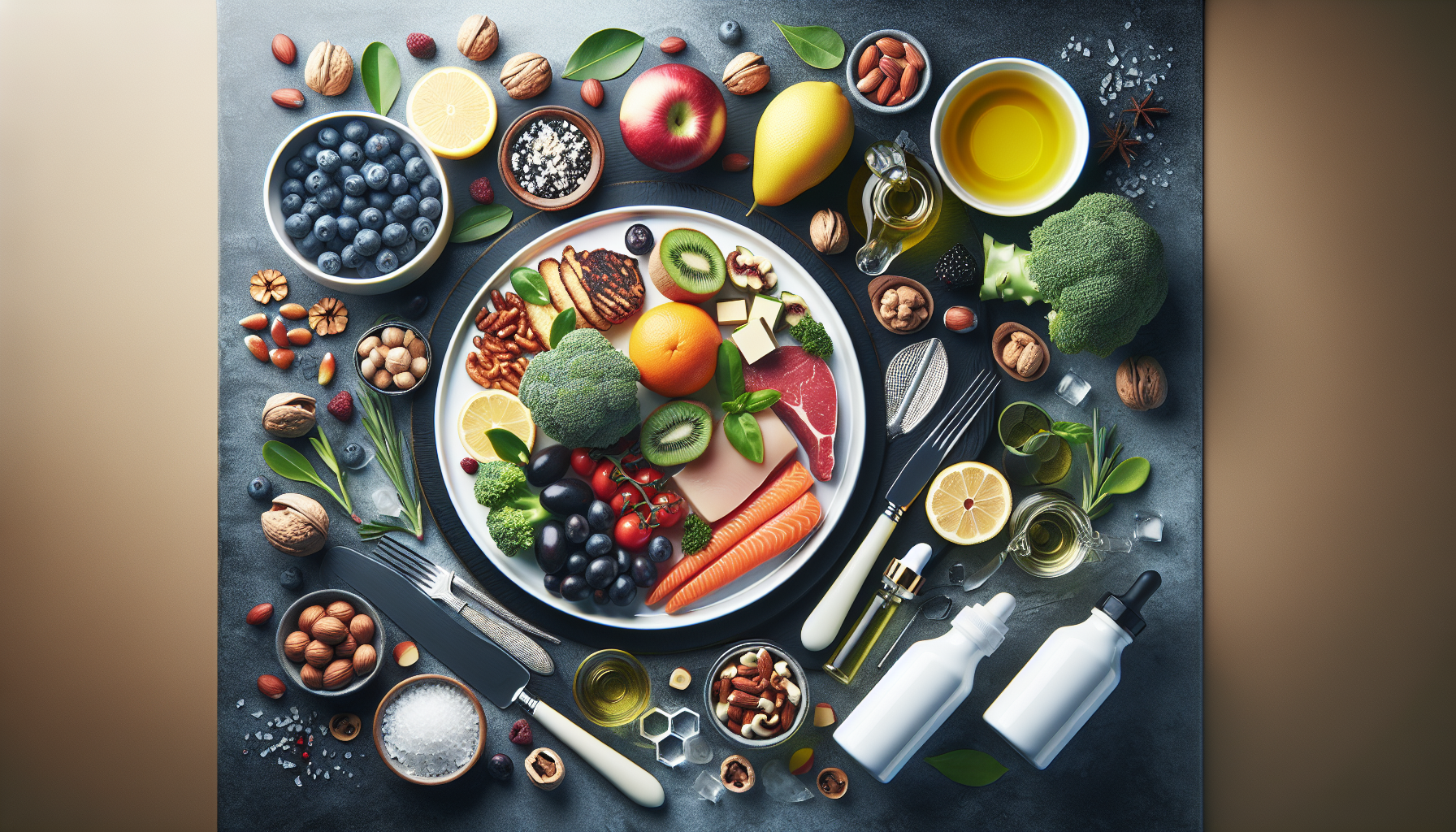
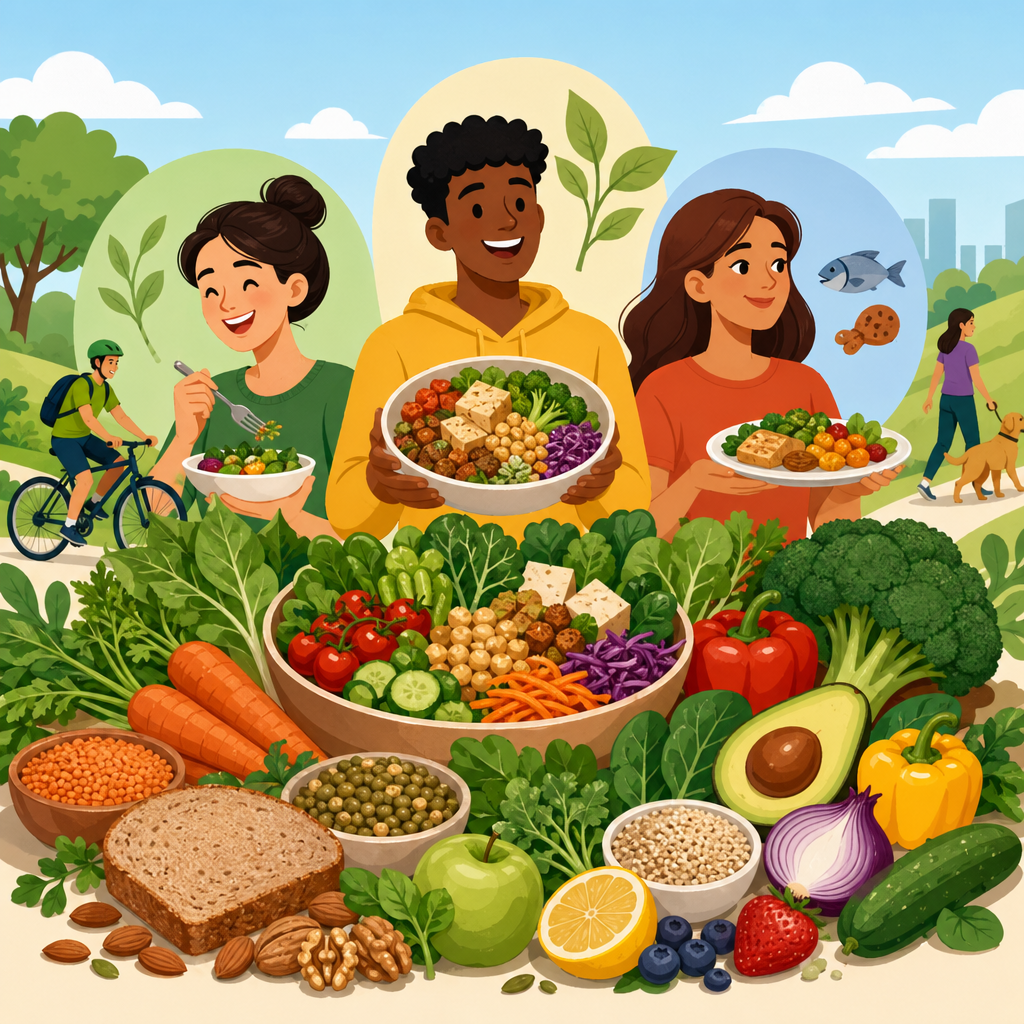
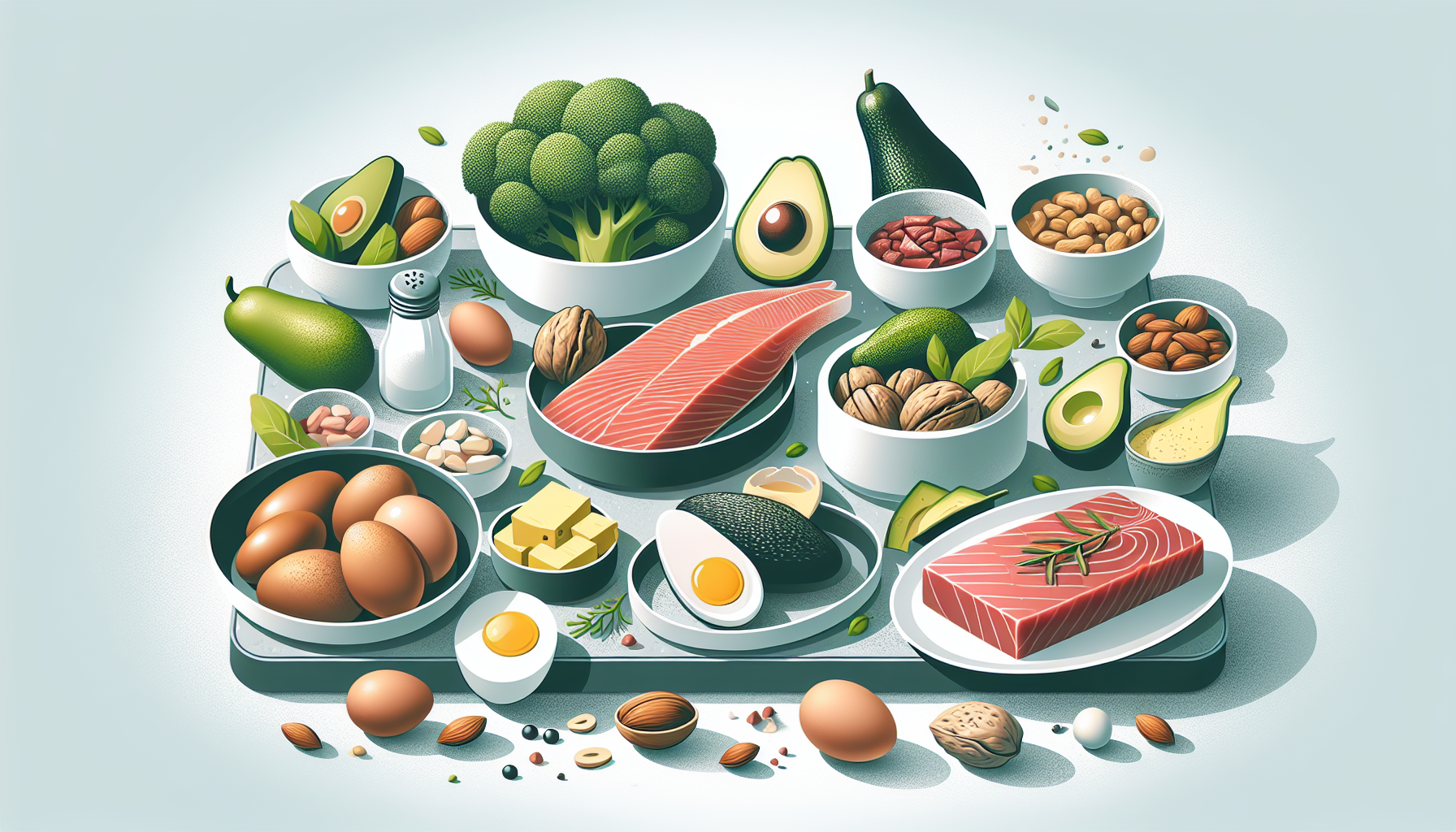
The easiest way to maintain balance is to build meals from structure rather than from specialty products. A reliable template is protein plus fiber-rich carbohydrate plus produce plus healthy fat. For breakfast, that might mean certified gluten-free oatmeal topped with berries and seeds, or eggs with potatoes and fruit if eggs are safe. For lunch, a quinoa bowl with chicken, chickpeas, roasted vegetables, and olive oil dressing works better nutritionally than crackers and replacement snacks. For dinner, grilled salmon, brown rice, and broccoli provides protein, omega-3 fats, fiber, and minerals without relying on highly processed substitutes.
School and workplace meals need the same level of planning. Children benefit from written allergy action plans, trained staff, safe snacks in the classroom, and cafeteria procedures that reduce cross-contact. Adults often do best when they batch-cook dependable staples: roasted proteins, cooked grains, cut vegetables, soup, and dressings that can be mixed into meals all week. Emergency foods also matter. Keeping safe bars, shelf-stable milk alternatives if tolerated, tuna packets, fruit cups, or seed butter packs on hand reduces the temptation to take risks when travel or delays disrupt normal routines.
Restaurants can fit into a balanced diet, but strategy matters. Choose places with transparent allergen information, call during nonpeak hours, and keep orders simple. Grilled protein, plain rice or potatoes, vegetables, and single-ingredient sides are often safer than mixed dishes with sauces, breading, or garnishes. The best dining experiences happen when the restaurant has a clear process, not just good intentions.
How This Hub Supports Long-Term Dietary Success
Gluten-free living and food allergy management are essential for a balanced diet because safety and nutrition cannot be separated. Removing harmful foods protects against immune reactions, intestinal injury, and acute emergencies, but true health comes from replacing those foods with a varied, nutrient-dense pattern that supports energy, growth, digestion, bone health, and quality of life. The strongest approach combines accurate diagnosis, informed label reading, cross-contact prevention, and meal planning built around whole foods and strategic fortified products.
As a hub within dietary lifestyles and special diets, this topic connects every practical question people ask after diagnosis: what gluten-free really means, how food allergies differ from intolerance, which nutrients are most at risk, how to shop, cook, dine out, travel, and feed children safely. It also reinforces an important truth I have seen repeatedly: restriction works best when it is organized, evidence-based, and flexible enough to fit real life. People do not need a perfect pantry or a freezer full of specialty products. They need dependable systems, nutrient-aware choices, and confidence in everyday decisions.
If you are building a gluten-free, allergy-aware eating pattern, start with three actions: confirm your diagnosis and trigger foods, audit your kitchen for labels and cross-contact risks, and create a one-week meal plan centered on naturally safe staples. From there, explore the supporting articles in this subtopic to go deeper on testing, substitutions, school safety, dining out, and nutrient repletion. A balanced diet is absolutely possible, and with the right framework, it becomes practical enough to sustain for life.
Frequently Asked Questions
1. Why is it important to discuss gluten-free eating and food allergies together when planning a balanced diet?
It is important to address gluten-free eating and food allergies together because many people are managing both issues at the same time, and the choices made for one can directly affect the other. Gluten-free diets are necessary for people with celiac disease, non-celiac gluten sensitivity, or wheat-related disorders, while food allergy management requires strict avoidance of specific trigger foods that can cause immune reactions. In daily life, these concerns often overlap in grocery shopping, meal planning, school lunches, restaurant dining, travel, and family cooking routines.
When only one issue is considered, the diet can become unnecessarily limited or nutritionally unbalanced. For example, someone avoiding gluten and also allergic to milk, eggs, soy, or nuts may have fewer convenient options for protein, calcium, fiber, or healthy fats. Many packaged gluten-free foods also rely on common allergens for structure, texture, or flavor, which can make safe substitutions more challenging. Looking at both needs together helps people build meals that are not only safe, but also complete enough to support energy, growth, immune function, digestive health, and long-term well-being.
This combined approach also reduces the risk of cross-contact, label-reading mistakes, and accidental exposure. A truly balanced diet is not just about avoiding harmful ingredients. It is about consistently including a variety of nutrient-dense foods from safe sources so the person can meet needs for carbohydrates, protein, fats, vitamins, minerals, and overall calorie intake without feeling deprived or overwhelmed.
2. Can a gluten-free diet alone be considered balanced and healthy for someone with food allergies?
A gluten-free diet can be balanced and healthy, but it is not automatically nutritious just because it excludes gluten. This is a key point for anyone managing food allergies as well. Many processed gluten-free products are made with refined starches such as white rice flour, potato starch, tapioca starch, or corn starch. While these foods can be useful and convenient, they may be lower in fiber, iron, B vitamins, and protein than whole-food alternatives. If someone also needs to avoid major allergens, their choices can become even narrower unless they plan carefully.
A balanced gluten-free, allergy-aware diet should include a wide range of naturally gluten-free foods whenever possible. These may include fruits, vegetables, legumes if tolerated, gluten-free whole grains such as quinoa, brown rice, millet, buckwheat, and certified gluten-free oats when appropriate, along with safe sources of protein like poultry, meat, fish, beans, lentils, seeds, or tolerated dairy alternatives. Healthy fats from olive oil, avocado, seeds, and safe nut or seed butters can also help improve satiety and nutrient density.
Balance also depends on the individual. Children, teens, athletes, pregnant people, and older adults may all have different nutritional needs. If multiple foods are being removed, it becomes especially important to monitor for possible gaps in calcium, vitamin D, iron, zinc, folate, vitamin B12, fiber, and protein. In many cases, guidance from a registered dietitian can help turn a restrictive eating pattern into one that is realistic, varied, and nutritionally strong.
3. What nutrients are most at risk when someone is avoiding gluten and other allergenic foods?
Several nutrients can become harder to get when gluten-containing grains and allergenic foods are removed from the diet, especially if substitutions rely too heavily on packaged specialty products. Fiber is one of the most common shortfalls because many gluten-free processed foods use refined flours instead of whole grains. Low fiber intake can affect fullness, blood sugar balance, and digestive regularity. Iron and B vitamins, including folate, may also be lower if enriched wheat-based products are removed without equivalent replacements.
Protein can become a concern when a person avoids several major allergen foods such as milk, eggs, soy, nuts, or wheat. This does not mean protein needs cannot be met, but it does mean meal planning has to be more intentional. Calcium and vitamin D are also important nutrients to watch, particularly when dairy is eliminated due to allergy. In children, these nutrients are especially important for bone development and growth. Zinc, magnesium, omega-3 fats, and vitamin B12 may also deserve attention depending on which foods are excluded.
The best way to reduce nutritional risk is to focus on variety and quality. Safe whole grains, vegetables, fruits, legumes when tolerated, seeds, fortified alternatives, and diverse protein choices can help fill gaps. Reading labels for fortification is helpful, especially in dairy-free beverages and gluten-free cereals. In situations where the diet is very restricted or growth, energy, or lab values are a concern, a clinician may recommend nutritional testing, targeted supplementation, or personalized meal planning.
4. How can families safely manage gluten-free needs and food allergies at home, school, and restaurants?
Successful management starts with clear routines and consistent communication. At home, families should learn which foods contain gluten, which foods contain the relevant allergens, and where hidden sources may appear in sauces, seasonings, baked goods, soups, and processed snacks. Separate storage areas, clean preparation surfaces, dedicated utensils or toasters when needed, and careful handwashing can all reduce cross-contact. Label reading should become a habit, because ingredients and manufacturing practices can change over time.
At school, a written plan is extremely helpful. Parents, school nurses, teachers, cafeteria staff, and coaches should understand both the gluten-free requirement and any food allergies, including what symptoms to watch for and what actions to take in an emergency. If a child has a diagnosed food allergy, emergency medications such as epinephrine should be available as prescribed, and staff should know how to use them. For gluten-related disorders, preventing exposure is still very important even though the immediate reaction may differ from an allergy. Shared snacks, classroom activities involving food, and celebrations should all be reviewed with safety in mind.
In restaurants, asking detailed questions is essential. It is not enough to ask whether a dish is gluten-free or allergen-free in general. It is important to ask how it is prepared, whether shared fryers or grills are used, whether sauces and marinades contain hidden ingredients, and whether staff can prevent cross-contact during cooking and plating. Choosing restaurants that take special diets seriously can make dining out much easier. With preparation, families can enjoy more flexibility while still protecting health and maintaining a balanced diet.
5. What does a truly balanced diet look like for someone living gluten-free with food allergies?
A truly balanced diet in this situation is one that is safe, varied, satisfying, and nutritionally complete over time. It should provide enough calories for the person’s age, activity level, and health needs, while also including a mix of carbohydrates, protein, healthy fats, fiber, vitamins, and minerals from foods they can eat confidently. Instead of focusing only on what must be avoided, a balanced approach emphasizes all the nutritious foods that remain available.
In practical terms, this might look like building meals around a safe protein source, a gluten-free whole grain or starchy vegetable, colorful produce, and a healthy fat. For breakfast, that could be a bowl of certified gluten-free oats made with a fortified dairy-free beverage and topped with fruit and seeds, if tolerated. Lunch might include grilled chicken, quinoa, roasted vegetables, and olive oil dressing. Dinner could be salmon, brown rice, and steamed broccoli, or a bean-based meal if legumes are tolerated. Snacks can include fruit, seed butter, yogurt alternatives, roasted chickpeas, or homemade allergy-safe muffins made with nutrient-dense gluten-free flours.
Just as important, a balanced diet should be sustainable. It should fit real life, including school, work, social events, travel, and budget. It should support both physical health and peace of mind. When people understand how gluten-free eating and food allergy management work together, they are much better equipped to create meals that are safe without being overly restrictive. That is what makes this topic essential: it turns food avoidance into thoughtful nourishment, which is the real foundation of a balanced diet.