How to incorporate more gluten-free and food-allergy-friendly choices into your diet starts with understanding what these terms mean in daily life, not just on labels. A gluten-free diet excludes wheat, barley, rye, and ingredients derived from them, while food-allergy management removes specific proteins that trigger an immune response, such as peanuts, tree nuts, milk, eggs, soy, fish, shellfish, wheat, or sesame. These approaches matter for different reasons. Someone with celiac disease must avoid gluten completely to prevent intestinal damage. Someone with a wheat allergy must avoid wheat proteins, but may tolerate barley or rye unless another sensitivity exists. People managing food allergies need far more than preference-based substitutions; they need a system that reduces exposure, cross-contact, and confusion when shopping, cooking, or eating out.
In practice, I have found that most people struggle less with the idea of dietary restriction than with the hidden complexity of modern food. Gluten appears in soy sauce, soup bases, deli meats, and seasoning blends. Allergens show up in sauces, bakery items, protein bars, and even medications or supplements. The result is that many households either feel overwhelmed or become unnecessarily restrictive, cutting out safe, nutritious foods because they are unsure what belongs. A well-built gluten-free and allergy-aware diet should do the opposite. It should widen the number of reliable staples you can eat, improve meal planning, reduce risk, and preserve pleasure at the table.
This topic also matters because the number of people navigating special diets has increased in schools, workplaces, restaurants, and shared homes. According to major public health and advocacy organizations, food allergies affect millions of children and adults, and celiac disease is one of the most common autoimmune disorders worldwide. Better awareness has improved labeling and menu options, but safer eating still depends on practical knowledge. The most effective approach combines three skills: identifying unsafe ingredients, building meals from naturally safe foods, and preventing accidental exposure during preparation. When those skills are in place, gluten-free and food-allergy-friendly eating becomes manageable, nutritionally balanced, and sustainable over time.
Understand the difference between gluten intolerance, celiac disease, and food allergies
The first step is precision. Celiac disease is an autoimmune condition in which gluten triggers inflammation that damages the small intestine. The only treatment is a lifelong strict gluten-free diet. Non-celiac gluten sensitivity can produce symptoms after gluten exposure, but it does not cause the same autoimmune intestinal injury. A wheat allergy is different again: it is an immune reaction to wheat proteins and can range from hives and vomiting to anaphylaxis. Food allergies involve the immune system, and serious reactions can escalate quickly. That distinction changes how carefully foods must be screened and how emergency planning is handled.
This is why one “free-from” label is never enough on its own. A gluten-free cracker may still contain milk, soy, or sesame. A wheat-free bread may include barley malt and therefore not be gluten-free. In clinic-style nutrition work and home kitchen audits, this mismatch is where many mistakes happen. People assume category overlap where none exists. The safest method is to define exactly what must be avoided for the individual, then verify every product against that list. If symptoms are severe or diagnosis is new, guidance from an allergist, gastroenterologist, or registered dietitian is worth pursuing early because the learning curve is steep and the cost of error can be high.
Build meals around naturally safe foods first
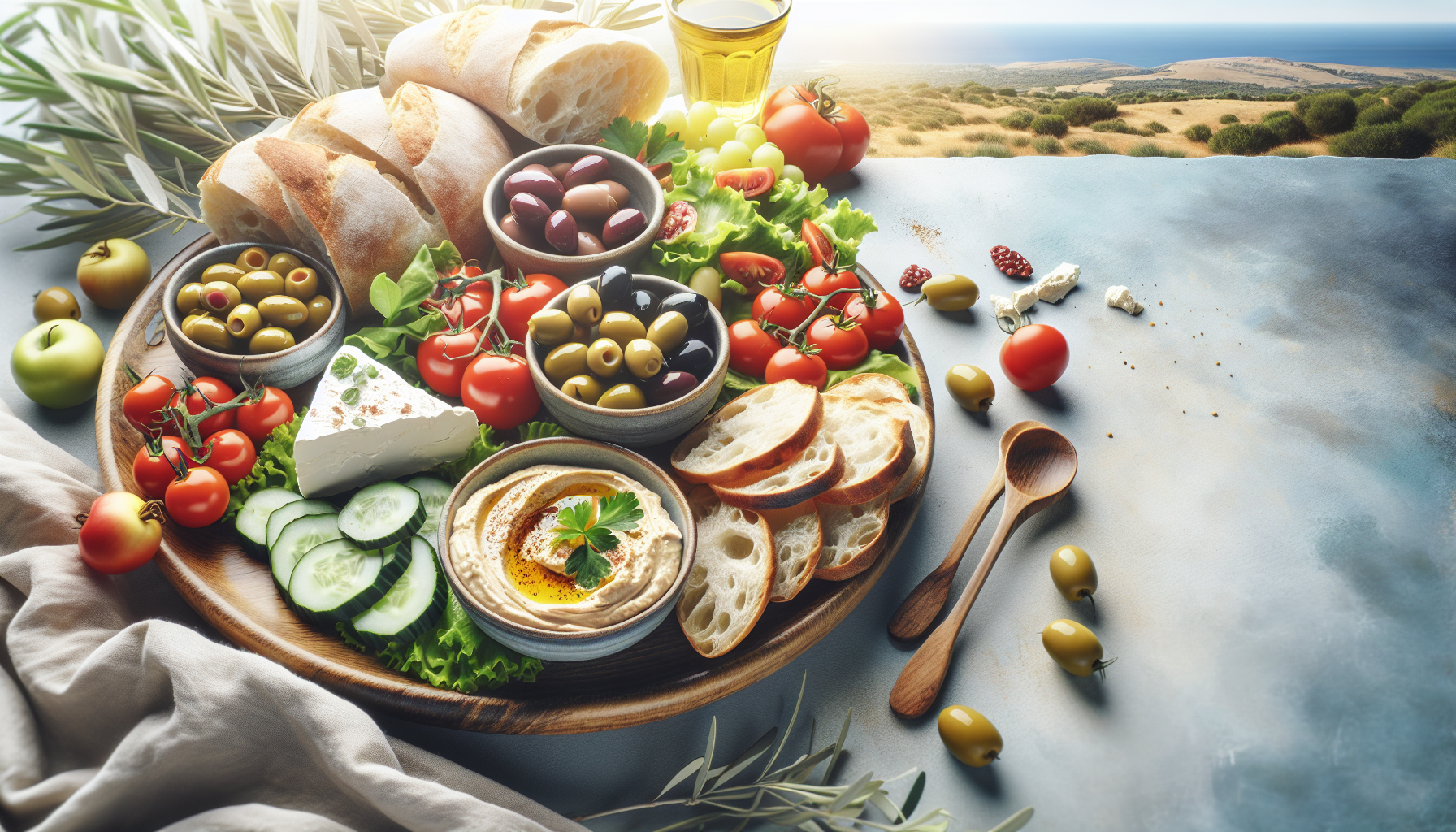
The easiest way to incorporate more gluten-free and allergy-aware meals is to begin with foods that need no reformulation. Plain rice, potatoes, quinoa, certified gluten-free oats, beans, lentils, fruits, vegetables, eggs if tolerated, unseasoned meat, poultry, fish if tolerated, yogurt if tolerated, nuts and seeds if tolerated, and oils are the backbone of a dependable plan. When your pantry is anchored in naturally safe ingredients, you rely less on specialty products, which are often more expensive and more variable in allergen risk. A baked potato topped with black beans, salsa, and avocado is simple, filling, and free of the complexity found in many packaged convenience foods.
I usually recommend creating a short rotation of meals that work for breakfast, lunch, and dinner without elaborate substitutions. Examples include scrambled eggs with fruit and roasted potatoes; rice bowls with chicken, vegetables, and tamari labeled gluten-free; lentil soup with a side salad; corn tortillas with beans and shredded cabbage; and yogurt with certified gluten-free granola if dairy is tolerated. These meals reduce decision fatigue because they use ingredients that are familiar, widely available, and easy to verify. Once that foundation is stable, specialty breads, pasta, snacks, and desserts can be added selectively, rather than carrying the full weight of the diet.
Read ingredient labels and advisory statements correctly
Label reading is the operational skill that makes this diet safe. In the United States, the Food Allergen Labeling and Consumer Protection Act requires clear labeling of major allergens including milk, eggs, fish, crustacean shellfish, tree nuts, peanuts, wheat, and soy, while sesame was added under the Food Allergy Safety, Treatment, Education, and Research Act. Gluten labeling is different. “Gluten-free” is a regulated claim under the FDA, generally meaning the food contains less than 20 parts per million of gluten. However, not every safe food will carry that statement, and not every wheat-free food is gluten-free. Barley and rye must still be checked in ingredient lists.
Advisory statements such as “may contain,” “processed in a facility with,” or “made on shared equipment” are voluntary, not standardized risk levels. That means the same phrase can reflect very different manufacturing realities. For highly sensitive individuals, especially those with a history of anaphylaxis or repeated gluten reactions, these statements deserve a cautious review, and brand-by-brand consistency matters. I advise keeping a list of trusted products after direct review of labels and, when needed, manufacturer information. Rechecking labels every time is essential because formulations change. A sauce that was safe last year may now contain wheat starch, sesame flour, or a new spice blend with undeclared cross-contact risk.
Prevent cross-contact at home and when dining out
Cross-contact happens when a safe food touches an allergen or gluten-containing food and becomes unsafe. It is not the same as bacterial contamination, because tiny amounts can still trigger an immune reaction or symptoms. Shared toasters, wooden cutting boards, scratched nonstick pans, flour dust, colanders used for wheat pasta, and condiment jars contaminated by knives are common sources. In mixed households, I have seen recurring symptoms traced back to one overlooked habit, such as using the same air fryer basket for breaded chicken and gluten-free vegetables without a thorough wash. The practical solution is separation, labeling, and routine, not fear.
Set up a system with dedicated tools for high-risk items: a separate toaster, clearly marked spreads, clean sheet pans lined with parchment, and storage containers reserved for safe foods. Wash hands before handling food, wipe surfaces thoroughly, and cook safe items first when possible. Dining out requires the same discipline. Ask specific questions: Is the fryer shared with breaded foods? Is gluten-free pasta cooked in fresh water? Does the nut-free dessert come from a separate prep area? Restaurants that answer clearly and confidently are usually better prepared than those that simply say, “We can make it without.” Specific process matters more than menu wording.
Choose substitutes that solve nutritional gaps, not just cravings
Packaged gluten-free and allergy-friendly foods can be useful, but they vary widely in nutritional quality. Many gluten-free breads and crackers are built from refined rice flour, potato starch, tapioca starch, and added gums. These ingredients improve texture, yet they often provide less fiber, iron, folate, and protein than conventional whole-grain versions. Removing dairy without replacing calcium and vitamin D sources can also create deficits. Eliminating eggs may lower intake of choline and high-quality protein if meals are not adjusted. The goal is not to mimic every avoided food; it is to preserve nutritional adequacy while keeping meals enjoyable and realistic.
When evaluating substitutes, compare the label to the role the original food played. If bread was a primary fiber source, look for options with psyllium, seeds, or whole-grain gluten-free flours such as sorghum, buckwheat, or teff. If milk is removed, choose fortified soy beverage when tolerated, or another fortified alternative with meaningful protein and calcium rather than a low-protein option used only for flavor. If nut allergy limits snack choices, roasted chickpeas, seed butter, pumpkin seeds, or bean-based dips may fill the gap. Better substitutions improve satiety, micronutrient intake, and consistency, which are the real markers of whether a special diet is working long term.
| Diet challenge | Common mistake | Better option | Why it works |
|---|---|---|---|
| Replacing wheat bread | Choosing low-fiber starch-based loaves | Gluten-free bread with sorghum, millet, psyllium, or seeds | Adds fiber, better texture, and steadier fullness |
| Removing dairy | Using unfortified milk alternatives | Fortified soy beverage or fortified pea-protein beverage | Provides calcium, vitamin D, and more protein |
| Avoiding eggs in baking | Using random swaps without a formula | Commercial egg replacer, flax gel, or aquafaba by recipe type | Improves structure in cakes, muffins, or cookies |
| Nut-free snacks | Relying on sweets or chips | Seed butter, roasted chickpeas, popcorn, or hummus | Raises protein, fiber, and practicality |
| Gluten-free sauces | Assuming all soy sauce is safe | Gluten-free tamari or coconut aminos | Avoids hidden wheat in condiments |
Plan a safe pantry, shopping list, and weekly routine
Consistency comes from systems. A safe pantry usually includes one reliable grain, one bean or lentil option, a few frozen vegetables, fruit, a tolerated protein, a breakfast staple, and several verified condiments. Certified gluten-free oats, rice, quinoa, canned beans, plain tuna or chicken, tomato products, broth, olive oil, vinegar, herbs, and labeled sauces cover a surprising number of meals. Keep a written shopping list grouped by department so you are not improvising in the aisle, where hidden ingredients are easier to miss. I also recommend saving photos of trusted labels on your phone, especially for new caregivers, roommates, or relatives who shop occasionally.
A weekly routine prevents last-minute risk-taking. Batch-cook one grain, one protein, and one soup or stew. Wash produce when you get home. Portion snacks into containers to avoid grabbing unlabeled foods on busy days. If school lunches or office meals are involved, pack backups that are shelf-stable and confirmed safe, such as seed-based bars from trusted brands, rice cakes, or single-serve hummus with safe crackers. Households managing multiple restrictions benefit from a visible food map: top shelf for allergy-safe foods, color-coded tools, and a short “safe brands” list on the refrigerator. These simple controls reduce arguments, uncertainty, and accidental exposure.
Handle social events, travel, and shared eating with confidence
Social situations are where good habits are tested. Potlucks, birthday parties, holiday meals, flights, conferences, and sports events all increase uncertainty because ingredients and preparation methods are harder to verify. The most effective strategy is proactive communication paired with backup food. Ask hosts what will be served, whether ingredient labels can be checked, and how foods will be prepared. Offer to bring a dish that is safe for you and substantial enough to count as a meal if needed. For children, send clearly labeled alternatives and teach them simple scripts such as, “I need my food from home because of allergies.” Clarity is safer than politeness that leaves room for guessing.
Travel requires extra planning but not perfectionism. Research grocery stores near your destination, pack shelf-stable staples, and call hotels ahead to ask about mini-fridges or microwave access. When flying, bring enough safe food for delays, not just the scheduled trip. Translation cards can help overseas, but they are not a substitute for checking local practices around fryers, sauces, and breading. If you or a family member has a severe allergy, carry prescribed emergency medication exactly as directed and keep it accessible, not buried in checked luggage. Confidence comes from preparation. The more routine your systems become, the less restrictive this way of eating feels.
Know when professional support is necessary
Self-education is valuable, but some situations require clinical guidance. Seek professional support if symptoms persist despite careful avoidance, if weight loss or poor growth occurs, if meals have become so limited that nutrition is suffering, or if fear around food is disrupting daily life. An allergist can confirm triggers and help interpret testing in context, because a positive test alone does not always equal clinical allergy. A gastroenterologist can evaluate suspected celiac disease properly before gluten is removed, since testing accuracy depends on current gluten intake. A registered dietitian can translate restrictions into a complete eating pattern that fits your budget, culture, cooking skill, and schedule.
The main benefit of a gluten-free and food-allergy-aware diet is not simply avoiding harm. It is creating a way of eating that is safe, calm, nutritious, and flexible enough for real life. Start with clear definitions, build around naturally safe foods, learn to read labels, prevent cross-contact, and use substitutes strategically. Then support those habits with a smart pantry, repeatable meal planning, and direct communication in social settings. This subtopic connects to many practical questions, from shopping and cooking to travel and dining out, but the core principle stays the same: systems beat guesswork. Review your kitchen this week, identify your safest staple meals, and build from there.
Frequently Asked Questions
What is the difference between a gluten-free diet and a food-allergy-friendly diet?
A gluten-free diet and a food-allergy-friendly diet are often mentioned together, but they are not the same thing. A gluten-free diet removes gluten, a group of proteins found in wheat, barley, rye, and ingredients derived from them. This is essential for people with celiac disease, and it may also be recommended for those with non-celiac gluten sensitivity or a medically diagnosed wheat-related condition. For someone with celiac disease, even small amounts of gluten can damage the small intestine, so avoiding cross-contact and hidden sources is just as important as skipping obvious foods like bread or pasta.
A food-allergy-friendly diet, on the other hand, focuses on removing specific foods that trigger an immune response. Common food allergens include peanuts, tree nuts, milk, eggs, soy, fish, shellfish, wheat, and sesame, but any food can potentially cause an allergic reaction. Unlike gluten-free eating, which centers on one category of proteins, allergy management depends on the individual. One person may need to avoid dairy and eggs, while another must eliminate peanuts and sesame. The key difference is that gluten-free eating is about avoiding gluten-containing grains and derivatives, while food-allergy-friendly eating is about avoiding the exact allergen or allergens that are unsafe for that person.
In everyday life, both approaches require careful label reading, meal planning, and attention to cross-contact, but the foods avoided and the health risks involved can differ significantly. Understanding that distinction helps you build a diet that is safe, practical, and nutritionally balanced rather than relying on general “free-from” labels alone.
How can I start incorporating more gluten-free and allergy-friendly foods into my daily meals?
The easiest way to begin is by focusing on naturally safe, minimally processed foods before relying on specialty packaged products. Many everyday staples are already gluten-free and can also fit a range of food-allergy needs depending on your restrictions. Fresh fruits, vegetables, plain beans, lentils, rice, quinoa, potatoes, unseasoned meats, poultry, and many seeds can form the foundation of simple, flexible meals. For example, a rice bowl with roasted vegetables and grilled chicken, a baked potato topped with beans and salsa, or oatmeal made from certified gluten-free oats can be adapted to fit a variety of dietary needs.
It also helps to think in terms of substitutions rather than limitations. Replace wheat-based grains with gluten-free options such as rice, quinoa, millet, buckwheat, or certified gluten-free oats. If dairy is an issue, choose fortified milk alternatives that fit your allergy needs. If eggs are off-limits, try flax or chia “eggs” in baking when appropriate. If nut allergies are a concern, seeds like sunflower or pumpkin can often provide crunch and nutrition without the same risk, though individual tolerances and medical advice should always guide choices.
Meal planning can make this transition much smoother. Build a short list of breakfasts, lunches, dinners, and snacks you know are safe and easy to prepare. Keep staples on hand, such as gluten-free grains, canned beans, frozen vegetables, tolerated proteins, and simple seasonings. Over time, your routine becomes less stressful because you are not reinventing every meal. Starting with straightforward recipes and whole foods is often the most sustainable way to incorporate more gluten-free and food-allergy-friendly choices into your diet.
How do I read food labels to avoid gluten and common allergens safely?
Reading labels carefully is one of the most important skills you can develop. For gluten, look beyond obvious words like wheat, barley, and rye. Gluten can appear in ingredients such as malt, brewer’s yeast, barley extract, and some flavorings or thickeners. Wheat may be declared as an allergen, but barley and rye are not always highlighted the same way, so you need to scan the full ingredient list. Products labeled “gluten-free” can be helpful, but you should still review the label, especially if your needs are medical and strict.
For food allergens, in many packaged foods the top allergens are often listed in a “Contains” statement, but you should not rely on that line alone. Read the entire ingredient list every time, because formulas can change without notice. Learn the alternate names for the allergens you need to avoid. For example, milk may appear as casein or whey, and egg may show up as albumin. Soy can be present in forms such as soy protein, soy flour, or certain processed ingredients. The more familiar you are with ingredient language, the more confident and safe your choices will become.
You should also pay attention to advisory statements such as “may contain” or “processed in a facility with.” These statements are voluntary in many places and can indicate a risk of cross-contact, which is especially important for people with severe allergies or celiac disease. If a label is unclear, contact the manufacturer directly. When safety is uncertain, the best choice is to skip the product and choose something with clearly identified ingredients and handling practices.
What are the biggest challenges when eating out or cooking for a household with multiple dietary restrictions?
One of the biggest challenges is preventing cross-contact while still making meals that are convenient, satisfying, and realistic for everyone. In a shared kitchen, crumbs, shared utensils, cutting boards, toasters, condiments, and frying oil can all become sources of accidental exposure. If someone in the household has celiac disease or a serious food allergy, setting clear kitchen rules can make a major difference. This may include using separate spreads to prevent contamination from bread crumbs, labeling allergen-free tools and storage containers, and cleaning surfaces thoroughly before preparing safe meals.
Eating out can be even more complicated because you have less control over ingredients and preparation methods. The best approach is to choose restaurants that are transparent about allergens and willing to answer detailed questions. Ask how food is prepared, whether separate utensils and cooking surfaces are used, and whether sauces, marinades, and dressings contain hidden gluten or allergens. A menu item that looks safe at first glance may still carry risk because of seasoning blends, shared fryers, or garnishes. Calling ahead can save time and help you decide whether a restaurant can safely accommodate your needs.
For households with multiple restrictions, simple build-your-own meals often work well. Tacos with safe tortillas and separate toppings, grain bowls with customizable proteins and vegetables, or sheet-pan meals with clearly divided ingredients can help everyone eat safely without preparing entirely separate dinners. The goal is to create routines that reduce risk and stress while still allowing meals to feel enjoyable and inclusive.
Can a gluten-free and food-allergy-friendly diet still be healthy and nutritionally balanced?
Yes, absolutely, but it takes some planning. Removing gluten or major allergens can unintentionally narrow your diet if you depend too heavily on processed substitutes or cut out foods without replacing their nutritional value. For example, eliminating dairy may reduce calcium and vitamin D intake, avoiding wheat may lower fiber or certain B vitamins, and removing nuts or eggs may affect protein, healthy fats, or key micronutrients depending on what else you eat. The solution is to focus on variety and include nutrient-dense alternatives rather than simply choosing products marketed as “free-from.”
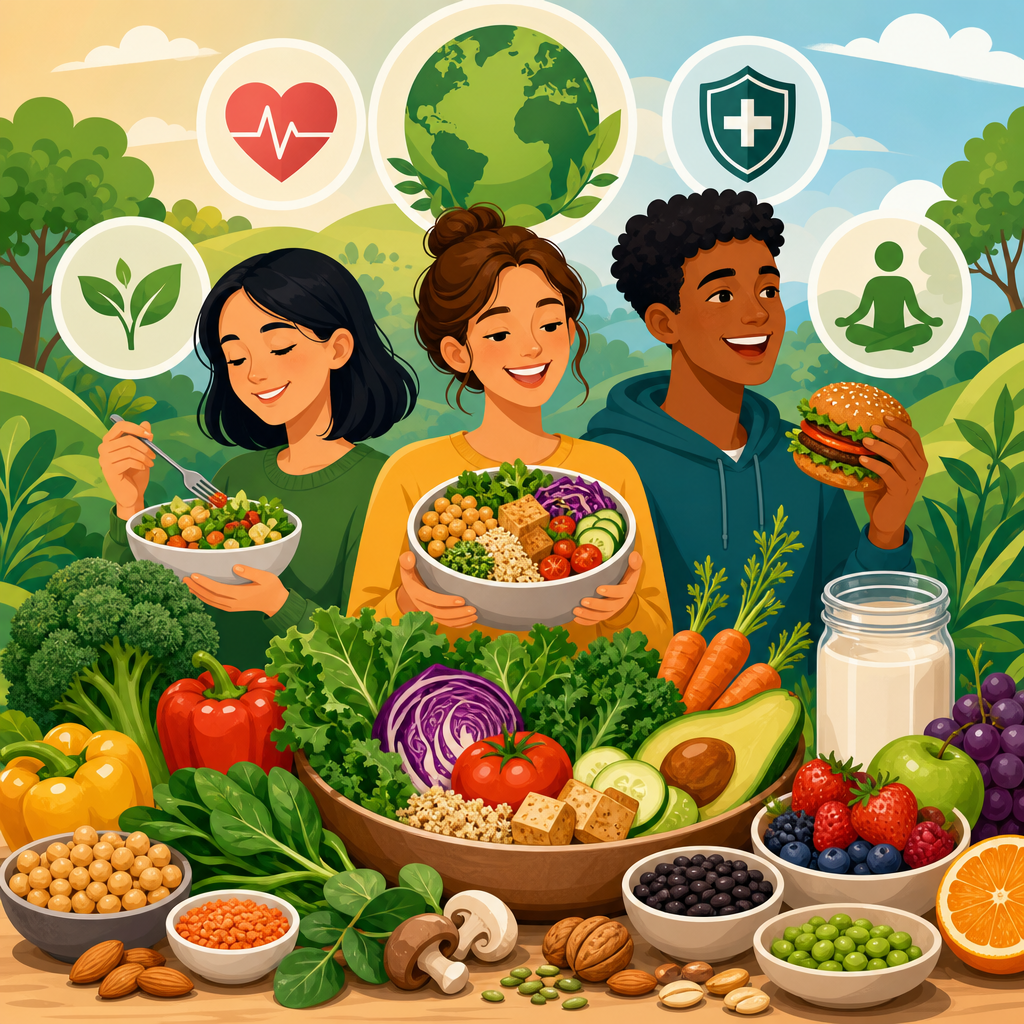
A balanced gluten-free and allergy-friendly diet should include a mix of fruits, vegetables, safe whole grains or starches, protein sources, and healthy fats that fit your needs. Gluten-free whole grains such as quinoa, brown rice, buckwheat, and millet can add fiber and minerals. Beans, lentils, meat, poultry, fish if tolerated, seeds, and safe soy alternatives if appropriate can help meet protein needs. Fortified milk alternatives, leafy greens, canned fish with bones if tolerated, and certain seeds may support calcium intake when dairy is excluded. Choosing whole foods regularly makes it easier to maintain strong overall nutrition.
If your restrictions are extensive or you are managing a diagnosed medical condition such as celiac disease or multiple food allergies, working with a registered dietitian can be very helpful. A professional can identify nutrient gaps, recommend practical substitutions, and help you create meal patterns that are both safe and sustainable. With the right strategy, a gluten-free and food-allergy-friendly diet can be varied, enjoyable, and fully supportive of long-term health.