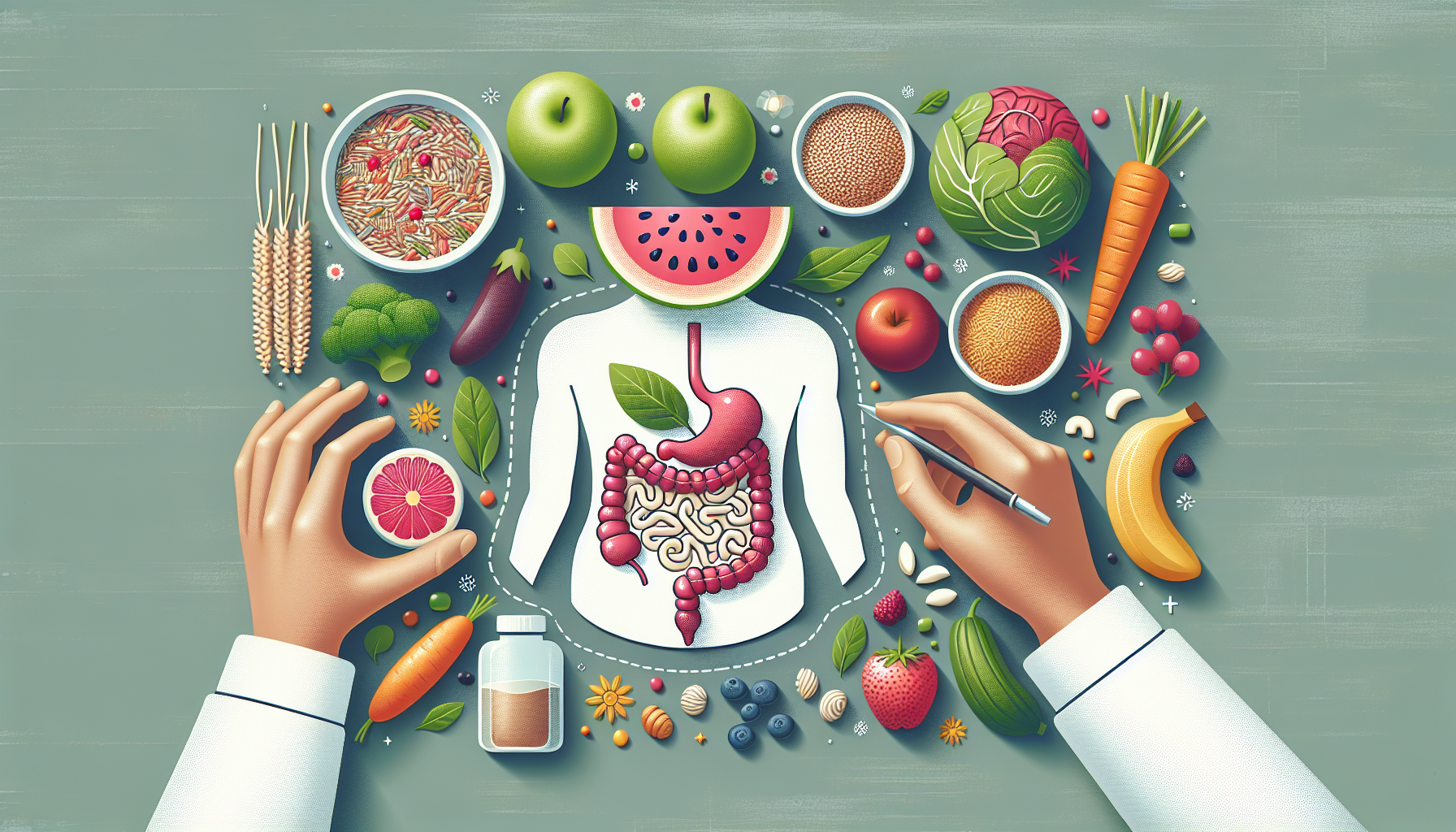
Intermittent fasting has moved from a niche nutrition strategy to a mainstream eating pattern because it changes not only when people eat, but how the body manages energy, hormones, cellular repair, and appetite regulation. In practical terms, intermittent fasting means cycling between periods of eating and periods of little or no calorie intake, with common schedules including 16:8, 14:10, alternate-day fasting, and the 5:2 approach. Unlike many diets, it does not always prescribe specific foods, yet its effects can still be wide-ranging because meal timing influences insulin activity, blood glucose, digestive workload, and circadian biology. I have worked with clients who used fasting to simplify eating, reduce mindless snacking, and improve metabolic markers, but I have also seen people struggle with headaches, disrupted training, and rebound overeating when they adopted an overly aggressive schedule.
That contrast explains why understanding intermittent fasting pros and cons matters. A fasting plan can support key body functions such as blood sugar control, fat utilization, cellular maintenance, and digestive rest, but the same plan can be inappropriate for certain people, including those who are pregnant, underweight, managing a history of disordered eating, or taking glucose-lowering medication. The best way to assess intermittent fasting is not as a miracle or a mistake, but as a tool with clear mechanisms, useful applications, and meaningful limitations. This hub article explains how intermittent fasting works, what benefits are supported by evidence, where risks appear in real life, and how to decide whether a fasting pattern fits your health goals, schedule, and physiology.
How Intermittent Fasting Works Inside the Body
At the center of intermittent fasting is the shift between the fed state and the fasting state. After eating, especially after carbohydrate-rich meals, insulin rises to help move glucose into cells and store excess energy in the liver, muscles, and fat tissue. During a fasting window, insulin levels generally fall, glycogen stores begin to decline, and the body becomes more reliant on stored energy. This transition is one reason many people ask whether intermittent fasting helps with fat loss. The direct answer is that it can, mainly by reducing total calorie intake for some people and by extending the time the body spends away from repeated insulin spikes, but results still depend on overall diet quality, sleep, movement, and adherence.
Fasting also intersects with circadian rhythms, the internal biological clock that influences digestion, hormone release, and glucose tolerance. Early time-restricted eating, where meals happen earlier in the day, may align better with natural metabolic patterns than very late eating. Research published in journals such as Cell Metabolism and The New England Journal of Medicine has helped clarify that meal timing is not trivial. In plain language, the body is not equally prepared to process food at every hour. When a person stops grazing late at night, they may improve not only calorie control but also sleep quality, reflux symptoms, and morning hunger cues.
Another mechanism often discussed is autophagy, a regulated process in which cells break down and recycle damaged components. Human evidence is still developing, and it is inaccurate to claim that every fasting schedule dramatically boosts autophagy in every person. Still, the concept matters because it explains why fasting is studied for healthy aging, cellular resilience, and metabolic efficiency. The realistic takeaway is that fasting may create conditions that encourage repair-oriented pathways, but the effect depends on fasting length, energy balance, exercise, and individual health status.
Potential Benefits for Metabolic Health, Weight Management, and Energy Balance
One of the strongest reasons people explore intermittent fasting pros and cons is metabolic health. For adults who regularly overeat across a long daily eating window, narrowing that window can reduce snacking, lower energy intake, and improve structure. I have repeatedly seen clients who thought they lacked willpower discover that their main issue was environmental eating from 7 a.m. to 11 p.m. A 10-hour or 8-hour eating window gave them defined boundaries, which reduced decision fatigue. That matters because consistency usually beats complexity in nutrition.
Weight management benefits are possible, though they are not guaranteed. Meta-analyses generally show that intermittent fasting can support weight loss similarly to continuous calorie restriction when total calories and protein are comparable. In other words, fasting is not inherently superior, but it can be easier for some people to follow. A person who dislikes calorie counting may find it simpler to skip late-night eating than to measure every portion. Some also report more stable energy after the adjustment period because meals become more intentional and less driven by constant grazing.
Blood sugar regulation is another key area. Some studies suggest time-restricted eating may improve insulin sensitivity, fasting glucose, and waist circumference, especially in people with overweight or prediabetes. However, medication use changes the risk profile. Someone taking insulin or sulfonylureas can experience hypoglycemia if fasting is attempted without clinical supervision. The body function in question here is glucose homeostasis, and fasting can either support it or destabilize it depending on the person.
| Potential Benefit | How It May Help a Body Function | Best Fit Example | Main Limitation |
|---|---|---|---|
| Reduced eating window | Lowers opportunities for excess calorie intake and late-night glucose spikes | Desk worker who snacks all evening | Can backfire if meals become too large or chaotic |
| Lower fasting insulin | Supports metabolic flexibility and stored energy use | Adult with central weight gain and frequent grazing habits | Not safe to self-manage with some diabetes medications |
| Digestive downtime | May reduce reflux, bloating, and constant digestive demand | Person who eats heavily late at night | Long fasts can trigger overeating in sensitive individuals |
| Simpler meal structure | Improves adherence by reducing food decisions | Busy professional with irregular snacking | Social schedules may make strict windows hard to maintain |
There is also interest in fasting and inflammation, although claims should stay measured. Weight loss itself often reduces inflammatory burden, so it can be difficult to separate the timing effect from the calorie effect. Still, for people who pair fasting with a nutrient-dense eating pattern built around protein, fiber, unsaturated fats, legumes, fruit, vegetables, and minimally processed carbohydrates, improvements in triglycerides, blood pressure, and appetite control are plausible and commonly reported.
How Fasting May Affect Hormones, Digestion, Brain Function, and Cellular Repair
Intermittent fasting influences several systems beyond body weight. Hormonal changes are central. Insulin tends to drop during fasting periods, glucagon rises to support fuel release, and hunger hormones such as ghrelin may adapt over time. Many beginners are surprised that hunger often arrives in waves rather than increasing endlessly. That pattern reflects learned meal timing as much as biological need. After one to two weeks on a reasonable schedule, some people report fewer cravings, especially if their meals contain enough protein and fiber.
Digestive function can also improve for the right candidate. A shorter eating window may reduce continuous exposure to large mixed meals, alcohol, or late-night snacks that worsen dyspepsia and gastroesophageal reflux. In practice, I often notice that the benefit comes less from fasting itself and more from eliminating the habit of eating heavy meals close to bedtime. A person who finishes dinner three hours before sleep may experience less heartburn and better sleep architecture, which indirectly supports hormone regulation and recovery.
Brain function is a more nuanced topic. Some individuals describe improved concentration during a morning fast, particularly when they are hydrated and accustomed to the routine. Others feel irritable, distracted, or lightheaded. Both responses are real. Caffeine can mask poor adaptation, so it should not be mistaken for proof that fasting is working well. The body needs sufficient total energy, essential fatty acids, iron, B vitamins, and amino acids to maintain cognition over time. If fasting reduces overall nutrient intake too far, mental performance may decline rather than improve.
Cellular repair is frequently used as a selling point, yet precise claims require caution. Fasting activates nutrient-sensing pathways involving AMPK and mTOR, and these pathways are relevant to maintenance, growth, and recycling processes inside cells. However, people should not assume that a 16-hour fast cancels out a poor diet, chronic sleep loss, or excess alcohol use. Fasting can support healthy physiology, but it does not override basic health behaviors. The strongest approach is to view it as one lever among several that influence resilience and long-term function.
The Drawbacks, Side Effects, and Who Should Avoid It
A complete guide to intermittent fasting pros and cons must give equal weight to downsides. Common early side effects include headache, irritability, constipation, reduced training output, and intense hunger. Many of these improve when people increase fluids, adjust electrolytes, distribute protein better, and choose a less extreme fasting window. Yet not every problem is temporary. If fasting leads to binge-like eating, obsessive food thoughts, loss of menstrual regularity, poor sleep, or declining performance, the plan is not supporting health.
Women may experience fasting differently from men, especially when energy intake becomes too low. Research is mixed, but in clinical practice the bigger issue is under-fueling rather than the clock alone. Athletes, highly active workers, and people already eating modestly can end up compressing too little food into too short a window. This can impair recovery, thyroid function, reproductive hormones, and mood. The body interprets inadequate energy availability as stress, and no meal-timing strategy compensates for that.
Intermittent fasting is also a poor fit for certain medical and psychological contexts. People with type 1 diabetes, advanced type 2 diabetes using insulin, a history of eating disorders, pregnancy, breastfeeding, chronic kidney disease, or underweight status should not experiment casually. Children and teenagers generally need consistent nourishment to support growth, learning, and activity. Older adults may also need caution because preserving muscle mass and meeting protein needs becomes harder when meals are too infrequent.
Another overlooked drawback is social friction. Eating patterns are embedded in family routines, work meetings, travel, and cultural events. A fasting schedule that causes isolation or repeated “cheat and compensate” cycles is rarely sustainable. The best nutrition strategy is one that improves health markers while still fitting real life.
How to Start Safely and Build a Sustainable Routine
If you are considering intermittent fasting, start with the least disruptive version that matches your schedule. For many adults, a 12:12 or 14:10 pattern is a practical entry point. This often means finishing dinner earlier, skipping late snacks, and eating breakfast when genuine hunger appears rather than by habit. I rarely recommend jumping straight into alternate-day fasting because adherence is lower and side effects are more common.
Meal quality determines whether fasting supports your body’s key functions. Each meal should contain sufficient protein, ideally from foods such as Greek yogurt, eggs, tofu, fish, poultry, beans, or lean meat, plus fiber-rich carbohydrates, colorful produce, and healthy fats. Protein supports muscle retention, satiety, immune function, and recovery. Fiber supports blood glucose control, bowel regularity, and microbiome health. Hydration matters too; many people interpret thirst as hunger during a fasting window.
Training should be matched to fuel availability. Light walking, mobility work, and some moderate exercise can fit well with fasting, but hard interval sessions or heavy lifting may suffer if done repeatedly without adequate pre- or post-workout nutrition. Monitoring matters. Useful signs include body weight trends, waist circumference, energy, sleep, mood, workout quality, bowel regularity, menstrual health, and lab markers such as HbA1c, lipids, and fasting glucose when appropriate. If several markers worsen, revise the plan.
As the hub page for this subject, this article should point readers toward deeper questions: which fasting schedule fits beginners, how intermittent fasting compares with calorie counting, whether women need different protocols, how fasting affects exercise performance, and what foods best break a fast. Those are the practical decision points that determine outcomes.
Intermittent fasting can support the body’s key functions when it improves meal structure, reduces excessive snacking, aligns eating with circadian biology, and helps regulate energy intake without creating undue stress. Its main strengths are simplicity, metabolic support for some adults, and the potential to improve adherence when traditional dieting feels exhausting. Its main weaknesses are equally important: side effects, under-fueling, social disruption, and increased risk for people with certain medical conditions or a history of disordered eating.
The most useful way to think about intermittent fasting pros and cons is as a personalized tool, not a universal rule. If it helps you eat balanced meals, maintain muscle, stabilize energy, and improve health markers, it may be worth using. If it makes you preoccupied with food, harms performance, or leaves you depleted, it is the wrong tool. Start conservatively, track real outcomes, and choose a pattern that serves your physiology rather than fighting it.
Use this hub as your starting point, then explore the related guides on schedules, exercise, meal planning, and safety considerations so you can apply intermittent fasting with clarity and confidence.
Frequently Asked Questions
What is intermittent fasting, and how does it work in the body?
Intermittent fasting is an eating pattern that rotates between set periods of eating and fasting. Instead of focusing only on what foods you eat, it emphasizes when you eat them. Common methods include the 16:8 schedule, where you fast for 16 hours and eat within an 8-hour window; 14:10, which is often easier for beginners; alternate-day fasting; and the 5:2 method, where calorie intake is reduced on two nonconsecutive days each week. During the fasting period, the body gradually shifts away from relying on recently consumed food for energy and begins drawing more heavily on stored fuel, especially glycogen and fat.
This shift affects several important systems in the body. Insulin levels tend to decline during fasting periods, which can support more efficient energy use and metabolic flexibility. Hormonal signaling related to hunger and fullness may also become more regulated over time, helping some people feel less driven by constant snacking. In addition, fasting gives the digestive system a break and may encourage processes involved in cellular maintenance and repair. While the exact effects vary from person to person, intermittent fasting is often discussed not just as a weight-management strategy, but as a broader metabolic tool that may influence energy balance, appetite control, and overall body function.
What are the main benefits of intermittent fasting for key body functions?
One of the biggest reasons intermittent fasting has gained attention is that it may support multiple core body functions at once. For many people, it helps improve appetite awareness by reducing mindless eating and creating more structure around meals. Some also find that fasting periods help stabilize energy intake over the day or week, which can make it easier to manage body weight. Because fasting influences insulin and blood sugar dynamics, it may also support metabolic health in certain individuals, especially when paired with balanced meals during eating windows.
Another commonly discussed advantage is its effect on cellular housekeeping. During fasting periods, the body may increase processes involved in repair and cleanup, which are important for long-term health. Some research also suggests fasting can influence inflammation, cardiovascular markers, and fat metabolism, although the degree of benefit depends on the person’s health status, schedule, food quality, and consistency. Importantly, intermittent fasting is not magic. Its benefits tend to be strongest when it is used as part of a broader healthy lifestyle that includes nutrient-dense foods, adequate protein, fiber, hydration, sleep, stress management, and regular physical activity.
What are the potential downsides or risks of intermittent fasting?
Intermittent fasting can be helpful for some people, but it is not automatically a good fit for everyone. In the early stages, common side effects can include hunger, irritability, headaches, low energy, difficulty concentrating, and disrupted workouts as the body adjusts to a new eating rhythm. Some people also overeat during their eating window because they become overly hungry, which can cancel out potential benefits and make the pattern feel harder to sustain. If meal quality drops and the focus becomes simply “not eating” for a set number of hours, important nutrients may be missed.
There are also situations where fasting may be inappropriate or should only be done with medical guidance. People who are pregnant or breastfeeding, those with a history of eating disorders, individuals with diabetes or blood sugar regulation issues, and anyone taking medications that depend on food timing should be especially cautious. In some cases, fasting may affect sleep, mood, hormone balance, or athletic performance, particularly if calorie intake becomes too low or meal timing does not match the body’s demands. The bottom line is that intermittent fasting should be approached as a flexible strategy, not a rigid rule, and it should support health rather than create unnecessary stress on the body.
Can intermittent fasting help with hormones, appetite, and energy regulation?
Yes, one of the most interesting aspects of intermittent fasting is its potential influence on hormones and appetite-regulating signals. When eating is spread across a very long day, some people experience repeated spikes and dips in hunger, cravings, and energy. By narrowing the eating window, intermittent fasting may help create more predictable meal patterns, which can improve awareness of true hunger and fullness cues. It also affects insulin, a hormone that helps manage blood sugar and energy storage. Lower insulin exposure during fasting periods may support better metabolic efficiency in some individuals.
Fasting can also interact with hormones involved in appetite, such as ghrelin and leptin, although these responses are not identical in everyone. Some people notice that after an adjustment period, their hunger feels more manageable and less constant. Others may feel more fatigued or hungry, especially if they are not eating enough protein, fiber, and total calories during meals. Energy regulation is also tied closely to sleep, stress, hydration, and meal quality. That means intermittent fasting works best when it is part of a well-rounded routine. If someone skips breakfast but then relies on ultra-processed foods, sugary drinks, or oversized evening meals, the hormonal and appetite-related benefits are less likely to show up in a meaningful way.
What is the best way to start intermittent fasting safely and sustainably?
The best way to start is gradually. Many people do well by beginning with a gentle schedule such as 12:12 or 14:10 before moving to a longer fasting window like 16:8 if it feels comfortable. This allows the body time to adapt without creating unnecessary stress. It is also smart to choose an eating schedule that fits your daily routine, work demands, exercise habits, and sleep pattern. A fasting plan should feel realistic enough to maintain, not like a constant battle against hunger and fatigue.
Equally important is what you eat during your eating window. Focus on meals built around protein, vegetables, fruit, whole-food carbohydrates, healthy fats, and high-fiber foods to support satiety and nutrient intake. Staying hydrated is essential, and many people find that water, plain tea, or black coffee can help during fasting periods if tolerated well. Pay attention to how your body responds. If you notice dizziness, persistent weakness, sleep disruption, mood changes, or obsessive thoughts about food, the schedule may be too aggressive. Sustainable intermittent fasting is flexible, not extreme. It should help your body function better, support healthy habits, and fit into your life in a way that feels steady and manageable over time.