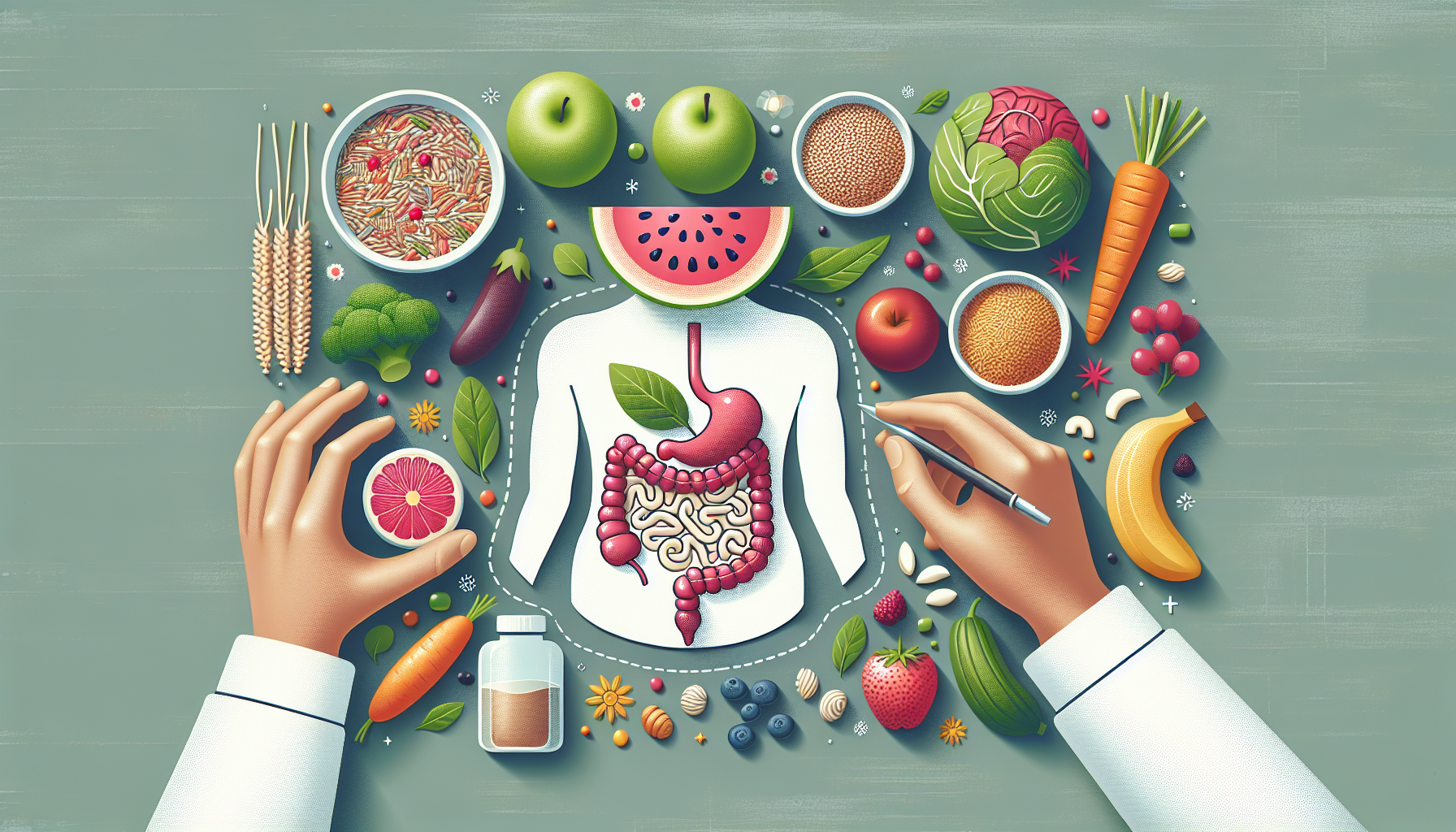
The low FODMAP diet for gut health is one of the most effective nutrition strategies for reducing digestive symptoms linked to irritable bowel syndrome, bloating, abdominal pain, and irregular bowel habits. FODMAP stands for fermentable oligosaccharides, disaccharides, monosaccharides, and polyols, a group of short-chain carbohydrates that are poorly absorbed in the small intestine. When these compounds reach the colon, gut bacteria ferment them rapidly, producing gas and drawing water into the bowel. That combination can trigger cramping, distension, diarrhea, constipation, or a cycle of both in people with a sensitive gut.
I have seen this pattern repeatedly when helping clients untangle chronic digestive issues: they are often told they simply have a “sensitive stomach,” yet their symptoms follow a recognizable food-response pattern. Common high FODMAP triggers include onions, garlic, wheat-based breads, certain beans, apples, milk, yogurt, honey, and sugar alcohols such as sorbitol. The low FODMAP approach matters because it gives structure to symptom investigation. Instead of guessing or cutting foods randomly, it uses a staged process to identify which carbohydrates are truly problematic and in what amounts.
This matters beyond comfort. Persistent digestive symptoms can affect sleep, concentration, social eating, exercise, work performance, and nutrient intake. People often avoid entire food groups unnecessarily, which can lower diet quality and create stress around meals. A well-executed low FODMAP diet improves gut health not by eliminating foods forever, but by reducing symptom burden, then expanding the diet with evidence-based reintroduction. Developed through research led by Monash University and supported by gastrointestinal dietitians worldwide, it is now considered a leading dietary intervention for IBS symptom management. The key is to use it correctly, with a focus on precision, variety, and long-term tolerance rather than permanent restriction.
What the low FODMAP diet does and who it helps
The low FODMAP diet is designed primarily for people with irritable bowel syndrome and related functional gastrointestinal disorders. It is not a general “healthy eating” plan, a weight-loss program, or a cure for inflammatory bowel disease, celiac disease, or food allergy. Its purpose is symptom control. In clinical use, the strongest evidence supports its effectiveness for IBS, especially when symptoms include bloating, abdominal pain, excessive gas, urgent stools, and unpredictable bowel patterns. Studies commonly show meaningful improvement in around half to three quarters of appropriately selected patients, though response depends on individual triggers, stress, gut motility, and how well the plan is followed.
Mechanistically, the diet reduces the carbohydrate load that is osmotically active and highly fermentable. Fructans and galacto-oligosaccharides can drive gas production. Excess fructose can be poorly absorbed when it exceeds glucose. Lactose causes symptoms when lactase activity is low. Polyols such as mannitol and sorbitol are slowly absorbed and can pull water into the bowel. Lowering these inputs often reduces luminal distension, which matters because many symptomatic patients have visceral hypersensitivity. Their gut is not necessarily producing extraordinary amounts of gas; it is reacting strongly to normal or modest intestinal stretching.
The people who benefit most are those who have already ruled out red-flag conditions through medical evaluation. Unintentional weight loss, rectal bleeding, iron-deficiency anemia, persistent vomiting, fever, nighttime symptoms, family history of colorectal cancer, or symptom onset later in life should prompt medical assessment first. In practice, I also advise screening for celiac disease before starting the diet if gluten-containing foods are still being eaten, because reducing wheat early can interfere with accurate testing. That step prevents delayed diagnosis and keeps the nutrition strategy targeted.
The three phases: restriction, reintroduction, and personalization
The low FODMAP diet works only when all three phases are completed. The first phase is short-term restriction, usually two to six weeks. During this time, high FODMAP foods are replaced with low FODMAP alternatives to calm symptoms and create a stable baseline. This phase should be temporary. Extending it for months can make meals unnecessarily repetitive and may reduce prebiotic intake, which is one reason expert guidance consistently emphasizes progression to the next stages once symptoms improve.
The second phase is structured reintroduction, sometimes called challenge testing. Here, one FODMAP subgroup is tested at a time in graduated portions over several days while the rest of the diet stays relatively low in FODMAPs. For example, lactose might be challenged with milk, fructans with bread or onion in measured amounts, and polyols with avocado or stone fruit. This phase tells you whether the issue is dose, subgroup, or specific food. I have found that many people tolerate some wheat in small servings yet react strongly to onion and garlic, which shows why broad lifelong avoidance is rarely necessary.
The third phase is personalization. This is the true long-term diet. Once tolerance levels are identified, the goal becomes dietary expansion with symptom control. Someone may return to regular yogurt if lactose is tolerated, use sourdough bread in moderate amounts, avoid large servings of apples, and choose garlic-infused oil instead of whole garlic. Personalization protects quality of life and supports a more diverse gut microbiome than prolonged blanket restriction. It also turns the low FODMAP diet from a stressful elimination protocol into a practical eating pattern that fits real life, travel, and family meals.
High and low FODMAP foods: what to eat and what to limit
Success depends on understanding food categories clearly. High FODMAP foods often include wheat, rye, onions, garlic, many legumes, milk, soft cheeses, apples, pears, mango, watermelon, cauliflower, mushrooms, honey, and sweeteners ending in “-ol.” Lower FODMAP choices commonly include rice, oats, quinoa, potatoes, eggs, fish, poultry, firm tofu, lactose-free dairy, hard cheeses, strawberries, blueberries, grapes, kiwi, oranges, spinach, carrots, zucchini, tomatoes, and small portions of nuts and seeds. Portion size matters because some foods become high FODMAP only at larger servings.
One of the most useful ways to simplify shopping and meal planning is to organize foods by likely tolerance, not by internet myths. The Monash University app remains a leading reference because it is based on laboratory testing and serving-size thresholds. Labels also matter. In packaged foods, chicory root, inulin, honey, high-fructose ingredients, and sugar alcohols can turn an apparently healthy snack into a symptom trigger. I routinely see protein bars, “gut health” cereals, and low-sugar products cause more symptoms than plainly prepared meals because they contain concentrated fermentable ingredients.
| Food Category | Common High FODMAP Examples | Often Better-Tolerated Alternatives |
|---|---|---|
| Grains | Wheat bread, pasta, rye crackers | Rice, oats, quinoa, sourdough spelt in suitable portions |
| Dairy | Milk, ice cream, soft cheese | Lactose-free milk, hard cheese, lactose-free yogurt |
| Vegetables | Onion, garlic, cauliflower, mushrooms | Carrots, spinach, bell peppers, zucchini |
| Fruit | Apple, pear, mango, watermelon | Kiwi, berries, oranges, grapes |
| Legumes and Protein | Baked beans, large lentil portions | Eggs, poultry, fish, firm tofu, canned lentils in limited servings |
Examples make this practical. A symptom-heavy breakfast of wheat toast, regular milk latte, and an apple can be replaced with sourdough or gluten-free toast, a lactose-free cappuccino, and kiwi. A dinner built around garlic-heavy pasta can become rice noodles with shrimp, zucchini, bok choy, ginger, and garlic-infused oil. The point is not deprivation. It is strategic substitution using tested alternatives that preserve flavor, convenience, and nutritional balance.
How to maximize gut health while following the diet
Gut health is broader than symptom reduction, so the best low FODMAP diet protects fiber intake, microbial diversity, and nutritional adequacy while reducing triggers. This requires food variety inside the low FODMAP framework. Relying on plain meat, white rice, and a few safe snacks may improve bloating short term, but it does not support long-term bowel function or overall health. In practice, I encourage a base of tolerated fruits, vegetables, oats, chia, flax, quinoa, nuts, seeds, and lactose-free fermented dairy if tolerated. These foods help maintain stool quality, satiety, and micronutrient intake.
Prebiotic reduction is one of the main tradeoffs of the restriction phase because fructans and galacto-oligosaccharides normally feed beneficial bacteria. That is why reintroduction matters. As tolerance becomes clear, the aim is to bring back as many fermentable foods as possible without provoking symptoms. Some people can tolerate small servings of chickpeas, pistachios, or wheat pasta with a meal even if large amounts are problematic. This flexible threshold-based approach is better for the microbiome than rigid avoidance.
Meal pattern and eating behavior also influence results. Large meals increase gastric and intestinal distension, so smaller balanced meals often work better. Eating quickly, chewing gum, drinking carbonated beverages, and consuming very high-fat meals can worsen bloating independent of FODMAP content. Constipation may require attention to total fiber, fluid, activity, and sometimes soluble fiber such as psyllium, which has good evidence in IBS management. For diarrhea-predominant IBS, caffeine, alcohol, spicy meals, and high-fat restaurant foods can remain triggers even on a low FODMAP plan, so symptom tracking should consider more than carbohydrate chemistry alone.
Common mistakes, limitations, and when to get professional help
The most common mistake is treating the low FODMAP diet as a forever list of forbidden foods. That approach increases food fear and can shrink dietary diversity unnecessarily. Another frequent problem is incomplete implementation: avoiding obvious triggers while still eating hidden onion powder, inulin-fortified snacks, or sweeteners such as xylitol. Portion confusion is another issue, since foods like avocado, sweet potato, and almonds may be tolerated in small amounts but not in larger servings. Accuracy matters, especially during the first phase when you are trying to learn whether the diet truly helps.
There are also clear limitations. Not every digestive symptom is FODMAP-related. Ongoing pain may reflect pelvic floor dysfunction, endometriosis, bile acid diarrhea, pancreatic insufficiency, small intestinal bacterial overgrowth, inflammatory bowel disease, or medication effects. Stress and the gut-brain axis are major contributors in IBS, and no food plan fully addresses that on its own. In many patients, the biggest gains come from combining dietary work with sleep improvement, regular exercise, psychological therapy such as gut-directed cognitive behavioral therapy, or medications selected by a gastroenterologist.
Professional help is especially valuable for children, pregnant people, vegetarians, vegans, athletes, and anyone with a history of disordered eating. Restrictive protocols can become nutritionally inadequate without planning. A registered dietitian familiar with GI nutrition can build balanced meals, guide reintroduction, and prevent unnecessary avoidance. If symptoms persist despite a careful trial, or if symptoms are severe or worsening, seek medical evaluation rather than tightening the diet further. The right use of the low FODMAP diet is precise and temporary, not endlessly restrictive.
The low FODMAP diet for gut health works best when it is used as a structured investigation, not as a lifelong elimination plan. It helps identify which fermentable carbohydrates trigger bloating, pain, gas, diarrhea, or constipation, and it does so with a method that is practical, evidence-based, and highly individualized. The biggest benefit is clarity. Instead of fearing food broadly, you learn your personal tolerance levels and build a way of eating that improves comfort while keeping as much variety as possible.
The core takeaways are straightforward. First, the diet is most useful for IBS and related functional gut symptoms after important medical conditions have been ruled out. Second, all three phases matter: short restriction, systematic reintroduction, and long-term personalization. Third, success depends on serving sizes, label reading, and strategic substitutions, not just memorizing a simple “yes or no” food list. Finally, long-term gut health requires more than symptom control; it requires restoring diversity, supporting fiber intake, and addressing non-food triggers such as stress, meal size, sleep, and bowel habits.
As a hub topic within dietary lifestyles and special diets, this subject connects naturally to deeper articles on IBS meal planning, low FODMAP grocery shopping, reintroduction protocols, vegetarian adaptations, restaurant strategies, and the difference between gluten-free and low FODMAP eating. Start with a symptom and food journal, use reputable tested food resources, and if possible work with a GI-focused dietitian. Done properly, the low FODMAP diet can turn digestive confusion into a clear, sustainable plan for better gut health and more confident eating.
Frequently Asked Questions
What is a low FODMAP diet, and how does it support gut health?
A low FODMAP diet is a structured eating approach designed to reduce certain short-chain carbohydrates that are poorly absorbed in the small intestine. The term FODMAP stands for fermentable oligosaccharides, disaccharides, monosaccharides, and polyols. These compounds can move into the colon without being fully digested, where they are rapidly fermented by gut bacteria. This process can lead to increased gas production, bloating, abdominal discomfort, cramping, diarrhea, constipation, or a mix of both, especially in people with irritable bowel syndrome, or IBS.
By temporarily reducing high-FODMAP foods, many people experience meaningful relief from digestive symptoms. This can improve day-to-day comfort, reduce abdominal distension, and help create a clearer understanding of which foods may be contributing to symptoms. Importantly, the low FODMAP diet is not simply about removing foods forever. It is a short-term therapeutic strategy that usually includes an elimination phase, followed by a careful reintroduction phase, and then a personalization phase. This step-by-step method helps identify specific trigger foods while expanding the diet as much as possible. When done properly, it supports symptom control without unnecessarily restricting nutrition or food variety.
Who should consider trying a low FODMAP diet for digestive symptoms?
The low FODMAP diet is most commonly recommended for people who experience recurring digestive issues such as bloating, gas, abdominal pain, cramping, diarrhea, constipation, or unpredictable bowel habits. It is especially well known for helping individuals with IBS, but it may also be useful for some people with functional gastrointestinal disorders who notice that symptoms worsen after eating certain carbohydrate-rich foods. If you often feel uncomfortably full after meals, deal with frequent abdominal pressure, or find that your digestion seems sensitive to onions, garlic, beans, certain fruits, dairy, or sugar alcohols, this approach may be worth discussing with a healthcare professional.
That said, it is important not to self-diagnose every digestive symptom as a FODMAP issue. Conditions such as celiac disease, inflammatory bowel disease, lactose intolerance, small intestinal bacterial overgrowth, gallbladder issues, and other medical concerns can cause similar symptoms. For that reason, a proper medical evaluation is a smart first step, especially if symptoms are new, severe, or accompanied by red flags such as unintended weight loss, anemia, rectal bleeding, fever, or nighttime symptoms. A registered dietitian familiar with the low FODMAP process can help make the diet more effective, nutritionally balanced, and easier to follow.
What foods are high in FODMAPs, and what can you eat instead?
High-FODMAP foods include a wide range of everyday ingredients, which is why the diet can feel confusing at first. Common examples include wheat-based breads and pasta, onions, garlic, many legumes, milk and soft cheeses for those sensitive to lactose, certain fruits such as apples, pears, watermelon, and mango, and sweeteners or packaged products containing polyols like sorbitol and mannitol. Some vegetables, including cauliflower, mushrooms, and asparagus, can also be high in FODMAPs. Because FODMAP content depends on portion size, some foods are tolerated in small amounts but become problematic in larger servings.
The good news is that there are still plenty of gut-friendly options available. Many people do well with low-FODMAP foods such as rice, oats, quinoa, potatoes, eggs, poultry, fish, firm tofu, lactose-free dairy, hard cheeses, spinach, carrots, zucchini, bell peppers, cucumbers, strawberries, blueberries, oranges, kiwis, and grapes. Flavor can also be maintained with alternatives such as garlic-infused oil, fresh herbs, ginger, chives, and the green tops of scallions. The goal is not to make meals bland or overly limited, but to swap out common triggers while keeping nutrition, satisfaction, and variety in place. Working from a reliable low FODMAP food list is important because online information is often inconsistent or oversimplified.
How long should you follow a low FODMAP diet, and is it safe to stay on it long term?
The low FODMAP diet is generally intended to be temporary, not a lifelong elimination plan. The first phase, often called the elimination phase, usually lasts around two to six weeks. During this time, high-FODMAP foods are significantly reduced to see whether symptoms improve. If symptoms do improve, the next step is reintroduction, where individual FODMAP groups are added back systematically to test tolerance. This phase is essential because it helps identify which specific carbohydrates are problematic and which ones can be included without causing symptoms. The final phase is personalization, where the diet becomes more flexible and tailored to the individual.
Staying on a highly restrictive version of the low FODMAP diet for too long is generally not recommended. Many high-FODMAP foods contain important fibers and prebiotic compounds that help nourish beneficial gut bacteria. Prolonged restriction may reduce dietary variety and potentially affect the gut microbiome over time. It can also make social eating, travel, and meal planning harder than necessary. A well-managed low FODMAP diet should aim for the least restrictive pattern that still controls symptoms. That is why expert guidance is so valuable. It helps ensure that symptom relief is achieved while supporting long-term gut health, nutrient adequacy, and a healthier relationship with food.
Can a low FODMAP diet cure IBS or permanently fix bloating and digestive issues?
A low FODMAP diet is one of the most effective dietary tools for managing IBS symptoms, but it is not considered a cure. IBS is a complex condition influenced by gut-brain interaction, intestinal sensitivity, motility, stress, sleep, hormones, and diet. The low FODMAP approach helps by reducing the fermentation and fluid shifts that can trigger symptoms, but it does not eliminate the underlying tendency toward digestive sensitivity. For many people, it significantly reduces bloating, pain, and irregular bowel habits, which can greatly improve quality of life. However, symptom patterns may still change over time, and other factors outside of food can continue to play a role.
Think of the low FODMAP diet as a targeted management strategy rather than a permanent fix. It often works best as part of a broader digestive health plan that may include stress management, regular meals, hydration, exercise, adequate sleep, and medical support when needed. Some people also benefit from evaluating fiber intake, food timing, caffeine, alcohol, and portion sizes. The most successful outcome is not avoiding every possible trigger forever. It is learning your personal tolerance levels, building a sustainable eating pattern, and gaining more control over symptoms so that gut health becomes easier to manage in real life.