The low FODMAP diet for gut health is one of the most misunderstood nutrition strategies in digestive care, largely because it is often described as a permanent food list instead of what it actually is: a structured, short-term clinical protocol designed to identify carbohydrate triggers in people with irritable bowel syndrome and related functional gut disorders. FODMAP stands for fermentable oligosaccharides, disaccharides, monosaccharides, and polyols, a group of short-chain carbohydrates that are poorly absorbed in the small intestine and can be rapidly fermented by gut bacteria, drawing water into the bowel and increasing gas production. In practice, that combination can worsen bloating, abdominal pain, altered bowel habits, and distension in sensitive people. I have seen many readers arrive at this topic after years of being told they simply have a “sensitive stomach,” only to discover that symptom patterns around onions, wheat, milk, apples, or sugar alcohols follow a reproducible mechanism.
What matters most is context. The low FODMAP diet for gut health was developed through research led by Monash University and is now used by gastroenterologists and dietitians worldwide, especially for IBS management. It is not a cure-all, not a weight-loss diet, and not a blanket instruction to avoid carbohydrates forever. It matters because digestive symptoms are common, quality of life can be heavily affected, and misinformation online often pushes people into overly restrictive eating that can reduce dietary variety, social confidence, and nutrient intake. As a hub for this topic, this article breaks down the most common myths, explains what the diet can and cannot do, and gives you a practical framework for understanding who may benefit, how the phases work, where mistakes happen, and why professional guidance improves outcomes. If you want to evaluate whether a low FODMAP approach fits your gut health needs, the myths below are the best place to start.
Myth 1: The low FODMAP diet is a forever diet
The most important myth to debunk is that low FODMAP eating should be permanent. It should not. The standard protocol has three phases: elimination, reintroduction, and personalization. During elimination, high-FODMAP foods are reduced for a limited period, usually two to six weeks, to see whether symptoms improve. Reintroduction then tests specific FODMAP groups in a controlled way, such as fructose, lactose, fructans, galacto-oligosaccharides, and polyols. Personalization builds the broadest diet a person can tolerate while minimizing symptoms. When people stay in the elimination phase indefinitely, they often create unnecessary restriction and may reduce intake of beneficial prebiotic fibers found in foods like garlic, onion, legumes, and wheat.
In clinical use, the goal is always food expansion, not food fear. I have seen clients feel dramatically better during elimination and assume that any challenge food will “damage” their gut, but that is not how the protocol is designed. A person may react strongly to excess fructans from onion yet tolerate sourdough bread, small portions of pasta, or chickpeas in measured amounts. The endpoint is a customized pattern, not a universal banned list. This matters because long-term diversity supports nutritional adequacy and often supports a healthier, more resilient gut ecosystem. If you remember only one point, remember this: low FODMAP is a diagnostic nutrition strategy, not a lifelong identity.
Myth 2: It is the right diet for every digestive problem
The low FODMAP diet for gut health is evidence-based for IBS symptom management, but it is not automatically appropriate for every person with bloating, constipation, diarrhea, or abdominal pain. Digestive symptoms overlap across many conditions, including celiac disease, inflammatory bowel disease, bile acid diarrhea, small intestinal bacterial overgrowth, pancreatic insufficiency, endometriosis, pelvic floor dysfunction, and colorectal cancer. That overlap is why red-flag symptoms matter. Unintentional weight loss, rectal bleeding, anemia, persistent vomiting, nocturnal diarrhea, fever, and symptoms that begin later in life require medical evaluation before any self-directed elimination plan.
Even within gut health, the response is not universal. Some people with IBS improve substantially, while others improve only partly or not at all. Meta-analyses generally show meaningful symptom benefit in IBS populations, especially for bloating and pain, but not every symptom in every person responds equally. If a patient’s main issue is reflux, an eating pattern focused on meal size, fat intake, caffeine, alcohol, and meal timing may matter more. If constipation is driven by very low fiber intake, dehydration, or pelvic floor dysfunction, removing foods without solving the root cause can backfire. The low FODMAP diet is a targeted tool. It is most useful when symptoms and diagnosis align with how FODMAPs behave in the gut.
Myth 3: Low FODMAP means low carb, gluten-free, or dairy-free
These terms are often blurred together online, but they are not interchangeable. Low FODMAP does not mean low carbohydrate. Rice, oats, quinoa, potatoes, and many low-FODMAP fruits still provide substantial carbohydrate. It also does not automatically mean gluten-free. The issue in many wheat products is not gluten itself but fructans, which are a type of FODMAP. Someone with IBS may react to regular wheat bread yet tolerate a low-fructan sourdough serving, while a person with celiac disease must strictly avoid gluten regardless of FODMAP content. Confusing these categories can lead people to misdiagnose themselves and miss necessary testing.
The same is true with dairy. Low FODMAP is not the same as dairy-free because lactose is only one FODMAP subgroup. Hard cheeses, butter, and lactose-free milk can fit a low FODMAP plan, while regular milk may not, depending on portion size. Greek yogurt may be tolerated in one amount and not another. This is why portion guidance from Monash University and trained dietitians matters so much. Foods are not simply “safe” or “unsafe”; they are dose dependent. A person may tolerate half an avocado differently than a whole avocado, or a few cashews differently than a full handful. Good implementation depends on specifics, not labels.
Myth 4: All high-FODMAP foods are unhealthy and all low-FODMAP foods are healthy
FODMAP content tells you how likely a food is to trigger symptoms in a sensitive gut; it does not tell you whether the food is nutritious. Many high-FODMAP foods are nutrient-dense and beneficial for people who tolerate them well, including beans, lentils, asparagus, apples, pears, yogurt, and whole grains. These foods can provide fiber, calcium, potassium, polyphenols, and prebiotic compounds. On the other hand, many low-FODMAP processed foods can still be high in sodium, saturated fat, or added sugar. A gluten-free cookie, for example, can be low FODMAP and still offer little nutritional value.
This distinction matters because the low FODMAP diet for gut health should reduce symptoms while preserving diet quality. In my experience, people who approach it as a clean-eating system often become more restrictive than necessary and less nourished over time. Better practice is to think in two layers: symptom tolerance and overall nutrition. You want a pattern that controls symptoms and still includes adequate protein, fiber, healthy fats, calcium, iron, and vitamins. That may mean choosing low-FODMAP oats, kiwifruit, chia seeds, firm tofu, canned lentils in tolerated portions, lactose-free yogurt, and a range of tolerated vegetables rather than relying on packaged specialty products.
Myth 5: The diet starves bad bacteria and permanently fixes the microbiome
This claim sounds appealing, but it oversimplifies microbiology. FODMAP reduction can decrease fermentable substrates that contribute to gas and distension, which is why symptoms often improve. However, several FODMAP-containing foods also feed beneficial bacteria. Studies have shown that strict low FODMAP intake can reduce levels of bifidobacteria in some people during the elimination phase. That is one reason clinicians emphasize keeping the restriction phase short and reintroducing foods systematically. The objective is symptom control with maximal tolerated variety, not long-term suppression of fermentation at all costs.
The gut microbiome is influenced by far more than one dietary framework. Sleep, stress, antibiotics, infections, physical activity, meal patterns, and broad dietary diversity all play roles. No credible clinician should promise that a low FODMAP diet permanently “heals” the microbiome by itself. It may reduce symptom burden and improve day-to-day function, which is meaningful, but that does not mean the underlying biology is cured. In some cases, adding back selected fibers, partially hydrolyzed guar gum, psyllium, or tolerated legumes after reintroduction supports both bowel function and microbial diversity better than staying highly restrictive. Gut health is rarely solved by one lever alone.
How the phases actually work in real life
Most confusion disappears once people understand the operational details. The elimination phase is a temporary reset, not a test of discipline. You replace common high-FODMAP triggers with lower-FODMAP alternatives while tracking symptoms, stool pattern, bloating, pain, and meal context. The reintroduction phase then tests one FODMAP category at a time across several days with structured portion increases. For example, a person may test lactose with milk, then fructans with bread, then polyols with avocado or stone fruit, recording dose-response patterns. The final phase uses those findings to build a practical long-term plan.
| Phase | Main goal | Typical duration | What success looks like |
|---|---|---|---|
| Elimination | Lower symptom load by reducing high-FODMAP intake | 2 to 6 weeks | Clear symptom improvement without excessive restriction |
| Reintroduction | Identify which FODMAP groups and doses trigger symptoms | 6 to 8 weeks or longer | Specific tolerance data, not guesses |
| Personalization | Create the least restrictive sustainable eating pattern | Long term | Better gut control with broader food variety |
Real-world success depends on precision. People often fail because they reintroduce too many foods at once, use inconsistent portion sizes, or ignore nonfood triggers like stress, menstrual cycle shifts, poor sleep, or rushed eating. A symptom diary should capture timing, quantity, preparation method, and context. Onion powder hidden in sauces, inulin added to protein bars, and sugar alcohols in gum are frequent spoilers. I also advise people to evaluate bowel regularity separately from bloating because constipation can amplify fermentation-related symptoms. The better your observations, the more useful the final personalized diet becomes.
Common mistakes that make the diet seem harder than it is
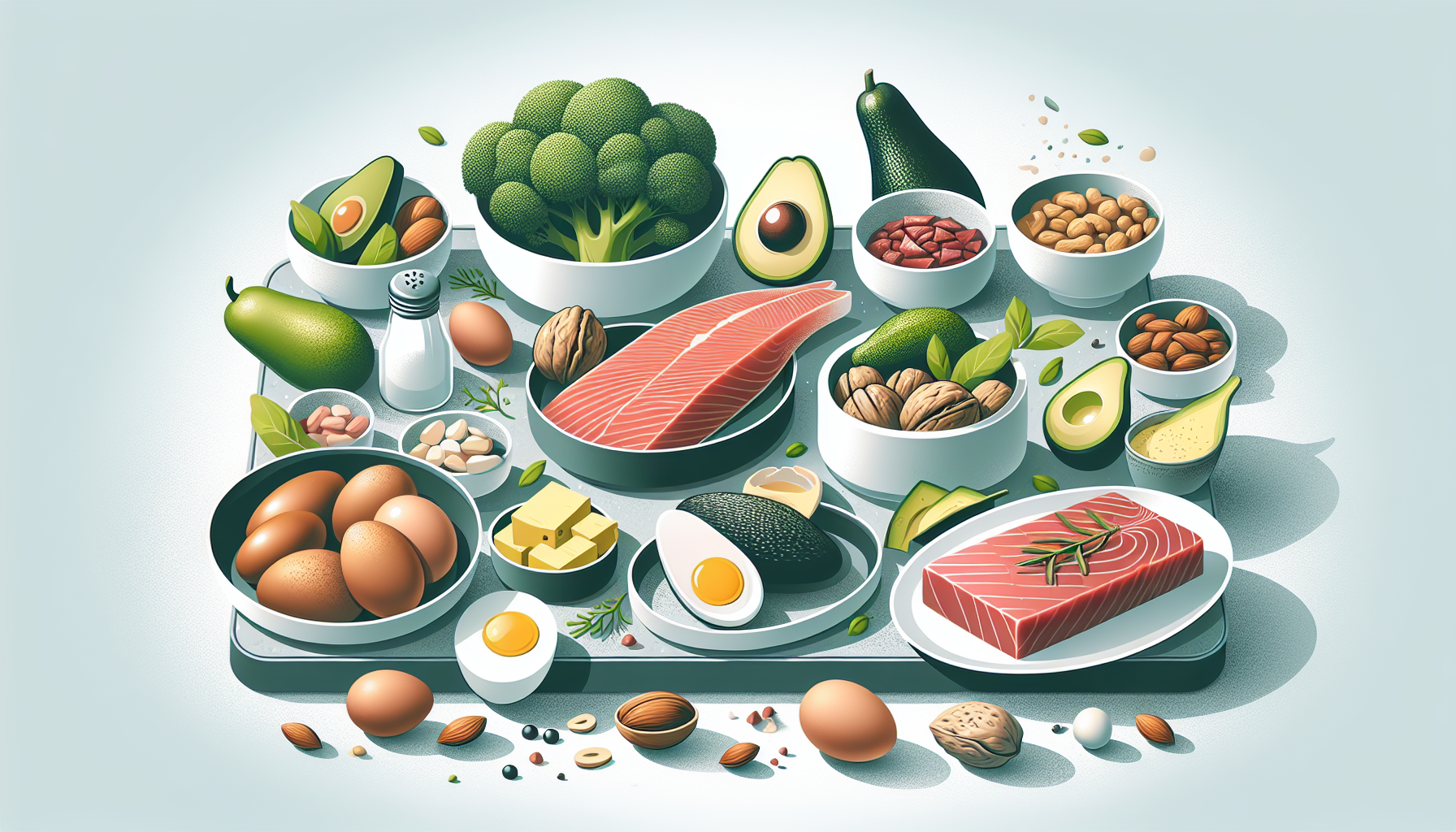
The first common mistake is starting without ruling out conditions that require different treatment, especially celiac disease before gluten restriction begins. The second is relying on random food lists from blogs instead of validated resources like the Monash app or a FODMAP-trained registered dietitian. Food values change with serving size and product formulation, so static lists are often outdated. The third is focusing only on what to remove. Successful low FODMAP planning starts by building meals around foods you can eat: eggs, fish, poultry, tofu, rice, oats, potatoes, quinoa, spinach, carrots, zucchini, strawberries, oranges, kiwi, and lactose-free dairy, adjusted to your needs.
Another mistake is underestimating lifestyle factors. Large meals, very high fat intake, alcohol, carbonation, caffeine excess, and eating under stress can all intensify symptoms independently of FODMAP content. Some people conclude the diet failed when the real issue is that they changed food choices but not meal pattern or bowel mechanics. Finally, many people quit reintroduction because elimination feels safer. That is understandable, but it leaves valuable information on the table. A well-run challenge phase frequently reveals that the person can tolerate more foods than expected, which improves nutrition, lowers stress, and makes social eating more manageable.
Who should use a low FODMAP diet and when to get help
The best candidates are people with medically evaluated IBS or persistent functional gut symptoms such as bloating, pain, gas, and stool changes that appear meal related, especially when standard healthy eating advice has not resolved them. The diet is also sometimes adapted in inflammatory bowel disease patients with overlapping IBS-type symptoms, though that requires careful supervision because symptom relief should not be confused with inflammation control. People with a history of disordered eating, significant weight loss, food insecurity, pregnancy-related nutrition concerns, or complex medical conditions need individualized guidance before restricting foods.
Professional help improves both safety and results. A gastroenterologist can assess diagnosis and rule out alarm features. A registered dietitian can prevent nutrient gaps, tailor challenges, and translate science into workable meals. That support is especially useful for vegetarians, vegans, athletes, and families cooking for multiple people. The main benefit of doing this correctly is not perfection; it is clarity. You learn which foods, doses, and situations actually affect your gut, and you stop guessing. If digestive symptoms are limiting your life, use this article as your starting point, then take the next practical step: get evaluated, follow a structured plan, and build a diet that supports both comfort and long-term health.
Frequently Asked Questions
Is the low FODMAP diet meant to be followed forever?
No. One of the biggest myths about the low FODMAP diet for gut health is that it is a lifelong restriction plan. In reality, it is a structured, short-term clinical protocol most often used to help identify which fermentable carbohydrates trigger symptoms in people with irritable bowel syndrome and related functional gut disorders. The process typically includes a temporary elimination phase, followed by a careful reintroduction phase, and then a personalization phase where the diet is expanded as much as possible.
The goal is not to remove a long list of foods permanently. The goal is to learn which specific FODMAP groups, portion sizes, and food combinations are problematic for an individual. Many people can reintroduce a wide variety of foods once they understand their personal tolerance levels. Long-term overrestriction is generally not recommended because it can unnecessarily limit diet quality, make eating more stressful, and reduce intake of beneficial fibers and plant diversity. A properly used low FODMAP approach is best viewed as a diagnostic and symptom-management tool, not a forever diet.
Does a low FODMAP diet improve gut health for everyone?
No, and that is an important distinction. The low FODMAP diet is not a universal “gut health” diet for the general population. It was developed primarily for people with IBS and certain functional gastrointestinal symptoms such as bloating, abdominal pain, excess gas, diarrhea, or constipation linked to fermentable carbohydrate sensitivity. If someone does not have these symptom patterns, there is no clear reason to broadly restrict FODMAP-containing foods.
Many high-FODMAP foods are otherwise highly nutritious. Foods such as onions, garlic, legumes, certain fruits, dairy products, and wheat-based foods can provide fiber, prebiotics, vitamins, minerals, and other compounds that support overall health in people who tolerate them well. Removing these foods without a clinical reason can actually reduce dietary variety. Gut health is not the same as symptom suppression at all costs. For some people, especially those with IBS, reducing certain fermentable carbohydrates temporarily can bring meaningful relief. For others, it may offer little benefit and may be unnecessary. That is why the low FODMAP diet works best when it is targeted, individualized, and guided by symptoms rather than treated as a blanket wellness trend.
Are high-FODMAP foods unhealthy or harmful to the gut?
Not at all. This is one of the most common misunderstandings. High-FODMAP foods are not inherently bad, inflammatory, or damaging to the digestive system. FODMAPs are simply certain short-chain carbohydrates that can be poorly absorbed in the small intestine in some people. When they reach the colon, gut bacteria ferment them, which can produce gas and draw water into the bowel. In sensitive individuals, especially those with IBS, that process can trigger bloating, pain, altered bowel habits, and discomfort. But that does not mean the foods themselves are “toxic.”
In fact, many high-FODMAP foods can be beneficial because they feed gut microbes and contribute to a more diverse dietary pattern. The issue is tolerance, not morality or food quality. A person with IBS may react strongly to a large serving of a high-FODMAP food, while another person may feel completely fine eating it. Even the same person may tolerate one type of FODMAP better than another, or tolerate a smaller portion without symptoms. The smarter framework is to think of FODMAPs as symptom triggers for some people, not universally unhealthy foods that everyone should avoid.
Can I figure out the low FODMAP diet on my own from food lists online?
You can learn the basics online, but relying only on generic food lists often leads to confusion and unnecessary restriction. A major myth is that the low FODMAP diet is just a simple list of “yes” foods and “no” foods. In reality, it is far more nuanced. Tolerance depends on the specific FODMAP category involved, the serving size, the form of the food, meal composition, and the person’s own digestive sensitivity. A food may be low FODMAP in one portion and high FODMAP in another. Some foods contain multiple FODMAP groups, while others are well tolerated in isolation but become problematic when several moderate-FODMAP foods are combined in the same meal.
This is why professional guidance is so valuable. A registered dietitian familiar with digestive disorders can help ensure the elimination phase is done correctly, identify patterns in symptoms, support proper reintroduction, and prevent the diet from becoming overly restrictive. Self-directing the diet without a plan can lead to cutting out more foods than necessary, missing the reintroduction step, or blaming the wrong foods for symptoms that may actually be related to stress, eating speed, meal size, or another medical issue. For best results, the low FODMAP diet should be treated as a structured process rather than a crowdsourced food blacklist.
Does symptom improvement on a low FODMAP diet mean FODMAPs were the only cause of my gut issues?
No. Symptom improvement can be meaningful, but it does not prove that FODMAPs are the sole cause of digestive problems. IBS and other functional gut disorders are complex and often influenced by multiple factors at the same time. Fermentable carbohydrates may be one major trigger, but stress, the gut-brain axis, meal timing, caffeine, alcohol, sleep quality, hormonal changes, fat intake, and overall bowel sensitivity can also play important roles. In some cases, symptoms may overlap with other conditions that need medical evaluation.
That is why the low FODMAP diet should be seen as one tool within a bigger digestive health strategy. If symptoms improve, that is useful information, but the next step is to identify which specific FODMAP groups matter and how much flexibility is possible. If symptoms do not improve, it may suggest that other triggers deserve more attention. Either way, success is not defined by the most restrictive version of the diet. It is defined by finding the least restrictive, most sustainable pattern that controls symptoms while supporting nutritional adequacy, food enjoyment, and long-term quality of life.