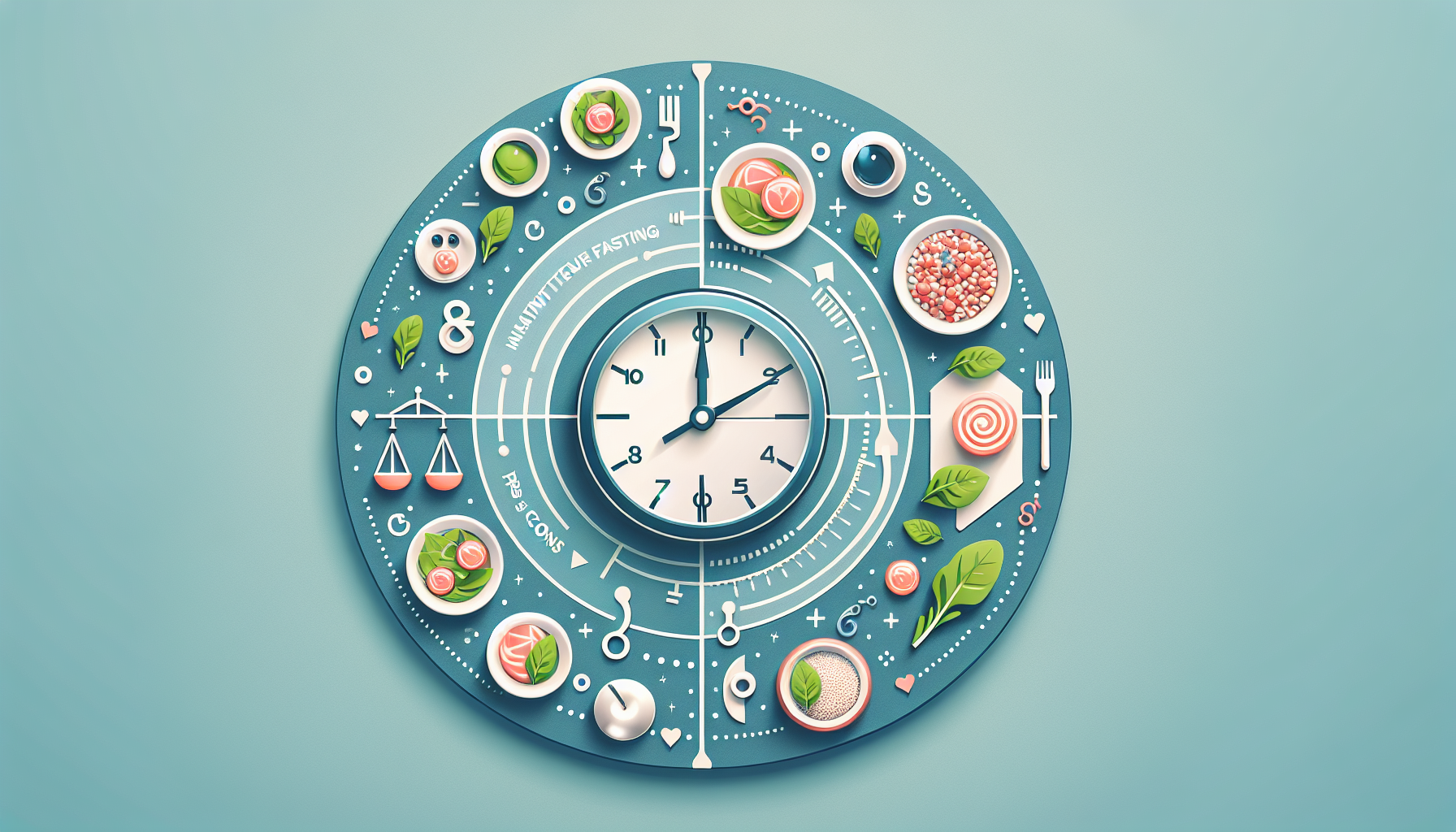
Intermittent fasting has moved from a niche weight-loss tactic to a mainstream health strategy because it changes not only what people eat, but when they eat. In practical terms, intermittent fasting is an eating pattern that alternates periods of eating with periods of little or no calorie intake. Common formats include the 16:8 method, where eating is limited to an eight-hour window; the 5:2 method, where calorie intake is sharply reduced on two nonconsecutive days each week; and alternate-day fasting, which cycles between normal eating and fasting days. As a hub topic within dietary lifestyles and special diets, intermittent fasting matters because it intersects with weight management, blood sugar control, metabolic health, convenience, and long-term sustainability.
I have worked with clients and tested fasting protocols personally, and the same pattern appears repeatedly: people are often attracted by the simplicity of eating fewer times per day, yet results depend heavily on context. Intermittent fasting is not a magic switch. It can help reduce overall calorie intake, improve meal structure, and support insulin sensitivity in some adults, but it also carries drawbacks such as hunger, irritability, reduced training performance, or disordered eating risk in vulnerable individuals. Understanding the pros and cons of intermittent fasting is essential before choosing a schedule, especially because social media often presents fasting as universally beneficial when the evidence is more nuanced.
At its core, fasting works by extending the time between meals, which lowers circulating insulin and encourages the body to shift from using recently consumed glucose toward stored energy. During longer fasting periods, glycogen stores fall and fat oxidation increases. Researchers also study cellular processes such as autophagy, a recycling mechanism triggered by nutrient deprivation, though many headlines overstate how clearly this translates into everyday health outcomes in humans. The real-world value of intermittent fasting usually comes from behavior and adherence: a structured eating window may reduce late-night snacking, simplify decisions, and create a routine that some people can follow more easily than constant calorie counting.
The key question is not whether fasting can work, but for whom, under what conditions, and with what tradeoffs. People searching for intermittent fasting pros and cons usually want direct answers: Does it help with weight loss? Is it safe? Will it slow metabolism? Can women do it? Does black coffee break a fast? The answer to most of these questions is, it depends on the fasting style, the person’s medical history, medication use, training load, sleep quality, and food choices during eating periods. A well-designed fasting plan can support health goals, but a poorly matched one can undermine them. This article explains the major benefits, limitations, best use cases, and practical considerations so readers can judge whether intermittent fasting fits their lifestyle.
How Intermittent Fasting Works in the Body
Intermittent fasting changes meal timing, which affects hormones, appetite, and energy balance. After eating, insulin rises to help move glucose into cells. During fasting, insulin levels decline, glucagon rises, and the body becomes more reliant on stored glycogen and body fat for fuel. In many adults, this can improve metabolic flexibility, meaning the body shifts more efficiently between carbohydrate and fat use. Time-restricted eating, particularly earlier in the day, may also align food intake with circadian rhythms, which influence blood sugar control, digestion, and hormone release.
The most reliable benefit shown in clinical studies is modest weight loss, primarily because many people eat fewer calories when they compress eating into a shorter window. Reviews published in journals such as JAMA Network Open and The New England Journal of Medicine have found that intermittent fasting can be comparable to standard calorie restriction for weight loss, but not consistently superior. That distinction matters. Fasting is best understood as a framework for controlling intake rather than a metabolism hack. If a person overeats highly processed foods during the eating window, fasting advantages can disappear quickly.
Fasting also affects hunger hormones such as ghrelin and satiety signals including peptide YY and leptin, although these responses vary widely. Some people adapt after one to two weeks and report fewer cravings; others remain preoccupied with food. In my experience, adaptation is easiest when protein intake is high, meals are built around fiber-rich whole foods, and the fasting window does not push people into binge-like eating at night. Hydration and electrolyte intake also matter. Headaches and fatigue during the first week are often due less to fasting itself than to lower fluid intake, less sodium, caffeine withdrawal, or a sharp drop in refined carbohydrates.
Major Benefits of Intermittent Fasting
The biggest advantage of intermittent fasting is simplicity. Many adults do better with one clear rule such as “eat between noon and 8 p.m.” than with constant tracking. That simplicity can reduce decision fatigue, make restaurant meals easier to manage, and lower casual grazing. For office workers who tend to snack throughout the afternoon and evening, a structured eating window often cuts hundreds of calories without feeling like a traditional diet. This is one reason intermittent fasting has become popular among people who dislike weighing food or using apps.
Another meaningful benefit is improved blood sugar regulation in some populations. Early time-restricted eating, where meals are consumed earlier in the day, has shown promise for insulin sensitivity and fasting glucose in adults with overweight or prediabetes. Clinically, I have seen people achieve steadier energy by stopping late-night eating, even before substantial weight loss occurs. Reducing nighttime meals may also improve sleep quality and acid reflux for some individuals, since large late dinners can impair digestion and raise body temperature close to bedtime.
Intermittent fasting may also support cardiovascular risk factors when it leads to weight loss and better food choices. Studies have reported improvements in triglycerides, waist circumference, and blood pressure, though outcomes are inconsistent and often tied to total calorie reduction. People commonly report practical lifestyle benefits as well: fewer meals to prepare, lower food spending, and a stronger sense of routine. For busy professionals, that predictability can be powerful. Instead of trying to eat six “perfect” meals, they can focus on two or three balanced meals built around lean protein, legumes, vegetables, fruit, whole grains, nuts, and healthy fats.
| Fasting method | How it works | Best fit | Main drawback |
|---|---|---|---|
| 16:8 | Fast 16 hours, eat within 8 hours daily | Beginners seeking a simple routine | Can encourage large evening meals |
| 14:10 | Fast 14 hours, eat within 10 hours daily | People wanting a gentler start | May produce slower results |
| 5:2 | Eat normally 5 days, restrict calories 2 days | Those who prefer flexibility | Low-calorie days can feel difficult |
| Alternate-day fasting | Alternate regular intake with fasting or very low intake | Experienced fasters under guidance | Harder to sustain socially and physically |
Potential Risks, Side Effects, and Limitations
The main con of intermittent fasting is that adherence can break down when the schedule fights a person’s biology or lifestyle. Early hunger, irritability, lightheadedness, and difficulty concentrating are common during transition. Some people compensate by overeating during feeding windows, which can cancel calorie deficits and create an unhealthy restrict-and-binge cycle. This is especially important for anyone with a history of eating disorders, obsessive food rules, or significant anxiety around eating. In such cases, fasting may be harmful rather than helpful.
Intermittent fasting is also not appropriate for everyone. Pregnant or breastfeeding women, children and teens who are still growing, underweight individuals, and people with certain medical conditions should not start a fasting regimen without medical supervision. Patients using insulin, sulfonylureas, or other glucose-lowering medications face a real risk of hypoglycemia if they fast improperly. People with advanced liver disease, chronic kidney disease, active gastrointestinal disorders, or a history of amenorrhea should also approach fasting cautiously. Safety always comes before trend appeal.
Performance is another tradeoff. Endurance athletes, manual laborers, and people doing high-volume strength training may struggle with fasted sessions, reduced glycogen, or inadequate total calorie intake. Some adapt well to training before the first meal, particularly with low- to moderate-intensity exercise, but many feel and perform better with pre-workout fuel. Fasting can also backfire for poor sleepers because hunger and elevated stress hormones may disrupt sleep onset or quality. A method that helps one person feel disciplined can leave another exhausted, under-recovered, and socially isolated.
How to Do Intermittent Fasting Well
The best intermittent fasting plan is the one a person can sustain without harming health, mood, or relationships. For most beginners, a 12:12 or 14:10 schedule is more realistic than jumping straight into 16:8 or longer fasts. Starting by simply ending nighttime snacking and delaying breakfast modestly is often enough to reveal whether fasting feels supportive. I usually recommend keeping the eating window consistent, prioritizing breakfast or lunch earlier rather than pushing all calories into late evening, and maintaining adequate protein intake, ideally spread across two or three meals to protect muscle mass.
Food quality determines whether fasting improves health or merely shifts meal times. Breaking a fast with pastries, sugary coffee drinks, or fast food can trigger sharp blood sugar swings and hunger rebound. A better first meal combines protein, fiber, and unsaturated fat: for example, Greek yogurt with berries and chia seeds, eggs with vegetables and whole-grain toast, or lentils with olive oil and salad. During the eating window, most adults do well with a target of roughly 1.2 to 1.6 grams of protein per kilogram of body weight if preserving lean mass is a priority, especially during weight loss.
Hydration is nonnegotiable. Water, plain sparkling water, and unsweetened tea are standard fasting beverages, and black coffee is generally considered acceptable because it contains minimal calories, though tolerance varies. The better question is not whether coffee technically breaks a fast, but whether it causes jitters, reflux, or appetite disruption. Electrolytes may help during longer fasting periods or in hot climates. Monitoring matters too: track energy, bowel regularity, mood, training quality, menstrual function, and hunger patterns. If fasting worsens these markers for more than a short adjustment period, the schedule needs modification or abandonment.
Who Benefits Most and When to Choose Another Approach
Intermittent fasting tends to work best for adults who like routine, do not enjoy breakfast, snack heavily at night, and can still meet nutrition needs within a compressed schedule. It is often useful for people whose main obstacle is unstructured eating rather than a lack of nutrition knowledge. For example, a desk worker who skips breakfast unintentionally, grazes on vending machine snacks, and eats a large late dinner may improve quickly by setting a deliberate eating window from 10 a.m. to 6 p.m. and planning two solid meals plus a protein-rich snack.
On the other hand, fasting is often a poor fit for people with highly variable shifts, intense morning training, a history of disordered eating, or a need for regular meals to manage blood sugar and migraines. Some women report doing better with shorter fasting windows or a less frequent schedule, although evidence is mixed and highly individual. The broader lesson is that fasting should serve the person, not the other way around. If a Mediterranean-style eating pattern, standard calorie deficit, or high-protein meal structure feels easier and produces steady results, there is no special advantage in forcing intermittent fasting.
Used wisely, intermittent fasting can be a practical tool for weight management, metabolic health, and meal structure, but its benefits come from consistency, food quality, and personal fit. The strongest pros are simplicity, appetite control for some people, and potential improvements in weight, insulin sensitivity, and late-night eating habits. The most important cons are hunger, social friction, training challenges, and safety concerns for specific groups. If you are considering intermittent fasting, start conservatively, focus on nutrient-dense meals, and consult a qualified clinician if you take medication or have a medical condition. Choose the version that improves your health in real life, then build from there.
Frequently Asked Questions
What is intermittent fasting, and how does it work?
Intermittent fasting is an eating pattern that focuses on when you eat rather than strictly on what you eat. Instead of spreading meals evenly across the day, you cycle between periods of eating and periods of fasting, during which you consume little or no calories. Popular approaches include the 16:8 method, where you fast for 16 hours and eat within an 8-hour window; the 5:2 method, where you eat normally five days a week and significantly reduce calories on two nonconsecutive days; and alternate-day fasting, which rotates regular eating days with fasting or very low-calorie days.
The basic idea is that fasting gives the body a break from constant digestion and may encourage it to rely more on stored energy. During a fasting period, insulin levels tend to fall, which can make it easier for the body to access stored fat for fuel. Some research also suggests fasting may support metabolic flexibility, appetite regulation, and certain cellular repair processes. That said, the effects can vary depending on a person’s age, activity level, medical history, overall diet quality, and the specific fasting schedule used. Intermittent fasting is not magic, but for some people it can be a practical framework that helps simplify eating habits and improve consistency.
What are the main health benefits of intermittent fasting?
One of the biggest reasons people try intermittent fasting is weight management. By shortening the eating window or reducing calorie intake on specific days, some people naturally eat less without having to count every calorie. This can help create a calorie deficit, which is the main driver of fat loss. Many people also report that intermittent fasting reduces mindless snacking, especially late at night, making it easier to stay on track with nutrition goals.
Beyond weight loss, intermittent fasting may offer broader metabolic benefits. Some studies suggest it can improve insulin sensitivity, support better blood sugar control in certain individuals, and positively affect markers related to heart health, such as blood pressure, cholesterol, and inflammation. There is also interest in how fasting may promote cellular maintenance processes like autophagy, though much of that research is still developing. Importantly, benefits tend to be strongest when intermittent fasting is paired with a nutrient-dense diet, good sleep, stress management, and regular physical activity. Fasting can be a helpful tool, but it works best as part of an overall healthy lifestyle rather than as a standalone fix.
What are the possible downsides or risks of intermittent fasting?
Intermittent fasting is not ideal for everyone, and it is important to understand its potential drawbacks. In the early stages, some people experience hunger, irritability, headaches, fatigue, trouble concentrating, or low energy as the body adjusts to longer periods without food. These symptoms often improve over time, but they can make fasting difficult to sustain, especially for people with demanding work schedules, intense training routines, or irregular sleep patterns.
There are also nutritional and behavioral risks if fasting is done poorly. Some people become so focused on the fasting window that they overeat highly processed foods during eating periods, which can cancel out many of the potential health benefits. Others may struggle with binge-like eating, social disruption, poor workout performance, or an unhealthy relationship with food. Intermittent fasting may be inappropriate or require medical supervision for people who are pregnant or breastfeeding, have a history of eating disorders, take blood sugar-lowering medications, or have certain chronic medical conditions. The safest and most effective approach is to view fasting as a flexible strategy, not a punishment, and to check with a healthcare professional if there are any underlying health concerns.
Which intermittent fasting method is best for beginners?
For most beginners, the 16:8 method is often the easiest and most sustainable place to start. It is straightforward, flexible, and generally less disruptive than more aggressive approaches like alternate-day fasting. Many people naturally fast overnight already, so extending that fasting period by delaying breakfast or finishing dinner earlier can feel manageable. For example, someone might eat between 11 a.m. and 7 p.m. and fast the rest of the time. This format allows for regular daily meals while still creating structure around eating.
The best method, however, is the one that fits your lifestyle and can be maintained without excessive stress. Someone with a family dinner routine, shift work, or intense exercise schedule may need a different approach. Starting gradually can help. Instead of jumping straight into a 16-hour fast, you might begin with a 12-hour fasting window and increase it over time if you feel well. It is also important to pay attention to meal quality during the eating window. Prioritizing protein, fiber, healthy fats, hydration, and balanced meals can make fasting much easier and more effective. A beginner-friendly plan should feel structured but realistic, not extreme.
How can you maximize the benefits of intermittent fasting while minimizing the risks?
To get the most out of intermittent fasting, focus on consistency, food quality, and individual response. Fasting should not become an excuse to under-eat essential nutrients or overeat once the eating window opens. Build meals around lean proteins, vegetables, fruits, whole grains, legumes, and healthy fats so your body gets the nutrients it needs. Staying hydrated is also essential, as thirst can sometimes be mistaken for hunger, and dehydration can make fasting feel much harder. Unsweetened water, black coffee, and plain tea are commonly used during fasting periods, depending on your chosen approach.
It also helps to match your fasting schedule to your daily routine. Many people do better when their eating window aligns with their workday, social life, and exercise timing. If you feel weak during workouts, have trouble sleeping, become overly preoccupied with food, or notice mood and energy problems that persist, those are signs to adjust your plan. Intermittent fasting should support your health, not make daily life more difficult. For the best long-term results, use it as one tool within a broader strategy that includes strength training, regular movement, quality sleep, and stress control. And if you have a medical condition or take prescription medications, involve your doctor before making major changes to your eating pattern.