Ketogenic and low-carb diets have moved from niche weight-loss strategies to mainstream dietary lifestyles because they change how the body fuels itself, appetite is regulated, and health markers respond over time. A low-carb diet generally reduces carbohydrate intake below standard eating patterns, often keeping carbs under 130 grams per day, while a ketogenic diet is a stricter version that typically limits net carbs to around 20 to 50 grams daily so the liver produces ketones from fat. In practice, that metabolic shift matters because blood sugar swings often decrease, hunger can become more manageable, and some people experience meaningful improvements in body weight, triglycerides, and glycemic control. I have worked with clients who arrived convinced keto was simply “high protein with no bread,” and that misunderstanding is common; true ketogenic eating is moderate in protein, high in fat, and intentionally structured to sustain nutritional ketosis. This topic matters because millions of people are using these diets to address obesity, type 2 diabetes risk, energy problems, and food cravings, yet the outcomes depend heavily on food quality, consistency, and medical context. A well-built ketogenic or low-carb diet can support overall well-being, but it is not automatically healthy just because carbohydrates are lower.
What ketogenic and low-carb diets actually include
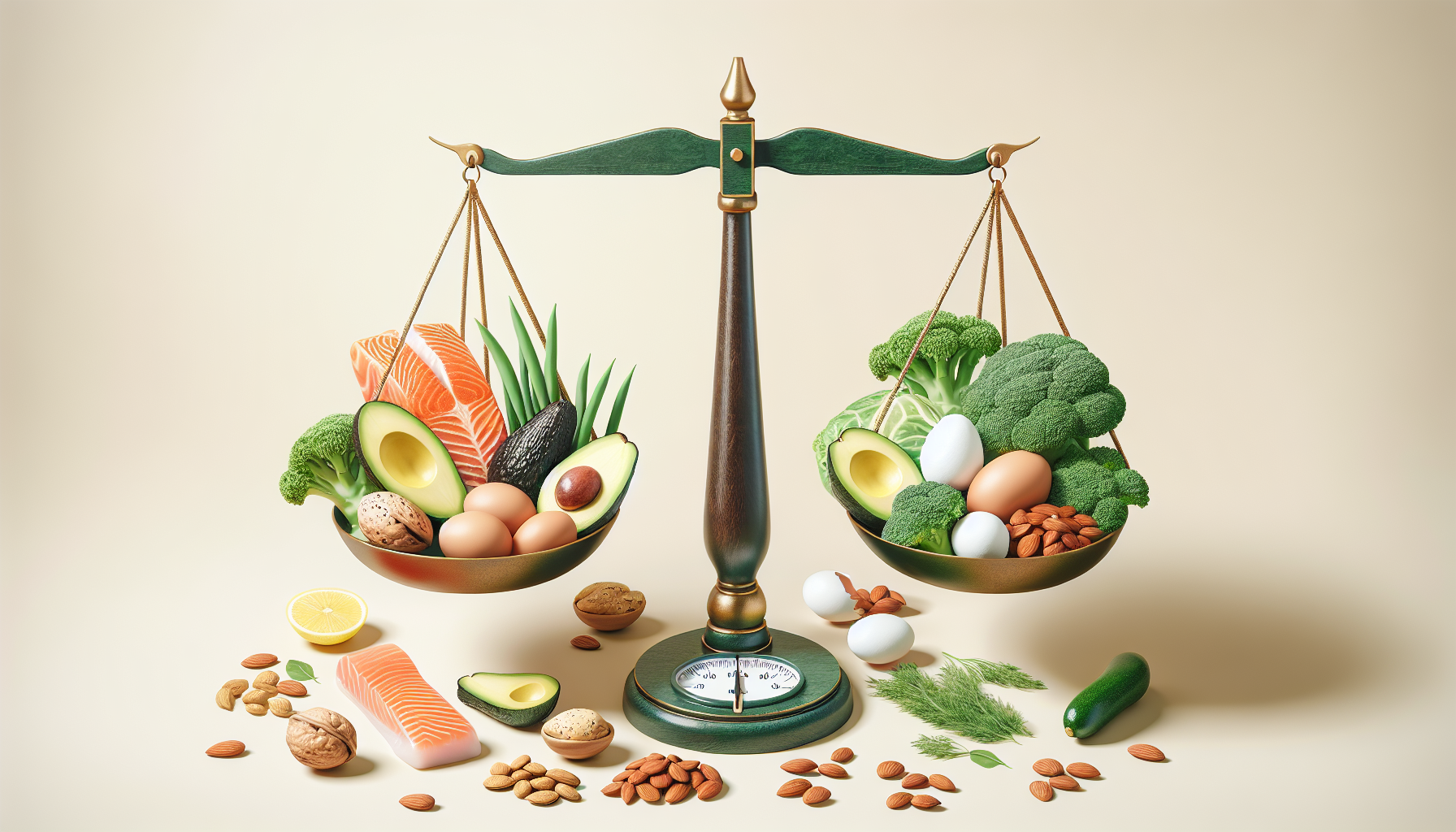
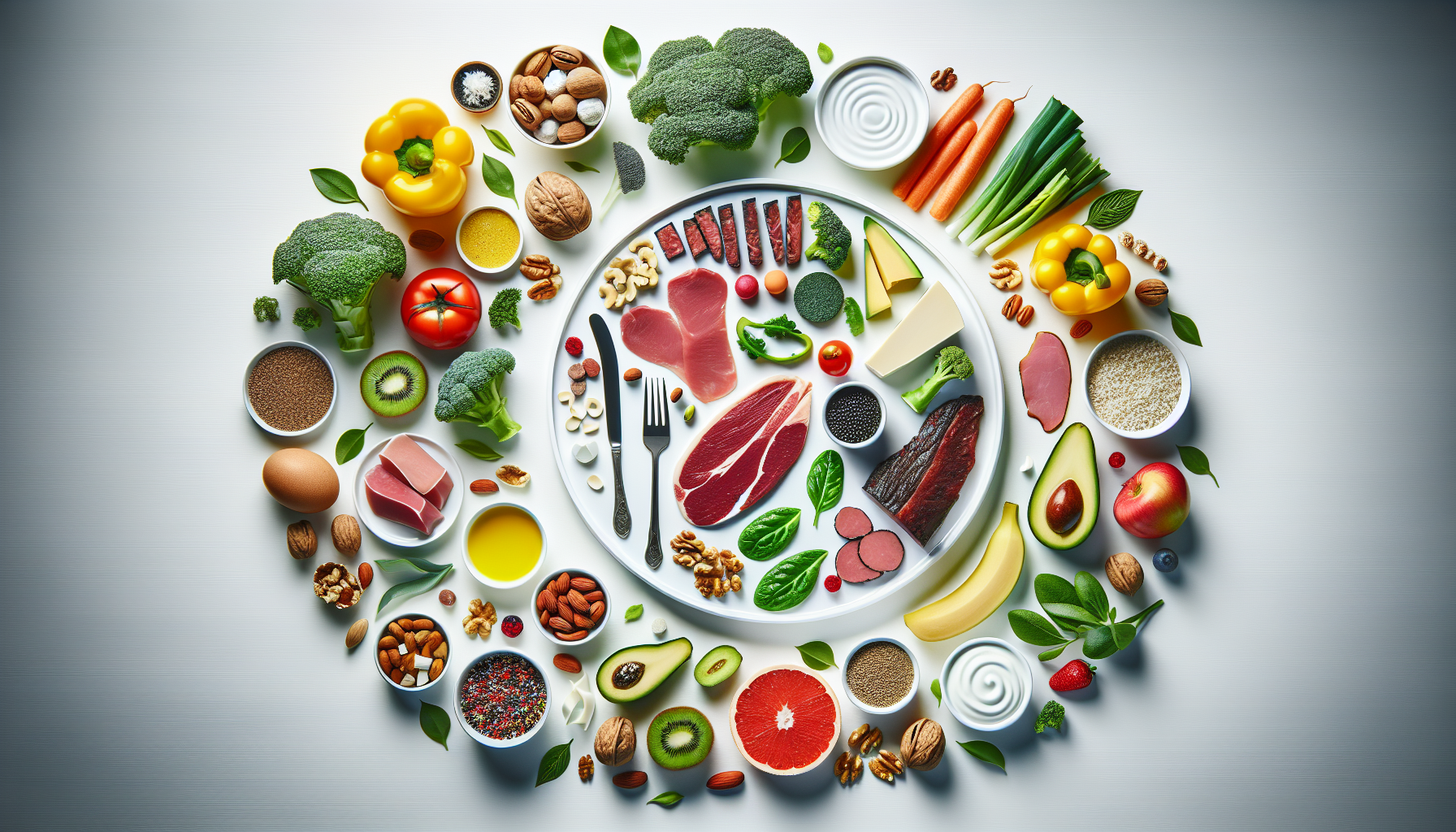
The first question most readers ask is simple: what can you eat on ketogenic and low-carb diets? The core foods are meat, poultry, fish, eggs, full-fat dairy if tolerated, tofu, tempeh, nuts, seeds, oils, avocados, and plenty of non-starchy vegetables such as leafy greens, broccoli, cauliflower, zucchini, peppers, and mushrooms. Foods commonly limited include bread, pasta, rice, most cereals, sugar-sweetened drinks, pastries, potatoes, and many snack foods made with refined flour. Fruit is handled differently depending on the approach. A general low-carb diet may include berries, apples, and citrus in moderate portions, while a ketogenic diet usually restricts fruit to small servings of lower-sugar options like raspberries or blackberries.
Carbohydrate intake exists on a spectrum, and that distinction affects expectations. Many people do well on a moderate low-carb pattern of 50 to 100 grams of carbs daily because it is easier to sustain and still reduces refined starch and sugar. Nutritional ketosis usually requires lower intake, often below 50 grams of net carbs, though exact thresholds vary by body size, activity level, insulin sensitivity, and genetics. Net carbs are total carbohydrates minus fiber and, in some cases, certain sugar alcohols, although sugar alcohol tolerance and labeling can be inconsistent. When I help people evaluate labels, I look beyond “keto” branding and focus on ingredient quality, portion size, sodium, and whether the product actually supports satiety.
Food quality is the difference between a therapeutic tool and a fad pattern built on processed convenience items. A healthy low-carb plate should still prioritize protein adequacy, unsaturated fats from olive oil, nuts, seeds, and fatty fish, and high-fiber vegetables. It should also account for micronutrients that become easier to miss when grains, beans, and fruit decline. Magnesium, potassium, sodium, calcium, and fiber need active attention. If those basics are ignored, fatigue, constipation, headaches, and poor adherence usually follow.
How these diets affect weight, metabolism, and appetite
Ketogenic and low-carb diets often help with weight management because they can reduce appetite, simplify food choices, and lower intake of ultra-processed carbohydrates that are easy to overeat. Higher protein and fat intake tends to improve satiety, and steadier blood glucose may reduce frequent hunger in some people. Early weight loss is partly water because glycogen stores decline and release water with them, but fat loss can follow when the diet creates a sustainable calorie deficit. That distinction is important. Carbohydrate restriction is not metabolic magic; results still depend on energy balance, food quality, and long-term adherence.
Metabolically, reducing carbohydrates lowers the need for insulin after meals. For people with insulin resistance, that can be useful. Clinical studies have shown low-carb diets can improve triglycerides and raise HDL cholesterol, and many participants see lower fasting glucose or hemoglobin A1c. In my experience, the people who do best are not chasing ketone numbers all day. They are building repeatable meals, meeting protein targets, and removing the foods that trigger overeating. A breakfast of eggs, spinach, and Greek yogurt with chia works better long term than coffee blended with butter and little else.
Not every marker improves for every person. LDL cholesterol can rise substantially in some individuals on ketogenic diets, especially when saturated fat intake is very high, weight is dropping quickly, or genetics influence lipid response. ApoB, non-HDL cholesterol, and LDL particle number deserve attention because they better reflect atherogenic burden than LDL alone. If lipids worsen, the answer is not always abandoning carbohydrate restriction entirely. Often the first move is replacing butter, coconut oil, and fatty processed meats with olive oil, avocado, nuts, seeds, and fish while keeping carbohydrate intake controlled.
Potential benefits for blood sugar, brain function, and daily energy
A common question is whether ketogenic and low-carb diets are good for blood sugar. For many adults with prediabetes or type 2 diabetes, the answer is often yes, with supervision. Fewer carbohydrates usually mean smaller post-meal glucose rises, and that can reduce reliance on medications that lower blood sugar. Because of that effect, anyone using insulin or sulfonylureas should involve a clinician before making major dietary changes; hypoglycemia risk is real. Several diabetes-focused programs using carbohydrate restriction have reported improved A1c, lower triglycerides, and reduced medication needs, though individual responses vary.
People also ask about mental clarity and energy. Some report fewer energy crashes and better concentration once they adapt to lower carbohydrate intake. There are plausible reasons. More stable glucose, fewer large post-meal swings, and ketones as an alternate fuel may benefit subjective focus in some individuals. Therapeutic ketogenic diets are also well established in neurology for drug-resistant epilepsy, with formal clinical protocols that differ from casual internet versions. That established medical use gives the diet credibility, but it does not mean everyone will experience dramatic cognitive enhancement. Sleep, total calories, hydration, and micronutrient status still matter more than diet labels.
Inflammation claims require nuance. Lower-carb eating can improve inflammatory markers indirectly through weight loss, reduced visceral fat, and improved glycemic control, but a ketogenic diet loaded with processed meat and low in vegetables is not a wellness shortcut. Overall well-being improves when carbohydrate restriction is paired with nutrient density, resistance training, enough sleep, and stress management. Diet helps, but it does not work in isolation.
Common risks, side effects, and who should be careful
The short-term side effects of ketogenic diets are predictable and manageable if people prepare properly. The so-called keto flu usually reflects rapid fluid and electrolyte shifts rather than a mysterious reaction to ketosis. Symptoms can include headache, fatigue, dizziness, cramps, nausea, and irritability during the first days or week. Increasing sodium, potassium-rich low-carb foods, magnesium intake, and fluids often helps. Constipation is another frequent issue, especially when people reduce carbs by removing fiber instead of replacing bread and pasta with vegetables, chia, flax, and adequate hydration.
Longer-term concerns deserve equal attention. Poorly planned ketogenic diets may be low in fiber, thiamin, folate, vitamin C, magnesium, and potassium. Social restriction can also become a problem. I regularly see people start with high motivation, then struggle at restaurants, family events, or travel because they have no flexible plan. Adherence is not just willpower; it is environment design. Keeping convenient staples, reading menus in advance, and deciding whether the goal is strict ketosis or broader low-carb eating can prevent all-or-nothing lapses.
Some groups should be especially cautious. People who are pregnant or breastfeeding, have a history of eating disorders, advanced kidney disease, pancreatitis, liver disease, or rare fatty-acid oxidation disorders need individualized guidance. Athletes doing high-intensity glycolytic training may notice reduced top-end performance on very low carbohydrate intake, although lower-intensity endurance work can adapt better. Medications also matter. SGLT2 inhibitors deserve special mention because they may raise the risk of euglycemic ketoacidosis in susceptible people following ketogenic diets. This is why medical oversight is not optional when chronic illness or prescription therapy is involved.
How to choose the right approach and build meals that work
The best ketogenic or low-carb diet is the one that matches your goal, health status, and tolerance for structure. Someone trying to reduce sugar cravings and lose moderate weight may thrive on a whole-food low-carb pattern without chasing ketosis. Someone using carbohydrate restriction to improve type 2 diabetes management may choose a more defined plan with regular glucose monitoring. In real-world coaching, I start with outcomes, not ideology: better A1c, less snacking, improved energy, reduced reflux, or easier meal planning. Once the goal is clear, carbohydrate targets become practical rather than arbitrary.
| Approach | Typical daily carbs | Best fit | Main watchouts |
|---|---|---|---|
| Moderate low-carb | 50 to 100 grams | Weight management, reduced cravings, easier adherence | Portion creep, hidden sugars, inconsistent protein |
| Very low-carb | 20 to 50 grams | Stronger glucose control, possible ketosis, structured routine | Electrolytes, fiber, social limitations, lipid monitoring |
| Therapeutic ketogenic | Usually under 20 to 30 net grams with precise ratios | Medical use under supervision, including epilepsy protocols | Requires clinical oversight, strict compliance, detailed tracking |
Meal building should be simple. Start with a protein anchor such as salmon, chicken thighs, eggs, tofu, cottage cheese, or Greek yogurt. Add non-starchy vegetables for fiber and volume. Then add fats intentionally rather than automatically: olive oil on a salad, avocado with eggs, tahini on roasted cauliflower, or walnuts with yogurt. This keeps meals satisfying without turning every dish into a calorie bomb. Snack choices matter too. Cheese crisps and packaged bars are easy to overuse. Better options include boiled eggs, edamame, cucumbers with guacamole, or plain yogurt with cinnamon and seeds.
Monitoring should match the level of restriction. People following general low-carb eating may only need regular check-ins on body weight, waist circumference, hunger, bowel habits, and routine lab work. Those pursuing ketosis often track net carbs, ketones, blood glucose, and electrolytes, but numbers are only useful if they guide decisions. Ketone readings alone do not prove progress. Better sleep, stronger adherence, improved labs, and sustainable eating patterns matter more. If you are building a long-term plan, choose the least restrictive version that still delivers the health outcome you want.
How this hub fits into a broader healthy lifestyle
As a sub-pillar within dietary lifestyles and special diets, ketogenic and low-carb diets connect to several related topics readers often explore next: high-protein eating, Mediterranean-style low-carb plans, intermittent fasting, diabetes nutrition, gut health, athletic performance, and meal prep for busy schedules. That broader context matters because carbohydrate restriction is only one variable in overall well-being. A person can eat low carb and still sleep poorly, sit all day, drink too much alcohol, and under-consume vegetables. They can also use a thoughtful low-carb framework to create stable meals, lower dependence on ultra-processed foods, and improve consistency across the week.
The strongest results usually come from combining nutrition with resistance training, daily movement, stress management, and regular lab review. Strength training preserves lean mass during weight loss, improves insulin sensitivity, and supports metabolic health regardless of carb intake. Walking after meals can blunt glucose excursions. Prioritizing sleep helps regulate hunger hormones and decision-making. These are not side notes. They determine whether the diet becomes a short-term experiment or a sustainable health strategy that improves quality of life.
Ketogenic and low-carb diets can improve overall well-being when they are used deliberately, built from nutrient-dense foods, and matched to the individual rather than followed as a trend. The key distinctions are straightforward: low-carb diets reduce carbohydrates to improve appetite control, blood sugar, and food quality, while ketogenic diets lower carbs enough to produce ketones and maintain a different metabolic state. Potential benefits include easier weight management, steadier energy, lower triglycerides, and better glycemic control, especially for people with insulin resistance. The limits are equally real. Fiber, electrolytes, social flexibility, and lipid response need active management, and some people require medical supervision before changing their eating pattern.
If you treat this topic as a hub, the practical takeaway is clear. Start by defining your goal, choose the least restrictive version that can achieve it, build meals around protein and vegetables, and monitor outcomes that matter more than hype. Ketogenic and low-carb diets are not inherently better than every other dietary lifestyle, but they are powerful options when applied carefully and consistently. Use this page as your foundation, then explore related guidance on meal planning, diabetes-friendly eating, low-carb food lists, and long-term maintenance so your approach supports health beyond the scale. If you are considering a major change, review your medications and labs with a qualified clinician, then build a plan you can actually live with.
Frequently Asked Questions
1. What is the difference between a ketogenic diet and a low-carb diet?
A low-carb diet and a ketogenic diet both reduce carbohydrate intake, but they are not exactly the same approach. A general low-carb diet usually means eating fewer carbohydrates than a standard diet, often keeping intake below about 130 grams per day. This can still allow room for fruits, legumes, whole grains, and a wider variety of vegetables, depending on the individual plan. A ketogenic diet is more restrictive and is specifically designed to shift the body into ketosis, a metabolic state in which fat becomes the primary fuel source and the liver produces ketones for energy. To do that, most ketogenic diets limit net carbohydrates to roughly 20 to 50 grams per day.
In practical terms, many people can follow a low-carb diet and experience benefits such as improved appetite control, steadier energy, and easier blood sugar management without ever reaching ketosis. Keto is typically chosen by people who want a more aggressive carbohydrate restriction or who are targeting specific outcomes, such as rapid metabolic adaptation, stronger blood sugar regulation, or therapeutic support under medical guidance. The biggest distinction is intent and degree: low-carb reduces carbs, while keto reduces them enough to significantly change how the body fuels itself.
2. How do ketogenic and low-carb diets affect overall well-being beyond weight loss?
Although these diets are often associated with losing body fat, their impact can extend well beyond the number on the scale. One of the most noticeable changes many people report is improved energy stability throughout the day. Because meals that are lower in refined carbohydrates tend to cause fewer spikes and crashes in blood sugar, some individuals feel more mentally steady, less sluggish after meals, and better able to concentrate. Appetite regulation is another major factor. Higher intakes of protein and healthy fats can increase satiety, which may reduce constant snacking and make eating feel more intentional rather than driven by cravings.
There can also be important effects on metabolic health markers. In some people, ketogenic and low-carb diets help improve triglycerides, HDL cholesterol, fasting glucose, insulin sensitivity, and waist circumference. These changes can contribute to a stronger sense of overall health and may reduce risk factors associated with metabolic syndrome. Digestive comfort may improve for some individuals as they cut back on ultra-processed foods and added sugars, although others may need time to adjust their fiber intake and food choices. Emotional well-being can also shift when people feel more in control of hunger, eating habits, and energy levels. That said, the experience is highly individual, and the best results usually come from a well-formulated plan built around nutrient-dense foods rather than simply removing carbohydrates without considering overall diet quality.
3. Are ketogenic and low-carb diets safe for everyone?
These diets can be safe and effective for many adults, but they are not automatically ideal for everyone. A person’s health history, medications, activity level, age, and nutritional needs all matter. For example, people with type 2 diabetes or insulin resistance may see meaningful benefits from carbohydrate reduction, but they should make changes carefully because blood sugar medications may need adjustment. Individuals with kidney disease, liver disease, pancreatic disorders, a history of disordered eating, or certain metabolic conditions should be especially cautious and consult a qualified healthcare professional before making major dietary shifts.
There are also temporary side effects that can occur when starting a ketogenic or very low-carb plan. Some people experience fatigue, headaches, irritability, constipation, muscle cramps, or lightheadedness during the transition period, often referred to as the “keto flu.” These symptoms are frequently linked to changes in hydration, electrolytes, and the body’s adaptation to using fat more heavily for fuel. In the long term, safety often depends on how the diet is structured. A thoughtful plan that includes non-starchy vegetables, quality protein, healthy fats, adequate minerals, and enough fiber is very different from one built around processed meats, butter-heavy convenience foods, and little variety. The safest approach is personalized, sustainable, and monitored when necessary, especially if there are pre-existing medical concerns.
4. What foods are typically included in a healthy ketogenic or low-carb diet?
A healthy ketogenic or low-carb diet focuses on whole, minimally processed foods rather than just cutting out bread, pasta, and sugar. Common staples include non-starchy vegetables such as leafy greens, broccoli, cauliflower, zucchini, peppers, and asparagus. Protein sources often include eggs, poultry, fish, seafood, beef, turkey, tofu, and full-fat dairy where tolerated. Healthy fats are central, especially on keto, and may come from foods like avocados, olives, nuts, seeds, olive oil, and other nutrient-rich fat sources. Depending on how strict the carbohydrate limit is, some people also include berries, Greek yogurt, cottage cheese, and modest portions of legumes or higher-carb vegetables on a more flexible low-carb plan.
The quality of the food matters as much as the macronutrient ratio. A well-designed plan should provide vitamins, minerals, and fiber while limiting heavily processed “low-carb” products that may be high in additives or low in real nutritional value. It is also important to maintain balance. For example, someone following keto should not assume that any high-fat food is automatically beneficial. Prioritizing omega-3-rich fish, unsaturated fats, colorful vegetables, and a variety of protein sources will support better overall well-being than relying only on bacon, cheese, and packaged snacks. In other words, a healthy low-carb lifestyle should still look like a nutrient-dense eating pattern, just with fewer carbohydrates and more attention to metabolic response.
5. How long does it take to see results from a ketogenic or low-carb diet?
The timeline varies, but many people notice early changes within the first one to two weeks. Initial weight loss can happen quickly, especially on a ketogenic diet, although much of this early drop is often water weight related to lower glycogen stores. Beyond that, some people begin to experience reduced hunger, fewer cravings, and more stable energy fairly early, while deeper metabolic changes such as improved insulin sensitivity, changes in triglycerides, or more consistent body composition shifts usually take several weeks to a few months. The body often needs time to adapt to using fat more efficiently as fuel, especially on a ketogenic diet.
Long-term results depend less on speed and more on consistency, food quality, and whether the plan is realistic for the individual. Someone eating nutrient-dense foods, staying hydrated, managing electrolytes, getting enough sleep, and maintaining a sustainable calorie intake is more likely to feel better and see meaningful progress than someone following a very restrictive plan they cannot maintain. It is also worth remembering that “results” are not only physical. Better appetite control, more stable mood, improved blood sugar readings, and reduced dependence on ultra-processed foods are all meaningful signs of progress. A successful ketogenic or low-carb diet is not just one that changes body weight quickly, but one that improves overall well-being in a way that can be maintained over time.