The low FODMAP diet for gut health is a structured eating approach designed to reduce specific short-chain carbohydrates that commonly trigger digestive symptoms, especially in people with irritable bowel syndrome. FODMAP stands for fermentable oligosaccharides, disaccharides, monosaccharides, and polyols: sugars and fibers that can be poorly absorbed in the small intestine. When these compounds move into the colon, they draw in water and are rapidly fermented by gut bacteria, often causing bloating, gas, pain, and altered bowel habits. I have used this framework in nutrition planning with clients who felt defeated after trying random elimination diets, and the difference usually came from following a clear process instead of simply cutting foods without a strategy.
This matters because gut health influences far more than comfort after meals. The gastrointestinal tract supports nutrient absorption, fluid balance, immune signaling, bowel regularity, and communication with the nervous system. When symptoms are frequent, people often eat less variety, skip social meals, sleep poorly, or rely on medications without understanding the food triggers involved. A low FODMAP diet does not “heal” every digestive problem, and it is not meant to be followed at full restriction forever. However, it is one of the most researched dietary interventions for IBS symptom management, with clinical guidelines from organizations such as Monash University and the American College of Gastroenterology informing its use. As a hub topic, understanding how the low FODMAP diet works creates a foundation for deeper articles on meal planning, reintroduction, shopping, cooking, and long-term personalization.
What the low FODMAP diet actually does in the gut
The central purpose of the low FODMAP diet for gut health is symptom reduction through carbohydrate management. FODMAPs are not inherently unhealthy. In many people, they act as prebiotics and support beneficial bacteria. The problem arises when the digestive system handles them poorly. Fructans in wheat, onions, and garlic; lactose in milk; excess fructose in certain fruits; galacto-oligosaccharides in beans and lentils; and polyols in stone fruit or sugar-free sweeteners can all contribute to intestinal distension. In someone with visceral hypersensitivity, that stretching can feel intensely uncomfortable even when the amount of gas or fluid is not extreme.
In practice, I explain it this way: the low FODMAP diet lowers the fermentable load entering the bowel at one time. That often reduces pressure, urgency, cramping, and visible abdominal bloating. It does not remove every possible irritant. Fat intake, meal size, caffeine, alcohol, stress, constipation, and pelvic floor dysfunction can still matter. But when FODMAP intake is a major driver, symptom relief can be substantial within two to six weeks. Controlled trials have repeatedly shown improvement in global IBS symptoms for many patients when the diet is delivered carefully. The strongest outcomes occur when people learn portion thresholds rather than labeling foods as simply safe or unsafe.
The body benefits because fewer digestive symptoms can improve food intake consistency, hydration, and quality of life. A person who no longer fears post-meal cramping is more likely to eat balanced meals, exercise comfortably, and maintain regular routines. Reduced diarrhea may support better electrolyte stability. Reduced bloating and pain may improve sleep and concentration. These outcomes are indirect, but they are meaningful. Gut comfort changes behavior, and behavior affects health.
How gut health supports the body’s key functions
Gut health is often discussed vaguely, so it helps to be specific. The digestive tract breaks down food, absorbs macronutrients and micronutrients, moves waste, hosts trillions of microbes, and forms a barrier between the body and the outside world. The small intestine absorbs amino acids, fatty acids, glucose, vitamins, and minerals. The colon reclaims water and electrolytes while gut microbes ferment fibers into short-chain fatty acids such as butyrate, acetate, and propionate. The intestinal lining, mucus layer, immune cells, and microbiota work together to regulate inflammation and defense.
When chronic digestive symptoms interfere with eating, these functions can suffer. Someone with ongoing diarrhea may avoid dairy, fruit, legumes, and whole grains all at once, increasing the risk of low calcium, low fiber, and a narrower microbiome substrate intake. Someone with severe bloating may undereat protein because large meals feel intolerable. Someone with constipation-predominant IBS may drink less water out of habit and worsen stool consistency. Managing FODMAP load can make it easier to meet baseline nutrition needs again.
The gut also communicates with the brain through neural, immune, and endocrine pathways. This is why stress can worsen symptoms and why symptom control can improve mental bandwidth. I have seen people become less anxious around travel, work meetings, and exercise simply because they trust their digestion again. That does not mean the low FODMAP diet treats anxiety disorders. It means predictable digestion reduces a major source of daily stress. Better symptom control can support adherence to healthy routines that influence the entire body, from metabolic health to sleep quality.
The three phases: restriction, reintroduction, and personalization
The low FODMAP diet should be approached as a three-phase protocol, not a lifelong list of forbidden foods. Phase one is the short restriction phase, usually lasting two to six weeks. During this period, high-FODMAP foods are reduced systematically to determine whether symptoms respond. The goal is not nutritional perfection; the goal is a clean enough trial to detect whether fermentable carbohydrates are a key trigger. If there is no meaningful improvement, that result is useful too, because it suggests other causes should be explored.
Phase two is reintroduction, sometimes called challenge testing. This is the part many people skip, yet it is where the diet becomes clinically valuable. Individual FODMAP groups are reintroduced one at a time in measured portions to identify tolerance levels. For example, a person may test lactose with milk or yogurt, fructans with bread or onion-containing foods, and polyols with avocado or stone fruit. The point is to find dose response, not just binary tolerance. Many people discover they can handle small amounts of wheat in one meal but not onion and garlic together across the day.
Phase three is personalization. After challenges, the long-term diet becomes broader, more practical, and more supportive of microbiome diversity. This protects quality of life and reduces unnecessary restriction. In clinical work, the best outcomes come when people learn patterns such as stacking, portion size, meal timing, and context. A food tolerated at home may be a problem during stress, menstruation, intense exercise, or when combined with several other fermentable foods. Personalization turns the low FODMAP diet from a temporary protocol into a realistic symptom-management tool.
| Phase | Main goal | Typical duration | What success looks like |
|---|---|---|---|
| Restriction | Lower total FODMAP load enough to assess symptom response | 2 to 6 weeks | Clear improvement in bloating, pain, gas, diarrhea, constipation, or urgency |
| Reintroduction | Test specific FODMAP groups and portion thresholds | 6 to 8 weeks or longer | Identified triggers, tolerated foods, and dose limits |
| Personalization | Create the least restrictive long-term diet | Ongoing | Broader food variety with symptoms managed and nutrition maintained |
Which foods are high or low in FODMAPs
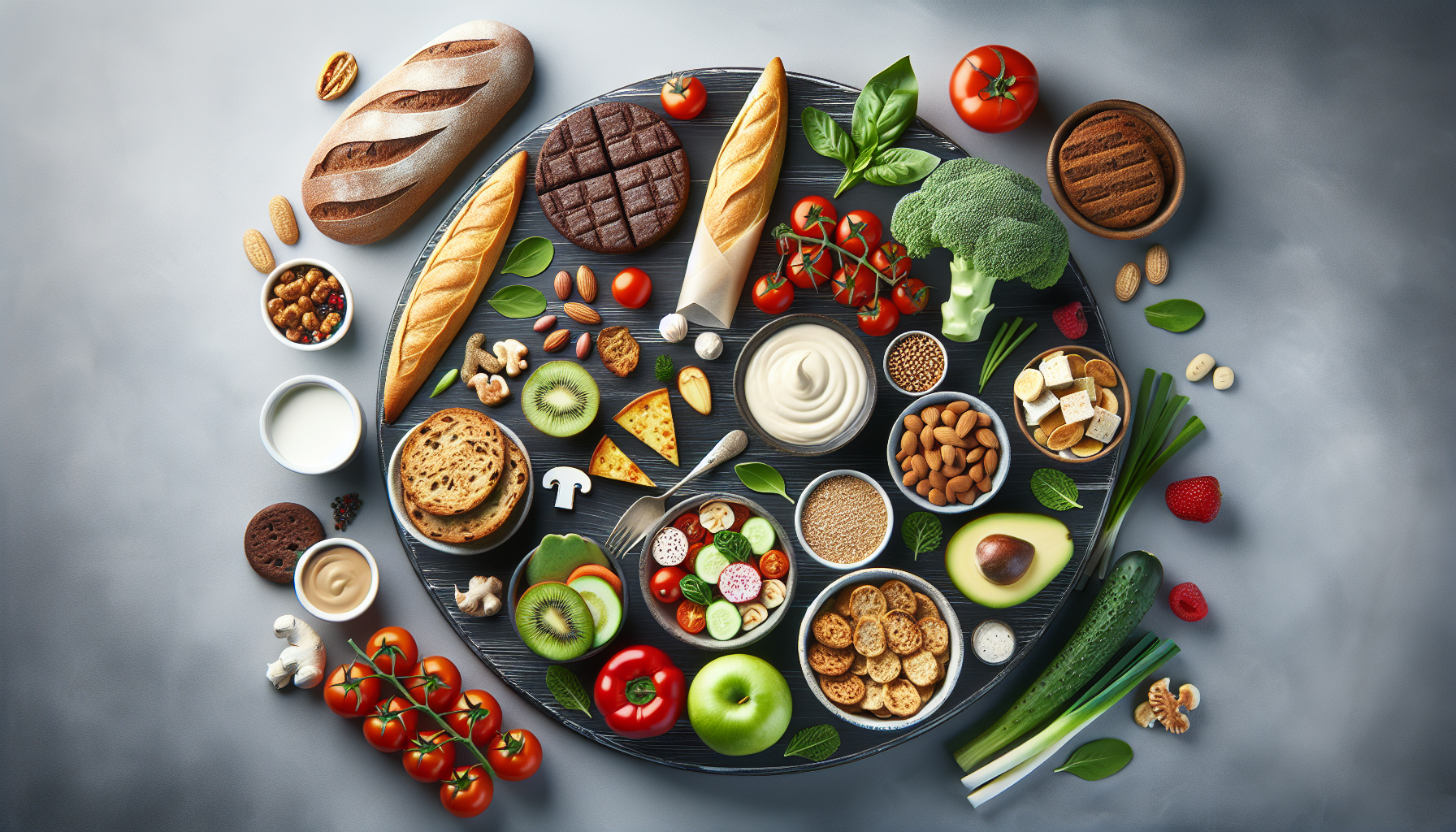
People often ask for a simple food list, but the more accurate answer is that FODMAP tolerance depends on both food type and portion size. Classic high-FODMAP foods include onions, garlic, wheat-based bread in larger serves, many breakfast cereals with inulin or chicory root, milk, soft cheese with significant lactose, apples, pears, mango, watermelon, honey, cashews, pistachios, beans, and sweeteners ending in -ol such as sorbitol and mannitol. Common lower-FODMAP choices include rice, oats in suitable portions, potatoes, quinoa, eggs, meat, fish, firm tofu, lactose-free dairy, hard cheeses, strawberries, blueberries, kiwifruit, citrus, carrots, spinach, zucchini, tomatoes, and many nuts in measured amounts.
The details matter. Sourdough spelt bread may be tolerated better than standard wheat bread in some servings. Canned lentils can be lower in certain fermentable carbohydrates than dried lentils because some compounds leach into the liquid. Butter is usually low in lactose, while regular milk is not. Avocado can be tolerated in a small portion but becomes high in polyols as the serving increases. This is why the Monash University FODMAP app is widely used in practice: it provides lab-tested serving thresholds rather than broad guesses.
For a hub article, the key principle is this: do not rely on generic “IBS food lists” from random sources. Use validated resources, read ingredient lists carefully, and remember that packaged foods often contain hidden FODMAPs such as onion powder, garlic powder, inulin, high-fructose corn syrup, apple concentrate, or polyol sweeteners. A low FODMAP diet for gut health works best when food selection is precise enough to reduce noise but flexible enough to maintain enjoyable eating.
How the diet supports nutrient absorption, immunity, and energy
Symptom reduction is the obvious benefit, but the broader body support comes from restoring consistent intake and digestion. If abdominal pain or diarrhea causes someone to skip breakfast and eat lightly all day, energy intake may fall below needs. Once symptoms improve, regular meals become easier, which helps stabilize blood glucose, supports training or work performance, and improves protein distribution across the day. Better meal tolerance can also increase the intake of iron-rich foods, calcium sources, and fiber from tolerated fruits, vegetables, grains, seeds, and legumes chosen in suitable portions.
The immune connection is also practical. Around 70 percent of immune tissue is associated with the gut, and the intestinal barrier depends on adequate nutrition, microbial signaling, and normal bowel function. A low FODMAP diet is not an immune therapy, but reducing gastrointestinal distress can lower the cycle of irritation, food fear, and erratic intake that leaves people undernourished or overly dependent on ultra-processed “safe” foods. During personalization, the aim is to re-expand tolerated prebiotic foods so the microbiota still receives fermentable substrates. Studies show that a strict low FODMAP phase can reduce bifidobacteria, which is one reason indefinite restriction is not advised.
Energy and recovery improve when digestion is predictable. Athletes with IBS often report fewer interrupted workouts when they reduce high-FODMAP triggers before training. Office workers report fewer urgent bathroom trips during meetings. Parents of children with functional gut symptoms often notice improved school attendance when breakfast no longer causes cramping. These are real-world functional gains. The diet supports the body not by acting like a cure-all, but by removing a common obstacle to normal eating, hydration, movement, and rest.
Common mistakes, limitations, and who should get guidance
The biggest mistake is treating the low FODMAP diet as a permanent clean-eating plan. It is a diagnostic and therapeutic tool, not a badge of discipline. Staying in full restriction too long can narrow food variety, increase anxiety around eating, and reduce prebiotic intake. Another mistake is starting without checking for red flags such as unexplained weight loss, rectal bleeding, anemia, fever, nocturnal symptoms, persistent vomiting, family history of inflammatory bowel disease, or suspected celiac disease. Those situations need medical evaluation first.
People also misattribute every symptom to FODMAPs. Sometimes the real issue is constipation, bile acid diarrhea, endometriosis, small intestinal bacterial overgrowth, pancreatic insufficiency, inflammatory bowel disease, or medication side effects. In other cases, meal volume, carbonated drinks, alcohol, or high-fat restaurant meals are bigger triggers than fermentable carbohydrates. I often see clients who think gluten is the sole problem, when the stronger driver is actually wheat fructans plus onion and garlic in the same meal.
Guidance from a registered dietitian is especially useful for children, older adults, pregnant people, vegetarians, vegans, anyone with a history of disordered eating, and people managing multiple conditions at once. Good support helps preserve fiber, calcium, iron, and overall variety while making the process less confusing. That usually means better adherence and more reliable results.
The low FODMAP diet for gut health can be one of the most effective nutrition strategies for reducing IBS-related symptoms when it is used correctly. It works by lowering fermentable carbohydrate load, easing intestinal distension, and creating a structured way to identify personal triggers. Just as important, it supports the body’s key functions indirectly by making regular eating, hydration, nutrient intake, sleep, movement, and daily routines easier to maintain. Relief in the gut often translates into better function everywhere else.
The long-term goal is never maximum restriction. It is the broadest, most satisfying diet that keeps symptoms under control while protecting nutritional adequacy and microbiome health. That means following the three phases, using tested resources, paying attention to portions, and challenging foods back in rather than assuming they are gone forever. If you are building knowledge around dietary lifestyles and special diets, this hub is the starting point for understanding meal planning, symptom tracking, reintroduction methods, grocery strategies, and dining out with confidence.
If persistent bloating, abdominal pain, diarrhea, constipation, or food-related urgency are affecting your quality of life, use this article as your foundation and take the next step with a symptom log and a qualified clinician. A well-run low FODMAP approach is not about eating less. It is about learning exactly what your gut handles well so your whole body can function better.
Frequently Asked Questions
What is the low FODMAP diet, and how does it support gut health?
The low FODMAP diet is a structured nutritional approach that temporarily reduces foods high in certain short-chain carbohydrates known as fermentable oligosaccharides, disaccharides, monosaccharides, and polyols. These compounds are not always well absorbed in the small intestine, especially in people with irritable bowel syndrome and other forms of digestive sensitivity. When they pass into the colon, they can pull extra water into the gut and become rapidly fermented by bacteria, which may lead to bloating, gas, abdominal pain, cramping, and changes in bowel habits.
By lowering the intake of these highly fermentable carbohydrates for a defined period, the digestive system often gets a chance to calm down. That relief can support several key body functions. Better digestion may improve day-to-day comfort, support more regular bowel movements, reduce abdominal distension, and make it easier to eat consistently without fear of symptoms. When digestive symptoms are better controlled, sleep, energy, concentration, and stress levels may also improve, since gut discomfort can affect the body well beyond the digestive tract. The diet is not intended to be permanently restrictive. Instead, it is usually followed in phases so a person can identify which specific foods are problematic and which are well tolerated.
Who should consider a low FODMAP diet for gut health?
The low FODMAP diet is most commonly recommended for people with irritable bowel syndrome, especially those who regularly experience bloating, excess gas, abdominal pain, diarrhea, constipation, or a mix of both. It may also be considered for some people with other functional gastrointestinal disorders when symptoms appear to be linked to fermentable carbohydrates. However, it is not a general wellness diet for everyone, and it should not be started casually without considering the broader picture of digestive health.
Because symptoms such as bloating, stomach pain, and irregular bowel movements can also be caused by celiac disease, inflammatory bowel disease, food allergies, lactose intolerance, small intestinal bacterial overgrowth, infections, or other medical concerns, proper evaluation matters. A healthcare professional can help rule out conditions that require different treatment. A registered dietitian familiar with the low FODMAP approach can then guide the process so it remains nutritionally balanced and appropriately personalized. This is especially important for children, older adults, people with a history of disordered eating, and anyone already following a restricted diet. In the right setting, the low FODMAP diet can be a highly effective tool, but it works best when used strategically rather than indefinitely.
How does the low FODMAP diet affect the body’s key functions beyond digestion?
Although the low FODMAP diet is designed primarily to reduce digestive symptoms, its impact can extend into many of the body’s everyday functions. When the gut is irritated, the effects are rarely limited to the abdomen. Ongoing bloating, pain, urgency, and disrupted bowel habits can interfere with sleep quality, physical comfort, work performance, social confidence, and even appetite regulation. By reducing foods that commonly trigger fermentation-related symptoms, many people experience less digestive stress, which can help the body function more smoothly overall.
For example, better symptom control may support hydration and nutrient intake because people are often more willing to eat regularly when meals no longer cause discomfort. Reduced cramping and urgency can make physical activity feel more manageable. Less nighttime discomfort may improve sleep, and better sleep supports hormone balance, immune function, mood stability, and cognitive performance. There is also a strong gut-brain connection, so when digestive symptoms settle, some people notice less anxiety around meals and fewer stress-related digestive flare-ups. It is important to understand that the diet is not a cure-all for energy, immunity, or metabolism, but improving gut comfort can create a strong foundation that helps the rest of the body perform better.
Is the low FODMAP diet meant to be followed long term?
No, the strict elimination phase of the low FODMAP diet is generally not intended to be long term. The diet is usually carried out in three stages: elimination, reintroduction, and personalization. During the elimination phase, high-FODMAP foods are reduced for a short period, often around two to six weeks, to see whether symptoms improve. If they do, foods are then reintroduced systematically to test tolerance to specific FODMAP groups. The final goal is a more personalized eating pattern that includes as many foods as possible while still keeping symptoms under control.
This phased approach matters because many high-FODMAP foods are otherwise nutritious and may help feed beneficial gut bacteria. Staying in a highly restrictive version of the diet for too long can make eating unnecessarily difficult, reduce dietary variety, and potentially affect the gut microbiome over time. A personalized maintenance plan is the real target, not permanent elimination. With proper guidance, many people learn that they only need to limit certain triggers, portion sizes, or combinations of foods rather than avoid entire categories forever. That makes the diet more sustainable and better for overall health.
What foods are commonly limited on a low FODMAP diet, and what can you still eat?
Foods commonly limited during the initial phase include certain fruits such as apples, pears, mangoes, and watermelon; certain vegetables such as onions, garlic, cauliflower, and mushrooms; wheat-based products in some amounts; legumes; milk and soft cheeses high in lactose; sweeteners like honey and high-fructose corn syrup; and sugar alcohols such as sorbitol, mannitol, xylitol, and maltitol that are often found in sugar-free products. These foods contain one or more FODMAP groups that can be difficult for sensitive individuals to digest comfortably.
Even so, the diet still allows many nourishing options. People can often enjoy low FODMAP choices such as eggs, fish, poultry, firm tofu, rice, oats, quinoa, potatoes, carrots, spinach, zucchini, bell peppers, tomatoes, grapes, oranges, strawberries, kiwi, lactose-free dairy products, hard cheeses, and certain nuts and seeds in appropriate portions. Garlic-infused oils and herb-based seasonings can also help preserve flavor while avoiding common triggers. The key point is that the diet is not about eating bland food or cutting out carbohydrates completely. It is about selecting the right foods and portions during each phase, then expanding the diet thoughtfully. Working from evidence-based food lists and individualized guidance can help ensure symptom relief without sacrificing nutrition, enjoyment, or long-term dietary balance.