How to incorporate more ketogenic and low-carb diets into your diet starts with understanding what those terms mean in daily eating. A low-carb diet reduces carbohydrate intake below the standard Western pattern, usually by limiting sugar, bread, pasta, rice, and many packaged snacks. A ketogenic diet is a stricter version that lowers carbohydrates enough, typically around 20 to 50 grams of net carbs per day, to shift the body toward producing ketones from fat. In practice, both approaches prioritize protein, nonstarchy vegetables, healthy fats, and whole foods while minimizing refined grains and added sugars. I have used both frameworks with clients and in meal planning projects, and the biggest difference is not ideology; it is how tightly carbohydrate intake is controlled.
This matters because carbohydrate quality and quantity affect blood glucose, appetite, energy, and food choices. Many people adopt ketogenic and low-carb diets to lose weight, improve glycemic control, reduce cravings, or simplify meals. Research has shown that lower-carbohydrate patterns can help some adults reduce body weight and triglycerides, and many people report greater satiety when meals are built around protein and fat instead of refined starch. At the same time, these diets are not magic, and they are not ideal for everyone. Athletes, pregnant people, and those taking glucose-lowering medications need a more tailored plan. The most useful question is not whether carbs are good or bad. It is how to incorporate more ketogenic and low-carb meals in a sustainable, nutritionally sound way that fits your health status, budget, and routine.
What ketogenic and low-carb diets include
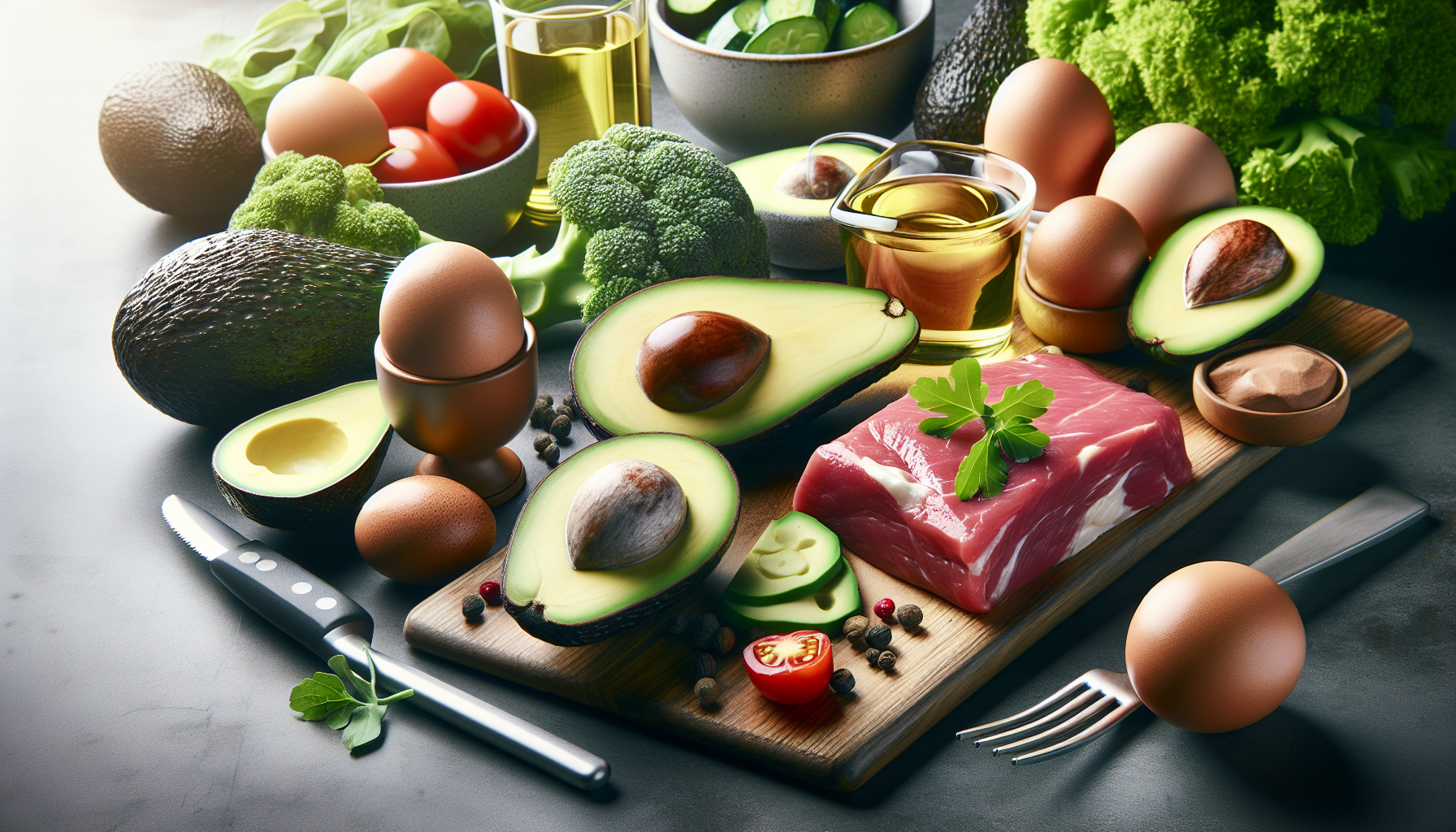
A practical ketogenic and low-carb diet centers on foods that provide protein, fiber, micronutrients, and satisfying fats without driving carbohydrate intake too high. Core foods include eggs, poultry, beef, pork, seafood, tofu, tempeh, Greek yogurt, cottage cheese, cheese, nuts, seeds, olive oil, avocado, olives, and nonstarchy vegetables such as spinach, broccoli, cauliflower, zucchini, mushrooms, peppers, cucumbers, cabbage, asparagus, and green beans. Lower-sugar fruits, especially berries, can fit into many low-carb diets and sometimes into a ketogenic diet in carefully measured portions. Herbs, spices, mustard, vinegar, salsa, and sugar-free condiments help maintain variety without adding many carbs.
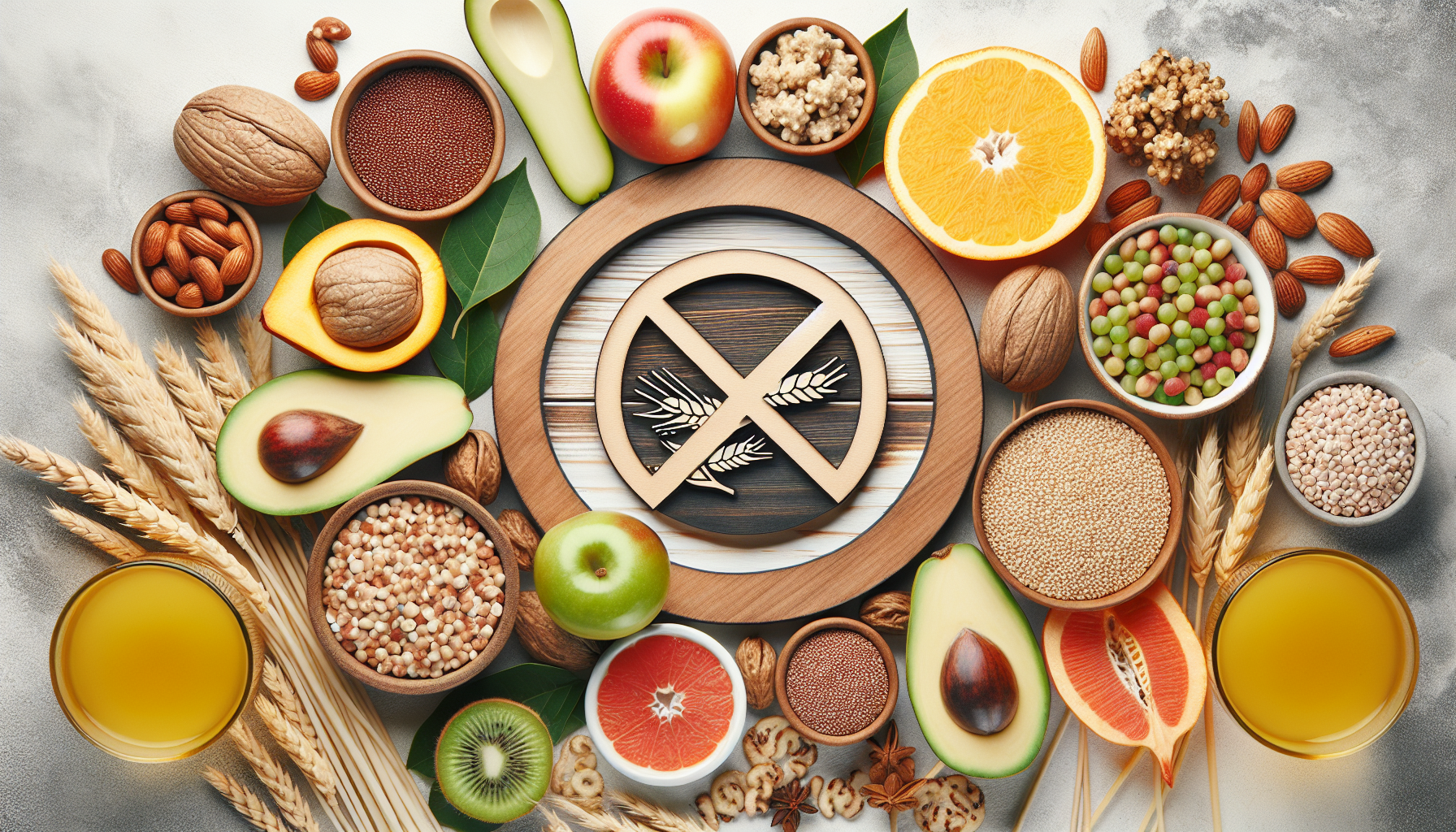
Foods commonly limited include sugary beverages, desserts, breakfast cereals, white bread, tortillas, pasta, rice, potatoes, chips, crackers, and most baked goods. Beans, lentils, milk, tropical fruit, and whole grains are more nuanced. They are nutritious foods, but their carbohydrate content can be too high for a strict ketogenic plan and may need portion control in a broader low-carb approach. Net carbs, calculated as total carbohydrates minus fiber and sometimes sugar alcohols, are often used in ketogenic meal planning because fiber has less effect on blood glucose. Still, labels can be misleading, especially on processed low-carb products. I advise reading the ingredient list first and treating branded keto snacks as occasional tools rather than staples.
How to start without making your meals miserable
The easiest way to incorporate more ketogenic and low-carb diets into your diet is to modify familiar meals instead of trying to overhaul everything at once. Start with one meal category, usually breakfast or lunch, and replace the biggest starch source with a protein-and-vegetable alternative. For breakfast, swap cereal or toast for eggs with spinach and feta, Greek yogurt with chia and walnuts, or a cottage cheese bowl with cucumber, dill, and smoked salmon. For lunch, turn a sandwich into a salad bowl with chicken, avocado, olive oil, pumpkin seeds, and a crunchy slaw. For dinner, keep the protein and replace rice or pasta with cauliflower rice, roasted broccoli, spaghetti squash, sautéed cabbage, or zucchini noodles.
When I build low-carb plans, I use a simple plate method: half nonstarchy vegetables, a palm to two palms of protein, and enough fat to make the meal satisfying. That might be salmon with asparagus and hollandaise, a burger patty over salad with olive oil and blue cheese, or tofu stir-fry over shredded cabbage instead of rice. If you currently eat a high-carb diet, reduce gradually over one to three weeks rather than dropping overnight. This helps with adherence and can reduce headaches, fatigue, and irritability that some people experience when carbohydrate intake falls sharply. Hydration and sodium matter too, because lower insulin levels can increase sodium and water excretion.
Choosing the right level of carbohydrate restriction
Not everyone needs full nutritional ketosis to benefit from eating fewer carbs. In real-world practice, I see three workable levels. Moderate low-carb often lands around 100 to 130 grams of carbs per day and fits people who want fewer processed foods without giving up all fruit, legumes, or whole grains. Standard low-carb usually ranges from about 50 to 100 grams and often works well for appetite control and weight management. Ketogenic intake typically stays under 50 grams of net carbs, with some people needing closer to 20 to 30 grams to maintain ketosis. The best level depends on your goals, medication use, physical activity, and food preferences.
| Approach | Typical carb range | Best fit | Example day |
|---|---|---|---|
| Moderate low-carb | 100 to 130 grams | Beginners, active adults, flexible weight control | Eggs at breakfast, salad with chicken at lunch, salmon with vegetables and small beans at dinner |
| Standard low-carb | 50 to 100 grams | Appetite management, reducing refined carbs, glucose support | Greek yogurt with nuts, bunless burger salad, steak with broccoli and cauliflower mash |
| Ketogenic | 20 to 50 grams net | Strict carb control, some therapeutic uses, experienced planners | Omelet with cheese, tuna lettuce wraps, chicken thighs with zucchini and olive oil |
If your main goal is sustainability, start with standard low-carb. If your clinician recommends ketosis for a medical reason, or if you have tested and know that deeper carbohydrate restriction improves hunger and glucose response, ketogenic eating may be appropriate. Use objective markers instead of guesswork. These include waist circumference, body weight trend, fasting glucose, post-meal glucose, triglycerides, HDL cholesterol, and how hungry you feel between meals. Ketone meters can be useful for ketogenic diets, but they are not necessary for every low-carb eater.
Building balanced low-carb meals at home and away from home
Meal construction determines whether a ketogenic or low-carb diet feels easy or restrictive. A balanced low-carb meal needs a strong protein anchor, usually 25 to 40 grams per meal for many adults, because protein supports satiety and helps preserve lean mass during weight loss. Add two servings of nonstarchy vegetables for fiber, potassium, and magnesium. Then include fats with purpose, not by accident. Olive oil, avocado, tahini, nuts, pesto, butter, and full-fat dairy can improve taste and satiety, but portions still matter if your goal is fat loss. The common mistake is dropping carbs and replacing them with endless cheese and snack foods, which often reduces nutrient density.
At home, keep defaults simple. Roast a tray of chicken thighs, hard-boil eggs, wash salad greens, prep chopped vegetables, and keep canned tuna, sardines, and frozen shrimp available for fast meals. Cauliflower rice, slaw mix, and frozen broccoli save time and reduce decision fatigue. Away from home, most restaurants can work. Order grilled fish or steak with vegetables, ask for extra salad instead of fries, skip the bun, and choose sauces carefully because barbecue sauce, teriyaki, and sweet dressings can add significant sugar. Convenience stores are harder but still manageable with jerky, cheese sticks, nuts, eggs, deli turkey, and sparkling water. The skill is not perfection. It is knowing how to assemble a reasonable meal almost anywhere.
Common benefits, realistic expectations, and key limitations
People often ask what benefits to expect from ketogenic and low-carb diets. The most common early effect is reduced appetite, partly because protein and fat are filling and partly because stable blood glucose may reduce sudden hunger. Weight loss can happen quickly in the first one to two weeks, though some of that drop is water tied to glycogen depletion rather than body fat. Over several months, many adults also see lower triglycerides and improved fasting glucose when refined carbohydrates are replaced with minimally processed proteins, fats, and vegetables. Some individuals with type 2 diabetes reduce medication needs under medical supervision. These are meaningful outcomes, but they depend on food quality, consistency, sleep, and overall calorie intake.
There are also tradeoffs. Constipation is common when people cut carbs but forget fiber-rich vegetables, seeds, and fluids. Social eating can feel harder at first. Some athletes notice lower performance in high-intensity efforts during adaptation. LDL cholesterol rises in some people, especially on very high saturated fat ketogenic diets, which is why lipid monitoring matters. Certain groups should not self-prescribe strict ketogenic diets without supervision, including people with pancreatitis, liver disease, disorders of fat metabolism, a history of disordered eating, or those taking insulin or sulfonylureas. A smart plan is evidence-informed and individualized. If a low-carb pattern improves your labs and adherence, it is useful. If it causes stress, nutrient gaps, or rebound eating, the approach needs adjustment.
Smart substitutions, pantry staples, and mistakes to avoid
The fastest way to increase ketogenic and low-carb meals is to make smart substitutions automatic. Replace sandwich bread with lettuce wraps, low-carb tortillas, or salad bowls. Use cauliflower mash instead of potatoes, shredded cabbage instead of noodles in stir-fries, and roasted eggplant or zucchini slices in place of some pasta layers in casseroles. Keep staples such as olive oil, canned salmon, eggs, chia seeds, almonds, olives, sugar-free pickles, broth, canned tomatoes, unsweetened yogurt, and frozen vegetables on hand. For flavor, stock curry paste, smoked paprika, garlic, lemon, capers, soy sauce or tamari, and vinegars. These ingredients let you build varied meals quickly instead of relying on expensive specialty products.
Watch for three common mistakes. First, do not let “low-carb” become a synonym for processed bars, cookies, and sweeteners. These can keep cravings high and often upset digestion. Second, do not neglect electrolytes. Sodium, potassium, and magnesium become more important when carbs are reduced, so broth, mineral-rich vegetables, pumpkin seeds, and magnesium-rich foods are useful. Third, do not fear all carbohydrates equally. A bowl of lentils and a glazed doughnut are not metabolically equivalent, even if both contain carbs. Many people do well on a spectrum: mostly low-carb meals, strategic higher-carb foods around training or family dinners, and a return to baseline habits the next day. That flexibility is often what makes the pattern durable.
Ketogenic and low-carb diets work best when they are treated as practical meal frameworks rather than rigid identities. The core principles are clear: reduce refined carbohydrates, build meals around protein and nonstarchy vegetables, add healthy fats intentionally, and choose a level of carbohydrate restriction that matches your goals and medical needs. You do not need to eat bacon at every meal or buy branded keto products to succeed. You need a repeatable system for shopping, cooking, ordering, and adjusting portions based on results. When those habits are in place, lower-carb eating can become straightforward, satisfying, and compatible with busy schedules.
If you want to incorporate more ketogenic and low-carb diets into your diet, start with one week of targeted changes. Pick two breakfasts, two lunches, and three dinners you can repeat, remove the biggest sources of sugar and refined starch from your kitchen, and track how your energy, hunger, and digestion respond. If you take diabetes or blood pressure medication, talk with your clinician before making major changes, because needs can shift quickly. From there, build gradually and use this hub as your starting point for deeper topics such as keto meal planning, low-carb grocery shopping, carb counting, and managing electrolytes. Simple, consistent changes produce the best long-term results.
Frequently Asked Questions
What is the difference between a low-carb diet and a ketogenic diet?
A low-carb diet and a ketogenic diet both reduce carbohydrate intake, but they differ in how strict they are and what they are designed to achieve. A general low-carb diet focuses on cutting back on foods like bread, pasta, rice, sweets, sugary drinks, and many processed snacks. The goal is usually to stabilize blood sugar, reduce cravings, improve energy, and support weight management by replacing a portion of those carbs with more protein, healthy fats, and fiber-rich vegetables.
A ketogenic diet is a more structured and restrictive form of low-carb eating. It lowers carbohydrate intake enough, often to around 20 to 50 grams of net carbs per day, to encourage the body to enter ketosis. In ketosis, the body shifts from relying primarily on glucose to using fat and ketones for fuel. This means keto typically requires closer attention to carb counts, food labels, portion sizes, and meal planning than a standard low-carb approach.
In everyday eating, the difference comes down to flexibility versus precision. Someone following a low-carb diet may still include small portions of fruit, legumes, or whole grains depending on their goals and tolerance. Someone following keto generally has to be much more selective and consistent to stay within a very low carb range. For many people, low-carb is a practical starting point, while keto is a more advanced strategy that may be useful for specific goals when done carefully.
How can I start incorporating more low-carb or ketogenic meals without changing everything at once?
The most sustainable way to incorporate more low-carb or ketogenic meals into your diet is to make gradual, realistic swaps instead of attempting a complete overhaul overnight. A good first step is to identify where most of your daily carbohydrates are coming from. For many people, that means breakfast cereals, toast, sandwiches, pasta, rice bowls, chips, desserts, sweetened coffee drinks, and convenience foods. Once you know your main carb sources, you can start replacing them one meal at a time.
For example, breakfast can shift from cereal or toast to eggs, Greek yogurt, cottage cheese, or an omelet with vegetables. Lunch can move from a sandwich to a salad with grilled chicken, salmon, tuna, or steak, topped with olive oil, avocado, nuts, or cheese. Dinner can become simpler by building meals around a protein source and non-starchy vegetables, such as roasted chicken with broccoli, salmon with asparagus, or taco bowls without the rice and tortilla. Even small changes like swapping chips for cucumber slices, crackers for cheese, or sugary snacks for nuts can noticeably reduce carb intake.
If your goal is keto, take the transition in stages. Start by lowering obvious sugars and refined starches, then begin tracking your carbohydrate intake more closely. Focus on foods that naturally fit the approach: meat, poultry, fish, eggs, full-fat dairy if tolerated, low-carb vegetables, olive oil, avocado, nuts, and seeds. This step-by-step method is easier to maintain, helps reduce feelings of deprivation, and gives you time to learn which meals keep you satisfied and energized.
What foods should I eat more of when following a low-carb or ketogenic diet?
The foundation of both low-carb and ketogenic eating is choosing foods that are nutrient-dense, filling, and naturally lower in carbohydrates. Protein-rich foods are especially important because they help maintain muscle, improve satiety, and make meals more satisfying. Good options include eggs, chicken, turkey, beef, pork, fish, shellfish, tofu, tempeh, and plain Greek yogurt or cottage cheese if dairy works well for you.
Non-starchy vegetables should also become a major part of your routine. These include leafy greens, broccoli, cauliflower, zucchini, cucumber, bell peppers, mushrooms, asparagus, Brussels sprouts, cabbage, and green beans. They add bulk, fiber, vitamins, minerals, and variety without driving carb intake too high. For many people, one of the biggest keys to success is learning to build meals around these foods instead of around bread, pasta, or rice.
Healthy fats also play an important role, especially on a ketogenic diet where fat becomes a larger share of total calories. Useful options include olive oil, avocado, olives, nuts, seeds, nut butters, cheese, butter, and fatty fish like salmon or sardines. The best results usually come from emphasizing whole foods rather than relying too heavily on packaged “keto” products. While those products can be convenient occasionally, they are often highly processed and may not be as satisfying or nutritious as simple meals made from real ingredients.
Are there any common mistakes people make when trying to eat low-carb or keto?
Yes, and most of them are very common and very fixable. One of the biggest mistakes is focusing only on what to remove instead of what to build into the diet. If you simply cut carbs without replacing them with enough protein, healthy fats, and fiber-rich vegetables, meals may feel unsatisfying and energy can dip. That often leads to cravings, overeating, or giving up because the plan feels too restrictive.
Another common mistake is underestimating hidden carbohydrate sources. Sauces, dressings, flavored yogurts, coffee creamers, protein bars, condiments, and “healthy” packaged snacks can add up quickly. This matters even more for keto, where small extras can push total carb intake above the level needed to stay in ketosis. Reading labels, checking serving sizes, and learning the net carb content of common foods can make a major difference.
People also sometimes rely too heavily on processed low-carb or keto-branded foods instead of eating balanced meals. These products can be helpful in a pinch, but they should not become the basis of the diet. A more effective approach is to keep meals simple: a protein source, vegetables, and a satisfying fat source. Finally, many people transition too aggressively. Cutting carbs too fast without proper meal planning, hydration, and electrolyte intake can make the adjustment feel harder than it needs to be. A steady, informed approach is usually much more successful.
How can I make low-carb or ketogenic eating easier to maintain long term?
Long-term success usually comes from making the approach fit your life rather than forcing your life to fit an unrealistic meal plan. Start by building a short list of go-to breakfasts, lunches, dinners, and snacks that you genuinely enjoy and can repeat without much effort. When you know you can always make scrambled eggs with spinach, grilled chicken salad, bunless burgers, salmon with roasted vegetables, or a quick snack of cheese and nuts, staying consistent becomes much easier.
Meal planning and food prep also help tremendously. Keeping proteins cooked and ready to use, washing and chopping vegetables ahead of time, and having low-carb staples on hand can reduce decision fatigue during busy days. It is also helpful to prepare for social situations. Looking at restaurant menus ahead of time, choosing dishes built around meat or fish and vegetables, and asking for simple substitutions can help you stay on track without feeling isolated or rigid.
Perhaps most importantly, define what success looks like for you. Not everyone needs to stay in strict ketosis all the time. Some people do best with a moderate low-carb pattern most days and a more flexible approach occasionally. Others prefer tighter keto structure because it helps control hunger and simplify choices. The most effective plan is the one you can maintain consistently while still meeting your nutrition needs, enjoying your meals, and supporting your health goals over time.