Ketogenic and low-carb diets have moved from niche weight-loss trends to mainstream dietary strategies because they directly change how the body produces energy, regulates appetite, and manages blood sugar. In practical terms, a low-carb diet reduces carbohydrate intake below the level typical in standard Western eating patterns, while a ketogenic diet lowers carbohydrates enough, and usually raises fat enough, to shift metabolism toward ketone production. That distinction matters: not every low-carb diet is ketogenic, but every ketogenic diet is low carb. I have worked with clients who used both approaches for different reasons, and the best results came when the diet matched the person’s health goals, food preferences, and medical context rather than a rigid internet template.
Understanding why ketogenic and low-carb diets can be essential for a balanced diet starts with redefining balance. A balanced diet does not require equal amounts of carbohydrate, fat, and protein at every meal. It means an eating pattern that supplies sufficient energy, essential nutrients, stable metabolic function, and long-term sustainability. For some people, especially those with insulin resistance, prediabetes, type 2 diabetes, metabolic syndrome, or strong appetite swings, reducing carbohydrates can create a more balanced internal environment than a high-carbohydrate plan. Lowering carbohydrate intake often reduces post-meal glucose spikes, lowers insulin demand, and helps many adults feel fuller with fewer cravings.
This matters because public health data consistently show high rates of obesity, type 2 diabetes, nonalcoholic fatty liver disease, and cardiovascular risk factors linked to excess refined carbohydrate intake and ultra-processed foods. The issue is not that all carbohydrates are harmful. Fiber-rich vegetables, legumes, fruits, and minimally processed grains can support health. The problem is that many people consume carbohydrates mainly through sugary drinks, desserts, snack foods, white bread, and restaurant meals that combine refined starch, seed oils, and excess calories. In that setting, ketogenic and low-carb diets can act as structured resets, replacing low-satiety processed foods with more protein, nonstarchy vegetables, and satisfying fats.
As a hub within dietary lifestyles and special diets, this topic also connects to several related questions: How low is low carb? What foods are included? Is ketosis safe? Can these diets support athletic performance, heart health, or blood sugar control? Who should avoid them or follow them only with medical supervision? Answering those questions clearly is essential because the benefits are real, but the limitations are equally important. A well-formulated ketogenic or low-carb diet is not simply a plate of bacon and butter. It is a deliberate framework built around carbohydrate control, adequate protein, micronutrient density, hydration, electrolytes, and realistic adherence over time.
What Ketogenic and Low-Carb Diets Mean in Practice
A low-carb diet usually provides fewer than 130 grams of carbohydrate per day, though many successful plans fall between 50 and 100 grams depending on activity level, body size, and goals. A ketogenic diet is more restrictive, often limiting net carbohydrates to about 20 to 50 grams daily to maintain nutritional ketosis, a metabolic state in which the liver produces ketone bodies such as beta-hydroxybutyrate. These ketones become an alternative fuel source, especially for the brain and muscles when glucose availability is lower. In clinical settings, ketogenic diets were originally developed for epilepsy management, and that history still matters because it shows the diet is more than a trend; it has a documented therapeutic foundation.
In day-to-day meal planning, the distinction appears on the plate. A moderate low-carb lunch might include grilled salmon, roasted vegetables, berries, and Greek yogurt. A stricter ketogenic lunch might include salmon, leafy greens, olive oil, avocado, and a very small serving of berries or none at all. Protein remains important in both patterns, but ketosis depends on keeping carbohydrates consistently low rather than merely eating “healthy.” When I review food logs, the biggest mistake is hidden carbohydrate creep from sauces, coffee drinks, granola, protein bars, and large portions of fruit or starchy vegetables. Precision matters more on keto than on a general low-carb plan.
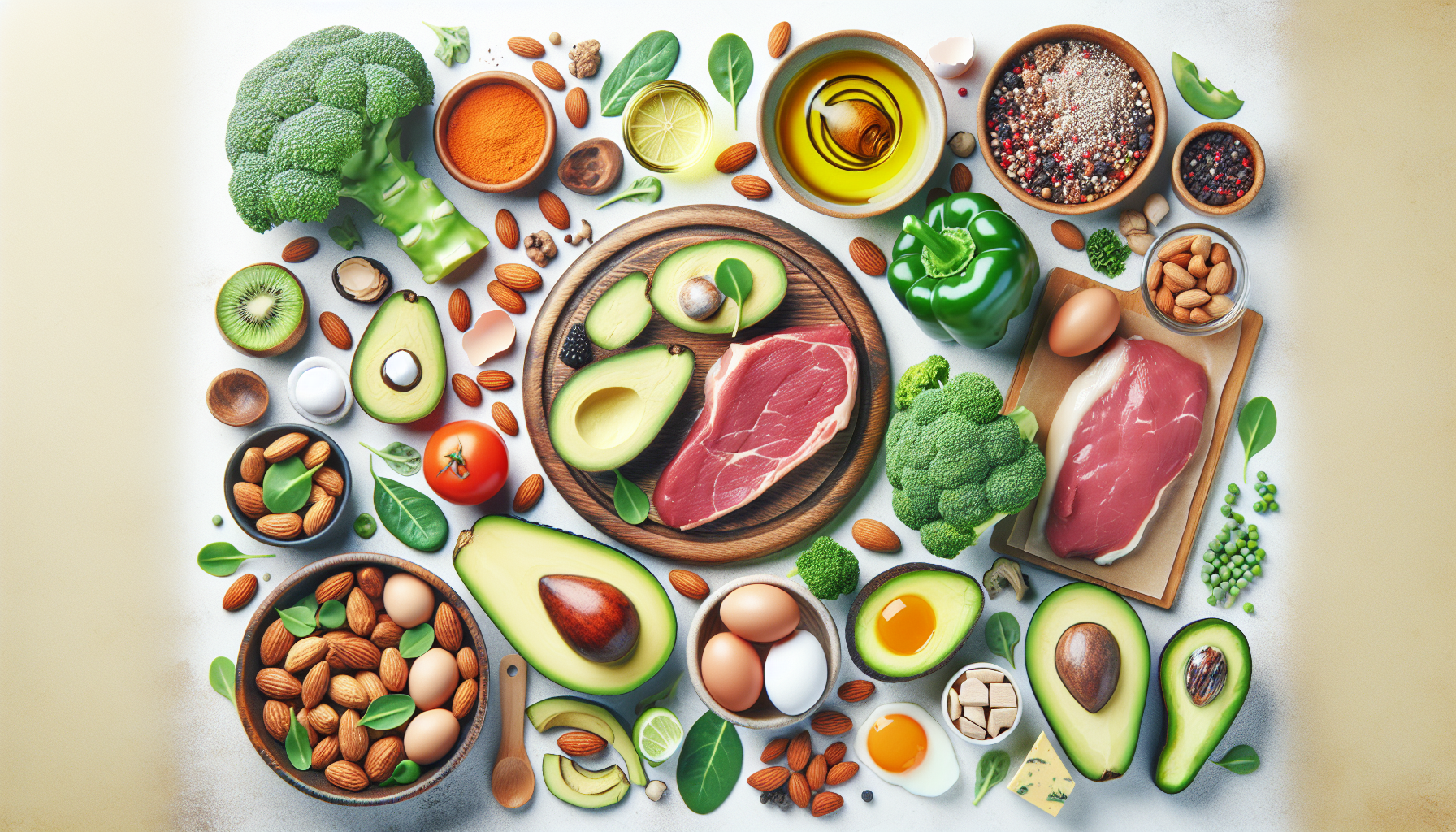
Food quality also determines whether the diet feels balanced or restrictive. Strong low-carb diets emphasize eggs, fish, poultry, meat, tofu, tempeh, plain dairy if tolerated, nuts, seeds, olive oil, avocado, olives, and abundant nonstarchy vegetables. Better versions include potassium-rich foods like spinach and mushrooms, magnesium sources like pumpkin seeds and almonds, and sodium from broth or salted meals when needed. Poor versions rely heavily on processed low-carb desserts, cured meats, and butter coffee while neglecting fiber and micronutrients. The label low carb is not enough; formulation determines outcomes.
Why These Diets Can Improve Metabolic Balance
The strongest case for ketogenic and low-carb diets is metabolic control. Carbohydrates have the most immediate effect on blood glucose, and reducing them usually lowers both blood sugar excursions and the insulin needed to process meals. For people with insulin resistance, this can be transformative. In practice, fasting glucose, triglycerides, waist circumference, and appetite often improve together. Many adults also see reduced afternoon crashes because meals built around protein, fat, and vegetables digest more steadily than meals dominated by refined starch.
Weight management is another reason these diets can be essential for a balanced diet. They often improve satiety because protein intake rises, blood sugar becomes less volatile, and highly processed snack foods are naturally removed. Several randomized trials comparing low-carb with low-fat diets have shown meaningful short-term weight loss, especially in the first six to twelve months. Some of that early change reflects glycogen and water loss, but fat loss is also common when calorie intake decreases spontaneously. The advantage is not magic. It comes from hunger control, structure, and better food choices.
Triglyceride reduction is one of the most reliable laboratory improvements I see. Lower carbohydrate intake often decreases hepatic production of triglyceride-rich particles, while HDL cholesterol may rise. LDL cholesterol responses are more variable. Some people see little change, some improve, and a subset, especially lean hyper-responders, experience substantial LDL increases on very high saturated fat ketogenic diets. That is why balanced implementation matters. Emphasizing olive oil, nuts, seeds, fish, and avocado instead of relying mostly on butter and fatty processed meats usually produces a more favorable cardiometabolic profile.
| Diet approach | Typical carbohydrate range | Primary goal | Best fit example |
|---|---|---|---|
| Moderate low carb | 100 to 130 g/day | Reduce refined carbs and improve satiety | Adult transitioning away from sugary snacks and soft drinks |
| Standard low carb | 50 to 100 g/day | Support weight loss and blood sugar control | Person with prediabetes who tolerates some fruit and legumes |
| Ketogenic | 20 to 50 g net carbs/day | Maintain nutritional ketosis | Individual seeking stricter appetite control or therapeutic use |
How to Build a Balanced Ketogenic or Low-Carb Plate
A balanced low-carb or ketogenic diet starts with protein, not fat bombs. For most adults, each meal should anchor around a meaningful protein source such as eggs, fish, chicken, lean beef, cottage cheese, Greek yogurt, tofu, or tempeh. Protein helps preserve lean mass during weight loss, supports immune function, and improves fullness. From there, add nonstarchy vegetables for fiber, volume, potassium, folate, vitamin C, and phytochemicals. Then add fats intentionally for satiety and flavor, using olive oil, avocado, nuts, seeds, tahini, or full-fat dairy as appropriate. This sequence keeps the diet nutritionally grounded.
Fiber is often the missing piece critics point to, and they are right to raise it. If someone cuts bread, pasta, rice, beans, and most fruit but does not replace them with vegetables, seeds, nuts, and low-carb high-fiber foods, digestive issues follow quickly. In meal planning, I prioritize leafy greens, cauliflower, broccoli, Brussels sprouts, zucchini, eggplant, asparagus, chia seeds, flaxseed, and psyllium when needed. These foods support gut health and bowel regularity while keeping total carbohydrate intake within target ranges. A low-carb diet without vegetables is not balanced; it is simply restrictive.
Electrolytes deserve special attention. Lower insulin levels increase sodium excretion by the kidneys, especially during the first weeks of carbohydrate restriction. That is why people often report headaches, fatigue, dizziness, or muscle cramps when starting keto. The solution is usually not to abandon the diet but to correct hydration and sodium, potassium, and magnesium intake. Broth, salted meals, mineral water, pumpkin seeds, leafy greens, and magnesium-rich foods can help. In coaching practice, “keto flu” is usually poor electrolyte management, insufficient calories, or a too-rapid transition.
Meal variety also determines sustainability. A useful weekly rotation might include omelets with spinach and feta, salmon salad with olive oil dressing, chicken thighs with roasted cauliflower, turkey lettuce wraps, tofu stir-fry over cabbage, plain yogurt with walnuts, and chia pudding made without added sugar. That pattern provides protein diversity, different micronutrients, and enough culinary interest to prevent rebound eating. Balance is not achieved by strictness alone. It comes from building a repeatable system that people can maintain at home, at work, and in restaurants.
Who Benefits Most and Who Needs Caution
People with insulin resistance, type 2 diabetes, metabolic syndrome, polycystic ovary syndrome, and obesity often benefit most from reducing carbohydrate intake. Lower-carb eating can improve glycemic control, reduce medication requirements, and make hunger more manageable. It may also help some patients with nonalcoholic fatty liver disease by reducing liver fat when weight loss occurs. In neurological care, ketogenic diets remain established in refractory epilepsy and are being studied for other conditions, though those uses require specialist oversight. The common thread is that carbohydrate restriction can improve metabolic stability when glucose handling is impaired.
At the same time, ketogenic and low-carb diets are not automatically right for everyone. Pregnant or breastfeeding women, people with a history of eating disorders, those taking insulin or sulfonylureas, and individuals with kidney disease, pancreatitis, active gallbladder disease, or certain rare metabolic disorders should not start without medical guidance. Athletes in high-intensity sports may also find strict ketosis compromises top-end performance, particularly during repeated sprint efforts, because glycolytic demand remains high. A targeted or moderate low-carb approach may fit better than a full ketogenic protocol.
Adherence is another real limitation. Some people feel excellent on low-carb eating and continue comfortably for years. Others miss fruit, legumes, or cultural staple foods and become socially isolated or overly rigid. I have found that success often depends on matching the intervention to the minimum effective dose. Someone with mild weight gain may do well simply replacing refined grains and sugar with protein and vegetables. Someone with type 2 diabetes and severe hunger may need stricter carbohydrate limits initially, then a gradual liberalization once markers improve.
Common Misconceptions, Risks, and Long-Term Strategy
One persistent myth is that ketogenic and low-carb diets are just excuses to eat unlimited meat and saturated fat. In reality, the most effective versions are selective, not reckless. They prioritize whole foods, adequate protein, unsaturated fats, and vegetable intake. Another misconception is that the brain cannot function without dietary carbohydrates. The body can produce glucose through gluconeogenesis, and in ketosis the brain uses ketones efficiently. That does not mean everyone must avoid carbohydrates. It means carbohydrate needs are often lower than commonly assumed, especially in sedentary adults with impaired glucose tolerance.
The main risks come from poor planning. Constipation, inadequate fiber, micronutrient gaps, elevated LDL cholesterol in susceptible individuals, dehydration, and unsustainable restriction are all possible. These risks are manageable with careful design and follow-up. Periodic laboratory monitoring can be useful, especially for lipids, kidney function, liver enzymes, HbA1c, and electrolytes in higher-risk patients. Food quality should be reviewed regularly. If LDL rises sharply, replacing saturated fats with monounsaturated and polyunsaturated fats, increasing fiber, and reassessing carbohydrate targets is a sensible first step rather than assuming the response is harmless.
Long-term strategy should focus on metabolic flexibility and diet quality, not ideological purity. For some people, balanced eating means staying ketogenic for therapeutic reasons. For many others, it means beginning with a structured low-carb phase, improving weight and blood sugar, then expanding to include berries, legumes, or minimally processed whole grains while keeping refined carbohydrates low. That model often preserves benefits while improving variety and social flexibility. The essential principle is this: carbohydrate intake should match individual tolerance, goals, and health status, not generic dietary dogma.
Ketogenic and low-carb diets are essential for a balanced diet when they bring the body back into metabolic balance, reduce dependence on ultra-processed carbohydrates, and make nourishing foods easier to sustain. They are not essential because everyone must be in ketosis. They are essential because they provide a proven framework for people who do not thrive on high-carbohydrate eating patterns. A balanced diet is the one that improves energy, supports healthy lab markers, controls appetite, and delivers sufficient nutrients without constant struggle.
The clearest takeaways are practical. Low carb and keto are not the same, but both can support weight management, blood sugar control, and better food quality when they are built around protein, vegetables, fiber, and healthy fats. The best outcomes come from thoughtful implementation: define the carbohydrate target, plan meals around whole foods, manage electrolytes, and monitor how the body responds. If a stricter ketogenic approach feels excessive, a moderate low-carb pattern often delivers substantial benefits with more flexibility.
If you are exploring dietary lifestyles and special diets, use ketogenic and low-carb diets as tools, not identities. Start with your objective, whether that is improving A1c, reducing cravings, losing body fat, or simplifying meals. Then choose the least restrictive version that reliably works for you. Review your progress, adjust based on results, and involve a clinician when medications or medical conditions are part of the picture. Done well, ketogenic and low-carb diets can turn balanced eating from a vague concept into a measurable, sustainable reality.
Frequently Asked Questions
What is the difference between a low-carb diet and a ketogenic diet?
A low-carb diet and a ketogenic diet are closely related, but they are not the same thing. A low-carb diet generally means reducing carbohydrate intake below what is common in a standard Western diet, usually by limiting foods such as bread, pasta, sugary snacks, sweetened drinks, and many processed foods. The goal is often to improve blood sugar control, reduce excess calorie intake, and encourage the body to rely less on frequent glucose spikes for energy. Depending on how it is structured, a low-carb diet may still include moderate amounts of fruit, legumes, whole grains, and higher-carb vegetables.
A ketogenic diet is more specific and more restrictive. It lowers carbohydrate intake enough—typically to a very low level—and often increases fat intake enough to push the body into a metabolic state called ketosis. In ketosis, the liver produces ketones from fat, and the body begins using those ketones as a major fuel source instead of relying primarily on glucose. That metabolic shift is what separates keto from general low-carb eating. In short, every ketogenic diet is low-carb, but not every low-carb diet is ketogenic. Understanding that distinction is important because the expected results, food choices, and level of metabolic change can differ significantly between the two approaches.
Why are ketogenic and low-carb diets considered important for a balanced diet?
Ketogenic and low-carb diets are often seen as important tools for creating a more balanced diet because they help correct one of the biggest problems in modern eating patterns: excessive reliance on refined carbohydrates and added sugars. Many people consume large amounts of fast-digesting carbs throughout the day, which can contribute to blood sugar swings, energy crashes, increased hunger, and difficulty managing weight. By reducing carbohydrate intake—especially from processed foods—these diets can promote steadier energy levels, better appetite control, and improved metabolic health.
The phrase “balanced diet” does not have to mean high in carbohydrates. A truly balanced diet is one that supplies essential nutrients, supports stable energy, helps regulate hunger, and fits an individual’s health needs. Ketogenic and low-carb diets can do that when they are built around nutrient-dense foods such as eggs, fish, meat, full-fat dairy, nuts, seeds, avocados, olive oil, and non-starchy vegetables. These foods provide protein, healthy fats, fiber, vitamins, and minerals while avoiding the overconsumption of low-quality carbohydrates. For many people, this creates a more sustainable nutritional balance than a diet centered on bread, cereal, sweets, and ultra-processed snacks.
In addition, these eating patterns can be especially valuable for people who struggle with insulin resistance, frequent cravings, or inconsistent energy. Rather than constantly fueling the body with quick-burning carbohydrates, low-carb and ketogenic diets encourage more stable fuel use. That is one reason they have moved beyond trend status and become mainstream dietary strategies in discussions about long-term health and dietary quality.
How do low-carb and ketogenic diets affect blood sugar, appetite, and energy levels?
One of the main reasons these diets attract so much attention is their direct impact on blood sugar regulation. Carbohydrates have the most immediate effect on blood glucose, especially when they come from refined grains and sugary foods. When carbohydrate intake is reduced, blood sugar tends to rise less dramatically after meals, and insulin demands may also decrease. This can be helpful for people trying to improve metabolic health, reduce blood sugar variability, or support better control of prediabetes or type 2 diabetes under medical supervision.
Appetite often changes as well. Many people report feeling fuller on low-carb or ketogenic diets because meals tend to contain more protein and fat, both of which can increase satiety. Stable blood sugar may also reduce the cycle of intense hunger that often follows a high-carb meal or snack. Instead of feeling hungry every few hours, some people find that they naturally eat less often and with fewer cravings. That can make weight management feel less like a constant battle of willpower and more like a natural response to better food composition.
Energy levels can also become more consistent. On a higher-carb eating pattern, energy may rise and fall with food intake, particularly if meals are heavy in refined carbohydrates. On a low-carb plan, and especially on a ketogenic diet, the body may become more efficient at using fat and ketones for fuel. This can create a steadier energy supply for some individuals. However, the adjustment period matters. In the early days of reducing carbohydrates, some people experience fatigue, headaches, or irritability as the body adapts. Once that transition passes, many report improved mental clarity and fewer afternoon energy crashes.
Can a ketogenic or low-carb diet still provide all the nutrients needed for a healthy lifestyle?
Yes, a ketogenic or low-carb diet can absolutely provide the nutrients needed for good health, but the quality of food choices matters. These diets work best when they are built on whole, minimally processed foods rather than simply removing carbs without replacing them wisely. A well-formulated plan can include high-quality protein sources, healthy fats, low-carb vegetables, nuts, seeds, and selected dairy products. Together, these foods can provide important nutrients such as iron, zinc, B vitamins, vitamin D, magnesium, potassium, choline, omega-3 fats, and fiber.
Non-starchy vegetables are especially important because they help maintain micronutrient intake while keeping carbohydrates relatively low. Leafy greens, broccoli, cauliflower, zucchini, asparagus, peppers, cucumbers, and mushrooms can all fit well into low-carb and ketogenic eating patterns. Healthy fats such as olive oil, avocado, fatty fish, nuts, and seeds help support hormone production, brain function, and overall satiety. Protein-rich foods such as eggs, poultry, seafood, Greek yogurt, and meat contribute to muscle maintenance and repair.
That said, nutrient gaps can happen if the diet becomes too narrow or overly dependent on processed “keto” products. People who eliminate major food groups without planning may fall short on fiber, electrolytes, or certain vitamins and minerals. That is why a balanced low-carb or ketogenic approach should focus on variety, food quality, and individual needs rather than extreme restriction. In some cases, supplementation or professional guidance may be useful, especially for people with medical conditions, athletes, or those following a very strict ketogenic protocol for a long period.
Who benefits most from ketogenic and low-carb diets, and are they right for everyone?
Ketogenic and low-carb diets can be especially beneficial for people who want to improve blood sugar control, reduce cravings, manage body weight, or support better metabolic health. They are often discussed in relation to insulin resistance, prediabetes, type 2 diabetes, and obesity because lowering carbohydrate intake can reduce glucose fluctuations and make appetite easier to manage. Some people also prefer these diets simply because they feel more satisfied eating protein- and fat-rich meals than following a low-fat, high-carb pattern. Others appreciate the structure and find it easier to avoid highly processed foods when carbohydrates are limited.
However, these diets are not automatically ideal for everyone. Individual needs vary based on age, activity level, medical history, medications, and personal food preferences. A highly active athlete may require a different carbohydrate strategy than someone with a sedentary lifestyle. Pregnant or breastfeeding women, people with certain kidney, liver, or pancreatic conditions, and individuals taking blood sugar–lowering medications should be especially cautious and speak with a qualified healthcare professional before making major dietary changes. Because low-carb and ketogenic diets can alter blood sugar and fluid balance quickly, medical oversight may be necessary in some cases.
The most effective diet is one that is nutritionally sound, sustainable, and appropriate for the individual. For many people, a moderate low-carb approach may be easier to maintain than a very strict ketogenic diet, while still delivering meaningful benefits. The key is not to treat keto and low-carb eating as one-size-fits-all solutions, but as evidence-informed dietary options that can support a healthier, more balanced way of eating when used thoughtfully.