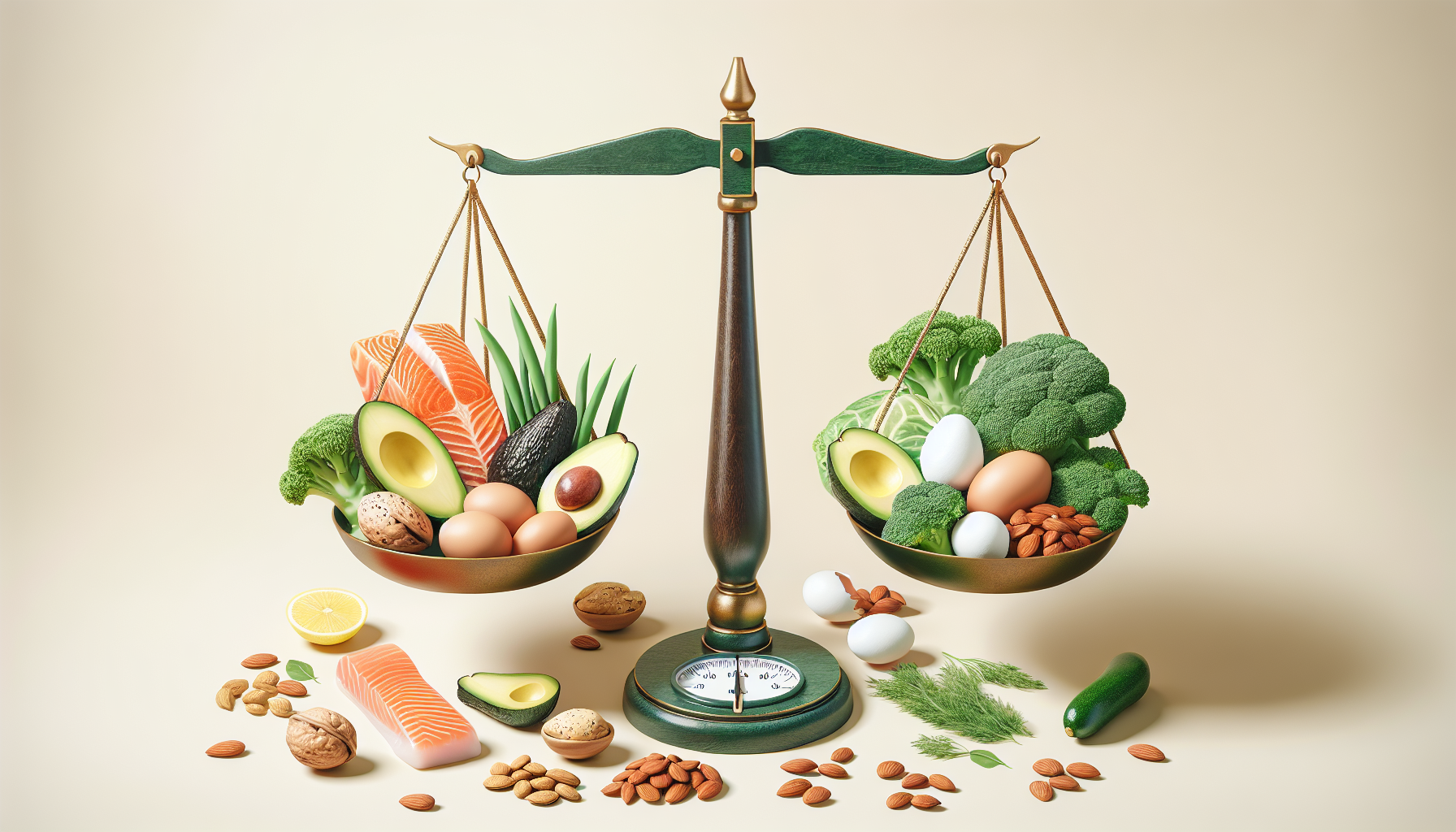
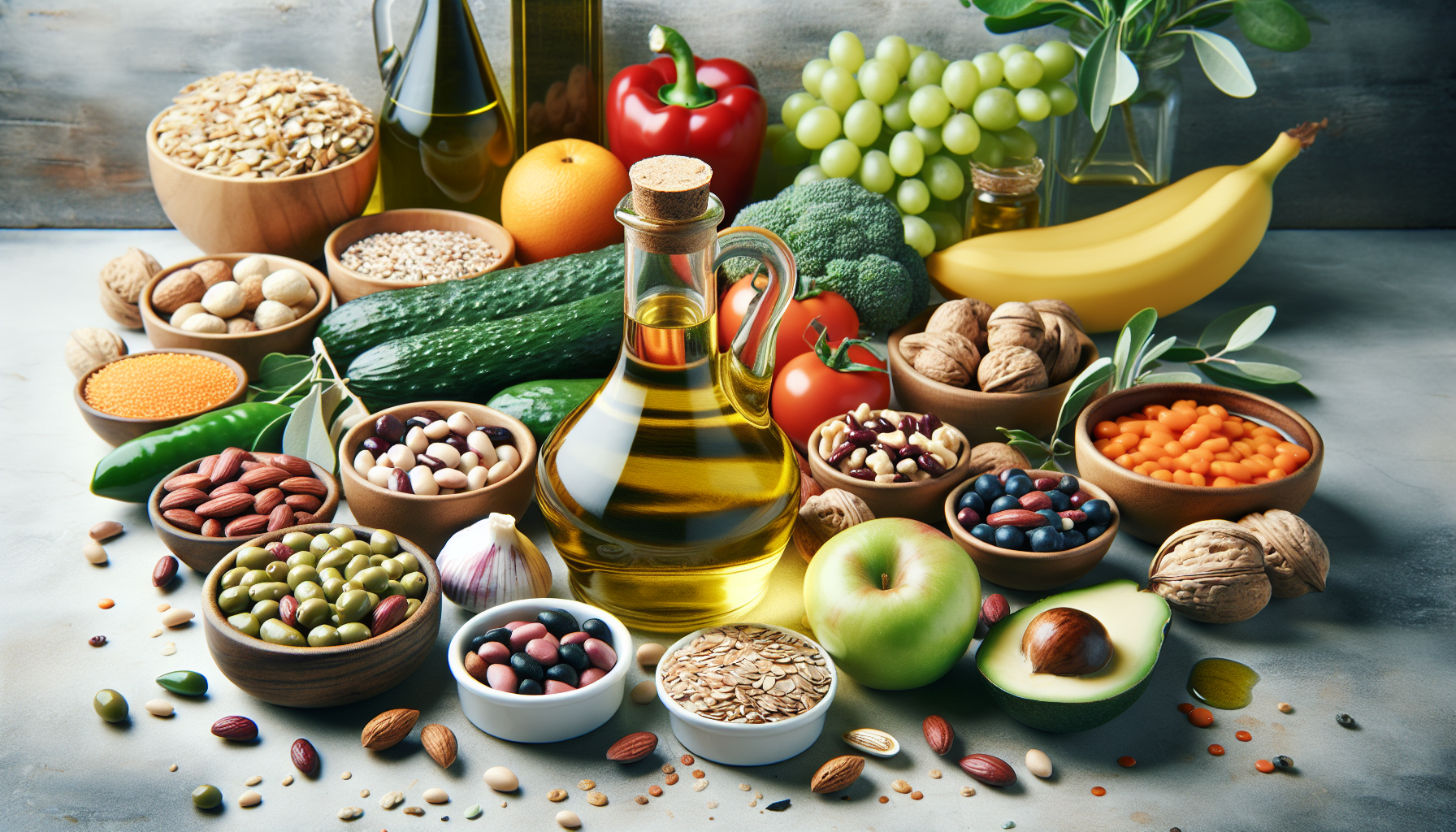
The low FODMAP diet for gut health is one of the most researched nutrition strategies for reducing digestive symptoms, improving quality of life, and clarifying which carbohydrates trigger discomfort in susceptible people. FODMAP stands for fermentable oligosaccharides, disaccharides, monosaccharides, and polyols: short-chain carbohydrates that are poorly absorbed in the small intestine and rapidly fermented by gut bacteria. In practice, that means foods such as onions, garlic, wheat-based breads, some legumes, milk, apples, and sugar alcohols can draw water into the bowel and generate gas, bloating, pain, and altered stool patterns. I have used the approach with clients and in content audits for digestive health brands, and the biggest misconception I see is that it is a lifelong restriction plan. It is not. It is a structured, temporary protocol designed to identify personal tolerance levels while protecting nutritional adequacy and long-term gut health.
This matters because digestive symptoms are common, costly, and often confusing. Irritable bowel syndrome affects an estimated 5 to 10 percent of people globally, and many more report chronic bloating, urgency, constipation, or abdominal pain without a clear diagnosis. Those symptoms can interfere with sleep, exercise, work performance, and mental health. At the same time, people increasingly want to understand whether a low FODMAP diet helps prevent broader disease, not just symptoms. That question deserves a careful answer. The strongest evidence supports symptom management in irritable bowel syndrome and some overlap conditions. Disease prevention is more nuanced. By reducing ongoing gastrointestinal distress, improving dietary precision, and helping people avoid unnecessary elimination diets, a well-executed low FODMAP diet may indirectly support better metabolic, inflammatory, and behavioral outcomes. However, it is not a proven universal shield against chronic disease, and poorly applied restriction can backfire.
To understand the link between low FODMAP diet for gut health and disease prevention, it helps to separate mechanism from outcome. Mechanistically, FODMAPs can increase luminal water and fermentation, stretching the bowel and triggering symptoms in people with visceral hypersensitivity. Clinically, reducing high-FODMAP foods often lowers bloating and pain within two to six weeks. Public health relevance enters when better symptom control leads to better food choices, more consistent eating patterns, less reliance on ultra-processed “safe foods,” and more targeted management of conditions such as IBS, small intestinal bacterial overgrowth overlap, and functional gut disorders. The hub role of this guide is to explain what the diet is, who may benefit, how the three phases work, what foods are included or limited, where the evidence is strongest, and how this strategy fits into a broader preventive health model without overselling it.
What the low FODMAP diet does in the gut
The low FODMAP diet works by temporarily lowering intake of specific carbohydrates that are osmotically active and highly fermentable. When these compounds are not well absorbed, they pull water into the intestine and become fuel for microbes in the colon. That process is normal, but in people with IBS or a highly sensitive gut-brain axis, normal fermentation can feel abnormal. The result may be cramping, visible distension, excess gas, diarrhea, constipation, or mixed bowel habits. Researchers at Monash University, which developed the diet, showed that this targeted reduction can meaningfully improve symptoms in many patients. In practical counseling, I explain it this way: the diet does not “fix” digestion universally; it lowers the symptom load by reducing the amount of rapidly fermentable substrate reaching the bowel at one time.
Different FODMAP groups behave differently. Fructans in garlic, onions, and wheat are common triggers because humans lack enzymes to digest them. Lactose causes problems mainly in people with lactase deficiency. Excess fructose, found in foods like mango and honey, can be an issue when glucose is not present in matching amounts. Galacto-oligosaccharides in legumes can be nutritious but symptom-provoking in sensitive people. Polyols such as sorbitol and mannitol, found in some fruits and sweeteners, are slowly absorbed and may cause pronounced bloating or diarrhea. Understanding these distinctions matters because reintroduction aims to identify your specific trigger categories rather than label entire foods as “bad.” That precision is what makes the low FODMAP diet for gut health more clinically useful than random elimination.
Who benefits most and when disease prevention enters the conversation
The clearest candidates are people with diagnosed irritable bowel syndrome, functional bloating, or ongoing unexplained digestive symptoms after basic medical evaluation. Gastroenterologists often consider the diet when testing has ruled out celiac disease, inflammatory bowel disease, gastrointestinal infection, and alarm features such as bleeding, weight loss, fever, anemia, or nocturnal symptoms. Evidence also suggests benefit in some patients with quiescent inflammatory bowel disease who still have IBS-like symptoms, as well as people with endometriosis-related bowel symptoms or overlap between anxiety and digestive distress. It is less appropriate as a casual wellness trend. If someone has no symptoms, there is no strong reason to restrict fermentable fibers that can nourish beneficial microbes.
Disease prevention enters indirectly through symptom control, adherence, and personalization. When abdominal pain and bloating fall, people are more likely to eat regular meals, exercise, sleep better, and stop self-prescribing broad restrictive diets. Those shifts can reduce nutritional gaps and chronic stress, both of which matter for long-term health. Better symptom mapping may also uncover lactose malabsorption, fructose intolerance, or meal-pattern issues before they lead to years of dietary confusion. Still, prevention claims need restraint. A low FODMAP diet has not been shown to prevent colon cancer, autoimmune disease, or cardiovascular disease in the general population. In fact, staying in the strict phase too long may lower intake of prebiotic fibers and reduce helpful bacteria such as bifidobacteria. The preventive benefit comes from skilled use, not permanent avoidance.
The three-phase method that makes the diet effective
The low FODMAP diet has three distinct phases: restriction, reintroduction, and personalization. In the restriction phase, usually lasting two to six weeks, high-FODMAP foods are reduced enough to determine whether symptoms respond. The goal is not perfect eating but a clear clinical signal. If symptoms improve, the next phase tests one FODMAP category at a time in measured portions to identify thresholds. Finally, personalization builds the least restrictive, most varied diet a person can tolerate. This structure is critical. Without reintroduction, the diet becomes nutritionally narrow and socially difficult. Without personalization, people miss the real benefit: learning that they may tolerate sourdough bread but not large servings of pasta, or canned chickpeas in small amounts but not lentil soup.
| Phase | Primary goal | Typical duration | Example |
|---|---|---|---|
| Restriction | Reduce symptom-driving FODMAP load | 2 to 6 weeks | Swap onion and garlic for chives and garlic-infused oil |
| Reintroduction | Test tolerance to each FODMAP group | 6 to 8 weeks | Challenge lactose with increasing yogurt or milk portions |
| Personalization | Expand diet while controlling symptoms | Ongoing | Keep tolerated wheat portions, limit polyols only when needed |
In real practice, details matter. Portion size often determines whether a food is tolerated. Avocado may be acceptable in a small serving but not a large one because polyol content rises with quantity. Oats can fit, while certain granolas with chicory root or inulin may not. Apps from Monash University and FODMAP Friendly are useful because lab-tested food lists change as analyses improve. Food diaries should track symptoms, bowel patterns, stress, sleep, and menstrual cycle timing, not just ingredients, because gut symptoms rarely depend on food alone. The strongest outcomes happen when the diet is paired with medical assessment, dietitian guidance, and realistic expectations. Most people are not trying to achieve a “perfect gut.” They want fewer flare-ups and a sustainable way to eat.
Foods, nutrients, and microbiome tradeoffs
A common concern is whether reducing FODMAPs harms the microbiome. The answer is that it can, if the restriction phase is prolonged or poorly designed. Many high-FODMAP foods also supply prebiotic fibers that feed beneficial bacteria and support short-chain fatty acid production. Fructans and galacto-oligosaccharides are prime examples. Studies have found that strict low FODMAP intake may reduce bifidobacteria, which is one reason clinicians emphasize short restriction and careful reintroduction. That is also why the best low FODMAP diet for gut health includes deliberate substitutions, not just avoidance. Kiwi, citrus, oats, quinoa, chia, firm tofu, potatoes, rice, lactose-free dairy, walnuts, and low-FODMAP vegetables can maintain fiber, protein, calcium, and micronutrient intake while symptoms settle.
Nutritional adequacy deserves close attention in children, older adults, vegetarians, and anyone with a history of disordered eating. Calcium can drop if dairy is removed without lactose-free replacements. Fiber can fall if people stop eating legumes, whole grains, fruits, and vegetables indiscriminately. Iron and B vitamins may suffer if already limited diets become narrower. I often see packaged gluten-free products used as a shortcut even when gluten is not the issue; the true trigger is often fructans in wheat rather than gluten itself. Those products can be lower in fiber and higher in refined starch. Thoughtful planning avoids that trap. A better strategy is symptom-guided swaps: sourdough spelt in tolerated amounts, canned lentils rinsed and portioned, lactose-free yogurt, and herbs, ginger, or asafoetida for flavor when garlic and onion are restricted.
What the research says about symptoms, inflammation, and long-term health
Research consistently shows that a low FODMAP diet improves global IBS symptoms in a substantial proportion of patients, often around half to three quarters depending on study design and patient selection. Outcomes are strongest for bloating, abdominal pain, and stool-related symptoms. Randomized controlled trials have compared low FODMAP approaches with habitual diets, standard dietary advice, and other interventions such as gut-directed hypnotherapy. Results vary, but the overall evidence base is strong enough that major clinical guidelines recognize it as an effective option for IBS management when delivered properly. That matters because persistent gastrointestinal symptoms can drive repeated testing, medication overuse, absenteeism, and food fear. Effective symptom reduction is not trivial; it changes how people function day to day.
The disease-prevention angle is more complex. There is no high-quality evidence that the diet itself prevents inflammatory bowel disease, colorectal cancer, diabetes, or dementia. However, there are plausible indirect pathways worth noting. First, reducing symptom burden may lower chronic stress activation and improve autonomic regulation, both relevant to the gut-brain axis. Second, personalized reintroduction may increase diet diversity compared with broad, unstructured elimination. Third, identifying true triggers can improve adherence to balanced eating patterns such as Mediterranean-style diets, which do have stronger links to disease prevention. In other words, the low FODMAP protocol can serve as a diagnostic and behavioral bridge. It helps people remove avoidable symptom triggers so they can maintain a more nutrient-dense, less reactive eating pattern over time. That is a meaningful health benefit, but it should be framed accurately.
How to use this hub to build a sustainable low FODMAP strategy
As a hub page within Dietary Lifestyles and Special Diets, this guide should orient readers to the core decisions they need to make next. Start with the fundamentals: know your symptoms, seek diagnosis for red flags, and understand that the diet is temporary and systematic. Then move into practical skill building. Readers usually need separate deep dives on low FODMAP food lists, meal planning, grocery shopping, dining out, vegetarian adaptations, constipation support, and the difference between IBS, food intolerance, celiac disease, and non-celiac wheat sensitivity. They also need implementation tools such as symptom trackers, portion guidance, and examples of reintroduction schedules. That content architecture matters because success depends on sequencing. People fail when they jump straight to restriction without learning what they will eat instead or how they will test foods later.
The strongest long-term approach is simple: use the low FODMAP diet to learn, not to hide from food. If symptoms suggest IBS or another functional gut disorder, work with a clinician and a dietitian, complete a short elimination phase, challenge foods methodically, and build back variety as quickly as tolerated. Keep the focus on symptom reduction, nutritional adequacy, and quality of life rather than perfection. For many people, the main win is not a smaller list of foods but a more confident relationship with eating, social events, travel, and everyday routines. That is where gut health connects to prevention in a realistic way. Better symptom control supports better habits, better choices, and better consistency. Use this hub as your starting point, then follow the connected guides to create a plan that is evidence-based, individualized, and sustainable.
Frequently Asked Questions
What is a low FODMAP diet, and how does it support gut health?
A low FODMAP diet is a structured eating approach designed to reduce certain short-chain carbohydrates that are poorly absorbed in the small intestine and easily fermented by gut bacteria. FODMAP stands for fermentable oligosaccharides, disaccharides, monosaccharides, and polyols. These compounds can draw water into the digestive tract and produce gas during fermentation, which may trigger bloating, abdominal pain, excess gas, diarrhea, constipation, or a mix of symptoms in sensitive individuals. Common high-FODMAP foods include onions, garlic, wheat-based bread, certain dairy products, apples, beans, and some sweeteners such as sorbitol.
Its main benefit for gut health is symptom control, especially in people with irritable bowel syndrome and other forms of functional digestive discomfort. By temporarily lowering the intake of high-FODMAP foods, many people experience less digestive distress and a better quality of life. Just as important, the diet is not meant to be permanently restrictive. It is typically followed in phases: elimination, careful reintroduction, and personalization. That process helps identify which specific carbohydrates cause problems and which are tolerated, allowing a person to build a more varied long-term diet while reducing avoidable triggers. In that way, the low FODMAP approach supports gut health not by eliminating entire food groups forever, but by creating a more precise and individualized eating pattern.
Can a low FODMAP diet help prevent disease, or is it mainly for digestive symptom relief?
The strongest evidence for the low FODMAP diet is in digestive symptom relief rather than broad disease prevention. Research consistently shows that it can reduce bloating, abdominal pain, and bowel irregularity in people with IBS and related sensitivities. When symptoms improve, people often sleep better, feel less anxious about eating, and are more able to maintain everyday routines. Those quality-of-life improvements matter and can indirectly support overall health.
When it comes to disease prevention, the picture is more nuanced. A low FODMAP diet is not a proven cure or universal preventive strategy for chronic disease in the way that a balanced dietary pattern rich in fiber, minimally processed foods, and diverse plant intake may support long-term cardiometabolic health. In fact, if the low FODMAP diet is followed too strictly for too long, it may reduce intake of beneficial prebiotic fibers that help nourish helpful gut microbes. That is why experts view it as a therapeutic tool, not a forever diet for everyone.
That said, there may be indirect preventive benefits in certain people. If someone has chronic digestive symptoms that lead to poor food intake, stress, missed meals, or avoidance of nutritious foods, symptom improvement can help restore better eating habits and nutritional adequacy. It may also reduce unnecessary use of medications or repeated medical visits driven by unmanaged symptoms. Still, the goal should be targeted symptom management followed by a personalized expansion of the diet, rather than long-term restriction in the hope of preventing disease broadly.
Which foods are usually high in FODMAPs, and do you have to avoid them forever?
Many everyday foods contain FODMAPs, but not all high-FODMAP foods affect every person the same way. Frequently cited examples include onions, garlic, wheat-based bread and pasta, rye, milk and soft cheeses in people sensitive to lactose, legumes such as beans and lentils in larger amounts, certain fruits like apples, pears, and mangoes, and polyol-containing foods such as stone fruits, mushrooms, and sugar-free products sweetened with sorbitol or mannitol. Because these carbohydrates appear across many nutritious foods, it is easy to become overly restrictive without guidance.
The good news is that the low FODMAP diet is not designed as a lifelong elimination plan. It works best as a short-term diagnostic and therapeutic framework. After an initial elimination phase, foods are reintroduced one group at a time to test tolerance. Some people discover they react strongly to excess fructans from onions and garlic but tolerate lactose well. Others may do fine with small servings of wheat yet struggle with polyols. Portion size also matters, since some foods are well tolerated in smaller amounts but trigger symptoms in larger servings.
The end goal is always the least restrictive diet possible. That means keeping only the necessary limitations and reintroducing as many foods as can be comfortably tolerated. This personalized approach helps preserve nutritional variety, supports a healthier relationship with food, and may better maintain the diversity of the gut microbiome than unnecessary long-term restriction.
Is the low FODMAP diet safe for everyone, and should it be done with professional guidance?
The low FODMAP diet is generally considered safe when used appropriately, but it is not ideal as a do-it-yourself long-term plan for everyone. Because it restricts multiple food categories at once, there is a real risk of reducing fiber intake, dietary variety, and overall nutrient adequacy if the plan is not properly structured. Some people may also misinterpret digestive symptoms and self-prescribe a restrictive diet when the real issue needs medical evaluation, such as celiac disease, inflammatory bowel disease, lactose intolerance, gallbladder problems, or another gastrointestinal condition.
Professional guidance is strongly recommended, especially from a registered dietitian familiar with gastrointestinal nutrition. A qualified professional can help ensure that the elimination phase is evidence-based, time-limited, and nutritionally balanced. They can also guide the reintroduction process so that the results are meaningful rather than confusing. This is particularly important for children, older adults, people who are underweight, anyone with a history of disordered eating, and those managing multiple health conditions.
Medical advice is especially important if symptoms include red flags such as unexplained weight loss, blood in the stool, fever, anemia, persistent vomiting, trouble swallowing, nighttime symptoms, or a strong family history of gastrointestinal disease. In short, the low FODMAP diet can be a very helpful clinical tool, but it works best when used carefully, temporarily, and as part of a broader evaluation of gut health.
How long should someone follow a low FODMAP diet, and what does the reintroduction phase involve?
The elimination phase of a low FODMAP diet is usually short-term, often around two to six weeks depending on the individual and the healthcare professional supervising the process. The purpose of this phase is to create enough symptom relief to make food triggers easier to identify. Extending the strict phase unnecessarily is not recommended because it can make the diet harder to sustain, reduce exposure to beneficial fermentable fibers, and limit the diversity of foods that support long-term nutritional balance.
Reintroduction is the most important part of the process, yet it is often overlooked. During this phase, one FODMAP category is tested at a time in a controlled way. For example, a person may trial a fructan-containing food, then a lactose-containing food, then a polyol-containing food, while monitoring symptoms, serving sizes, and timing. This method helps distinguish between major triggers, mild triggers, and foods that are actually well tolerated. It also prevents the common mistake of assuming all FODMAPs are problematic just because a few are.
Once reintroduction is complete, the final phase is personalization. This is where the individual builds a practical long-term diet based on their real tolerance pattern rather than a generic list of restrictions. That personalized approach is what makes the low FODMAP diet useful for gut health: it turns a broad, temporary intervention into a sustainable eating strategy that minimizes symptoms while preserving as much dietary freedom and nutritional quality as possible.