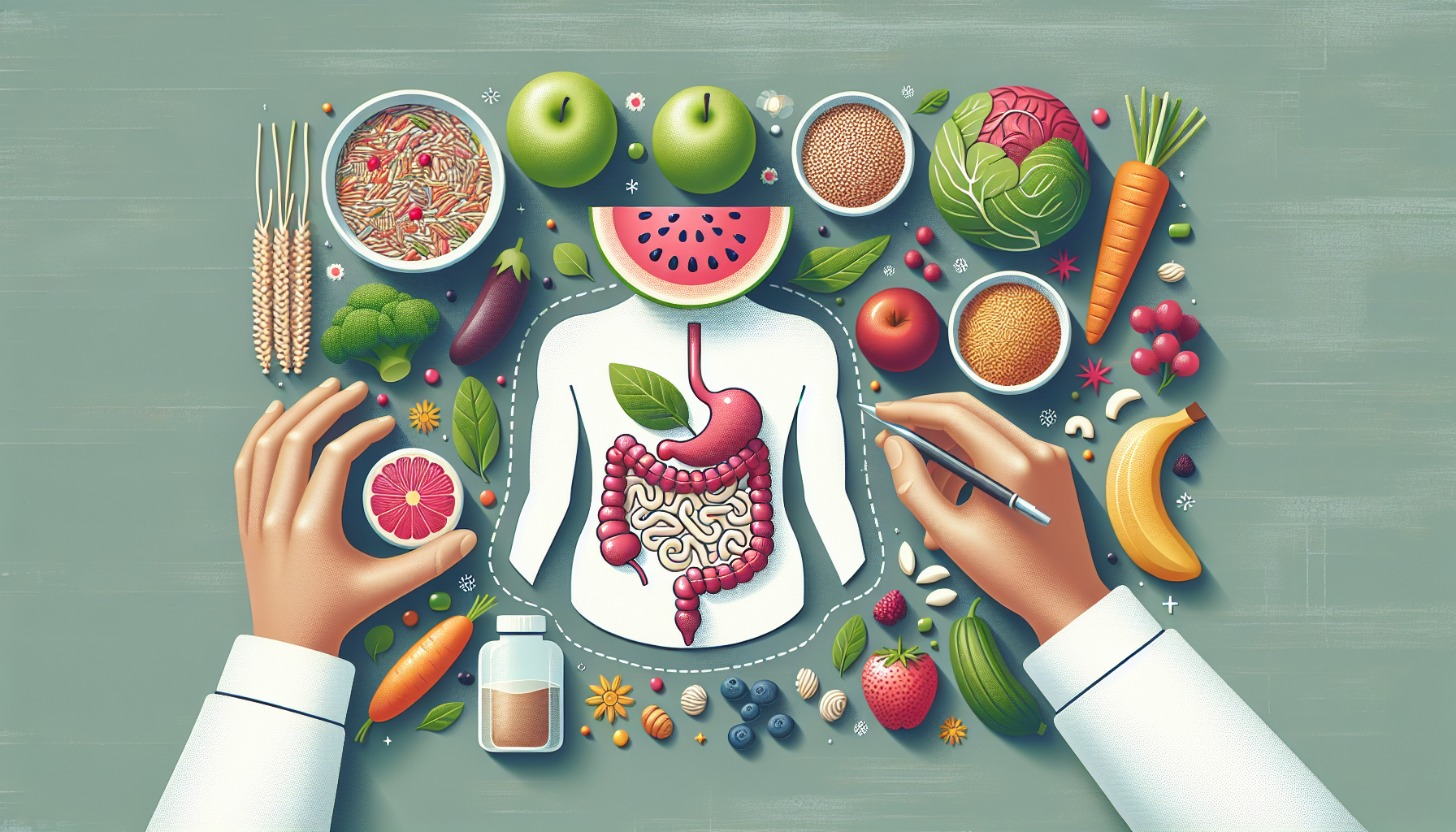

The low FODMAP diet for gut health is a structured eating approach designed to reduce specific short-chain carbohydrates that commonly trigger bloating, abdominal pain, excess gas, diarrhea, and constipation in sensitive people. FODMAP stands for fermentable oligosaccharides, disaccharides, monosaccharides, and polyols, a group of sugars that are poorly absorbed in the small intestine and rapidly fermented by gut bacteria. When I have guided clients through this protocol, the biggest misconception I encounter is that it is a permanent restrictive diet. It is not. It is a short-term clinical strategy, most often used for irritable bowel syndrome, to identify personal food triggers while preserving nutritional adequacy and long-term dietary variety.
This matters because digestive symptoms are common, disruptive, and often confusing. Many people cut out gluten, dairy, beans, fruit, or entire food groups without knowing which foods are actually responsible for symptoms. The low FODMAP diet brings order to that process. Developed through research led by Monash University, it has become one of the best-studied nutrition therapies for IBS and functional gut symptoms. Key terms to understand include elimination, the brief period when high FODMAP foods are reduced; reintroduction, when foods are tested methodically; and personalization, the maintenance phase built around individual tolerance. Used correctly, this diet can improve symptom control, reduce unnecessary restriction, and support better nutrition decisions.
What the Low FODMAP Diet Includes and How It Works
FODMAPs are divided into five main categories. Oligosaccharides include fructans and galacto-oligosaccharides, found in foods such as wheat, onions, garlic, legumes, and some packaged fibers like inulin. Disaccharides mainly refer to lactose, the natural sugar in milk, soft cheese, and some yogurts. Monosaccharides refer to excess fructose, which appears in foods like honey, apples, and mango when fructose exceeds glucose. Polyols are sugar alcohols such as sorbitol and mannitol, found naturally in some fruits and vegetables and added to sugar-free gum, candy, and medications. Each category can cause symptoms through slightly different mechanisms, but the common result is extra water drawn into the intestine and fermentation in the colon.
In plain terms, these carbohydrates can be difficult for some intestines to handle. Poor absorption in the small bowel leaves more material available for bacteria in the large bowel to ferment. That fermentation produces gas. At the same time, the osmotic effect of these carbohydrates can increase fluid in the gut. For someone with visceral hypersensitivity, common in IBS, normal amounts of gas and stretching can feel painful. That is why two people can eat the same meal and only one develops cramping or urgent diarrhea. The issue is not that FODMAP-containing foods are inherently unhealthy; many are nutritious and prebiotic. The issue is tolerance, dose, and symptom pattern in a susceptible person.
The protocol usually unfolds in three phases. First is restriction, typically lasting two to six weeks, where high FODMAP foods are substantially reduced. Second is reintroduction, where one FODMAP group at a time is challenged in graduated portions to assess response. Third is personalization, where the person returns to the broadest possible diet while only limiting the foods and serving sizes that clearly trigger symptoms. That final phase is the real goal. In clinical practice, the most successful outcomes come from treating the low FODMAP diet as an experiment with measurable observations, not a lifelong list of forbidden foods.
Who Benefits Most and When Caution Is Needed
The strongest evidence for a low FODMAP diet is in people with IBS. Multiple clinical trials and systematic reviews have shown meaningful symptom improvement in many patients, especially for bloating, abdominal pain, and altered bowel habits. It may also help some people with functional bloating, certain cases of small intestinal bacterial overgrowth after medical evaluation, and patients with inflammatory bowel disease who are in remission but still have IBS-like symptoms. In my experience, the people who respond best are those with clear meal-related symptoms, recurring bloating by the end of the day, and symptom flares linked to onions, garlic, wheat-heavy meals, milk, large fruit servings, or sugar-free products.
However, this diet is not appropriate as a do-it-yourself fix for every digestive complaint. Red-flag symptoms such as unintended weight loss, blood in the stool, anemia, persistent vomiting, fever, nighttime diarrhea, or a family history of colorectal cancer require medical assessment first. Celiac disease should be ruled out before removing gluten-containing foods, because testing becomes less reliable after gluten restriction. People with eating disorders, significant underweight, pregnancy-related nutrition concerns, or complex medical conditions need individualized supervision. Children should follow the plan only with pediatric and dietitian guidance. Even in adults, a poorly planned elimination phase can reduce calcium intake, fiber diversity, and overall food enjoyment if carried on too long.
Another point of caution is expectation management. The low FODMAP diet does not cure IBS, and it does not “heal” the gut in the way online wellness marketing often suggests. It is a symptom-management tool. Stress, sleep disruption, pelvic floor dysfunction, gut-brain axis signaling, and meal size can still drive symptoms even when food triggers are controlled. Patients often do best when nutrition therapy is combined with other evidence-based strategies, such as regular meals, soluble fiber like psyllium when appropriate, exercise, and behavioral approaches for stress-sensitive symptoms.
Foods to Limit, Foods to Choose, and Practical Meal Building
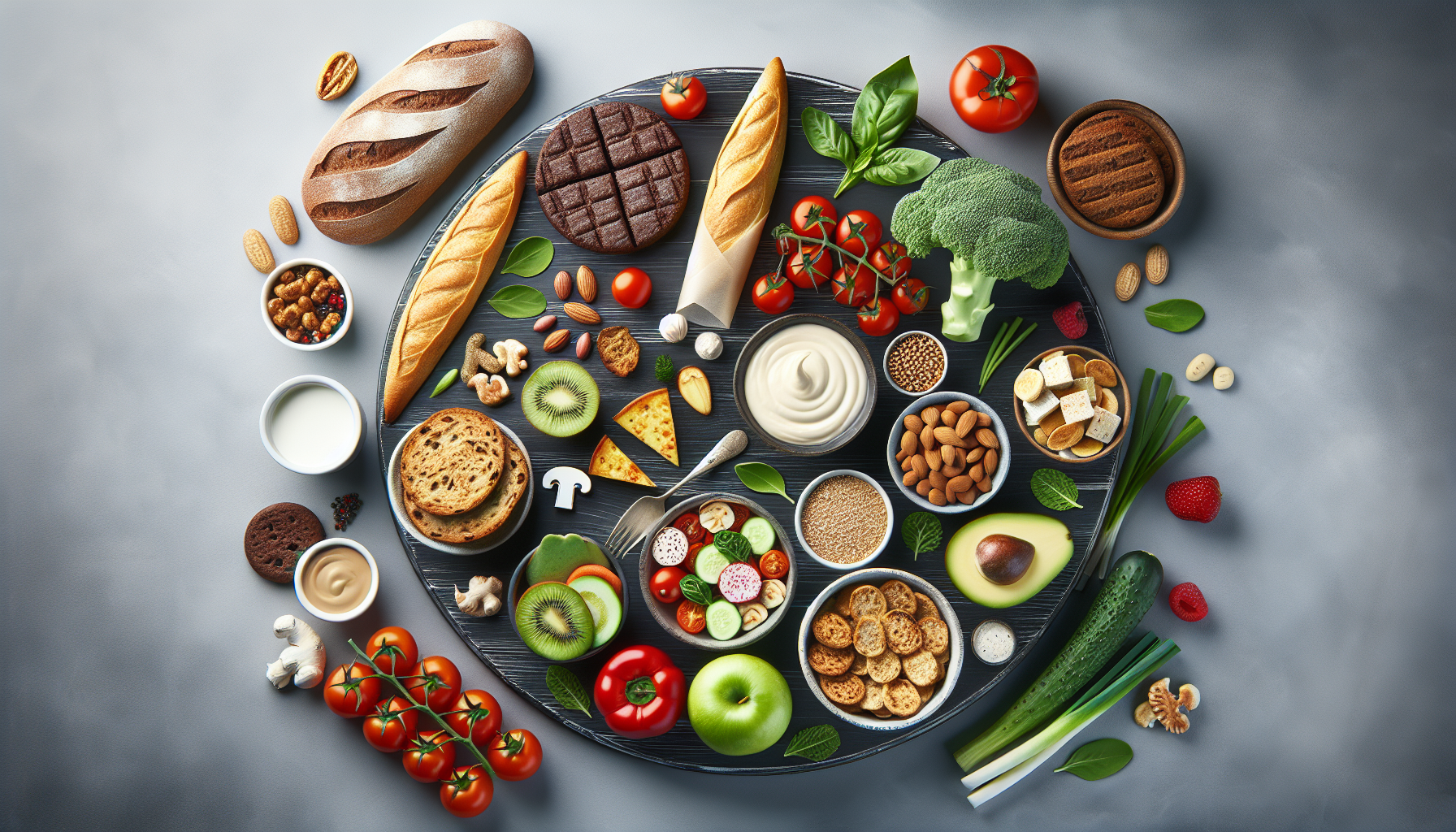
During the elimination phase, common high FODMAP foods to limit include onions, garlic, wheat-based breads and pasta in large amounts, regular milk, soft cheeses high in lactose, apples, pears, mango, watermelon, stone fruits, cauliflower, mushrooms, many legumes, honey, agave, and sugar alcohols such as sorbitol and mannitol. Lower FODMAP choices usually include rice, oats, quinoa, potatoes, sourdough spelt in suitable portions, lactose-free dairy, hard cheese, eggs, poultry, fish, firm tofu, strawberries, blueberries, citrus, kiwi, grapes, carrots, zucchini, spinach, bell peppers, and tomato. Herbs, infused oils, and the green tops of scallions can help replace the flavor lost when onion and garlic are reduced.
Portion size matters as much as the food itself. A food may test low FODMAP at one serving and become high FODMAP at a larger serving because the carbohydrate load increases. Avocado, sweet potato, and certain nuts are classic examples where the amount changes the classification. Stacking also matters. A breakfast with lactose-containing yogurt, honey, apple slices, and wheat cereal can overwhelm tolerance even if each item seems moderate. By contrast, a bowl of lactose-free yogurt with oats, chia, kiwi, and walnuts is often better tolerated. Learning these patterns helps people eat more confidently without relying on generic forbidden-food lists.
| Meal Type | Higher FODMAP Pattern | Lower FODMAP Alternative | Why It Often Works Better |
|---|---|---|---|
| Breakfast | Wheat cereal with milk, apple, and honey | Oats with lactose-free milk, kiwi, and maple syrup | Reduces lactose and excess fructose while keeping fiber |
| Lunch | Garlic-heavy pasta with mushrooms | Rice bowl with chicken, spinach, carrots, and garlic-infused oil | Cuts fructans and polyols without losing savory flavor |
| Snack | Sugar-free candy and pear | Cheddar with grapes or rice cakes with peanut butter | Avoids polyols and excess fructose |
| Dinner | Bean chili with onion and wheat roll | Turkey chili with canned lentils in a tolerated portion and rice | Lowers galacto-oligosaccharides and fructans |
Meal building should focus on adequacy, not just avoidance. Start with a tolerated protein, add a starch or grain, include one or two low FODMAP vegetables, and choose fats and seasonings that support satisfaction. This framework helps prevent the common problem of under-eating because choices feel limited. For people who cook at home, the transition is often easier than expected once they have a reliable shopping list and a few repeat meals. For people who eat out often, the main skills are asking about onion and garlic, choosing simple grilled proteins, and watching sauces, dressings, and sweeteners.
How Reintroduction Identifies Personal Triggers
Reintroduction is the phase that turns the low FODMAP diet from a restrictive template into a personalized nutrition plan. After symptoms have settled, each FODMAP category is tested separately using a representative food. For example, lactose may be challenged with milk or yogurt, fructans with bread or onion in measured amounts, galacto-oligosaccharides with legumes, excess fructose with honey or mango, and polyols with foods containing sorbitol or mannitol. The person usually tests one category over three days, increasing the dose each day if symptoms remain manageable, then pauses before moving to the next challenge. Keeping other meals stable during this period makes reactions easier to interpret.
This process reveals three useful things: which categories trigger symptoms, what portion causes symptoms, and whether occasional intake is tolerated despite mild effects. Those distinctions matter. Someone may react strongly to onion but tolerate wheat sourdough in moderate servings. Another person may handle small amounts of canned chickpeas but not large servings of black beans. I have seen many people discover they can return more foods than they expected once testing is systematic. That is important because unnecessarily broad restriction can reduce fiber intake and limit exposure to diverse plant foods that support a resilient microbiome over time.
Good tracking improves accuracy. A simple log should record the challenge food, portion, timing, symptoms, stool pattern, stress level, and menstrual cycle timing if relevant. It is also wise to account for confounders such as alcohol, large restaurant meals, poor sleep, and NSAID use. If symptoms are severe, the challenge should stop and the result should be documented. If symptoms are absent, that food group may be more liberalized in the personalization phase. The end result is not a perfect scorecard but a practical eating pattern that balances symptom control with nutrition quality and social flexibility.
Nutrition Quality, Gut Microbiome Effects, and Long-Term Success
One concern with the low FODMAP diet is that many restricted foods are rich in prebiotic fibers that nourish beneficial gut bacteria. Research has shown that a strict elimination phase can reduce bifidobacteria levels in some individuals, which is one reason experts recommend keeping the elimination phase short and moving into reintroduction promptly. Long-term success depends on liberalization. The broader the diet after testing, the better the chance of meeting fiber targets, supporting microbial diversity, and maintaining normal eating habits. This is why clinician guidance adds value: the goal is not the lowest possible FODMAP intake, but the least restrictive pattern that controls symptoms.
Nutrition quality should be monitored deliberately. Dairy restriction can lower calcium unless lactose-free milk, fortified plant beverages, yogurt alternatives, or hard cheeses are included. Cutting wheat and legumes may reduce fiber and certain B vitamins unless oats, quinoa, chia, potatoes with skin, tolerated legumes, nuts, seeds, and suitable whole grains are added back. Some people benefit from psyllium husk because it can improve stool consistency without the excess gas associated with some fermentable fibers. Hydration and meal regularity matter too. Large late-night meals, repeated fasting followed by overeating, and low fluid intake can intensify gastrointestinal symptoms regardless of FODMAP load.
For lasting results, use reputable resources. The Monash University app is widely considered the reference standard for tested serving sizes, and many dietitians rely on it because food data are updated as laboratory analysis evolves. Reading ingredient lists is equally important; onion powder, garlic powder, chicory root, inulin, high-fructose corn syrup, and polyol sweeteners appear in foods that otherwise look safe. If symptoms persist despite careful adherence, it is time to reassess the diagnosis rather than tighten restrictions further. Conditions such as bile acid diarrhea, celiac disease, pancreatic insufficiency, endometriosis, or pelvic floor disorders can mimic food intolerance and require different treatment.
The low FODMAP diet for gut health works best when it is used as a precise, temporary, evidence-based tool rather than a permanent rulebook. Understanding what FODMAPs are, how they trigger symptoms, and who benefits most helps people approach digestive problems with more clarity and less guesswork. The key facts are straightforward: the diet is most effective for IBS and related functional symptoms, the elimination phase should be brief, reintroduction is essential, and long-term eating should be as varied as personal tolerance allows. Practical success comes from paying attention to serving size, food combinations, hidden ingredients, and the broader factors that influence the gut, including stress, sleep, and meal patterns.
For better nutrition, the main benefit is personalization. Instead of removing dozens of foods indefinitely, you identify the specific carbohydrates and portions your body handles well or poorly. That protects quality of life, supports a healthier relationship with food, and makes it easier to maintain adequate fiber, calcium, and overall diet diversity. If you are considering this approach, start with a medical evaluation for red flags, then follow a structured plan using trusted resources and, ideally, a dietitian trained in gastrointestinal nutrition. That approach gives you the best chance of calmer digestion and a sustainable way of eating.
Frequently Asked Questions
What is the low FODMAP diet, and how does it support gut health?
The low FODMAP diet is a short-term, structured nutrition strategy designed to reduce symptoms linked to irritable bowel syndrome and other forms of digestive sensitivity. FODMAP is an acronym for fermentable oligosaccharides, disaccharides, monosaccharides, and polyols. These are specific short-chain carbohydrates found in many everyday foods, including certain fruits, vegetables, dairy products, legumes, wheat-based foods, and sweeteners. In sensitive individuals, these carbohydrates are not absorbed well in the small intestine. Instead, they draw water into the gut and are rapidly fermented by bacteria in the colon, which can lead to bloating, abdominal pain, excess gas, diarrhea, constipation, or a combination of symptoms.
What makes the low FODMAP approach valuable for gut health is that it helps identify whether these fermentable carbohydrates are major symptom triggers. It is not meant to “cure” the digestive system or permanently eliminate broad food groups. Rather, it is a clinical tool used to calm symptoms, create a more stable baseline, and then systematically test tolerance levels. When done correctly, the diet can reduce digestive distress while helping a person learn which foods they tolerate well, which ones they need in smaller portions, and which ones are more likely to trigger flare-ups. That personalized understanding is the real goal, because long-term gut health depends on dietary variety, adequate nutrition, and an eating pattern that is both manageable and symptom-aware.
Is the low FODMAP diet supposed to be followed forever?
No, and this is one of the most important facts to understand. The low FODMAP diet is not intended to be a lifelong elimination plan. It has three stages: elimination, reintroduction, and personalization. In the first phase, high-FODMAP foods are reduced for a limited period, typically around two to six weeks depending on symptom response and professional guidance. This phase is designed to lower the overall fermentable carbohydrate load so symptoms can settle. However, staying in this restrictive phase too long can unnecessarily limit fiber intake, reduce food variety, and potentially affect the gut microbiome in ways that are not ideal over time.
After symptoms improve, the next phase is reintroduction, where individual FODMAP groups are tested one at a time in a structured way. This step is essential because most people do not react equally to all FODMAPs. Some may tolerate lactose but not excess fructose. Others may be sensitive to polyols yet do fine with small servings of wheat. The final phase is personalization, where tolerated foods are brought back in amounts that fit the individual. This creates the least restrictive diet possible while still managing symptoms. In practice, the best version of the low FODMAP diet is the one that restores as much dietary variety as possible, rather than one that keeps someone in a state of chronic avoidance.
Who should consider trying a low FODMAP diet, and who should be cautious?
The low FODMAP diet is most commonly recommended for people with symptoms consistent with irritable bowel syndrome, such as recurrent bloating, stomach pain, gas, diarrhea, constipation, or mixed bowel patterns. It may also be useful for some people with functional gastrointestinal disorders who notice that meals regularly trigger digestive discomfort. That said, the diet works best when it is used after other possible causes of symptoms have been considered. Digestive complaints can overlap with conditions such as celiac disease, inflammatory bowel disease, lactose intolerance, endometriosis, gallbladder issues, pancreatic problems, infections, and food allergies. Because of that, persistent or severe symptoms should be medically evaluated rather than self-diagnosed.
Caution is especially important for children, pregnant individuals, people with a history of eating disorders, anyone who is already underweight, and those with complex medical conditions. In these cases, dietary restriction can create unnecessary nutritional risk if not carefully supervised. It is also worth noting that a low FODMAP diet is not automatically a “healthy gut” diet for everyone. If someone has no symptoms related to FODMAP intake, there is usually no benefit to removing these foods. Many high-FODMAP foods are otherwise nutritious and support a diverse diet. Ideally, this protocol should be guided by a registered dietitian or qualified clinician who can help tailor it appropriately, protect nutritional adequacy, and avoid turning a therapeutic trial into an overly restrictive way of eating.
What foods are commonly reduced on a low FODMAP diet, and what can you still eat?
During the elimination phase, foods high in certain fermentable carbohydrates are temporarily reduced. Common examples include onions, garlic, wheat-based bread and pasta, many legumes, milk and soft cheeses high in lactose, apples, pears, watermelon, mango, cauliflower, mushrooms, and sweeteners such as sorbitol and xylitol. Some foods are high in one FODMAP category, while others contain more than one, which is why portion size and food composition both matter. This is one reason the diet can feel confusing at first without a reliable food list or professional guidance.
The good news is that the diet is still very workable when structured properly. Many foods remain available, including eggs, poultry, fish, tofu, rice, oats, quinoa, potatoes, carrots, spinach, zucchini, bell peppers, strawberries, blueberries, oranges, grapes, lactose-free dairy, hard cheeses, nuts in appropriate portions, and oils and fats. There are also practical swaps that make the plan easier to follow, such as using garlic-infused oil instead of whole garlic, choosing sourdough spelt or gluten-free products when appropriate, and selecting lactose-free milk or yogurt in place of regular dairy. The low FODMAP diet is not about eating bland food or cutting out carbohydrates entirely. It is about reducing specific trigger carbohydrates in a targeted way so symptoms can be assessed accurately while still maintaining balanced meals and good overall nutrition.
Can the low FODMAP diet improve digestion without harming the gut microbiome or nutritional quality?
Yes, but the key is how the diet is implemented. A well-run low FODMAP protocol can significantly improve digestive comfort while still protecting nutritional adequacy and supporting long-term gut health. Problems tend to arise when people treat the diet as a permanent food avoidance plan, rely on incomplete internet food lists, or fail to move beyond the elimination stage. Because many high-FODMAP foods also contain prebiotic fibers that feed beneficial gut bacteria, eliminating them for too long can reduce dietary diversity and may not support the microbiome as well as a more personalized plan would. That is why the reintroduction phase is not optional; it is central to preserving as much variety as possible.
From a nutrition standpoint, quality matters just as much as symptom control. A thoughtful plan should still include adequate protein, fiber from tolerated sources, healthy fats, vitamins, minerals, and enough total calories. Low FODMAP does not automatically mean low fiber or low plant intake. Fiber can still come from foods such as oats, chia seeds, kiwi, berries, potatoes, quinoa, carrots, and other tolerated vegetables and grains. In clinical practice, the most successful approach is one that lowers symptoms enough to improve quality of life, then expands the diet strategically so the person can eat more normally with confidence. In other words, the low FODMAP diet is best used as a precision tool for discovering tolerance patterns, not as a long-term shortcut to “clean eating.”