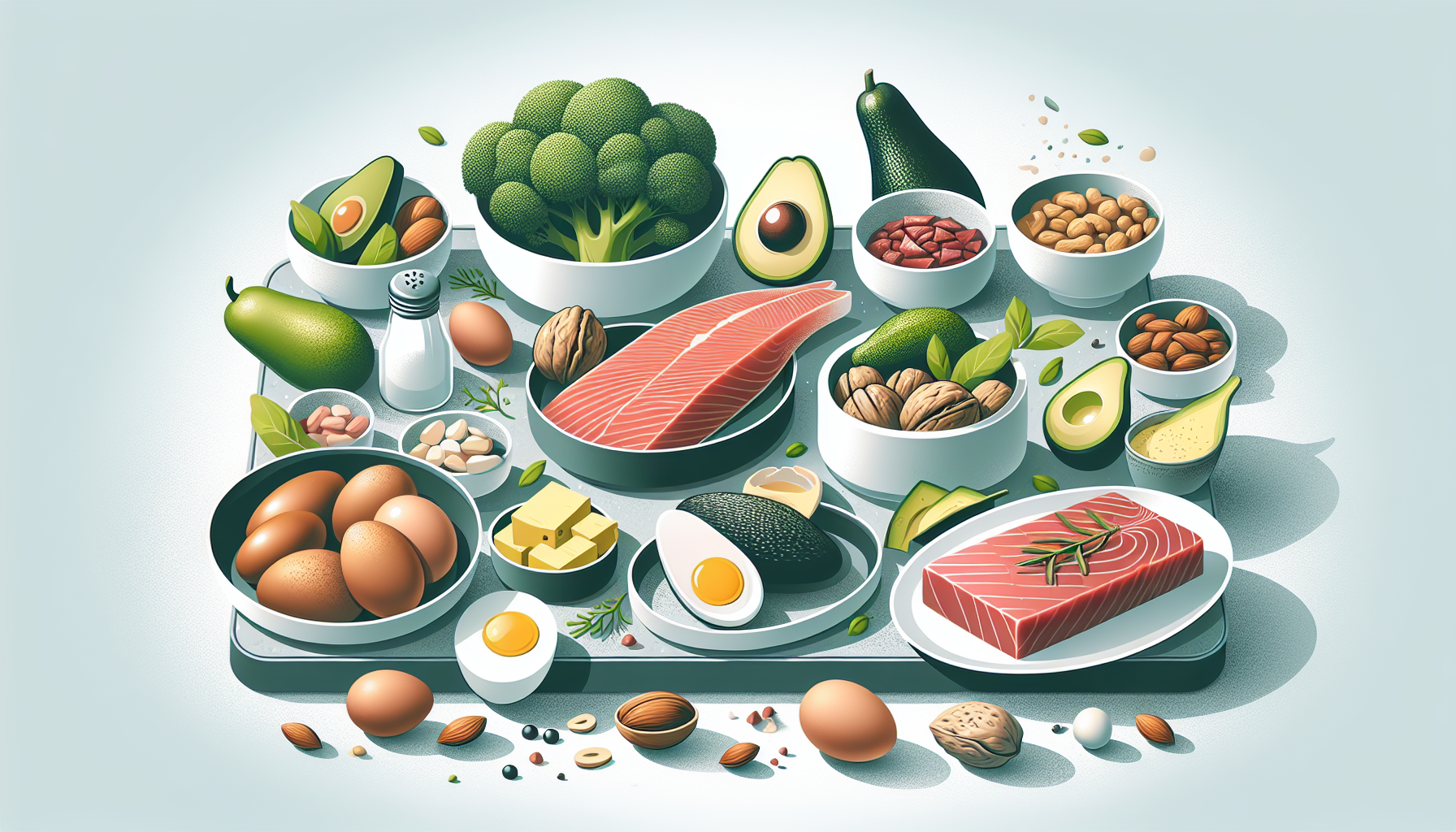
Ketogenic and low-carb diets have moved from niche clinical tools to mainstream dietary strategies because they can reduce blood sugar swings, improve satiety, and help many people manage weight, energy, and metabolic health. A ketogenic diet is a very low-carbohydrate, high-fat eating pattern designed to shift the body toward producing ketones for fuel, typically by keeping net carbohydrates low enough that the liver increases ketone production. A low-carb diet is broader and usually allows more carbohydrates while still limiting foods that rapidly raise glucose and insulin. Net carbs generally means total carbohydrates minus fiber and, in some cases, certain sugar alcohols. Protein remains moderate to high depending on the plan, while fats provide a larger share of calories than in conventional diets.
In practice, the most useful question is not whether a food is technically allowed, but whether it helps you stay satisfied, meet nutrient needs, and keep carbohydrate intake in the range your body can tolerate. After years of helping clients structure ketogenic and low-carb meals, I have seen the same pattern repeatedly: success comes from building around nutrient-dense staple foods rather than chasing “keto” packaged products. Foods rich in healthy fats, quality protein, fiber, vitamins, minerals, and bioactive compounds make the diet easier to maintain and reduce the risk of common mistakes such as electrolyte imbalance, constipation, or relying too heavily on processed meats and sweeteners.
This hub article explains the top foods rich in ketogenic and low-carb diets and why you need them. It also clarifies how these foods fit together, which options work best for beginners, and where tradeoffs matter. If you are comparing ketogenic and low-carb diets, planning a grocery list, or deciding which foods deserve pantry space every week, this guide gives you a practical framework. The emphasis is on foods with strong nutritional value, wide culinary use, and proven staying power in real households, not trend-driven ingredients that sound impressive but add little to daily adherence or long-term health outcomes.
Healthy fats: the foundation that makes ketogenic eating sustainable
Healthy fats are central to ketogenic eating because they provide energy when carbohydrate intake falls, but their role goes beyond calorie density. Fat slows gastric emptying, improves mouthfeel, and helps meals feel complete, which is why a salad with olive oil and salmon is far more satisfying than dry greens with grilled chicken breast. The most useful fat-rich foods include extra-virgin olive oil, avocados, olives, nuts, seeds, grass-fed butter, ghee, coconut, and full-fat dairy if tolerated. Extra-virgin olive oil stands out because it supplies monounsaturated fats and polyphenols linked with cardiovascular benefits, while avocados contribute potassium, fiber, folate, and a favorable fatty acid profile.
When clients ask which fats belong in a daily low-carb routine, I recommend prioritizing minimally processed sources first and using specialty fats second. Olive oil works for dressings and finishing; avocado oil is useful for higher-heat cooking; butter and ghee add flavor to eggs and vegetables; coconut milk can enrich curries and soups. Nuts and seeds are especially valuable because they combine fat with magnesium, vitamin E, and some protein. Macadamias, pecans, walnuts, chia, flax, and hemp seeds all fit well. The practical benefit is flexibility: these foods make it easy to increase energy intake without adding significant carbohydrate load, which helps prevent fatigue and cravings during adaptation.
Not all fat sources are equal. A ketogenic or low-carb diet built mostly on processed meats, cheese snacks, and butter coffee can technically fit carbohydrate targets while falling short on micronutrients and fiber. That is why foods like avocado, tahini, almonds, pumpkin seeds, and olives matter so much. They support heart health, digestive function, and meal quality. Fat also helps absorb fat-soluble vitamins A, D, E, and K from other foods. If you only remember one principle, make it this: use whole-food fats as the backbone of your meals, and treat refined “keto treats” as occasional extras rather than nutritional anchors.
Protein-rich foods: preserving muscle, controlling hunger, and balancing meals
Protein-rich foods are indispensable on both ketogenic and low-carb diets because they preserve lean mass, support immune function, and improve satiety. The best choices are eggs, fish, shellfish, poultry, beef, lamb, pork, Greek yogurt, cottage cheese, tofu, tempeh, and certain protein powders with minimal added sugar. Eggs are one of the most efficient staples because they are versatile, affordable, and rich in choline, selenium, vitamin B12, and high-quality protein. Fish such as salmon, sardines, mackerel, and trout are especially important because they provide omega-3 fatty acids EPA and DHA, which support cardiovascular and neurologic health.
One common misunderstanding is that ketogenic eating should be “all fat and very little protein.” In reality, chronically under-eating protein can increase hunger and make it harder to maintain muscle during weight loss. Most adults do better when each meal includes a meaningful protein source, whether that is eggs at breakfast, chicken thighs at lunch, or salmon with vegetables at dinner. In low-carb diets, a slightly higher protein intake is often easier to sustain and can still support improved glucose control. The exact amount varies with age, activity, body size, and goals, but food quality matters as much as numbers.
There are tradeoffs to manage. Processed meats like bacon, deli meats, and sausages can fit occasionally, yet they should not dominate your protein intake because they often contain more sodium, preservatives, and lower overall nutrient density than fresh options. Dairy proteins work well for many people, but others find that heavy cream, cheese, or whey trigger overeating or digestive symptoms. Plant-based low-carb eaters can succeed by combining tofu, tempeh, edamame in moderation, seeds, nuts, and lower-carb protein supplements, though the path usually requires more deliberate planning to keep carbohydrates controlled while meeting protein targets.
Low-carb vegetables: fiber, volume, and micronutrients without the glucose spike
Low-carb vegetables are the difference between a diet that merely lowers carbohydrates and one that remains nutritionally robust. Leafy greens, broccoli, cauliflower, zucchini, asparagus, cabbage, Brussels sprouts, cucumbers, mushrooms, bell peppers, celery, and green beans offer fiber, potassium, magnesium, vitamin C, folate, and phytochemicals with very little digestible carbohydrate per serving. These foods add bulk to meals, support bowel regularity, and make plates look and feel abundant. Cauliflower can become mash, rice, pizza crust, or soup; zucchini can replace noodles; mushrooms add savory depth that helps reduce dependence on starches.
People often worry that vegetables contain “too many carbs” for ketosis, but that concern is usually misplaced when the vegetables are non-starchy. A generous salad of romaine, arugula, cucumbers, olives, and feta may provide only a small net carbohydrate load while delivering hydration, minerals, and texture that a meat-and-cheese plate lacks. Cruciferous vegetables deserve special attention because they are rich in glucosinolates and contribute to detoxification pathways and overall dietary variety. In my experience, people who keep prepped vegetables visible and ready to cook are far more likely to maintain a ketogenic or low-carb diet than those who rely on convenience foods.
Vegetables also reduce a common problem in carbohydrate-restricted diets: monotony. Roasted Brussels sprouts with olive oil, sautéed cabbage with garlic, grilled asparagus, and a spinach omelet all fit the plan while feeling distinct. For stricter ketogenic phases, portioning matters with higher-carb vegetables such as onions, tomatoes, and peppers, but they can still enhance flavor without derailing progress. The goal is not to fear vegetables; it is to choose non-starchy varieties generously and use starchier produce more selectively. That approach improves nutrient intake and makes the eating pattern more sustainable over months rather than days.
Dairy, fermented foods, and pantry staples that make the diet practical
Some of the most useful ketogenic and low-carb foods are the practical staples that turn separate ingredients into complete meals. Full-fat Greek yogurt, cottage cheese, hard cheeses, unsweetened kefir, sour cream, cream cheese, and heavy cream can all play a role, though tolerance and portion control matter. Fermented dairy may support gut health and can make quick breakfasts or snacks possible when paired with chia seeds, walnuts, or a few berries. Hard cheeses deliver protein and calcium with minimal carbohydrate, but they are easy to overeat, so they work best as part of meals rather than as endless grazing foods.
Beyond dairy, pantry staples determine whether a low-carb household thrives on convenience or falls back on takeout. Canned salmon, sardines, tuna, coconut milk, olive oil, avocado oil, nut butters without added sugar, unsweetened cocoa, chia seeds, flaxseed meal, olives, pickles, broth, herbs, spices, and low-sugar condiments are all high-value items. Electrolyte-rich broth deserves mention because sodium needs often increase when carbohydrate intake drops and insulin levels fall. Many people interpret early fatigue or headaches as proof that low-carb eating “doesn’t work,” when the real issue is inadequate sodium, potassium, fluids, or overall calories.
Because this page is a hub for ketogenic and low-carb diets, it helps to see these foods by function rather than by aisle. The table below shows the staples I most often recommend, why they matter, and how they are commonly used in real meals.
| Food group | Examples | Why you need them | Practical use |
|---|---|---|---|
| Healthy fats | Olive oil, avocado, olives, nuts, seeds | Energy, satiety, fat-soluble vitamin absorption | Dressings, snacks, meal finishing |
| Protein staples | Eggs, salmon, chicken thighs, Greek yogurt | Muscle maintenance, hunger control, nutrient density | Breakfasts, salads, skillet meals |
| Low-carb vegetables | Broccoli, cauliflower, spinach, zucchini | Fiber, potassium, vitamin C, meal volume | Roasting, soups, stir-fries, side dishes |
| Fermented and dairy foods | Kefir, cottage cheese, cheese, sour cream | Calcium, protein, convenience, flavor | Snacks, toppings, sauces |
| Pantry support | Broth, canned fish, coconut milk, spices | Electrolytes, speed, variety, consistency | Quick lunches, soups, curries |
Berries, legumes, and flexible foods: what fits on low-carb versus strict keto
One reason people struggle with this topic is that ketogenic and low-carb diets overlap but are not identical. Strict ketogenic diets usually reserve carbohydrate intake for non-starchy vegetables, modest servings of dairy, nuts, seeds, and occasional berries. Low-carb diets often have enough flexibility to include small portions of beans, lentils, higher-carbohydrate dairy, or fruit without compromising results. Berries deserve special mention because raspberries, blackberries, and strawberries provide fiber, vitamin C, and polyphenols with less sugar than tropical fruit. They can make the difference between a rigid plan and one a family can actually follow.
Legumes are more controversial. They are usually too carbohydrate-dense for strict ketosis, yet they are rich in fiber, magnesium, potassium, and plant protein, and many people do well with modest portions on a broader low-carb plan. The same logic applies to foods like carrots, winter squash, or plain yogurt. The right question is not “Are these foods good or bad?” but “Do these foods fit my carbohydrate budget, goals, and glucose response?” Someone managing type 2 diabetes with a continuous glucose monitor may choose differently from an endurance athlete cycling carbohydrate intake around training.
This is where personalization matters. If your goal is nutritional ketosis for epilepsy under medical supervision, the food list is tighter and precision matters. If your goal is steady energy, appetite control, and lower refined carbohydrate intake, a liberal low-carb diet can include a wider range of whole foods while still delivering benefits. In my work, the most durable plans are usually the least dogmatic ones that still maintain clear boundaries around sugar, refined grains, and ultra-processed snack foods.
How to build a ketogenic or low-carb plate that works long term
A sustainable ketogenic or low-carb plate is simple: choose a protein anchor, add one or two low-carb vegetables, include a whole-food fat source, and season aggressively enough that the meal feels intentional rather than restrictive. For example, salmon with roasted broccoli and olive oil; ground turkey cooked with zucchini, feta, and herbs; or eggs with spinach, mushrooms, and avocado all meet this standard. If you need more energy, add nuts, cheese, or a creamy sauce. If you need more fiber, increase vegetables, chia, or flax. If you are active, distribute protein evenly across meals to support recovery and reduce late-day cravings.
Meal planning becomes easier when you repeat components. Keep eggs, leafy greens, cooked chicken, canned fish, chopped vegetables, olive oil, and a fermented dairy option on hand, then rotate flavors with curry paste, pesto, salsa verde, lemon, garlic, paprika, or tahini. That structure reduces decision fatigue and improves adherence. It also helps households with mixed preferences because the same base meal can be served with rice or bread for some family members while remaining low-carb for others. The best ketogenic and low-carb diets are not the most extreme; they are the ones organized around foods you can buy, cook, and enjoy every week.
The top foods rich in ketogenic and low-carb diets are the foods that deliver satiety, metabolic support, and nutritional coverage at the same time: olive oil, avocado, eggs, fish, meat and poultry, full-fat fermented dairy, nuts, seeds, and a wide range of non-starchy vegetables. These foods matter because they help you lower carbohydrate intake without lowering diet quality. They make meals satisfying, support muscle and electrolyte balance, and reduce reliance on packaged substitutes that often undermine results. If you want this dietary approach to work, build your shopping list around staples first, test your personal tolerance for flexible foods second, and keep your meals centered on whole foods most days. Start by choosing five core proteins, five vegetables, and three healthy fats for the coming week, then build every meal from that shortlist.
Frequently Asked Questions
What foods are considered staples on ketogenic and low-carb diets?
The core foods in ketogenic and low-carb diets are those that provide plenty of protein, healthy fats, fiber, and micronutrients while keeping carbohydrate intake relatively low. Common staples include eggs, salmon, sardines, beef, chicken, turkey, full-fat Greek yogurt, cheese, avocados, olives, nuts, seeds, olive oil, coconut products, and low-carb vegetables such as spinach, kale, broccoli, cauliflower, zucchini, asparagus, and bell peppers. These foods are popular because they help support fullness, stable energy, and blood sugar control without relying heavily on refined carbohydrates.
For a ketogenic diet in particular, foods with higher fat content often play a larger role because keto is designed to keep carbohydrate intake low enough to encourage ketone production. That means foods like avocado, olive oil, fatty fish, egg yolks, nuts, seeds, and full-fat dairy are often emphasized alongside moderate amounts of protein. A standard low-carb diet is usually more flexible and may allow slightly larger portions of foods like berries, legumes in some cases, or higher-protein dairy products, depending on the individual plan.
What makes these staple foods so useful is not just that they are low in carbs, but that they are nutrient-dense and practical for everyday eating. Eggs offer high-quality protein and choline, salmon provides omega-3 fats, leafy greens contribute potassium and magnesium, and avocados deliver fiber and monounsaturated fat. In other words, the best ketogenic and low-carb foods do more than help reduce carbs—they also support satiety, muscle maintenance, heart health, and overall nutritional balance.
Why are healthy fats so important in ketogenic and low-carb eating plans?
Healthy fats are essential on ketogenic diets because once carbohydrates are reduced, the body needs another major source of fuel. On keto, fat becomes the primary energy source, and eating enough of it can help maintain energy, improve meal satisfaction, and make the diet more sustainable. Even on a broader low-carb plan that is not strictly ketogenic, healthy fats often play an important role in helping people feel full and avoid the hunger spikes that can happen when meals are too low in both carbs and fat.
Not all fats are equal, which is why the emphasis should be on nutrient-rich, minimally processed sources. Foods such as olive oil, avocados, nuts, seeds, olives, egg yolks, and fatty fish like salmon and mackerel provide fats along with vitamins, minerals, antioxidants, and anti-inflammatory compounds. These foods are generally more beneficial than relying heavily on processed meats, fried foods, or products marketed as “keto” but made with low-quality oils and additives. The goal is not simply to eat more fat, but to choose fats that support metabolic and cardiovascular health.
Healthy fats also help with absorption of fat-soluble vitamins such as A, D, E, and K, which are found in many vegetables, dairy foods, and animal products commonly eaten on low-carb plans. In practical terms, adding olive oil to a salad, pairing eggs with avocado, or eating salmon with roasted vegetables can improve both nutrient intake and meal satisfaction. That combination is one reason many people find well-formulated ketogenic and low-carb diets easier to stick with than low-fat approaches that leave them feeling hungry soon after eating.
Which low-carb vegetables are the best choices, and why do they matter?
Low-carb vegetables are some of the most valuable foods in ketogenic and low-carb diets because they provide fiber, volume, vitamins, minerals, and plant compounds without adding too many digestible carbohydrates. Excellent choices include leafy greens like spinach, kale, arugula, and romaine, along with cruciferous vegetables such as broccoli, cauliflower, cabbage, and Brussels sprouts. Zucchini, cucumbers, mushrooms, asparagus, celery, green beans, and peppers are also popular because they fit easily into meals and offer a lot of nutrition for relatively few carbs.
These vegetables matter because carbohydrate restriction can sometimes lead people to focus too heavily on meat, cheese, and packaged low-carb snacks while overlooking fiber and micronutrients. Non-starchy vegetables help fill that gap. They contribute potassium, magnesium, folate, vitamin C, and many antioxidant compounds that support digestion, hydration, nerve function, immune health, and overall metabolic function. Fiber is especially important because it can promote satiety and support digestive regularity, which is helpful when making any major dietary shift.
From a practical standpoint, low-carb vegetables also make meals more balanced and easier to maintain over time. Cauliflower can be used in place of rice or mashed potatoes, zucchini can replace noodles, and leafy greens can serve as the base for salads, omelets, and side dishes. These swaps help reduce total carbohydrate intake without making meals feel restrictive. That is one of the key reasons low-carb vegetables are not just allowed on these diets—they are foundational to doing them well.
Are protein-rich foods important on keto and low-carb diets, and which ones are best?
Yes, protein-rich foods are extremely important on both ketogenic and low-carb diets. Protein helps preserve lean muscle mass, supports immune function, aids recovery, and contributes strongly to satiety. When people reduce carbohydrates, one of the biggest mistakes they can make is failing to include enough protein. That can leave them hungry, make meals less satisfying, and potentially undermine body composition goals. A well-structured ketogenic or low-carb eating plan typically includes moderate to robust protein intake, depending on the person’s age, activity level, and health goals.
Some of the best protein-rich foods for these diets include eggs, chicken, turkey, beef, pork, salmon, sardines, tuna, shrimp, Greek yogurt, cottage cheese, and tofu or tempeh for those who include soy foods. These foods provide complete or near-complete protein along with other valuable nutrients. For example, eggs contain choline, beef provides iron and vitamin B12, and fish offers omega-3 fatty acids. Choosing a variety of protein sources is often better than relying on just one or two foods because it broadens nutrient intake and keeps meals more appealing.
It is also helpful to understand the difference between keto and low-carb when it comes to protein. On a low-carb diet, protein is often emphasized more heavily and can make up a larger share of calories. On a strict ketogenic diet, protein is usually kept moderate rather than excessively high, since the main metabolic goal is to maintain ketosis while still meeting the body’s protein needs. In both cases, prioritizing minimally processed protein sources is usually the smartest approach, because they deliver better nutrition and fewer unnecessary ingredients than highly processed bars, shakes, or packaged “diet” foods.
Why do nutrient-dense foods matter so much when following a ketogenic or low-carb diet?
Nutrient-dense foods matter because reducing carbohydrates changes the structure of the diet, and that means every food choice counts more. If someone cuts back on bread, pasta, rice, sugary snacks, and other carb-heavy foods but replaces them mostly with processed meats, cheese-only meals, and packaged low-carb treats, they may technically lower carbohydrate intake without building a diet that supports long-term health. Nutrient-dense foods help ensure that keto and low-carb eating patterns provide enough vitamins, minerals, fiber, essential fats, and high-quality protein to meet the body’s needs.
This is especially important because some of the nutrients people may need to pay closer attention to on lower-carb diets include potassium, magnesium, sodium, calcium, and fiber. Foods like leafy greens, avocados, nuts, seeds, fish, eggs, unsweetened dairy, and low-carb vegetables can help supply these nutrients naturally. A diet built around these foods is more likely to support energy, hydration, digestion, muscle function, and overall metabolic health than one based primarily on convenience products. Nutrient density is what separates a thoughtful low-carb approach from a poorly planned one.
There is also a sustainability factor. The most effective ketogenic and low-carb diets are not just low in carbs—they are satisfying, varied, and realistic enough to maintain. Nutrient-dense foods tend to be more filling and more beneficial than highly processed alternatives, which can help reduce cravings and support better eating habits over time. In short, if the goal is better blood sugar control, improved satiety, more stable energy, or weight management, focusing on foods that are rich in both nutrition and flavor is one of the smartest strategies you can use.