The low FODMAP diet is a structured eating approach designed to reduce specific short-chain carbohydrates that can trigger digestive symptoms, especially in people with irritable bowel syndrome. FODMAP stands for fermentable oligosaccharides, disaccharides, monosaccharides, and polyols: sugars and fibers that are poorly absorbed in the small intestine, rapidly fermented by gut bacteria, or both. When these compounds pull water into the bowel and produce excess gas during fermentation, they can contribute to bloating, abdominal pain, altered bowel habits, and a feeling of digestive unpredictability. For people dealing with chronic gut symptoms, that mechanism matters because it explains why otherwise nutritious foods such as onions, wheat, apples, beans, and milk can feel intolerable.
Science has moved the low FODMAP diet far beyond a trend. The approach was developed and validated by researchers at Monash University, and it is now recognized in major gastroenterology guidelines as an effective therapy for many patients with IBS. In practice, I have seen it work best when it is treated as a short-term diagnostic and symptom-management tool, not a forever restriction plan. That distinction is critical. A poorly supervised low FODMAP diet can become unnecessarily limiting, reduce diet quality, and create confusion around food. A properly implemented plan, however, often gives patients a clear map of which carbohydrates are driving symptoms and which foods can safely stay in rotation.
This matters because gut health is not just about avoiding discomfort. Ongoing gastrointestinal symptoms can disrupt sleep, work, exercise, travel, and mental well-being. People often bounce from probiotics to supplements to elimination diets without understanding the underlying triggers. The low FODMAP framework brings order to that process by organizing foods according to how they behave in the digestive tract. It helps answer practical questions searchers ask: What is the low FODMAP diet? Does it help bloating? Is it safe? How long should it last? Who should try it, and who should not?
As a hub topic within dietary lifestyles and special diets, the low FODMAP diet also sits at the intersection of nutrition science, gastroenterology, and behavior change. It requires food knowledge, label reading, meal planning, and symptom tracking. It also requires nuance. Not every digestive problem is caused by FODMAPs, and not every person with IBS responds equally. The benefit of this article is clarity: what the science says, how the diet works, where it helps, where it falls short, and how to use it responsibly to support gut health over the long term.
What the low FODMAP diet includes and why these carbohydrates cause symptoms
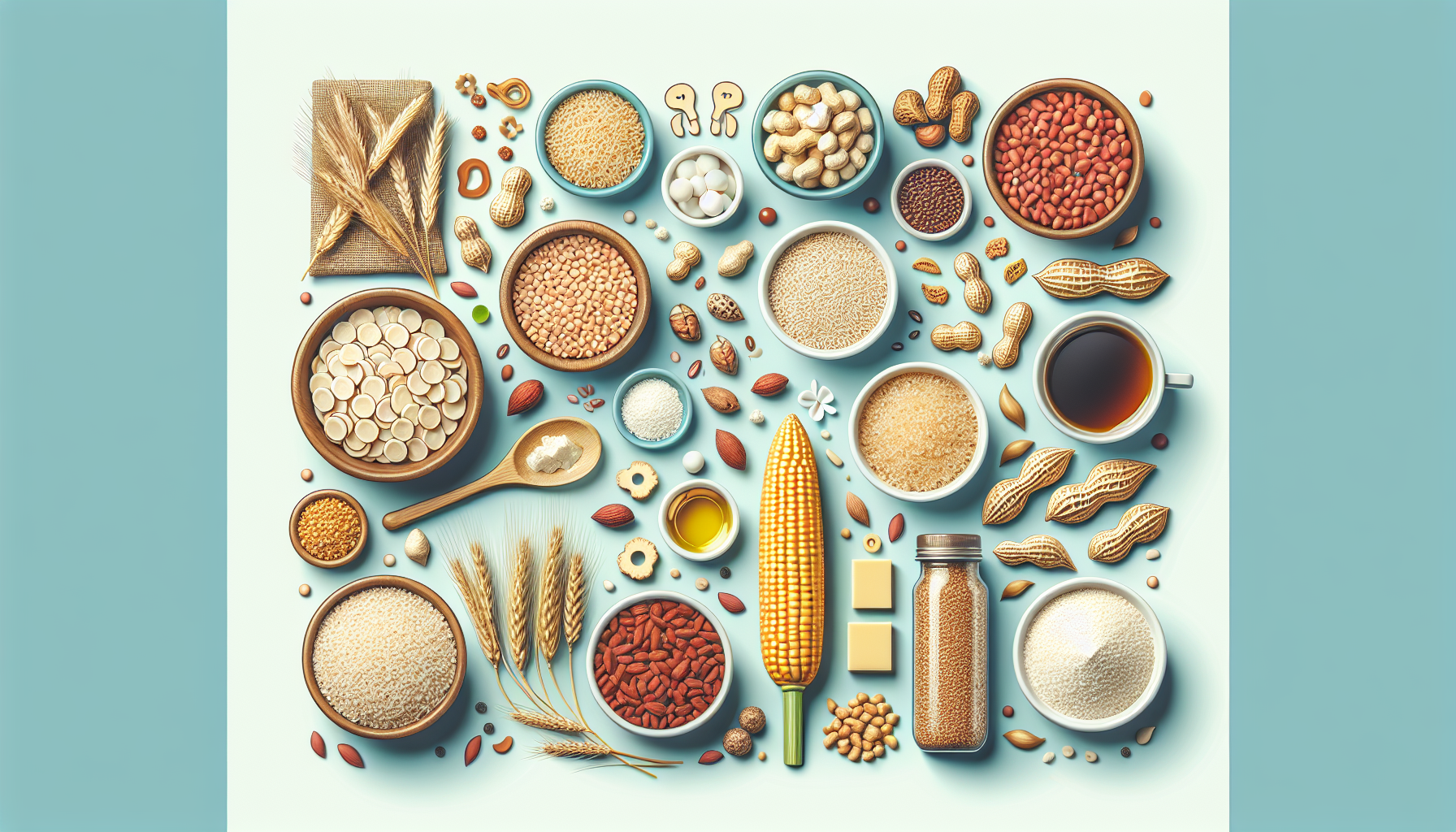
The low FODMAP diet targets five carbohydrate groups. Oligosaccharides include fructans and galacto-oligosaccharides, found in foods like wheat, rye, onions, garlic, lentils, and chickpeas. Disaccharides mainly refers to lactose in milk, soft cheese, and yogurt when lactase digestion is limited. Monosaccharides in this context means excess fructose relative to glucose, seen in honey, mango, and some sweeteners. Polyols are sugar alcohols such as sorbitol and mannitol, found naturally in some fruits and vegetables and added to sugar-free products. These compounds are not harmful in themselves; the issue is dose, absorption, and individual sensitivity.
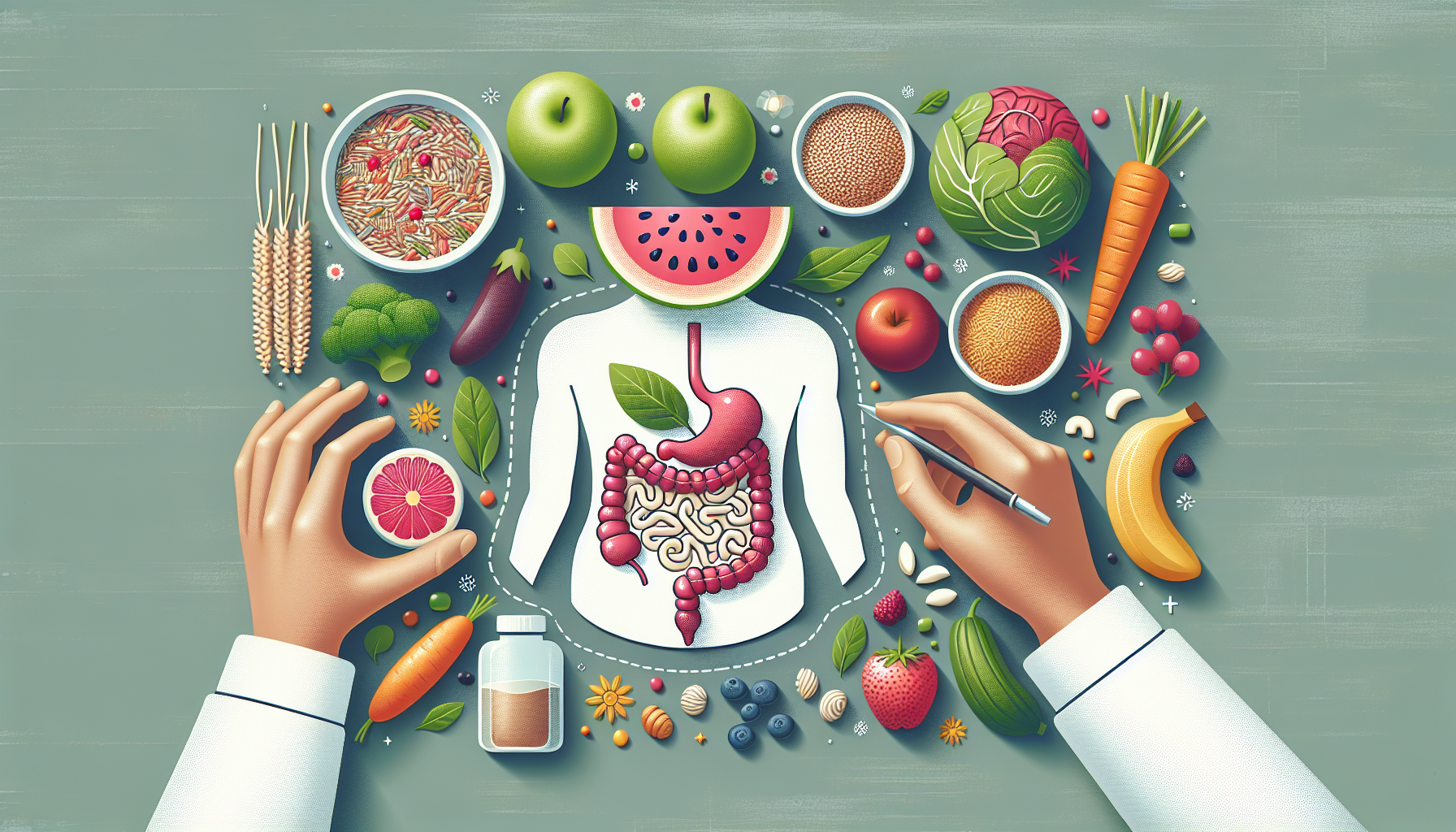
Symptoms occur through two main mechanisms. First, poorly absorbed carbohydrates increase osmotic load, drawing water into the small intestine. That can contribute to urgency or diarrhea. Second, bacteria in the colon ferment these carbohydrates, producing gases such as hydrogen and methane. In people with visceral hypersensitivity, a hallmark of IBS, normal amounts of gas or bowel distension can feel intensely uncomfortable. That is why one person can eat pasta with garlic bread and feel fine while another experiences cramps and bloating within hours.
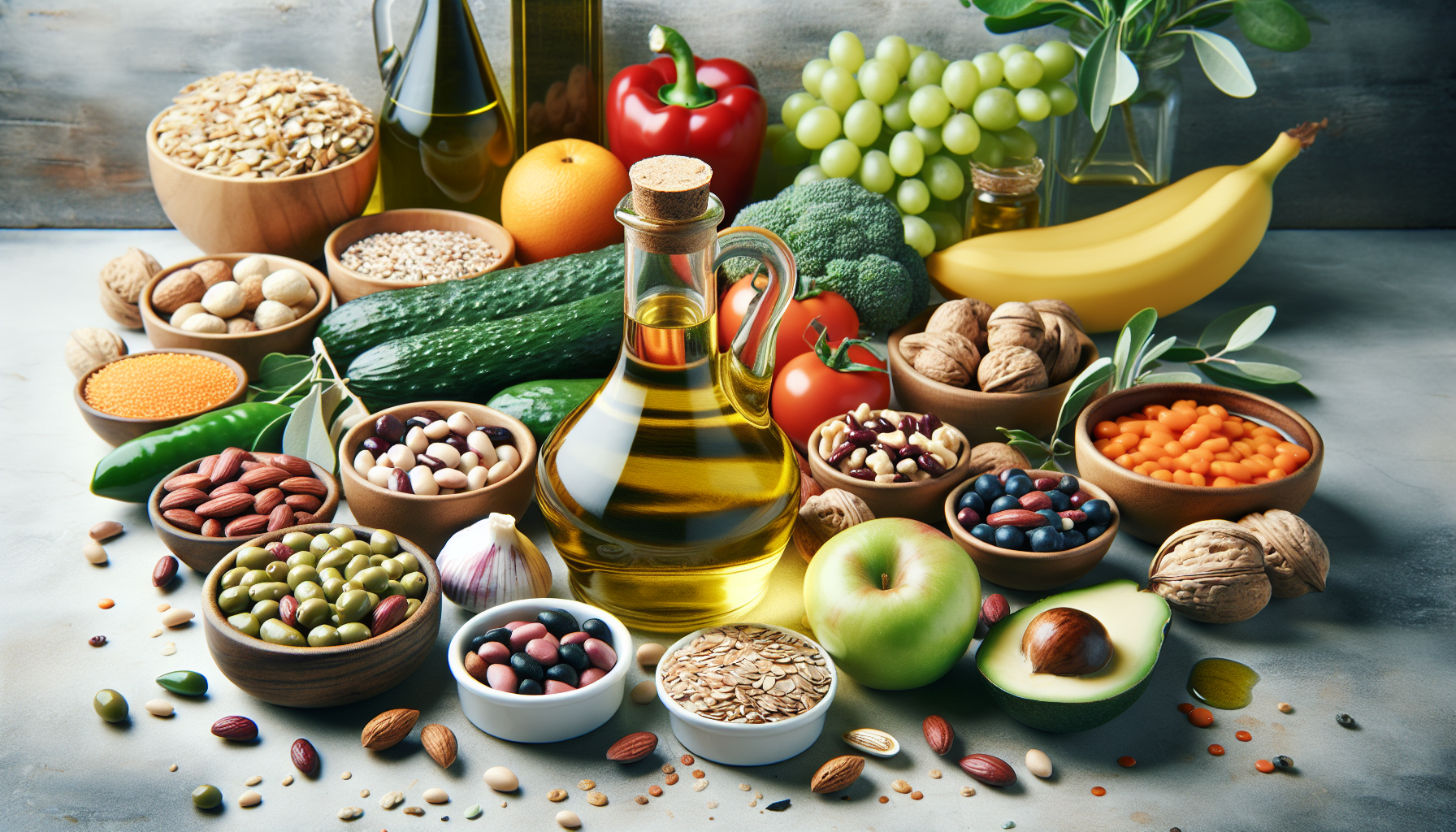
One common misunderstanding is that low FODMAP means low fiber or low carbohydrate. It does not. The diet changes the types and amounts of fermentable carbohydrates consumed, especially during the initial restriction phase. Rice, oats, potatoes, quinoa, firm bananas, kiwi, oranges, carrots, spinach, eggs, tofu, poultry, fish, hard cheeses, and lactose-free dairy can all fit. The goal is symptom reduction with nutritional adequacy, not broad avoidance of plant foods.
Another key point is that tolerance is dose dependent. Many foods are low FODMAP in small servings and high FODMAP in larger ones. For example, avocado may be tolerated in a small amount but becomes high in sorbitol as the portion increases. The same applies to almonds, sweet potato, and certain fruits. In clinical work, serving size is often the difference between “this food is safe” and “this food always bothers me.” Reliable portion guidance from evidence-based tools matters far more than internet food lists copied without context.
What science says about benefits for IBS, bloating, pain, and bowel habit changes
The strongest evidence for the low FODMAP diet is in irritable bowel syndrome. Randomized controlled trials and systematic reviews consistently show that it reduces global IBS symptoms in a substantial proportion of patients, often around 50 to 80 percent depending on the population studied, the comparison diet, and how outcomes are measured. The biggest improvements are typically seen in bloating, abdominal pain, excess gas, and diarrhea-predominant or mixed bowel patterns. These are not minor changes. In practice, many patients report the first meaningful relief they have felt in years once high-load triggers are removed systematically.
The reason the evidence is compelling is that symptom change follows the biology. Reduce the fermentable load, and there is generally less water retention in the bowel and less gas production from rapid fermentation. Several studies comparing a low FODMAP diet with standard dietary advice show greater short-term symptom relief with the low FODMAP approach, particularly in patients with pronounced post-meal bloating. At the same time, standard advice still helps some people, especially when meal timing, caffeine, alcohol, fat intake, and fiber imbalance are major contributors.
There is also evidence that the diet can improve quality of life. When abdominal symptoms decrease, people often sleep better, miss fewer workdays, and regain confidence in social eating. That matters clinically because IBS is associated with a high burden of healthcare use, testing, and food anxiety. Symptom control can reduce unnecessary restriction and constant symptom checking. However, the diet is not a cure for IBS. It manages one major trigger category. Stress, gut-brain interactions, pelvic floor dysfunction, gastroenteritis history, and motility changes can still play major roles.
For inflammatory bowel disease, endometriosis-related bowel symptoms, functional bloating, and some cases of suspected small intestinal bacterial overgrowth, low FODMAP principles may help selected patients with overlapping IBS-type symptoms. But the evidence is not as strong or universal as it is for IBS. That distinction matters. A person with celiac disease, inflammatory bowel disease flare, bile acid diarrhea, pancreatic insufficiency, or colon cancer symptoms should not self-diagnose with “food sensitivity” and stop there. Red-flag symptoms such as weight loss, bleeding, anemia, fever, or nocturnal diarrhea require medical evaluation before any elimination diet begins.
How the three phases work in real life
The low FODMAP diet is meant to be done in three phases: restriction, reintroduction, and personalization. The restriction phase usually lasts two to six weeks. During that period, high FODMAP foods are reduced enough to create a clear symptom baseline. If someone stays highly symptomatic while following the diet correctly, that is useful information; it suggests FODMAPs may not be the primary driver. If symptoms improve significantly, the next phase becomes essential.
Reintroduction is where the science becomes personally meaningful. Individual FODMAP groups are challenged one at a time using structured servings over several days. This reveals whether the person reacts mainly to lactose, fructans, excess fructose, galacto-oligosaccharides, or polyols, and at what dose. I often tell patients that the challenge phase is the entire point of the diet. Without it, the plan becomes an unnecessarily strict list of forbidden foods rather than a method for identifying personal tolerance thresholds.
Personalization is the long-term eating pattern built from those results. Most people do not need to avoid all high FODMAP foods forever. They may tolerate sourdough spelt bread but not onion, small portions of yogurt but not milk, or chickpeas in modest amounts but not large servings of lentil soup. That flexibility protects diet variety, social life, and microbiome support. It also makes the plan sustainable.
| Phase | Typical duration | Main goal | What success looks like |
|---|---|---|---|
| Restriction | 2 to 6 weeks | Reduce symptom-triggering FODMAP load | Noticeable drop in bloating, pain, gas, or bowel urgency |
| Reintroduction | 6 to 10 weeks | Test specific FODMAP groups and portions | Clear pattern of tolerated and poorly tolerated carbohydrates |
| Personalization | Long term | Expand the diet while controlling symptoms | Maximum food variety with minimum necessary restriction |
Implementation works best with practical systems: symptom diaries, meal templates, app-based portion guidance, and planned challenges rather than random food experiments. The Monash University app is widely considered the most reliable database for tested foods and serving sizes. Experienced dietitians also use label review to catch hidden inulin, chicory root fiber, high-fructose corn syrup, honey, and polyols in bars, sauces, and “gut healthy” processed foods that often derail progress.
Gut microbiome effects, nutritional tradeoffs, and who should use caution
One of the most important scientific nuances is that reducing FODMAP intake can improve symptoms while also lowering some beneficial prebiotic substrates in the short term. Fructans and galacto-oligosaccharides normally feed helpful bacteria, including Bifidobacteria. Studies have shown that a strict low FODMAP phase can reduce bifidobacterial abundance. That does not mean the diet is harmful when used correctly; it means the restriction phase should be temporary and followed by reintroduction and personalization to restore the broadest tolerated intake of fermentable fibers.
Nutritional adequacy is another real consideration. If people remove wheat, dairy, legumes, fruit, and vegetables without proper substitution, calcium, fiber, and overall diet diversity can suffer. This is especially common when the diet is learned from unverified social media lists. The answer is not to avoid the diet entirely but to apply it with precision. Lactose-free milk or fortified alternatives can replace standard milk. Low FODMAP fiber sources such as oats, chia, kiwi, potatoes, quinoa, and suitable vegetables can help maintain bowel regularity. For constipation-predominant IBS, fluid intake, soluble fiber strategies, and pelvic floor assessment may still be necessary.
Some groups should be cautious. Children, pregnant individuals, older adults with low appetite, people with eating disorders or significant food anxiety, and anyone already underweight need individualized supervision. In these populations, the risk of unnecessary restriction can outweigh the benefit of a do-it-yourself elimination phase. People with celiac disease must still follow a strict gluten-free diet; low FODMAP is not a substitute. Likewise, lactose intolerance may be handled with targeted lactose reduction alone rather than the full framework if symptoms and history point clearly in that direction.
Medication and lifestyle context also matter. Metformin, magnesium supplements, artificial sweeteners, alcohol, very high-fat meals, and large late-night meals can all provoke symptoms that mimic FODMAP intolerance. So can anxiety, rapid eating, and inadequate chewing. That is why the best outcomes come from a full assessment rather than a simple food list. A patient may improve by combining a modified low FODMAP plan with regular meals, reduced sorbitol-containing gum, better sleep, and treatment for coexisting reflux or constipation.
How to use this diet effectively as a long-term gut health strategy
The central lesson from the science is simple: the low FODMAP diet is most effective when used as a targeted, time-limited intervention that leads to a more personalized and varied long-term diet. Start with the right diagnosis, especially if symptoms are chronic. IBS can overlap with celiac disease, lactose malabsorption, pelvic floor disorders, bile acid diarrhea, and gynecologic conditions. Testing and clinical history shape whether low FODMAP is the right first move.
Then focus on execution quality. Use evidence-based food lists, pay attention to serving sizes, and challenge foods systematically. Build meals around tolerated staples rather than constantly searching for specialty products. A simple day might include oats with lactose-free yogurt and berries, a rice bowl with chicken and roasted vegetables, kiwi for a snack, and salmon with potatoes and green beans at dinner. That is not a niche “diet food” pattern; it is a normal eating pattern adjusted for carbohydrate tolerance.
Finally, remember the broader goal of gut health: predictable digestion, dietary adequacy, and less fear around food. The low FODMAP diet can deliver meaningful relief for many people with IBS, especially bloating and abdominal pain, but it works best when it leads to knowledge, not permanent avoidance. If gut symptoms are limiting daily life, work with a gastroenterologist or FODMAP-trained dietitian, use the three-phase process properly, and turn short-term restriction into long-term confidence at the table.
Frequently Asked Questions
What is the low FODMAP diet, and how does it support gut health?
The low FODMAP diet is a short-term, structured nutrition strategy designed to reduce certain carbohydrates that are known to trigger digestive symptoms in some people. FODMAP stands for fermentable oligosaccharides, disaccharides, monosaccharides, and polyols. These are naturally present in many everyday foods, including some fruits, vegetables, dairy products, grains, legumes, and sweeteners. In people who are sensitive to them, these carbohydrates may be poorly absorbed in the small intestine, draw extra water into the gut, and then get rapidly fermented by bacteria in the colon. That combination can contribute to bloating, abdominal pain, excess gas, diarrhea, constipation, or a mix of bowel habit changes.
From a gut health perspective, the key benefit of the low FODMAP diet is symptom control, particularly for people with irritable bowel syndrome, or IBS. Research has shown that reducing high-FODMAP foods can significantly improve common IBS symptoms in many patients. This does not mean FODMAPs are inherently unhealthy. In fact, many high-FODMAP foods are nutritious and can feed beneficial gut microbes. The issue is not that these foods are “bad,” but that some digestive systems handle them poorly. The low FODMAP diet helps identify which specific carbohydrates are problematic for an individual, making it a personalized tool rather than a lifelong restrictive eating plan.
Importantly, the diet is usually done in three phases: elimination, reintroduction, and personalization. The first phase temporarily reduces high-FODMAP foods to calm symptoms. The second systematically reintroduces FODMAP groups to test tolerance. The third builds a long-term eating pattern that includes as many foods as possible while minimizing symptoms. This phased approach matters because it aims to improve quality of life without unnecessarily restricting the diversity of the diet, which is also important for long-term gut health.
What does science say about the benefits of a low FODMAP diet for IBS and digestive symptoms?
The strongest scientific support for the low FODMAP diet is in the management of IBS symptoms. Clinical studies and systematic reviews have found that many people with IBS experience meaningful improvements in bloating, abdominal pain, gas, and overall symptom burden when following a properly implemented low FODMAP approach. It is one of the most researched dietary therapies for IBS and is widely recognized in gastroenterology as an evidence-based option, especially for patients whose symptoms have not improved with more general dietary changes.
One reason the diet is effective is that it targets mechanisms directly linked to symptom generation. FODMAPs can increase the amount of water in the intestines and promote fermentation by gut bacteria, which leads to gas production. In people with visceral hypersensitivity, a common feature of IBS, this normal digestive activity may cause disproportionate discomfort. By reducing the intake of the most problematic fermentable carbohydrates, the low FODMAP diet can lower intestinal distension and reduce the triggers that drive pain and bloating.
That said, science also shows some important limits. The diet does not “cure” IBS, and it does not work for everyone. IBS is a complex disorder influenced by gut motility, the gut-brain axis, stress, microbiome activity, and immune signaling, among other factors. For that reason, a low FODMAP diet is often most effective when it is part of a broader management plan that may also include stress reduction, sleep support, physical activity, medication when appropriate, and guidance from a registered dietitian. The evidence supports it as a symptom-management strategy, not a universal solution for every digestive complaint.
Is the low FODMAP diet good for the gut microbiome, or can it be too restrictive?
This is one of the most important and most misunderstood questions about the low FODMAP diet. The short answer is that it can help symptoms, but it should be used carefully because an overly strict or prolonged elimination phase may reduce intake of prebiotic fibers that normally nourish beneficial gut bacteria. Many high-FODMAP foods, such as certain legumes, onions, garlic, wheat, and some fruits, contain compounds that support microbial diversity. So while removing them may relieve symptoms in the short term, staying on a very limited version of the diet for too long could have downsides for the microbiome.
Research suggests that during the elimination phase, some people may experience changes in gut bacterial populations, including reductions in certain beneficial microbes. This is one reason experts emphasize that the low FODMAP diet is not intended to be followed in its strictest form indefinitely. The goal is to reduce symptoms first, then reintroduce foods strategically to expand the diet and preserve as much variety as possible. A well-conducted reintroduction phase helps identify personal triggers while allowing tolerated foods back onto the menu, which supports both nutritional adequacy and microbial health.
In practical terms, the best science-based approach is balance. If someone with IBS is suffering from frequent pain, bloating, or unpredictable bowel habits, short-term FODMAP restriction may be very helpful. But long-term gut health depends on more than symptom suppression alone. It also depends on dietary diversity, fiber quality, and sustainable eating habits. That is why expert guidance is so valuable: it helps people use the low FODMAP diet as a targeted diagnostic and management tool rather than turning it into an unnecessarily restrictive lifestyle.
Who should consider trying a low FODMAP diet, and who should be cautious?
The low FODMAP diet is most appropriate for people with IBS or IBS-like symptoms, especially when bloating, abdominal discomfort, excess gas, diarrhea, constipation, or alternating bowel habits seem to worsen after meals. It may also be considered in some cases of functional gastrointestinal disorders under medical supervision. However, it is generally not the first step for every person with digestive symptoms. Before starting, it is important to rule out other conditions that can mimic IBS, such as celiac disease, inflammatory bowel disease, lactose intolerance, small intestinal bacterial overgrowth in some cases, infections, or other gastrointestinal disorders.
People should be especially cautious if they have a history of disordered eating, are underweight, are pregnant, have complex medical conditions, or already follow multiple dietary restrictions. Because the low FODMAP diet can be challenging and limiting during the elimination phase, it may increase stress around food or make it harder to meet nutrient needs if done without support. Children and older adults should also follow it only with professional guidance, since their nutritional requirements may be more vulnerable to unnecessary restriction.
Working with a gastroenterologist or a dietitian trained in the low FODMAP approach is ideal. A clinician can help determine whether symptoms are consistent with IBS, whether more testing is needed, and how to implement the diet correctly. That matters because many people self-diagnose, cut out far more foods than necessary, or stay in the elimination phase too long. Science supports the low FODMAP diet best when it is targeted, time-limited, and individualized, not when it is used broadly without proper assessment.
How long should someone follow a low FODMAP diet, and what does the reintroduction phase involve?
The strict elimination phase of the low FODMAP diet is usually short, often around two to six weeks, depending on symptom response and the guidance of a healthcare professional. If symptoms improve during that period, the next step is not to remain on the elimination phase forever. Instead, the process should move into reintroduction, which is where much of the diet’s long-term value comes from. Reintroduction helps identify which FODMAP groups are tolerated, which trigger symptoms, and in what amounts. This turns the diet from a broad restriction plan into a more personalized, sustainable eating pattern.
During reintroduction, foods containing specific FODMAP categories are tested one at a time in a structured way. For example, a person might trial foods higher in lactose on one week, then foods rich in fructans or polyols at another time, while monitoring symptoms carefully. This process can reveal that someone does not react to all FODMAPs equally. In fact, many people discover they only need to limit one or two categories, or only need to watch portion sizes rather than completely avoid a food. That is an important scientific and practical point: tolerance is often dose-dependent, and individual variation is the rule, not the exception.
The final personalization phase is meant to support both symptom control and overall gut health. Once triggers are identified, tolerated foods are added back in to broaden the diet as much as possible. This helps improve nutritional adequacy, supports a more varied gut microbiome, and makes eating socially and emotionally easier to sustain. In other words, the success of the low FODMAP diet is not measured by how many foods are removed, but by how effectively it helps someone create the least restrictive diet that still keeps symptoms manageable.