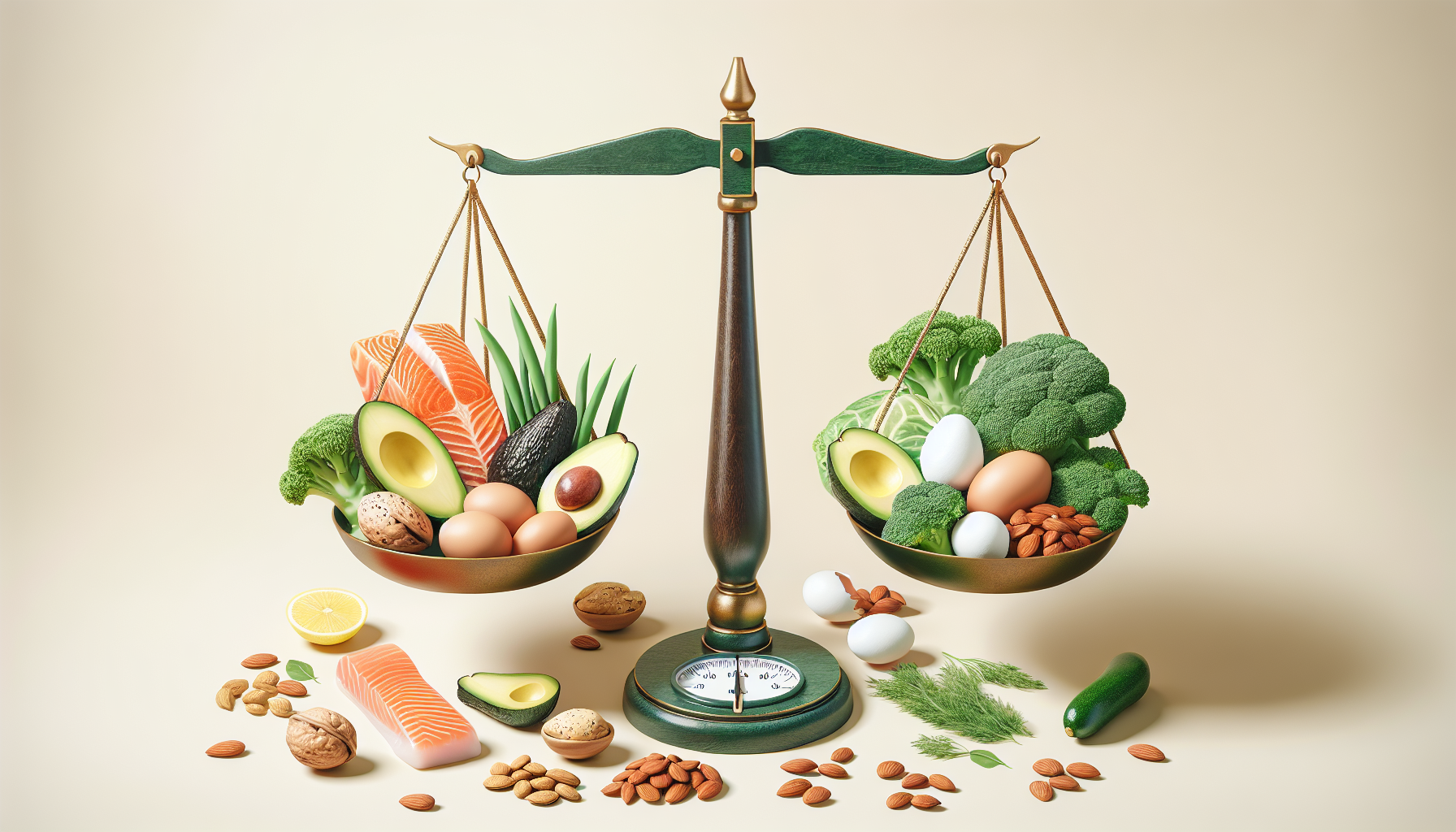
Ketogenic and low-carb diets have moved from niche clinical tools to mainstream strategies for weight management, blood sugar control, and metabolic health, yet the terms are often used loosely and confused with one another. A low-carb diet generally reduces carbohydrate intake below the level typical in modern eating patterns, often to roughly 50 to 130 grams per day, while a ketogenic diet restricts carbohydrates much further, usually to about 20 to 50 grams of net carbs daily, so the body produces ketones as an alternative fuel. That distinction matters because the expected benefits, side effects, food choices, and monitoring needs are not identical. After years of helping clients implement both approaches, I have seen the same pattern repeatedly: people succeed when they understand the mechanism, match the diet to their goal, and build meals around nutrient-dense foods instead of simply cutting bread and hoping for results.
The core idea is metabolic flexibility. Carbohydrates are broken down into glucose, the body’s preferred quick fuel. When carbohydrate intake drops, insulin levels typically fall, glycogen stores decline, and the liver increases fat oxidation. In a ketogenic state, the liver converts fatty acids into ketone bodies, mainly beta-hydroxybutyrate and acetoacetate, which can fuel the brain and other tissues. Low-carb diets may or may not reach nutritional ketosis, but they still often reduce post-meal glucose spikes, curb appetite, and simplify calorie control. This matters because excess refined carbohydrate intake, especially in highly processed foods, is associated with weight gain, poor glycemic control, and elevated triglycerides in many adults.
Interest in these diets is not driven only by trends. Physicians have used ketogenic therapy for drug-resistant epilepsy for a century, and modern research supports low-carb approaches for type 2 diabetes management, weight loss, and triglyceride reduction in selected populations. At the same time, these diets are not magic and they are not automatically healthy. A plate of processed meat and butter coffee is low in carbs, but it is not equivalent to a meal built from salmon, olive oil, eggs, leafy greens, avocado, nuts, and fermented vegetables. To maximize your health with ketogenic and low-carb diets, you need to understand food quality, electrolyte balance, protein intake, sustainability, and who should use caution. This hub article covers the definitions, benefits, risks, meal structure, and practical decisions that help you use these diets well.
How ketogenic and low-carb diets work in the body
The main difference between standard eating patterns and carbohydrate-restricted diets is the hormonal environment they create. High carbohydrate intake, particularly from refined grains and sugary foods, tends to produce higher insulin responses. Insulin helps move glucose into cells, but when intake is frequent and energy balance is excessive, some people develop insulin resistance. Reducing carbohydrates often lowers average insulin exposure, which can improve access to stored body fat and reduce swings in hunger and energy. This is one reason many people report fewer cravings on a well-formulated low-carb plan.
Ketogenic diets go a step further. By sharply limiting carbohydrate and keeping protein at a moderate level, they encourage sustained ketone production. Nutritional ketosis is commonly measured with blood beta-hydroxybutyrate levels of about 0.5 to 3.0 mmol/L. Reaching that state usually requires consistency, because hidden carbohydrates, frequent snacking, or excess protein can reduce ketone levels in some individuals. In practice, ketogenic diets often derive around 70 to 80 percent of calories from fat, 15 to 25 percent from protein, and 5 to 10 percent from carbohydrate, though exact ratios vary by person, goal, and activity level.
Low-carb diets are broader and more flexible. Someone eating 75 to 100 grams of carbs per day may not produce many ketones, yet can still lose weight, improve fasting glucose, and lower triglycerides if the diet reduces ultra-processed foods and total calorie intake. This flexibility is often useful for athletes, people with higher protein needs, or those who want better long-term adherence. In my work, the best outcomes usually come from choosing the least restrictive version that still produces the desired result.
Potential health benefits supported by evidence
Weight loss is the most common reason people try low-carb or ketogenic diets, and the evidence shows they can work well, especially over the first six to twelve months. Part of the early drop on the scale comes from water loss as glycogen stores shrink, but fat loss can follow when appetite decreases and calorie intake falls. Many people find protein- and fat-based meals more satiating than cereal, toast, juice, or snack foods, which makes it easier to maintain an energy deficit without constant hunger. Several randomized trials have shown low-carb diets performing as well as, or better than, low-fat diets for short- to medium-term weight loss.
Blood sugar control is another major benefit. For people with prediabetes or type 2 diabetes, fewer carbohydrates usually means lower postprandial glucose excursions and reduced need for glucose-lowering medication, though medication changes must be supervised by a clinician. Virta Health’s well-known clinical work reported improvements in glycemic control, body weight, and medication use among adults following a ketogenic intervention. Triglycerides often fall substantially, HDL cholesterol frequently rises, and markers of fatty liver may improve when carbohydrate restriction leads to reduced liver fat.
There are also condition-specific applications. Ketogenic diets remain an established therapy for refractory epilepsy. Emerging evidence is exploring roles in polycystic ovary syndrome, neurological conditions, and appetite regulation, though these areas require more long-term data. The key point is that benefits are most likely when the diet is targeted, monitored, and built around whole foods rather than marketed products labeled keto.
Choosing between ketogenic and moderate low-carb approaches
The right approach depends on your health status, goals, preferences, and tolerance for restriction. If your primary goal is therapeutic ketosis for seizure management or a tightly controlled approach to type 2 diabetes under medical supervision, ketogenic eating may be appropriate. If you want steady weight loss, fewer cravings, and more stable energy without counting every gram, a moderate low-carb plan is often easier to sustain. Many people do best starting with a broader low-carb framework, then tightening carbohydrate intake only if progress stalls or a specific medical goal requires it.
Protein needs are central to this decision. People trying to preserve muscle mass during weight loss, older adults, and those who strength train usually need deliberate protein targets, often around 1.2 to 1.6 grams per kilogram of reference body weight, sometimes more. Overemphasizing dietary fat while under-eating protein is a common keto mistake that leaves people fatigued and less satisfied. A practical rule is to set protein first, choose non-starchy vegetables liberally, then add fats such as olive oil, avocado, nuts, seeds, eggs, and fatty fish to match energy needs.
| Approach | Typical carb intake | Best fit | Main watchouts |
|---|---|---|---|
| Ketogenic | 20 to 50 grams net carbs daily | Therapeutic use, strong appetite control, tighter glucose management | Electrolytes, constipation, social restriction, medication adjustment |
| Moderate low-carb | 50 to 130 grams carbs daily | Weight loss, metabolic health, easier long-term adherence | Portion creep, hidden sugars, inconsistent intake |
| Targeted low-carb | Low-carb baseline with carbs around exercise | Active people needing training performance support | Overestimating exercise needs, reverting to high-carb snacking |
This comparison matters because sustainability predicts results more reliably than intensity. The best diet is the one you can execute consistently while meeting nutrition needs and preserving quality of life.
What to eat: food quality, meal building, and nutrient density
A well-formulated ketogenic or low-carb diet is built on real food. The foundation should include non-starchy vegetables such as spinach, broccoli, cauliflower, zucchini, mushrooms, peppers, asparagus, and salad greens; protein sources such as eggs, Greek yogurt, cottage cheese, tofu, tempeh, poultry, beef, seafood, and pork; and fats from olive oil, olives, avocado, nuts, seeds, butter in moderation, and full-fat dairy if tolerated. Fatty fish like salmon, sardines, trout, and mackerel are particularly valuable because they supply omega-3 fats, protein, vitamin D, selenium, and B vitamins.
Meal construction should be simple. A breakfast might be eggs with spinach, mushrooms, and feta cooked in olive oil. Lunch could be grilled chicken over a large salad with avocado, cucumber, pumpkin seeds, and vinaigrette. Dinner might be salmon with roasted cauliflower and a tahini sauce. For moderate low-carb eating, you can add berries, beans, lentils, or a small serving of sweet potato depending on your carb budget and glucose response. This is where low-carb diets become practical rather than ideological: carbohydrates are adjusted strategically, not feared universally.
Fiber deserves special attention. One of the strongest criticisms of low-carb diets is that people cut carbohydrates by removing fruit, legumes, and whole grains but fail to replace the lost fiber. That creates constipation, poorer microbiome diversity, and lower satiety. The fix is straightforward: prioritize vegetables, nuts, seeds, chia, flax, avocado, and lower-sugar fruits where appropriate. Fermented foods such as kefir, unsweetened yogurt, sauerkraut, and kimchi can also support gastrointestinal health, though carb content should be checked on labels.
Common side effects, risks, and who needs caution
The first week of carbohydrate restriction often brings fatigue, headache, lightheadedness, cramps, and irritability, commonly called the keto flu. In most cases, this is not a true infection but a response to glycogen depletion, water loss, and sodium excretion. Increasing fluids, sodium, potassium, and magnesium usually helps. Broth, mineral-rich foods, and clinician-approved electrolyte supplements can ease the transition. Constipation is also common when vegetable intake and hydration are too low.
Not everyone should start these diets without guidance. People taking insulin or sulfonylureas can develop hypoglycemia if carbohydrate intake drops and medications are not adjusted. Those using SGLT2 inhibitors need special caution because of the risk of euglycemic ketoacidosis. Pregnant or breastfeeding women, people with a history of eating disorders, advanced kidney disease, pancreatitis, certain liver disorders, or rare fatty acid oxidation disorders should seek individualized medical advice. If LDL cholesterol rises sharply on a ketogenic diet, especially in lean hyper-responders, lipid management should be reviewed with a qualified clinician rather than ignored.
Long-term risk is less about carbohydrate reduction itself and more about diet quality. A low-carb pattern based on processed meats, poor fiber intake, and minimal plant foods is not a health-promoting plan. A low-carb pattern based on minimally processed proteins, unsaturated fats, vegetables, and adequate micronutrients can be effective and cardiometabolically sound for many people.
How to start, track progress, and make the diet sustainable
Start with a clear reason. If your goal is weight loss, define a realistic rate of loss and track waist circumference, body weight trend, energy, hunger, and adherence. If your goal is blood sugar control, monitor fasting glucose, post-meal responses, HbA1c over time, and medication needs with your clinician. People pursuing ketosis can use blood ketone meters for precision, though urine strips may be useful early on and less reliable later. Tracking should answer a question, not become a source of stress.
A practical transition begins by removing sugar-sweetened beverages, refined snacks, dessert habits, and oversized starch portions. Next, build each meal around protein and vegetables, then adjust fats and carbohydrates based on response. Batch-cooking helps: roast a tray of chicken thighs, prepare a large salad base, boil eggs, cook burger patties, and keep canned fish, olives, and frozen vegetables on hand. Restaurants are manageable when you choose grilled proteins, salad, non-starchy vegetables, and simple substitutions like extra greens instead of fries.
Sustainability also requires flexibility. Some people maintain a ketogenic plan year-round. Others use a lower-carb baseline and increase whole-food carbohydrates during heavy training blocks, travel, or maintenance phases. There is no prize for maximal restriction if moderate restriction delivers the same clinical result. The winning strategy is the one you can repeat without feeling trapped.
Ketogenic and low-carb diets can be powerful tools for improving body weight, appetite control, blood sugar management, and triglycerides when they are used with precision and grounded in whole-food nutrition. The central lesson is simple: carbohydrate reduction works best when it is paired with adequate protein, plenty of non-starchy vegetables, healthy fats, and attention to electrolytes, fiber, and medical context. Ketogenic diets are the more restrictive option and are most useful when nutritional ketosis itself is the goal. Moderate low-carb diets offer more flexibility and often enough benefit for long-term success.
These diets are not one-size-fits-all, and they are not excuses to ignore food quality. The healthiest version emphasizes minimally processed foods, thoughtful meal planning, and objective tracking rather than branded keto products or rigid online rules. If you have diabetes, take glucose-lowering medication, or have a complex medical history, involve your healthcare team before making major carbohydrate changes. If you are generally healthy, begin with a clear goal, choose the least restrictive approach that can achieve it, and give your body time to adapt.
Use this hub as your starting point for exploring ketogenic and low-carb diets in depth, then build a plan that fits your physiology, schedule, and preferences. Done well, carbohydrate restriction can simplify eating and improve metabolic health. Start with your next meal: prioritize protein, add vegetables, choose healthy fats, and reduce the refined carbs that do the least for your health.
Frequently Asked Questions
What is the difference between a ketogenic diet and a low-carb diet?
The main difference is how far carbohydrates are reduced and what metabolic effect that reduction is intended to create. A low-carb diet is a broad category that usually means eating fewer carbohydrates than a standard modern diet, often somewhere in the range of about 50 to 130 grams of carbs per day. This approach can help reduce blood sugar swings, lower appetite for some people, and support weight management without necessarily changing the body’s primary fuel source. A ketogenic diet is much more specific. It typically limits net carbs to around 20 to 50 grams per day so the body begins producing ketones and shifts into a state called ketosis, where fat becomes a major fuel source.
In practical terms, every ketogenic diet is low-carb, but not every low-carb diet is ketogenic. Someone following a general low-carb plan may still include moderate portions of fruit, beans, or whole grains, while someone eating keto usually has to be much stricter and prioritize foods that make ketosis easier to maintain. The best choice depends on your goals, preferences, and health status. If you want more flexibility and long-term simplicity, a low-carb approach may feel more sustainable. If your goal is a deeper metabolic shift, more consistent appetite control, or a more therapeutic strategy for blood sugar or weight loss under professional guidance, a ketogenic diet may be more appropriate.
Can ketogenic and low-carb diets really help with weight loss and metabolic health?
Yes, for many people they can be highly effective, especially when they replace a pattern of eating built around refined carbohydrates, sugary drinks, and frequent snacking. One reason these diets often work well for weight loss is that lowering carbohydrate intake tends to reduce insulin demand and may make it easier for the body to access stored fat. Many people also notice that meals built around protein, healthy fats, and fiber-rich vegetables are more filling, which naturally reduces overall calorie intake without constant hunger. That combination can make adherence easier than traditional low-fat dieting for some individuals.
Beyond body weight, low-carb and ketogenic diets may offer meaningful metabolic benefits. They can improve blood sugar control, reduce post-meal glucose spikes, lower triglycerides, and often raise HDL cholesterol. Some people also see improvements in waist circumference, energy stability, and cravings. That said, individual responses vary. Not everyone experiences the same rate of weight loss, and health markers should be monitored over time rather than judged by a few days or weeks. The quality of food choices also matters. A diet based on eggs, fish, olive oil, non-starchy vegetables, nuts, seeds, and minimally processed foods is very different from a “low-carb” diet filled with processed meats, low-carb desserts, and packaged snacks. The most successful approach is one that improves both your lab values and your daily habits in a way you can maintain.
What foods should you eat on a ketogenic or low-carb diet, and which foods should you limit?
Both approaches emphasize whole, satisfying foods that are naturally lower in carbohydrates and richer in protein, healthy fats, and micronutrients. Good staples include meat, poultry, fish, eggs, full-fat unsweetened dairy if tolerated, tofu or tempeh for some eaters, nuts, seeds, avocados, olives, and plenty of non-starchy vegetables such as leafy greens, broccoli, cauliflower, zucchini, peppers, asparagus, and mushrooms. Healthy fat sources like olive oil, avocado oil, butter, and coconut products are commonly used, particularly on keto where fat intake is usually higher. Low-carb diets may also allow somewhat larger portions of berries, yogurt, legumes, or even small servings of whole grains depending on carb targets.
The foods most commonly limited are sugar, sweetened beverages, candy, pastries, white bread, most cereals, chips, and heavily refined snack foods. Starchy foods such as rice, potatoes, corn, pasta, and large amounts of bread are often reduced sharply, and on a ketogenic diet they are usually minimized almost entirely. Fruit intake also differs by approach: low-carb eaters may have room for moderate fruit portions, while keto followers typically choose lower-sugar options in small amounts, such as berries. The key is not just cutting carbs randomly, but replacing them intelligently. Building meals around a protein source, adding non-starchy vegetables, and then adjusting fats based on hunger and goals is often the simplest and most effective strategy.
Are there side effects or risks to be aware of when starting a ketogenic or low-carb diet?
There can be, especially during the transition period. When carbohydrate intake drops quickly, the body sheds water and sodium, which is why some people experience fatigue, headaches, dizziness, irritability, muscle cramps, or brain fog in the first several days. This is often referred to as the “keto flu,” though it is usually temporary and often improved by getting enough fluids, sodium, potassium, magnesium, and overall calories. Constipation can also occur if people cut carbs but forget to replace processed foods with fiber-rich vegetables, seeds, and adequate hydration. In many cases, a gradual reduction in carbs rather than an abrupt drop can make the adjustment easier.
Longer term, the biggest concerns usually come from poor diet quality, unrealistic restriction, or lack of medical oversight in people with existing conditions. Anyone taking medication for diabetes or high blood pressure should speak with a qualified healthcare professional before making major changes, because blood sugar and blood pressure can improve quickly enough that medication doses may need adjustment. People with certain medical conditions, a history of disordered eating, pregnancy-related nutritional needs, or specialized kidney, liver, or pancreatic concerns may require a modified plan or a different approach entirely. A well-formulated low-carb or ketogenic diet can be safe for many adults, but it should still be personalized, nutrient-aware, and monitored if you have significant health issues.
How can you make a ketogenic or low-carb diet sustainable over the long term?
Sustainability comes from matching the diet to your life rather than trying to force your life around the diet. Start by being clear about your goal. If you want weight loss, improved blood sugar, better appetite control, or more stable energy, choose the level of carbohydrate restriction that gives you those benefits with the least friction. Many people do well with a moderate low-carb pattern because it allows more flexibility for social meals, exercise, travel, and family routines. Others feel best on a stricter ketogenic plan for a period of time and later transition to a less restrictive low-carb approach once they have reached key health goals.
Meal simplicity is also important. Build a reliable rotation of breakfasts, lunches, dinners, and snacks that you genuinely enjoy. Keep easy staples on hand, such as eggs, canned fish, Greek yogurt, rotisserie chicken, salad greens, frozen vegetables, nuts, and simple fats like olive oil. Learn to read labels, especially for added sugars and hidden starches in sauces and packaged foods. It also helps to track outcomes that matter, including hunger, energy, sleep, waist measurement, blood sugar if relevant, and lab markers over time. Most importantly, avoid all-or-nothing thinking. One higher-carb meal does not erase progress. The healthiest version of ketogenic or low-carb eating is one that improves your markers, fits your preferences, and can be practiced consistently enough to support long-term health.