Paleo and ancestral eating offer a practical framework for building a balanced diet around whole foods, nutrient density, and human biology. At its core, paleo eating emphasizes foods that humans have eaten for most of our evolutionary history: meat, fish, eggs, vegetables, fruit, nuts, seeds, and natural fats. Ancestral eating is slightly broader. It includes the same foundation but also respects traditional foodways, regional variation, preparation methods like fermentation and slow cooking, and the idea that health improves when modern ultra-processed foods are reduced. When people ask why paleo and ancestral eating matter, the short answer is simple: they help many people eat more protein, more fiber, more micronutrients, and fewer industrial ingredients without needing to count every calorie.
I have worked with clients who arrived exhausted by rigid meal plans and conflicting nutrition advice. The common pattern was not a lack of discipline; it was a food environment built around refined grains, sugar, seed-oil-heavy packaged snacks, and low-satiety meals. When we shifted their diets toward ancestral principles, their grocery lists became shorter, their meals became more satisfying, and their nutrient intake usually improved quickly. That does not mean paleo is magic or that every traditional population ate the same way. It means that using an evolutionary and historical lens often leads to better food choices than following trends built around convenience and aggressive marketing.
A balanced diet means more than hitting calories or avoiding one villain ingredient. It means consuming adequate protein for muscle and metabolic health, enough healthy fats for hormones and brain function, sufficient carbohydrates from quality sources when needed, and a broad range of vitamins, minerals, and phytonutrients. It also means choosing foods that support blood sugar control, digestive health, and long-term adherence. Paleo and ancestral eating support those goals because they center food quality first. Instead of asking whether a product fits a macro target, this approach asks whether the food is recognizable, minimally processed, nutrient-rich, and compatible with human physiology.
That matters because diet-related disease is driven less by isolated nutrients and more by dietary patterns. Research published in journals such as The Lancet and JAMA consistently links high intakes of ultra-processed foods with obesity, type 2 diabetes, cardiovascular risk, and excess energy intake. By contrast, diets rich in whole foods, lean and fatty proteins, produce, and minimally refined ingredients are associated with better cardiometabolic outcomes. Paleo and ancestral eating are useful hub concepts because they connect many related topics: nutrient density, gut health, food quality, meal timing, blood sugar, sustainable sourcing, and the role of traditional diets in modern health.
What Paleo and Ancestral Eating Actually Mean
Paleo eating is often reduced to “eat like a caveman,” but that slogan is too simplistic to be useful. In practice, a modern paleo diet prioritizes animal protein, seafood, vegetables, fruit, roots and tubers, nuts, seeds, herbs, spices, and minimally processed fats such as olive oil, avocado oil, coconut, tallow, or ghee depending on individual tolerance. It typically excludes or limits ultra-processed foods, refined sugar, most industrial snack foods, and often grains, legumes, and dairy. The reason is not nostalgia. The reason is that these exclusions can help people remove common sources of excess calories, poor glycemic control, digestive issues, and low nutrient density.
Ancestral eating is more flexible and, in my view, more useful as a long-term model. It recognizes that healthy traditional diets have existed on every continent. Mediterranean communities used olive oil, fish, vegetables, and fermented dairy. Arctic populations relied heavily on animal foods and seafood. Some East African groups included milk, meat, and blood. Many societies ate legumes or properly prepared grains, but not in the highly refined, hyper-palatable forms common today. This broader perspective keeps the focus where it belongs: food quality, preparation, seasonality, and metabolic response. It avoids turning paleo into a list of internet-approved ingredients.
A key concept here is evolutionary mismatch. Human physiology developed in environments where food was seasonal, meals required effort, and calories came packaged with fiber, protein, and micronutrients. Today, the default diet is dominated by foods engineered for shelf life and overconsumption. An ancestral framework helps correct that mismatch. It encourages eating foods that promote satiety, chewing, stable energy, and digestive resilience. For many people, that alone is enough to improve weight management and appetite regulation without strict dieting.
Why This Approach Creates a More Balanced Diet
The biggest nutritional strength of paleo and ancestral eating is nutrient density. A steak, salmon fillet, sardines, eggs, liver, sweet potatoes, berries, spinach, and pumpkin seeds deliver protein, iron, zinc, vitamin B12, omega-3 fats, potassium, folate, magnesium, and antioxidants in forms the body uses efficiently. Compare that with a typical processed breakfast cereal and granola bar. Even when fortified, processed products rarely provide the same satiety or mineral quality. A balanced diet improves when meals are built from foods that naturally contain the nutrients humans need rather than relying on enrichment to patch nutritional gaps.
Protein is especially important. Many adults under-consume it at breakfast and lunch, then overeat snack foods later. Paleo-style meals usually fix this by making protein central. Adequate protein supports muscle protein synthesis, recovery, blood sugar stability, and fullness. In practical terms, that means a breakfast of eggs, vegetables, and fruit will usually sustain energy better than toast and juice. A lunch built around chicken thighs, roasted vegetables, and olive oil is more filling than a low-protein sandwich and chips. Balanced diets are easier to maintain when meals control hunger instead of stimulating it.
Food quality also affects blood sugar and insulin response. Paleo and ancestral diets typically remove sugary drinks, refined flour products, and many packaged foods with a high glycemic load. That can reduce energy crashes and improve appetite control. It does not require eliminating all carbohydrates. In fact, many people do well with potatoes, sweet potatoes, squash, fruit, and even white rice in some ancestral templates depending on activity level and tolerance. The point is to choose carbohydrate sources that fit a person’s metabolism and are not carrying a long list of additives, emulsifiers, and seed-oil-heavy flavor coatings.
Digestive health is another reason this approach supports balance. Vegetables, fruit, herbs, spices, fermented foods, collagen-rich broths, and diverse whole foods can support a healthier gut environment. Some people also notice fewer symptoms when they reduce highly refined wheat products or heavily processed legumes. That said, there is no requirement to fear every grain or bean forever. The better principle is to identify what supports digestion, energy, and lab markers in the real world. Ancestral eating is strongest when it stays evidence-informed and individualized.
Core Foods, Food Quality, and What to Limit
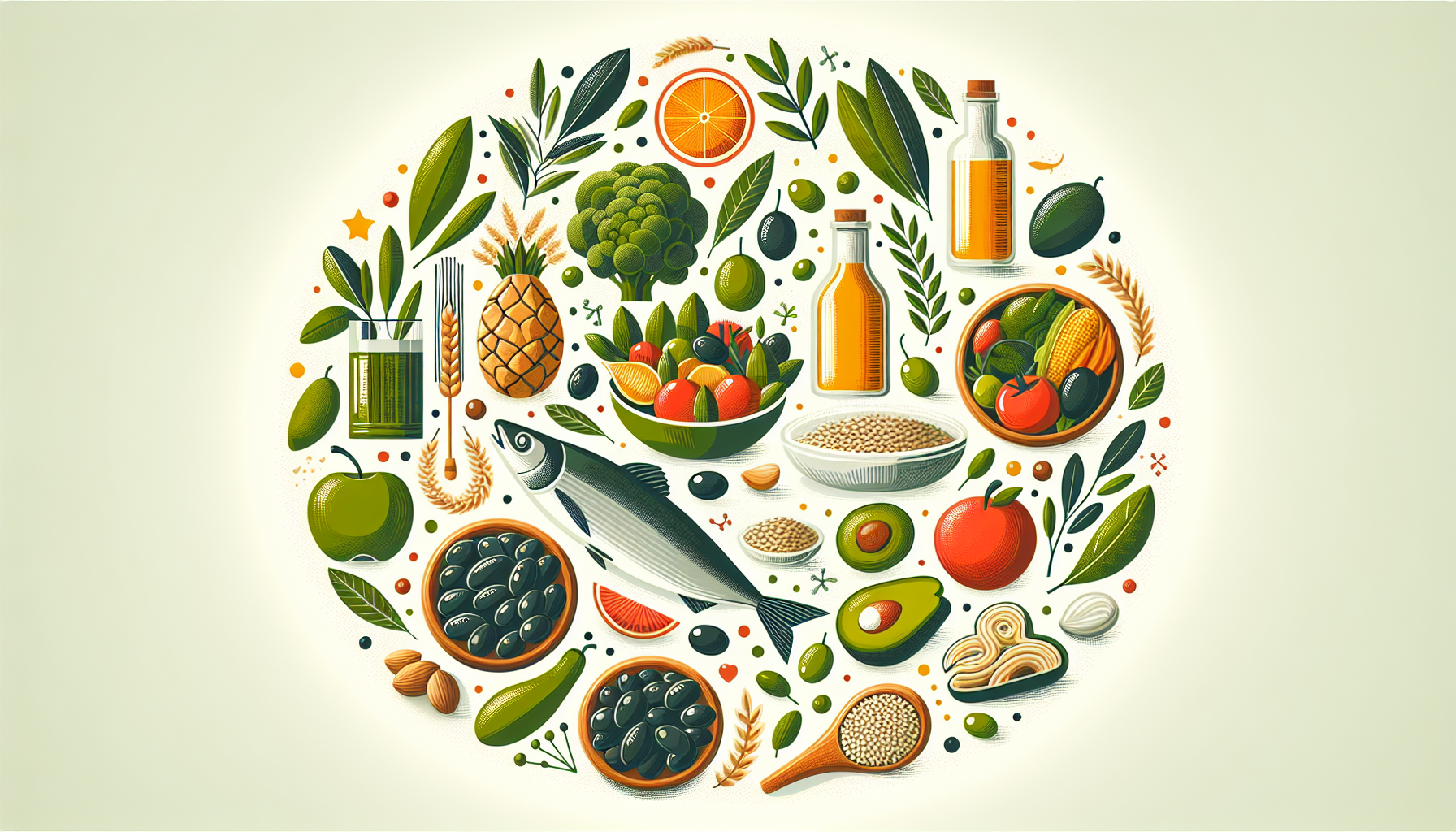
The best paleo and ancestral diets are built around a short list of staple categories. Animal proteins include beef, lamb, poultry, pork, eggs, shellfish, white fish, and oily fish such as salmon, sardines, mackerel, and trout. Plant foods include leafy greens, cruciferous vegetables, onions, mushrooms, peppers, carrots, beets, berries, citrus, apples, bananas, roots, tubers, and fresh herbs. Fats come from whole foods and stable cooking sources: olives, avocados, coconut, butter or ghee for those who tolerate dairy, and traditional animal fats used appropriately. The emphasis is variety because micronutrient diversity matters.
Quality matters as much as category. Wild-caught fish can improve omega-3 intake. Pasture-raised eggs often provide a better fatty acid profile than standard eggs. Slow-cooked tougher cuts can be more affordable while adding connective tissue and collagen. Seasonal produce usually tastes better and encourages rotation. Traditional preparation methods also matter. Fermenting vegetables, soaking some nuts, making stock from bones, and cooking starches properly all improve digestibility and nutrient use. These are not romantic extras. They are practical techniques that made traditional diets work before packaged food replaced kitchen skills.
What should be limited? Start with foods that reliably displace better options: sugar-sweetened beverages, pastries, refined breakfast cereals, packaged desserts, deep-fried fast food, and ultra-processed snack products. Many people also benefit from reducing refined seed-oil-heavy foods because these products tend to combine industrial fats, starch, flavorings, and salt in ways that drive overeating. This does not mean every bottle of canola or sunflower oil is toxic in isolation. It means the overall dietary pattern built around fried and packaged foods is usually the real problem.
| Food group | Best ancestral choices | Why they help balance |
|---|---|---|
| Protein | Eggs, fish, beef, poultry, shellfish | Support satiety, muscle, iron, B12, zinc |
| Carbohydrates | Fruit, potatoes, sweet potatoes, squash | Provide fiber, potassium, steady energy |
| Fats | Olives, avocado, coconut, ghee, tallow | Improve meal satisfaction and cooking stability |
| Micronutrient-dense extras | Liver, sardines, broth, fermented vegetables | Add vitamin A, omega-3s, minerals, probiotics |
| Foods to limit | Soda, pastries, chips, fast food | Lower nutrient density and encourage overconsumption |
Common Questions, Misconceptions, and Real-World Flexibility
One common question is whether paleo and ancestral eating are too restrictive for a balanced diet. They can be if applied as ideology rather than method. I have seen people become needlessly anxious about tomatoes in sauce, white rice at a family dinner, or yogurt that clearly agrees with them. That misses the point. The most effective version removes low-value processed foods first, then tests optional foods based on digestion, performance, labs, and sustainability. Some people thrive with fermented dairy. Athletes may use more starch. Others with autoimmune or gastrointestinal symptoms may need a stricter elimination phase temporarily.
Another misconception is that this approach is automatically low-carb. It is not. Hunters, farmers, pastoralists, and coastal populations ate different carbohydrate levels depending on climate, season, and food access. A strength athlete training hard may need potatoes, fruit, and rice if tolerated. Someone with sedentary habits and insulin resistance may do better on fewer starches and more non-starchy vegetables. Balanced eating is contextual. Paleo and ancestral principles guide food choices, but portioning still depends on body size, training volume, sleep, stress, and health goals.
Cost is a valid concern, but the idea that ancestral eating is only for people buying premium cuts and exotic powders is false. Some of the most economical staples are fully compatible: eggs, canned sardines, ground beef, chicken thighs, frozen vegetables, potatoes, carrots, cabbage, onions, bananas, and seasonal fruit. Broths, stews, chili without beans if preferred, and sheet-pan meals lower prep time and waste. In my experience, families save money when they reduce snack foods, delivery meals, and convenience products marketed as healthy.
There are also legitimate limitations. Vegan diets do not fit paleo frameworks. People with kidney disease, digestive disorders, or specific medical needs should personalize protein and fiber intake with clinical guidance. Anyone removing entire food groups should plan replacements for calcium, iodine, or certain B vitamins. A balanced diet is still about adequacy. An ancestral lens helps, but it does not remove the need for thoughtful meal design.
How to Apply Paleo and Ancestral Eating Sustainably
Start with meal structure, not perfection. Build most meals around a palm or two of protein, a generous portion of vegetables or fruit, a quality fat source, and a smart carbohydrate choice based on activity. Keep breakfast savory and protein-rich. Stock your kitchen with staples you will actually cook. Rotate proteins and produce across the week to widen micronutrient coverage. Use simple methods like roasting, grilling, slow cooking, sautéing, and batch cooking. If you tolerate certain non-paleo foods well, include them intentionally instead of by default. This creates an eating pattern that is balanced, practical, and durable.
The larger benefit is that paleo and ancestral eating reconnect nutrition with common sense. They direct attention to ingredients, preparation, satiety, and biological feedback rather than nutrition labels alone. For people trying to improve energy, body composition, metabolic health, or digestive comfort, that is often the missing link. Use this hub as your starting point, then explore related topics such as paleo meal planning, ancestral snacks, elimination protocols, organ meats, fermented foods, and carbohydrate cycling. The goal is not dietary purity. The goal is a balanced diet built from real food, adapted to your life, and strong enough to support long-term health. Start with your next grocery trip and make the obvious swaps first.
Frequently Asked Questions
What is the difference between paleo eating and ancestral eating?
Paleo eating and ancestral eating are closely related, but they are not exactly the same. Paleo eating generally focuses on foods that are thought to align with the diet humans ate for most of evolutionary history. That typically means prioritizing meat, fish, eggs, vegetables, fruit, nuts, seeds, and natural fats while avoiding or limiting highly processed foods, refined sugar, industrial seed oils, and many modern packaged products. The main goal is to build meals around whole, nutrient-dense foods that support stable energy, satiety, and overall health.
Ancestral eating uses that same whole-food foundation, but it is often more flexible and more culturally grounded. Instead of following one rigid food list, ancestral eating considers traditional foodways, regional differences, seasonal eating, and older preparation methods such as fermentation, soaking, slow cooking, and making broth from bones and connective tissue. It also recognizes that healthy traditional diets have varied across the world, and that people have historically adapted to local foods and environments. In practice, paleo can be seen as a more specific template, while ancestral eating is a broader philosophy centered on eating in a way that reflects human biology, nutrient density, and time-tested culinary traditions.
Why is paleo and ancestral eating considered helpful for creating a balanced diet?
Paleo and ancestral eating are often viewed as essential tools for building a balanced diet because they simplify nutrition around food quality rather than calorie math alone. A balanced diet is not just about hitting broad macronutrient targets. It is also about getting enough vitamins, minerals, protein, healthy fats, fiber, and beneficial compounds from foods your body can use efficiently. Paleo and ancestral frameworks naturally guide people toward that outcome by emphasizing whole foods that are rich in nutrients and by reducing dependence on ultra-processed products that are typically high in calories but low in nutritional value.
These approaches also help restore balance by improving meal composition. A typical paleo or ancestral plate usually includes a meaningful source of protein, a variety of vegetables, natural fats, and sometimes fruit or other minimally processed carbohydrate sources depending on activity level and individual tolerance. That structure tends to support better blood sugar control, stronger satiety, and fewer energy crashes compared with diets built around refined grains, sugary snacks, and heavily processed convenience foods. In other words, paleo and ancestral eating make balanced eating more practical because they create a reliable framework for choosing foods that nourish the body, support metabolism, and fit how humans have long eaten in real-world settings.
Do paleo and ancestral diets provide enough nutrients for long-term health?
When done well, paleo and ancestral diets can be extremely nutrient-dense and supportive of long-term health. These eating patterns encourage regular intake of high-quality protein from meat, fish, and eggs; fiber and antioxidants from vegetables and fruit; and important fats from whole-food sources such as olive oil, avocado, nuts, seeds, and animal foods. They also often highlight nutrient-rich foods that are commonly underemphasized in modern diets, including liver and other organ meats, shellfish, bone broth, fermented foods, and slow-cooked cuts with connective tissue. These foods can provide substantial amounts of iron, zinc, vitamin A, B vitamins, collagen-building amino acids, omega-3 fats, selenium, and other key nutrients.
That said, nutrient adequacy still depends on food variety and thoughtful planning. Someone who interprets paleo too narrowly and eats mostly bacon, steak, and a few vegetables may miss out on the full benefits. The most effective ancestral-style diet includes diverse protein sources, colorful produce, a range of healthy fats, and traditional preparation methods that can improve digestibility and nutrient availability. For many people, this approach supports excellent nutrition over time because it is based on foods with a high nutrient-to-calorie ratio. The deeper principle is not restriction for its own sake, but choosing foods that deliver broad nutritional value and align with the body’s needs.
Is paleo or ancestral eating too restrictive for everyday life?
It can seem restrictive at first, especially for people who are used to relying on bread, pasta, packaged snacks, and restaurant foods made with refined oils and sugars. However, many people find that paleo and ancestral eating become easier once they shift their focus from what is removed to what is added. Instead of centering meals around processed staples, the emphasis moves to satisfying foods like roasted meats, grilled fish, eggs, hearty salads, root vegetables, seasonal fruit, soups, stews, fermented vegetables, and simple dishes cooked with natural fats. That can actually create more structure and clarity around eating, which often makes healthy choices easier to maintain.
Ancestral eating in particular tends to be more adaptable than people expect. It allows room for traditional foods, local ingredients, and context. Some people include properly prepared dairy, white rice, legumes, or other foods if they tolerate them well and if those foods fit their health goals and cultural background. This makes the approach more sustainable for families, social situations, and long-term routines. The key is that the diet remains anchored in whole foods and sound preparation methods rather than being dominated by industrially produced products. In everyday life, paleo and ancestral eating are often most successful when they are treated as practical frameworks, not perfection-based rule systems.
Who benefits most from a paleo or ancestral approach to eating?
Many different people can benefit from a paleo or ancestral approach, especially those who want a clear and effective way to improve diet quality without getting lost in nutrition confusion. People who struggle with overeating processed foods, inconsistent energy, poor meal balance, or low satiety often notice meaningful improvements when they switch to meals based on protein, vegetables, whole-food fats, and minimally processed carbohydrates. This way of eating can also be helpful for individuals who want to become more intentional about nutrient density, food sourcing, cooking methods, and the connection between diet and long-term health.
It may be especially appealing to people who value a food philosophy rooted in human biology and traditional wisdom rather than constantly changing diet trends. Athletes, busy professionals, parents, and people trying to rebuild healthy eating habits can all use paleo or ancestral principles to create simpler, more nourishing meals. At the same time, the best version of this approach is always individualized. Age, activity level, metabolic health, culture, budget, and personal tolerance all matter. The strength of paleo and ancestral eating is that they provide a strong nutritional foundation while still leaving room for adjustment. That balance is exactly why so many people see them as essential frameworks for building a truly balanced diet.