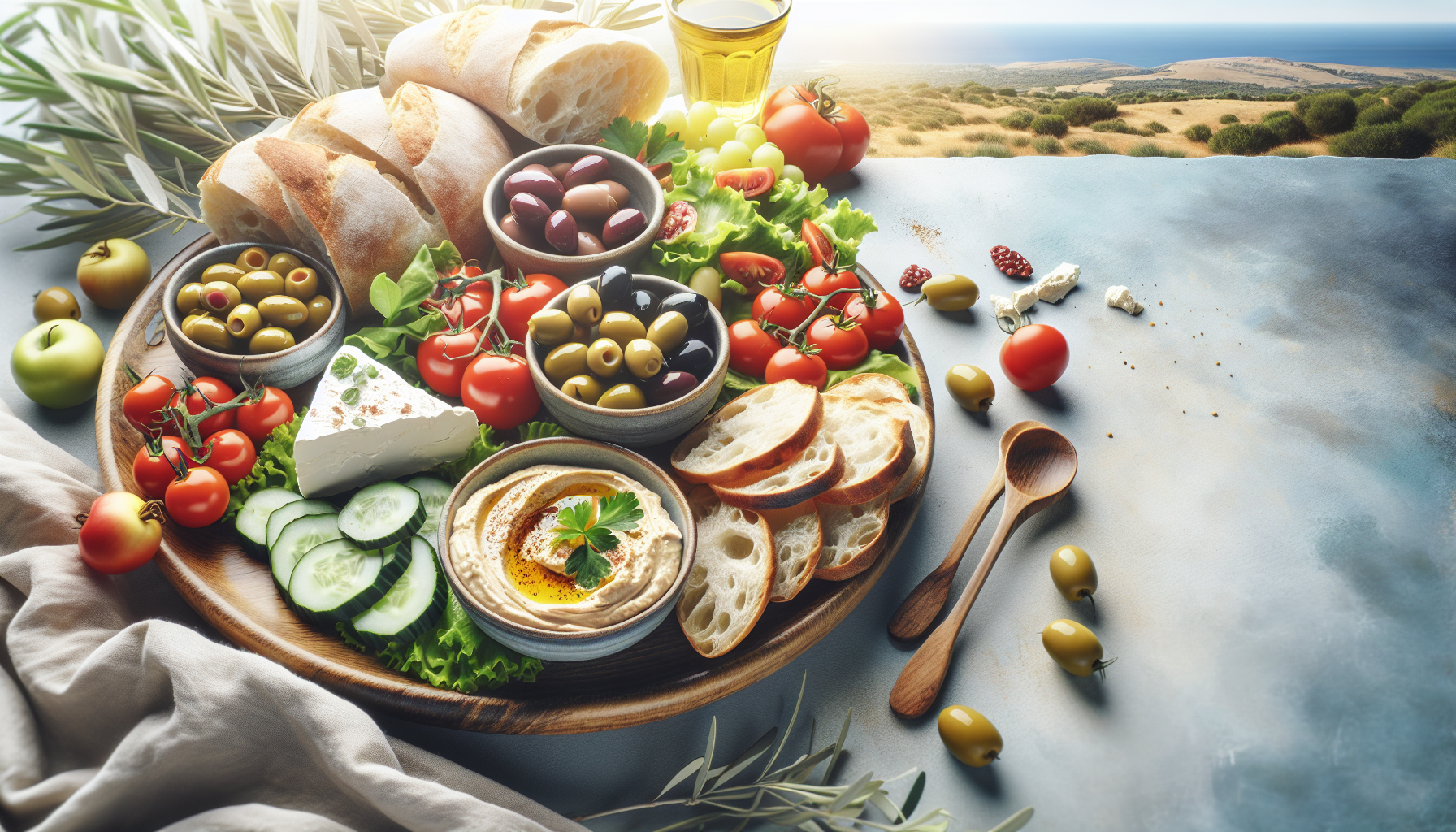
The Mediterranean diet benefits stand out because this eating pattern is one of the most researched, practical, and sustainable ways to build a balanced diet. Rather than centering on restriction, the Mediterranean diet emphasizes vegetables, fruits, legumes, whole grains, olive oil, nuts, seeds, herbs, seafood, and moderate amounts of dairy, eggs, and poultry, while limiting ultra-processed foods, refined grains, and excess added sugar. In nutrition practice, I have seen people follow it successfully for weight management, blood sugar control, heart health, and simply making everyday meals feel less rigid and more enjoyable. That matters because a balanced diet is not only about hitting nutrient targets on paper; it is about creating an eating pattern you can maintain across workdays, family meals, holidays, and changing health goals.
At its core, a balanced diet supplies enough energy, adequate protein, fiber, essential fats, vitamins, minerals, and hydration while reducing long-term disease risk. The Mediterranean diet does this unusually well. It combines high-fiber plant foods with unsaturated fats, especially extra virgin olive oil, and typically includes regular fish intake, modest portions of red meat, and a social, meal-based approach to eating. Researchers often study it using versions such as the traditional Mediterranean pattern or a Mediterranean-style diet score, but the shared theme is clear: most calories come from minimally processed plant foods and healthy fats, not from packaged convenience products. This is why the Mediterranean diet is repeatedly linked with better cardiometabolic outcomes, lower inflammation markers, and improved dietary quality compared with standard Western eating habits.
It also matters now because many people are overwhelmed by conflicting diet advice. Low-carb, low-fat, high-protein, plant-based, fasting, and detox trends all compete for attention. The Mediterranean approach cuts through that noise by focusing on food quality, pattern consistency, and realistic habits. It does not require expensive specialty products or eliminate entire food groups for most people. For a sub-pillar hub within Dietary Lifestyles & Special Diets, this topic deserves attention because it connects directly to related questions readers ask next: Is the Mediterranean diet good for weight loss? Does it help diabetes? What foods are included? Is it anti-inflammatory? Can vegetarians adapt it? A strong understanding of Mediterranean diet benefits gives readers the foundation to explore those deeper topics with context, confidence, and realistic expectations.
What Makes the Mediterranean Diet Different From Other Eating Plans
The main difference is that the Mediterranean diet is a dietary pattern, not a strict menu. In practice, that means meals are built around plants first. A typical plate might include grilled salmon, roasted vegetables, chickpeas, farro, olive oil, lemon, and herbs. Compare that with a standard convenience meal built around refined starch, processed meat, and a sugary drink. The Mediterranean version delivers fiber, omega-3 fats, polyphenols, potassium, magnesium, and better satiety with fewer blood sugar spikes. It is flexible enough to fit home cooking, restaurant eating, family traditions, and different calorie needs, which is one reason adherence is often better than with more rigid diet plans.
Another distinction is fat quality. Many older diet models treated fat as the main problem, but Mediterranean diet benefits come partly from replacing saturated and trans fats with monounsaturated and polyunsaturated fats. Extra virgin olive oil is the signature example, supplying monounsaturated fat plus phenolic compounds associated with antioxidant and anti-inflammatory effects. Nuts, seeds, and fish add further benefits. This does not mean calories stop mattering, but it does mean the source of calories matters greatly. When people swap butter-heavy, highly processed foods for olive oil, nuts, beans, and fish, they usually improve nutrient density without feeling deprived.
The Mediterranean pattern is also strongly tied to lifestyle behaviors. Meals are often slower, more social, and less centered on snacking. Physical activity is typically part of the broader pattern in research and public health recommendations. In my experience, this matters as much as the food list. People do better when they sit down to meals, cook simple staples, and rely on repeatable habits such as keeping canned beans, frozen vegetables, yogurt, fruit, olive oil, and whole grains on hand. The diet works because it is structurally balanced, not because of one miracle ingredient.
Core Mediterranean Diet Benefits for Long-Term Health
The best documented Mediterranean diet benefits involve cardiovascular health. Large studies, including the widely cited PREDIMED trial, found that a Mediterranean-style eating pattern supplemented with extra virgin olive oil or nuts reduced major cardiovascular events in high-risk adults compared with a lower-fat control approach. The mechanism is not mysterious. This diet tends to improve LDL particle burden, blood pressure, endothelial function, insulin sensitivity, and inflammatory signaling while increasing intake of fiber, antioxidants, and unsaturated fats. For readers asking directly, yes, the Mediterranean diet is considered one of the best diets for heart health because evidence supports both prevention and risk reduction.
Blood sugar management is another major advantage. Meals based on beans, lentils, intact whole grains, vegetables, and healthy fats usually digest more slowly than meals dominated by refined flour and sugar. That can reduce glucose volatility and improve fullness. In people with prediabetes or type 2 diabetes, Mediterranean-style eating is associated with better glycemic control and, in some studies, lower need for medication intensification. The diet is not automatically low carbohydrate, but it is lower in rapidly absorbed carbohydrates and higher in fiber, which is often the more important distinction.
Weight management benefits are often misunderstood. The Mediterranean diet is not a rapid weight-loss diet, yet it supports healthy body composition because it encourages satisfying foods with strong nutritional value. People often eat fewer empty calories when meals are centered on vegetables, beans, fish, yogurt, fruit, and olive oil instead of pastries, chips, sweetened drinks, and takeout. The pattern is especially useful for maintenance, which is where many diets fail. Better adherence over twelve months usually beats a short burst of aggressive restriction followed by rebound eating.
| Benefit Area | How the Diet Helps | Practical Food Example |
|---|---|---|
| Heart health | Replaces saturated fat with olive oil, nuts, and fish while increasing fiber | Salad with extra virgin olive oil, walnuts, beans, and grilled sardines |
| Blood sugar | Reduces reliance on refined carbs and increases slower-digesting plant foods | Lentil soup with whole grain toast and Greek yogurt |
| Weight control | Improves satiety through fiber, protein, and healthy fats | Roasted vegetables, quinoa, chickpeas, and tahini |
| Inflammation support | Provides polyphenols, omega-3 fats, and minimally processed foods | Tomatoes, olive oil, herbs, berries, and salmon |
| Gut health | Feeds beneficial microbes with diverse fibers and plant compounds | Oats with fruit, seeds, and kefir |
Nutritional Foundations That Support a Balanced Diet
A balanced diet needs more than calorie control, and this is where the Mediterranean pattern excels. Fiber is one of its biggest strengths. Most people underconsume fiber, yet it supports bowel regularity, cholesterol reduction, blood sugar control, and gut microbiome diversity. Mediterranean meals naturally raise fiber intake through vegetables, fruit, beans, lentils, peas, nuts, seeds, and whole grains such as oats, bulgur, barley, and brown rice. If someone asks what nutrient gap this diet most reliably improves, fiber is near the top of the list.
Micronutrient density is another reason Mediterranean diet benefits are essential. Dark leafy greens contribute folate, vitamin K, magnesium, and carotenoids. Legumes provide iron, potassium, and B vitamins. Dairy foods like plain yogurt and kefir can add calcium, protein, and probiotics. Seafood supplies iodine, selenium, vitamin D, and omega-3 fatty acids, especially in fish such as salmon, sardines, trout, herring, and mackerel. Herbs, spices, garlic, onions, tomatoes, citrus, and berries contribute phytochemicals that help reduce oxidative stress. This broad nutrient coverage makes the diet suitable as a foundational pattern rather than a temporary intervention.
Protein quality is often easier to manage on the Mediterranean diet than people expect. You can distribute protein across fish, shellfish, beans, lentils, yogurt, eggs, poultry, nuts, and seeds. For active adults or older adults, this variety helps maintain muscle while keeping meals balanced. A practical example is a day that includes Greek yogurt at breakfast, lentil salad at lunch, and baked fish with vegetables at dinner. That pattern can meet protein needs without leaning heavily on processed protein products. It also keeps saturated fat lower than many meat-centered diets.
How Mediterranean Eating Works in Real Life
One reason I recommend this pattern often is that it adapts well to ordinary schedules. Breakfast can be plain yogurt with berries, walnuts, and oats. Lunch can be leftovers, bean soup, or a grain bowl with hummus and vegetables. Dinner can be sheet-pan fish, olive oil roasted vegetables, and farro. None of those meals requires advanced cooking skills. The system works because staples repeat. Keep olive oil, canned tomatoes, tuna or sardines, beans, lentils, frozen vegetables, eggs, fruit, whole grain pasta, and herbs available, and you can build balanced meals quickly.
Cost is a common concern, but Mediterranean eating does not have to be expensive. Some premium items, especially seafood and high-end olive oil, can raise grocery bills. The budget solution is to focus on beans, lentils, seasonal produce, frozen vegetables, oats, brown rice, canned fish, and store-brand yogurt. Sardines, for example, are often cheaper than fresh salmon and provide protein, calcium when bones are included, and omega-3 fats. Dried beans cost far less per serving than most processed convenience meals and create multiple portions. In practice, reducing takeout and snack foods often offsets the cost of better staples.
There are limits and nuances. A Mediterranean-style diet can still be unbalanced if portions are excessive, if vegetables are sparse, or if the pattern becomes “Mediterranean” in name only while relying on pizza, pastries, and refined pasta. People with kidney disease, celiac disease, food allergies, or specific medical conditions may need modifications. Wine is also frequently misunderstood. While some traditional versions include modest wine with meals, no one needs alcohol to gain Mediterranean diet benefits, and many people should avoid it entirely. The core benefits come from the food pattern, not from drinking.
Who Benefits Most and How to Get Started Safely
Almost any adult can improve diet quality by adopting Mediterranean principles, but some groups often benefit most. People with high LDL cholesterol, elevated blood pressure, prediabetes, metabolic syndrome, or a family history of cardiovascular disease are strong candidates because the evidence for cardiometabolic improvement is robust. Older adults may benefit from the combination of anti-inflammatory foods, better protein distribution, and nutrient density. Busy families also do well with this approach because meals can be simplified into repeatable formulas: vegetables plus protein plus whole grain plus healthy fat.
Getting started safely means changing the structure of meals before chasing perfection. First, replace the main cooking fat with extra virgin olive oil where appropriate. Second, aim to fill at least half the plate with vegetables or fruit over the course of the meal. Third, include beans or lentils several times each week and fish at least twice weekly if you eat seafood. Fourth, swap refined grains for options such as oats, barley, brown rice, whole grain bread, or whole wheat pasta. Fifth, reduce processed meats, sugary drinks, and packaged snacks. These five changes deliver most of the measurable benefits without making the diet feel extreme.
As a hub topic within Dietary Lifestyles & Special Diets, Mediterranean diet benefits also open the door to deeper articles on meal plans, shopping lists, diabetes support, anti-inflammatory foods, and Mediterranean diet recipes. The key takeaway is simple: this eating pattern is essential for a balanced diet because it combines strong scientific support with day-to-day practicality. It improves overall diet quality, supports heart and metabolic health, and encourages habits that people can maintain for years, not weeks. If you want a sustainable place to start, begin with one Mediterranean-style meal a day, build your pantry around whole foods, and expand from there.
Frequently Asked Questions
Why are Mediterranean diet benefits considered so important for a balanced diet?
Mediterranean diet benefits are considered essential because this way of eating naturally brings together the key elements of a balanced diet without relying on rigid rules or extreme restriction. It emphasizes nutrient-dense foods such as vegetables, fruits, legumes, whole grains, olive oil, nuts, seeds, and seafood, which provide a broad range of vitamins, minerals, fiber, antioxidants, and healthy fats. At the same time, it limits foods that commonly disrupt dietary balance, including ultra-processed snacks, refined grains, and excess added sugar.
What makes it especially valuable is that it supports overall health on multiple levels. Research consistently links the Mediterranean pattern with better heart health, improved blood sugar control, healthier cholesterol levels, and reduced inflammation. It also helps people build meals that are satisfying and sustainable, which is one of the biggest challenges in nutrition. Instead of asking people to eliminate entire food groups, it encourages a realistic structure: mostly plant foods, quality fats, lean proteins, and moderate portions of less frequent foods. That combination makes it easier to meet nutritional needs over time and maintain a healthy relationship with food.
What foods are included in the Mediterranean diet, and what foods are limited?
The Mediterranean diet centers on whole, minimally processed foods that support both nutrition and enjoyment. Core foods include vegetables, fruits, beans, lentils, chickpeas, whole grains such as oats, barley, brown rice, and whole wheat, along with olive oil as the primary added fat. Nuts, seeds, herbs, and spices are also important because they add flavor and nutrients without relying heavily on sugar or highly processed ingredients. Seafood is commonly included on a regular basis, while dairy, eggs, and poultry are generally eaten in moderate amounts.
Foods that are limited are typically those that offer less nutritional value and can make balanced eating more difficult. These include ultra-processed foods, sugary drinks, desserts high in added sugar, refined grains like white bread and many packaged baked goods, and heavily processed meats. This does not mean the diet demands perfection or forbids occasional treats. Instead, it shifts the foundation of the diet toward foods that are naturally rich in fiber, healthy fats, and protective plant compounds. That balance is one reason many people find it practical: it focuses more on what to eat often than on what to fear or completely avoid.
Can the Mediterranean diet help with weight management and long-term healthy eating habits?
Yes, the Mediterranean diet can be very effective for weight management, but one of its greatest strengths is that it supports long-term habits rather than short-term dieting. Because meals are built around fiber-rich carbohydrates, healthy fats, and satisfying protein sources, people often feel fuller for longer and experience fewer energy crashes. Foods like beans, vegetables, whole grains, olive oil, nuts, and fish tend to be more filling and nourishing than highly processed foods, which can help reduce mindless snacking and overeating.
Another major advantage is sustainability. Many weight-loss plans fail because they are too restrictive, socially isolating, or difficult to maintain. The Mediterranean pattern is flexible and enjoyable, which helps people stay consistent. It can be adapted to different cultures, budgets, and cooking styles, and it encourages regular, balanced meals instead of extremes. In real-life nutrition practice, this is often what matters most. When people enjoy their meals and do not feel deprived, they are far more likely to continue those habits for years, making healthy weight management more realistic and durable.
How does the Mediterranean diet support heart health and overall wellness?
Heart health is one of the best-known Mediterranean diet benefits, and for good reason. This eating pattern is rich in monounsaturated fats from olive oil, omega-3 fats from seafood, fiber from legumes and whole grains, and antioxidants from fruits, vegetables, herbs, and nuts. Together, these nutrients help support healthy cholesterol levels, blood vessel function, and inflammation control. Since cardiovascular disease is strongly influenced by everyday eating habits, a diet built on these foods can play a powerful preventive role.
Its benefits extend beyond the heart as well. The Mediterranean diet has been associated with better metabolic health, steadier blood sugar levels, and support for brain and digestive health. Because it includes a wide range of colorful plant foods, it delivers compounds that help protect cells from oxidative stress. The emphasis on minimally processed foods also makes it easier to avoid excessive sodium, added sugar, and poor-quality fats. In practical terms, this means the Mediterranean diet is not just a plan for one health outcome; it is a comprehensive eating pattern that supports overall wellness while still being enjoyable and realistic for daily life.
Is the Mediterranean diet realistic for busy families and beginners?
Yes, the Mediterranean diet is one of the most realistic healthy eating patterns for busy families and beginners because it does not require specialty products, complicated rules, or perfect meal planning. Many of its staples are affordable and easy to keep on hand, including canned beans, lentils, frozen vegetables, whole grains, eggs, plain yogurt, tuna, and olive oil. A simple Mediterranean-style meal can be as straightforward as roasted vegetables with brown rice and chickpeas, whole grain toast with avocado and eggs, or baked fish with salad and potatoes dressed in olive oil and herbs.
For beginners, the best approach is to make gradual changes rather than overhaul everything at once. Start by adding one extra vegetable to dinner, switching from refined grains to whole grains, using olive oil more often, or replacing highly processed snacks with fruit and nuts. Families can also benefit from building meals around flexible basics such as grain bowls, soups, salads, pasta with vegetables and beans, or sheet-pan meals. The goal is not to cook elaborate dishes every day. It is to create a repeatable pattern of balanced meals that are rich in whole foods, satisfying to eat, and easy to maintain even with a busy schedule.