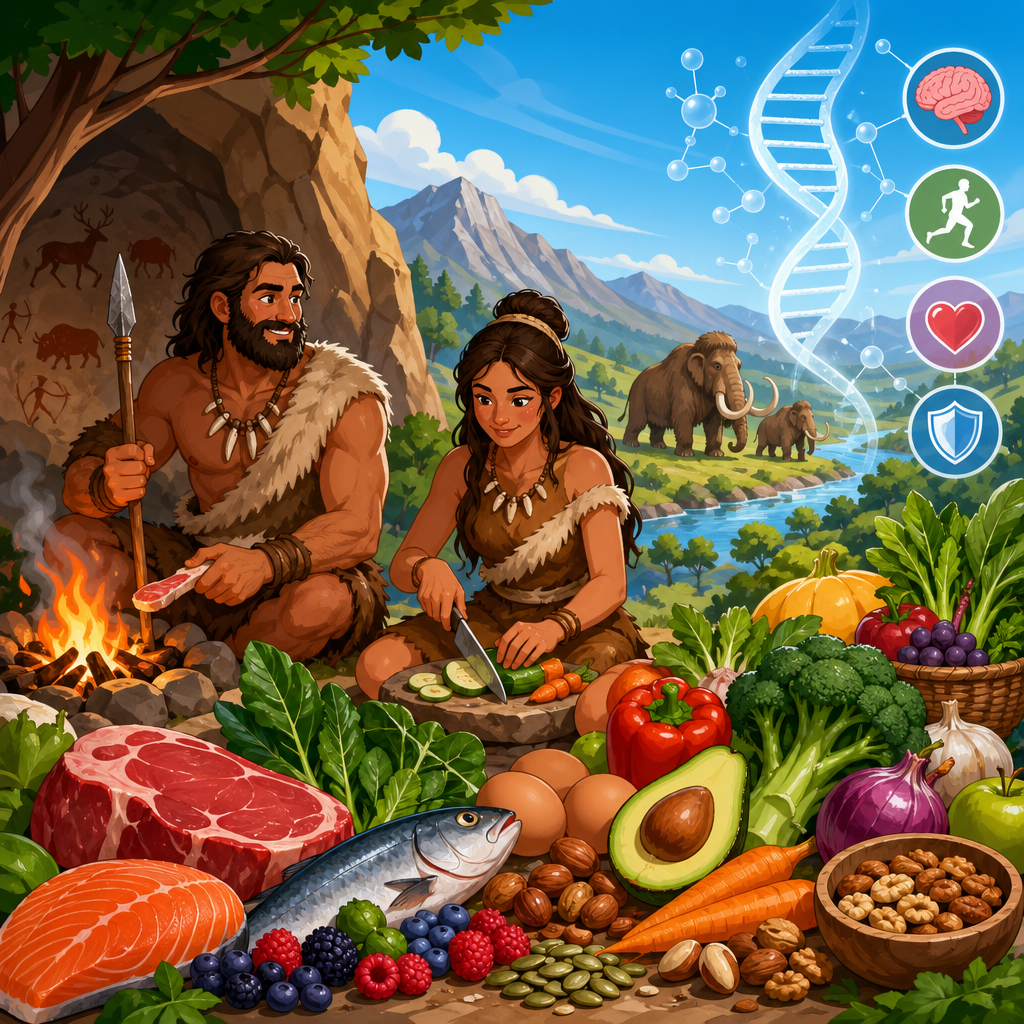
The science behind paleo and ancestral eating starts with a simple question: what foods best match human biology? Paleo and ancestral eating are dietary approaches built around the idea that humans generally thrive on minimally processed foods such as meat, fish, eggs, vegetables, fruit, tubers, nuts, seeds, and natural fats, while limiting refined grains, industrial seed oils, added sugar, and ultra-processed products. In practice, these approaches are less about reenacting a Stone Age menu and more about using evolutionary biology, nutritional biochemistry, and clinical evidence to guide modern food choices. I have worked with clients and editorial teams covering low-carb, Mediterranean, autoimmune, and whole-food eating patterns, and paleo repeatedly stands out because it gives people a practical framework for improving food quality without demanding calorie counting from day one.
“Paleo” usually refers to a template inspired by pre-agricultural diets, while “ancestral eating” is broader. It considers traditional foodways, regional variation, seasonality, fermentation, nose-to-tail eating, and lifestyle factors such as movement, sleep, and sunlight. That distinction matters. There was no single ancestral diet. Arctic populations relied heavily on animal foods, Pacific island cultures used roots and fruit, and some hunter-gatherer groups consumed wild legumes or honey when available. The common thread was not a fixed macronutrient ratio. It was a food environment with far fewer refined carbohydrates, less chronic overeating, more fiber from whole plants, and almost no industrial formulation designed to override satiety signals.
This matters because diet-related disease is now a leading driver of poor health worldwide. Obesity, type 2 diabetes, nonalcoholic fatty liver disease, hypertension, and metabolic syndrome are strongly associated with excess energy intake from ultra-processed foods, low diet quality, and disrupted insulin regulation. Paleo and ancestral eating enter the conversation as a corrective strategy: emphasize nutrient density, stabilize blood sugar, support satiety, and reduce exposure to ingredients linked with overconsumption and inflammation in susceptible people. For readers exploring dietary lifestyles and special diets, this hub explains the scientific rationale, health benefits, limitations, and practical applications of paleo and ancestral eating so you can judge whether the approach fits your goals, preferences, and medical context.
What Paleo and Ancestral Eating Actually Mean
A clear definition prevents confusion. A paleo diet typically includes unprocessed or minimally processed animal and plant foods and excludes grains, most legumes, refined sugar, industrial seed oils, and dairy, though some versions allow full-fat fermented dairy or butter. An ancestral diet is often more flexible. It focuses on traditional, nutrient-dense foods prepared in time-tested ways, including bone broth, organ meats, fermented vegetables, soaked or sprouted foods, and seasonal produce. Many people who say they eat ancestrally are not strict paleo. They may include white rice, raw dairy, sourdough, or properly prepared legumes if these foods are well tolerated and fit their metabolic goals.
In the real world, the distinction affects adherence. Strict elimination can be useful for a reset, an autoimmune protocol, or identifying food triggers. Long term, however, many people do better with a food-quality hierarchy than a purity mindset. I have seen clients improve markers such as fasting glucose, triglycerides, and appetite control simply by replacing breakfast cereal and flavored yogurt with eggs, fruit, and leftovers; swapping deli sandwiches for salmon, potatoes, and salad; and cooking with olive oil, avocado oil, tallow, or butter instead of relying on packaged snacks. Those changes align with ancestral principles even if the person still eats rice or occasional yogurt.
The central principle is evolutionary mismatch. Human physiology developed under conditions very different from today’s food supply. Modern diets deliver hyper-palatable combinations of refined starch, sugar, salt, and industrial fats with low fiber and weak satiety. Paleo and ancestral eating attempt to reduce that mismatch by returning to foods closer to their natural structure. This does not mean every ancient practice was healthy or every modern food is harmful. It means the burden of proof should favor whole foods first, then individualize from there based on evidence, tolerance, culture, and sustainability.
The Evolutionary and Biological Rationale
The biological case for paleo is not that genes stopped evolving 10,000 years ago. Humans clearly adapted in some populations to dairy through lactase persistence and to starch through increased AMY1 copy number, which affects salivary amylase production. The stronger argument is that human metabolism still responds predictably to food structure, energy density, fiber content, fatty acid composition, and protein leverage. Whole foods generally create a more favorable hormonal and appetite response than ultra-processed foods.
Protein is a major factor. Paleo patterns often raise protein intake compared with standard Western diets, and protein consistently improves satiety, supports lean mass, and has a higher thermic effect than carbohydrate or fat. That matters in weight management. Fiber and resistant starch from vegetables, fruit, roots, and cooled potatoes can feed beneficial gut microbes and improve bowel regularity. Micronutrient density also tends to improve because meat, seafood, eggs, leafy greens, berries, and organ meats provide highly bioavailable iron, zinc, B vitamins, selenium, choline, vitamin A, and long-chain omega-3 fats.
Another mechanism involves glycemic control. When people remove sugary drinks, pastries, refined grains, and snack foods, postprandial glucose excursions often improve. Better glucose control reduces the insulin burden and can help people with insulin resistance. In clinical settings, I have seen this most clearly when clients replace low-fat processed convenience foods with balanced meals built around protein, vegetables, and a starch source they tolerate well. They are less hungry, snack less, and often report steadier energy by the second week.
| Dietary feature | Common paleo or ancestral choice | Likely health effect |
|---|---|---|
| Higher protein | Eggs, beef, fish, poultry, shellfish | Improves satiety, preserves lean mass, raises thermic effect |
| Lower ultra-processed food intake | Whole meals instead of packaged snacks | Reduces passive overeating and improves diet quality |
| Better fat quality | Olive oil, avocado, nuts, fatty fish | Supports cardiometabolic health and omega-3 intake |
| More micronutrients | Leafy greens, liver, shellfish, berries, roots | Improves intake of iron, zinc, folate, choline, selenium |
| Reduced refined carbohydrates | No sugary cereals, soda, or white-flour desserts | Helps blood sugar control and triglyceride reduction |
What the Research Says About Health Benefits
Research on paleo diets is not as large as the evidence base for Mediterranean eating, but it is substantial enough to identify patterns. Randomized trials and systematic reviews generally show that paleo-style diets can improve body weight, waist circumference, blood pressure, triglycerides, HDL cholesterol, and glycemic control, especially in people with overweight, metabolic syndrome, or type 2 diabetes risk. These benefits often emerge even without prescribed calorie restriction because whole-food diets naturally increase satiety and reduce energy intake.
One reason results look favorable is that paleo interventions typically replace processed foods with nutrient-dense meals. In trials, participants often eat more vegetables, more protein, and fewer refined carbohydrates. That shift alone can lower liver fat and improve insulin sensitivity. Triglycerides frequently decline when sugary foods and drinks are removed. HDL often rises modestly. Blood pressure may improve as potassium intake increases through produce while sodium from packaged foods falls. Clinically, these are meaningful changes because they target the cluster of abnormalities that drive cardiovascular and metabolic disease.
Gut health is another area of interest. A well-constructed ancestral diet includes diverse plant foods, collagen-rich cuts, fermented foods if tolerated, and fewer emulsifiers and additives found in ultra-processed products. That pattern may support microbial diversity and lower gastrointestinal symptoms in some people. It is not automatic, however. A poorly planned paleo diet that skimps on plant variety can become low in fermentable fibers. The benefit comes from food quality and diversity, not from simply removing grains.
Inflammation is frequently discussed, sometimes too loosely. Paleo is not a cure-all for inflammatory disease, but reducing excess sugar, trans fats, and chronic overfeeding can improve inflammatory markers indirectly through fat loss and improved metabolic health. Some people also feel better when they eliminate foods that trigger symptoms, such as gluten in celiac disease or certain dairy products in lactose intolerance. The key scientific point is specificity: symptom improvement may reflect better overall diet quality, lower body fat, fewer irritants, or individual intolerance, rather than a universal effect of eating “like our ancestors.”
Common Foods, Practical Meal Structure, and Real-World Use
The easiest way to apply paleo and ancestral eating is to think in meal templates, not rigid food lists. Start with a protein source, add nonstarchy vegetables, include a carbohydrate source matched to activity and goals, then finish with natural fats. For breakfast, that may be eggs, sautéed greens, berries, and avocado. Lunch could be leftover chicken thighs, roasted sweet potatoes, and a large salad with olive oil. Dinner might be salmon, asparagus, and baby potatoes with herbs and butter if tolerated. Snacks are optional, not required. If hunger is well managed at meals, many people naturally stop grazing.
Food quality matters inside each category. Grass-fed and pasture-raised foods are not mandatory, but seafood quality, freshness, and cooking methods influence results. Oily fish such as salmon, sardines, and mackerel meaningfully increase EPA and DHA intake. Shellfish provide zinc, copper, iodine, and B12. Organ meats are among the most nutrient-dense foods available, though small amounts once weekly are usually enough. On the plant side, roots and tubers often work better than processed “gluten-free” substitutes because they provide potassium, vitamin C, and fiber without the gums, starch isolates, and blood sugar spikes common in packaged alternatives.
For active people, paleo does not have to mean low carbohydrate. Athletes often perform best with strategically included potatoes, fruit, squash, and even white rice in a looser ancestral framework. For people with diabetes or severe insulin resistance, a lower-carbohydrate version may be more effective initially. This is where the hub concept matters: paleo and ancestral eating are frameworks that can overlap with lower-carb, autoimmune, elimination, or performance nutrition strategies. The best version is the one that improves biomarkers, supports training and recovery, fits your culture and budget, and remains sustainable past the first month.
Limitations, Criticisms, and Who Should Personalize Carefully
The strongest criticism of paleo is that it can become unnecessarily restrictive. Excluding legumes, whole grains, and dairy may remove foods that are nutritious, affordable, and well tolerated for many people. Yogurt and kefir, for example, can support protein and calcium intake. Beans and lentils provide fiber, folate, and magnesium. Intact whole grains can fit a healthy diet in metabolically healthy, active individuals. If someone interprets paleo as a license to eat unlimited bacon, coconut desserts, and packaged “approved” snacks, the health advantage disappears quickly.
Nutrient gaps are possible without planning. Calcium may be low if dairy is excluded and bone-in fish, leafy greens, or fortified alternatives are not used. Iodine can fall short if seafood and iodized salt are limited. Carbohydrate intake can become too low for athletes, pregnant women, or highly active people, leading to fatigue or poor recovery. Cost is another real barrier. Buying high-quality meats and produce can be expensive, although strategic choices such as eggs, canned sardines, frozen vegetables, ground beef, chicken thighs, and seasonal produce make ancestral eating more accessible.
Medical context matters. People with chronic kidney disease may need individualized protein guidance. Those with a history of disordered eating should avoid rigid food rules that increase anxiety or compulsive behavior. Pregnant women, children, and people managing diabetes with medication need professional oversight when making major carbohydrate changes because medication doses and nutrient needs can shift. The most evidence-based approach is not ideological purity. It is structured experimentation with measurable outcomes such as satiety, energy, digestion, training performance, lab markers, and long-term adherence.
The science behind paleo and ancestral eating is strongest when the conversation stays grounded: eat more whole foods, reduce ultra-processed foods, prioritize protein and micronutrients, and personalize the plan to your biology and lifestyle. These diets can support weight loss, blood sugar control, better satiety, and improved diet quality, especially for people coming from a standard processed-food pattern. They are not magic, and they are not identical for everyone. The benefits come from nutrient density, food structure, appetite regulation, and consistency.
As a hub within dietary lifestyles and special diets, this topic connects naturally to lower-carb eating, anti-inflammatory diets, elimination protocols, gut health, meal planning, and sustainable weight management. Use paleo and ancestral eating as a framework, not a costume. Build meals around meat or seafood, eggs, vegetables, fruit, tubers, and healthy fats; test whether dairy, legumes, or certain grains work for you; and track results with honest observation. If you want to improve metabolic health and simplify your food choices, start with one week of whole-food meals and let your energy, hunger, and labs tell you what to do next.
Frequently Asked Questions
What is the scientific idea behind paleo and ancestral eating?
The core scientific idea behind paleo and ancestral eating is evolutionary mismatch: the concept that human biology is still broadly adapted to diets based on minimally processed, nutrient-dense foods, while many modern health problems are linked to foods that became common only recently in human history. Paleo and ancestral approaches emphasize foods such as meat, fish, eggs, vegetables, fruit, tubers, nuts, seeds, and traditional fats because these foods tend to provide protein, fiber, vitamins, minerals, and beneficial fatty acids without the heavy processing, additives, and refined carbohydrates found in many modern products.
Importantly, this way of eating is not based on the claim that there was one perfect prehistoric menu. Human diets have always varied by geography, climate, and season. The more evidence-based interpretation is that ancestral eating highlights broad patterns: prioritize whole foods, reduce ultra-processed foods, and choose ingredients that support satiety, metabolic health, and stable energy. Research on dietary quality consistently shows that diets centered on minimally processed foods are associated with lower inflammation markers, better blood sugar control, improved appetite regulation, and a reduced risk of chronic disease. In that sense, the scientific strength of paleo and ancestral eating comes less from “eating exactly like cavemen” and more from aligning modern choices with basic human physiological needs.
What foods are typically included in a paleo or ancestral diet, and what foods are usually limited?
A paleo or ancestral template usually includes animal proteins such as beef, poultry, pork, wild game, fish, shellfish, and eggs, along with a wide variety of vegetables, fruits, root vegetables, nuts, seeds, herbs, spices, and natural fats like olive oil, avocado, coconut, tallow, butter or ghee in some ancestral frameworks, depending on tolerance. Tubers such as sweet potatoes, squash, and other starchy vegetables are often included because they provide carbohydrate in a less processed form and can help support energy, thyroid function, and physical performance. Many people also emphasize organ meats, bone broth, fermented foods, and seafood because these can improve overall nutrient density.
Foods commonly limited or excluded include refined grains, added sugars, sugary drinks, industrial seed oils, highly refined snack foods, and most ultra-processed products. In stricter paleo plans, legumes and dairy are also removed, although broader ancestral approaches are often more flexible and may include properly prepared legumes, full-fat fermented dairy, or high-quality cheese if a person tolerates them well. That flexibility is one reason ancestral eating is often easier to sustain long term. The real focus is food quality, digestibility, and metabolic impact rather than rigid food ideology. If a food is minimally processed, nutrient-rich, and works well for the individual, many ancestral eaters consider that more important than checking a theoretical rulebook.
What health benefits are most strongly associated with paleo and ancestral eating?
The most commonly reported and studied benefits include better blood sugar regulation, improved satiety, easier weight management, lower intake of inflammatory ultra-processed foods, and improved nutrient density. Many people naturally reduce total calorie intake on a paleo-style diet without deliberate restriction because meals built around protein, fiber, and whole foods are often more filling than meals based on refined flour and sugar. Clinical studies on paleo-style diets have found improvements in markers such as waist circumference, triglycerides, blood pressure, insulin sensitivity, and post-meal glucose response, especially when compared with standard Western eating patterns.
Another major benefit is the quality of the diet itself. When people replace packaged snacks, sweetened cereals, fried fast food, and processed baked goods with eggs, fish, vegetables, berries, meat, and roots, they generally consume more bioavailable nutrients and fewer additives, emulsifiers, and refined ingredients that may negatively affect appetite regulation and gut health. Some individuals also notice better digestion, more stable energy, fewer cravings, and clearer dietary awareness because their meals become simpler and less dependent on hyper-palatable processed foods. While paleo is not a cure-all, it can create a strong metabolic foundation by improving the overall signal the body receives from food: more nutrients, more satiety, and less metabolic disruption.
Is paleo eating actually supported by research, or is it mostly a trend?
Paleo eating has attracted trend-driven attention, but it is not purely a fad. There is a meaningful body of research examining paleo-style diets, especially in relation to metabolic syndrome, type 2 diabetes risk factors, cardiovascular markers, and appetite control. While the research base is still smaller than for more established dietary patterns like the Mediterranean diet, several studies have shown that paleo-style eating can improve glucose tolerance, reduce triglycerides, support fat loss, and increase fullness, often because it removes ultra-processed foods and emphasizes protein and whole-food carbohydrate sources.
That said, the strongest scientific interpretation is nuanced. The benefits seen in paleo research may come less from the label itself and more from the practical changes it encourages: higher food quality, fewer refined carbohydrates, lower sugar intake, and more emphasis on protein and plants. Critics are right that not every excluded food is inherently harmful for every person, and researchers also note that individual outcomes depend on implementation. A paleo diet built on processed meats and too few vegetables will not perform as well as one built on seafood, colorful produce, roots, fruit, and healthy fats. So yes, there is scientific support for the principles behind paleo and ancestral eating, but the quality of execution matters far more than the name of the diet.
Is paleo or ancestral eating appropriate for everyone?
Paleo and ancestral eating can work very well for many people, but it is not a one-size-fits-all prescription. Activity level, age, health history, medical conditions, digestive tolerance, cultural preferences, and personal goals all matter. For someone trying to improve blood sugar control, reduce processed food intake, or break a cycle of cravings and overeating, a whole-food ancestral framework can be extremely effective. For athletes, pregnant women, growing children, or highly active individuals, the approach may need to include more carbohydrate from fruit, tubers, rice, or other tolerated foods to support performance and recovery. For others, carefully selected dairy or legumes may fit perfectly well even if they are not part of strict paleo rules.
The most sustainable version is usually the one that keeps the core principles while allowing personalization. Those principles include prioritizing nutrient-dense whole foods, eating enough protein, choosing carbohydrates based on tolerance and energy needs, and minimizing ultra-processed foods. People with medical conditions, a history of disordered eating, kidney disease, gastrointestinal disorders, or other special health concerns should work with a qualified healthcare professional before making major dietary changes. In practice, ancestral eating tends to be most useful when viewed as a flexible template rather than a rigid doctrine. The goal is not dietary perfection or historical reenactment. The goal is to build a diet that better supports human biology, daily function, and long-term health.