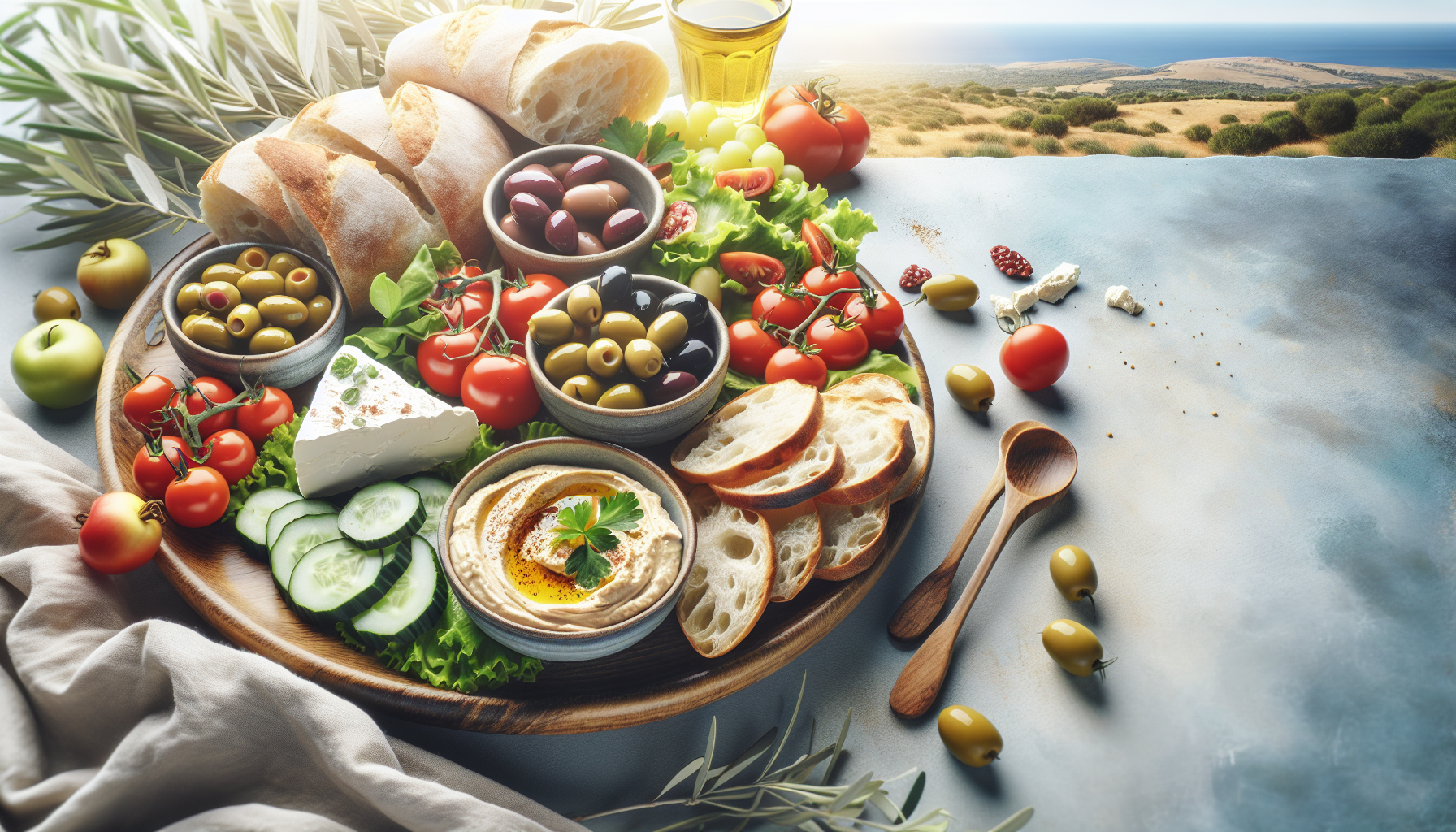
Paleo and ancestral eating focus on foods humans could plausibly have eaten before industrial agriculture, while recognizing that “ancestral” is broader than any single menu template. In practice, that means prioritizing meat, fish, eggs, vegetables, fruit, roots, nuts, and minimally processed fats, while reducing refined sugar, industrial seed oils, and ultra-processed products. I have used paleo frameworks with clients who wanted better blood sugar control, easier meal planning, and relief from the constant churn of packaged convenience foods, and the appeal is usually simplicity: eat recognizable food, prepare it well, and stop outsourcing every meal decision to a label.
Understanding paleo and ancestral eating matters because modern diets are dominated by products engineered for shelf life, hyper-palatability, and low cost rather than nutrient density. Ultra-processed foods now account for a large share of calories in many countries, and that shift tracks with rising rates of obesity, type 2 diabetes, nonalcoholic fatty liver disease, and cardiovascular risk factors. No single historical diet should be romanticized, but the central lesson is sound: humans generally do better when most calories come from whole foods with intact protein, fiber, minerals, and fewer additives. That is why paleo and ancestral eating remain relevant within the broader conversation about dietary lifestyles and special diets.
Key terms are often confused. “Paleo diet” usually refers to a modern dietary pattern inspired by presumed Paleolithic food choices. “Ancestral eating” is less rigid and often includes traditional foodways such as fermented dairy, soaked legumes, properly prepared grains, bone broth, organ meats, and seasonal produce, depending on ancestry, tolerance, and goals. “Whole-food paleo” emphasizes nutrient density and food quality, not just a list of allowed ingredients. This distinction matters because people often fail on overly restrictive versions when a more flexible ancestral approach would be both sustainable and metabolically useful.
At its best, this way of eating is not a purity contest. It is a framework for choosing foods with high satiety, stable energy, and strong micronutrient value. It can support fat loss because protein and fibrous plants naturally reduce overeating. It can help people identify trigger foods, especially when added sugars and highly refined starches drive cravings. It can also fit athletic performance, family meals, and budget-conscious shopping when implemented realistically. The rest of this guide explains what paleo and ancestral eating include, what they exclude, the evidence behind them, common mistakes, and how to build a practical plan that works in everyday life.
What Paleo and Ancestral Eating Actually Include
The foundation of paleo and ancestral eating is straightforward: build meals around animal protein or another substantial protein source, add vegetables or fruit, include a natural fat source, and use roots or tubers when you want more carbohydrate. Common staples include beef, lamb, poultry, pork, wild game, shellfish, white fish, salmon, sardines, eggs, leafy greens, cruciferous vegetables, onions, mushrooms, berries, citrus, potatoes, sweet potatoes, cassava, squash, avocado, olives, nuts, seeds, coconut, and extra-virgin olive oil. Herbs, spices, vinegar, mustard, and simple sauces made from whole-food ingredients make the pattern easier to maintain.
In day-to-day coaching, I explain it as a plate structure rather than an ideology. At breakfast, that might mean eggs with spinach, mushrooms, and berries. At lunch, grilled chicken over mixed greens with olive oil and roasted sweet potato. At dinner, salmon with asparagus and potatoes cooked in ghee or olive oil. Snacks are optional, not mandatory; if needed, fruit, jerky with clean ingredients, boiled eggs, or a handful of nuts usually fit. Most people feel better when meals are substantial enough to avoid grazing, because constant snacking often sneaks processed calories back into the plan.
Ancestral eating expands the conversation beyond standard paleo lists. Many traditional cultures consumed foods that strict paleo plans exclude, including raw or fermented dairy, white rice, properly nixtamalized corn, sourdough bread, lentils, and beans. The key question is not whether a food existed in one historical era, but whether it is tolerated, minimally processed, and useful in the person’s context. For someone with no dairy issues, plain kefir or Greek yogurt may support protein intake and digestion. For an endurance athlete, white rice can be an efficient training carbohydrate. This is why ancestral eating often proves more durable than rule-heavy paleo templates.
Foods Commonly Limited or Avoided
Most paleo plans remove grains, legumes, refined sugar, and industrially formulated products. The reasoning is partly evolutionary and partly practical. Grains and legumes can be nutritious, but they are also easy to overconsume in processed forms such as cereal, crackers, pastries, pizza, and chips. Removing them often reduces calorie intake without counting calories. Added sugar is limited because it increases palatability while contributing little satiety. Ultra-processed foods combine refined flour, sugar, low-quality fats, flavor chemistry, and convenience in ways that encourage overeating. In real life, that pattern is more relevant than abstract arguments about cavemen.
Industrial seed oils are another point of debate. Strict advocates avoid soybean, corn, cottonseed, safflower, and sunflower oils, especially when used in fried or heavily processed foods. The strongest practical case is not that every drop is toxic, but that these oils often arrive packaged inside ultra-processed meals with poor overall nutrient quality. By contrast, extra-virgin olive oil has robust evidence supporting cardiovascular health, and avocado oil is useful for higher-heat cooking. Context matters. A home-cooked stir-fry using a modest amount of refined peanut oil is not nutritionally equivalent to fast-food fries cooked repeatedly in commercial fryers.
Many people also avoid dairy, especially in strict elimination phases, because lactose, casein, or additives in commercial dairy products can be problematic for some individuals. Yet dairy tolerance varies widely. Aged cheeses, yogurt, and kefir are often better tolerated than milk. This is a good example of why ancestral eating can be more nuanced than standard paleo messaging. Eliminate strategically, then reintroduce carefully. The goal is to identify what works for your digestion, skin, energy, and appetite control, not to collect dietary rules for their own sake.
Potential Benefits, Limits, and the Evidence
The best-supported benefits of paleo and ancestral eating come from replacing ultra-processed foods with whole foods. When people increase protein, fiber-rich produce, and minimally processed meals, they often see improvements in satiety, body composition, triglycerides, fasting glucose, and blood pressure. Several small randomized trials on paleo-style diets have shown short-term benefits for weight loss and metabolic markers compared with baseline or standard dietary advice. Mechanistically, the pattern works because protein raises fullness, whole foods slow eating, and removing liquid calories and snack foods reduces passive overconsumption.
That said, evidence quality is mixed, and claims should stay proportionate. Paleo is not inherently superior for everyone, and long-term adherence is more important than ideological purity. Some people feel excellent with a grain-free pattern; others do better when they include legumes, oats, or rice. Athletic performance can suffer if carbohydrate intake drops too low for training demands. Fiber can also become inadequate if someone interprets paleo as “mostly meat” and neglects vegetables, fruit, tubers, nuts, and seeds. I have also seen clients under-eat calcium and vitamin D after removing dairy without replacing those nutrients intentionally.
| Approach | Core foods | Main benefit | Common limitation |
|---|---|---|---|
| Strict paleo | Meat, fish, eggs, vegetables, fruit, nuts, seeds | Clear rules and fewer processed foods | Can feel restrictive and lower in calcium |
| Ancestral eating | Paleo foods plus selected traditional dairy, rice, legumes, or sourdough | Better sustainability and personalization | Requires more self-observation and experimentation |
| Conventional whole-food diet | Lean proteins, whole grains, legumes, produce, dairy | Broad evidence base and easier social fit | Processed “health foods” can creep in easily |
Research standards from organizations such as the American Heart Association and major diabetes associations consistently support whole foods, adequate protein, higher intake of vegetables and fruit, and lower intake of refined carbohydrates and ultra-processed products. Paleo and ancestral eating align well with those principles when done thoughtfully. Where they diverge is mostly in the handling of legumes, whole grains, and dairy. If a diet improves laboratory markers, digestion, appetite regulation, and adherence while meeting nutrient needs, it is working. If it creates stress, social isolation, or nutritional gaps, it needs modification.
How to Start Paleo or Ancestral Eating in Real Life
The easiest way to start is not by memorizing forbidden ingredients. Begin by upgrading breakfast, lunch, and dinner one meal at a time. Replace sweet cereal or pastries with eggs, fruit, and leftover potatoes. Swap a deli sandwich for a salad bowl with chicken, olive oil, vegetables, and fruit. Trade takeout noodles for ground beef, stir-fried vegetables, and baked sweet potato. Build a reliable shopping list: eggs, canned fish, chicken thighs, ground beef, frozen vegetables, salad greens, potatoes, berries, olive oil, avocado, nuts, and seasonings. This reduces decision fatigue, which is one of the biggest reasons diets fail.
I usually recommend a two-phase approach. For two to four weeks, use a clean baseline heavy on whole foods and low on obvious problem foods such as sugary drinks, desserts, fast food, and packaged snacks. Then test reintroductions one category at a time if you want a more flexible ancestral pattern. Try plain yogurt for several days and assess digestion, skin, and appetite. Later test white rice, oats, or legumes in measured portions. Keep variables controlled. If everything changes at once, you cannot tell what helped or hurt. A simple food and symptom log is more useful than chasing internet debates.
Budget and convenience do not have to be barriers. Frozen vegetables are nutritionally strong and often cheaper than fresh. Canned salmon and sardines deliver protein, omega-3 fats, and minerals at low cost. Tough cuts of meat become affordable, flavorful meals in a slow cooker. Rotisserie chicken can bridge busy weeks if ingredient quality is acceptable. Batch cooking matters: roast trays of vegetables, cook several pounds of protein, and keep washed fruit visible. The more friction you remove, the less likely you are to default to ultra-processed convenience foods when work and family demands spike.
Common Mistakes and Who Should Be Careful
The biggest mistake is turning paleo into a low-carb, high-saturated-fat free-for-all with minimal plant intake. Bacon and coffee are not a complete nutrition strategy. A well-built plan includes varied proteins, colorful produce, potassium-rich tubers, omega-3-rich seafood, and enough total calories. Another mistake is replacing conventional junk food with expensive “paleo” desserts, chips, bars, and sweeteners. If a product is still engineered to mimic dessert and trigger overeating, the label does not change the behavioral outcome. Keep the emphasis on ordinary meals, not specialty products.
Certain groups need extra attention. Athletes may require more carbohydrate than standard paleo templates provide, especially for high-volume endurance or repeated sprint training. Pregnant women should prioritize adequate folate, iron, choline, calcium, iodine, and overall energy intake. People with kidney disease need individualized protein guidance. Anyone with a history of disordered eating should avoid rigid food rules that increase anxiety or compulsive behavior. Children generally do better with a family-wide whole-food approach than with narrow elimination unless medically indicated. When symptoms are significant, work with a registered dietitian or qualified clinician rather than self-diagnosing food intolerance from social media.
Making This Hub Useful for the Long Term
As a hub within Dietary Lifestyles and Special Diets, paleo and ancestral eating should help readers navigate related questions rather than trap them in one doctrine. The most useful next steps are practical: learn paleo meal planning, compare paleo versus keto, understand ancestral eating with dairy or rice, review nutrient-dense organ meats, explore elimination and reintroduction methods, and find travel and restaurant strategies. Those subtopics matter because success rarely depends on theory alone. It depends on whether your groceries, routines, budget, training, family meals, and social life can support the pattern for months, not days.
The core takeaway is simple. Paleo and ancestral eating work best as whole-food frameworks that reduce ultra-processed foods, emphasize protein and produce, and leave room for individual tolerance. Strict paleo can be a useful reset. Ancestral eating is often the better long-term model because it respects variation in culture, metabolism, and lifestyle. If you want to try it, start with ordinary meals built from recognizable foods, track how you feel, and adjust with evidence rather than dogma. Use this hub as your starting point, then move into the linked subtopics to build a version that is effective, sustainable, and genuinely healthy.
Frequently Asked Questions
What is the difference between paleo eating and ancestral eating?
Paleo eating usually refers to a practical food framework built around foods humans could plausibly have eaten before industrial agriculture and modern food manufacturing. That generally includes meat, fish, eggs, vegetables, fruit, roots, nuts, seeds, and minimally processed fats, while avoiding or limiting refined sugar, industrial seed oils, grains, legumes, and ultra-processed foods. Ancestral eating is broader. It uses the same core idea of eating in a way that better matches human biology, but it also recognizes that different populations thrived on different traditional diets depending on geography, climate, season, and culture.
In other words, paleo is often treated as a recognizable template, while ancestral eating is more of a principle-based approach. An ancestral approach may include some foods that strict paleo plans exclude, such as properly prepared dairy, white rice, fermented legumes, or other traditional foods that have a long history of use and work well for a specific person. That flexibility is one reason many people find the ancestral model easier to sustain over time.
The most useful takeaway is that both approaches prioritize food quality over rigid ideology. They move people away from ultra-processed products and toward nutrient-dense whole foods. For many individuals, that shift alone can improve satiety, energy, blood sugar stability, and meal simplicity. The best version of paleo or ancestral eating is not the one with the longest forbidden-food list, but the one that helps someone eat real food consistently while supporting health, digestion, and everyday life.
What foods do you eat on a paleo or ancestral diet?
The foundation is simple: build meals around whole, minimally processed foods that provide protein, fiber, healthy fats, and micronutrients. Common staples include beef, poultry, pork, lamb, wild game, fish, shellfish, eggs, leafy greens, cruciferous vegetables, squash, berries, citrus, apples, sweet potatoes, potatoes, cassava, plantains, avocado, olives, nuts, seeds, herbs, spices, and fats such as olive oil, avocado oil, coconut, ghee, tallow, or butter if tolerated. Bone broth, fermented vegetables, and organ meats may also be included by people who want to emphasize nutrient density and traditional food practices.
Most paleo-style plans reduce or remove refined sugar, soda, packaged snack foods, fast food, industrial seed oils, and highly processed products made with long ingredient lists. Depending on how strictly someone interprets paleo, they may also avoid grains, beans, peanuts, soy, and most dairy. A more ancestral approach may include select foods from those categories if they are well tolerated, minimally processed, and culturally or personally appropriate. For example, some people do very well with full-fat yogurt, kefir, white rice, or soaked and cooked legumes, even though those are not standard in stricter paleo plans.
A practical way to think about it is to assemble a plate with a quality protein source, plenty of non-starchy vegetables, a carbohydrate source based on activity and goals, and enough fat to make the meal satisfying. That can look like eggs with sautéed greens and fruit at breakfast, a salmon salad with olive oil at lunch, and roast chicken with potatoes and vegetables at dinner. The exact menu can vary widely, which is why this way of eating can be personalized without losing its core purpose.
Can paleo or ancestral eating help with blood sugar control and weight management?
For many people, yes. One reason these approaches can be effective is that they naturally remove a large portion of the foods most strongly associated with blood sugar swings and overeating: refined carbohydrates, sugary beverages, ultra-processed snacks, and hyper-palatable convenience foods. In their place, meals are built around protein-rich foods, fiber-rich produce, and less processed carbohydrate sources, which often leads to steadier energy, fewer cravings, and improved fullness after meals.
Protein is especially important here. When meals contain enough protein, people tend to feel satisfied longer and are less likely to snack impulsively. Replacing pastries, cereal, or sweetened coffee drinks with eggs, meat, vegetables, and fruit often leads to a noticeable difference in appetite regulation. Many clients also find that meal planning becomes easier because the formula is straightforward: choose a protein, add produce, include a smart carbohydrate if needed, and finish with a healthy fat. Simplicity makes consistency more achievable, and consistency is what drives results.
That said, paleo is not magic, and results depend on food quality, portion awareness, sleep, stress, activity, and overall calorie intake. Someone can still overeat paleo-approved foods, especially energy-dense items like nuts, dried fruit, baked paleo treats, or spoonfuls of nut butter. Blood sugar response is also individual. Some people do best with lower-carb meals, while others feel and perform better with more roots, fruit, or potatoes. The best approach is to use paleo or ancestral eating as a structured starting point, then adjust based on hunger, body composition, lab work, and daily function. Anyone with diabetes, prediabetes, or medication-dependent blood sugar issues should make dietary changes with guidance from a qualified healthcare professional.
Do you have to avoid grains, legumes, and dairy forever?
No. That is one of the biggest misunderstandings about paleo-style eating. A short-term elimination period can be useful because it creates a clean baseline. By removing commonly problematic foods for a few weeks, people can pay attention to changes in digestion, bloating, energy, skin, cravings, joint discomfort, or blood sugar patterns. But after that initial reset, many individuals do well reintroducing certain foods strategically and evaluating tolerance rather than assuming every excluded food is harmful forever.
Grains, legumes, and dairy are not equal, and individual response matters. Some people struggle with gluten-containing grains but tolerate white rice just fine. Others do poorly with milk but feel great eating yogurt, kefir, aged cheese, or ghee. Legumes may cause digestive issues for some, while others handle lentils or properly soaked beans without any problem. Preparation method also matters. Fermentation, soaking, sprouting, pressure cooking, and choosing less processed forms can improve digestibility and make certain foods more compatible with an ancestral framework.
The long-term goal should be to identify the widest variety of nutritious foods you can eat well, not to maintain unnecessary restrictions. If a food supports performance, digestion, lab markers, and quality of life, it may have a place in an individualized ancestral diet even if it does not fit a strict paleo checklist. Flexibility rooted in observation usually works better than dogma. The most sustainable plan is the one that improves health while still fitting family meals, social situations, budget, and personal preference.
How do you start paleo or ancestral eating in a realistic, sustainable way?
Start by focusing on what to add before obsessing over what to remove. Build each meal around a clear protein source such as eggs, beef, chicken, fish, turkey, or pork. Add at least one or two servings of vegetables, include fruit or a starch like potatoes if appropriate, and cook with simple fats such as olive oil, avocado oil, butter, ghee, or tallow. If you do only that consistently, your diet will improve dramatically even before you tackle every label and ingredient. Many people get better results by making breakfast and lunch predictable first, then expanding from there.
Next, clean up the foods that cause the biggest problems. Remove sugary drinks, packaged desserts, fast-food meals, fried snacks, and products made with refined flour and industrial seed oils. Stock easy staples so your home environment supports your goals: canned fish, frozen vegetables, eggs, ground meat, rotisserie chicken, fruit, potatoes, salad greens, nuts, and simple seasonings. Meal prep does not need to be elaborate. A sheet pan of roasted vegetables, a batch of protein, and a cooked starch can create several easy meals with minimal effort.
It also helps to avoid the trap of trying to replicate junk food with “paleo” versions of cookies, breads, pancakes, and treats at every meal. Those products may fit the rules on paper, but they often keep cravings alive and can slow progress. Think in terms of basic meals, not specialty recipes. Finally, personalize the plan as you go. If your digestion improves but your energy drops, you may need more carbohydrate. If you are hungry all day, you may need more protein. If strict rules make you quit, widen the plan into an ancestral approach that keeps the real-food foundation while allowing foods you genuinely tolerate. Sustainable progress comes from structure plus flexibility, not perfection.