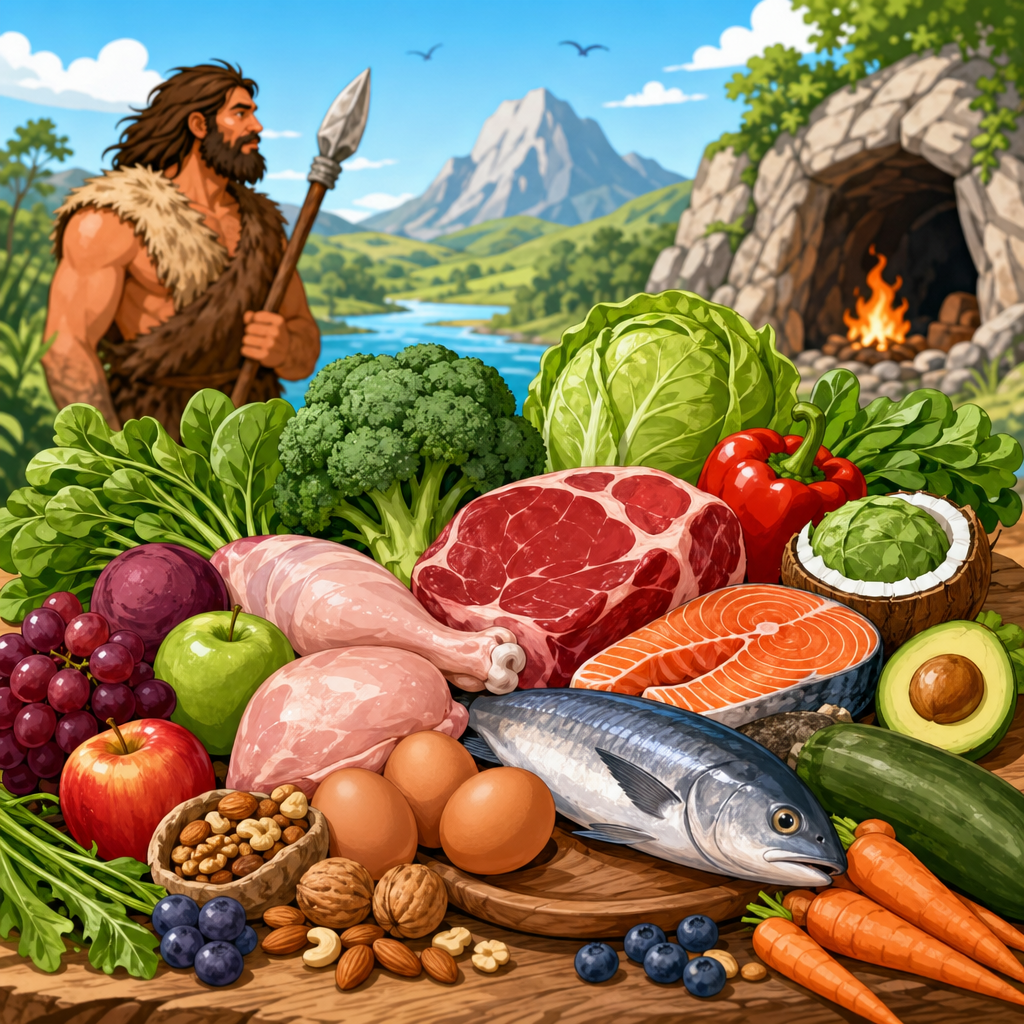
Paleo and ancestral eating focuses on foods humans relied on before industrial processing dominated the food supply: meat, fish, eggs, vegetables, fruit, nuts, seeds, and natural fats. In practice, it is less about reenacting prehistory and more about choosing nutrient-dense, minimally processed foods that align with human physiology, appetite regulation, and metabolic health. I have used this framework with clients who wanted simpler meal planning, steadier energy, and better control over added sugar and ultra-processed foods, and the pattern is consistent: when food quality improves, adherence and outcomes usually improve with it.
The term paleo generally refers to a dietary pattern inspired by presumed pre-agricultural eating, while ancestral eating is broader and often includes traditional foods from many cultures, such as fermented vegetables, bone broth, organ meats, shellfish, and properly prepared roots or tubers. Some people exclude dairy and legumes completely; others tolerate certain traditional forms well. What matters most is the core principle: prioritize whole foods with high nutrient density and remove foods strongly linked to overconsumption, blood sugar volatility, and poor satiety.
Why does this matter? Because modern diets are dominated by refined grains, industrial seed oil-heavy packaged foods, sweetened beverages, and low-protein convenience meals. Those foods are easy to overeat and often displace essentials like protein, omega-3 fats, potassium, magnesium, choline, iron, zinc, vitamin B12, and vitamin A. A well-built paleo and ancestral eating plan can improve satiety, help preserve lean mass, support blood sugar control, and make shopping easier by centering meals on a few high-value food groups. This hub article explains the top foods rich in paleo and ancestral eating and why you need them, so you can build a sustainable framework rather than follow a rigid trend.
Grass-Fed Meat, Game, and Organ Meats: The Protein and Micronutrient Core
If you ask what foods define paleo and ancestral eating, meat and organs sit at the center. Beef, bison, lamb, venison, elk, and other ruminant meats deliver complete protein with all essential amino acids, plus highly bioavailable iron, zinc, selenium, niacin, vitamin B6, and vitamin B12. Protein is not just for athletes. It regulates appetite, supports muscle maintenance during weight loss, and has the highest thermic effect of food, meaning your body uses more energy digesting it than it does digesting refined carbohydrates or fats.
In real meal planning, I usually recommend building at least two meals each day around 25 to 40 grams of protein. That can come from a six-ounce steak, a large burger patty, a portion of slow-cooked lamb, or leftover roast beef added to a salad. Grass-fed meat is often emphasized because it can contain a more favorable fatty acid profile than conventional grain-finished meat, including somewhat higher omega-3 content and conjugated linoleic acid, though the biggest nutritional win still comes from replacing heavily processed foods with any quality minimally processed protein.
Organ meats deserve special attention because they are among the most nutrient-dense foods available. Beef liver is exceptionally rich in preformed vitamin A, vitamin B12, folate, copper, and riboflavin. Heart provides CoQ10 and iron, while kidney contributes selenium and B vitamins. These foods were prized in traditional cultures because they delivered concentrated nutrition that muscle meat alone does not fully match. If the taste is challenging, mixing small amounts of liver into ground beef, using freeze-dried organ supplements from reputable brands, or eating pâté once weekly can make this category practical.
Seafood and Shellfish: Omega-3s, Iodine, and Trace Minerals
Fish and shellfish are among the best foods rich in paleo and ancestral eating because they fill nutrient gaps common in modern diets. Salmon, sardines, mackerel, herring, trout, anchovies, oysters, mussels, clams, shrimp, and crab provide high-quality protein along with long-chain omega-3 fatty acids EPA and DHA. These fats support cardiovascular health, cell membrane function, and inflammation regulation. Most people do not convert plant omega-3 ALA from flax or chia into EPA and DHA efficiently, so eating seafood directly matters.
Shellfish are also unmatched for certain minerals. Oysters are one of the richest food sources of zinc, a nutrient essential for immune function, wound healing, testosterone production, and taste perception. Clams supply iron and vitamin B12 in amounts that are difficult to match elsewhere. Sardines and canned salmon with bones add calcium in a form many people absorb well, making them especially helpful for those not using dairy. Seafoods also provide iodine, which supports thyroid hormone production, although iodine content varies by species and sourcing.
A practical target is two to four seafood meals each week, with at least one serving coming from a fatty fish. Canned options count. A lunch of sardines with cucumber, olives, and lemon or a dinner of baked salmon with roasted root vegetables is fully aligned with ancestral eating and requires little preparation. For people concerned about mercury, prioritizing smaller fish such as sardines, anchovies, herring, and wild salmon is a sound strategy. Large predatory fish like swordfish should be less frequent, especially during pregnancy.
Eggs, Fermented Foods, and Ancestral Staples That Improve Diet Quality
Eggs are one of the most efficient whole foods in any ancestral template. They contain complete protein, choline for brain and liver health, selenium, iodine, lutein, zeaxanthin, vitamin B12, and fat-soluble nutrients concentrated in the yolk. Choline is especially important because intake is often too low, and eggs are one of the easiest ways to correct that. For active adults, two to four eggs can anchor breakfast or become a fast dinner with sautéed vegetables and avocado.
Fermented foods also deserve a place in this hub because ancestral eating is not only about what to remove; it is also about preserving food in ways that may support digestion and variety. Sauerkraut, kimchi, fermented pickles, coconut yogurt with live cultures, kefir for those who tolerate dairy, and traditionally cured olives can add beneficial microbes and organic acids. The evidence on probiotics is strain-specific and nuanced, but fermented foods reliably increase flavor complexity and can help people eat more whole foods by making simple meals more satisfying.
Broth, collagen-rich cuts, and slow-cooked connective tissue foods round out this category. Bone broth is not a miracle food, but it contributes gelatin, glycine, minerals, and culinary utility. In practice, using shank, oxtail, short ribs, chicken thighs, and whole birds improves both nutrient density and food budget. Ancestral diets traditionally relied on nose-to-tail eating because it reduced waste and diversified nutrient intake. That remains a smart principle today.
Vegetables, Roots, Fruit, Nuts, and Fats: The Plant Side of Paleo and Ancestral Eating
Paleo is often misrepresented as a meat-only approach. In reality, vegetables, roots, fruit, herbs, nuts, seeds, and natural fats are essential because they provide fiber, potassium, magnesium, polyphenols, vitamin C, folate, and carotenoids. Non-starchy vegetables such as leafy greens, broccoli, cauliflower, cabbage, zucchini, asparagus, mushrooms, peppers, onions, and Brussels sprouts increase meal volume and support satiety with relatively low energy density. I advise clients to make these the default base for lunch and dinner because they improve nutrient density without complicating cooking.
Root vegetables and tubers are equally important, especially for active people. Sweet potatoes, yams, beets, carrots, turnips, rutabaga, taro, cassava, and parsnips supply carbohydrate in a less processed form than bread or cereal and often come with potassium and fiber. They are particularly useful around training, for thyroid support in people who undereat carbohydrates, and for improving adherence. Fruit serves a similar role. Berries, apples, citrus, bananas, kiwi, pomegranate, mango, melon, and dates can satisfy sweetness while delivering vitamins, hydration, and phytonutrients.
Nuts, seeds, avocado, olives, coconut, extra-virgin olive oil, avocado oil, and animal fats from quality sources provide energy and culinary flexibility, but portion awareness matters because these foods are calorie-dense. Extra-virgin olive oil stands out for its monounsaturated fats and polyphenols, especially oleocanthal, which has anti-inflammatory properties. Avocado contributes potassium and fiber. Walnuts offer ALA omega-3, while Brazil nuts provide selenium. The best use of these foods is to complement meals, not replace protein and vegetables.
| Food group | Key nutrients | Main benefit | Simple ancestral meal use |
|---|---|---|---|
| Ruminant meat and game | Protein, iron, zinc, B12 | Satiety, muscle maintenance, energy | Steak with roasted carrots and greens |
| Organ meats | Vitamin A, folate, copper, B12 | Extreme nutrient density | Liver mixed into ground beef |
| Fatty fish and shellfish | EPA, DHA, iodine, selenium, zinc | Heart, brain, and thyroid support | Sardines with salad and olives |
| Eggs | Protein, choline, selenium | Quick balanced meals | Vegetable omelet with avocado |
| Roots, vegetables, and fruit | Fiber, potassium, vitamin C, polyphenols | Digestion, recovery, micronutrient coverage | Salmon with sweet potato and broccoli |
What to Limit, Who Benefits Most, and How to Build Meals That Work
Most paleo and ancestral eating plans limit refined grains, added sugar, sweetened drinks, industrially formulated snacks, and many ultra-processed foods because these products combine low satiety with high palatability. Many versions also remove legumes, dairy, and seed oils, but this is where nuance matters. Some people feel and perform better with full dairy exclusion; others do well with yogurt, kefir, or aged cheese. Some tolerate white rice better than expected, particularly athletes. The core standard is whether a food improves nutrient density, digestion, blood sugar stability, and adherence for the individual.
This approach often works well for people trying to reduce processed food intake, improve body composition, stabilize hunger, or manage prediabetes. It can also help those with poor meal structure because the template is straightforward: center a meal on protein, add vegetables or roots, include a natural fat, and season generously with herbs, citrus, vinegar, and spices. A practical breakfast might be eggs, berries, and sautéed spinach. Lunch could be grilled chicken thighs over mixed greens with olive oil. Dinner might be beef, roasted sweet potato, and asparagus. Snacks, if needed, can be fruit, jerky without added sugar, boiled eggs, or a handful of nuts.
There are limitations. Strict versions may undersupply calcium if dairy and canned fish are absent. Fiber can be low if vegetable and fruit intake is careless. Organ meats should be portioned sensibly because vitamin A from liver is potent. Cost can also be a barrier, though buying ground beef, eggs, canned fish, frozen vegetables, whole chickens, and tougher cuts for slow cooking keeps the pattern affordable. As a hub for the broader topic, this page should lead readers into deeper guides on paleo meal plans, ancestral snacks, organ meat benefits, root vegetables, seafood choices, elimination strategies, and paleo on a budget.
The biggest advantage of paleo and ancestral eating is not that it recreates one perfect historical menu. It is that it gives you a reliable filter for choosing better food in a modern environment full of distractions. When your plate consistently includes quality protein, seafood, eggs, vegetables, roots, fruit, and natural fats, you cover more essential nutrients, manage appetite more effectively, and reduce dependence on ultra-processed products that are easy to overeat. That combination is why so many people notice steadier energy, simpler meal decisions, and better body composition.
The top foods rich in paleo and ancestral eating are clear: ruminant meats, organ meats, fatty fish, shellfish, eggs, fermented foods, vegetables, tubers, fruit, and minimally processed fats such as olive oil and avocado. Each category earns its place because it contributes something difficult to replace, whether that is bioavailable iron, choline, omega-3 fats, zinc, potassium, or collagen-rich proteins. You do not need perfection or expensive specialty products to benefit. You need consistency, variety, and a meal structure that emphasizes nutrient density over novelty.
If you want to use this hub effectively, start with one week of simple meals built from these core foods, then explore the supporting guides in your paleo and ancestral eating section for shopping lists, recipes, substitutions, and deeper strategy. Keep the framework practical, observe how your energy, hunger, training, and digestion respond, and refine from there. That is how ancestral eating becomes sustainable in real life.
Frequently Asked Questions
What foods are considered staples in a paleo or ancestral eating approach?
Paleo and ancestral eating typically centers on whole, minimally processed foods that would be recognizable without a label or ingredient list. The core staples usually include meat, poultry, fish, shellfish, eggs, vegetables, fruit, nuts, seeds, herbs, spices, and natural fats such as olive oil, avocado, coconut, tallow, or ghee for those who tolerate it. Many people also emphasize organ meats, bone broth, and collagen-rich cuts because they provide nutrients that are often missing from a modern convenience-based diet.
The reason these foods are highlighted is not because someone is trying to perfectly copy a prehistoric menu. It is because they tend to be nutrient-dense, satisfying, and easier to regulate in terms of appetite and blood sugar compared with ultra-processed foods. A meal built around salmon, roasted vegetables, berries, and a handful of nuts offers protein, healthy fats, fiber, vitamins, and minerals in a way that supports satiety and steadier energy. In practical terms, these staples help simplify meal planning by focusing on foods that nourish well without needing heavy refinement, fortification, or long ingredient lists.
Why are nutrient-dense animal foods so important in ancestral eating?
Animal foods play a major role in ancestral eating because they deliver highly bioavailable nutrition in a compact form. Foods such as beef, lamb, eggs, sardines, salmon, and shellfish provide complete protein along with important nutrients like iron, zinc, selenium, choline, vitamin B12, and omega-3 fats. These nutrients support muscle maintenance, brain function, hormone production, immune health, and energy metabolism. From a practical standpoint, they also tend to be very filling, which can make it easier to reduce mindless snacking and avoid the blood sugar swings that often come with highly refined meals.
One of the biggest reasons these foods are emphasized is absorption. For example, the iron in red meat is generally more readily absorbed than the iron found in many plant foods, and vitamin B12 is naturally present in animal foods rather than requiring fortification. Eggs are another standout because they combine quality protein with choline, which is important for liver and brain health. Fish and shellfish add iodine, selenium, and omega-3s that support cardiovascular and cognitive function. When people base meals around these foods, they often find that they feel fuller longer and have an easier time meeting nutritional needs without relying on packaged products or multiple supplements.
Which fruits, vegetables, nuts, and seeds are most valuable on a paleo-style diet, and why?
In a paleo-style framework, non-starchy and colorful vegetables are usually the foundation of the plate because they provide fiber, potassium, folate, vitamin C, antioxidants, and a wide range of plant compounds that support digestion, recovery, and overall health. Leafy greens, broccoli, Brussels sprouts, cauliflower, carrots, peppers, asparagus, zucchini, onions, mushrooms, and fermented vegetables are especially useful because they add volume and micronutrients without excessive processing. Root vegetables such as sweet potatoes, beets, and turnips can also be valuable, particularly for active people who want a more substantial carbohydrate source from whole foods.
Fruit is generally included as a nutrient-dense carbohydrate source rather than treated as a problem food. Berries are especially popular because they provide fiber and antioxidants with a relatively moderate sugar load, but apples, citrus, kiwi, melons, bananas, and seasonal fruit can all fit well depending on activity level and goals. Nuts and seeds like almonds, walnuts, macadamias, pumpkin seeds, chia, and flax can add texture, minerals, and healthy fats, though portion size matters because they are calorie-dense and easy to overeat. The overall goal is variety. Different plants provide different fibers and phytonutrients, and that diversity helps support gut health, immune resilience, and a more balanced nutrient intake over time.
How does paleo or ancestral eating support steady energy and metabolic health?
One of the main benefits people notice with paleo and ancestral eating is more consistent energy throughout the day. That usually happens because meals are built around protein, fiber-rich produce, and natural fats rather than refined grains, added sugars, and highly processed snack foods. Protein and fiber slow digestion and improve satiety, while minimally processed carbohydrate sources such as fruit or root vegetables tend to be easier to fit into a balanced meal than sugary cereals, pastries, or sweetened beverages. As a result, many people experience fewer dramatic hunger swings, less afternoon fatigue, and better control over cravings.
From a metabolic perspective, this way of eating can help by reducing dependence on hyper-palatable processed foods that encourage overeating. Meals made from whole foods often regulate appetite more naturally because they require more chewing, create more fullness, and deliver more nutrition per calorie. Blood sugar control may improve when meals consistently include protein and are not dominated by refined starches and added sugar. It also becomes easier to notice true hunger and fullness signals when food choices are simpler and less engineered for reward. While individual responses vary, the pattern of emphasizing nutrient density and reducing industrially processed foods is one reason many people use this approach to support body composition, better eating habits, and long-term metabolic health.
Do you have to eat exactly like prehistoric humans to benefit from an ancestral diet?
No. A modern ancestral diet is best understood as a practical template, not a historical reenactment. The goal is not to obsess over whether a food existed in one exact era or region. The goal is to prioritize foods that are minimally processed, nutrient-dense, and supportive of human physiology. In real life, that means choosing high-quality proteins, plenty of vegetables and fruit, natural fats, and simple ingredient meals more often than packaged foods built around refined flour, industrial seed oils, and added sugar. Many people also personalize the approach based on digestion, activity level, food access, cultural preferences, and medical needs.
This flexibility is one reason the framework works well. Someone may include white rice or full-fat dairy and still apply ancestral principles if those foods are well tolerated and help them stay consistent with a whole-food pattern. Another person may do better keeping things stricter because it improves appetite control or digestive comfort. What matters most is the direction of the diet: moving away from ultra-processed foods and toward foods that provide protein, essential fats, vitamins, minerals, and fiber in a form the body can use effectively. That is why ancestral eating remains relevant today. It is less about perfection and more about using timeless food quality principles to create simpler meals, steadier energy, and better overall nutrition.