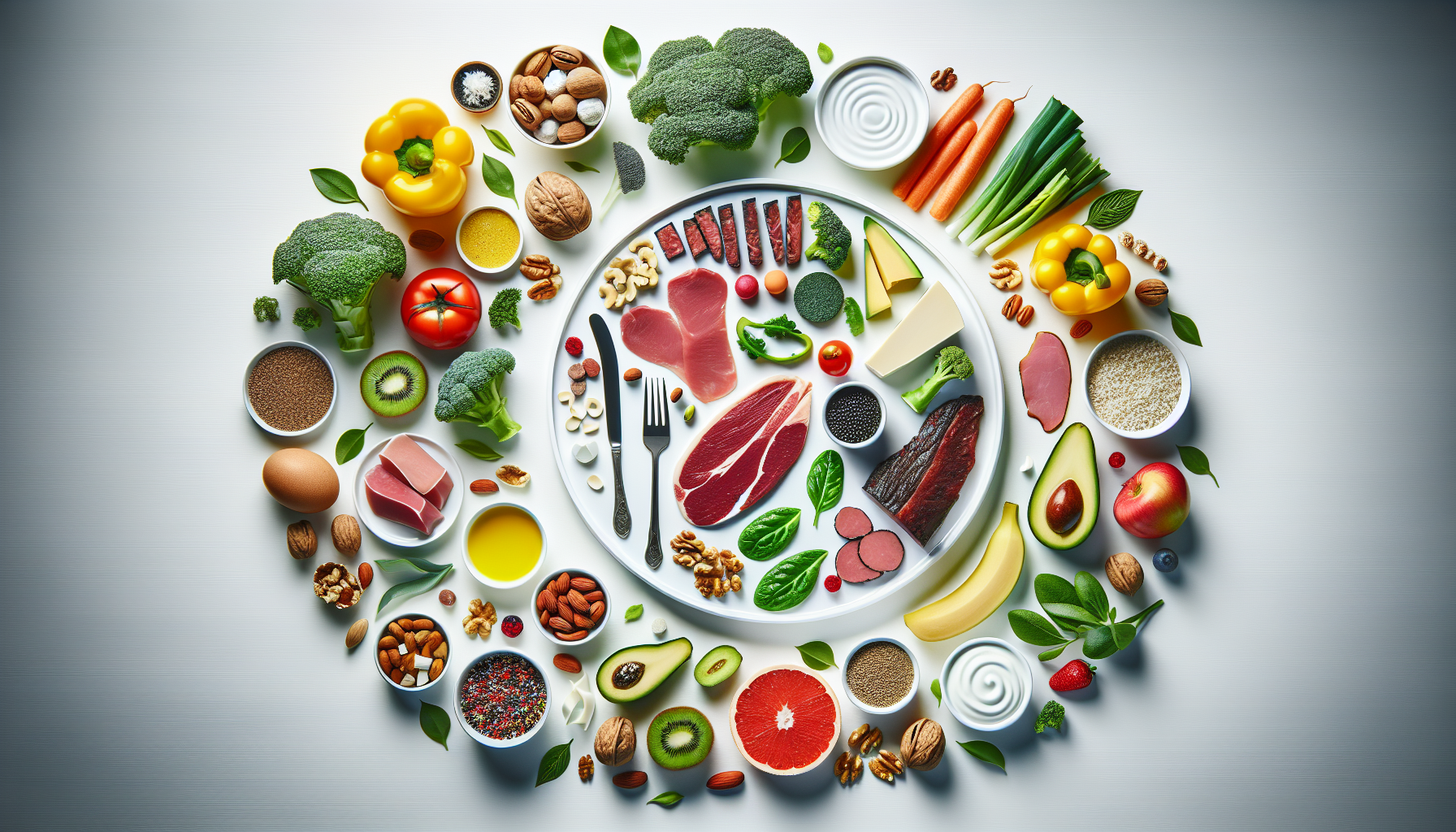
Paleo and ancestral eating focus on foods that humans have relied on for most of our evolutionary history: meat, fish, eggs, vegetables, fruit, roots, nuts, seeds, and natural fats. In practice, the approach asks a simple question before every meal: is this food close to what people could hunt, gather, ferment, or prepare with minimal industrial processing? That question matters because modern diets are dominated by refined grains, added sugars, industrial seed oils, ultra-processed snacks, and hyper-palatable convenience foods that disconnect appetite from actual nutrient needs.
As a hub topic within dietary lifestyles and special diets, paleo and ancestral eating deserves a broad, practical explanation rather than a slogan. Paleo is often defined as a template based on presumed pre-agricultural foods, while ancestral eating is a wider concept that includes traditional foodways such as soaking, fermenting, slow cooking, nose-to-tail use of animals, seasonal produce, and local adaptation. The two overlap heavily. Both prioritize whole foods, nutrient density, stable blood sugar, and the removal of common modern dietary stressors. In my work with meal planning and nutrition education, I have seen people do well when they treat this style as a framework for better choices, not a purity test.
The reason interest remains high is straightforward: many people feel better when they replace ultra-processed foods with protein-rich meals, fibrous plants, and less sugar. Better satiety, fewer energy crashes, improved meal quality, and more deliberate eating often appear before any dramatic weight change. Some also use paleo-style eating to reduce exposure to foods they personally find problematic, such as gluten-containing grains, highly refined carbohydrates, or processed dairy products. At the same time, not every claim made in this space is equally strong. A useful hub article should separate strong principles from overstatement and show where flexibility improves long-term adherence.
This guide covers what paleo and ancestral eating are, which foods typically fit, how to build balanced meals, what the evidence suggests, where the limitations are, and how to start in a realistic way. It also helps readers understand the difference between a rigid elimination approach and an inclusive whole-food strategy. If you want a practical entry point into paleo and ancestral eating, begin with this principle: center meals on protein and produce, use minimally processed carbohydrates as needed, choose quality fats, and let your health goals, budget, activity level, and tolerance shape the details.
What Paleo and Ancestral Eating Actually Mean
Paleo eating usually excludes grains, legumes, refined sugar, industrially produced snack foods, and most ultra-processed ingredients. Ancestral eating may or may not exclude all of those categories, because it is grounded less in a fixed food list and more in traditional dietary patterns and food preparation methods. For example, some ancestral frameworks include white rice, cultured dairy, sourdough, properly prepared legumes, or regionally relevant starches if they are well tolerated and minimally processed. That is one reason ancestral eating often works better as a long-term lifestyle: it respects biology without ignoring culture, geography, and practicality.
Several core ideas drive both approaches. First, satiety matters. Protein, fiber, and intact foods generally regulate hunger better than liquid calories and highly processed snack foods. Second, nutrient density matters. Eggs, sardines, liver, shellfish, red meat, berries, leafy greens, and root vegetables deliver vitamins, minerals, essential fatty acids, and amino acids in concentrated forms. Third, food quality matters. A grass-fed steak is not nutritionally identical to a fast-food burger on a refined bun with sweetened sauce and fries cooked in reused oil, even if both contain beef. The dietary context changes glycemic load, sodium balance, additives, and total calorie intake.
A practical definition is this: paleo and ancestral eating are whole-food dietary templates designed to improve health by emphasizing minimally processed foods, adequate protein, natural fats, and plant diversity while reducing modern processed products that commonly drive overeating and poor metabolic health. That definition is broad enough to be useful and specific enough to guide shopping, meal planning, and eating out.
Core Foods, Common Exclusions, and Why They Matter
The foundation of paleo and ancestral eating is straightforward. Protein foods include beef, lamb, pork, poultry, eggs, game meats, seafood, and organ meats. Plant foods include leafy greens, cruciferous vegetables, onions, mushrooms, herbs, squash, carrots, beets, sweet potatoes, berries, citrus, apples, and seasonal fruit. Fats commonly include olive oil, avocado, olives, coconut, ghee for those who tolerate it, tallow, and fats naturally present in whole foods. Nuts and seeds are usually included, though portions matter because they are energy-dense and easy to overeat.
Commonly excluded foods are refined grains, breakfast cereals, pastries, candy, sugar-sweetened beverages, protein bars with long ingredient lists, and many packaged snacks. In stricter paleo versions, all grains, legumes, and dairy are removed. The reasoning usually involves blood sugar control, digestive tolerance, food processing, and the lower satiety value of many refined carbohydrate foods. There is also concern about compounds such as gluten in wheat or certain antinutrients in legumes and grains, though the real-world impact varies widely by person, preparation method, and total diet quality.
When readers ask, “What should I eat on paleo?” the simplest answer is: eat meals built from animal protein or seafood, non-starchy and starchy vegetables, fruit, and minimally processed fats. When they ask, “What should I avoid?” the direct answer is: avoid foods engineered for shelf life and overconsumption. That includes chips, sweetened yogurts, soda, flavored coffee drinks, instant desserts, and many restaurant meals built around refined flour, sugar, and seed-oil-heavy frying.
| Category | Usually Emphasized | Usually Limited or Excluded | Practical Example |
|---|---|---|---|
| Protein | Eggs, beef, fish, chicken, shellfish | Processed deli meats with fillers | Salmon with vegetables instead of breaded fish sticks |
| Carbohydrates | Sweet potatoes, squash, fruit, roots | Refined flour, sugary cereal, pastries | Baked potato and berries instead of toaster waffles |
| Fats | Olive oil, avocado, olives, coconut | Deep-fried fast food and many packaged snacks | Olive-oil dressing instead of bottled sweetened dressing |
| Snacks | Boiled eggs, fruit, jerky, nuts | Candy, chips, granola bars | Apple with almonds instead of vending machine snacks |
Health Benefits and What the Evidence Supports
The strongest benefits of paleo and ancestral eating come from what they displace. Replacing ultra-processed foods with whole foods usually improves protein intake, fiber quality, micronutrient density, and satiety. That often leads to spontaneous calorie reduction without deliberate restriction. Clinical studies on paleo-style diets have reported improvements in weight, waist circumference, triglycerides, blood pressure, and glycemic control in some populations, especially compared with low-quality baseline diets. These effects make sense physiologically because higher protein intake supports fullness, lower refined carbohydrate intake can reduce glucose variability, and better food quality reduces passive overconsumption.
Many people also report better digestive comfort, more stable energy, and fewer late-night cravings. In my experience, the biggest early win is not magic fat loss but meal structure. When breakfast shifts from sweet cereal to eggs, fruit, and leftovers, and lunch shifts from a sandwich and chips to chicken, potatoes, and salad, hunger becomes more predictable. That helps people maintain consistency. Better consistency drives better outcomes.
However, evidence is mixed on whether strict exclusion of all grains, legumes, or dairy is necessary for everyone. Some people thrive with carefully chosen white rice, fermented dairy, lentils, or oats. Others clearly feel and perform better without them. The key is to distinguish between individual tolerance and universal necessity. A sound paleo or ancestral plan can improve metabolic health, but results depend on sleep, total calorie intake, movement, stress, alcohol use, and adherence over time. Diet quality is powerful, but it is not isolated from the rest of life.
Building Balanced Meals for Energy, Fitness, and Daily Life
A balanced paleo or ancestral plate starts with a clear protein target. Most adults do well making protein the anchor of each meal, often around 25 to 40 grams depending on body size and activity. That can come from three eggs plus smoked salmon, a chicken thigh and extra egg whites, a burger patty, a can of sardines, or a palm-and-a-half portion of steak. Protein is the most overlooked driver of satiety in modern diets, and getting enough early in the day usually makes the rest of the day easier.
Next add produce, including both non-starchy vegetables and, when appropriate, starches such as sweet potatoes, winter squash, plantains, or regular potatoes. Athletes, active adults, and people with high energy demands often perform better with more carbohydrate from whole-food sources, especially around training. Sedentary adults managing blood sugar may prefer a lower carbohydrate version built around vegetables, berries, and modest starch portions. Both can fit within paleo and ancestral eating because the framework is based on food quality first and carbohydrate quantity second.
Fats should support the meal, not dominate it. Olive oil on vegetables, avocado with eggs, or naturally occurring fat in salmon are usually enough. It is easy to turn a whole-food diet into a very high-calorie diet by adding large amounts of nut butter, coconut desserts, or “paleo treats” made from dates and almond flour. Those foods can be useful occasionally, but they should not crowd out regular meals.
Meal examples make this concrete. Breakfast might be eggs, sautéed spinach, berries, and roasted potatoes. Lunch could be grilled chicken, mixed greens, cucumbers, olives, and sweet potato with olive oil and lemon. Dinner could be beef stew with carrots, onions, mushrooms, and bone broth, followed by fruit. Those meals are simple, nutrient-dense, and realistic for busy households.
Common Mistakes, Limitations, and Who Should Personalize Carefully
The most common mistake is turning paleo into a processed-food diet with different branding. Packaged paleo cookies, cassava chips, sweetened meat sticks, and grain-free desserts can fit labels while still undermining appetite control. Another mistake is eating too little carbohydrate for your activity level. I often see runners, lifters, and highly active people cut grains and then forget to replace that energy with potatoes, fruit, squash, or rice if their version allows it. The result is flat training, poor recovery, and intense cravings that get misread as lack of willpower.
Cost is another real barrier. Grass-fed meat, wild fish, and specialty flours are expensive. The good news is that a strong ancestral template does not require luxury products. Canned sardines, eggs, frozen vegetables, potatoes, chicken thighs, ground beef, seasonal fruit, carrots, cabbage, and beans for those who tolerate them can create excellent meals. Perfection is not required. Better sourcing helps, but the largest benefit usually comes from reducing ultra-processed food intake.
Some groups should individualize more carefully. People with kidney disease, eating disorders, diabetes on glucose-lowering medication, gastrointestinal disease, or complex lipid disorders should work with a qualified clinician before making major changes. Pregnant athletes, growing teens, and people with high training loads may need more carbohydrates than stricter paleo plans provide. Dairy-free versions can also reduce calcium intake if meals are not planned well. That can be solved with canned salmon with bones, sardines, mineral-rich water, greens, or fortified alternatives when appropriate, but it should be considered deliberately.
How to Start and Sustain Paleo and Ancestral Eating
The best way to start is not a pantry purge followed by an unrealistic rulebook. Start with one repeatable week of meals. Choose three proteins, three vegetables, two starches, two fruits, and one easy breakfast. Shop once, cook in batches, and keep emergency foods on hand such as boiled eggs, canned fish, fruit, and cooked potatoes. If a meal is built around protein and produce, it is usually on track.
Use a simple progression. First, remove sugar-sweetened drinks and ultra-processed snacks. Second, upgrade breakfast and lunch because those meals shape the rest of the day. Third, identify foods you may want to test removing for two to four weeks, such as gluten, dairy, or legumes, then reintroduce them one at a time and assess energy, digestion, appetite, training, and skin. This approach turns paleo and ancestral eating into a structured experiment instead of a belief system.
Long-term success depends on flexibility. At home, keep meals simple and consistent. At restaurants, prioritize grilled meat or fish, vegetables, potatoes, rice if tolerated, and sauces on the side. During travel, focus on the next good meal, not dietary perfection. Paleo and ancestral eating work best when they improve your defaults: more whole foods, more protein, more plants, fewer engineered foods, and clearer awareness of what helps you feel and function at your best.
Paleo and ancestral eating offer a practical way to improve diet quality by returning to foods humans have long recognized as nourishing: protein-rich animal foods, vegetables, fruit, roots, and minimally processed fats. Their main strength is not historical romance. It is the reliable effect of replacing ultra-processed foods with meals that support satiety, blood sugar stability, nutrient intake, and consistent eating habits. For many people, that shift leads to better energy, easier weight management, improved digestion, and a healthier relationship with food choices.
The most useful takeaway is that this approach works best as a flexible template. Strict elimination can help some people identify problem foods, but sustainable results usually come from building meals around protein and produce, adding carbohydrates to match activity, and using traditional food practices where they make sense. There is room for personalization based on tolerance, culture, budget, and health goals. That is why ancestral eating remains relevant: it respects both human biology and real life.
If you are exploring paleo and ancestral eating as part of a broader dietary lifestyle, start simple. Build one week of whole-food meals, track how you feel, and adjust based on evidence from your own experience. From there, expand into related topics such as meal prep, elimination strategies, training nutrition, and family-friendly recipes to make this way of eating practical for the long term.
Frequently Asked Questions
What is the difference between paleo eating and ancestral eating?
Paleo eating is usually described as a template built around foods that resemble what humans could have hunted, fished, gathered, or minimally prepared before the rise of modern industrial food systems. That generally means prioritizing meat, fish, eggs, vegetables, fruit, roots, nuts, seeds, herbs, spices, and natural fats. Ancestral eating overlaps heavily with paleo, but it is often a broader and more flexible concept. Instead of following a strict list of allowed and avoided foods, ancestral eating asks whether a food aligns with traditional human diets, local foodways, and time-tested preparation methods such as fermenting, soaking, slow cooking, drying, and using the whole animal or plant.
In practical terms, paleo is often the starting framework, while ancestral eating adds context, sustainability, and individual tolerance. For example, some ancestral approaches may include traditionally prepared dairy, white rice, legumes, or sourdough depending on a person’s heritage, health goals, and digestion. The main shared principle is reducing reliance on ultra-processed foods, refined grains, added sugars, and industrial seed oils in favor of nutrient-dense whole foods. For someone trying to maximize health, the most useful takeaway is not obsessing over labels but focusing on food quality, simplicity, and how your body responds over time.
What foods should I eat most often on a paleo or ancestral diet?
The foundation of a paleo or ancestral way of eating is nutrient-dense whole food. That means building meals around high-quality protein sources such as beef, lamb, poultry, wild-caught or responsibly sourced fish, shellfish, and eggs. These foods provide complete protein along with key nutrients like iron, zinc, selenium, B vitamins, and choline. Around that protein base, the diet emphasizes a wide variety of vegetables, especially colorful and fibrous options such as leafy greens, broccoli, carrots, peppers, mushrooms, onions, and cruciferous vegetables. Starchy roots and tubers like sweet potatoes, potatoes, yams, beets, and squash are also important, especially for active people who need more energy and carbohydrate support.
Fruit, nuts, seeds, avocado, olives, and natural fats such as olive oil, coconut, tallow, ghee, or butter if tolerated can round out meals and improve satiety. Bone broth, fermented vegetables, liver, sardines, and slow-cooked cuts of meat are often considered especially valuable in ancestral nutrition because they supply minerals, collagen, omega-3 fats, and fat-soluble vitamins. Rather than trying to create a perfect food list, it is smarter to aim for variety, seasonal eating, and minimal processing. A simple rule works well: if the food looks close to how it exists in nature and could be prepared in a traditional kitchen without industrial additives, it likely fits the spirit of the approach.
Can paleo and ancestral eating improve energy, digestion, and overall health?
For many people, yes. One reason is that this style of eating often removes the biggest drivers of poor dietary quality in a modern food environment: sugary drinks, ultra-processed snacks, refined flours, and heavily engineered convenience foods. Replacing those foods with protein-rich meals, fiber-rich vegetables, and more stable sources of fat and carbohydrate can support steadier blood sugar, better satiety, and fewer energy crashes during the day. Many people also notice that when meals are built around whole foods instead of packaged products, cravings become easier to manage because the body is receiving more protein, micronutrients, and volume from real food.
Digestion can improve as well, particularly when people reduce foods that are difficult for them personally and increase foods that support gut function. Cooked vegetables, fermented foods, broth, and properly prepared proteins are often easier to digest than heavily processed meals. Some people experience less bloating when they cut back on refined grains, added sugars, and industrial ingredients, though individual tolerance varies. From a broader health perspective, paleo and ancestral eating can support body composition, metabolic health, and nutrient intake because the diet emphasizes quality over calories alone. That said, results depend on the details. A healthy ancestral diet is not just eating large amounts of meat; it is balancing protein, plants, healthy fats, sleep, movement, and stress management in a consistent way.
Do I have to avoid grains, legumes, and dairy completely?
Not necessarily. A stricter paleo approach often excludes grains, legumes, and dairy because these foods became common later in human history and can be problematic for some people due to digestibility, blood sugar effects, or immune sensitivity. However, ancestral eating is often more nuanced. The better question is whether a food is well tolerated, minimally processed, and prepared in a traditional way that improves digestibility. For example, some people do very well with fermented dairy like yogurt, kefir, or aged cheese, especially when it comes from high-quality sources. Others may tolerate white rice better than whole grains, or enjoy legumes that have been soaked, sprouted, or pressure-cooked.
If your goal is maximizing health, an elimination-and-reintroduction approach can be helpful. Start with a simple whole-food baseline for a few weeks, then add back one category at a time and pay attention to digestion, energy, skin, cravings, sleep, and joint comfort. This removes guesswork and makes the diet more personal and sustainable. There is no award for being unnecessarily restrictive. If a food supports your health, digestion, and lifestyle without crowding out more nutrient-dense options, it may have a place in your version of ancestral eating. The key is intentionality: choose foods based on quality and response, not convenience or habit alone.
How can I start paleo or ancestral eating without making it complicated?
The easiest way to begin is to simplify your meals rather than overhaul your life overnight. At each meal, start with a protein source, add one or two vegetables, include a starch if needed, and use a natural fat for cooking or flavor. A practical example would be eggs with sautéed spinach and fruit for breakfast, chicken with roasted sweet potatoes and salad for lunch, and salmon with rice-free vegetables and olive oil for dinner. If snacks are needed, choose options such as boiled eggs, fruit, jerky with clean ingredients, nuts, or leftovers. The more often you eat meals made from recognizable ingredients, the less effort the process becomes.
It also helps to clean up your food environment. Stock your kitchen with basics like eggs, ground meat, frozen vegetables, root vegetables, canned fish, olive oil, avocados, fruit, and spices. Read labels carefully and avoid products built around refined flour, added sugar, industrial seed oils, and long additive lists. Meal prep can make a major difference: cook extra protein, roast trays of vegetables, and keep easy staples ready for busy days. Most importantly, take a sustainable approach. You do not need perfection to benefit. Even moving from a heavily processed diet to one centered on whole, traditionally prepared foods can produce meaningful improvements in energy, hunger control, and long-term health.