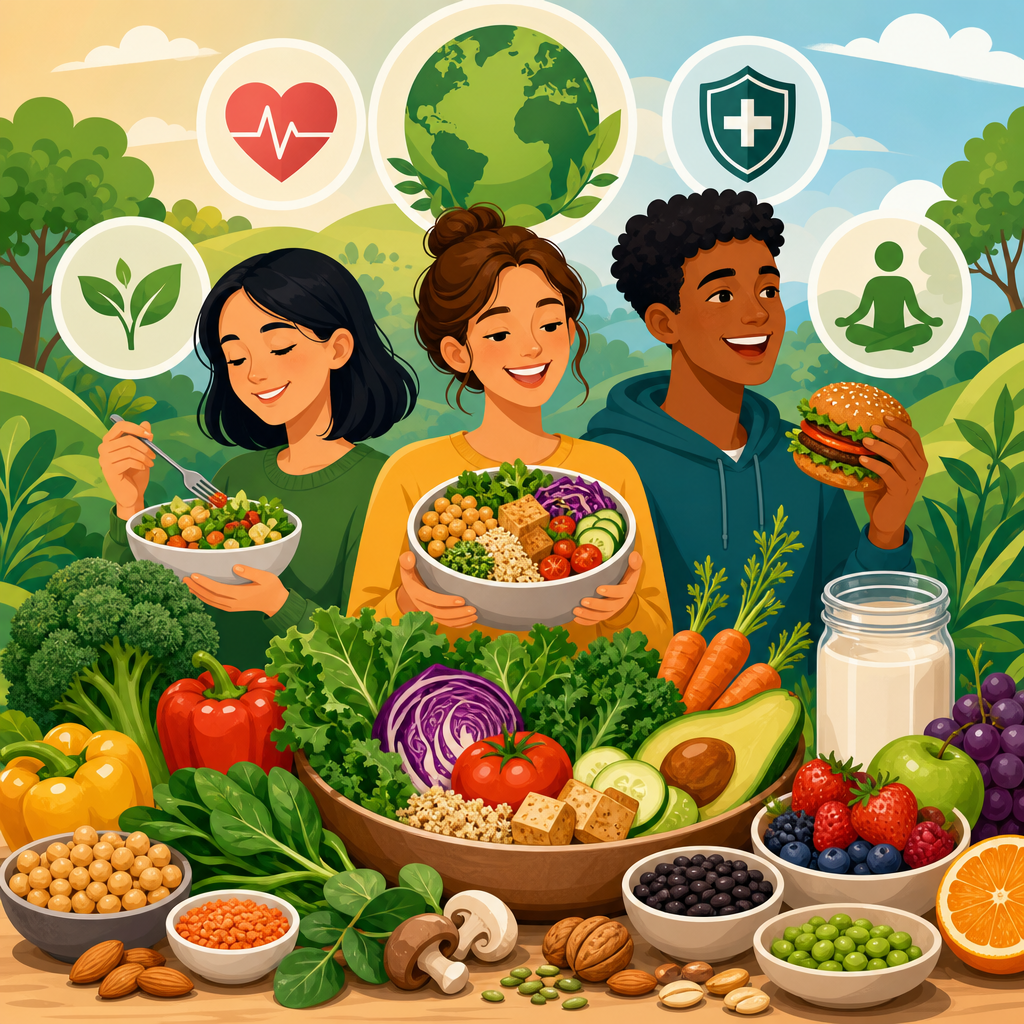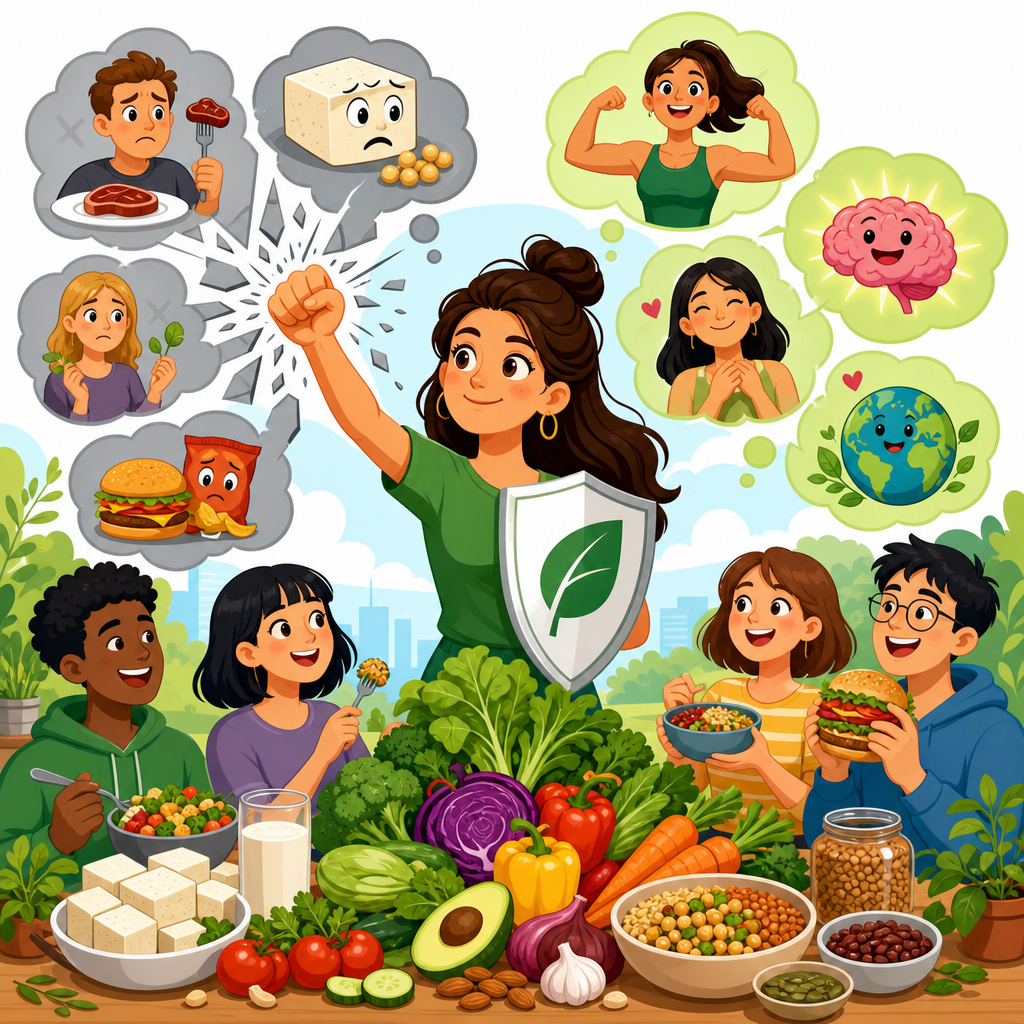
Plant-based diets include several eating patterns built around foods from plants, but they are often misunderstood. A vegan diet excludes all animal products, including meat, fish, dairy, eggs, and ingredients such as gelatin. A vegetarian diet excludes meat and fish but may include dairy, eggs, or both, depending on the type. A flexitarian diet is mostly plant-forward while allowing some animal foods in smaller or less frequent amounts. I have worked with clients and editorial teams covering all three approaches, and the same myths surface repeatedly: that plant-based eating is automatically healthier, always deficient in protein, expensive, inconvenient, or suitable only for highly motivated people. These claims persist because people often confuse a dietary pattern with food quality, and they underestimate how varied plant-based eating can be.
Debunking these myths matters because millions of people are trying to improve health, reduce environmental impact, manage weight, or align food choices with ethics and culture. Research from organizations such as the Academy of Nutrition and Dietetics and national public health agencies consistently shows that well-planned vegetarian and vegan diets can support health across the lifespan. At the same time, a plant-based label does not guarantee nutritional balance. French fries, soda, and refined snack bars can all be vegan. The real question is not whether plant-based diets work in theory, but how they work in practice. This hub article explains the most common misconceptions about vegan, vegetarian, and flexitarian eating, shows where each myth comes from, and provides practical context so readers can make informed decisions and explore related articles within the broader Dietary Lifestyles & Special Diets topic.
Myth 1: All Plant-Based Diets Are Basically the Same
This is the first misconception to correct because it affects every other question people ask. Vegan, vegetarian, and flexitarian diets overlap, but they are not interchangeable. In real meal planning, the differences are significant. A vegan eater may rely on beans, soy foods, lentils, nuts, seeds, fortified plant milks, and supplements for nutrients such as vitamin B12. A lacto-ovo vegetarian can draw on yogurt, milk, eggs, and cheese for protein, calcium, iodine, and B12. A flexitarian may keep familiar foods like fish, chicken, or eggs in rotation while shifting the center of the plate toward legumes, whole grains, and vegetables.
These distinctions affect shopping lists, nutrient risks, restaurant choices, and family routines. I have seen readers assume that one study on vegetarians applies directly to vegans, or that a flexible reduction in meat gives the same nutrient profile as a fully vegan pattern. It does not. If someone eats beans three times a week but still relies heavily on processed meat, the health effect will differ from a diet centered on whole grains, tofu, greens, and fruit. That is why good guidance always defines the pattern clearly before judging it.
| Diet pattern | Usually excludes | May include | Common nutrient focus |
|---|---|---|---|
| Vegan | Meat, fish, dairy, eggs | Legumes, soy, nuts, seeds, fortified foods | B12, iron, calcium, iodine, omega-3 |
| Vegetarian | Meat, fish | Dairy, eggs, plant proteins | Iron, protein quality, omega-3 |
| Flexitarian | No strict exclusions | Mostly plants with some animal foods | Food quality, fiber, balance |
Myth 2: Plant-Based Diets Do Not Provide Enough Protein
Protein is the myth people ask about first, yet it is usually the least complicated issue. Most adults in high-income countries already meet or exceed total protein needs. The challenge is less about getting any protein and more about choosing varied, nutrient-dense sources. Beans, lentils, tofu, tempeh, edamame, soy milk, seitan, peas, peanuts, hemp seeds, and whole grains all contribute meaningfully. A bowl with quinoa, black beans, pumpkin seeds, and vegetables can deliver substantial protein along with fiber, magnesium, folate, and potassium. Greek yogurt and eggs make the task even easier for vegetarians, while flexitarians can combine plant staples with occasional fish or poultry.
The old idea that plant proteins must be combined in the same meal has been overstated. What matters is eating a range of protein sources over the course of the day so essential amino acids are available overall. Soy stands out because it provides high-quality protein comparable to many animal foods. For athletes, older adults, and people trying to preserve muscle during weight loss, planning matters more. They may need more protein per meal and may benefit from higher-protein staples such as tofu, tempeh, soy yogurt, seitan, lentil pasta, or fortified products. The myth falls apart once meals are examined realistically rather than abstractly.
Myth 3: Plant-Based Eating Automatically Causes Nutrient Deficiencies
A well-planned plant-based diet can be nutritionally adequate, but it is not magic, and this is where nuance matters. Vitamin B12 is the clearest example. Reliable vegan sources are fortified foods or supplements, and that is nonnegotiable. Iron deserves attention too, because plant foods contain non-heme iron, which is absorbed less efficiently than iron from meat. Pairing iron-rich foods such as lentils, tofu, beans, pumpkin seeds, and fortified cereals with vitamin C sources like citrus, peppers, strawberries, or broccoli improves absorption. Calcium can come from fortified plant milks, calcium-set tofu, tahini, kale, bok choy, and dairy for vegetarians. Iodine may require iodized salt or seaweed used carefully, since seaweed levels vary widely.
Omega-3 fats are another common concern. Flaxseed, chia seeds, walnuts, and hemp seeds provide ALA, while algae-based supplements offer preformed DHA and EPA for people who want a direct source without fish. Vitamin D can be difficult for many people regardless of diet, depending on sunlight exposure, skin tone, latitude, and season. In practice, deficiencies happen when people eat narrow diets, skip fortified foods, or assume that “plant-based” equals self-correcting health. The better message is simple: every eating pattern has nutrients to watch, and plant-based diets are no exception. Good planning prevents most problems.
Myth 4: Plant-Based Diets Are Always Healthier Than Omnivorous Diets
This myth sounds positive, but it is still misleading. A diet should be judged by overall quality, not by a label alone. Whole-food plant-based meals rich in beans, vegetables, fruit, nuts, seeds, and intact grains are associated with better cardiometabolic outcomes in many studies. Higher fiber intake, lower saturated fat in many cases, and greater consumption of potassium- and polyphenol-rich foods can support blood lipids, blood pressure, and gut health. However, there is a large difference between that pattern and a diet built around refined grains, sugary drinks, fried foods, and heavily processed meat substitutes.
I have reviewed grocery baskets labeled vegan that were dominated by frozen desserts, chips, white bread, and convenience foods. Those products may fit the rules of vegan eating while falling short on fiber, micronutrients, and satiety. The reverse is also true: an omnivorous diet can be highly nutritious if it emphasizes vegetables, legumes, whole grains, fish, yogurt, and modest portions of minimally processed meat. In other words, plant-based is not a moral halo or a nutritional shortcut. The strongest evidence supports diets centered on minimally processed plant foods, whether the eater is vegan, vegetarian, or flexitarian.
Myth 5: Plant-Based Diets Are Too Expensive for Most People
This myth persists because people often compare dry beans with premium meat alternatives, not with everyday staples. In my experience, the most affordable plant-based diets rely on lentils, beans, chickpeas, oats, rice, potatoes, seasonal produce, peanut butter, frozen vegetables, tofu, and pasta. These foods are usually cheaper per serving than meat, especially when bought in bulk or store-brand formats. A pot of lentil soup, bean chili, or chickpea curry can feed several people at a low cost while providing protein and fiber. Flexitarian eating can also reduce grocery bills by using smaller amounts of meat as a side ingredient rather than the centerpiece.
The expensive version of plant-based eating is built around specialty snacks, single-serve protein items, restaurant bowls, and highly branded substitutes. Those products are convenient, but they are not required. Cost also depends on access. In some neighborhoods, fresh produce and specialty plant foods are harder to find than canned beans, tortillas, rice, or frozen vegetables. Smart planning matters more than trend-driven shopping. When readers ask whether plant-based eating is affordable, the most accurate answer is yes, especially if meals are based on staples and simple cooking methods rather than packaged convenience foods.
Myth 6: It Is Too Hard to Follow in Real Life
Plant-based eating becomes manageable when people stop aiming for perfection and start building repeatable routines. Flexitarian eating is often the easiest entry point because it does not require all-or-nothing thinking. Someone can begin with bean tacos on Mondays, lentil bolognese on Wednesdays, and tofu stir-fry on Fridays without changing every meal overnight. Vegetarians may find travel and social events simpler than vegans because dairy and eggs are common fallbacks, while vegans often benefit from planning ahead, checking menus, and keeping portable snacks available. Difficulty usually drops once a person identifies ten reliable meals and keeps the pantry stocked.
Restaurants, schools, and supermarkets have also changed. Most large grocery chains now carry tofu, plant milks, canned legumes, whole grains, and meat alternatives. Major restaurant menus increasingly mark vegetarian and vegan dishes clearly. The remaining friction points are social, not nutritional: family habits, cultural expectations, or fear of standing out. I have found that the most successful approach is practical communication. Tell hosts what you eat, offer to bring a dish, and focus on foods that are naturally plant-based rather than trying to replicate every animal-based meal exactly. Real life gets easier when expectations become realistic.
Myth 7: Kids, Older Adults, and Athletes Cannot Thrive on Plant-Based Diets
Different life stages require different planning, but broad claims that these groups cannot succeed on plant-based diets are inaccurate. For children, energy density, protein, calcium, iron, zinc, B12, and omega-3 intake deserve attention, especially on vegan diets. Nut butters, soy foods, beans, fortified milks, avocado, and calorie-dense snacks can help younger children meet needs. Older adults often need special focus on total protein, leucine-rich foods, vitamin D, B12, and easy-to-chew meals; soy foods, dairy for vegetarians, legumes, and protein-fortified staples can be useful. Athletes can perform well on plant-based diets when energy intake, carbohydrate availability, protein distribution, and recovery nutrition are planned intentionally.
Elite examples exist across endurance and strength sports, but anecdotes are not enough. The practical lesson is that specialized needs require specialized planning. A teenage vegan runner and a sedentary flexitarian retiree do not need the same strategy. This is where individualized advice from a registered dietitian can be valuable, particularly for pregnancy, early childhood, medical conditions, or high-performance training. The myth should be replaced with a more accurate statement: plant-based diets can work across life stages, but the margin for sloppy planning is smaller when nutritional demands are higher.
Myth 8: Meat Alternatives Make Plant-Based Diets Unhealthy
Meat substitutes are tools, not verdicts. Some are highly processed and high in sodium, while others provide convenient protein with reasonable ingredient lists. Tofu, tempeh, and edamame are minimally processed soy foods with long culinary histories and strong nutritional value. Newer burgers, sausages, and nuggets can help people transition away from meat, but they should be judged the same way any packaged food is judged: by sodium, saturated fat, protein, fiber, and ingredient quality. It is not accurate to dismiss an entire dietary pattern because some convenience foods are less ideal.
A balanced view works best. If a plant-based burger helps someone replace fast-food beef several times a week while increasing fiber and reducing red meat intake, that may be a meaningful improvement. If the rest of the diet is already built on whole foods, occasional use is not a problem. On the other hand, relying exclusively on ultraprocessed substitutes can crowd out beans, lentils, nuts, grains, vegetables, and fruit. The healthiest long-term pattern usually includes both staples and selective convenience foods, chosen deliberately rather than emotionally.
Plant-based diets are not one rigid lifestyle but a spectrum that includes vegan, vegetarian, and flexitarian ways of eating. The biggest myths collapse when the details are examined. Protein is usually achievable, but meal composition matters. Deficiencies are not inevitable, yet nutrients such as B12, iron, calcium, iodine, omega-3, and vitamin D deserve attention. A plant-based label alone does not guarantee health; food quality, variety, and consistency decide the outcome. Cost can be low when meals are built around staples, and everyday practicality improves with simple routines, realistic expectations, and a small set of reliable meals.
For most people, the main benefit of plant-based eating is flexibility. You can move fully vegan, stay vegetarian, or shift toward a flexitarian pattern and still gain from eating more legumes, whole grains, vegetables, fruit, nuts, and seeds. The best version is the one you can sustain while meeting nutrient needs and enjoying food. Use this hub as your starting point within Dietary Lifestyles & Special Diets, then explore related articles on plant-based protein, meal planning, supplements, family nutrition, and grocery strategies. Choose one myth that has been holding you back, replace it with evidence, and make your next meal more plant-forward.
Frequently Asked Questions
Are plant-based diets automatically nutritionally incomplete?
No. One of the most persistent myths is that plant-based diets are inherently lacking in protein, iron, calcium, omega-3 fats, or other essential nutrients. In reality, vegan, vegetarian, and flexitarian diets can all be nutritionally adequate when they are built with variety and intention. Legumes, tofu, tempeh, edamame, lentils, beans, nuts, seeds, whole grains, fruits, and vegetables provide a wide range of nutrients, and many dairy alternatives and cereals are fortified with calcium, vitamin D, and vitamin B12. Vegetarian patterns that include dairy or eggs can add additional sources of protein and micronutrients, while flexitarian diets may include occasional fish, yogurt, or eggs alongside mostly plant-based meals.
What matters most is overall diet quality, not the label itself. A person can eat a nutrient-poor omnivorous diet just as easily as a nutrient-poor vegan one. The key is making room for protein-rich staples, iron-containing foods such as lentils and beans, vitamin C-rich produce to help with iron absorption, and reliable sources of nutrients that require extra attention, especially vitamin B12 on a fully vegan diet. With thoughtful planning, plant-based eating is not automatically deficient. In fact, many people find it encourages them to eat more fiber, more produce, and a broader range of whole foods than they did before.
Do you have to be fully vegan to get health benefits from eating more plant-based foods?
Not at all. Another common misconception is that plant-based eating only “counts” if it is all or nothing. In practice, there is a spectrum. Vegan, vegetarian, and flexitarian diets all fall under the broader plant-based umbrella because they emphasize foods from plants. A flexitarian approach, for example, can still offer meaningful benefits by shifting the balance of the plate toward beans, vegetables, fruits, whole grains, nuts, and seeds while reducing reliance on large portions of meat or highly processed foods.
This matters because sustainability and consistency often beat perfection. Some people thrive on a fully vegan diet, while others prefer a vegetarian pattern or a mostly plant-forward style that includes occasional animal foods. If someone starts by replacing a few meat-centered meals each week with lentil chili, tofu stir-fry, bean tacos, or grain bowls, that change can still improve fiber intake, diversify nutrient sources, and encourage better eating habits overall. Health benefits do not require a rigid identity. They come from repeated food choices over time, and increasing plant foods in any realistic, maintainable way can be a positive step.
Is it difficult to get enough protein on a vegan, vegetarian, or flexitarian diet?
This myth tends to persist because many people are used to thinking of meat as the default protein source. But protein is available in a wide range of plant foods. Beans, lentils, peas, tofu, tempeh, soy milk, edamame, seitan, nuts, seeds, whole grains, and dairy or eggs for those who include them can all contribute significantly to daily protein intake. Flexitarian eaters may also use smaller amounts of poultry, fish, eggs, or yogurt while still making plants the foundation of most meals.
For most adults, meeting protein needs is less about one “perfect” food and more about eating enough total food and including protein-containing ingredients throughout the day. A bowl of oatmeal with soy milk and chia seeds, a lentil soup at lunch, hummus with whole grain pita, and a tofu or bean-based dinner can add up quickly. It is also a myth that plant proteins must be carefully combined in the same meal to be useful. As long as a person eats a variety of plant foods over the course of the day, the body can draw on that mix effectively. Athletes, older adults, or people with higher protein needs may need more deliberate meal planning, but the idea that plant-based diets are automatically too low in protein is simply not accurate.
Are plant-based diets always healthier than diets that include animal foods?
No. “Plant-based” is not a magic word, and it does not guarantee a healthy diet. A diet built around whole grains, legumes, vegetables, fruits, nuts, seeds, and minimally processed protein sources can be highly nutritious, but a diet centered on refined carbs, sugary drinks, fried foods, and heavily processed snack products can still be technically vegan or vegetarian and fall short nutritionally. In the same way, some omnivorous diets are poorly balanced, while others are rich in vegetables, beans, whole grains, fish, and other nutrient-dense foods.
The more useful question is whether a plant-based eating pattern is well constructed. A strong plant-based diet usually emphasizes variety, fiber, unsaturated fats, and minimally processed staples, while being mindful of nutrients that may need attention depending on the style of eating. Vegan diets may need reliable vitamin B12 supplementation or fortified foods. Vegetarian diets should still prioritize quality rather than leaning too heavily on cheese, refined grains, or packaged convenience foods. Flexitarian diets can be very healthy when animal foods complement, rather than dominate, the plate. So yes, plant-based diets can be very healthy, but the healthfulness comes from food choices and dietary pattern, not from the label alone.
Does eating plant-based mean giving up familiar meals, convenience, or satisfaction?
Definitely not. Many people assume plant-based eating means living on salads, skipping favorite comfort foods, or spending hours cooking from scratch every day. In reality, plant-based diets can be highly practical, satisfying, and adaptable to different budgets, cultures, and schedules. Familiar meals often need only simple adjustments. Chili can be made with beans or lentils, pasta can include vegetables and plant-based protein, tacos can be filled with black beans or tofu, and breakfast can feature oatmeal, nut butter toast, eggs for vegetarians, or yogurt for vegetarians and some flexitarians. Even convenience foods such as canned beans, frozen vegetables, microwavable grains, hummus, soup, and fortified plant milks can make plant-based meals much easier to assemble.
Satisfaction also comes down to balance. Meals that include protein, fiber, healthy fats, and enough total calories tend to feel much more filling than meals that focus only on raw vegetables. A grain bowl with roasted vegetables, chickpeas, avocado, and tahini is very different from a plain side salad. Plant-based eating does not require giving up enjoyment, tradition, or convenience. For most people, it works best when it feels flexible, familiar, and realistic enough to maintain in everyday life.