Learning how to incorporate more low FODMAP diet for gut health into your diet starts with understanding what FODMAPs are, why they trigger symptoms, and how to build meals that reduce digestive stress without sacrificing nutrition. FODMAP stands for fermentable oligosaccharides, disaccharides, monosaccharides, and polyols, a group of short-chain carbohydrates that can be poorly absorbed in the small intestine. When these compounds reach the colon, gut bacteria ferment them, producing gas and drawing in water. For many people, especially those with irritable bowel syndrome, that process leads to bloating, abdominal pain, diarrhea, constipation, or a frustrating mix of all four. I have worked with clients who thought they needed to eliminate entire food groups, when the real issue was usually specific portions of high FODMAP foods, not food in general.
A low FODMAP diet is not a lifelong restriction plan. It is a structured, evidence-based approach developed through research led by Monash University to identify personal food triggers while protecting dietary variety as much as possible. That distinction matters because the diet is often misunderstood online as a permanent “safe foods only” list. In practice, the most effective approach has three stages: a temporary elimination phase, a systematic reintroduction phase, and a personalization phase. Gut health also needs a clear definition. It includes comfortable digestion, predictable bowel habits, adequate nutrient absorption, and a gut microbiome supported by a broad, sustainable diet. The goal is not simply symptom reduction for a week; it is long-term digestive control with the least restriction necessary. This hub article explains the principles, food choices, meal-building strategies, common mistakes, and practical implementation steps that help people use a low FODMAP diet correctly.
What the Low FODMAP Diet Actually Does for Gut Health
The low FODMAP diet helps gut health by reducing the intake of carbohydrates that commonly trigger fermentation-related symptoms in sensitive people. It does not “heal” every digestive condition, and it does not mean FODMAPs are unhealthy. Many high FODMAP foods, including legumes, wheat products, certain fruits, and some dairy foods, are nutritious and can feed beneficial gut bacteria. The problem is tolerance. In people with IBS, visceral hypersensitivity and altered gut motility can make normal fermentation feel painful and disruptive. Clinical guidelines from groups such as the American College of Gastroenterology and the British Dietetic Association recognize the low FODMAP diet as an effective dietary intervention for IBS symptom management when delivered properly.
In real-world use, symptom improvement often comes from targeted swaps, not a dramatic overhaul. Replacing regular milk with lactose-free milk can reduce excess lactose. Choosing sourdough spelt bread in a suitable portion instead of standard wheat bread may lower fructan load. Swapping garlic and onion with garlic-infused oil and the green tops of scallions preserves flavor while avoiding two of the most common triggers. These changes matter because garlic and onion are hidden in sauces, broths, dressings, marinades, and restaurant meals. Many people think the diet failed when symptoms continue, but the issue is often unnoticed ingredient exposure or large portions of otherwise lower FODMAP foods.
High FODMAP Triggers and Low FODMAP Alternatives
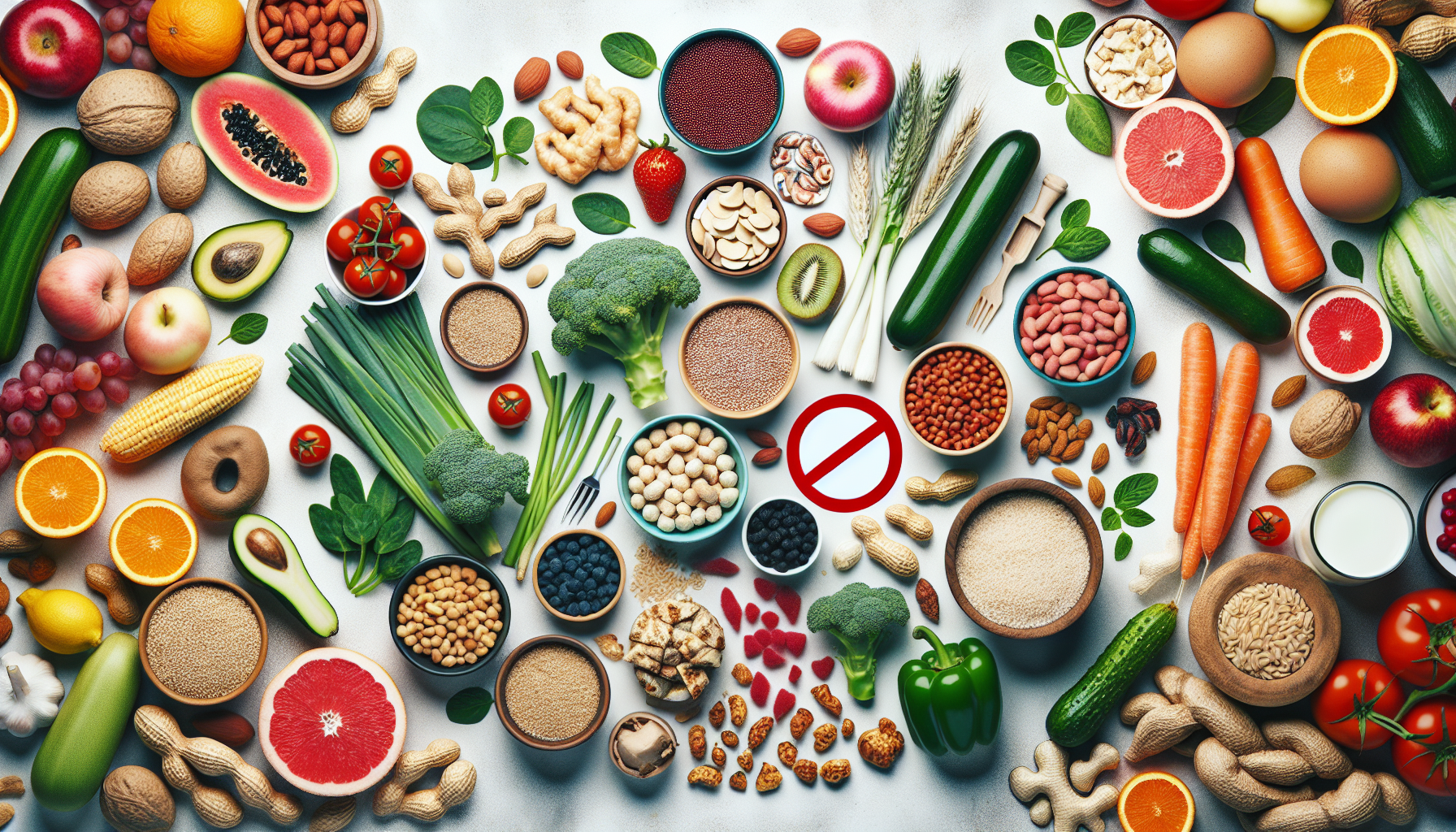
Each FODMAP category behaves differently, so knowing the main sources makes meal planning easier. Oligosaccharides include fructans and galacto-oligosaccharides, found in foods such as wheat, rye, onions, garlic, chickpeas, and lentils. Disaccharides mainly refer to lactose in milk, soft cheese, and conventional yogurt. Monosaccharides refer to excess fructose, common in apples, mangoes, honey, and some sweeteners. Polyols include sorbitol and mannitol, found in stone fruit, cauliflower, mushrooms, and sugar-free gums. Tolerance depends on dose, food matrix, and individual physiology, which is why tested serving sizes are so useful.
| Common High FODMAP Food | Main FODMAP Issue | Lower FODMAP Swap | Practical Use |
|---|---|---|---|
| Onion | Fructans | Scallion greens, chives, garlic-infused oil | Use in soups, sauces, stir-fries |
| Garlic | Fructans | Garlic-infused oil | Add flavor without fermentable carbs |
| Regular milk | Lactose | Lactose-free milk or fortified almond milk | Use in cereal, coffee, smoothies |
| Wheat bread | Fructans | Certified gluten-free bread or suitable sourdough spelt | Sandwiches and toast |
| Apple | Excess fructose, sorbitol | Kiwi, strawberries, oranges | Snacks and lunch boxes |
| Cauliflower | Polyols | Carrots, zucchini, green beans | Roasting and side dishes |
| Honey | Excess fructose | Maple syrup or table sugar in small amounts | Dressings and baking |
| Cashews | GOS | Walnuts, macadamias, peanuts | Snacks and salads |
The most reliable way to confirm serving sizes is to use a lab-tested reference, especially the Monash University app, because one food can move from low to high FODMAP as the portion increases. Avocado is a good example. A small serving may be tolerated, while larger servings raise sorbitol exposure. Pumpkin, sweet potato, oats, and nuts can also become problematic if stacking occurs across a meal. Portion size is one of the biggest reasons people see inconsistent results.
How to Start the Elimination Phase Without Over-Restricting
The elimination phase should be short, structured, and deliberate, usually lasting two to six weeks under the guidance of a dietitian if possible. The objective is to reduce symptom noise enough to see whether FODMAPs are relevant. It is not a challenge to eat the fewest foods possible. I advise starting with foods you already enjoy that are naturally lower in FODMAPs: rice, potatoes, quinoa, oats, eggs, firm tofu, chicken, fish, spinach, bell peppers, carrots, tomatoes, cucumbers, grapes, kiwi, oranges, and lactose-free dairy. Building from familiar foods lowers the risk of diet fatigue and accidental undereating.
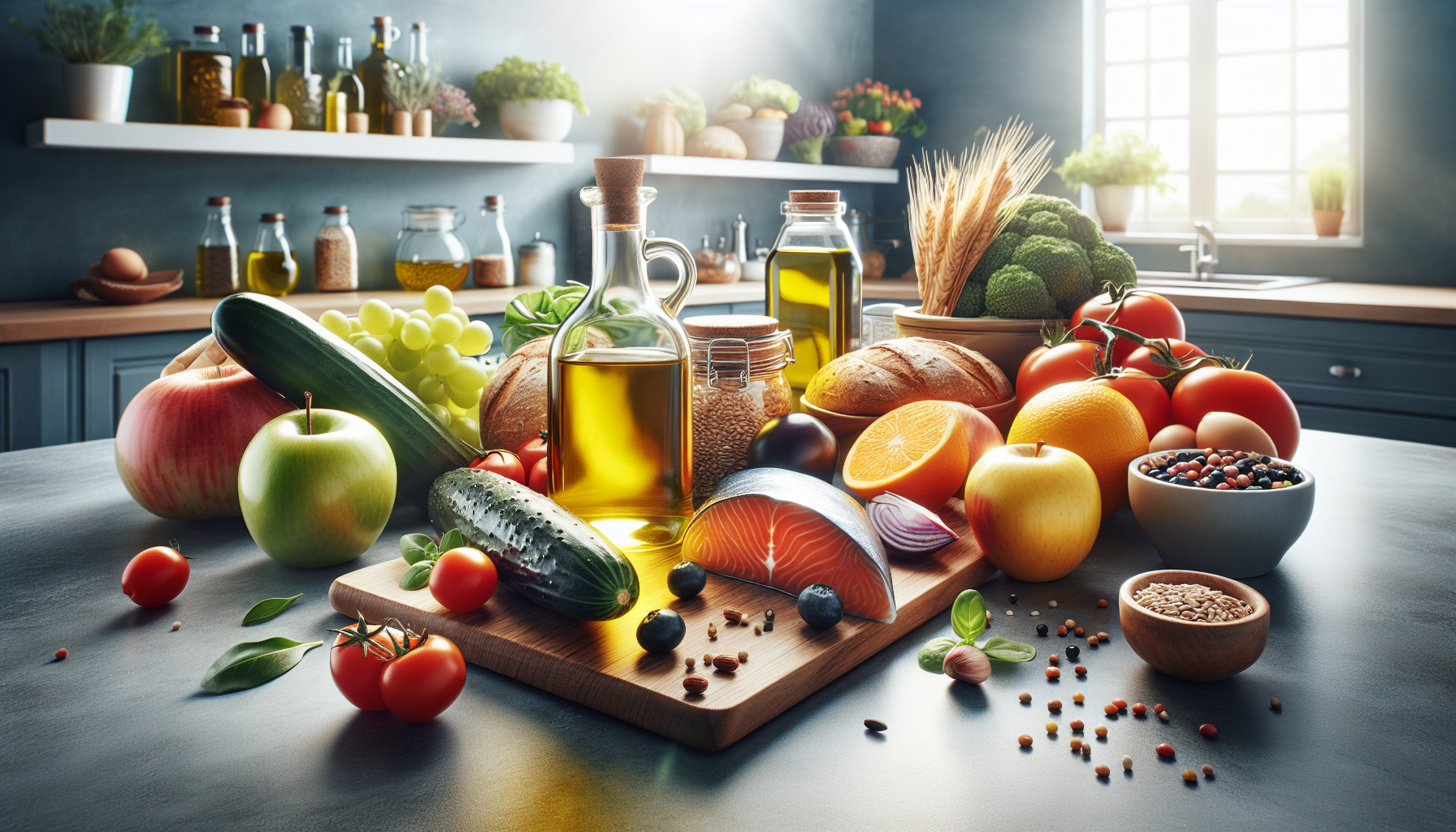
A practical day can look simple. Breakfast might be overnight oats made with lactose-free milk, chia seeds, strawberries, and walnuts. Lunch could be a rice bowl with grilled chicken, roasted zucchini, carrots, spinach, and a lemon-herb dressing. Dinner might be baked salmon, roasted potatoes, green beans, and a side salad with cucumber and tomato. Snacks can include rice cakes with peanut butter, lactose-free yogurt, a firm banana, or a small portion of nuts. These meals work because they provide protein, soluble and insoluble fiber, and steady energy while minimizing common triggers.
Label reading becomes essential during this phase. Ingredients such as inulin, chicory root, honey, high-fructose corn syrup, apple concentrate, onion powder, garlic powder, and certain sugar alcohols can keep symptoms going. Protein bars, meal replacement shakes, prebiotic sodas, and “healthy” snack foods are frequent hidden sources. Restaurant meals are another challenge because onion and garlic form the flavor base of many cuisines. Ordering grilled proteins with plain rice and simple vegetables is often safer than sauces, soups, curries, or seasoning blends unless the kitchen can confirm ingredients clearly.
Reintroduction: The Step That Protects Your Microbiome and Your Sanity
Reintroduction is the most important stage because it turns a temporary low FODMAP diet into a personalized gut health plan. Once symptoms have improved, foods are challenged one FODMAP group at a time in measured amounts. For example, lactose can be tested with regular milk or yogurt, fructans with bread or pasta, excess fructose with mango or honey, and polyols with foods such as avocado or mushrooms. The point is to identify which groups, and which portions, actually trigger symptoms. Skipping this stage leaves people unnecessarily restricted and can reduce overall diet quality.
From experience, keeping one variable at a time is what makes reintroduction useful. If someone tests lactose on a week that also includes takeout, alcohol, poor sleep, and a menstrual cycle flare, the result is muddy. A symptom journal helps connect dose to response. You are looking for patterns such as “one-half cup of yogurt is fine, one full cup causes bloating by afternoon” or “a small serving of wheat pasta is tolerated if onion and garlic are absent.” Those details create freedom. Many people discover they tolerate sourdough bread, canned lentils in moderate portions, or small amounts of avocado, which dramatically expands meal options.
This stage also supports the gut microbiome better than permanent elimination. Many FODMAPs act as prebiotics, meaning they feed beneficial bacteria. Long-term, overly strict avoidance may reduce diversity in some cases. The best low FODMAP diet for gut health is therefore not the lowest possible FODMAP intake forever. It is the broadest diet you can comfortably eat.
How to Build Balanced Low FODMAP Meals at Home
Balanced low FODMAP eating follows the same fundamentals as any sound nutrition plan: include a protein source, a tolerated carbohydrate, vegetables or fruit, healthy fat, and enough total calories. People sometimes become so focused on symptom avoidance that they forget basic meal structure. That can backfire. Skipping meals, eating too little fiber, or relying on packaged gluten-free products alone often worsens constipation, energy levels, and food satisfaction. A better framework is to pick one item from each category and rotate.
Protein choices include eggs, poultry, fish, lean beef, tempeh, firm tofu, lactose-free Greek yogurt, and some canned legumes in tested portions. Carbohydrates can come from rice, quinoa, corn tortillas, oats, potatoes, polenta, and suitable breads. Vegetables such as spinach, carrots, bok choy, eggplant, tomatoes, cucumber, and bell peppers are versatile. Fruit options include kiwi, citrus, grapes, pineapple, blueberries, and strawberries. For fats and flavor, use olive oil, garlic-infused oil, nuts, seeds, Parmesan, herbs, mustard, ginger, lemon, and vinegars. This mix creates meals that are not only low FODMAP but genuinely enjoyable.
Batch cooking helps. Make a tray of roasted potatoes, a pot of rice, grilled chicken thighs, washed greens, chopped cucumbers, and a homemade dressing. With that base, you can assemble lunch bowls, wraps on low FODMAP tortillas, or quick salads in minutes. Low FODMAP eating becomes much easier when meals are designed around what you can eat abundantly rather than what you are avoiding.
Common Mistakes That Undermine Results
The first mistake is assuming low FODMAP means gluten-free. Wheat is often limited because of fructans, not gluten itself. Some gluten-free products are useful, but gluten is not the target unless celiac disease is present. The second mistake is ignoring non-food triggers. Stress, inadequate sleep, rapid eating, large meals, alcohol, and menstrual cycle changes can all amplify gut symptoms. The third mistake is relying heavily on processed substitute foods with gums, fibers, or sugar alcohols that cause their own digestive issues.
Another common problem is too little fiber and fluid. When people remove beans, certain grains, and many fruits, constipation can worsen unless they actively include tolerated fiber sources such as oats, chia, kiwi, potatoes, quinoa, and low FODMAP vegetables. Kiwifruit has particularly good evidence for helping bowel regularity in some people. Soluble fiber supplements like psyllium can also help, but they need gradual introduction and adequate hydration. Finally, many people stay in elimination mode for months out of fear. That is understandable, but it is not the intended use of the diet and often creates unnecessary social stress and food anxiety.
When to Use Professional Support and What Success Looks Like
A registered dietitian with gastrointestinal training is especially valuable if symptoms are severe, weight loss is occurring, eating feels stressful, or there is a history of disordered eating. Persistent symptoms also warrant medical evaluation to rule out celiac disease, inflammatory bowel disease, bile acid diarrhea, endometriosis, small intestinal bacterial overgrowth, pancreatic insufficiency, or other conditions that can mimic IBS. Alarm symptoms such as rectal bleeding, anemia, fever, nighttime symptoms, or unexplained weight loss should never be managed with diet changes alone.
Successful low FODMAP use looks practical, not perfect. It means knowing your top triggers, keeping meals satisfying, traveling or eating out with reasonable confidence, and having fewer symptom-driven disruptions to work, exercise, sleep, and social life. It also means reintroducing as much as possible. If you can tolerate yogurt but not milk, sourdough but not large wheat pasta portions, or lentils only when canned and well-rinsed, that is valuable progress. A well-run low FODMAP diet for gut health gives you information and control. Start with a structured two-to-six-week elimination, use tested serving sizes, and commit to reintroduction so your final diet is varied, sustainable, and centered on your real tolerance.
Frequently Asked Questions
What does low FODMAP mean, and why can it help with gut health?
Low FODMAP refers to an eating approach that reduces certain short-chain carbohydrates known as fermentable oligosaccharides, disaccharides, monosaccharides, and polyols. These carbohydrates are found in a wide range of everyday foods, including some fruits, vegetables, dairy products, wheat-based foods, legumes, and sweeteners. For some people, especially those with irritable bowel syndrome or frequent digestive discomfort, these compounds are not absorbed efficiently in the small intestine. As a result, they travel into the colon, where they draw in water and are rapidly fermented by gut bacteria. This process can lead to bloating, gas, abdominal pain, cramping, diarrhea, and sometimes constipation.
Following a low FODMAP diet can help reduce digestive stress by limiting the foods most likely to trigger those symptoms. That does not mean FODMAPs are inherently bad or unhealthy. In fact, many high FODMAP foods are nutritious and can support the gut microbiome in people who tolerate them well. The goal is symptom control, not lifelong restriction. For gut health, the low FODMAP approach is often most helpful when used as a structured short-term strategy to identify personal triggers and improve comfort while still maintaining a balanced, nutrient-dense diet.
How can I start incorporating more low FODMAP foods into my diet without making meals complicated?
The easiest way to begin is to build meals around foods that are naturally low in FODMAPs instead of focusing only on what to avoid. Good foundations include plain proteins such as eggs, chicken, turkey, fish, tofu made from firm soy, and lean cuts of beef. Pair those with low FODMAP carbohydrates like rice, oats, quinoa, potatoes, sourdough spelt bread in tolerated portions, or gluten-free grains. Then add low FODMAP vegetables such as spinach, carrots, zucchini, cucumbers, bell peppers, green beans, tomatoes, and lettuce. For fruit, options like strawberries, blueberries, kiwi, oranges, grapes, and pineapple often work well in moderate servings.
Meal planning becomes much simpler when you think in familiar combinations. For breakfast, you might choose oatmeal made with lactose-free milk and topped with blueberries and chia seeds. For lunch, a rice bowl with grilled chicken, spinach, cucumber, carrots, and a simple olive oil dressing is easy and filling. For dinner, baked salmon with roasted potatoes and sautéed zucchini is a straightforward low FODMAP meal. Snacks can include rice cakes with peanut butter, lactose-free yogurt, hard-boiled eggs, or a small serving of low FODMAP fruit. Start by swapping common trigger ingredients rather than overhauling your entire routine at once. For example, use garlic-infused oil instead of garlic, lactose-free dairy instead of regular milk, and rice or quinoa instead of wheat-heavy side dishes when needed.
Which foods are commonly high in FODMAPs, and what are some practical low FODMAP replacements?
Some of the most common high FODMAP foods include onions, garlic, wheat-based breads and pasta, regular milk, soft cheeses, yogurt with lactose, apples, pears, mango, watermelon, legumes, cauliflower, mushrooms, and sweeteners such as honey, high-fructose corn syrup, and sugar alcohols like sorbitol or xylitol. These foods can be nutritious, but in sensitive individuals they are often major contributors to bloating, excess gas, and digestive discomfort.
Fortunately, there are many practical swaps that make everyday eating much easier. Instead of onion and garlic, use the green tops of scallions, chives, or garlic-infused oil for flavor. Instead of regular milk, choose lactose-free milk or fortified almond milk if tolerated. Replace wheat pasta with rice pasta, quinoa pasta, or a tolerated sourdough option. Swap apples and pears for oranges, kiwi, strawberries, or grapes. Instead of beans or lentils in large amounts, try smaller tolerated portions of canned lentils if appropriate, or use protein sources like eggs, chicken, fish, tempeh, or firm tofu. Even condiments may need attention, since many sauces, marinades, and dressings contain onion, garlic, or sweeteners that can trigger symptoms. Reading ingredient labels and keeping a list of reliable substitutions can make low FODMAP eating feel much more manageable and sustainable.
Is the low FODMAP diet meant to be followed forever?
No, the low FODMAP diet is generally not intended to be a permanent, highly restrictive diet. It is usually used in stages. The first stage is a temporary elimination phase, where high FODMAP foods are reduced for a limited period to calm symptoms. The second stage is a structured reintroduction phase, where different FODMAP groups are tested one at a time to see which types and amounts are personally tolerated. The final stage is personalization, where the diet becomes more flexible and includes as many foods as possible without triggering symptoms.
This process matters because tolerance is highly individual. One person may do fine with small amounts of lactose but react strongly to fructans in onions and wheat, while another may have the opposite pattern. Long-term overrestriction can make eating unnecessarily difficult and may reduce dietary variety, which is not ideal for nutrition or for supporting a diverse gut microbiome. That is why the most effective way to use a low FODMAP diet is as a tool for learning your specific triggers, not as a rule that all high FODMAP foods must be avoided indefinitely. Working with a registered dietitian, especially one familiar with digestive disorders, can help ensure the process is safe, effective, and nutritionally balanced.
How do I maintain good nutrition and support gut health while eating low FODMAP?
Supporting gut health on a low FODMAP diet starts with remembering that the goal is not simply to remove foods, but to create meals that are gentle on digestion and still rich in protein, fiber, vitamins, minerals, and healthy fats. Focus on including a variety of tolerated plant foods, such as oats, quinoa, brown rice, chia seeds, flaxseeds, low FODMAP fruits, and low FODMAP vegetables. These can help support regular digestion and provide important nutrients even while certain fermentable carbohydrates are temporarily reduced. Protein should come from reliable, well-tolerated sources such as eggs, poultry, fish, tofu, lactose-free dairy, and lean meats.
It is also important to pay attention to calcium, vitamin D, and fiber, since these nutrients can become harder to get if dairy, legumes, or certain fruits and vegetables are reduced without proper replacements. Lactose-free milk and yogurt, fortified plant milks, canned fish with bones, nuts and seeds in tolerated portions, and a broad mix of low FODMAP produce can help fill those gaps. Hydration, regular meals, and mindful eating habits can also make a noticeable difference in symptom control. Eating too quickly, consuming very large meals, or relying heavily on ultra-processed “safe” foods may still aggravate digestion even if the foods are technically low FODMAP. A balanced low FODMAP diet should feel structured but not overly narrow, and once symptoms improve, gradual reintroduction helps expand variety and better support long-term gut health.