Paleo and ancestral eating focus on foods humans could obtain before modern industrial agriculture, emphasizing meat, fish, eggs, vegetables, fruits, nuts, seeds, and minimally processed fats while excluding or limiting grains, legumes, refined sugar, and most packaged foods. In practice, the approach is less about reenacting prehistory than about using an evolutionary lens to build a healthier diet in a modern food environment dominated by ultra-processed products. I have worked with clients who adopted paleo eating for weight control, blood sugar stability, digestive relief, and simpler meal planning, and the pattern succeeds when it is defined by food quality, adequate energy intake, and flexibility rather than by ideology.
The term ancestral eating is broader than paleo. It refers to dietary patterns grounded in traditional, minimally processed foods that fit human biology, local food culture, and metabolic health. That means one person may eat a strict grain-free paleo template, while another follows an ancestral pattern that includes white rice, fermented dairy, or legumes prepared in traditional ways. Both aim to reduce dietary mismatch: the gap between what our bodies handle well and what the modern food supply delivers in excess, especially refined carbohydrates, industrial seed-oil-heavy snack foods, liquid calories, and highly palatable combinations of sugar, starch, fat, and salt.
This matters because diet-related disease is widespread. Obesity, type 2 diabetes, fatty liver disease, hypertension, and cardiovascular risk are strongly linked to excess calories from ultra-processed foods and poor overall diet quality. Research consistently shows that replacing these foods with whole foods improves satiety, nutrient density, and metabolic markers. Paleo and ancestral eating can be effective because they automatically remove many foods most associated with overconsumption. They also encourage protein intake, fiber from produce, and meals built from recognizable ingredients. For many people, that creates structure without calorie counting, though results still depend on portions, sleep, activity, stress, and long-term adherence.
Understanding paleo and ancestral eating requires clear definitions. Paleo usually excludes cereal grains, legumes, dairy, refined sugar, and industrially processed foods. Ancestral eating uses the same whole-food foundation but allows more personalization based on tolerance, heritage, and goals. Healthy versions of both prioritize nutrient density, cooking skills, and realistic routines. Poorly planned versions can be low in calcium, too restrictive socially, or overloaded with bacon, butter coffee, and desserts made from expensive alternative flours. The real role of paleo and ancestral eating in a healthy diet is not purity. It is providing a practical framework that helps people eat fewer ultra-processed foods, improve metabolic health, and build sustainable habits around whole, satisfying meals.
What Paleo and Ancestral Eating Actually Include
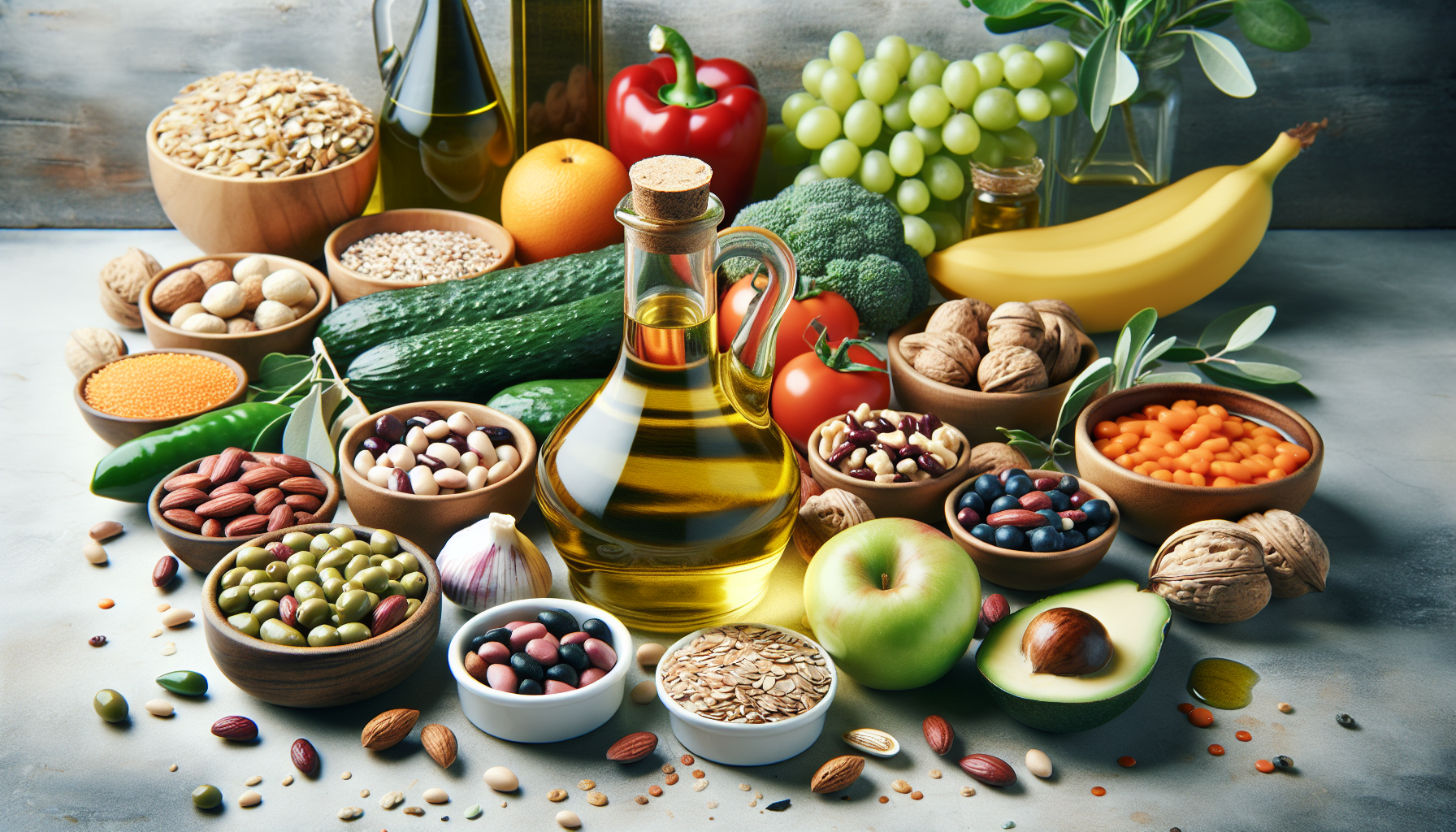
A well-built paleo plate centers on high-quality protein, nonstarchy vegetables, fruit, and fats from whole foods. Common staples include beef, poultry, seafood, eggs, leafy greens, cruciferous vegetables, berries, citrus, sweet potatoes, avocados, olives, nuts, and seeds. Cooking fats often include olive oil, avocado oil, ghee if tolerated, coconut, or animal fats used in moderation. The focus is food form as much as food category: grilled salmon is in; fish-shaped crackers are out. Ancestral eating uses the same logic but may include yogurt, kefir, properly prepared beans, sourdough, or white rice if those foods support performance, digestion, and adherence.
The foods commonly removed are removed for practical reasons. Refined grains and sugary foods are easy to overeat and offer limited satiety relative to calories. Many packaged snacks combine engineered texture and flavor with low fiber and low protein, which encourages passive overeating. Some people also report symptom improvement when they remove gluten-containing grains or certain legumes, particularly if they have irritable bowel symptoms, autoimmune conditions, or poorly controlled blood sugar. That said, not every excluded food is inherently harmful for every person. Lentils, oats, yogurt, and fermented dairy can be nutritious in the right context. The framework works best when exclusion has a clear purpose.
In clinical and coaching settings, I have found that people understand this pattern faster when meals are translated into simple templates. A breakfast might be eggs, sautéed spinach, fruit, and leftover roasted potatoes. Lunch could be chicken thighs, a large salad, olive oil, and pumpkin seeds. Dinner may be steak, broccoli, mushrooms, and sweet potato. Snacks, if needed, are built around protein and produce rather than bars marketed as healthy. These meals are not trendy; they are filling, repetitive enough to simplify shopping, and nutrient-dense enough to reduce the constant hunger that drives poor food decisions.
How Paleo Supports Metabolic Health and Appetite Control
One reason paleo and ancestral eating can improve health is that they often raise protein intake while lowering exposure to ultra-processed carbohydrates. Protein has the highest satiety effect of the macronutrients and helps preserve lean mass during weight loss. In practice, moving from a breakfast of cereal and juice to eggs, fruit, and vegetables can reduce midmorning hunger and stabilize energy. Higher-protein diets also support glucose control by slowing gastric emptying and reducing the rapid blood sugar swings that follow low-fiber, refined meals. This is especially useful for adults with insulin resistance, metabolic syndrome, or reactive hunger after carbohydrate-heavy eating.
Whole-food emphasis also tends to improve nutrient density. Seafood provides omega-3 fats, iodine, selenium, and vitamin D. Red meat supplies highly bioavailable iron, zinc, vitamin B12, and creatine. Eggs offer choline, which supports liver function and neurological health. Vegetables and fruit contribute potassium, folate, vitamin C, polyphenols, and fiber. When people eliminate cereal bars, pastries, sweetened yogurt, and frozen entrées, they usually increase intake of nutrients that support satiety, muscle maintenance, and cardiovascular health. The benefit is not magic; it is a predictable result of replacing low-satiety, energy-dense products with foods that require chewing, digestion, and more intentional preparation.
There is also an important behavioral advantage. Paleo meals usually have fewer hyper-palatable triggers than standard convenience diets. A roasted chicken with vegetables is hard to consume mindlessly in the same way as chips, cookies, or drive-through combinations. This matters because appetite is influenced by food reward, sleep debt, stress, and environment, not just willpower. When a dietary pattern reduces exposure to foods designed for overconsumption, many people naturally eat less without tracking every calorie. That is one reason short-term studies often show weight loss and improvements in triglycerides, waist circumference, and fasting glucose when participants shift toward minimally processed diets.
Nutrient Density, Food Quality, and Common Misunderstandings
Paleo is sometimes criticized as a meat-only or anti-carbohydrate diet, but that description is inaccurate. The healthiest versions include abundant plant foods and enough carbohydrate to match activity level. Sedentary adults trying to improve blood sugar may feel best with vegetables, fruit, and moderate starch. Endurance athletes or highly active people often need more carbohydrate from potatoes, fruit, squash, or even selected non-paleo foods such as rice. Food quality matters more than rigid labels. Grass-fed beef can be a useful option, but conventional beef, canned sardines, frozen vegetables, and eggs are still effective staples if they help a household cook consistently within budget.
Another misunderstanding is that all modern foods are bad and all ancient foods are good. That is not evidence-based. Some traditional foods are highly nutritious, while others were survival foods used because options were limited. Likewise, some modern food technologies improve health and safety, including freezing, pasteurization, fermentation, and pressure cooking. Ancestral eating should not reject science; it should use science to evaluate which foods and preparation methods support digestion, cardiovascular health, and long-term compliance. For example, extra-virgin olive oil has strong evidence behind it, even though it is not always featured in simplistic paleo messaging. The same is true for fermented dairy in people who tolerate it well.
The issue of antinutrients is often overstated. Compounds such as phytates, lectins, and oxalates can matter in specific cases, but they are not reasons to fear all plant foods. Traditional preparation methods like soaking, sprouting, fermenting, and thorough cooking reduce many of these compounds. Most healthy people can include a variety of plants without harm. Where paleo can help is by removing the highest-burden processed foods first, then testing tolerance to gray-area foods systematically rather than assuming universal intolerance. That is a more useful and clinically grounded strategy than turning every digestive symptom into a justification for unnecessary restriction.
Who Benefits Most, and Where the Diet Needs Modification
Paleo and ancestral eating often work well for people who need structure, struggle with processed-food overeating, or want a simple elimination framework to identify triggers. Adults with prediabetes may benefit from the higher protein and lower refined carbohydrate load. People with nonalcoholic fatty liver disease often improve when sugary drinks, desserts, and snack foods are removed. Some patients with autoimmune symptoms or chronic bloating use an ancestral elimination approach to narrow down problem foods before reintroducing tolerated options. The pattern also suits home cooks who prefer straightforward meals over macro tracking, because it creates consistent defaults for grocery shopping and eating out.
However, this approach is not automatically ideal for everyone. Athletes in high-volume training may underfuel if they avoid all grains and legumes without replacing carbohydrates adequately. Children, pregnant women, older adults at risk of low appetite, and people recovering from eating disorders may need a less restrictive approach to meet energy needs and reduce food anxiety. Strict dairy exclusion can lower calcium intake unless meals include bones-in fish, fortified alternatives, mineral-rich water, or supplements when clinically appropriate. People with kidney disease, gout, or certain gastrointestinal conditions also need individualized advice about protein, purines, fiber, and food texture. Personalization is not optional; it is central to responsible use.
| Goal or situation | How paleo or ancestral eating helps | Common adjustment needed |
|---|---|---|
| Weight loss | Reduces ultra-processed foods and increases satiety | Watch portions of nuts, dried fruit, and added fats |
| Prediabetes | Improves glucose control with protein and lower refined carbs | Distribute carbohydrate across meals |
| Athletic training | Supports recovery with high-quality protein | Add more starch or tolerated grains for fuel |
| Digestive symptoms | Simplifies elimination of common triggers | Reintroduce foods methodically to avoid needless restriction |
| Budget eating | Can rely on eggs, canned fish, frozen produce, and cheaper cuts | Do not assume premium products are required |
Building a Sustainable Paleo or Ancestral Pattern in Real Life
Sustainability depends on systems, not motivation. The most successful households choose repeatable breakfasts, batch-cook proteins, keep frozen vegetables on hand, and build dinners around one protein, two vegetables, and a starch that fits their goals. A practical grocery list includes eggs, chicken thighs, ground beef, salmon or sardines, potatoes, sweet potatoes, salad greens, broccoli, onions, berries, apples, olive oil, herbs, nuts, and simple seasonings. Restaurant strategy matters too: order grilled protein, vegetables, potatoes or rice if included, and sauces on the side. This keeps social eating manageable and prevents the all-or-nothing mindset that causes many restrictive diets to collapse after one imperfect meal.
It also helps to measure progress with more than scale weight. Improved waist circumference, blood pressure, fasting glucose, post-meal energy, training performance, and digestive comfort are meaningful markers. Lab trends such as triglycerides, HDL cholesterol, hemoglobin A1c, ferritin, vitamin D, and liver enzymes can guide refinement, especially in people using the diet therapeutically. If constipation, fatigue, sleep disruption, or training decline appear, the first questions are usually practical: Is protein adequate? Are vegetables and fluids sufficient? Is carbohydrate too low for activity? Are meals large enough? Good paleo and ancestral eating are neither punishing nor minimalist. They are nutrient-replete, well-seasoned, and built for the demands of real life.
Paleo and ancestral eating have an important role in a healthy diet because they offer a clear, evidence-aligned way to replace ultra-processed foods with whole foods that support satiety, metabolic health, and consistent eating habits. Their greatest strength is not historical reenactment; it is practical dietary simplification. By centering meals on protein, vegetables, fruit, and minimally processed fats, many people naturally improve calorie control, blood sugar stability, and nutrient intake. The broader ancestral model is especially valuable because it allows personalization, making room for foods like fermented dairy, legumes, or rice when they improve adherence and fit an individual’s health goals.
The key is to use the framework intelligently. Strict exclusion is useful when it solves a problem, such as reducing processed-food intake or identifying triggers, but rigidity for its own sake often backfires. The healthiest version is the one you can sustain, afford, and adapt to training, family meals, culture, and medical needs. If you are exploring paleo and ancestral eating, start with meal quality, not perfection: eat more whole foods, cook more often, remove obvious ultra-processed staples, and monitor how you feel. From there, refine the plan based on outcomes, tolerance, and professional guidance when needed. That is how this approach becomes a durable part of a healthy diet.
Frequently Asked Questions
What is paleo or ancestral eating, and how is it different from just “eating clean”?
Paleo and ancestral eating are dietary frameworks built around the idea that humans generally do well on foods that would have been recognizable before modern industrial food production. In practical terms, that usually means emphasizing meat, fish, eggs, vegetables, fruits, nuts, seeds, herbs, spices, and minimally processed fats, while reducing or avoiding refined sugar, ultra-processed snacks, industrial baked goods, and many packaged convenience foods. Depending on the version, grains, legumes, and dairy may be excluded, limited, or selectively included based on individual tolerance and goals.
What makes this different from the vague idea of “eating clean” is that paleo has a clearer organizing principle. It uses an evolutionary lens to ask which foods are most likely to support stable energy, appetite control, metabolic health, and nutrient density in a modern environment where hyper-palatable processed foods are everywhere. It is not really about pretending to live in prehistory or insisting that every modern food is harmful. Instead, it is a decision-making framework that pushes people toward whole foods and away from products engineered for shelf life, convenience, and overconsumption.
In real-world nutrition coaching, this often becomes less rigid than people expect. Many people use paleo or ancestral eating as a starting point to improve food quality, reduce reliance on ultra-processed foods, and identify individual triggers such as excess sugar, refined flour, or certain digestive irritants. So while “clean eating” can mean almost anything, paleo and ancestral eating usually refer to a more structured, food-first approach centered on minimally processed, nutrient-dense choices.
Is paleo eating actually healthy, or is it too restrictive for most people?
Paleo eating can absolutely be a healthy approach when it is implemented thoughtfully. One of its biggest strengths is that it naturally increases intake of protein, fiber-rich produce, and micronutrient-dense whole foods while reducing refined carbohydrates, sugary drinks, and processed foods. For many people, that shift alone can improve satiety, support better blood sugar regulation, reduce mindless snacking, and make overall calorie intake easier to manage without rigid tracking.
That said, whether it is “too restrictive” depends on how it is applied. A well-built paleo-style diet can be rich in variety and include a wide range of vegetables, fruits, seafood, meats, eggs, nuts, seeds, and healthy fats. But if someone interprets paleo as just meat, almond flour treats, and avoiding entire categories of foods without replacing their nutrients, it can become narrow and unnecessarily limiting. Restriction is not inherently healthy; the quality of the food pattern matters more than the label.
For some individuals, especially those who feel better with fewer processed foods and more protein-centered meals, paleo can be a very effective long-term template. For others, a modified ancestral approach works better, where high-quality dairy, properly prepared legumes, or certain whole grains are included if they are well tolerated. The healthiest version is usually the one that improves food quality, supports health markers, and remains sustainable in daily life. A good standard is this: if the diet helps you eat more whole foods, maintain social flexibility, meet nutrient needs, and feel physically and mentally well, it is probably serving you well.
Why do paleo and ancestral diets limit grains, legumes, and dairy, and do those foods need to be avoided by everyone?
These foods are often limited in paleo frameworks because they are seen as more recent additions to the human diet and, for some people, can contribute to digestive discomfort, blood sugar instability, overeating, or inflammation-related symptoms. Grains and legumes also contain compounds such as phytates and lectins, which are sometimes discussed in ancestral nutrition because they may reduce mineral absorption or irritate digestion in sensitive individuals. Dairy can be problematic for people with lactose intolerance, certain skin issues, or poor tolerance to specific milk proteins.
However, this does not mean grains, legumes, and dairy are universally unhealthy or that every person must avoid them. Many people tolerate properly prepared legumes, fermented dairy, or whole grains quite well and can include them as part of a balanced diet. Nutrition is highly individual. A person with excellent digestion, good metabolic health, and no negative symptoms from these foods may not benefit from excluding them. On the other hand, someone with bloating, erratic hunger, skin flare-ups, autoimmune concerns, or a history of relying heavily on refined grain products may notice clear improvements when these foods are reduced or removed for a period.
The most useful way to think about this is not as a moral rule but as a functional question: does this food help or hinder your health, digestion, energy, body composition, and long-term consistency? An ancestral template often works best when it starts with core whole foods and then personalizes from there. If high-quality yogurt, lentils, or oats fit well for you, they may have a place. If they consistently cause symptoms or crowd out more nutrient-dense foods, limiting them may be the better choice.
Can paleo or ancestral eating help with weight loss, blood sugar, and overall metabolic health?
For many people, yes. One reason paleo-style eating often helps with weight management is that it tends to center meals around protein, fiber, and minimally processed foods, which are naturally more filling than refined and ultra-processed options. Meals built from eggs, fish, meat, vegetables, fruit, and healthy fats usually create better satiety than meals based on sugary cereals, pastries, chips, or heavily processed snack foods. When hunger is more stable, people often eat more appropriately without feeling like they are constantly dieting.
Blood sugar can improve as well, particularly when someone is moving away from refined flour, sweetened beverages, desserts, and packaged foods that digest quickly and encourage repeated spikes and crashes. A paleo-style pattern does not have to be low-carbohydrate, but it often leads to better carbohydrate quality. Instead of getting most carbohydrates from processed grain products and sugar, the diet shifts toward vegetables, fruit, and sometimes starchy whole-food sources like potatoes or squash, which many people handle better in the context of balanced meals.
There are also indirect metabolic benefits. People often experience reduced cravings, fewer late-night snack episodes, better awareness of hunger signals, and more consistent meal structure. Those changes can support improvements in waist circumference, triglycerides, fasting glucose, and energy levels. Of course, paleo is not magic. Portion sizes, sleep, physical activity, stress, and total diet quality still matter. But as a framework for replacing ultra-processed food with whole, satisfying meals, it can be very effective for improving metabolic health in a practical and sustainable way.
How can someone follow an ancestral eating approach realistically in modern life without becoming obsessive?
The key is to treat ancestral eating as a guiding principle, not a purity test. In modern life, perfection is neither realistic nor necessary. A practical ancestral approach focuses on food quality most of the time: build meals around a protein source, include plenty of vegetables or fruit, use minimally processed fats, and keep ultra-processed foods as occasional rather than daily staples. That alone delivers most of the benefit without requiring someone to scrutinize every ingredient or turn every meal into a project.
A simple way to make it sustainable is to prioritize the highest-impact habits first. Shop the perimeter of the grocery store more often, keep easy proteins on hand, prepare a few repeatable meals you enjoy, and stock convenient whole-food options like eggs, frozen vegetables, canned fish, fruit, nuts, and pre-cooked meat. When eating out, aim for the closest reasonable option rather than an exact paleo standard. A burger without the bun, grilled fish with vegetables, an omelet with fruit, or a rice bowl modified to emphasize protein and produce can all fit the spirit of the approach, even if they are not textbook perfect.
Just as importantly, leave room for flexibility. Social meals, travel, family traditions, and special occasions matter too. A healthy diet should improve your life, not shrink it. Many people do best with an 80 to 90 percent whole-food foundation and a small amount of intentional flexibility. That mindset avoids the all-or-nothing trap and makes long-term consistency much more likely. The most successful ancestral eaters are usually not the most rigid; they are the ones who use the framework to make better daily choices while staying adaptable, well-nourished, and sane.