Paleo and ancestral eating focus on foods humans could obtain through hunting, fishing, gathering, simple farming, and traditional preparation rather than heavily processed modern products. In practice, that means building meals around meat, seafood, eggs, vegetables, fruit, roots, nuts, seeds, herbs, and minimally refined fats while limiting industrial seed oils, ultra-processed snacks, and sugar-heavy convenience foods. As a hub topic within dietary lifestyles and special diets, paleo and ancestral eating matters because it gives people a practical framework for improving food quality without counting every calorie, and it connects modern nutrition choices to long-standing patterns of eating that supported metabolic health, satiety, and culinary simplicity.
When I help people shift toward this style of eating, the biggest misconception I correct is that paleo means eating endless steak or recreating a fantasy version of prehistoric life. A better definition is food quality first. “Paleo” usually refers to a template that excludes grains, legumes, most dairy, refined sugar, and ultra-processed foods. “Ancestral eating” is broader and often more flexible, drawing from traditional cuisines, local food systems, fermentation, bone broth, organ meats, seasonal produce, and time-tested preparation methods. Someone may eat a strict paleo template for symptom control, while another follows an ancestral approach that includes full-fat yogurt, white rice, or properly prepared legumes because those foods fit their health, culture, and tolerance.
This distinction matters because the goal is not ideological purity. The goal is to create a nutrient-dense, sustainable diet that improves how you feel and supports long-term health markers. Research consistently shows that diets centered on minimally processed foods can improve satiety, reduce excess calorie intake, and support blood sugar control. Clinical trials on paleo-style patterns have reported improvements in waist circumference, triglycerides, blood pressure, and insulin sensitivity in some populations, though results vary and adherence is a major factor. The strongest practical advantage is simpler: when your plate is mostly protein, produce, and healthy fats, it becomes easier to eat enough nutrients and less junk by default.
For readers exploring paleo and ancestral eating for the first time, this hub article covers the core principles, what foods to prioritize, how to make the transition affordable, how to avoid common mistakes, and how to personalize the approach. It also serves as the foundation for deeper articles on meal planning, grocery shopping, breakfast ideas, family-friendly recipes, travel strategies, and the differences between paleo, primal, Whole30-style elimination plans, and other special diets. If you understand the framework here, every related article in this subtopic will make more sense and be easier to apply.
Core Principles of Paleo and Ancestral Eating
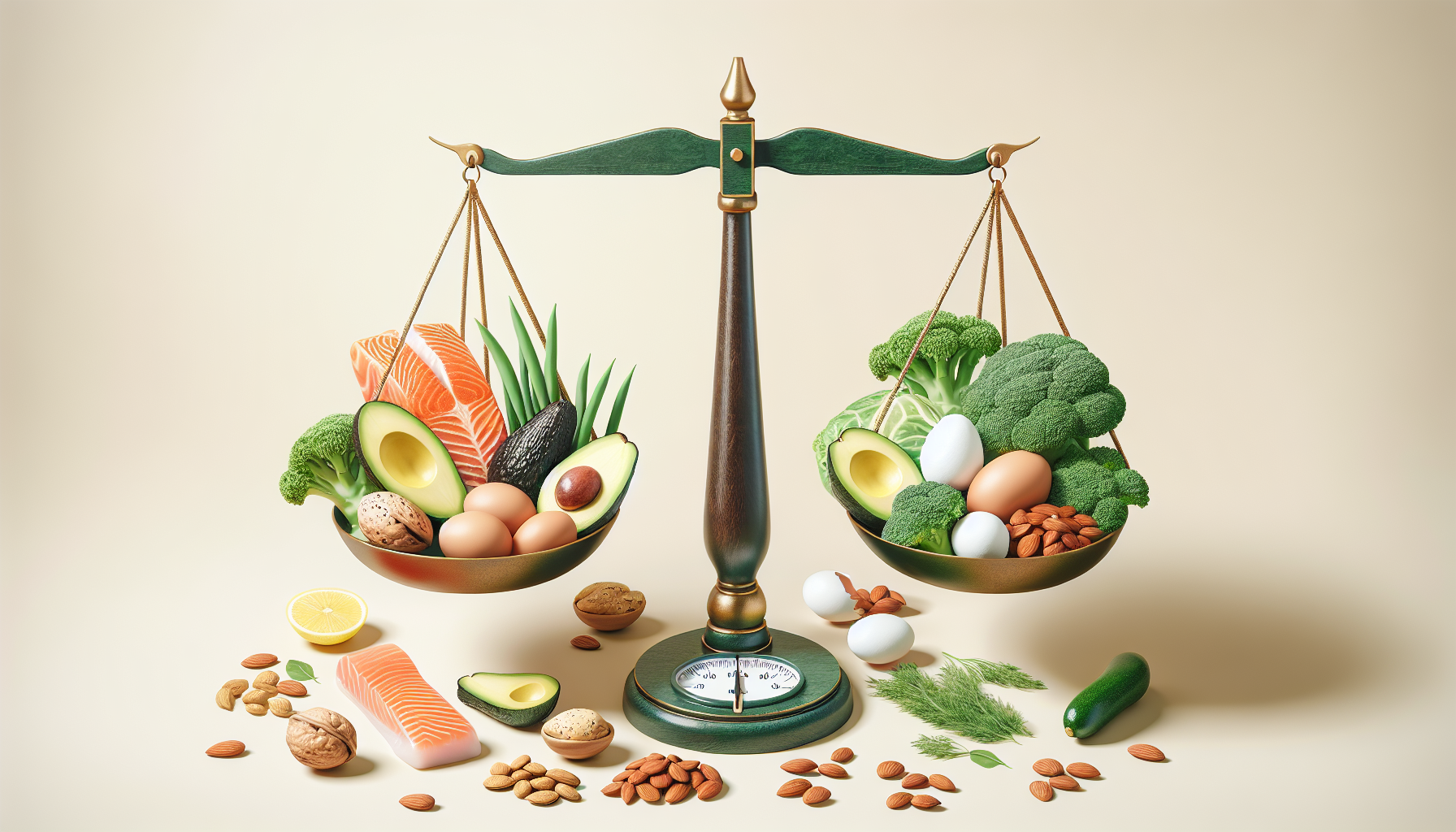
The simplest way to incorporate more paleo and ancestral eating into your diet is to start with principles instead of a strict food police mentality. Principle one is prioritize whole foods with short ingredient lists or no ingredient list at all. Principle two is build meals around adequate protein, because protein drives satiety and preserves lean mass. Principle three is favor nutrient density: eggs, sardines, salmon, liver, leafy greens, shellfish, berries, sweet potatoes, and fermented foods deliver more vitamins and minerals per calorie than packaged snack foods. Principle four is reduce foods that are easy to overeat and hard to regulate, especially ultra-processed products engineered for hyper-palatability.
An ancestral lens adds another layer: consider how foods were traditionally prepared and consumed. For example, slow-cooked tougher cuts of meat often provide more collagen-rich connective tissue than skinless chicken breast. Fermented vegetables can add flavor and beneficial microbes. Bone-in fish and shellfish contribute minerals and trace nutrients often missed in modern diets. Traditional fats such as olive oil, avocado oil, tallow, butter, and coconut are generally more stable for cooking than many refined seed oils used in restaurant fryers and packaged foods. That does not mean every modern food is harmful, but it does mean preparation method and food matrix matter.
Another core principle is flexibility anchored to outcomes. If removing grains and legumes reduces bloating, improves energy, or helps appetite control, that is useful data. If a person thrives with some soaked lentils, white rice, or cultured dairy while keeping the rest of the diet ancestral, that may also be a successful strategy. I have seen people fail by copying a rigid online checklist and succeed when they adopt a “paleo core, personalized edge” approach. The foundation stays consistent: eat real food most of the time, cook more often, and choose ingredients your body handles well.
What to Eat More Often and What to Reduce
Most people do better when they think in terms of additions before restrictions. Add a palm-sized serving of protein to each meal. Add two kinds of vegetables at lunch and dinner. Add fruit instead of dessert on weekdays. Add broth-based soups, slow-cooked meats, and simple skillet meals that make home cooking easier. Then reduce the foods that crowd out those basics: sugary drinks, pastries, refined breakfast cereals, protein bars that are basically candy, frozen fried foods, and takeout meals cooked in low-quality oils.
The following table summarizes the shift clearly.
| Eat More Often | Reduce or Limit | Why It Helps |
|---|---|---|
| Eggs, beef, chicken thighs, salmon, sardines, shellfish | Processed deli meats with fillers, breaded meats, fast-food nuggets | Improves protein quality, iron, B12, omega-3 intake, and satiety |
| Leafy greens, broccoli, carrots, squash, sweet potatoes, beets | French fries, chips, refined flour side dishes | Increases fiber, potassium, carotenoids, and meal volume |
| Berries, apples, citrus, bananas | Candy, pastries, sugary yogurts, sweetened smoothies | Provides carbohydrates with fiber and micronutrients |
| Olive oil, avocado, olives, nuts, seeds, coconut | Industrial pastries, shortening-heavy snacks, repeatedly heated fryer oils | Supports better fat quality and cooking stability |
| Fermented vegetables, yogurt if tolerated, broth, herbs, spices | Artificially flavored sauces and sugar-heavy condiments | Adds flavor, variety, and useful traditional food elements |
If you want a concise grocery rule, shop the perimeter for protein and produce, then choose a few strategic extras from the middle aisles such as canned fish, olives, spices, coconut milk, tomato products, and nuts. A paleo grocery cart should not look empty or restrictive. It should look full of ingredients that can become quick meals: ground beef for taco bowls, eggs for frittatas, frozen vegetables for stir-fries, berries for breakfast, and roasted potatoes or sweet potatoes for a simple starch source.
How to Transition Without Feeling Deprived
The best way to start is with one meal category, not your entire life. Breakfast is often easiest. Replace cereal or pastries with eggs, smoked salmon, fruit, and sautéed vegetables, or choose leftovers from dinner. That single change increases protein and usually reduces midmorning hunger. Next, upgrade lunches by using salad bowls, burger bowls, or roast chicken with vegetables instead of sandwiches and chips. Dinner can remain familiar: grilled protein, roasted vegetables, and a starch such as sweet potato, squash, or fruit. Once those anchors are in place, snacks naturally become less necessary.
A second transition strategy is the “swap, do not subtract” method. If you remove toast, add roasted sweet potatoes or fruit. If you skip flavored yogurt, use plain Greek yogurt if tolerated or coconut yogurt with nuts and berries. If you cut out pasta for a week, make meatballs with zucchini, spaghetti squash, or a hearty tomato and vegetable sauce over roasted vegetables. People feel deprived when they remove comfort and convenience at the same time. Keep convenience by batch-cooking proteins, washing produce in advance, and storing emergency options such as canned salmon, jerky without added sugar, hard-boiled eggs, and frozen burger patties.
Social settings also need a plan. At restaurants, choose grilled fish, steak, chicken, burger patties without the bun, vegetables, baked potatoes, and simple salads with olive oil and vinegar when possible. At family gatherings, bring one dependable dish such as deviled eggs, a fruit platter, or a large salad with roasted vegetables and meat. On travel days, I recommend a protein-first rule: find eggs, beef, chicken, tuna, or yogurt if tolerated before thinking about treats. That one habit keeps blood sugar steadier and limits the “airport pastry and coffee” cycle that derails many people.
Common Mistakes and How to Avoid Them
The first common mistake is eating too little carbohydrate for your activity level. Some people interpret paleo as accidental low-carb and then wonder why workouts feel flat, sleep suffers, or cravings intensify at night. If you exercise regularly, include carbohydrate from potatoes, sweet potatoes, fruit, squash, beets, plantains, or even white rice if your version of ancestral eating allows it. The right amount depends on training volume, body size, and goals, but the principle is straightforward: active bodies usually perform and recover better with some intentional starch.
The second mistake is relying on expensive specialty products labeled paleo. You do not need cassava crackers, paleo cookies, collagen brownies, or grain-free convenience bars to follow this lifestyle. In my experience, these products can keep people psychologically attached to snack-based eating while draining the grocery budget. Cheaper staples work better: eggs, canned sardines, ground turkey, frozen spinach, potatoes, carrots, onions, cabbage, bananas, and in-season fruit. A nutrient-dense diet is built in the kitchen, not in the specialty aisle.
The third mistake is ignoring individual tolerance and medical context. Some people digest dairy poorly; others do well with kefir or Greek yogurt. Some feel better without legumes; others tolerate lentils after soaking and cooking. People with kidney disease, a history of eating disorders, diabetes using glucose-lowering medication, or medically prescribed diets should make significant dietary changes with professional guidance. A smart ancestral approach is observant, not dogmatic. Pay attention to digestion, energy, training performance, sleep, and lab markers, then adjust based on evidence rather than internet tribalism.
Personalizing Paleo and Ancestral Eating for Long-Term Success
The most sustainable version of paleo and ancestral eating is one you can maintain on an ordinary Wednesday, not just during a motivated reset. Start with a strong default plate: protein, vegetables, fruit or starch, and healthy fat. Repeat that structure until it becomes automatic. Then personalize around your goals. If fat loss is the priority, keep meals simple, emphasize leaner proteins at times, and watch calorie-dense extras like nuts and dried fruit. If muscle gain or athletic recovery is the goal, increase total food, especially protein and carbohydrate from whole-food sources. If digestive symptoms are the issue, a short elimination phase followed by systematic reintroduction can identify triggers.
Cultural food traditions should be part of personalization, not seen as obstacles. Many cuisines already have ancestral foundations: grilled meats, stews, seafood, root vegetables, herbs, olives, fermented vegetables, soups, and broths. A Mexican-inspired ancestral meal might be carnitas, salsa, avocado, grilled peppers, and roasted sweet potatoes. A Mediterranean version could be sardines, tomatoes, cucumbers, olive oil, fruit, and lamb. An Asian-inspired plate might center on salmon, bok choy, mushrooms, broth, and rice if included. The framework is portable across cuisines because it is about food quality and preparation, not bland uniformity.
Ultimately, incorporating more paleo and ancestral eating into your diet means returning to basics that work: real food, enough protein, plenty of plants, better fats, fewer industrialized products, and habits that make home cooking normal again. You do not need perfection to get benefits. Start with one upgraded meal, one smarter grocery trip, and one week of eating foods that look like they came from a farm, pasture, forest, or ocean rather than a factory. From there, build your own version of paleo and ancestral eating that supports your health, fits your budget, and respects your preferences. Use this hub as your starting point, then explore the related articles in this subtopic to create a practical plan you can actually follow.
Frequently Asked Questions
What foods should I focus on first when trying to eat more paleo or ancestral?
The easiest way to begin is to focus on what to add before worrying about what to remove. Build most meals around simple, recognizable foods such as meat, poultry, seafood, eggs, vegetables, fruit, potatoes or other roots and tubers, nuts, seeds, herbs, spices, and minimally refined fats like olive oil, avocado oil, coconut oil, tallow, or ghee if tolerated. A practical template is protein plus produce plus a satisfying fat source. For example, breakfast might be eggs with sautéed spinach and berries, lunch could be grilled chicken over a large salad with olive oil, and dinner might be salmon with roasted carrots and sweet potatoes. This approach makes paleo and ancestral eating feel realistic rather than restrictive because you are emphasizing nutrient-dense staples instead of chasing specialty products. Over time, you can also prioritize higher-quality versions when possible, such as pasture-raised eggs, grass-fed or responsibly raised meats, wild-caught seafood, and seasonal produce, but the most important first step is consistently choosing minimally processed whole foods.
Do I need to completely eliminate grains, legumes, and dairy to follow an ancestral eating pattern?
Not necessarily. Strict paleo plans typically remove grains, legumes, and most dairy, but ancestral eating is often broader and more flexible. Many traditional cultures included some combination of properly prepared grains, fermented dairy, soaked or slow-cooked legumes, and region-specific staple foods. The key idea is not rigid perfection but moving away from ultra-processed foods and toward foods that are closer to their natural state and better tolerated by your body. If you feel great with small amounts of plain yogurt, kefir, aged cheese, white rice, or well-cooked beans, there may be room for those foods in a more individualized ancestral framework. If you are using paleo as a short-term reset to identify triggers such as digestive issues, blood sugar swings, or energy crashes, a stricter phase can be useful. After that, careful reintroduction helps you determine what works for you. In other words, paleo can be a helpful structure, while ancestral eating can be a broader philosophy that emphasizes food quality, preparation methods, and personal tolerance over strict rules.
How can I transition to paleo or ancestral eating without feeling overwhelmed?
The most effective transition is gradual and strategic. Start by changing one or two meals a day instead of overhauling everything at once. Many people begin with breakfast, replacing sugary cereal, pastries, or processed bars with eggs, fruit, leftovers from dinner, or a protein-rich hash with vegetables. Next, simplify lunch and dinner by using a repeatable formula: a cooked protein, two vegetables, and a starch such as potatoes, squash, or fruit depending on your needs. It also helps to remove the biggest obstacles in your kitchen, including ultra-processed snacks, sugar-heavy drinks, and convenience foods made with industrial seed oils and refined flour. Meal prep can make a major difference here. Cook extra protein, wash and chop produce, roast a tray of vegetables, and keep easy options on hand like canned wild fish, hard-boiled eggs, frozen vegetables, and fresh fruit. This way, your environment supports the habit. A gradual shift also gives your taste preferences time to adapt, which is important if you are used to highly processed foods. Within a few weeks, many people find that meals built from whole foods become more satisfying and easier to maintain.
What should I do about snacks, cravings, and convenience foods?
Cravings and reliance on convenience foods usually become easier to manage when meals are more balanced and filling. If you are constantly hungry, the answer is often not more willpower but better meal composition. Prioritize enough protein, include fiber-rich vegetables or fruit, and do not be afraid of healthy fats that improve satiety. When meals are underpowered, cravings for sweets and processed snacks tend to increase. For convenience, create a short list of ancestral-friendly staples you can keep ready at all times: boiled eggs, jerky with minimal additives, canned sardines or salmon, fresh fruit, nuts, seed butter, cut vegetables, guacamole, olives, leftover roasted meat, and homemade trail mix without added sugars or industrial oils. For sweet cravings, try fruit paired with protein or fat, such as apple slices with almond butter or berries with unsweetened coconut yogurt if it fits your approach. It is also useful to remember that cravings are often tied to habits, stress, poor sleep, or dehydration, not just hunger. If convenience is your biggest challenge, choose the least processed realistic option rather than aiming for perfection. A rotisserie chicken with a bagged salad and microwaveable sweet potato is still a strong step in the right direction compared with fast food or packaged snack meals.
Is paleo or ancestral eating healthy for everyone, and how do I make it sustainable long term?
Paleo and ancestral eating can be a very healthy framework for many people because it emphasizes whole foods, nutrient density, stable energy, and lower intake of ultra-processed products. However, no single template is ideal for everyone. Activity level, age, medical history, food allergies, digestive health, cultural preferences, budget, and personal goals all matter. Some people do well on a lower-carb version centered on meat, seafood, eggs, and non-starchy vegetables, while others feel and perform better with more fruit, potatoes, sweet potatoes, squash, or even selected non-paleo foods. Long-term success usually comes from flexibility, not dogma. Keep the core principles in place: choose high-quality whole foods most of the time, cook more often, limit industrially processed products, and pay attention to how you feel. Sustainability also improves when your diet is enjoyable and socially workable, so include favorite meals, learn simple cooking methods, and use an 80/20 mindset if that helps you stay consistent. If you have a medical condition, are pregnant, have a history of disordered eating, or take medications affected by dietary changes, it is wise to work with a qualified healthcare professional. The healthiest version of paleo or ancestral eating is the one that supports your energy, digestion, nutrient needs, and lifestyle over time.