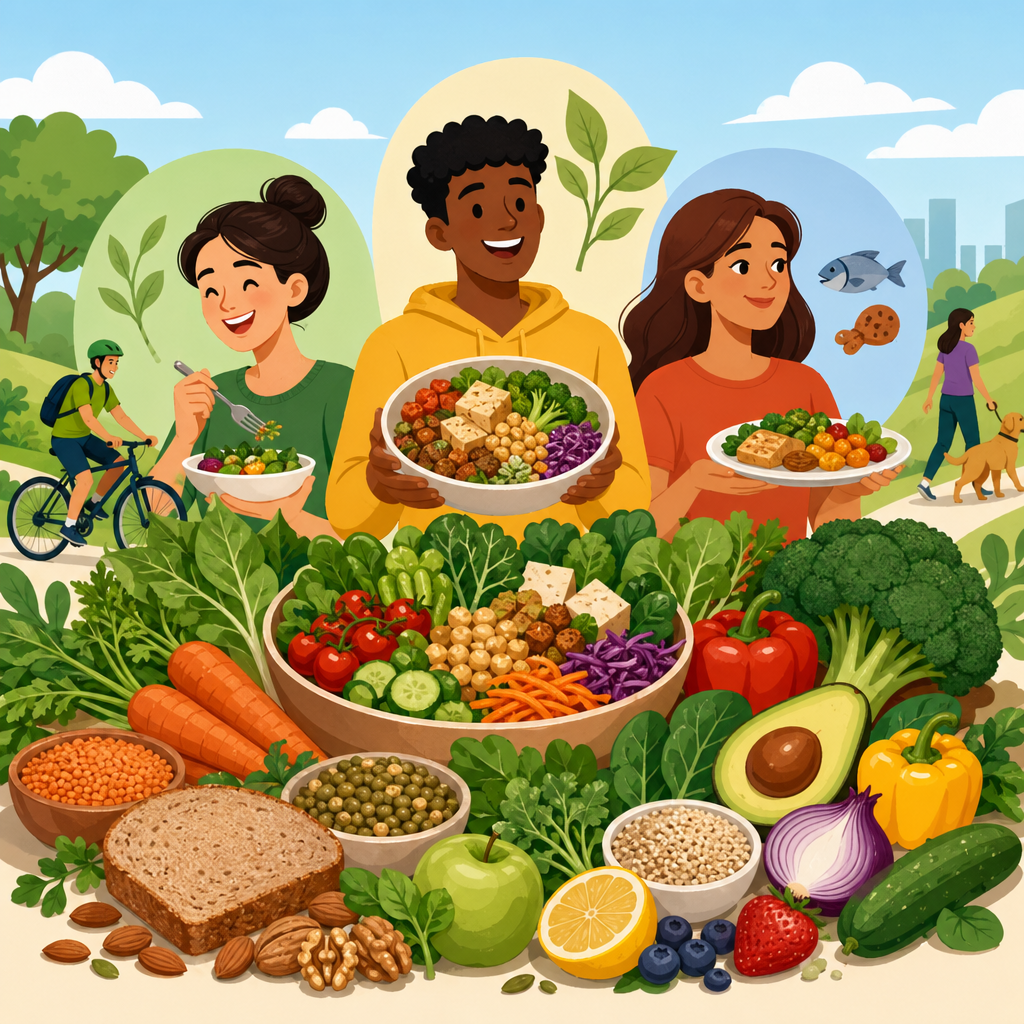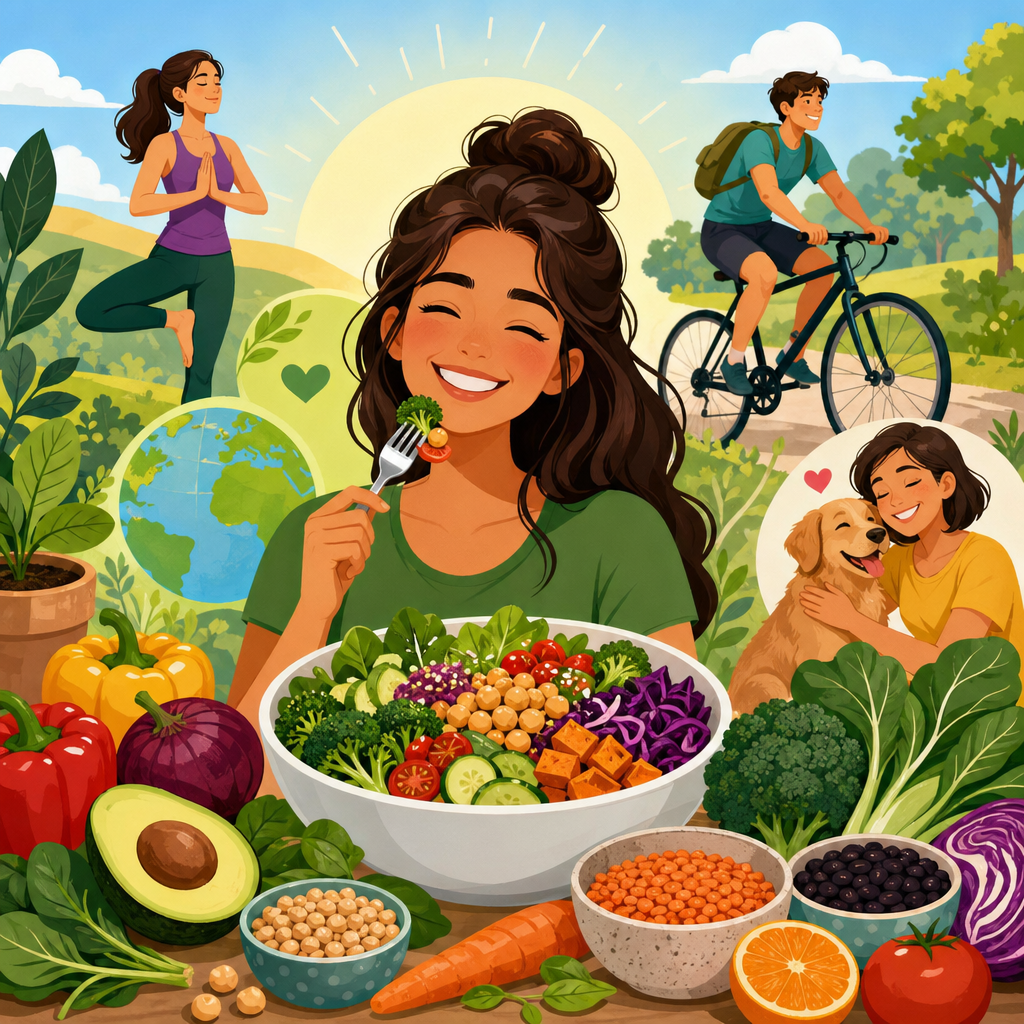
Plant-based diets have moved from niche lifestyles to mainstream health strategies because they offer a practical way to improve nutrition, reduce chronic disease risk, and align eating habits with personal values. The term plant-based diet describes an eating pattern built mostly or entirely around vegetables, fruits, legumes, whole grains, nuts, seeds, herbs, and plant oils. Within that broad category, vegan diets exclude all animal products, vegetarian diets usually include dairy, eggs, or both, and flexitarian diets center plants while allowing occasional meat, fish, or poultry. These approaches are grouped together because they share the same nutritional foundation: more fiber, more phytochemicals, and less reliance on heavily processed or animal-derived foods.
Why does this matter for overall well-being? In practice, I have seen that diet quality affects far more than body weight. It influences energy, digestion, blood sugar stability, cardiovascular markers, exercise recovery, sleep quality, and even how sustainable a routine feels over years. A well-structured plant-based pattern can help lower LDL cholesterol, support a healthier gut microbiome, improve blood pressure, and increase intake of nutrients many people underconsume, including potassium, folate, magnesium, and vitamin C. Large research bodies, including guidance from the Academy of Nutrition and Dietetics and findings published in journals such as The Lancet and JAMA, consistently show that plant-forward eating patterns are associated with lower rates of heart disease, type 2 diabetes, and certain cancers.
At the same time, not every plant-based diet is automatically healthy. French fries and sugary cereal can be vegan, and a vegetarian diet overloaded with refined carbohydrates can still leave gaps in protein, iron, or omega-3 intake. The real question is not whether a label sounds healthy, but whether the eating pattern is balanced, practical, and appropriate for a person’s life stage, budget, activity level, and health goals. This hub article explains how vegan, vegetarian, and flexitarian diets affect overall well-being, what benefits are best supported by evidence, what risks deserve attention, and how to choose the version that works in real life.
What vegan, vegetarian, and flexitarian diets actually include
A clear definition helps prevent confusion. A vegan diet excludes meat, poultry, fish, dairy, eggs, gelatin, and other animal-derived ingredients. A vegetarian diet excludes meat, poultry, and fish, but may include dairy and eggs depending on the subtype. Lacto-vegetarians eat dairy but not eggs, ovo-vegetarians eat eggs but not dairy, and lacto-ovo vegetarians include both. A flexitarian diet has no rigid rulebook; it prioritizes plant foods while allowing animal products in smaller amounts or less often. In counseling conversations, this is often the easiest entry point because it improves diet quality without requiring an all-or-nothing shift.
These patterns differ in restriction level, but the nutritional principle is the same: the plate is built around whole plant foods. That means beans instead of processed deli meats, oats instead of sugar-heavy pastries, and mixed vegetables with tofu, lentils, or chickpeas instead of a meat-centered dinner every night. The strongest health outcomes usually come from diets rich in minimally processed foods rather than imitation products alone. Plant-based burgers, vegan cheeses, and meat alternatives can be useful transition tools, but they should not become the entire strategy. Sodium, saturated fat from coconut oil, and additive-heavy ingredient lists still matter.
For readers exploring this subtopic further, this hub connects naturally to deeper guides on plant-based protein sources, meal planning, nutrient deficiencies, grocery shopping, athlete fueling, family nutrition, and how to transition gradually without digestive discomfort or decision fatigue.
How plant-based diets support heart health, metabolism, and longevity
The best-documented benefit of plant-based eating is cardiovascular support. Diets built around legumes, whole grains, vegetables, nuts, and seeds tend to be lower in saturated fat and higher in soluble fiber, which helps reduce LDL cholesterol. Soluble fiber from oats, barley, beans, lentils, flaxseed, apples, and citrus binds bile acids in the digestive tract, leading the body to use circulating cholesterol to replace them. That mechanism is one reason portfolio-style plant-based eating plans have shown meaningful LDL reductions in clinical settings.
Blood pressure often improves as well, partly because plant-forward diets usually contain more potassium, magnesium, and antioxidants and less sodium from processed meats and restaurant foods. The DASH and Mediterranean patterns are not fully vegetarian, yet their success illustrates the same principle: replacing a portion of animal foods and refined products with whole plant foods produces measurable metabolic benefits. In everyday terms, people often notice steadier energy after meals, fewer blood sugar spikes, and better satiety when meals include fiber-rich carbohydrates and protein from beans, soy foods, or dairy and eggs in vegetarian plans.
Weight management can improve, but not by magic. Plant-based diets generally have lower energy density because vegetables, fruits, legumes, and intact grains provide volume and fiber for fewer calories than fried foods, pastries, or fatty cuts of meat. However, calorie-dense vegan desserts, refined snacks, and oversized portions of nut butter can erase that advantage. The people who do best usually follow a simple pattern: half the plate vegetables, a quarter protein-rich foods, and a quarter whole grains or starchy vegetables, with healthy fats used deliberately rather than automatically.
Long-term population research links higher intake of plant foods with lower all-cause mortality, especially when those foods replace processed meat and excess red meat. The message is not that every animal food is harmful in every context. It is that a diet centered on beans, lentils, soy, vegetables, fruit, nuts, and whole grains consistently aligns with better long-term health markers than one dominated by ultra-processed foods and large amounts of meat.
Effects on digestion, immunity, mood, and daily energy
Many people first feel the impact of a plant-based diet in their digestive system. Fiber intake often rises quickly, sometimes from under 15 grams per day to the recommended 25 to 38 gram range. That increase can improve regularity, stool quality, and feelings of fullness. Diverse plant foods also feed beneficial gut bacteria that produce short-chain fatty acids such as butyrate, which support colon health and may help regulate inflammation and immune function. In practice, the biggest mistake is increasing fiber too fast without enough fluids, which can cause bloating or cramping. A gradual ramp-up works better.
Energy levels may improve when meals become more balanced and less reliant on heavy, high-fat foods that digest slowly. Breakfast is a common turning point. Replacing a sausage sandwich with oatmeal, berries, chia seeds, and soy milk gives carbohydrates for immediate fuel, fiber for steady release, and protein that helps prevent a midmorning crash. Lunches built around lentil soup, grain bowls, or hummus with vegetables usually produce a different afternoon than lunches based on fried fast food.
Mood and mental well-being are more complex. No single diet cures anxiety or depression, but diet quality matters because the brain depends on stable blood sugar, adequate B vitamins, iron, zinc, omega-3 fats, and consistent energy intake. Plant-based diets can support these needs when carefully planned. Problems arise when restriction becomes too rigid or meals become nutritionally thin. Someone eating mostly salads without enough protein, complex carbohydrates, or fats may feel tired, irritable, and hungry, then conclude the entire approach failed. Usually the issue is poor structure, not the presence of plants.
| Diet style | Main foods | Potential well-being benefits | Nutrients to watch |
|---|---|---|---|
| Vegan | Legumes, soy foods, grains, vegetables, fruit, nuts, seeds | Higher fiber intake, lower saturated fat, strong alignment with cholesterol reduction goals | Vitamin B12, iron, calcium, vitamin D, iodine, omega-3, zinc |
| Vegetarian | Plant foods plus dairy and/or eggs | Easier protein and calcium intake, flexible meal planning, good entry point for families | Iron, fiber quality, omega-3, sodium from cheese-heavy meals |
| Flexitarian | Mostly plant foods with occasional animal products | High adherence, easier social eating, balanced transition strategy | Consistency, processed meat intake, overall plant food variety |
Key nutrients, common mistakes, and who needs extra planning
The most important truth about plant-based nutrition is that benefits depend on planning. Protein is usually the first concern, yet most adults can meet needs through a combination of beans, lentils, tofu, tempeh, edamame, soy milk, seitan, dairy, eggs, nuts, seeds, and whole grains. The old idea that plant proteins must be combined in a single meal is outdated; variety across the day is enough. What matters more is total intake and regular distribution, especially for older adults and active people who benefit from roughly 20 to 35 grams of protein per meal.
Vitamin B12 deserves special attention because it is not reliably supplied by unfortified plant foods. Vegans should use fortified foods or a supplement. This is nonnegotiable. Iron also requires strategy because non-heme iron from plants is absorbed less efficiently than heme iron from animal foods. Pairing iron-rich foods like lentils, beans, tofu, pumpkin seeds, and fortified cereals with vitamin C sources such as bell peppers, citrus, strawberries, or tomatoes improves absorption. Calcium can come from fortified plant milks, calcium-set tofu, tahini, almonds, and low-oxalate greens like bok choy and kale, while vitamin D may still require fortified foods or supplementation depending on sun exposure and blood levels.
Omega-3 fats are another frequent blind spot. Flax, chia, hemp, and walnuts provide ALA, but conversion to EPA and DHA is limited. Some vegans and vegetarians, particularly during pregnancy, breastfeeding, or periods of high cognitive and visual demand, may benefit from an algae-based DHA and EPA supplement. Iodine, zinc, and selenium also deserve review, especially when someone avoids dairy, seafood, and iodized salt.
Children, pregnant people, older adults, and athletes can thrive on plant-based diets, but these groups need more intentional planning. Children need enough calories and fat for growth. Pregnant people need reliable folate, iron, B12, choline, iodine, and DHA. Older adults often need higher protein density because appetite declines while protein needs stay meaningful. Athletes need adequate leucine-rich protein, carbohydrates for training, sodium replacement, and total calories. In each case, success comes from planning, not ideology.
How to choose the right version and make it sustainable
The healthiest plant-based diet is the one a person can follow consistently without nutrient gaps or constant friction. Vegan eating can be highly effective for people who are motivated, willing to read labels, and comfortable using fortified foods or supplements where needed. Vegetarian eating is often easier for households because yogurt, eggs, and cheese simplify meal building, though it still helps to avoid turning every meal into refined grains plus cheese. Flexitarian eating works well for people who want most of the benefits of plant-based nutrition while preserving social flexibility, cultural food traditions, or occasional animal proteins.
A practical transition starts with substitution, not perfection. Build three to five dependable breakfasts, lunches, and dinners. Examples include overnight oats with soy milk and berries, black bean tacos with avocado and salsa, tofu stir-fry with brown rice, lentil pasta with vegetables, Greek yogurt with fruit and walnuts for vegetarians, or a flexitarian grain bowl topped with chickpeas most days and grilled salmon once or twice a week. Batch cooking helps because beans, grains, roasted vegetables, and sauces turn into multiple meals with minimal effort.
Shopping strategy matters. Read nutrition labels, especially for sodium, added sugar, and protein content in meat alternatives. Keep affordable staples on hand: dried or canned beans, frozen vegetables, oats, peanut butter, lentils, canned tomatoes, whole grain pasta, tofu, and fortified plant milk. These foods support a nutrient-dense pattern without specialty-store prices. When dining out, look for dishes built around beans, tofu, vegetables, and whole grains rather than relying solely on fries or bread baskets. Sustainability depends on routine, taste, affordability, and enough flexibility to fit real life.
Plant-based diets can improve overall well-being when they are built on whole foods, planned with attention to key nutrients, and matched to an individual’s needs. Vegan, vegetarian, and flexitarian patterns all offer meaningful benefits, including better heart health markers, improved digestive function, steadier energy, and a dietary structure associated with lower chronic disease risk. The differences between them are less important than the quality of the food choices within them. A thoughtful vegan diet can be excellent, but so can a balanced vegetarian or flexitarian approach.
The main takeaway is simple: eating more plants is beneficial, but eating only plant foods does not guarantee health unless meals are balanced and nutrient complete. Focus on legumes, soy foods, vegetables, fruits, whole grains, nuts, and seeds. Use fortified foods and supplements when required, especially for vitamin B12. Watch protein, iron, calcium, vitamin D, omega-3 fats, iodine, and overall calorie intake during transitions. If you are managing a medical condition, pregnant, feeding a child, or training heavily, personalized guidance from a registered dietitian is worth it.
As a hub within Dietary Lifestyles and Special Diets, this page is your starting point for deeper articles on plant-based meal planning, protein sources, nutrient deficiencies, grocery lists, recipes, and beginner transition strategies. Use it to choose the version that fits your goals, then take the next step: upgrade one meal a day with a well-planned plant-based option and build from there.
Frequently Asked Questions
1. What is the difference between vegan, vegetarian, and flexitarian diets?
A plant-based diet is a broad eating pattern centered on foods that come from plants, including vegetables, fruits, legumes, whole grains, nuts, seeds, herbs, and plant oils. Within that category, vegan, vegetarian, and flexitarian diets differ mainly in how much they include or exclude animal products. A vegan diet avoids all animal-derived foods, including meat, poultry, fish, dairy, eggs, and ingredients such as gelatin or certain animal-based additives. A vegetarian diet also focuses heavily on plant foods but may include dairy products, eggs, or both, depending on the specific type of vegetarian approach. A flexitarian diet is the most flexible of the three, emphasizing plant foods while allowing occasional meat, fish, dairy, or eggs.
From a well-being perspective, all three can support better health when they are based on minimally processed, nutrient-dense foods. The main distinction is not simply what is removed, but what is consistently added to the plate. Diets rich in beans, lentils, leafy greens, berries, oats, quinoa, nuts, and seeds tend to provide fiber, antioxidants, phytonutrients, and healthy fats that support heart health, digestion, blood sugar control, and energy levels. In practice, the best version of a plant-based diet is the one a person can maintain long term while still meeting nutritional needs, cultural preferences, lifestyle demands, and overall health goals.
2. How can a plant-based diet improve overall well-being?
Plant-based diets can positively influence overall well-being in several connected ways. Physically, they are often associated with better diet quality because they naturally increase intake of fiber, vitamins, minerals, and beneficial plant compounds while reducing reliance on heavily processed foods and certain sources of saturated fat. This combination can support cardiovascular health, healthier cholesterol levels, more stable blood pressure, improved digestion, and better weight management. Many people also notice steadier energy throughout the day because meals built around complex carbohydrates, fiber, and healthy fats can help support more balanced blood sugar patterns.
Long-term research also links well-planned plant-forward eating patterns with a lower risk of several chronic conditions, including heart disease, type 2 diabetes, and some forms of metabolic dysfunction. Just as important, well-being is not only physical. Many people find that plant-based eating creates a stronger sense of alignment between daily habits and personal values such as sustainability, animal welfare, or mindful consumption. That sense of purpose can make healthy eating feel less like a short-term diet and more like a meaningful lifestyle choice. The key point is that the benefits come from consistency and food quality, not simply from avoiding meat. A diet of fries, refined grains, and sugary vegan snacks is technically plant-based, but it will not offer the same whole-body benefits as a pattern built on whole, varied plant foods.
3. Can you get enough protein and other essential nutrients on a plant-based diet?
Yes, it is absolutely possible to meet protein needs on a plant-based diet, but it requires thoughtful food choices. Protein can come from beans, lentils, chickpeas, tofu, tempeh, edamame, peas, soy milk, nuts, seeds, and whole grains. Vegetarian eaters may also get protein from Greek yogurt, cottage cheese, milk, eggs, or cheese, depending on the foods they include. Flexitarians typically have the widest range of options, but even fully vegan diets can supply enough protein when meals are built intentionally and calorie intake is adequate. Rather than focusing on a single “perfect” protein source, it is more useful to eat a variety of plant proteins throughout the day.
Beyond protein, there are several nutrients that deserve extra attention. Vitamin B12 is the most important one for vegans because it is not reliably available from unfortified plant foods, so fortified foods or supplements are usually necessary. Iron, zinc, calcium, iodine, omega-3 fats, vitamin D, and in some cases selenium may also need planning, depending on the individual diet pattern. For example, iron can come from lentils, beans, tofu, pumpkin seeds, and spinach, while calcium can be found in fortified plant milks, calcium-set tofu, tahini, and some leafy greens. Omega-3 fats may come from flaxseeds, chia seeds, walnuts, and algae-based supplements. With good planning, plant-based diets can be nutritionally complete, but they should be approached with the same seriousness as any other health-focused eating pattern, especially for children, older adults, pregnant individuals, or athletes.
4. Are plant-based diets good for gut health and digestion?
In many cases, yes. One of the biggest digestive advantages of a plant-based diet is its naturally higher fiber content. Fiber supports regular bowel movements, helps feed beneficial gut bacteria, and contributes to the production of short-chain fatty acids that play an important role in gut and immune health. Foods like beans, lentils, oats, barley, berries, apples, artichokes, onions, garlic, flaxseeds, and leafy greens can all help create a more diverse and resilient gut microbiome. A healthier gut environment may influence not only digestion, but also inflammation, immune function, and even aspects of mood and mental well-being.
That said, the transition matters. If someone dramatically increases fiber intake overnight, they may experience bloating, gas, or digestive discomfort at first. This does not necessarily mean the diet is unsuitable; it often means the gut needs time to adapt. Increasing fiber gradually, drinking enough water, soaking beans, choosing cooked vegetables when needed, and rotating fiber sources can make the adjustment much easier. People with specific digestive conditions such as IBS, inflammatory bowel disease, or food sensitivities may need a more personalized approach. In those cases, a plant-based diet can still be beneficial, but the food choices, textures, portion sizes, and preparation methods may need to be tailored with professional guidance.
5. What is the healthiest way to start a plant-based diet for long-term success?
The healthiest way to begin is usually with a gradual, realistic shift rather than an extreme overnight overhaul. Start by building meals around familiar plant foods you already enjoy, such as oatmeal with fruit and nuts, grain bowls with beans and roasted vegetables, vegetable soups, lentil pasta, stir-fries with tofu, or salads topped with seeds and legumes. A simple framework is to fill most of the plate with vegetables and fruits, include a reliable protein source, add a whole grain or starchy vegetable, and finish with a healthy fat such as avocado, olive oil, nuts, or seeds. This makes meals more balanced, satisfying, and nutritionally complete.
For long-term success, focus on consistency, variety, and preparation. Keep convenient staples on hand, such as canned beans, frozen vegetables, whole grains, nut butters, hummus, and fortified plant milks. Read labels on plant-based packaged foods, since some are heavily processed and high in sodium, added sugar, or refined oils. If you are following a vegan or mostly vegan pattern, pay special attention to nutrients like B12, iron, calcium, and omega-3s. It can also help to think in terms of adding rather than restricting: add more beans, more greens, more whole grains, more colorful produce, and more nutrient-dense snacks. When the focus is on abundance and nourishment instead of rules and deprivation, plant-based eating becomes much easier to sustain and much more likely to support overall well-being over time.