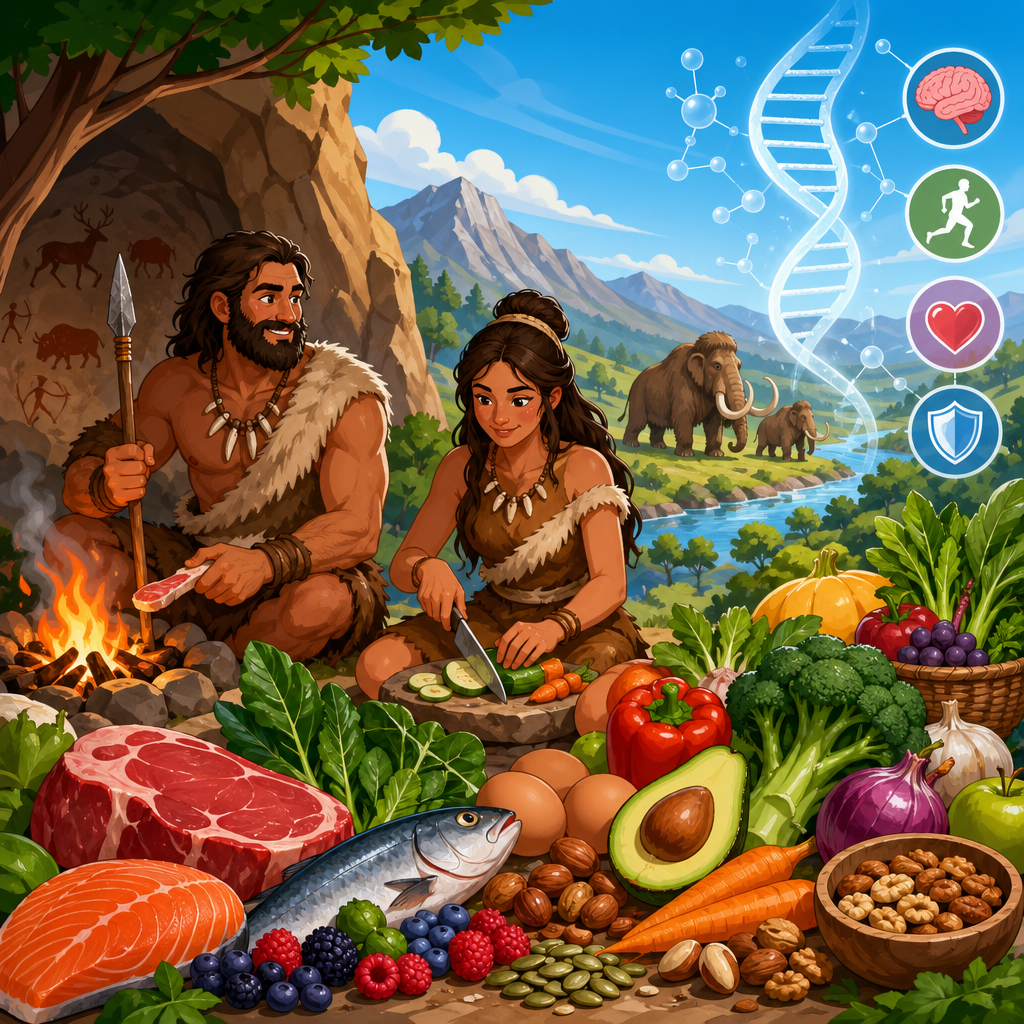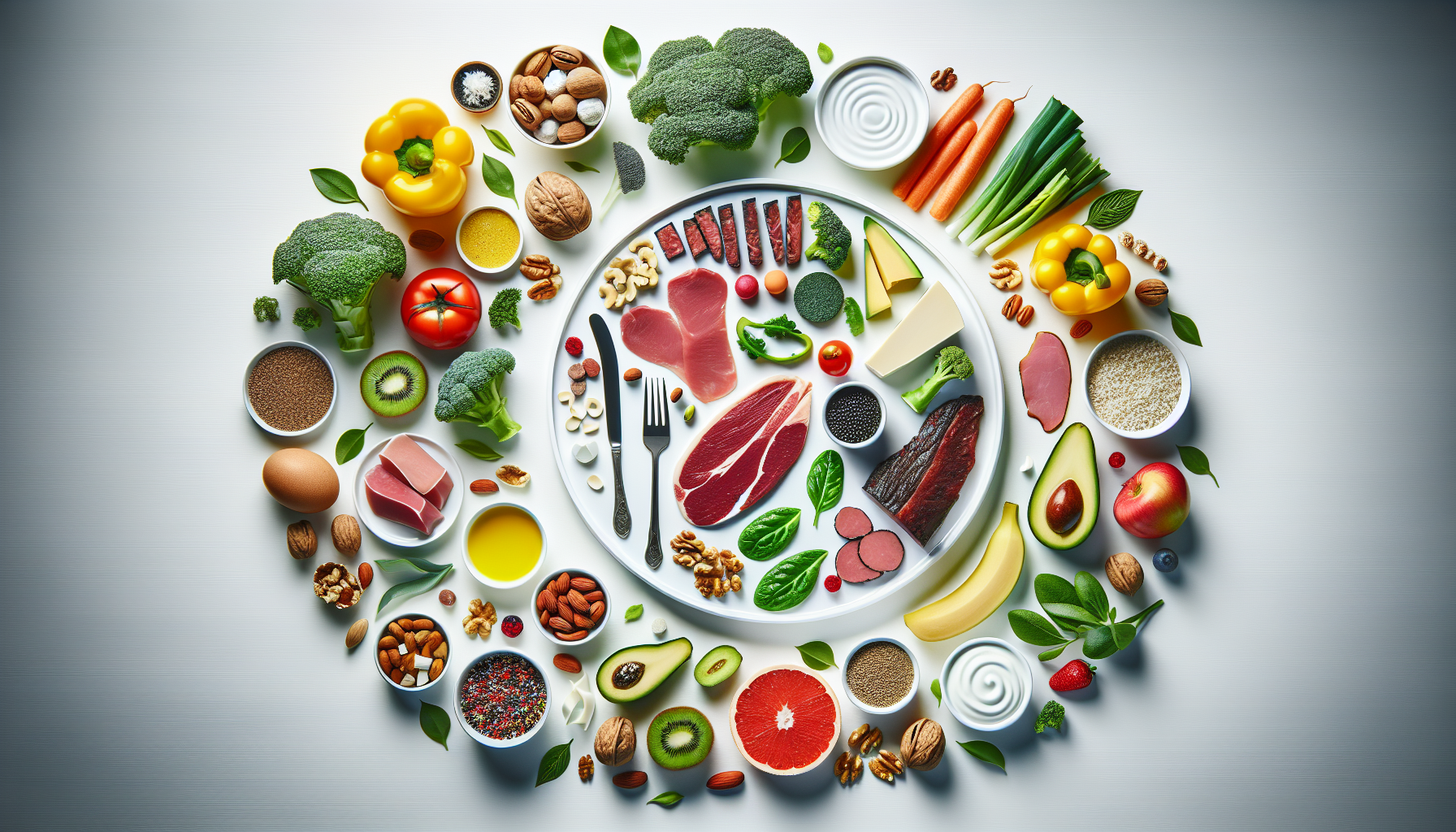
Paleo and ancestral eating focus on foods humans could obtain through hunting, fishing, gathering, and simple traditional farming, with the goal of supporting metabolism, digestion, immune resilience, hormones, and long-term health through nutrient-dense whole foods. In practice, that means prioritizing meat, seafood, eggs, vegetables, fruits, roots, nuts, seeds, herbs, and healthy fats while minimizing ultra-processed products, refined sugar, industrial seed oil overload, and, depending on the version followed, grains, legumes, and most dairy. The term paleo usually refers to a modern framework inspired by presumed Paleolithic food patterns, while ancestral eating is broader and includes traditional foods from many cultures, such as fermented vegetables, bone broth, organ meats, shellfish, olives, coconut, tubers, and properly prepared starches. This distinction matters because many people need a flexible template rather than a rigid rulebook. I have seen clients do well when they use paleo principles to reduce processed food, then personalize the plan based on activity level, digestion, blood sugar response, and cultural preferences. As a hub topic within dietary lifestyles and special diets, paleo and ancestral eating deserve careful explanation because they are often oversimplified. Done well, they can improve nutrient intake and food quality. Done poorly, they can become too restrictive, too low in carbohydrates, or unnecessarily expensive.
The core reason this way of eating supports key body functions is simple: your organs and systems run on raw materials supplied by food. Protein provides amino acids for muscle repair, enzymes, neurotransmitters, and immune signaling. Fat supplies essential fatty acids, helps absorb vitamins A, D, E, and K, and supports cell membranes and hormone production. Carbohydrates from fruit, roots, and vegetables replenish glycogen and fuel training, thyroid conversion, and nervous system demands. Micronutrients such as magnesium, zinc, selenium, folate, choline, iodine, potassium, and iron act as cofactors in everything from energy production to oxygen transport. When meals emphasize high-quality whole foods, the body typically receives more of these compounds and fewer additives, excess sodium-sugar-fat combinations, and refined starches that encourage overeating. The result is not magic; it is physiology. People often ask whether paleo is automatically better than other healthy diets. The honest answer is no. Its value depends on food quality, variety, adherence, and whether the plan fits the individual. Still, as a practical framework for reducing processed food and improving nutrient density, paleo and ancestral eating can strongly support the body’s most important functions.
How Paleo and Ancestral Eating Support Energy, Metabolism, and Blood Sugar
Energy production depends on calories, macronutrient balance, and micronutrients that allow mitochondria to convert food into usable cellular energy. Paleo-style meals often improve this process because they center on protein-rich foods and fibrous plants rather than refined grains, sweetened drinks, pastries, and snack foods. A breakfast of eggs, sautéed spinach, berries, and salmon provides protein, omega-3 fats, B vitamins, selenium, potassium, and antioxidants. Compare that with a breakfast of sugary cereal and flavored coffee, which may spike glucose quickly and leave energy crashing two hours later. In my experience, one of the fastest benefits people notice after shifting toward ancestral eating is steadier energy across the day. That usually comes from improved satiety, better blood sugar control, and fewer hyper-palatable processed foods driving a cycle of cravings.
Blood sugar regulation is especially important because repeated large glucose swings can increase hunger, worsen mood, and raise long-term cardiometabolic risk. Protein slows gastric emptying, fiber blunts rapid absorption, and whole-food carbohydrates tend to have a lower glycemic impact than refined flour products. Root vegetables such as sweet potatoes, beets, and carrots can provide carbohydrates without the blood sugar volatility often seen with white bread, crackers, or desserts eaten alone. For active people, this matters even more. Muscles store glycogen, and replenishing it with fruit and tubers can support performance while staying within a paleo or ancestral framework. That is why a thoughtful version of this diet is not necessarily low carb. It can be moderate or even relatively high in carbohydrates when based on whole-food sources and matched to training demands.
Micronutrients make the system work. Magnesium supports glucose metabolism and insulin action. Chromium influences insulin signaling. B vitamins help liberate energy from carbohydrates, fat, and protein. Iron carries oxygen to working tissues. Iodine and selenium support thyroid hormone production and conversion, which shape metabolic rate. Shellfish, red meat, eggs, Brazil nuts, seaweed, leafy greens, and tubers all contribute here. Many modern diets are energy dense but micronutrient thin. Paleo and ancestral eating often reverse that pattern by pairing adequate calories with higher nutrient density. A common mistake, however, is eating too little overall, especially when someone cuts out grains and legumes without replacing them with enough roots, fruit, or healthy fats. Under-eating can slow metabolism, increase fatigue, and make the diet feel unsustainable.
Digestive Health, the Microbiome, and Nutrient Absorption
Digestive function improves when the gut receives a mix of fiber, water, minerals, and foods that are less likely to trigger symptoms for a given person. Paleo and ancestral plans often remove many common irritants at the same time: excess alcohol, emulsifier-heavy packaged foods, sugar alcohols, deep-fried fast food, and very high intakes of refined flour. For people with bloating, reflux, or inconsistent bowel habits, that alone can produce meaningful relief. Vegetables, berries, apples, onions, garlic, artichokes, and cooled potatoes provide diverse fibers and resistant starches that feed beneficial gut microbes. Fermented foods common in ancestral traditions, such as sauerkraut, kimchi, and coconut yogurt, may add useful microbes and fermentation byproducts, though their benefit depends on the product and the individual. Bone broth is popular as well, but it should be viewed as supportive food, not a cure-all.
Nutrient absorption relies on more than what you eat; it depends on digestive capacity and meal composition. Animal proteins provide highly bioavailable iron, zinc, and vitamin B12. Liver offers exceptional amounts of vitamin A, folate, copper, and choline in small servings. Sardines deliver calcium, vitamin D, selenium, and omega-3 fats. Cooking methods matter too. Slow-cooking tougher cuts can improve digestibility. Soaking or sprouting nuts and seeds may help some people tolerate them better, though it is not mandatory for everyone. Traditional food practices often evolved for practical reasons: taste, preservation, and improved digestibility. That is one reason ancestral eating resonates with digestive health. It values preparation methods, not just ingredient lists.
There are tradeoffs. Excluding legumes and whole grains can lower intake of certain fermentable fibers and reduce food diversity if meals become repetitive. Some people thrive without those foods, especially if they have specific intolerances. Others do better with a broader approach that includes white rice, soaked beans, or gluten-free whole grains. The right question is not whether a food is universally allowed or forbidden. The better question is whether your overall pattern supports regular digestion, symptom control, and adequate nutrient intake. If constipation appears on paleo, the usual fix is not abandoning the approach. It is increasing fluids, magnesium-rich foods, cooked vegetables, fruit, and starches such as squash or potatoes.
Hormones, Immune Function, and Structural Health
Hormones depend on energy availability, essential fats, amino acids, cholesterol, minerals, sleep, and stress regulation. A well-built ancestral diet supports these factors because it avoids the combination of chronic under-eating and low nutrient intake that commonly disrupts hormonal health. Eggs provide cholesterol and choline, both relevant to cell membranes and signaling. Fatty fish supply DHA and EPA, which influence inflammation pathways and brain function. Beef, lamb, pumpkin seeds, and oysters contribute zinc, a mineral tied to immune signaling, reproductive health, and wound healing. Seafoods also provide iodine and selenium, which are critical for thyroid function. In practice, when someone replaces protein-poor processed meals with balanced whole-food plates, they often see improvements in satiety, training recovery, menstrual regularity, and mood. Those changes are not guaranteed, but they are physiologically plausible and commonly observed.
Immune resilience is closely linked to nutrient sufficiency and inflammatory load. Paleo and ancestral eating often increase intake of vitamins A, C, D, zinc, selenium, and omega-3 fats while reducing excess added sugar and industrially processed foods that can displace more nutrient-dense options. The immune system also depends on the gut barrier and microbiome, which are influenced by sleep, stress, infections, medications, and fiber intake. That is why no diet alone determines immune health. Still, a plate built around salmon, roasted vegetables, berries, olive oil, and herbs offers a far stronger immune support profile than a plate built around fries, soda, and a refined flour bun. Food quality matters because the immune system is metabolically expensive; it needs reliable building blocks.
Structural health includes muscle, bone, connective tissue, skin, and the nervous system. Protein quality is a major strength of paleo-style eating because animal-source proteins are rich in leucine and other essential amino acids needed for muscle protein synthesis. Collagen-rich cuts, gelatin, and slow-cooked meats can complement, though not replace, complete proteins from meat, fish, eggs, and dairy if tolerated. Bone health benefits from protein, vitamin D, vitamin K2, magnesium, and minerals, but here the plan must be designed carefully. If dairy is excluded, calcium needs extra attention through sardines with bones, canned salmon, mineral water, sesame, greens, and in some cases fortified foods or supplements. That nuance matters because not every version of paleo automatically covers every nutrient base.
What to Eat, Common Mistakes, and How to Make It Sustainable
The most effective version of paleo or ancestral eating is practical, varied, and matched to real life. Build meals around a protein source, add colorful plants, include enough carbohydrate for your activity level, and use fats deliberately rather than excessively. People often assume this style means unlimited bacon, no starch, and expensive grass-fed everything. That is inaccurate. A sustainable plan can include eggs, ground beef, chicken thighs, frozen vegetables, potatoes, seasonal fruit, canned fish, olive oil, avocado, and herbs. Quality matters, but consistency matters more than perfection. When budgets are tight, prioritize protein quality where possible, choose less processed foods most often, and buy nutrient-dense staples in affordable forms.
| Body Function | Helpful Paleo or Ancestral Foods | Why They Help |
|---|---|---|
| Energy and blood sugar | Eggs, sweet potatoes, berries, salmon | Provide protein, fiber, and micronutrients that support steady glucose and satiety |
| Digestion | Cooked vegetables, fermented foods, fruit, broth | Support fiber intake, hydration, and digestive comfort |
| Hormones and thyroid | Oysters, seaweed, eggs, Brazil nuts | Supply zinc, iodine, selenium, and cholesterol-related building blocks |
| Muscle and bone | Beef, sardines, canned salmon, greens | Deliver protein, calcium, iron, and vitamin D-related support |
Common mistakes are predictable. The first is replacing grains with large amounts of almond flour desserts and packaged “paleo” snacks, which recreates the same overconsumption problem with a healthier label. The second is fear of carbohydrates, especially for athletes, highly active adults, and women with heavy training loads. The third is overlooking electrolytes and hydration when processed foods disappear and sodium intake drops sharply. The fourth is treating the template as a moral identity instead of a tool. In long-term use, flexibility wins. Many people do best with an ancestral pattern that includes some full-fat dairy, white rice, or legumes if digestion and labs look good. As the hub for paleo and ancestral eating, this page should guide readers toward related topics such as paleo food lists, ancestral breakfasts, elimination strategies, low-inflammatory meal planning, and how to adapt the approach for athletes, families, and different budgets.
Paleo and ancestral eating support the body’s key functions by improving food quality, increasing nutrient density, and reducing reliance on ultra-processed products that often crowd out protein, fiber, and essential micronutrients. Their strongest benefits appear in energy regulation, blood sugar stability, digestive comfort, immune resilience, hormonal support, and structural health when meals are built from meat, seafood, eggs, vegetables, fruit, roots, nuts, seeds, and traditional fats. The biggest lesson is that this approach works best as a flexible framework, not a rigid ideology. Personal tolerance, activity level, medical history, and culture all matter. Some people will thrive with stricter paleo rules, while others will feel and perform better with a broader ancestral model that includes selected dairy, legumes, or starches. What matters most is whether the pattern is nutrient sufficient, sustainable, and grounded in whole foods. If you are exploring dietary lifestyles and special diets, use this hub as your starting point, then build a version of paleo and ancestral eating that supports your body, your schedule, and your long-term health goals.
Frequently Asked Questions
What is paleo or ancestral eating, and how does it support the body’s key functions?
Paleo and ancestral eating are food frameworks built around the idea of choosing nutrient-dense, minimally processed foods that humans have traditionally relied on for survival and health. In practical terms, this usually means emphasizing meat, seafood, eggs, vegetables, fruits, roots and tubers, nuts, seeds, herbs, spices, and natural fats, while reducing or avoiding ultra-processed foods, refined sugars, and excessive industrially refined seed oils. Depending on the version being followed, some people also limit or remove grains, legumes, and dairy to see how their body responds.
The reason this way of eating can support the body’s major functions is simple: it tends to improve overall nutrient quality while reducing common dietary stressors. Protein provides amino acids needed for muscle repair, enzymes, neurotransmitters, and immune cells. Healthy fats help build cell membranes, support hormone production, and improve absorption of fat-soluble vitamins like A, D, E, and K. Vegetables, fruits, and roots contribute fiber, potassium, magnesium, antioxidants, and phytonutrients that support digestion, blood sugar balance, cardiovascular health, and recovery from stress.
When meals are based on whole foods rather than packaged convenience products, many people naturally consume fewer additives, less refined carbohydrate, and more micronutrients per calorie. That combination can help support steady energy, better satiety, more stable blood sugar, improved digestion, and a healthier inflammatory balance. An ancestral template is not magic, but it can create an environment where the body has the raw materials it needs to regulate metabolism, maintain immune resilience, support hormone signaling, and promote long-term health.
How can paleo and ancestral eating support metabolism and steady energy levels?
Metabolism depends on more than just calories. It relies on a consistent supply of protein, minerals, vitamins, and enough energy from quality foods to allow the body to produce hormones, maintain muscle tissue, regulate blood sugar, and generate cellular energy efficiently. Paleo and ancestral eating often support metabolism by replacing highly refined foods with meals that contain more protein, fiber, and healthy fats. This tends to improve satiety and reduce the sharp blood sugar swings that can happen after eating sugar-heavy or ultra-processed meals.
For example, a breakfast built around eggs, vegetables, fruit, and avocado generally has a different metabolic impact than one built around sweetened cereal or pastries. The protein helps preserve lean mass and supports appetite control. The fats slow digestion and promote a steadier release of energy. The fiber and micronutrients from produce help with insulin sensitivity, digestive function, and energy production at the cellular level. Over time, these choices may make it easier for some people to avoid the cycle of energy crashes, cravings, and overeating.
Ancestral eating can also support metabolic health through nutrient density. B vitamins from meat and eggs help convert food into usable energy. Magnesium and potassium from vegetables, fruits, and roots support muscle and nerve function. Iron, zinc, selenium, and iodine from animal foods and seafood play important roles in thyroid function, oxygen transport, and enzyme activity. If someone is under-eating, overtraining, or following an overly restrictive version of paleo, metabolism can suffer, so balance still matters. Done well, however, this approach can provide a strong foundation for steady energy and efficient metabolic function.
Does paleo eating help with digestion and gut health?
It often can, especially when it improves food quality and reduces ingredients that are difficult for a particular individual to tolerate. Digestive health depends on several factors, including stomach acid, digestive enzymes, gut motility, the balance of beneficial microbes, and the integrity of the intestinal lining. A paleo or ancestral eating pattern can support these systems by emphasizing whole foods that are generally easier to identify and customize. When people remove ultra-processed foods, excess sugar, and a long list of additives, they often notice less bloating, less gas, and more regular digestion.
Vegetables, fruits, roots, nuts, and seeds can provide fiber that helps feed beneficial gut bacteria and supports normal bowel movements. Fermented foods, if included and tolerated, may also support microbial diversity. Bone-in meats, slow-cooked cuts, and mineral-rich broths are often part of ancestral traditions and can contribute valuable amino acids and minerals, though they are not required for a healthy diet. At the same time, many people discover they digest certain foods better than others. Some do well with dairy or soaked legumes, while others feel better limiting them. That flexibility is one reason the ancestral framework is often useful.
It is important to remember that gut health is not automatically improved by removing foods across the board. Some people need more fiber, not less. Others need to reintroduce foods gradually after symptoms calm down. If a paleo diet becomes too low in carbohydrates, too low in plant variety, or too restrictive overall, gut diversity may suffer. The best digestive results usually come from building meals around high-quality protein, colorful produce, adequate fluids, enough total calories, and a range of tolerated plant foods, then adjusting based on personal response.
Can an ancestral diet strengthen immune function and reduce inflammation?
An ancestral diet can support immune function because the immune system depends heavily on nutrition, sleep, stress management, and overall metabolic health. Food alone is not the whole picture, but it plays a major role. Nutrient-dense whole foods supply the vitamins, minerals, fatty acids, and amino acids the immune system needs to build protective barriers, create signaling molecules, and produce antibodies and immune cells. Protein from meat, fish, eggs, and other whole foods provides the building blocks for tissue repair and immune activity. Zinc, selenium, iron, vitamin A, vitamin D, and omega-3 fats all contribute to immune resilience, and many of these nutrients are abundant in a well-constructed paleo-style diet.
Inflammation is also influenced by food quality. Chronic intake of ultra-processed foods, refined sugar, and excessive industrial seed oils in the context of an overall poor diet may contribute to an inflammatory environment in some people, especially when paired with poor sleep and sedentary habits. By shifting toward seafood, quality meats, eggs, olive oil, avocado, vegetables, berries, herbs, and spices, many people naturally increase antioxidants and anti-inflammatory compounds while decreasing highly processed ingredients. That does not mean all inflammation is bad, since some is necessary for healing and immune defense, but it does mean the body may be better able to regulate inflammatory responses.
Individual tolerance still matters. If someone reacts poorly to eggs, nuts, nightshades, or another commonly eaten paleo food, symptoms can persist until that trigger is addressed. In addition, an ancestral approach should not be confused with a cure-all for autoimmune disease or chronic illness. It is best viewed as a nutrient-focused foundation that may help reduce dietary burden and support normal immune function, especially when combined with adequate sleep, physical activity, sunlight exposure, stress regulation, and medical guidance when needed.
Is paleo or ancestral eating safe and sustainable for long-term hormone health and overall wellness?
Yes, it can be, provided it is done in a balanced and individualized way. Hormones require enough energy, sufficient protein, healthy fats, and a wide range of micronutrients to function properly. Cholesterol and fats play important roles in steroid hormone production. Protein supports thyroid function, blood sugar regulation, and tissue repair. Micronutrients such as iodine, selenium, zinc, magnesium, and vitamin D influence thyroid health, reproductive hormones, stress response, and cellular signaling. Because ancestral diets often prioritize foods rich in these nutrients, they can be a strong base for long-term hormone health.
The biggest mistake people make is turning paleo into an unnecessarily restrictive diet. If carbohydrate intake drops too low for a person’s activity level, stress load, or physiology, some may experience fatigue, poor sleep, low mood, menstrual irregularities, reduced exercise performance, or thyroid-related symptoms. This is why roots, tubers, fruit, and other whole-food carbohydrate sources can be very important, especially for active individuals, women, and anyone recovering from chronic dieting. Similarly, avoiding entire food groups without a good reason can make the diet harder to sustain and may increase the risk of nutrient gaps if not planned well.
Long-term success usually comes from using ancestral principles rather than rigid rules. Focus on whole foods, protein at meals, a variety of plant foods, quality fats, and enough total calories. Pay attention to how your body responds to foods like dairy, legumes, and properly prepared grains rather than assuming they are universally harmful. A sustainable version of paleo or ancestral eating should improve energy, digestion, body composition, lab markers, and overall well-being without creating stress around food. When approached with flexibility and nutritional adequacy, it can be a practical and effective way to support hormones, metabolism, immune function, and healthy aging over time.